Cheap Car Rental Tokyo, Japan - Compare Deals & Book Instantly

Search and compare car rental prices from trusted global suppliers. Find the best deals instantly.

Why book with us?

  • Wide Fleet

    Choose from economy cars, SUVs, luxury vehicles, and more.

  • Free Cancellation

    Flexible booking options with free cancellation on most rentals.

  • 24/7 Customer Support

    Our expert team is available 24/7 to assist you with any questions or concerns.

Available Car Categories

Car Rental Deals in Tokyo

Choose from our wide range of vehicles available in Tokyo.

Economy

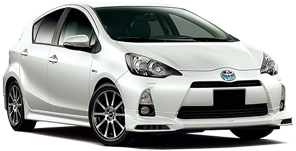
Toyota Aqua or Similar

From $20.83 /day
Toyota Aqua car rental in Tokyo

Compact

Nissan Note or Similar

From $23.44 /day
Nissan Note car rental in Tokyo

Intermediate

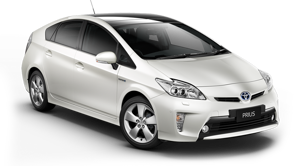
Toyota Prius or Similar

From $25.33 /day
Toyota Prius car rental in Tokyo

Intermediate Suv

Nissan X-Trail or Similar

From $44.74 /day
Nissan X-Trail car rental in Tokyo

Economy

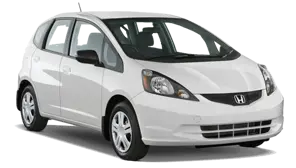
Honda Fit or Similar

From $20.83 /day
Honda Fit car rental in Tokyo

Mini

Daihatsu Move or Similar

From $21.93 /day
Daihatsu Move car rental in Tokyo

Economy

Suzuki Palette or Similar

From $21.93 /day
Suzuki Palette car rental in Tokyo

Mini

Suzuki Alto or Similar

From $22.44 /day
Suzuki Alto car rental in Tokyo

Economy

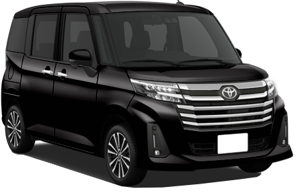
Toyota Roomy or Similar

From $23.44 /day
Toyota Roomy car rental in Tokyo

Mini

Daihatsu Cuore or Similar

From $24.87 /day
Daihatsu Cuore car rental in Tokyo

Compact

Toyota Vitz or Similar

From $24.94 /day
Toyota Vitz car rental in Tokyo

Compact Van

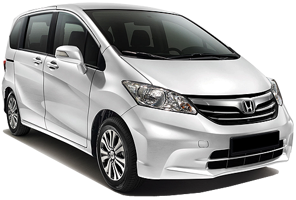
Honda Freed or Similar

From $25.33 /day
Honda Freed car rental in Tokyo

Mini

Honda N-Box or Similar

From $28.40 /day
Honda N-Box car rental in Tokyo

Mini

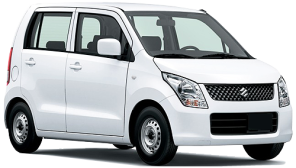
Suzuki Wagon R or Similar

From $28.40 /day
Suzuki Wagon R car rental in Tokyo

Standard Crossover

Toyota Yaris Cross or Similar

From $30.55 /day
Toyota Yaris Cross car rental in Tokyo

Mini

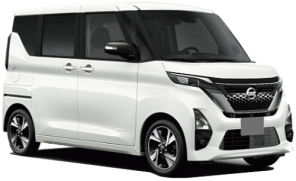
Nissan Roox or Similar

From $31.09 /day
Nissan Roox car rental in Tokyo

Compact Elite

BMW 1 Series or Similar

From $34.85 /day
BMW 1 Series car rental in Tokyo

Compact Estate/wagon

Toyota Probox or Similar

From $36.25 /day
Toyota Probox car rental in Tokyo

Intermediate Van

Toyota Sienta or Similar

From $38.04 /day
Toyota Sienta car rental in Tokyo

Standard Van

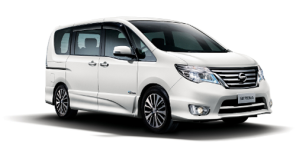
Nissan Serena or Similar

From $38.04 /day
Nissan Serena car rental in Tokyo

Standard Van

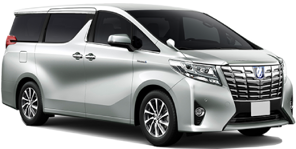
Toyota Alphard or Similar

From $38.04 /day
Toyota Alphard car rental in Tokyo

Premium Van

Honda StepWGN or Similar

From $38.04 /day
Honda StepWGN car rental in Tokyo

Full-size

Volvo S60 or Similar

From $40.34 /day
Volvo S60 car rental in Tokyo

Intermediate

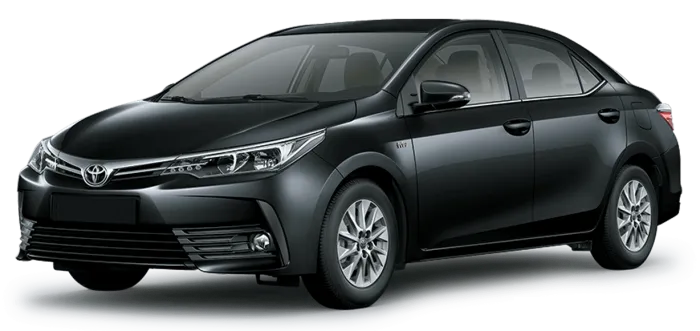
Toyota Corolla or Similar

From $41.19 /day
Toyota Corolla car rental in Tokyo

Intermediate Estate/wagon

Volvo V60 STW or Similar

From $42.14 /day
Volvo V60 STW car rental in Tokyo

Compact Suv

Mazda CX-5 or Similar

From $44.74 /day
Mazda CX-5 car rental in Tokyo

Compact Elite Suv

BMW X1 or Similar

From $44.74 /day
BMW X1 car rental in Tokyo

Compact Suv

Toyota Raize or Similar

From $46.21 /day
Toyota Raize car rental in Tokyo

Intermediate Estate/wagon

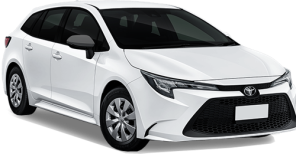
Toyota Corolla STW or Similar

From $46.63 /day
Toyota Corolla STW car rental in Tokyo
The above prices are only approximate and were last updated at 18:49 on 20/06/26. Prices may vary based on the booking dates, length of rental, and car class.
Why Choose Us

Our Features

Discover a world of convenience, safety, and customization, paving the way for unforgettable adventures and seamless mobility solutions.

Transparent Comparison

Compare rental companies side-by-side with clear information about pricing, insurance, and included services.

Additional Driver Options

Many suppliers allow you to add additional drivers so you can share driving responsibilities.

Free Cancellation

Many bookings include free cancellation up to 48 hours before pickup, giving you flexibility when travel plans change.

Car Rental Service

Instant Booking Confirmation

Get immediate confirmation for most rentals with real-time vehicle availability.

Wide Vehicle Selection

Choose from economy cars, sedans, SUVs, luxury vehicles, and vans to match your travel needs and budget.

Verified Suppliers

All rental companies on our platform are carefully verified to ensure service quality and customer reliability.

Rental Guide

Tokyo, Japan Car Rental Facts

Essential information on the best deals, rental providers, and vehicle options in Tokyo, Japan.

Most Popular Agencies

Times Car Rental (31%)

Times Car Rental leads Tokyo with 31% market share, serving locals and international visitors needing cars for day trips from the capital.

Popular Car Types

Compact (45%), Kei Car (25%), SUV (15%)

Compact cars dominate for Japanese roads. Kei cars (mini vehicles) account for 25%, popular for their tax and parking benefits in urban areas.

Average Rental Duration

2 Days

Tokyo rentals average 1-2 days, primarily for weekend getaways to Hakone, Nikko, Kamakura, and Mount Fuji. Most visitors use Japan's excellent train network for city travel. (Based on 8,500+ local pickups)

Most Popular Models

Toyota Corolla, Honda Fit

The Toyota Corolla leads for its legendary reliability. Honda Fit (Jazz) favored for its surprisingly spacious interior.

Average Daily Price

$58/day

Tokyo rates average $58/day. Weekend rates from $45/day popular for Mount Fuji day trips.

How much does it cost to rent a car at Tokyo, Japan?

Averaging the lowest prices for the economy car category, the data below shows prices for monthly comparisons.

Cheapest Month Average

Jan
Price: $50

Most Expensive Month

Apr
Price: $132

Yearly Average Price

Price: $75

Tokyo cherry blossom (April) and autumn foliage (November) peak. Business travel year-round. Golden Week (May) increases demand. Book 2-3 months ahead.


Car Rental Tokyo, Japan Guide

Renting a car in Tokyo, Japan, offers a completely different perspective on this sprawling metropolis and the stunning regions that surround it. While Tokyo boasts one of the most efficient and complex public transportation systems in the world—a labyrinth of trains and subways that can be both exhilarating and exhausting for international travelers—a rental car provides unparalleled freedom. It transforms your trip from navigating crowded station platforms to curating your own itinerary, allowing you to discover hidden gems at your own pace, from the neon-lit backstreets of Shinjuku to the serene temples of Kamakura without being tied to a train schedule.

For many travelers, the decision to rent a car in Tokyo, Japan, comes down to convenience and flexibility, especially when traveling with family or bulky luggage, or when planning to venture beyond the city limits. While taxis are efficient but expensive for long distances, and trains are punctual but require navigating transfers with baggage, a car serves as your own private mobile base. Picking up your vehicle can be a strategic choice. Airport pickups at Narita (NRT) or Haneda (HND) are ideal if you’re heading directly out of the city to destinations like Mount Fuji or the Izu Peninsula, saving you the hassle of dragging suitcases through central Tokyo. City center pickups are better suited for those who want to spend a few days acclimating to Tokyo’s urban energy before escaping to the countryside. Keep in mind that airport locations often levy a significant "airport surcharge" or "location fee," which can add 10-20% to your base rental cost. A money-saving tip: consider picking up your car from a neighborhood location just outside the airport terminal or in a nearby city to avoid these hefty fees.

Pickup Location Advantages Disadvantages Typical Surcharge
Narita Airport (NRT) Convenient for immediate travel outside Tokyo; large selection of vehicles; open late hours. Significant airport surcharge; 60-90 minute drive to central Tokyo; high demand. High (+15-25% to base rate)
Haneda Airport (HND) Closer to central Tokyo; excellent for southbound trips (Kamakura, Hakone); modern facilities. Airport surcharge; heavy traffic at peak hours; limited space for very large vans. Medium-High (+10-20%)
Central Tokyo (e.g., Shinjuku, Shibuya) No airport surcharge; easy access after exploring the city; often more flexible return times. Navigating city traffic initially; complex urban roads; parking costs if you keep the car in the city. Low (standard city rates)
Suburban Stations (e.g., Tachikawa, Yokohama) Often cheapest rates; easy highway access; avoids inner-city congestion. Less convenient if you are staying in central Tokyo; requires a train ride to get there. Minimal to None

Car Rentals Requirements in Tokyo, Japan

Renting a car in Tokyo, Japan, requires strict adherence to documentation and eligibility rules, which are enforced more rigorously than in many other countries. The legal driving age in Japan is 18, but most major rental companies require renters to be at least 21 years old, with many imposing a "young driver surcharge" for those under 25. This surcharge accounts for the higher perceived risk and can add a significant daily fee to your rental cost.

The most critical document for international travelers is a valid driver's license from your home country, accompanied by an official International Driving Permit (IDP) issued under the 1949 Geneva Convention. This is non-negotiable for most nationalities. Your IDP, original driver's license, and passport must be presented together at the counter. A major credit card in the driver's name is required for the deposit and final payment; debit cards are rarely accepted. Regarding insurance, basic "Compulsory Insurance" (akin to liability) is always included, but it’s highly advisable to purchase "Collision Damage Waiver" (CDW) and "Non-Operation Charge" (NOC) coverage. The NOC is a uniquely Japanese policy that covers fees the rental company charges if the car is damaged, even if it's not being driven (e.g., a parking lot scrape).

Requirement Details
Minimum Age 21 years (surcharge applies for drivers under 25; some luxury cars require 25+)
Driver's License Valid license from your home country + International Driving Permit (1949 Convention)
Credit Card Major credit card (Visa, Mastercard, Amex) in the main driver's name for deposit/payment
Passport Original passport for identification and visa verification
Insurance Basic insurance mandatory; CDW & NOC coverage strongly recommended

Why Rent a Car in Tokyo, Japan

While Tokyo’s public transport is legendary for its efficiency, it is designed to move people within the urban core. Renting a car unlocks the "other" Tokyo—the mountainous hinterlands, coastal fishing villages, and the iconic silhouette of Mount Fuji reflected in a lake. It allows you to escape the "last train" anxiety, enabling spontaneous detours to a roadside soba shop or a scenic viewpoint you wouldn’t otherwise see. For families, a car is a game-changer; it eliminates the stress of managing strollers and tired children on crowded rush-hour trains and provides a private space for naps between destinations.

Furthermore, a rental car is essential for exploring the broader Kanto region. The freedom to drive the Izu Skyline, a stunning ridge road with panoramic ocean views, or to chase the cherry blossoms at your own pace in rural Nagano, is an experience no train can replicate. For photographers or those seeking tranquility, a car provides access to remote onsens (hot springs) and ryokans (traditional inns) that are unreachable by public transport.

  • Ultimate Flexibility: Create your own itinerary without waiting for buses or trains. Stop whenever and wherever you like.
  • Scenic Drives: Experience Japan’s famous driving roads like the Hakone Turnpike or the coastal roads of the Boso Peninsula.
  • Family & Group Convenience: Travel together in one vehicle, saving on multiple train tickets and managing luggage effortlessly.
  • Access to Rural Areas: Reach off-the-beaten-path destinations like the Fuji Five Lakes region or the historic post towns of the Nakasendo Way.
  • Cost-Effective for Groups: For groups of three or more, the daily rental cost often undercuts the price of multiple round-trip train tickets to distant destinations.
  • Luggage Management: Avoid navigating Tokyo’s stations with heavy suitcases; your car becomes a mobile storage locker.

Best Car Rental Companies in Tokyo, Japan

Travelers renting a car in Tokyo, Japan, can choose from a robust mix of globally recognized brands and exceptional local companies. International giants like Hertz, Avis, Budget, and Europcar have a strong presence, particularly at airports and major city centers, offering familiar loyalty programs and English-language support. They are a reliable choice for those seeking a standardized experience. However, Japanese domestic companies often provide superior customer service, more competitive pricing, and a wider selection of locally popular vehicles, such as compact "kei cars" and family-friendly vans.

Among local suppliers, Times Car Rental and Nippon Rent-A-Car are the market leaders, known for their vast networks, spotless vehicles, and efficient service. Toyota Rent a Car is another top-tier option, leveraging Toyota’s dealership network to offer an extensive fleet, including newer models and hybrid options. While booking directly with a company can offer specific perks, exploring rates across these suppliers is the best way to secure a good deal, especially during off-peak seasons.

Company Price Level Pros
Times Car Rental Medium Excellent loyalty program, easy online booking, widespread locations, includes ETC card rental.
Nippon Rent-A-Car Medium-High Premium service, multi-lingual support available, large fleet of sedans and SUVs.
Toyota Rent a Car Medium New, well-maintained Toyotas, huge hybrid selection, extensive network, often a top choice for reliability.
Hertz / Avis / Budget Medium-High Familiar to US travelers, English support, good for one-way rentals, airport dominance.
Europcar Medium Strong European presence, competitive rates on automatics, good city center offices.

Popular Car Rental Categories & Prices in Tokyo, Japan

The most popular rental categories in Tokyo, Japan, are heavily influenced by the country's narrow streets, high fuel costs, and parking constraints. Economy and compact cars dominate the market, with the ubiquitous "kei car"—a small, fuel-efficient vehicle with a 660cc engine—being a favorite for solo travelers and couples. These cars are perfectly suited for navigating tight urban alleys and are significantly cheaper to rent and fuel. For families or groups, Japanese "minivans" like the Toyota Noah or Honda Stepwgn are highly practical, offering surprisingly spacious interiors and sliding doors that are a blessing in tight parking spaces. SUVs are gaining popularity for trips to mountainous areas, while luxury vehicles from brands like Lexus, BMW, or Mercedes are available in central Tokyo for those seeking a premium experience.

Rental prices in Tokyo fluctuate significantly with the seasons. The high tourist season spans from late March to early April (cherry blossom season) and again from late September to early November (autumn foliage). During these periods, prices can double or even triple, and vehicles sell out weeks in advance. Winter (December-February), excluding the New Year's holiday, and the rainy season in June and July often represent the low season for car rentals, offering the best deals. The New Year's holiday (December 29th - January 3rd) and "Golden Week" (late April to early May) see extreme demand, similar to peak foliage season.

Car Type Average Daily Price (USD)
Small Cars (Kei Car/Economy) $40 - $70
Medium Cars (Corolla/Mazda3) $55 - $90
SUVs (RAV4, etc.) $70 - $120
Vans (8-seater Toyota Noah) $90 - $160
Luxury Cars $150 - $300+
Metric Value
Cheapest Month June / July (Rainy Season)
Most Expensive Month November (Autumn Foliage Peak)
Average Price (Small Car) $55 USD / day
A Good Deal (Small Car) Under $40 USD / day
Cheapest Supplier (Typical) Times Car Rental / Toyota Rent a Car (for standard vehicles)
Cheapest Car Type Kei Car / Economy Compact

Road Trips from Tokyo, Japan

One of the greatest joys of renting a car in Tokyo, Japan, is the ability to embark on unforgettable road trips that showcase the country’s diverse natural beauty. Here are some of the most popular routes starting from the city.

  • Mount Fuji & Hakone Circuit - Distance: 90-120 minutes to Fuji Five Lakes
    A classic escape from the city. Drive west towards the iconic mountain. Highlights include the Chureito Pagoda in Fujiyoshida for the classic photo, the volcanic valley of Owakudani in Hakone, and a scenic drive along the Ashinoko Skyline. This route is perfect for a 2-3 day trip combining nature and onsen resorts.
  • Izu Peninsula Coastal Drive - Distance: 2.5 hours to Atami
    Head south along the Izu Skyline and Jukai Numa roads for breathtaking coastal views. This route offers rugged coastlines, dramatic cliffs, and laid-back surfing towns. Must-see stops include the Jogasaki Coast with its suspension bridge and the picturesque Shirahama Beach.
  • Kamakura & Enoshima Day Trip - Distance: 60-90 minutes south
    While accessible by train, a car allows you to explore the hidden temples of Kamakura's hills and the charming island of Enoshima without the crowds. You can easily combine the Great Buddha (Kotoku-in), the serene Zeniarai Benten Shrine, and the coastal drive to Enoshima’s caves in one leisurely day.
  • Nikko National Park - Distance: 2-2.5 hours north
    A journey into the mountains to see the ornate Toshogu Shrine and the stunning Kegon Falls. The drive becomes increasingly scenic as you climb into the forested hills, culminating in the beautiful Lake Chuzenji. It's a fantastic overnight trip, especially during autumn colors.
  • Karui zawa & Nagano Mountains - Distance: 2-2.5 hours northwest
    A favorite summer escape for Tokyoites, Karuizawa offers a cool climate, stylish shopping, and outdoor activities. The drive continues to Nagano city to see the famous Zenko-ji Temple or further to the "Snow Monkey" park in Yudanaka. This route is ideal for a multi-day exploration of the Japanese Alps foothills.

Driving Rules in Tokyo, Japan

Driving in Japan, including Tokyo, Japan, is generally safe and orderly, with drivers exhibiting high levels of courtesy. However, the rules are strict, and fines are significant. The most important thing to remember is that driving is on the LEFT side of the road, which can be disorienting for those from right-hand drive countries. Steering wheels are on the right side of the vehicle. Speed limits are generally low: 40-60 km/h (25-37 mph) on urban roads, 80-100 km/h (50-62 mph) on expressways. Japan has a zero-tolerance policy for drink-driving, with a legal blood alcohol limit of 0.0% for all drivers. Seatbelts are mandatory for all passengers, and child seats are legally required for children under six years old.

Road conditions in Tokyo and on major highways are excellent, with clear signage often in English and Japanese. However, urban roads can be narrow, with many one-way streets and complex intersections. The "shibuya crossing" is famous, but navigating it by car is a different story—it requires patience. In winter, routes to mountainous areas like Nikko or Nagano often have "winter tire" or "chain" requirements, typically enforced from December to March. Rental cars in these areas often come equipped with winter tires, but it's crucial to confirm this when booking.

Rule Detail
Driving Side Left
Urban Speed Limit 40-60 km/h (25-37 mph)
Expressway Speed Limit 80-100 km/h (50-62 mph)
Blood Alcohol Limit 0.0% (Zero tolerance)
Seatbelts Mandatory for all passengers
Child Seats Required for children under 6 years
Winter Tires Required on designated mountain roads (Dec-Mar); often included with rentals in snowy areas

Toll Roads in Tokyo, Japan

If you plan to drive outside central Tokyo on expressways (which you almost certainly will), you will encounter a network of toll roads. The metropolitan expressways (Shuto Expressway) that crisscross Tokyo are also tolled. These tolls are an essential part of funding Japan’s world-class road infrastructure, and they can add a significant cost to your trip. A drive from Narita Airport to central Tokyo can cost around 2,500-3,500 JPY (approximately $17-24 USD) in tolls, while a round trip to Hakone might total 6,000-8,000 JPY ($40-55 USD).

Navigating tolls is made easy with the Electronic Toll Collection (ETC) system. Almost all rental cars come equipped with an ETC card reader, and you should absolutely rent an ETC card from the rental company for a small daily fee (often around 300 JPY/$2 USD per day). This allows you to pass through toll gates without stopping, and you are billed later based on your total usage. It’s vastly more convenient than paying cash at every gate, especially in heavy traffic. Payment for tolls is settled when you return the car, and most rental companies will provide a detailed printout of your usage.

Parking in Tokyo, Japan

Parking in Tokyo, Japan, is a world unto itself. It is rarely free and requires a strategic approach. Street parking is extremely limited in central wards like Shinjuku, Shibuya, and Ginza, and what exists is strictly metered and often limited to short stays (like 60 or 90 minutes). The most common and reliable option is paid parking garages (often called "coin parking"). These are ubiquitous but can be expensive, typically costing 300-600 JPY ($2-4 USD) for the first hour, with daily maximums ranging from 1,800-3,600 JPY ($12-24 USD) depending on location and time of day.

The primary challenge is that many of these "coin parking" lots are unattended and have strict rules, such as prohibiting overnight parking or charging significantly higher rates at night. Before leaving your car, always check the sign carefully for hours of operation and maximum rates. Many hotels in Tokyo do not have their own parking, and if they do, it often comes with a nightly fee of 2,000-3,000 JPY ($13-20 USD). If you're staying in the city, it’s often best to return your car as soon as your rural explorations are done, as parking costs can quickly rival the daily rental rate itself.

Tips for Car Rental in Tokyo, Japan

Making the most of your car rental experience in Tokyo, Japan, requires a little insider knowledge. Here are some practical tips to ensure a smooth and cost-effective journey.

  • Book Early for Peak Seasons: For cherry blossom (late March-early April), autumn leaves (November), Golden Week, and New Year’s, book your car at least 2-3 months in advance. Prices skyrocket and availability vanishes quickly.
  • Rent an ETC Card: Always opt to rent the Electronic Toll Collection card. It saves immense time at toll booths and is the standard method for Japanese drivers. The small rental fee is worth its weight in gold.
  • Go for the NOC Coverage: The "Non-Operation Charge" coverage is a unique Japanese insurance add-on. It covers the fee the rental company charges if you return the car with a minor scratch or dent, even if the car wasn't moving. It provides incredible peace of mind in tight parking situations.
  • Specify an Automatic Transmission: The majority of cars in Japan are automatic, but a significant portion of the fleet (especially economy cars) are manual. If you cannot drive a manual, ensure you book an "AT" (Automatic Transmission) vehicle to avoid an unpleasant surprise at pickup.
  • Consider Picking Up Outside the City Center: To save on both rental rates and the stress of navigating central Tokyo’s complex road network, pick up your car at a suburban location or at the airport upon arrival if you're heading out of town immediately.
  • Check the Fuel Policy: Most Japanese rental companies operate on a "full-to-full" fuel policy. You receive the car with a full tank and must return it full. This is the most economical option. Avoid "full-to-empty" policies if possible, as they often include a service charge for the fuel.
  • Utilize English GPS: Most modern rental cars have GPS navigation systems that can be set to English. Learn how to input a destination by phone number—it’s the most reliable method for finding exact locations in Japan.

Common Car Rental Mistakes Travelers Make

Navigating a car rental in a foreign country can be tricky, and even seasoned travelers can make mistakes. Avoid these common pitfalls to keep your Tokyo driving experience positive.

  • Failing to Secure an International Driving Permit (IDP): This is the number one mistake. Showing up with only your home license will result in the rental company refusing to give you the car, with no refund. Ensure you get the 1949 Geneva Convention IDP before you leave your home country.
  • Underestimating Toll Costs: Many first-time drivers are shocked by the cost of tolls for expressways. Budget an extra $20-40 USD per day for tolls on longer road trips. Not renting an ETC card also leads to time-consuming cash payments.
  • Renting a Car for Entire Tokyo Stay: Keeping a rental car while staying in central Tokyo for multiple days is often a mistake. You’ll pay exorbitant daily parking fees and struggle with traffic. It’s best to rent the car specifically for the day(s) you plan to leave the city.
  • Ignoring the NOC Insurance: Declining the Non-Operation Charge to save a few dollars a day is a common regret. The standard insurance may still leave you liable for a substantial fee if a parking attendant leaves a minor scratch.
  • Not Inspecting the Car Thoroughly: Before driving off the lot, walk around the car with the rental agent. Japanese companies are meticulous, and any pre-existing scratches or dents will be noted on the form. If you find a blemish that isn't documented, point it out to avoid being charged for it later.
  • Assuming English is Widely Spoken: While major rental offices at airports and in tourist hubs have English speakers, smaller neighborhood offices may not. Have your reservation printed, know the Japanese phrases for "insurance" and "ETC card," and use a translation app if needed.

Real Travel Experience Renting a Car in Tokyo, Japan

My first time renting a car in Tokyo, Japan, started with a nervous train ride out to a suburban branch in Tachikawa to avoid airport fees. After a bit of a language barrier with the agent—my Japanese is minimal—we managed to secure a compact Toyota hybrid and, crucially, the ETC card. The first few minutes on the road were a mental marathon of reminding myself to stay left and navigating the spaghetti-like on-ramps of the Shuto Expressway. But within an hour, we were driving past the urban sprawl, and the real adventure began. The GPS, set to English and guided by phone numbers, led us perfectly to a hidden soba restaurant in the mountains. The feeling of freedom, of being able to pull over at a roadside fruit stand with a perfect view of Mount Fuji looming over us, made the initial stress completely worth it. By the time we returned the car three days later—with a full tank of gas and a printout of our toll usage—I felt like a seasoned local.

International Driving Permit for Travelers Visiting Tokyo, Japan

An International Driving Permit (IDP) is arguably the single most important document for international travelers planning to rent a car in Tokyo, Japan. The IDP serves as a standardized translation of your national driver's license and is required by Japanese law for most foreign nationals. It is essential to ensure you obtain the correct version—the IDP issued under the 1949 Geneva Convention. This is the only version recognized by Japanese authorities and rental car companies. Permits issued under the 1926 or 1968 conventions are not accepted.

Obtaining an IDP is a straightforward process that must be completed before you leave your home country. In the United States, for example, it is issued exclusively by the American Automobile Association (AAA) and the American Automobile Touring Alliance (AATA). You typically need to provide two passport-sized photos, a valid driver's license, and a small fee. The permit is valid for one year from the date of issue. At the rental counter in Tokyo, Japan, you must present your original home driver's license, the IDP, and your passport simultaneously. Failure to present a valid IDP will result in the rental company refusing to hand over the keys, and you will not be eligible for a refund.

Have Questions?

Frequently Asked Questions about Car Rental in Tokyo

Yes, most foreign tourists require an International Driver's Permit (IDP) based on the 1949 Geneva Convention to drive in Japan. The permit must be obtained in your home country before arriving in Japan; you cannot apply for one locally. Present the physical IDP booklet along with your valid domestic passport and home country driver's license at the rental counter. Photocopies or digital images are not accepted. Drivers from Switzerland, Germany, France, Belgium, Slovenia, Monaco, and Taiwan require an official Japanese translation of their license instead of an IDP. If you hold a license from a country not party to the 1949 convention, you cannot legally drive in Japan regardless of rental booking status.

The minimum age to rent a car in Tokyo is 18 years old, and you must have held a valid driver's license for at least one year. However, many rental companies enforce a young driver surcharge for anyone under the age of 26. This surcharge varies by provider but typically adds approximately $8 to $15 USD per day to the base rental cost. Additionally, certain specialty vehicles such as luxury sedans, sports cars, or large passenger vans often carry a minimum rental age of 21 or 25, regardless of license tenure. It is recommended to check the specific age policy for the vehicle class selected before completing the booking, as the fee may not be included in the initial online quote.

Yes, one-way rentals between central Tokyo locations and Haneda Airport are widely available and highly convenient for travelers with early flights. Most major rental companies operate shuttle-connected branches near Haneda. A one-way drop fee typically applies and varies based on distance; for city-to-airport routes, expect a surcharge between $20 and $45 USD. This fee is calculated by corporate policy and is displayed during the online checkout process. Please note that some specialty vehicles such as large vans or specific luxury imports may be restricted from one-way drop-offs at airport locations due to fleet management constraints. Always confirm the one-way fee and vehicle eligibility prior to finalizing your reservation.

The basic rental rate in Tokyo includes mandatory Compulsory Automobile Liability Insurance (Jibaiseki Hoken) as required by Japanese law. This covers bodily injury and death of third parties and passengers but has significant gaps. It typically does not cover damage to the rental vehicle itself, property damage to third-party structures, or towing fees. The driver is liable for a deductible, usually capped at around $1,300 to $2,000 USD for vehicle damage and a separate amount for property damage. Due to these financial exposures, most renters opt to purchase additional coverage at the counter.

Collision Damage Waiver (CDW) and Non-Operation Charge (NOC) are two distinct coverage types often confused by renters. CDW limits your financial responsibility for vehicle repairs in an accident. If you purchase CDW, you are exempt from paying the vehicle damage deductible which can exceed $1,300 USD. NOC is separate and covers the rental company's lost income while the vehicle is being repaired and unavailable for rent. Even with CDW, you will be billed for NOC unless you purchase NOC coverage. NOC fees are fixed regardless of repair costs and can be $130 to $330 USD for a returnable vehicle, or up to $650 USD if the car must be towed. For complete peace of mind, both coverages are strongly advised.

You must present three original physical documents at the Tokyo rental counter. First, your valid domestic driver's license from your home country. Second, a valid International Driver's Permit (IDP) issued under the 1949 Geneva Convention, or an official Japanese translation for select national licenses. Third, your physical passport is required for identification verification and to confirm your legal entry status into Japan. Digital copies, scans, or photographs of any of these documents will not be accepted. Additionally, you need the credit card used for the reservation to complete the security deposit authorization. Failure to bring all three original documents will result in a canceled booking without refund.

Yes, the Metropolitan Expressway network and intercity expressways around Tokyo are toll roads and fees can accumulate quickly. Most rental cars are equipped with an Electronic Toll Collection (ETC) device. You can rent an ETC card at the counter for a small fee of approximately $2 to $3 USD per day. Using an ETC card is essential as it allows you to pass through toll gates without stopping to pay cash and usually qualifies for discounted urban toll rates. Without an ETC card, you must stop at cash lanes which can be confusing for non-Japanese speakers. The total toll charges accrued on the ETC card are calculated and billed to your credit card upon return of the vehicle.

The standard fuel policy in Tokyo is Full-to-Full. You will receive the vehicle with a full tank of gasoline and you must return it with a full tank. If the tank is not full upon return, the rental company will charge a refueling fee based on distance driven or a per-liter rate significantly higher than local gas station prices, often 30% to 50% more. To avoid this surcharge, plan to refuel within a 5-kilometer radius of the return location and always keep the printed receipt from the gas station. Presenting this receipt at check-in serves as proof of refueling and prevents any post-rental fuel charge disputes.

Yes, parking in central Tokyo districts such as Shinjuku, Shibuya, Ginza, and Roppongi is both scarce and expensive. Curb-side street parking is virtually non-existent and illegal in most areas. You must use paid parking lots which charge rates ranging from $2 to $6 USD per 30 minutes during daytime hours. Overnight parking at a hotel can cost an additional $15 to $40 USD per night. Driving a large vehicle is particularly challenging as many multi-story parking structures have height and width restrictions unsuitable for vans or SUVs. If your itinerary focuses primarily on central Tokyo wards, using the efficient train network is far more practical than renting a car.

Yes, you can register one or more additional drivers on the rental contract. Each additional driver must be present at the rental counter during pickup and present the exact same valid documentation as the primary driver including an original International Driver's Permit and passport. There is a nominal fee for registering a second driver, generally ranging from $7 to $12 USD per day depending on the rental company. It is crucial to register all potential drivers formally. If an unregistered person drives and is involved in an accident, all insurance coverage and waivers become completely void, leaving the renter liable for the full cost of damages and any third-party claims.

In the event of any accident regardless of severity, you must take three immediate actions. First, if there are any injuries, dial 119 immediately for ambulance assistance. Second, you must report the incident to the police by dialing 110. Do not leave the scene or agree to private settlements, as a police accident report is mandatory for insurance validation. Third, contact the emergency roadside number of the rental company provided in your rental folder. Take extensive photos of vehicle positions, damage, and the surrounding area. Failure to obtain a police report will void all insurance coverage, leaving you fully liable for all vehicle repair costs and property damages.

Most rental vehicles in Tokyo are equipped with built-in multi-lingual car navigation systems that can be set to English voice guidance and menus. However, the interface can be challenging as destination input often relies on Japanese phone numbers rather than addresses or business names. It is highly recommended to look up the specific telephone numbers of hotels, attractions, and restaurants you plan to visit before you depart. Alternatively, many travelers find it easier to use a smartphone with Google Maps or Waze mounted on the dashboard. If relying on the car's GPS, ensure the staff demonstrates how to change the language setting before you leave the lot.

Yes, Japanese traffic law strictly requires children under the age of six to be secured in an approved child safety seat appropriate for their weight and height. Rental companies offer infant seats, child seats, and junior booster seats for a daily rental fee generally between $4 and $12 USD per seat. These must be reserved in advance as inventory is limited and cannot be guaranteed for walk-in rentals. While the law applies to children under six, it is highly advisable to use a booster seat for older children due to the smaller size of Japanese vehicle cabins and seat belt configurations. The driver is legally responsible for ensuring all minors are properly restrained.

Credit cards are the standard and practically mandatory method for payment and security deposits at Tokyo rental agencies. The card must be in the name of the primary driver and must have sufficient available credit to cover the estimated rental charges plus a security hold of $300 to $1,000 USD depending on vehicle class and insurance selections. Debit cards and cash are generally not accepted for the deposit hold because rental companies need the ability to charge for tolls, fuel, or damage after the vehicle has been returned. Virtual credit cards or prepaid travel cards may also be declined if they do not support post-rental adjustments. Always ensure your physical credit card has a PIN if traveling from certain regions.

Cancellation policies vary by booking platform and rental company, but most offer free cancellation up to 7 days before the scheduled pickup time. Cancellations made 2 to 6 days prior usually incur a small processing fee of roughly $20 to $30 USD. Cancellations made within 24 hours of pickup or no-shows typically result in a charge of 100% of the total reservation cost. During peak travel seasons such as Golden Week (late April to early May), Obon (mid-August), and New Year's holidays, cancellation deadlines are often stricter, requiring up to 14 days notice for a full refund. Always review the specific cancellation terms at the time of booking as they are strictly enforced.

Absolutely. Renting a car is one of the best ways to explore the Fuji Five Lakes region and the Hakone area at your own pace. Most rental packages include unlimited mileage, so there are no distance penalties for day trips or multi-day excursions outside Tokyo. Ensure you rent an ETC card for the expressway tolls, as the trip from central Tokyo to Kawaguchiko via the Chuo Expressway can cost approximately $25 to $35 USD in tolls each way. If traveling in winter between December and March, it is critical to request a vehicle equipped with winter tires or 4WD as the roads approaching Mount Fuji and Hakone frequently experience snow and ice conditions not found in the city.

Pets are generally not permitted in standard rental vehicles in Tokyo unless specifically noted. Standard rental fleets are maintained for general public use and require strict cleanliness standards due to allergies and hygiene protocols. If you are traveling with a service animal, you must notify the rental branch directly in advance, and official documentation may be required. Unauthorized transport of an animal in a standard rental car can result in a substantial detailing fee charged to your credit card after the vehicle is returned. There are a few specialized pet-friendly rental services in Japan, but they are not common at major airport or city center locations. Always secure pets in proper carriers when using private vehicles.

Daily rental rates in Tokyo vary significantly by season and vehicle class. A compact car (Class 5) suitable for two passengers with luggage starts around $45 to $70 USD per day including basic insurance. A mid-size sedan or hybrid such as a Toyota Prius averages $75 to $110 USD per day. A family-sized minivan or SUV seating 6-8 passengers ranges from $120 to $180 USD per day. These base rates do not include optional insurance waivers ($12 to $20 USD/day), ETC card rental, or child seats. Weekend rates and national holiday periods can see price increases of 30% to 50%. Booking at least three to four weeks in advance typically secures the most competitive rate.

In Tokyo, vehicles drive on the left side of the road. General speed limits are strictly enforced: 60 km/h on general roads unless posted otherwise, and 80 to 100 km/h on expressways. However, you will often see local traffic flowing slightly faster than the posted limit on expressways. It is illegal to use a mobile phone while driving unless the car is parked with the engine off. The legal blood alcohol limit is 0.03%, which is effectively zero tolerance; any trace of alcohol can lead to arrest. At railway crossings, you must come to a complete stop and check both ways before proceeding, even if the warning lights are not flashing. Seatbelts are mandatory for all occupants.

While central Tokyo itself rarely experiences heavy snow accumulation, areas within a 90-minute drive such as Nikko, Hakone, Okutama, and the approach roads to Mount Fuji receive significant snowfall from December through March. Standard rental cars in Tokyo come equipped with all-season or summer tires. If your itinerary includes mountainous regions or highways at elevation, you must specifically request a vehicle fitted with winter tires or studless snow tires. Most rental companies offer a winter tire package for an additional fee of approximately $15 to $25 USD per day. Driving on summer tires in snowy conditions is dangerous and will void insurance coverage if an accident occurs.

Rental car branches are not located within the terminal buildings at Narita Airport. Instead, all major rental companies operate off-site offices nearby and provide complimentary shuttle bus service from each terminal. After collecting your luggage and clearing customs, proceed to the designated rental car shuttle bus stop outside the arrivals level. The shuttle ride to the rental depot takes approximately 10 to 15 minutes. This process is well-organized, but you should budget an extra 30 to 45 minutes to complete the transfer and paperwork before you are on the road. Some companies offer meet-and-greet services at the terminal curb for premium vehicle reservations.

At Haneda Airport, rental car counters are located in the arrival lobbies of each terminal. For international arrivals at Terminal 3, the counters are on the 2nd floor arrivals level. After checking in at the counter, you will be directed to a shuttle bus or, in some cases, you can walk to the off-site rental office. Some newer facilities are directly connected to the airport complex near Haneda Airport Garden, just a short walk from Terminal 3. The transfer time to the vehicle pickup location varies by provider but generally takes between 5 and 20 minutes. It is advisable to confirm the exact meeting point and shuttle procedure in your reservation confirmation email.

Smoking is strictly prohibited inside all rental vehicles and within the rental office buildings. If you need to smoke before returning the car, designated outdoor smoking areas are available at Haneda Airport terminals, but they are not typically located directly at the off-site rental car return lots. The most reliable option is to use the smoking rooms inside the departure and arrival lobbies of Terminals 1, 2, and 3 before boarding the shuttle to the rental office. Please be aware that a significant cleaning fee starting from $130 USD will be charged if the vehicle is returned with the smell of smoke in the cabin.

The off-site rental facilities near Haneda Airport provide designated customer parking spaces for those arriving by private vehicle to pick up a rental car. However, long-term parking is generally not available at these facilities. If you are driving a personal car to the rental office, you should only use the short-term spaces designated for rental customers during the check-in process. For multi-day travel, you cannot leave your personal vehicle at the rental lot. In such cases, it is better to use public transportation or a taxi to reach the rental office, as nearby private parking lots around the airport are not intended for long-term storage associated with rental transactions.

The average wait time at Tokyo airport rental locations varies significantly by arrival time. During non-peak hours and with a confirmed reservation, the process from counter check-in to driving away usually takes 20 to 30 minutes. During peak morning hours (8:00 AM to 10:00 AM) or when multiple international flights arrive simultaneously at Haneda, wait times can extend to 45 to 60 minutes. To minimize wait time, ensure all drivers are present with passports and permits ready, and consider pre-registering your details online if the rental company offers an express check-in service. Picking up from a city center location often results in a faster transaction than at the busy airport terminals.

Yes, ETC cards can be rented for a small daily fee of approximately $2 to $4 USD at the rental counter. This card is inserted into the vehicle's onboard ETC reader and allows you to drive through expressway toll gates without stopping to pay cash. Using an ETC card is highly recommended for navigating the Shuto Expressway network around Tokyo, as it also provides discounted toll rates compared to cash payments. You will not need to top up the card; the rental company tracks your usage via the device and charges the total toll amount to your credit card at the end of the rental period.

Haneda Airport does not have a single postal code for all rental car facilities because each rental company operates from separate addresses in the Ota-ku ward near the airport complex. The area encompassing Haneda Airport Terminals and the adjacent Haneda Airport Garden commercial complex generally falls under the postal code 144-0041. For navigation purposes when returning a car, it is much more accurate and effective to input the specific telephone number of the rental branch office into the car's GPS system rather than relying on the postal code or street address. Your rental contract folder will include this specific phone number.

Duty free shopping at Haneda Airport is located airside, beyond security and immigration control, and is therefore not accessible when you are arriving on an international flight to pick up a rental car. Since you clear customs and enter the public arrivals lobby before going to the rental car counter, you cannot access the outbound duty free shops. If you plan to shop duty free upon departure, you should factor this into your return timing. You will need to return the car, take the shuttle to the terminal, and then pass through security with enough time to browse the duty free area before your flight boards.

Japan's drink driving laws are among the strictest in the world and carry a zero tolerance policy for rental car drivers. The legal blood alcohol concentration limit is 0.03%, which is essentially the presence of any alcohol. If you are found driving with any detectable alcohol, you face immediate arrest, detention, and a criminal record. Penalties include fines of up to $6,500 USD and imprisonment for up to 3 years. Furthermore, passengers who knowingly ride with an intoxicated driver are also subject to penalties. If you drink the night before returning the car, ensure a full 8 to 10 hours have passed, as residual alcohol can still be detected.

The best time to book a rental car for Tokyo is as early as possible, ideally 1 to 3 months in advance. This is particularly critical if your travel coincides with peak Japanese holiday periods. During Golden Week (late April to early May), Obon (mid-August), and New Year's (late December to early January), rental fleets in Tokyo sell out completely, and prices can double or triple. Booking early not only guarantees vehicle availability but also locks in a lower base rate. For travel during off-peak seasons such as late January or early June, booking 2 to 4 weeks ahead is generally sufficient to find good availability and competitive rates around $50 to $80 USD per day.

Yes, one-way rentals between Tokyo and Osaka are possible but subject to significant fees and restrictions. Because of the long distance of approximately 500 kilometers, the one-way drop fee is substantial, typically ranging from $250 to $500 USD depending on the rental company and vehicle class. Additionally, not all vehicle categories are eligible for inter-city drops. Larger vans and specific luxury models may be restricted to the original region. You must also consider the cost of expressway tolls for the journey, which can exceed $70 USD one way. In most cases, it is more economical to return the car to Tokyo and use the Shinkansen bullet train for travel to Osaka.
Verified Customer Reviews

Tokyo Car Rental Reviews & Customer Ratings

Read verified customer reviews, ratings, and rental experiences from travelers who booked through AirportCarHub.

Overall Rating

0/5.0
Based on 0 reviews