Cheap Car Rental Haneda Airport (HND), Tokyo - Compare Deals & Book Instantly

Search and compare car rental prices from trusted global suppliers. Find the best deals instantly.

Why book with us?

  • Wide Fleet

    Choose from economy cars, SUVs, luxury vehicles, and more.

  • Free Cancellation

    Flexible booking options with free cancellation on most rentals.

  • 24/7 Customer Support

    Our expert team is available 24/7 to assist you with any questions or concerns.

Available Car Categories

Car Rental Deals in Haneda Airport (HND)

Choose from our wide range of vehicles available in Haneda Airport (HND).

Economy

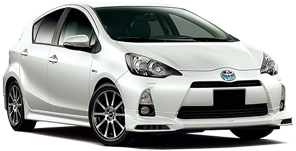
Toyota Aqua or Similar

From $20.83 /day
Toyota Aqua car rental in Haneda Airport (HND)

Compact

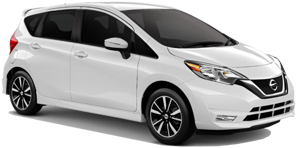
Nissan Note or Similar

From $23.44 /day
Nissan Note car rental in Haneda Airport (HND)

Intermediate

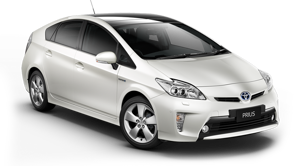
Toyota Prius or Similar

From $25.33 /day
Toyota Prius car rental in Haneda Airport (HND)

Intermediate Suv

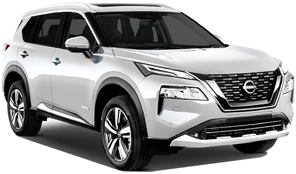
Nissan X-Trail or Similar

From $44.74 /day
Nissan X-Trail car rental in Haneda Airport (HND)

Economy

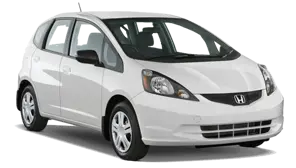
Honda Fit or Similar

From $20.83 /day
Honda Fit car rental in Haneda Airport (HND)

Mini

Daihatsu Move or Similar

From $21.93 /day
Daihatsu Move car rental in Haneda Airport (HND)

Economy

Suzuki Palette or Similar

From $21.93 /day
Suzuki Palette car rental in Haneda Airport (HND)

Mini

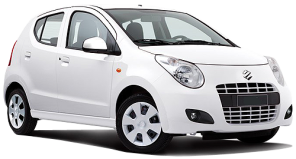
Suzuki Alto or Similar

From $22.44 /day
Suzuki Alto car rental in Haneda Airport (HND)

Economy

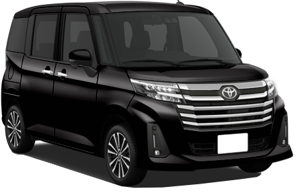
Toyota Roomy or Similar

From $23.44 /day
Toyota Roomy car rental in Haneda Airport (HND)

Mini

Daihatsu Cuore or Similar

From $24.87 /day
Daihatsu Cuore car rental in Haneda Airport (HND)

Compact

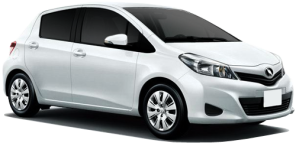
Toyota Vitz or Similar

From $24.94 /day
Toyota Vitz car rental in Haneda Airport (HND)

Compact Van

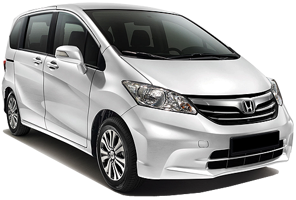
Honda Freed or Similar

From $25.33 /day
Honda Freed car rental in Haneda Airport (HND)

Mini

Honda N-Box or Similar

From $28.40 /day
Honda N-Box car rental in Haneda Airport (HND)

Mini

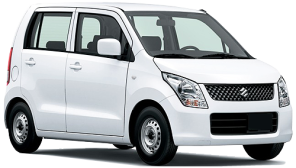
Suzuki Wagon R or Similar

From $28.40 /day
Suzuki Wagon R car rental in Haneda Airport (HND)

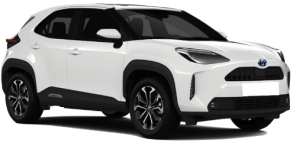
Standard Crossover

Toyota Yaris Cross or Similar

From $30.55 /day
Toyota Yaris Cross car rental in Haneda Airport (HND)

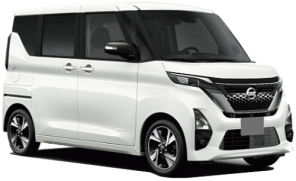
Mini

Nissan Roox or Similar

From $31.09 /day
Nissan Roox car rental in Haneda Airport (HND)

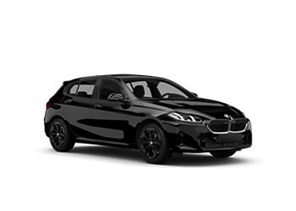
Compact Elite

BMW 1 Series or Similar

From $34.85 /day
BMW 1 Series car rental in Haneda Airport (HND)

Compact Estate/wagon

Toyota Probox or Similar

From $36.25 /day
Toyota Probox car rental in Haneda Airport (HND)

Intermediate Van

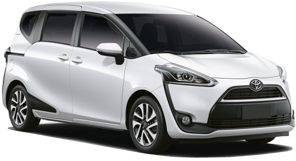
Toyota Sienta or Similar

From $38.04 /day
Toyota Sienta car rental in Haneda Airport (HND)

Standard Van

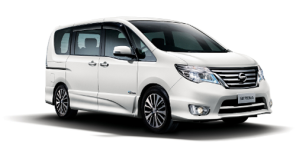
Nissan Serena or Similar

From $38.04 /day
Nissan Serena car rental in Haneda Airport (HND)

Standard Van

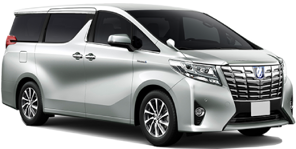
Toyota Alphard or Similar

From $38.04 /day
Toyota Alphard car rental in Haneda Airport (HND)

Premium Van

Honda StepWGN or Similar

From $38.04 /day
Honda StepWGN car rental in Haneda Airport (HND)

Full-size

Volvo S60 or Similar

From $40.34 /day
Volvo S60 car rental in Haneda Airport (HND)

Intermediate

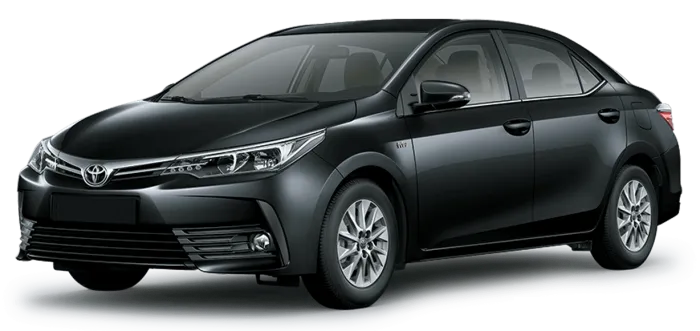
Toyota Corolla or Similar

From $41.19 /day
Toyota Corolla car rental in Haneda Airport (HND)

Intermediate Estate/wagon

Volvo V60 STW or Similar

From $42.14 /day
Volvo V60 STW car rental in Haneda Airport (HND)

Compact Suv

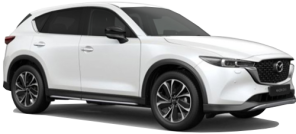
Mazda CX-5 or Similar

From $44.74 /day
Mazda CX-5 car rental in Haneda Airport (HND)

Compact Elite Suv

BMW X1 or Similar

From $44.74 /day
BMW X1 car rental in Haneda Airport (HND)

Compact Suv

Toyota Raize or Similar

From $46.21 /day
Toyota Raize car rental in Haneda Airport (HND)

Intermediate Estate/wagon

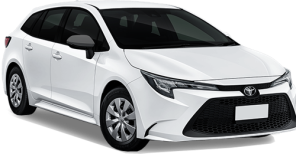
Toyota Corolla STW or Similar

From $46.63 /day
Toyota Corolla STW car rental in Haneda Airport (HND)
The above prices are only approximate and were last updated at 22:54 on 20/06/26. Prices may vary based on the booking dates, length of rental, and car class.
Why Choose Us

Our Features

Discover a world of convenience, safety, and customization, paving the way for unforgettable adventures and seamless mobility solutions.

Secure Online Booking

Book with confidence using our encrypted booking system that protects your personal and payment information.

Additional Driver Options

Many suppliers allow you to add additional drivers so you can share driving responsibilities.

Advanced Search Filters

Easily filter rental cars by price, vehicle type, supplier, fuel policy, mileage options, and customer ratings.

Car Rental Service

Optional Full Coverage

Protect your rental with optional full coverage insurance for additional peace of mind during your trip.

Verified Suppliers

All rental companies on our platform are carefully verified to ensure service quality and customer reliability.

Trusted Rental Partners

We partner with leading global and local car rental companies to ensure reliable vehicles and professional service.

Rental Guide

Haneda Airport (HND), Tokyo Car Rental Facts

Essential information on the best deals, rental providers, and vehicle options in Haneda Airport (HND), Tokyo.

Most Popular Agencies

Times Car Rental Haneda (40%)

Times Car Rental at Haneda Airport leads with 40% market share, the ultra-convenient pick-up for travelers arriving in Tokyo and immediately heading out to explore the Izu Peninsula, Hakone, or Mount Fuji.

Popular Car Types

Minivan (30%), SUV (28%), Compact (25%)

Minivans are top for groups and families starting their Japan adventure. SUVs offer flexibility for mountain roads. Compacts are for couples and solo travelers.

Average Rental Duration

5 Days

Haneda Airport rentals average 4-5 days, for a quick getaway from Tokyo to see Mount Fuji, Hakone, or the hot springs of Shuzenji. (Based on 7,800+ airport pickups)

Most Popular Models

Toyota Alphard, Nissan Serena

The Toyota Alphard is the luxury choice for groups. The Nissan Serena is a practical and popular minivan for families.

Average Daily Price

$75/day

Haneda Airport rates average $75/day. ETC card rental is recommended for the Tomei Expressway.

How much does it cost to rent a car at Haneda Airport (HND), Tokyo?

Averaging the lowest prices for the economy car category, the data below shows prices for monthly comparisons.

Cheapest Month Average

Jan
Price: $50

Most Expensive Month

Apr
Price: $132

Yearly Average Price

Price: $75

Haneda Airport - Cherry blossom (April) and autumn foliage (November) peak. Business travel year-round. Golden Week (May) increases demand. Tokyo's closest airport. Book 2-3 months ahead.


Car Rental Haneda Airport (HND), Japan Guide

Renting a car at Haneda Airport (HND), Japan, offers a compelling alternative to navigating the country's famed but sometimes complex public transportation system, especially if your journey extends beyond central Tokyo. The process is streamlined and efficient, mirroring Japan's reputation for excellent service. Unlike picking up a car in the city center, where you might face navigating narrow one-way streets to find a rental office, Haneda's rental car facilities are conveniently located. Most major companies operate desks within the airport terminals or just a short, free shuttle bus ride away, allowing you to collect your luggage, clear customs, and be behind the wheel in under an hour.

For many international travelers, a rental car is the key to unlocking Japan at their own pace. While trains like the Keikyu Line and Tokyo Monorail offer swift access to central Tokyo, they are less practical for exploring rural landscapes, coastal areas, or for families carrying significant luggage. A rental car eliminates the need to haul suitcases through crowded stations and allows you to spontaneously visit hidden gems off the beaten path. While picking up directly at the airport is supremely convenient, it's worth noting that these locations often include a small airport facility surcharge, which can add $10-$20 to your total rental cost. A practical money-saving tip is to compare the total cost of an airport pickup versus picking up from a city-center branch the following day; sometimes the savings can be significant, especially for longer rentals.

Key Pickup Locations at Haneda Airport (HND), Japan

The rental car pickup process at Haneda is divided primarily between Terminal 1, Terminal 2, and the International Terminal (Terminal 3). Most international flights arrive at Terminal 3, where several rental companies have dedicated counters. For companies located at Terminals 1 and 2, free shuttle buses are readily available, with clear signage in English guiding you to the pickup points. This system ensures that regardless of which company you choose, access is straightforward.

Pickup Location Companies Available Access from International Terminal
Terminal 3 (International) Nippon Rent-A-Car, Times Car Rental, Nissan Rent-a-Car, Toyota Rent a Car Direct access within the terminal; walk from arrivals lobby
Terminal 1 & 2 (Domestic) Budget Rent a Car, Orix Rent-a-Car, Europcar, Hertz, Avis Free shuttle bus (approx. 10-15 minutes); clearly marked bus stops
Haneda Airport Rental Car Station Nippon Rent-A-Car, Times Car Rental, Nissan Rent-a-Car, Toyota Rent a Car Shuttle bus from Terminals 1, 2, and 3; a central hub for multiple brands

Car Rentals Requirements in Haneda Airport (HND), Japan

Renting a car in Japan involves specific requirements that are strictly enforced, particularly regarding licenses and documentation. Being prepared with the correct paperwork is crucial to a smooth pickup experience at Haneda Airport. The process is generally consistent across all major rental companies, so understanding these prerequisites beforehand will save you time and potential disappointment at the counter.

The most critical document for international travelers is a valid driver's license combined with an International Driving Permit (IDP) based on the 1949 Geneva Convention. A standard license from your home country alone is insufficient. Additionally, you will need your passport for identification and a credit card in the primary driver's name for the security deposit and final payment. While some companies may accept debit cards, it is highly discouraged and can lead to complications, as the hold placed on funds can be substantial. Rental companies in Japan are meticulous about paperwork, and failing to present all required documents will result in being denied the vehicle, with no refund.

Detailed Requirements

Requirement Details
Minimum Age Typically 18-20 years for most cars; however, drivers under 21 or 25 may face a "young driver surcharge" which can add $10-$30 per day. Luxury or large vehicle categories often have a minimum age of 25.
Driver's License A valid driver's license issued by your home country.
International Driving Permit (IDP) Mandatory for licenses not issued in Japanese or from countries not in compliance with the 1949 Geneva Convention. Your IDP must be obtained in your home country before departure.
Passport Original passport for all drivers named on the rental agreement.
Credit Card A major credit card (Visa, Mastercard, American Express) in the name of the primary driver is required for the security deposit. Prepaid cards or cash are generally not accepted for this purpose.
Insurance Basic Collision Damage Waiver (CDW) and third-party liability are usually included in the base rate, but with a high excess (deductible). Supplemental Liability Insurance (SLI) and Non-Operating Charge (NOC) waivers are optional but highly recommended.

Why Rent a Car in Haneda Airport (HND), Japan

Choosing a rental car from Haneda Airport transforms your trip from a tour of urban hubs into a personal exploration of Japan's diverse landscapes. While Tokyo's public transport is legendary for its efficiency, it is designed to move people within the sprawling metropolis. A car provides the freedom to escape the city limits and discover regions like the Izu Peninsula, the mountainous prefectures of Nagano and Yamanashi, or the historic coastal roads of Chiba. For travelers landing late or with a packed itinerary, having a vehicle ready at the airport eliminates the stress of navigating complex train schedules with heavy luggage, offering a private, comfortable sanctuary from the moment you arrive.

This mode of travel is particularly advantageous for families, groups, or anyone planning to visit multiple prefectures. The cost of a rental car can often be comparable to purchasing multiple Shinkansen (bullet train) tickets, especially when traveling with three or more people. Furthermore, a car allows you to stay in unique accommodations like traditional *ryokan* (inns) in remote onsen towns or modern *pensions* in the countryside, which are often inaccessible by public transit. The journey itself becomes a highlight, with well-maintained roads leading to stunning viewpoints, roadside *michi-no-eki* (roadside stations) offering fresh local produce, and the sheer convenience of having your own schedule.

  • Total Freedom: Create your own itinerary without being bound by train or bus timetables. Stop spontaneously at scenic viewpoints, local shrines, or roadside fruit stands.
  • Cost-Effective for Groups: For families or groups of 3-4 people, a rental car often proves more economical than purchasing individual train tickets for inter-city travel.
  • Luggage Ease: Eliminate the hassle of carrying heavy suitcases through crowded train stations and up stairs. Load your bags once and move effortlessly between destinations.
  • Access to Remote Attractions: Reach hidden gems like the art islands of the Seto Inland Sea, the volcanic landscapes of Mount Fuji's northern base, or secluded beaches along the Izu Peninsula, which are difficult to access by public transport.
  • Comfort and Privacy: Enjoy a private space for your group, ideal for families with young children or for those seeking a quiet, personalized travel experience.
  • Grocery and Shopping Convenience: Having a car makes it easy to stop at a supermarket or a large drugstore to stock up on snacks, drinks, and essentials, saving money compared to convenience stores.

Best Car Rental Companies in Haneda Airport (HND), Japan

Travelers at Haneda Airport have access to a mix of globally recognized brands and dominant local Japanese rental companies. The local suppliers—Toyota Rent a Car, Nissan Rent-a-Car, Nippon Rent-A-Car, and Times Car Rental—often have the most extensive fleets, superior customer service, and a deeper understanding of local driving conditions. They are known for meticulously maintained vehicles and a no-nonsense, highly efficient rental process. International brands like Hertz, Avis, Budget, and Europcar are also present, offering a familiar experience for those who prefer to stay with a global loyalty program.

One of the most significant advantages of booking with a Japanese company is their "rental car" ETC (Electronic Toll Collection) card service. They almost always provide an ETC card with the vehicle, which is essential for seamless travel on Japan's extensive toll road network. International brands can sometimes have limited availability of ETC cards or may charge extra, so it's crucial to confirm this when booking. For the most competitive rates and a wider selection, it's wise to compare the offerings of both local and international companies, ensuring you factor in the inclusion of essential items like an ETC card and full insurance coverage.

Company Price Level Pros
Toyota Rent a Car Medium Largest fleet in Japan, excellent reliability, includes ETC card, superior roadside assistance.
Nissan Rent-a-Car Medium Modern fleet with many Nissan models, user-friendly English navigation, consistent service.
Times Car Rental Low to Medium Often has competitive introductory prices, simple online booking, includes ETC card.
Nippon Rent-A-Car Medium Widespread locations, professional service, reliable fleet, often includes ETC card.
Hertz / Avis / Budget Medium to High Familiar global brand, loyalty points, often have counters at Terminal 3.
Europcar Medium Strong European brand, competitive for automatic vehicles, good for one-way rentals.

Popular Car Rental Categories & Prices in Haneda Airport (HND), Japan

The most popular rental category at Haneda Airport is undoubtedly the compact or economy car. Given Japan's narrower roads, especially in older residential areas and rural villages, smaller cars are easier to navigate and park. Models like the Toyota Yaris, Nissan Note, and Honda Fit are ubiquitous and offer excellent fuel efficiency, which is a significant advantage given that gasoline prices in Japan are generally higher than in the US. For families or groups with more luggage, SUVs like the Toyota Harrier or RAV4 and 7-8 seater vans such as the Nissan Serena or Toyota Noah are in high demand and often require booking well in advance, particularly during peak travel seasons.

Pricing fluctuates dramatically based on seasonality. The high season, coinciding with Golden Week (late April to early May), Obon (mid-August), and the New Year holidays (late December to early January), sees rental prices surge by 50-100% compared to the low season. The low season, typically in January (post-New Year), February, and June, offers the best deals. Additionally, reserving an automatic transmission vehicle is essential for most international travelers, as manual cars, while cheaper, are less common and can be challenging for those unaccustomed to driving on the left. It's also worth noting that luxury cars, like a Lexus or premium European imports, are available but command a significant premium.

Car Category Average Daily Price (USD)
Small / Economy Car (e.g., Toyota Yaris) $55 - $85
Medium Car (e.g., Toyota Corolla) $70 - $110
SUV (e.g., Toyota RAV4) $90 - $150
Van / Family Vehicle (7-8 seats) $110 - $200
Luxury Car (e.g., Lexus ES) $150 - $300+
Metric Details
Cheapest Month February (post-New Year and pre-spring season)
Most Expensive Month August (Obon holiday period) and early May (Golden Week)
Average Price (Compact Car) $70 per day (including CDW insurance)
A Good Deal (Compact Car) $45 - $55 per day, found in low season or with early booking promotions
Cheapest Supplier (Typical) Times Car Rental or Budget Rent a Car (promotional rates)
Cheapest Car Type Kei Car (small, 660cc engine category) - often $40-$60 per day

Road Trips from Haneda Airport (HND), Japan

One of the greatest joys of picking up a car at Haneda is the immediate access it provides to a network of expressways leading to some of Japan's most iconic destinations. Within an hour, you can be heading towards the majestic Mount Fuji or the serene beaches of the Izu Peninsula. These routes offer a fantastic mix of urban and rural scenery, allowing you to experience the country's diverse geography at your own pace.

  • Route 1: The Iconic Mount Fuji & Fuji Five Lakes Loop
    Start: Haneda Airport (HND), Japan
    Destination: Lake Kawaguchiko
    Distance/Time: Approximately 120 km (75 miles), 1.5 to 2 hours via the Tomei Expressway and Higashi-Fuji Goko Road.
    Highlights: Stunning views of Mount Fuji from various vantage points, the Fuji-Q Highland amusement park, the Oishi Park lavender fields (summer), and the Chureito Pagoda for a classic photo opportunity.
  • Route 2: Hakone & The Izu Peninsula Scenic Drive
    Start: Haneda Airport (HND), Japan
    Destination: Odawara / Hakone
    Distance/Time: 90 km (56 miles) to Odawara, 1-1.5 hours via the Tomei Expressway. Extending to the Izu Peninsula adds 1-2 more hours.
    Highlights: The Hakone Open-Air Museum, Lake Ashi pirate ship cruises, Owakudani volcanic valley with black eggs, and the winding coastal roads of the Izu Skyline for breathtaking ocean views.
  • Route 3: Kamakura & The Enoshima Coastline
    Start: Haneda Airport (HND), Japan
    Destination: Kamakura
    Distance/Time: 50 km (31 miles), 45-60 minutes via the Shuto Expressway's Bayshore Route and Route 134.
    Highlights: The Great Buddha (Kotoku-in) in Kamakura, the serene Tsurugaoka Hachimangu Shrine, the scenic coastal drive from Kamakura to Enoshima, and the Enoshima Island with its caves and gardens.
  • Route 4: The Southern Boso Peninsula & Chiba Coast
    Start: Haneda Airport (HND), Japan
    Destination: Minami-Boso
    Distance/Time: 100-120 km (62-75 miles), 1.5-2 hours via the Tokyo Bay Aqua-Line (a tunnel/bridge crossing the bay) and the Tateyama Expressway.
    Highlights: Driving across the Tokyo Bay Aqua-Line is an experience itself, followed by the rugged Pacific coastline, flower fields at Chiba Flower Line, fresh seafood at local fishing ports, and views of Mount Fuji across the bay.

Driving Rules in Haneda Airport (HND), Japan

Driving in Japan is a safe and well-organized experience, thanks to disciplined drivers and excellent road infrastructure. The most important adjustment for international travelers is that driving is on the left side of the road, with the driver's seat on the right side of the vehicle. Speed limits are clearly posted and are often lower than what many international drivers are accustomed to. Police presence is common, especially on expressways and around toll gates, and traffic cameras are widespread. Adherence to rules is expected, and fines for violations can be significant and inconvenient for tourists.

Child safety is taken very seriously. Children under 6 years old are legally required to use an appropriate child seat or booster seat. Rental companies can provide these, but they must be reserved at the time of booking. Winter tires are not required in the Tokyo area itself, but if you are planning a road trip to the Japanese Alps or northern prefectures during winter months (December to March), they become a mandatory safety necessity. Many rental companies offer winter tire packages, which are highly recommended for any driving outside of coastal lowlands during the colder season.

Rule Detail
Driving Side Left side of the road (driver's seat on the right)
Speed Limits General: 60 km/h (37 mph) on undivided roads. Expressways: 80-100 km/h (50-62 mph). Urban areas: 40-50 km/h (25-31 mph).
Blood Alcohol Limit 0.03% (0.3 mg/mL) – effectively a zero-tolerance policy. Penalties are extremely severe, including fines and immediate license suspension.
Seatbelt Rules Mandatory for all passengers, including those in the rear seats. Failure to comply can result in fines for both driver and passenger.
Child Seat Laws Children under 6 years old must use an appropriate child restraint system. Car seats must be reserved in advance from the rental agency.
Mobile Phones Strictly prohibited while driving, even hands-free. Using a mobile phone (handheld) is a serious offense with heavy fines.
Winter Tires Mandatory in designated snowy/mountainous regions during winter (typically Dec-March). Not required in the Haneda/Tokyo area but essential for trips to the Alps or Tohoku.

Toll Roads in Haneda Airport (HND), Japan

Japan has an extensive and well-maintained network of expressways (*doro*) that are almost entirely toll-based. These toll roads are the fastest way to travel between cities and are indispensable for road trips from Haneda. The toll system can be a surprise for travelers from countries with free highways, as costs can accumulate quickly. For example, a one-way trip from Haneda to the Mount Fuji area can cost around $20-$30 in tolls alone, while a longer journey to Nagoya or Osaka could exceed $50.

The most convenient way to pay is using the Electronic Toll Collection (ETC) system. Nearly all rental cars come equipped with an ETC card reader, and you should ensure your rental agreement includes an ETC card. With the card inserted into the reader, you simply drive through the dedicated ETC lanes at toll gates at a reduced speed. The toll amount is automatically deducted from your card, and you will be billed later by the rental company. This method not only saves time but is often slightly cheaper than paying cash. If you do not have an ETC card, you can use the general or cash lanes, but this requires stopping to pay at every toll gate, which can be cumbersome on long journeys. Rental companies at Haneda Airport are very familiar with this system and can provide an ETC card upon request, often for a small daily fee.

Parking in Haneda Airport (HND), Japan

Parking in Japan, especially in urban areas like Tokyo, is a regulated and often expensive affair. Street parking is generally prohibited unless there is a clearly marked parking meter or paid space. Parking on the street overnight is almost always illegal and risks a fine or the vehicle being towed. The most reliable way to park is in a designated paid parking lot or garage, which are ubiquitous but can vary significantly in price. In central Tokyo, expect to pay anywhere from $5 to $10 per hour, with a maximum daily rate often between $20 and $40.

For those picking up a car at Haneda, you'll likely be heading out of the city, where parking becomes easier and cheaper. In suburban, rural, and tourist areas, parking is much more accessible, with many hotels, temples, and attractions offering their own lots, often for a flat daily fee or free for guests. A common mistake is attempting to park in a private lot without clear authorization, which can result in a parking ticket or your vehicle being booted. Look for the large "P" signs indicating public parking. For convenience, using navigation systems to search for "parking" (*chuushajo*) will reliably guide you to the nearest available facility.

Tips for Car Rental in Haneda Airport (HND), Japan

A successful car rental experience in Japan hinges on planning and understanding the nuances of the local system. Being prepared can save you money, time, and stress, allowing you to focus on the enjoyment of your road trip. The following tips are distilled from the experiences of countless travelers who have navigated the process at Haneda Airport.

  • Book Early for Automatic Vehicles: The vast majority of rental cars in Japan are automatic, but they are in high demand. Booking your car as soon as your travel dates are confirmed is crucial to ensure you get an automatic, especially during peak seasons like spring cherry blossom season or autumn foliage.
  • Secure an ETC Card: Don't assume it comes with the car. Explicitly confirm with the rental company that an ETC card is included or available for a small fee. This is arguably the most important convenience item for any road trip involving expressways.
  • Opt for Full Insurance Coverage: While basic CDW is standard, the excess (deductible) can be high. Purchasing the optional waiver that covers the CDW excess and the Non-Operating Charge (NOC)—a fee if the car needs to be taken out of service for repairs—provides total peace of mind. This coverage is relatively inexpensive compared to potential out-of-pocket costs.
  • Familiarize Yourself with the GPS: Almost all rental cars have GPS navigation. The system can be switched to English. Practice entering a destination by phone number (the easiest method) or using the map code system (a unique code for every location in Japan) before you leave the rental lot.
  • Verify Luggage Space: Japanese car classifications can be misleading. A "compact" car might have a surprisingly small trunk. When booking, especially for a family of four with large suitcases, double-check the vehicle's specifications or consider a slightly larger category than you think you'll need.
  • Inspect the Vehicle Thoroughly: Walk around the car with the rental agent before driving off. Use your phone to take photos and videos of any existing scratches or dents. This documentation can prevent disputes over damage when you return the vehicle.
  • Bring Your Own Phone Mount: While cars have GPS, many travelers prefer using smartphone apps like Google Maps for real-time traffic and alternative routes. Having your own dashboard mount ensures safe and convenient use of your phone for navigation.

Common Car Rental Mistakes Travelers Make

Navigating the car rental process in a new country can be fraught with potential pitfalls. Avoiding these common mistakes will ensure your experience is seamless and your trip remains stress-free. Most of these issues stem from assuming the rental process is identical to that in one's home country, which is often not the case.

  • Not Obtaining an IDP in Advance: This is the number one reason international travelers are denied a rental car. An International Driving Permit must be obtained in your home country before departure; it cannot be issued in Japan. A simple translation of your license is not sufficient.
  • Failing to Book an ETC Card: Arriving at the rental counter only to find the ETC card is unavailable or reserved for others can turn a convenient road trip into a logistical hassle of stopping for cash payments at every toll gate. Always confirm and book this in advance.
  • Assuming Automatic is Standard: While most rental cars are automatic, a manual vehicle is still possible, especially if you book a very cheap car or book last minute. Always double-check your reservation confirmation to confirm the transmission type.
  • Underestimating Travel Time: GPS estimates on Japanese expressways are generally accurate for time, but traffic jams around Tokyo can add significant delays. Similarly, winding mountain roads can take much longer than expected. Always build buffer time into your itinerary.
  • Ignoring the "Full-to-Full" Fuel Policy: Most Japanese rental companies operate on a "full-to-full" policy. You must return the car with a full tank of gas. Failure to do so results in a refueling charge that is often significantly higher than the local pump price. Be sure to fill up at a gas station near the airport before returning.
  • Neglecting to Learn Road Signs: While many signs in major cities are in English, road signs in rural areas may have limited or no English translation. Familiarizing yourself with key Japanese road signs (like "Stop," "Yield," and speed limit symbols) before you go can be incredibly helpful.

Real Travel Experience Renting a Car in Haneda Airport (HND), Japan

After a long flight into Terminal 3, my family and I were relieved to find the Toyota Rent a Car desk just a short walk from baggage claim. The staff were incredibly polite and efficient, speaking enough English to walk us through the paperwork and the insurance options. We opted for the full coverage plan for peace of mind. The biggest surprise was the car itself—a spotless Toyota Corolla wagon with a GPS that easily switched to English. The agent patiently helped us input the map code for our first hotel in Hakone. Driving out of the airport and onto the Shuto Expressway was nerve-wracking at first, remembering to stay left, but the clear road markings and the smooth flow of traffic quickly put us at ease. The car gave us the freedom to spontaneously stop at a stunning roadside viewpoint of Mount Fuji and to haul all our shopping finds without a single worry. Returning the car was just as easy; we filled the tank at a gas station two minutes from the rental lot, and the agent gave it a quick inspection, thanked us, and we were on our way to our departing flight.

International Driving Permit for Travelers Visiting Haneda Airport (HND), Japan

For travelers planning to rent a car at Haneda Airport (HND), Japan, securing an International Driving Permit (IDP) is not a recommendation—it is a strict legal requirement for those holding a driver's license from a country that is not a signatory to the 1949 Geneva Convention or that does not issue licenses in Japanese. The IDP serves as an official translation of your home country's driver's license and must be carried alongside your original license at all times. Without it, rental companies are legally prohibited from renting you a vehicle, and police will consider you an unlicensed driver if stopped, which can lead to severe penalties, including fines and deportation.

The IDP must be obtained in your country of residence before departing for Japan. It is typically issued by a national automobile association, such as AAA in the United States or the AA in the United Kingdom. The application process is straightforward, requiring a passport photo, a valid home license, and a small fee. It is crucial to ensure the IDP you receive is the 1949 Convention version, which is a small grey booklet. Permits from other conventions are not valid for driving in Japan. The IDP is valid for one year from the date of issue or until the expiration date of your home license, whichever comes first. For long-term stays, other options like converting your license to a Japanese one exist, but for tourists and short-term visitors, the IDP is the essential document that unlocks the freedom of the open road.

Have Questions?

Frequently Asked Questions about Car Rental at Haneda Airport (HND)

To rent a car at Haneda Airport as a non-resident, you must present a valid passport and an International Driving Permit (IDP) strictly based on the 1949 Geneva Convention format. Japanese law does not recognize IDPs issued under other conventions (like Vienna 1968) or simple license translations from most countries. The physical permit must be the specific booklet size: 148mm x 105mm. Exceptions exist for license holders from Switzerland, Germany, France, Taiwan, Belgium, and Monaco, who may present an official Japanese translation of their native license instead of an IDP. Chinese driver's licenses, even with notarized translations, are not accepted for car rental in Japan. Digital copies or photos of your IDP are not valid; you must carry the physical original.

Yes, the minimum age to rent a car from most major providers at Haneda Airport is 18 years old. There is no maximum age limit for renting in Japan. However, please note that while you can legally rent at 18, specific vehicle classes like luxury sedans, sports cars, or large vans may carry a higher minimum age requirement set by the rental company's internal policy. There are no mandatory senior driver surcharges. Regardless of age, all drivers must have held a valid full license (not a provisional or learner's permit) for at least one year in their home country to meet the rental requirements at Haneda.

The pickup process varies by terminal and company at Haneda Airport. For Terminal 3 (International), there is a dedicated 'Car Rental Reception' counter located on the 2nd floor arrivals lobby. After confirming your reservation here, a free shuttle bus operated by the rental agencies will transport you to the off-site rental depot, which takes approximately 15-20 minutes. For Terminals 1 and 2 (Domestic), some companies have direct shuttle phones at information counters, while others like the NICONICO branch are directly accessible via a short 5-minute indoor walk from Terminal 3 through the connecting Haneda Airport Garden facility. Shuttle services generally operate only until 7:30 PM or 10:00 PM, so late-night arrivals should confirm service hours.

Car rental companies at Haneda Airport predominantly require a major credit card in the primary driver's name for the security deposit and payment. Accepted cards include MasterCard, VISA, American Express, JCB, and Diners Club. The name on the card must exactly match the driver's passport and license. Debit cards, prepaid travel cards, and cash are generally not accepted for the initial hold or deposit at the counter, even if you prepaid the rental online. The rental agency will place a hold on your card for the estimated rental cost plus a security deposit of approximately JPY 20,000 to JPY 50,000, which is released upon safe return of the vehicle.

Standard rental rates in Japan include mandatory third-party liability insurance, which provides unlimited coverage for bodily injury or death and property damage up to approximately JPY 30 million. Collision Damage Waiver (CDW) is also typically included, covering repair costs for damage to the rental car in an accident, excluding the non-operation charge (NOC). Personal Accident Insurance (PAI) covers medical expenses up to JPY 30 million per passenger. However, the renter is responsible for a 'Non-Operation Charge' (NOC) of around JPY 20,000 to JPY 50,000 (approximately $130 to $330 USD) to compensate the rental company for lost revenue while the car is being repaired. Optional 'NOC Waiver' coverage can be purchased for roughly $7 USD per day to eliminate this fee.

The standard fuel policy is 'Full-to-Full.' You will receive the vehicle with a full tank of gasoline and are required to return it with a full tank to avoid refueling charges. Because many rental return lots are off-airport, you must refuel at a nearby gas station before dropping off the car. Keep the receipt as proof of refueling. If you fail to return the car full, the rental company will charge a per-kilometer or gauge-based refueling fee, which is significantly higher than local pump prices (often 50-100% more expensive). Note that all rental cars in Japan run on regular unleaded gasoline; diesel is very rare for passenger rental fleets.

Yes, one-way rentals (also known as drop-off services) are generally permitted in Japan when dropping the vehicle off on the main islands of Honshu, Shikoku, and Kyushu. However, one-way drop-offs to remote locations such as Hokkaido, Okinawa, or isolated islands are not available. A one-way drop-off fee applies and varies depending on the distance between the pickup branch and the return branch. Additionally, for specific large vehicle classes (vans or wagons exceeding 4.7m in length or 1.7m in width), one-way service may be restricted due to fleet balancing logistics. You must specify the drop-off location when making the reservation online.

Yes, virtually all rental vehicles in Japan are equipped with built-in 'Carrozzeria' or 'Panasonic' navigation systems that include a full English language menu option and voice guidance. The staff will help you switch the language from Japanese to English upon pickup. However, Japanese GPS systems rarely accept street addresses for routing. Instead, you must input the destination's **Map Code** or **Telephone Number** for the most accurate routing. We strongly recommend downloading the Map Code for your hotel and attractions before you leave the rental counter, as the system relies heavily on these numeric inputs rather than written addresses.

Japanese expressways are extensive and almost entirely toll-based. All rental cars at Haneda come equipped with an Electronic Toll Collection (ETC) card reader device installed on the dashboard. You can either rent an ETC card from the rental counter for a small daily fee (approx. $2-$3 USD) or use your own. Using an ETC card allows you to drive through toll gates without stopping, and it automatically applies any applicable weekend or late-night discounts. For foreign tourists, the 'Japan Expressway Pass' (JEP) or regional passes like CEP can be pre-booked with your car rental, offering unlimited travel on most expressways for a fixed fee of 7-14 days, which can save you significant money compared to paying per kilometer.

While central Tokyo rarely sees heavy snow accumulation, if your itinerary includes day trips to mountainous areas like Mount Fuji, Hakone, Nikko, or the Japanese Alps, snow tires (studless tires) are essential and often legally required on certain mountain roads from December through March. Many rental locations at Haneda Airport offer vehicles pre-equipped with snow tires as standard equipment during winter months. For other vehicles, snow tires are available as a paid option. Additionally, 4WD vehicles are highly recommended for winter driving in rural Japan. The rental cost for a 4WD with snow tires typically starts around $120-$150 USD per day.

All rental vehicles offered at Haneda Airport are strictly non-smoking. A significant cleaning fee (often exceeding $150 USD) will be charged if evidence of smoking is detected in the vehicle upon return. For smokers, designated smoking rooms and areas are located throughout Haneda Airport Terminals 1, 2, and 3 before you depart the terminal for the rental shuttle. Once you leave the main terminal building for the off-site rental depots, smoking areas are extremely limited or non-existent. We advise using the facilities inside the arrivals hall before boarding the rental car shuttle bus.

The primary postal code for Haneda Airport (Tokyo International Airport) is **144-0041**. However, using the postal code alone in a Japanese car navigation system will only bring you to the general administrative district of Ota Ward, not necessarily the correct rental car return entrance. For a precise return, you should use the specific Map Code or the telephone number of your rental branch. For general airport terminal access, the Map Code for Terminal 3 Parking is **546 574 108*30** and for Terminal 1/2 it is **541 788 470*22**. These codes are far more reliable than street addresses.

Car rental branches at Haneda Airport, particularly the off-site depots, do not offer long-term parking for customers' personal vehicles. If you are a local resident driving to the rental office to pick up a different car (for a road trip or while your car is in service), you must find alternative parking. Haneda Airport has several official parking lots (P1, P2, P3, P4, P5), but rates are designed for short-term airport users. Leaving a car for multiple days incurs fees ranging from $20 to $40 USD per 24 hours. There are no free or validated parking options provided by the rental companies themselves.

Security wait times at Haneda Airport are generally efficient compared to other major global hubs. For domestic flights (Terminals 1 and 2), the process from check-in to gate typically takes **10 to 20 minutes** during normal periods, though it can extend to 30 minutes during morning rush (7:00 AM - 9:00 AM). For international flights (Terminal 3), it is recommended to arrive at the security checkpoint **2 hours prior to departure**. Wait times for passport control and security screening usually average **15 to 25 minutes**, but during holiday peaks like Golden Week or New Year, queues can exceed 45 minutes.

Yes, Terminal 3 at Haneda Airport features an Arrival Duty-Free Shop located in the baggage claim area before customs inspection. This is particularly convenient for travelers who did not want to carry liquids or heavy items purchased abroad onto the plane. The shop is open **24 hours a day**. You can pre-order items online up to 24 hours before your flight lands and simply pick them up at the dedicated counter located to the left of the baggage carousel. Payment can be made in Japanese Yen, US Dollars, Euros, or by international credit card.

The vast majority of standard car rentals from Haneda Airport come with **unlimited mileage**. This is ideal for road trips exploring the greater Kanto region, Mount Fuji, or the Izu Peninsula. You do not need to worry about per-kilometer charges for the distance driven. However, there are specific exceptions. Certain heavily discounted 'package plans' or specialized vehicle categories (such as specific luxury sports cars or cargo vans) may impose a daily or total distance cap, with an excess charge of approximately $0.30-$0.50 USD per kilometer. Always confirm the mileage policy in the 'Rate Details' section before confirming a booking.

In the event of any accident, no matter how minor, you are legally required to **stop immediately and call the police (Dial 110)** . You must obtain a police report; without it, insurance coverage is void. Next, contact the rental company's 24-hour emergency support line (number provided on the rental agreement). If the vehicle breaks down, call the roadside assistance number provided in the glovebox (often JAF, Japan Automobile Federation). Do not attempt to push the vehicle or leave the scene without contacting the rental company. If the vehicle requires towing due to a breakdown not caused by you, the cost is covered. If due to an accident or empty fuel tank, you will be liable for recovery fees.

Yes, Japanese traffic law mandates the use of child safety seats for children under the age of 6 years old. Car rental companies at Haneda offer child seats, junior seats, and baby seats for rent. The typical fee is approximately **$4 - $6 USD per day**, with a maximum cap often applied per rental period. You must specify the age and weight of the child when booking to ensure the correct seat type is installed. Note that the staff will provide the seat, but due to liability insurance restrictions, they are generally **not permitted to install the seat for you**. You will be responsible for securing the seat using the vehicle's ISOFIX system or seatbelt.

Haneda rental locations offer a wide range of vehicle types suitable for larger groups. These include 7-seater MPVs (like Toyota Alphard/Vellfire), 8-seater minivans (Toyota Hiace, Nissan Serena), and 10-seater vans. Prices for a 7-seater luxury van start around $150-$180 USD per day. Regarding accessibility, specially equipped 'Welcab' (wheelchair-accessible vehicles) with ramps or rotating passenger seats are available but in **extremely limited supply**. These must be reserved well in advance (minimum 2-4 weeks) directly through the rental company's special assistance desk, as they are not typically bookable through standard online aggregator platforms.

Cancellation policies vary by booking platform and rental company. For direct bookings, most Japanese companies offer a very generous policy: cancellations made **more than 7 days in advance** are free. Cancellations made **3 to 6 days prior** incur a 20% fee. Cancellations made **1 to 2 days prior** incur a 30% fee. Same-day cancellations or no-shows typically incur a 50% to 100% charge of the total rental cost. However, prepaid discount rates offered through third-party sites often have stricter, non-refundable terms. Always check the specific terms in your confirmation email, as 'no-show' fees are strictly enforced if you do not contact the branch before closing time.

Yes, you can add one or more additional drivers to the rental contract. The fee for an additional driver is approximately **$5 - $10 USD per day**. The second driver must be present at the rental counter at the time of pickup to present their own valid passport and International Driving Permit (or Japanese license). Their name will be printed on the rental agreement to ensure they are fully covered by the insurance policy. If an undeclared person drives the vehicle and is involved in an accident, all insurance coverage is void, and the primary renter is 100% liable for all damages and third-party claims.

You do not need a special driving permit beyond your valid IDP to visit destinations like Mount Fuji or Hakone. However, you **do need a vehicle equipped for mountain driving**. During winter (November to April), roads leading to Mount Fuji 5th Station and the Hakone Turnpike often require vehicles to be fitted with snow tires or carry chains. Police strictly enforce these checks. Additionally, be prepared for the **Mount Fuji Subaru Line Toll Road**, which charges a fee of approximately $14-$16 USD for a round trip. ETC cards are accepted on this route. Check real-time road closure information before departing.

For the best rates at Haneda Airport, booking **2 to 3 months in advance** is recommended, especially if traveling during Japanese holiday periods like Golden Week (late April/May), Obon (mid-August), or New Year (late Dec/early Jan). During these times, fleets sell out completely and rates can double or triple. Unlike hotel bookings, last-minute deals are rare for car rentals in Japan. Mid-week rentals (Tuesday-Thursday) are generally 15-20% cheaper than weekend rentals. Booking a 'package plan' that includes the ETC Expressway Pass can offer significant overall savings compared to booking the car and tolls separately.

A standard economy or compact car (such as a Toyota Yaris or Honda Fit) typically costs between **$55 and $85 USD per day** when booking a week-long rental inclusive of basic insurance and taxes. Shorter 1-2 day rentals have a higher per-day cost, usually around **$75 to $110 USD**. Prices fluctuate significantly based on seasonality. During peak travel seasons like cherry blossom season (March-April), expect to pay 30-50% more. These rates do not include optional extras like the NOC waiver ($7/day), ETC card rental ($2/day), or child seats ($5/day). A fully equipped 4WD wagon for winter mountain driving starts around $140 USD/day.

Since the rental return lots are located off-airport in the Ota Ward industrial district, you must refuel **before** entering the rental facility gates. The most convenient options are along the main road (Kanpachi Dori/Circular Route 8). There is an **ENEOS station located at 2-3-1 Haneda** (approximately 0.8 km from the airport entrance) and a **Cosmo station at 4-6-1 Haneda**. Both are full-service stations where attendants will fill your tank, clean your windshield, and guide you safely back into traffic. Always request a 'Mantan' (full tank) and **insist on keeping the receipt** to show the rental return agent as proof of refueling.

Driving from Haneda into Tokyo requires immediate attention to **turning rules and cyclists**. At red lights, you **cannot turn left** unless a specific blue left-turn arrow signal is illuminated (unlike the 'right on red' rule in the US). You must come to a complete stop at railway crossings and visually check the tracks even if the barrier is up. Be extremely cautious of the dedicated **motorcycle and scooter lanes** on major arteries like Route 15; these vehicles often filter through traffic quickly. Speed limits on expressways are 80-100 km/h, but on city streets, the limit is strictly 40 km/h unless otherwise signed.

Rental counter hours vary by company and terminal at Haneda. Major chains like Times Car Rental generally operate from **9:00 AM to 7:00 PM**, with shuttle bus service ending promptly at 7:30 PM. Larger international brands such as Enterprise/Nippon Rent-A-Car maintain extended hours, typically **7:00 AM to 10:00 PM**. **After-hours returns or pickups are not available** at Haneda Airport locations. If your flight arrives after 8:00 PM, you will likely be unable to pick up a pre-booked car until the following morning. Always input your exact flight number during booking so the staff knows if a delay will push you past closing time.

Yes, long-term rentals are available from Haneda and offer substantial savings for stays of 14 days or more. Monthly rental rates for a compact car can drop to as low as **$1,200 to $1,500 USD per month** including basic insurance, which is significantly cheaper than paying the daily rate. These plans are popular with corporate clients, expatriates, and long-stay tourists. However, long-term renters must be aware that mandatory vehicle inspections ('Shaken') and maintenance intervals might require a vehicle swap mid-rental. Also, proof of a valid parking space certificate ('Shako Shomeisho') is **not** required for rentals under 90 days, as the rental plate designates the vehicle as a 'W' plate short-term lease.

No. Taking a rental vehicle onto a ferry or transporting it outside the main Japanese islands (Honshu, Kyushu, Shikoku) is **strictly prohibited** by the terms and conditions of all major car rental agreements in Japan. This includes the ferry services to the Izu Islands or Hokkaido. The insurance coverage becomes completely null and void the moment the vehicle leaves the public roads and enters a port facility for loading. If you plan to visit an island, you must return the car at the port city and rent a separate vehicle upon arrival at the island destination. Breaking this rule can result in extreme penalties, including full liability for vehicle recovery costs.

While you do not pay a cash deposit upfront, the rental company will place a **security authorization hold** on your credit card. This hold covers the estimated rental charges plus a security buffer. The buffer amount varies based on the vehicle class and insurance selections but typically ranges between **$135 and $335 USD** (JPY 20,000 - JPY 50,000). This is not an actual charge but a temporary hold that reduces your available credit limit. The hold is released within 5-7 business days after the vehicle is returned on time, with a full tank of fuel, and without new damage. Debit cards are not accepted for this authorization process.
Verified Customer Reviews

Haneda Airport (HND) Car Rental Reviews & Customer Ratings

Read verified customer reviews, ratings, and rental experiences from travelers who booked through AirportCarHub.

Overall Rating

0/5.0
Based on 0 reviews