Cheap Car Rental Narita International Airport (NRT), Tokyo - Compare Deals & Book Instantly
Search and compare car rental prices from trusted global suppliers. Find the best deals instantly.
Why book with us?
-
Wide Fleet
Choose from economy cars, SUVs, luxury vehicles, and more.
-
Free Cancellation
Flexible booking options with free cancellation on most rentals.
-
24/7 Customer Support
Our expert team is available 24/7 to assist you with any questions or concerns.
Compare top international car rental brands and choose the best deal for your trip.








Car Rental Deals in Narita International Airport (NRT)
Choose from our wide range of vehicles available in Narita International Airport (NRT).
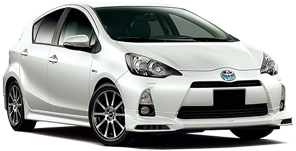
EconomyToyota Aqua or Similar
From
$20.83
/day
|
|
|||
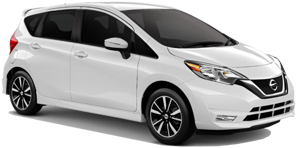
CompactNissan Note or Similar
From
$23.44
/day
|
|
|||
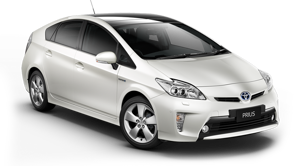
IntermediateToyota Prius or Similar
From
$25.33
/day
|
|
|||
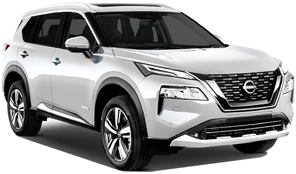
Intermediate SuvNissan X-Trail or Similar
From
$44.74
/day
|
|
|||
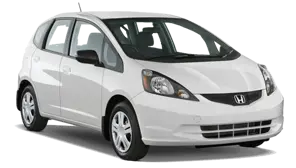
EconomyHonda Fit or Similar
From
$20.83
/day
|
|
|||
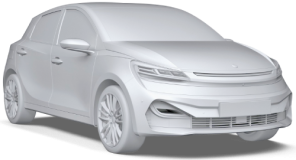
MiniDaihatsu Move or Similar
From
$21.93
/day
|
|
|||
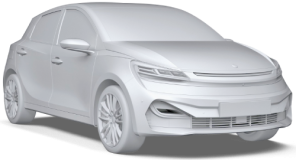
EconomySuzuki Palette or Similar
From
$21.93
/day
|
|
|||
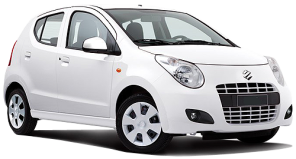
MiniSuzuki Alto or Similar
From
$22.44
/day
|
|
|||
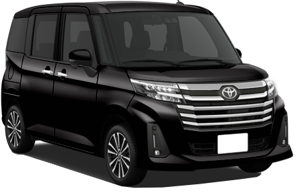
EconomyToyota Roomy or Similar
From
$23.44
/day
|
|
|||
MiniDaihatsu Cuore or Similar
From
$24.87
/day
|

|
|||
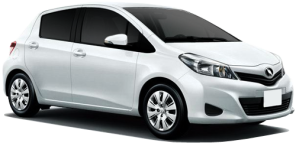
CompactToyota Vitz or Similar
From
$24.94
/day
|
|
|||
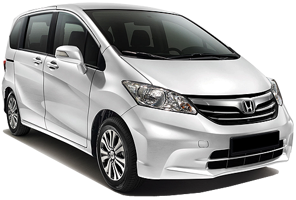
Compact VanHonda Freed or Similar
From
$25.33
/day
|
|
|||
MiniHonda N-Box or Similar
From
$28.40
/day
|
|
|||
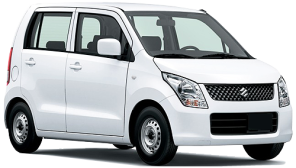
MiniSuzuki Wagon R or Similar
From
$28.40
/day
|
|
|||
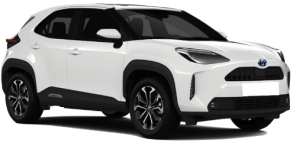
Standard CrossoverToyota Yaris Cross or Similar
From
$30.55
/day
|
|
|||
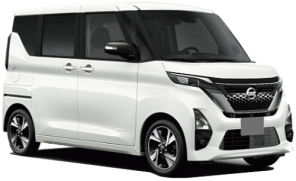
MiniNissan Roox or Similar
From
$31.09
/day
|
|
|||
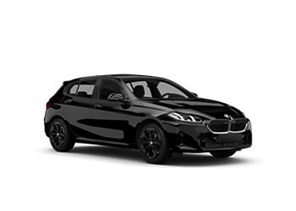
Compact EliteBMW 1 Series or Similar
From
$34.85
/day
|
|
|||
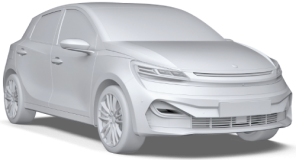
Compact Estate/wagonToyota Probox or Similar
From
$36.25
/day
|
|
|||
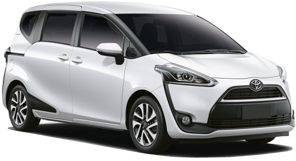
Intermediate VanToyota Sienta or Similar
From
$38.04
/day
|
|
|||
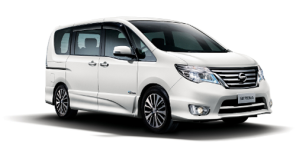
Standard VanNissan Serena or Similar
From
$38.04
/day
|
|
|||
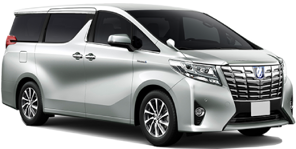
Standard VanToyota Alphard or Similar
From
$38.04
/day
|
|
|||
Premium VanHonda StepWGN or Similar
From
$38.04
/day
|

|
|||
Full-sizeVolvo S60 or Similar
From
$40.34
/day
|

|
|||
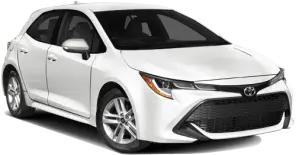
IntermediateToyota Corolla or Similar
From
$41.19
/day
|
|
|||
Intermediate Estate/wagonVolvo V60 STW or Similar
From
$42.14
/day
|

|
|||
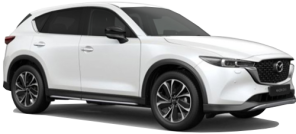
Compact SuvMazda CX-5 or Similar
From
$44.74
/day
|
|
|||
Compact Elite SuvBMW X1 or Similar
From
$44.74
/day
|

|
|||
Compact SuvToyota Raize or Similar
From
$46.21
/day
|

|
|||
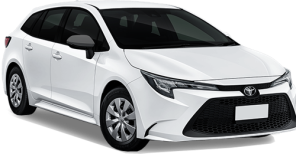
Intermediate Estate/wagonToyota Corolla STW or Similar
From
$46.63
/day
|
|
|||
Our Features
Discover a world of convenience, safety, and customization, paving the way for unforgettable adventures and seamless mobility solutions.
Road Trip Friendly Options
Find rental cars with unlimited mileage and one-way rental options perfect for long road trips.
City Center Locations
Access rental cars in downtown locations and popular tourist areas for easy travel during your stay.
Compare Car Rental Prices
Compare rental prices from hundreds of trusted suppliers worldwide to find the best deal for your trip.
Transparent Pricing
All rental costs, taxes, insurance options, and fees are clearly displayed before booking.
Worldwide Locations
Search rental cars in thousands of locations across more than 180 countries and major travel destinations.
Optional Full Coverage
Protect your rental with optional full coverage insurance for additional peace of mind during your trip.
Narita International Airport (NRT), Tokyo Car Rental Facts
Essential information on the best deals, rental providers, and vehicle options in Narita International Airport (NRT), Tokyo.
Most Popular Agencies
Nippon Rent-A-Car at Narita Airport leads with 38% market share, the trusted partner for international visitors landing in Tokyo and wanting to immediately begin a road trip to Nikko, Kamakura, or the Japanese Alps.
Popular Car Types
Minivans are dominant for larger groups starting their tour. SUVs are for those heading into the mountains. Compacts are for efficient travel.
Average Rental Duration
Narita Airport rentals average 6-7 days, the ideal length for a classic circular route from Tokyo to Hakone, the Alps, and back. (Based on 8,900+ airport pickups)
Most Popular Models
The Toyota Voxy and Honda Stepwgn are the minivans of choice for Japanese family travel. The Mazda CX-5 is a popular SUV option.
Average Daily Price
Narita Airport rates average $73/day. One-way rentals between Narita and Kansai are popular for open-jaw itineraries.
How much does it cost to rent a car at Narita International Airport (NRT), Tokyo?
Averaging the lowest prices for the economy car category, the data below shows prices for monthly comparisons.
Cheapest Month Average
JanMost Expensive Month
AprYearly Average Price
Narita Airport - Tokyo's main international gateway. Cherry blossom (April) and autumn foliage (November) peak. Business travel year-round. Narita International. Book 2-3 months ahead.
Car Rental Narita International Airport (NRT), Japan Guide
Renting a car at Narita International Airport (NRT), Japan, is a surprisingly straightforward process that opens up a world of travel possibilities beyond the well-trodden train lines. While Japan boasts an impeccable public transportation network, a rental car offers a unique kind of freedom, especially for those eager to explore the rural landscapes, coastal roads, and mountain onsen towns that define the country's charm. The airport itself is a major hub, and its rental facilities are designed with the international traveler in mind, making it a convenient starting point for a self-drive adventure.
One of the first decisions you'll face is whether to pick up your car at the airport or venture into the city center. The primary advantage of an airport pickup is immediate convenience. After a long flight, you can collect your luggage, walk to the rental counter, and be on your way without the hassle of navigating Tokyo's complex train system with heavy suitcases. However, this convenience often comes with a premium. Airport locations frequently include a surcharge for their prime location, which can add a notable percentage to your total rental cost. Conversely, picking up a car in the city might be cheaper, but it requires an additional commute and can be stressful if you're unfamiliar with urban Japanese traffic. For travelers whose first destination lies outside the greater Tokyo area—like the historic temples of Kamakura, the mountainous trails of Nikko, or the surfing beaches of the Izu Peninsula—picking up at Narita is almost always the better choice.
Narita International Airport (NRT), Japan, is serviced by a centralized rental car facility, often requiring a short shuttle bus ride from the terminals. The major rental companies are clustered together, making it easy to compare options on the spot. Be aware of the "airport surcharge," a common practice globally, which can inflate prices. A savvy money-saving tip is to compare the total cost of an airport pickup against a location a short train ride away, such as a rental desk at Narita City Station. Sometimes, the savings from avoiding the airport fee can more than offset the cost of a local train ticket.
| Pickup Location | Pros | Cons | Typical Surcharge Level |
|---|---|---|---|
| Narita Airport (On-site/Shuttle) | Ultimate convenience; start your trip immediately; no extra transit after arrival. | Higher rental rates due to airport surcharge; can be busy during peak flight arrivals. | High |
| Narita City/Nearby Stations | Generally lower base rates; less crowded; often have more flexible hours. | Requires a 10-20 minute train or taxi ride from the airport; adds travel time to your journey. | Low/None |
Car Rentals Requirements in Narita International Airport (NRT), Japan
Understanding the legal requirements is crucial before you arrive at the counter. Japanese rental companies are known for their strict adherence to rules, and missing a document can derail your plans. The core requirements are designed to ensure safety and compliance with Japanese law.
The most critical point for international travelers is the driving license. To drive in Japan, you generally need either a valid driver's license issued by a country that is a signatory to the Geneva Convention (such as many European nations, the UK, and the US) along with a corresponding International Driving Permit (IDP), or a Japanese driver's license. The IDP must be the 1949 Geneva Convention version. Permits from other conventions (like the 1926 or 1968) are not valid in Japan. Travelers from countries like Belgium, France, Germany, and Switzerland may be allowed to drive with a certified Japanese translation of their license, but it's best to check with your specific rental agency beforehand. Always carry your original national license and your passport, as both are required for identification.
In addition to documentation, you must meet age and financial requirements. Most rental companies set a minimum age of 18, though drivers under 21 or 25 may face a "young driver" surcharge. A major credit card in the driver's name is standard for payment and for holding the security deposit. Debit cards are rarely accepted. Insurance is mandatory, and you will be presented with options for Collision Damage Waiver (CDW) and Supplemental Liability Insurance (SLI). It is highly recommended to take these to minimize your financial responsibility in case of an incident.
| Requirement | Details |
|---|---|
| Minimum Age | Typically 18; surcharges often apply for drivers under 21 or 25. |
| Driver's License | Original valid license from your home country + valid 1949 Geneva Convention IDP (for most non-Japanese license holders). |
| Credit Card | A valid credit card in the renter's name is required for payment and deposit. |
| Passport | Original passport is mandatory for identification. |
| Insurance | Mandatory basic insurance; CDW and SLI are highly recommended. |
Why Rent a Car in Narita International Airport (NRT), Japan
For many visitors, the allure of Japan lies not just in its neon-lit cities, but in the tranquil spaces in between. While trains are efficient, they operate on a schedule and connect only specific points. Renting a car gives you the autonomy to stop at a roadside farm stand for fresh strawberries, chase a sunset down a coastal highway, or visit a hidden waterfall that no train can reach. It transforms your trip from a series of planned destinations into a fluid, personal journey.
Starting your rental journey at Narita International Airport (NRT), Japan, is particularly strategic. The airport sits on the eastern edge of the Greater Tokyo Area, meaning you can head north towards the historic Tohoku region, east to the scenic Boso Peninsula, or west towards Mount Fuji and the Japanese Alps without ever having to navigate central Tokyo traffic. For families, the benefits are immense. Having a car eliminates the stress of managing luggage and children on crowded trains, and allows for spontaneous detours when little ones need a break. For groups or travelers with extensive photography or sporting gear, the trunk space of a rental car is an invaluable asset.
- Freedom & Flexibility: Create your own itinerary, stop wherever you like, and travel at your own pace without being tied to train or bus schedules.
- Access to Remote Attractions: Reach rural onsen (hot spring) towns, national parks, and scenic coastlines that are poorly served or inaccessible by public transport.
- Cost-Effective for Groups & Families: Renting a vehicle can be significantly cheaper than purchasing multiple long-distance train tickets for a family of four or more.
- Convenience for Luggage: Avoid the hassle of dragging heavy suitcases through busy stations and onto packed commuter trains.
- Scenic Drives: Experience Japan's stunning natural beauty firsthand on famous routes like the Izu Skyline or the roads through the Nikko National Park.
- Off-the-Beaten-Path Exploration: Discover local gems like small fishing villages, rural shrines, and artisan workshops that are not featured in standard travel guides.
Best Car Rental Companies in Narita International Airport (NRT), Japan
Travelers arriving at Narita International Airport (NRT), Japan, will find a healthy mix of globally recognized brands and reputable local Japanese suppliers. International chains like Hertz, Avis, Budget, and Europcar offer a familiar booking experience and loyalty program benefits. These are excellent choices if you value a consistent service standard and are comfortable with their English-language support systems.
However, the Japanese domestic rental companies often provide exceptional value and service that can rival or surpass their international counterparts. Companies like Nippon Rent-A-Car, Times Car Rental, and Toyota Rent a Car are ubiquitous throughout Japan. They are renowned for their immaculate vehicle fleets, meticulous cleanliness, and detailed local knowledge. Their staff, while perhaps less fluent in English than at international chains, are famously helpful and will go to great lengths to assist you. For many travelers, the slightly lower price point and the "local experience" make these domestic companies a preferred choice.
| Company | Price Level | Pros |
|---|---|---|
| Toyota Rent a Car | Medium | Extensive fleet, especially Toyota models; excellent nationwide network; very high service standards. |
| Nippon Rent-A-Car | Medium/High | Wide range of cars (including European models); multilingual support; frequent at airports. |
| Times Car Rental | Low/Medium | Competitive pricing; simple online booking; good for short-term rentals. |
| Hertz | High | Familiar global brand; robust loyalty program; English-speaking support. |
| Avis | Medium/High | Reliable international standard; good selection of vehicles; professional service. |
| Europcar | Medium | Strong European presence; good for one-way rentals; competitive rates. |
Popular Car Rental Categories & Prices in Narita International Airport (NRT), Japan
Selecting the right vehicle for your Japanese road trip is about matching your needs with the local driving environment. While the dream of a luxury sports car is tempting, practicality often wins. The most popular categories for travelers at Narita International Airport (NRT), Japan, are compact cars and small SUVs. These vehicles are perfectly suited for Japan's narrower roads, especially in rural areas and older city districts, and they offer excellent fuel efficiency—a significant advantage given that fuel prices are higher than in many other countries.
For solo travelers or couples focusing on city exploration and short day trips, an economy or compact car is ideal. Families or groups of four often opt for a mid-size SUV or a station wagon for the extra luggage space. Larger vans (often called "minivans" or "wagon" in Japan) are the go-to for larger families or groups, offering flexible seating and ample cargo room. Luxury vehicles are available but less common; they are often booked for special occasions or longer road trips where comfort is paramount.
Rental prices in Japan are highly seasonal. The "high tourist season" includes Golden Week (late April to early May), Obon (mid-August), and the New Year period (late December to early January). During these times, prices can nearly double, and availability becomes extremely limited. The "low season" typically falls in the rainy months of June and the colder months of January and February (excluding the New Year holiday), where you can find the most competitive rates. "Cherry Blossom" season (late March to April) and autumn foliage season (October to November) also see a significant increase in demand and price.
| Car Category | Average Daily Price (USD) |
|---|---|
| Small Cars (e.g., Toyota Yaris, Honda Fit) | $55 - $85 |
| Medium Cars (e.g., Toyota Corolla, Mazda 3) | $70 - $110 |
| SUVs (e.g., Toyota RAV4, Subaru Forester) | $85 - $150 |
| Vans (e.g., Toyota Sienta, Nissan Serena) | $100 - $180 |
| Luxury Cars (e.g., Lexus, BMW) | $150 - $300+ |
| Metric | Value |
|---|---|
| Cheapest Month | June (Rainy Season) |
| Most Expensive Month | April (Cherry Blossoms) / August (Obon Holiday) |
| Average Price (Economy Car) | $75 per day |
| A Good Deal (Economy Car) | $50 per day or less |
| Cheapest Supplier (Often) | Times Car Rental or Budget |
| Cheapest Car Type | Economy/Compact (Kei car or similar) |
Road Trips from Narita International Airport (NRT), Japan
With your rental car secured, the real adventure begins. Narita International Airport (NRT), Japan, is a fantastic springboard for some of Japan's most memorable road trips, allowing you to escape the urban sprawl quickly.
- Narita to Nikko National Park
Distance: ~140 km (87 miles) | Driving Time: 2 - 2.5 hours
Highlights: This route takes you north into the mountains. Visit the ornate Toshogu Shrine, a UNESCO World Heritage site, hike to the stunning Kegon Falls, and drive the scenic Irohazaka winding road with its 48 hairpin turns. The area is spectacular year-round, especially during autumn foliage. - Narita to the Boso Peninsula
Distance: ~100 km (62 miles) to the southern tip | Driving Time: 2 - 3 hours
Highlights: This is a fantastic, less-traveled route directly south of Narita. Explore the dramatic coastline of the Boso Peninsula, visit the Nihon-ji Temple with its giant Buddha, enjoy fresh seafood at seaside ports like Tateyama, and experience the laid-back beach culture just a short drive from the airport. - Narita to Kamakura & the Izu Peninsula
Distance: ~200 km (124 miles) to Izu | Driving Time: 3 - 4 hours
Highlights: A classic journey combining history and coastal beauty. First, stop in Kamakura to see the iconic Great Buddha and serene temples. Then, continue west to the Izu Peninsula, a volcanic paradise known for its hot springs (onsen), rugged coastline, and the breathtaking Jogasaki Coast walking trails. - Narita to the Japanese Alps (Nagano)
Distance: ~320 km (200 miles) to Nagano City | Driving Time: 4 - 5 hours
Highlights: For a longer trip, head northwest into the heart of the Japanese Alps. Visit the Zenko-ji Temple in Nagano City, drive to the historic village of Narai-juku on the old Nakasendo trail, and, in winter, explore the famous snow monkeys at Jigokudani Monkey Park. This route is perfect for a week-long adventure.
Driving Rules in Narita International Airport (NRT), Japan
Driving in Japan is safe and orderly, but the rules are distinct from many other countries. The most fundamental difference is that traffic flows on the left-hand side of the road. This means the steering wheel is on the right side of the car. For travelers from left-hand traffic countries like the UK or Australia, this feels natural, but it requires significant focus for those from right-hand traffic countries like the USA or most of Europe. Take your time to acclimate in the rental car parking lot before merging onto the main roads.
Speed limits are generally lower than in many Western countries. On urban roads, the limit is typically 40-60 km/h (25-37 mph), while expressways (highways) have a general limit of 100 km/h (62 mph), though this can drop to 80 km/h (50 mph) in some sections. Police enforce speed limits with both marked and unmarked patrol cars. The legal blood alcohol limit is zero. Any amount of alcohol in your system can lead to severe penalties, including fines and imprisonment. Seatbelts are mandatory for all passengers, and child seats are legally required for children under the age of six.
Road conditions in Japan are generally excellent, with well-maintained asphalt and clear signage, which often includes English (e.g., "STOP" signs are red triangles with the English word "æ¢ã¾ã‚Œ" but usually feature the English "STOP" as well). During winter (December to March), mountain passes and routes in regions like Nikko or Nagano often require winter tires. Many rental cars come equipped with them during this period, but you should always confirm and specify your travel route to ensure you have the proper equipment.
| Rule | Details |
|---|---|
| Driving Side | Left-hand side of the road. |
| Speed Limits | Urban: 40-60 km/h; Rural/Open Road: 60-80 km/h; Expressways: 100 km/h. |
| Alcohol Limit | Zero tolerance. |
| Seatbelt Law | Mandatory for all passengers (front and rear). |
| Child Seat Law | Mandatory for children under 6 years old. |
| Winter Tires | Legally required on many designated roads in winter; highly recommended for mountain travel (Dec-Mar). |
Toll Roads in Narita International Airport (NRT), Japan
Japan's expressway network (highways) is extensive, fast, and efficient, but it comes at a cost. Almost all major expressways, including those connecting Narita International Airport (NRT), Japan, to Tokyo and other regions, are toll roads. The tolls can be substantial, especially for long-distance travel. A one-way trip from Narita to central Tokyo on the expressway can cost around $20-$25 USD, and a journey to Nagano can easily exceed $50 USD in tolls.
The most convenient way to pay is using an Electronic Toll Collection (ETC) card. Most rental cars are equipped with an ETC reader. You can request an ETC card when you pick up your car (often for a small rental fee). The card is inserted into the reader, and tolls are automatically deducted as you pass through the ETC gates, allowing you to breeze through without stopping. You pay for the accumulated tolls at the end of your rental when you return the car. This system is highly recommended as it saves time and ensures you never have to fumble for cash at a toll booth. If you do not have an ETC card, you must use the "general" or "cash" lanes at toll booths, which can be slower and sometimes require you to take a ticket at the entrance and pay in cash or by credit card at the exit.
Parking in Narita International Airport (NRT), Japan
Parking in Japan is generally not the nightmare it is in some other densely populated countries, but it does require knowledge and adherence to the rules. Parking on the street is often strictly regulated. You will see clear signs indicating "no parking" areas, which are common even in residential zones. Illegally parked cars are quickly ticketed, and fines can be high. It is almost always safer and simpler to use a paid parking lot or garage.
In cities and popular tourist towns, you'll find a mix of coin parking lots (small, automated lots) and larger parking garages. Coin parking is very common; you park, and a machine records your entry time. You pay at a machine when you leave, based on the duration. Many hotels, especially in the countryside, offer free parking for guests, but in cities like Tokyo or Kyoto, expect to pay a nightly fee of $15-$30 USD. When visiting attractions like temples or national parks, there is almost always a designated parking area, often with a flat fee (e.g., $5-$10). The main challenge is navigating narrow streets to reach these lots, especially in historic areas like Kamakura or the older parts of Narita City, so a compact car is a significant advantage.
Tips for Car Rental in Narita International Airport (NRT), Japan
- Book Early, Especially for Peak Seasons: Demand during Golden Week, Obon, and cherry blossom season is immense. Booking your car weeks or even months in advance is essential to secure a vehicle and a reasonable rate.
- Reserve Your ETC Card in Advance: While many rental counters have ETC cards, they can run out. When you book your car, explicitly request an ETC card to ensure a smooth and fast journey on the toll roads.
- Check for Airport Surcharge: Compare the total price of an airport rental against a location just outside the airport. The savings on the surcharge can sometimes be significant and worth the short shuttle or train ride.
- Choose the Right Insurance: Don't just accept the basic coverage. The Collision Damage Waiver (CDW) and Supplemental Liability Insurance (SLI) are worth the extra peace of mind. Some companies also offer a "Non-Operation Charge" (NOC) waiver, which covers the rental company's administrative fees if the car is damaged. Consider adding it.
- Rent During Cheaper Months: If your travel dates are flexible, aim for the low seasons like June or January-February (post-New Year) for the best daily rates.
- Understand the Fuel Policy: Most Japanese rental companies operate on a "full-to-full" policy. You receive the car with a full tank and must return it full. This is the most economical option. Be sure to locate a gas station (gasorin sutando) near the rental return to avoid paying a premium for the company to refill it.
- Confirm Winter Equipment: If traveling in winter (especially to the mountains), explicitly confirm that your rental car is equipped with winter tires. Do not assume it will have them, even if you book a 4WD.
Common Car Rental Mistakes Travelers Make
- Forgetting the International Driving Permit (IDP): This is the most common and costly mistake. Without the correct 1949 Geneva Convention IDP and your home license, the rental counter will refuse to give you the car, leaving you stranded and without a refund.
- Assuming English Signage Everywhere: While major highways have English signs, local roads often do not. Relying solely on English signs can lead to confusion. Having a GPS or a data plan on your phone for navigation is crucial.
- Ignoring the ETC Card: Trying to navigate toll roads without an ETC card is a hassle. It involves stopping at multiple toll booths, handling cash, and can lead to long queues at busy exits.
- Underestimating Driving Distances and Tolls: Japan is a mountainous country, and driving times can be longer than expected. Also, the cumulative cost of tolls for a long road trip can be a significant, unplanned expense.
- Booking the Wrong Car Size: Opting for a large SUV or a wide sedan can make navigating narrow streets and parking in compact spaces extremely stressful. A smaller car is almost always more practical.
- Not Inspecting the Car Thoroughly: Failing to walk around the car and note any existing scratches or dents on the rental agreement before driving off can lead to disputes about damage when you return.
Real Travel Experience Renting a Car in Narita International Airport (NRT), Japan
After a 12-hour flight, the Jenkins family was exhausted but determined to avoid the train shuffle to their first destination, a traditional ryokan in the hills of Nikko. They had pre-booked a Toyota Rent a Car, and after a quick shuttle from Terminal 1, they were greeted by a bowing attendant who presented their immaculate, seven-seater van. The rental agent patiently helped them set the GPS to English and pre-programmed their first stop. The initial left-hand drive was a bit nerve-wracking for Sarah, the designated driver, but within 15 minutes, they were cruising smoothly on the expressway, the kids peacefully asleep in the back. Instead of managing tickets and train transfers, they used the time to relax, enjoying the changing scenery from city to mountains, and arrived at their ryokan just as the evening bells began to toll, feeling far more refreshed than if they had taken the train.
International Driving Permit for Travelers Visiting Narita International Airport (NRT), Japan
For most international travelers, the International Driving Permit (IDP) is not a suggestion—it is a legal requirement. You need an IDP if you are driving on a license issued by a country that is not a signatory to the Geneva Convention on Road Traffic of 1949, or if your license is not issued in Japanese. The IDP acts as an official translation of your home driver's license and must be accompanied by your original license at all times. It is crucial to obtain the specific 1949 Geneva Convention version. These are issued by authorized organizations in your home country, such as the American Automobile Association (AAA) in the United States or the Automobile Association (AA) in the United Kingdom, and cannot be obtained after you arrive in Japan.
The process to obtain an IDP is usually straightforward: you fill out an application, provide two passport-sized photos, a copy of your valid driver's license, and pay a small fee. The IDP is typically valid for one year from the date of issue or until your home license expires, whichever comes first. When renting a car at Narita International Airport (NRT), Japan, you must present both your original national driver's license and your IDP. A digital photo or a photocopy will not be accepted. Failing to have this document will result in your rental booking being cancelled on the spot, so double-check your wallet before you travel to ensure you have both.
Explore More Car Hire Locations Across Japan
- Car Rental at Chitose Downtown
- Car Rental at Fukuoka Airport (FUK)
- Car Rental at Fukuoka Downtown
- Car Rental at Haneda Airport (HND)
- Car Rental at Hiroshima Downtown
- Car Rental at Kagoshima Airport (KOJ)
- Car Rental at Kagoshima Downtown
- Car Rental at Kansai International Airport (KIX)
- Car Rental at Kyoto Downtown
- Car Rental at Miyazaki Downtown
- Car Rental at Nagasaki Downtown
- Car Rental at New Chitose Airport (CTS)
- Car Rental at Osaka Downtown
- Car Rental at Sendai Downtown
- Car Rental at Tokyo Downtown
- Car Rental at Yokohama Downtown
Major Airports in Japan
Complete airport guides with car rental information, parking, and transportation options
Frequently Asked Questions about Car Rental at Narita International Airport (NRT)
Narita International Airport (NRT) Car Rental Reviews & Customer Ratings
Read verified customer reviews, ratings, and rental experiences from travelers who booked through AirportCarHub.
Overall Rating