Economy
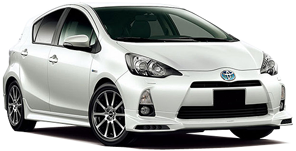
Toyota Aqua
or Similar
From
$20.83/day
Compare car rental deals at Osaka Downtown, Osaka from trusted global suppliers. Find affordable prices and book your ideal car in minutes.








Explore our range of vehicles available in Osaka Downtown.
or Similar
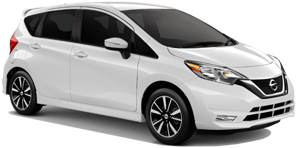
or Similar
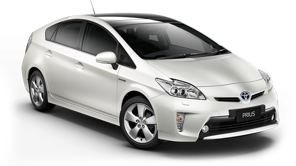
or Similar
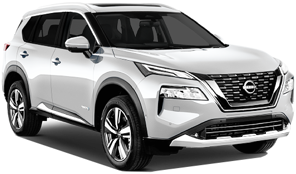
or Similar
or Similar
or Similar
or Similar
or Similar
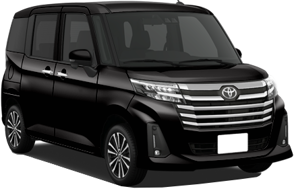
or Similar
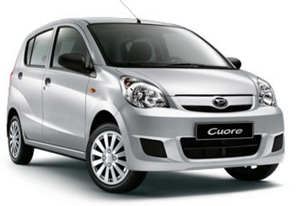
or Similar
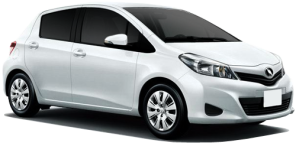
or Similar
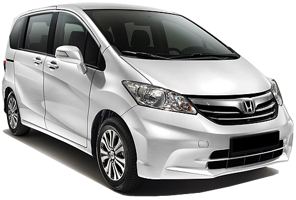
or Similar
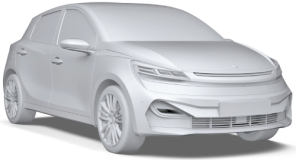
or Similar
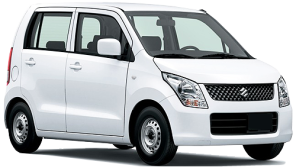
or Similar
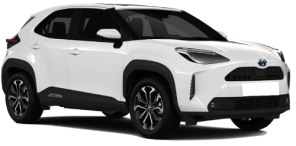
or Similar
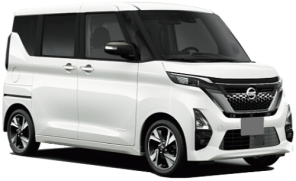
or Similar
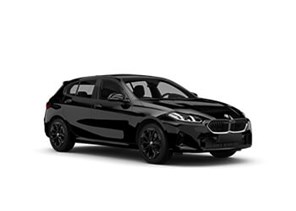
or Similar
or Similar
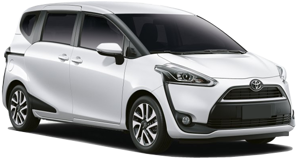
or Similar
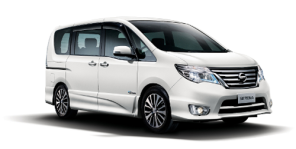
or Similar
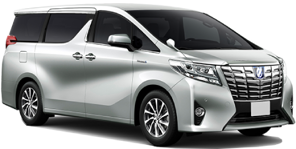
or Similar
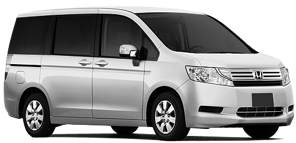
or Similar

or Similar
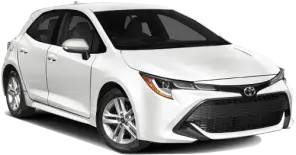
or Similar

or Similar
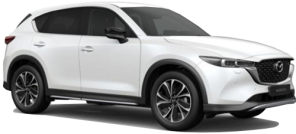
or Similar

or Similar
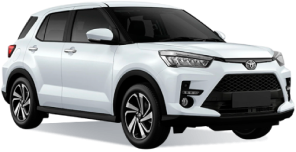
or Similar
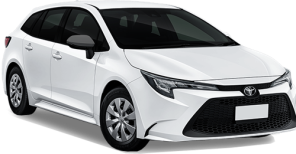
or Similar
Prices shown are approximate and may vary by booking dates, rental duration, and vehicle class. Check booking options for current pricing.
Discover a world of convenience, safety, and customization, paving the way for unforgettable adventures and seamless mobility solutions.
Read verified customer reviews and ratings to help you choose the best rental supplier for your trip.
Our support team is available to help with booking questions, modifications, or cancellations.
Protect your rental with optional full coverage insurance for additional peace of mind during your trip.
Receive instant booking confirmation and rental details directly in your email inbox.
Easily filter rental cars by price, vehicle type, supplier, fuel policy, mileage options, and customer ratings.
Manage, modify, or cancel your booking easily through your confirmation link or account.
Essential information about car rental companies, popular cars, rental duration, and prices at Osaka Downtown.
Toyota Rent a Car near Namba Station leads downtown Osaka with 38% market share, serving the city's vibrant commercial heart and travelers exploring the wider Kansai region.
Compacts are ideal for Osaka's bustling streets. Minivans are for groups heading out of town. Hybrids are increasingly popular for their fuel economy.
Downtown Osaka rentals average 3-4 days, for day trips to Universal Studios Japan, Kyoto, and Kobe, mixed with exploring Osaka's own food and castle. (Based on 5,100+ local pickups)
The Toyota Aqua hybrid is the city car of choice. The Toyota Alphard luxury minivan is a popular splurge for group travel.
Downtown Osaka rates average $63/day. Many agencies offer late-night return options for those enjoying Dotonbori.
Compare average car rental prices by month and see how rental rates vary throughout the year in Osaka Downtown.
Osaka Downtown - Cherry blossom (April) and food tourism. Summer festivals (Tenjin) increase demand. Business travel. Book 2-3 months ahead.
* Prices shown are approximate. Original prices are in USD and converted using real-time exchange rates.
Essential driving rules and requirements to know when renting a car.
Get detailed information on driving rules, licence requirements, speed limits and useful local tips.
Renting a car in Osaka Downtown, Japan, offers a unique blend of convenience and freedom that public transport simply can't match. While Osaka boasts an excellent subway and train system, a rental car allows you to escape the fixed schedules and crowded carriages, especially if you're traveling with family, have heavy luggage, or plan to explore beyond the city center. The process is straightforward, with a clear system designed for both domestic and international travelers. You'll find rental desks in major transportation hubs, and while the city itself is very walkable in core areas like Namba or Umeda, a car becomes an invaluable asset for day trips to the surrounding prefectures of Kyoto, Nara, and Wakayama.
When deciding where to pick up your vehicle, you generally have two primary options: at the airport (Kansai International Airport or Osaka International Airport – Itami) or at a city-center location. Picking up at the airport is incredibly convenient if you’re arriving on a late flight or want to hit the road immediately. However, be aware of a potential "airport surcharge" – many rental companies add a fee for airport locations, which can add $15-$30 to your total rental cost. Picking up from a downtown office, such as those near Osaka Station or in the bustling Namba district, often bypasses this fee and can be cheaper, especially if you're spending a few days in the city first. A key money-saving tip is to compare the total price, including the surcharge and the cost of a train ticket from the airport to the city, to see which option is more economical for your itinerary.
| Pickup Location Type | Advantages | Disadvantages |
|---|---|---|
| Kansai International Airport (KIX) | Immediate access; large selection of companies; open late; easy to find after long flight. | Often includes an airport surcharge; can be busy with long queues during peak hours. |
| Osaka International Airport (Itami) | Closer to the city center than KIX; convenient for domestic travelers; lower surcharge than KIX. | Fewer international rental chains; primarily serves domestic arrivals. |
| Osaka/Umeda Station Area | No airport surcharge; central location; many company branches; easy access to expressways heading north/south. | Can be confusing to navigate out of the city center for first-time drivers; traffic congestion. |
| Namba/Shinsaibashi Area | No airport surcharge; ideal for those staying in the southern entertainment districts; convenient for trips south to Wakayama. | Traffic can be heavy; parking in this area for pick-up can be complex. |
Before you book, it’s crucial to ensure you meet all the legal and company-specific requirements for renting a car in Japan. The system is strict but fair, designed with safety as the top priority. All renters must present a valid driver's license from their home country, a valid passport, and a credit card in the driver's name. A debit card is generally not accepted for the main rental deposit, which can be a surprise for some travelers. The minimum age to rent a car is typically 18, though most major companies require renters to be at least 21, and drivers under 25 may incur a "young driver surcharge."
The most critical document for most international travelers is the International Driving Permit (IDP). Japan strictly enforces its driving laws, and a valid IDP based on the 1949 Geneva Convention is required for those with licenses from non-Asian countries (such as the USA, Canada, and most of Europe). This permit must be presented along with your original home country driver's license. Renters from certain countries like Switzerland, Germany, France, Belgium, and Taiwan may have different agreements, but it's always safest to confirm with the rental agency beforehand. Failure to produce a valid IDP will result in the rental company refusing to hand over the keys.
| Requirement | Details |
|---|---|
| Valid Driver's License | Original license from your home country. Must be valid for the entire rental period. |
| International Driving Permit (IDP) | Required for most non-Japanese license holders. Must be the 1949 Geneva Convention type, obtained in your home country. |
| Passport | Required for identification. Must match the name on the driver's license and credit card. |
| Credit Card | A valid credit card in the primary driver's name is required for the deposit. Debit cards are rarely accepted. |
| Minimum Age | Typically 21 years old. Drivers under 25 may face a daily surcharge. |
| Insurance | Mandatory basic insurance is included in the rental price, but additional coverage (CDW) is highly recommended. |
While Osaka is a city built on its incredible public transport network, renting a car unlocks a different dimension of travel. The city serves as the perfect launchpad for the Kansai region, and having your own vehicle means you can set your own pace. Forget rushing to catch the last train back from a countryside temple or struggling with a suitcase up and down station stairs. With a car, your hotel becomes a home base from which you can explore hidden gems that are inconvenient or impossible to reach by bus and train.
The true value of a rental car becomes apparent the moment you leave the city center. You can drive through the scenic mountains to Mount Koya (Koyasan), navigate the winding roads of the picturesque coast of Wakayama, or visit the rural pottery villages of Shiga. For families, the convenience is unparalleled—children can nap in the car between destinations, and you can stock up on snacks and souvenirs without worrying about carrying them on public transit. It also provides a private, comfortable space to decompress after a day of sightseeing.
Osaka Downtown is well-served by a mix of global giants and highly reputable local Japanese companies. International brands like Hertz, Avis, and Budget offer a familiar booking process and often have English-speaking staff, making them a comfortable choice for first-time renters. However, don't overlook the local Japanese suppliers like Nippon Rent-A-Car, Times Car Rental, and Orix Rent-A-Car. These companies are known for their immaculate fleets, exceptional customer service, and competitive pricing. They often have a more extensive network of branches throughout the city and surrounding areas, making pick-up and drop-off incredibly convenient.
When choosing a company, consider the level of insurance included, the rental terms regarding cancellations, and the availability of English GPS systems (most cars in Japan now come with a GPS, and language settings can usually be changed). While each company has its own pricing structure, competition in Osaka keeps rates reasonable, especially if you book in advance.
| Company | Price Level | Pros |
|---|---|---|
| Nippon Rent-A-Car | Medium | Extensive network, excellent customer service, well-maintained cars, often has English GPS. |
| Times Car Rental | Medium | Good loyalty program, modern fleet, convenient locations, straightforward insurance options. |
| Orix Rent-A-Car | Low to Medium | Competitive pricing, wide selection of economy cars, good availability in the city center. |
| Hertz | Medium to High | Trusted international brand, English-speaking staff, good for travelers with loyalty points. |
| Budget | Low to Medium | Often has good deals for advance bookings, reliable service, familiar to North American travelers. |
| Europcar | Medium to High | Strong European presence, offers a variety of automatic transmission vehicles, good airport presence. |
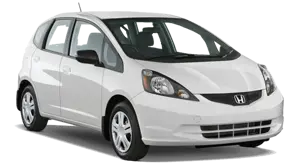
In the narrow streets and compact parking spaces of Osaka Downtown, smaller is often better. The most popular rental categories are economy and compact cars, which are perfectly suited for navigating the city's urban landscape and are the most budget-friendly. Models like the Toyota Yaris, Honda Fit, and Nissan Note are ubiquitous, offering a great balance of fuel efficiency, maneuverability, and modern features like GPS and rear-view cameras. For families or groups of four or more, compact SUVs like the Toyota Corolla Cross or larger vans such as the Nissan Serena or Toyota Alphard are highly sought after, providing ample space for passengers and luggage. Luxury vehicles are also available from premium suppliers, often featuring models like the Lexus ES or BMW 3 Series.
Rental prices in Osaka are subject to significant seasonal fluctuations. The high tourist season, which includes the cherry blossom season (late March to early April) and the autumn foliage season (November), sees the highest prices and the lowest availability. Conversely, the low season during the hot, humid summer (excluding holiday weeks) and the post-holiday winter period (January and February) can offer substantial savings. It's also crucial to book far in advance for Golden Week (late April to early May) and Obon (mid-August), as cars become scarce and prices skyrocket.
| Car Category | Average Daily Price (USD) | Best For |
|---|---|---|
| Small/Economy Cars | $50 - $80 | Solo travelers, couples, city driving, fuel efficiency. |
| Medium/Compact Cars | $70 - $110 | Small families, groups of 3, extra luggage space, comfortable city/highway driving. |
| SUVs | $90 - $150 | Families, groups needing space, driving on mountain roads, extra comfort. |
| Vans/Minivans | $110 - $200 | Large families, groups of 5-8 people, extended road trips. |
| Luxury Cars | $150 - $300+ | Special occasions, business travel, premium driving experience. |
| Pricing Factor | Details |
|---|---|
| Cheapest Month | January (post-New Year) or February (excluding holiday weekends) are typically the cheapest months. |
| Most Expensive Month | April (cherry blossoms) and November (autumn colors) see the highest demand and prices. |
| Average Daily Price (Economy) | A standard economy car averages around $65 per day across the year. |
| A Good Deal | An economy car for $45-$55 per day or a compact SUV for $80-$90 per day is considered a good deal. |
| Cheapest Supplier | Orix Rent-A-Car and local branches of Times Car Rental often have the most competitive base rates. |
| Cheapest Car Type | Manual transmission economy cars are the cheapest, but availability is very low for international travelers. |
Osaka Downtown is the perfect starting point for a variety of unforgettable road trips, ranging from short cultural hops to scenic mountain drives. The extensive expressway network makes these destinations easily accessible, allowing you to experience the diverse landscapes of the Kansai region and beyond. Here are a few popular routes to inspire your journey:
Driving in Japan requires attention to a few key rules that differ from many other countries. The most fundamental is that driving is on the left-hand side of the road. If you're from a country that drives on the right, take it slow in parking lots and quieter streets to acclimate. Speed limits are strictly enforced, and traffic police often set up checkpoints, especially on expressways. The legal blood alcohol limit is zero—there is no tolerance for drinking and driving. All passengers, both front and rear, are required by law to wear seatbelts. For families, child seats are mandatory for children under the age of six.
Road conditions in and around Osaka Downtown are generally excellent, with well-maintained asphalt and clear signage. However, signage is often in Japanese, though many major roads have English translations. The city center can be very congested during morning (7:30-9:30 AM) and evening (5:00-7:00 PM) rush hours. In winter, while snow is rare in the city center, if your road trip takes you to the mountains of Hyogo or Shiga, winter tires may be required. Rental companies can provide them for an extra fee if you notify them in advance.
| Road Type | Speed Limit | Notes |
|---|---|---|
| Urban/Rural Roads | 40-60 km/h (25-37 mph) | Common within city limits and residential areas. Watch for pedestrians and cyclists. |
| Open Roads (Non-Expressway) | 50-60 km/h (31-37 mph) | Typical for national and prefectural roads connecting towns. |
| Expressways | 80-100 km/h (50-62 mph) | Urban expressways (like the Hanshin) often have a 80 km/h limit. Rural expressways may allow 100 km/h. |
Yes, toll roads are a significant aspect of driving in and around Osaka Downtown, Japan. The expressway network that connects the Kansai region is predominantly toll-based. The most prominent are the Hanshin Expressway, which crisscrosses the urban area, and the various national expressways that extend to Kyoto, Nara, and beyond. Using these toll roads is almost essential for efficient travel outside the city center, as they bypass congested local streets. For travelers, the most convenient way to pay is via the Electronic Toll Collection (ETC) system. Most rental cars come equipped with an ETC card reader, and you can rent an ETC card from the rental company for a small fee. This allows you to drive through the ETC gates without stopping to pay cash, and you'll be billed for the total tolls upon returning the car.
Toll costs can add up quickly, especially for longer journeys. For example, a round trip from Osaka to Kyoto via the expressway can cost around $15-$20 in tolls, while a trip to Koyasan might be $30-$40. Planning your route with a GPS that calculates tolls is advisable. Some travelers opt to use the scenic, non-toll roads to save money, but this can add significant travel time. It's a good practice to have cash on hand if your rental car does not come with an ETC card, as some toll gates do not accept all types of credit cards.
Parking in the heart of Osaka Downtown can be one of the biggest challenges for drivers. Street parking is extremely rare and often strictly prohibited, with aggressive enforcement. Instead, the city relies on a vast network of paid parking lots (coin parking) and multi-story parking garages. These are abundant but can be pricey, especially in high-traffic areas like Namba, Shinsaibashi, and Umeda. Expect to pay between $3 and $6 per hour, with daily maximums ranging from $15 to $30 depending on the location. Many hotels offer parking, but it is rarely free, so always factor this into your accommodation budget. A common money-saving tactic is to look for parking facilities a few blocks away from the main tourist drags, where rates are often lower.
For tourists, a practical approach is to park the car for the day and explore the city on foot or by public transit. Many large department stores and shopping complexes have parking garages that offer discounts if you spend a certain amount in their stores. It's also crucial to pay attention to parking lot signage, as some are very narrow, some are for monthly contract customers only, and others have height restrictions that might not accommodate vans or SUVs. Using a navigation app to find a parking lot near your destination is highly recommended.
Navigating the car rental process in Japan can be smooth if you come prepared. These practical tips, gathered from frequent travelers, will help you avoid common pitfalls and make the most of your rental experience in Osaka Downtown.
Even the most well-prepared travelers can stumble into a few common traps when renting a car in Japan. Being aware of these mistakes can save you significant time, money, and stress during your trip to Osaka Downtown.
When Mark and his family landed at KIX, they were exhausted after a 14-hour flight from Canada. Instead of wrestling with suitcases onto a train to their hotel in Namba, they decided to pick up their pre-booked car right at the airport. After a quick check of their passports and IDPs, they were handed the keys to a spotless Toyota van. Navigating out of the airport was a bit nerve-wracking at first, with the left-side driving, but the English GPS was a lifesaver. The real magic happened the next day when, instead of a crowded train, they loaded up their van with snacks and drove an hour to the peaceful, off-the-beaten-path trails of Minoh Waterfall, stopping for a spontaneous lunch at a roadside udon shop they spotted along the way. Having a car gave their family the freedom to explore at their own pace, turning a simple trip to a waterfall into a memorable day of adventure.
An International Driving Permit (IDP) is a legal requirement for most tourists planning to drive in Japan. It serves as an official translation of your domestic driver's license and must be issued in your home country before you depart. Japan recognizes only the IDP based on the 1949 Geneva Convention. You cannot obtain a valid IDP for Japan after you arrive, as they are not issued within the country. The permit is valid for one year from the date of issue, or until your domestic license expires, whichever comes first. You must carry both your original, valid home country driver's license and the IDP with you at all times while driving.
Obtaining an IDP is a straightforward process in most countries. In the United States, they are issued by the American Automobile Association (AAA) and the American Automobile Touring Alliance (AATA). In Canada, they are available through the Canadian Automobile Association (CAA). You'll typically need to fill out an application, provide two passport-sized photos, and present your valid driver's license. The fee is usually around $20-$30 USD. It's essential to plan ahead, as this process cannot be expedited overnight in every location. When you pick up your rental car in Osaka Downtown, the staff will verify both your original license and your IDP, so having both documents in order is the first and most important step to a successful car rental experience.
Markers show approximate airport or town-centre areas, not confirmed rental desks.
Find airport guides for car rentals, parking, and ground transportation.
Try a different name, city, or IATA code.
Read verified customer reviews, ratings, and rental experiences from travelers who booked through Airport Car Hub.
Overall Rating
No reviews yet for this location. Be the first to share your experience!