Cheap Car Rental Japan - Compare Deals & Book Instantly
Search and compare car rental prices from trusted global suppliers. Find the best deals instantly.
Why book with us?
-
Wide Fleet
Choose from economy cars, SUVs, luxury vehicles, and more.
-
Free Cancellation
Flexible booking options with free cancellation on most rentals.
-
24/7 Customer Support
Our expert team is available 24/7 to assist you with any questions or concerns.
Compare top international car rental brands and choose the best deal for your trip.








Car Rental Deals in Japan
Choose from our wide range of vehicles available in Japan.
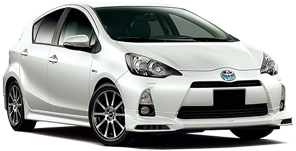
EconomyToyota Aqua or Similar
From
$20.83
/day
|
|
|||
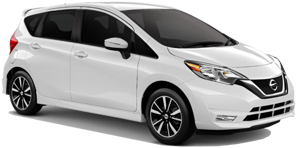
CompactNissan Note or Similar
From
$23.44
/day
|
|
|||
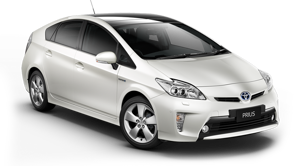
IntermediateToyota Prius or Similar
From
$25.33
/day
|
|
|||
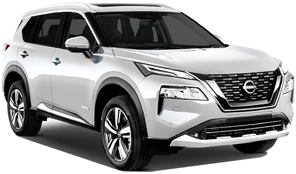
Intermediate SuvNissan X-Trail or Similar
From
$44.74
/day
|
|
|||
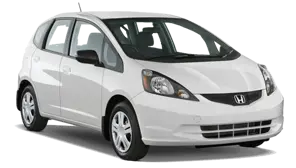
EconomyHonda Fit or Similar
From
$20.83
/day
|
|
|||
MiniDaihatsu Move or Similar
From
$21.93
/day
|
|
|||
EconomySuzuki Palette or Similar
From
$21.93
/day
|
|
|||
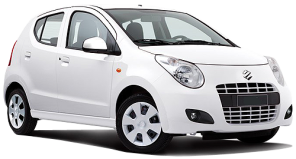
MiniSuzuki Alto or Similar
From
$22.44
/day
|
|
|||
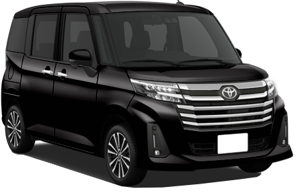
EconomyToyota Roomy or Similar
From
$23.44
/day
|
|
|||
MiniDaihatsu Cuore or Similar
From
$24.87
/day
|

|
|||
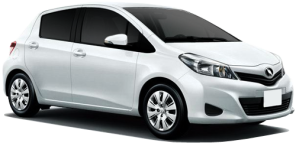
CompactToyota Vitz or Similar
From
$24.94
/day
|
|
|||
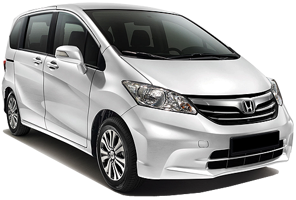
Compact VanHonda Freed or Similar
From
$25.33
/day
|
|
|||
MiniHonda N-Box or Similar
From
$28.40
/day
|
|
|||
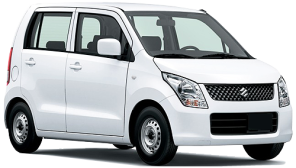
MiniSuzuki Wagon R or Similar
From
$28.40
/day
|
|
|||
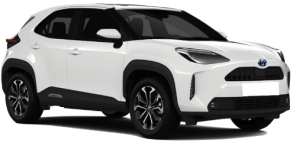
Standard CrossoverToyota Yaris Cross or Similar
From
$30.55
/day
|
|
|||
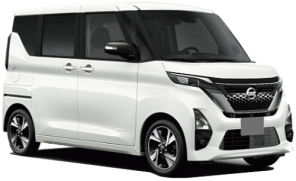
MiniNissan Roox or Similar
From
$31.09
/day
|
|
|||
Compact EliteBMW 1 Series or Similar
From
$34.85
/day
|

|
|||
Compact Estate/wagonToyota Probox or Similar
From
$36.25
/day
|
|
|||
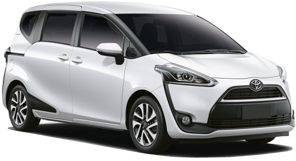
Intermediate VanToyota Sienta or Similar
From
$38.04
/day
|
|
|||
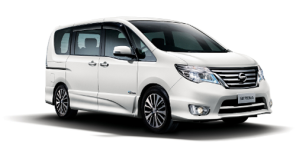
Standard VanNissan Serena or Similar
From
$38.04
/day
|
|
|||
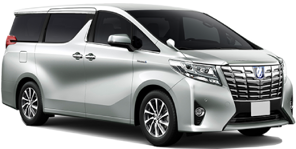
Standard VanToyota Alphard or Similar
From
$38.04
/day
|
|
|||
Premium VanHonda StepWGN or Similar
From
$38.04
/day
|

|
|||
Full-sizeVolvo S60 or Similar
From
$40.34
/day
|

|
|||
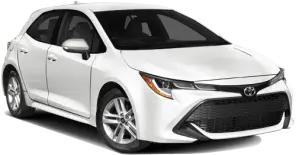
IntermediateToyota Corolla or Similar
From
$41.19
/day
|
|
|||
Intermediate Estate/wagonVolvo V60 STW or Similar
From
$42.14
/day
|

|
|||
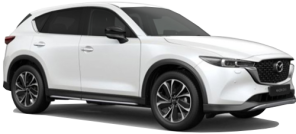
Compact SuvMazda CX-5 or Similar
From
$44.74
/day
|
|
|||
Compact Elite SuvBMW X1 or Similar
From
$44.74
/day
|

|
|||
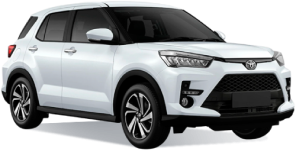
Compact SuvToyota Raize or Similar
From
$46.21
/day
|
|
|||
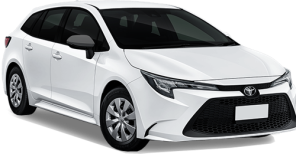
Intermediate Estate/wagonToyota Corolla STW or Similar
From
$46.63
/day
|
|
|||
Our Features
Discover a world of convenience, safety, and customization, paving the way for unforgettable adventures and seamless mobility solutions.
Supplier Rating System
Every rental supplier is rated by customers so you can choose trusted providers.
Flexible Rental Options
Choose from short-term, long-term, or one-way rentals depending on your travel requirements.
Fast Booking Process
Complete your car rental reservation in just a few simple steps with instant confirmation.
Instant Booking Confirmation
Get immediate confirmation for most rentals with real-time vehicle availability.
Trusted Rental Partners
We partner with leading global and local car rental companies to ensure reliable vehicles and professional service.
Booking Assistance
Our support team can help you choose the right car and complete your booking if needed.
Japan Car Rental Facts
Essential information on the best deals, rental providers, and vehicle options in Japan.
Most Popular Agencies
Lion City Rentals leads with 28% share, catering to both tourists wanting to explore beyond the city and residents needing temporary vehicles.
Popular Car Types
Compact cars are favored for city maneuverability. Luxury vehicles serve business travelers and tourists wanting to arrive in style at Marina Bay.
Average Rental Duration
Short 3-day rentals reflect Singapore's compact size and excellent public transport, with cars used mainly for weekends in Malaysia or Sentosa trips. (Based on 14,200+ local searches)
Most Popular Models
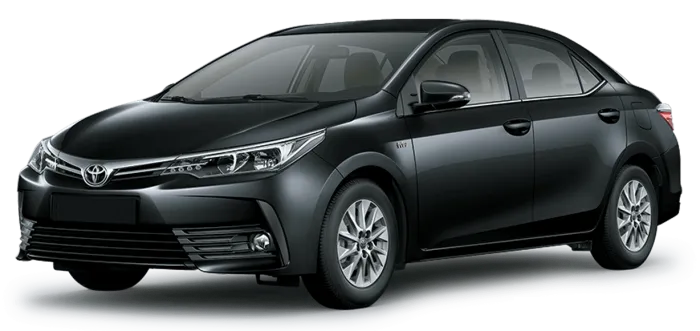
The Toyota Corolla dominates the practical rental segment. The Mercedes C-Class is preferred for business clients and special occasions.
Average Daily Price
Singapore commands premium rates averaging $72/day, reflecting high vehicle costs. Weekend rentals from $135 offer value for Malaysia road trips.
How much does it cost to rent a car at Japan?
Averaging the lowest prices for the economy car category, the data below shows prices for monthly comparisons.
Cheapest Month Average
JanMost Expensive Month
SepYearly Average Price
F1 Grand Prix (September) causes extreme price spikes. Peak seasons (June-August, December) for tourism. Cars expensive - public transport efficient. ERP tolls apply. Book 2-3 months ahead for F1.
Driving Laws & Information for Japan
Essential driving rules and requirements to know when renting a car
Driving Side
Left
Minimum Age
18 to drive
Blood Alcohol Limit
0.00% maximum
IDP Required?
Yes International Driving Permit
Speed Units
km/h
Seat Belt
Required
Toll Roads
Yes
Emergency
110 emergency number
Car Rental Japan Guide
Renting a car in Japan offers an unparalleled opportunity to explore the country beyond its famed high-speed rail network. While Japan's public transportation is exceptionally efficient for connecting major cities like Tokyo, Osaka, and Kyoto, a rental car becomes your key to unlocking the serene countryside, hidden coastal villages, and majestic national parks. Pickup locations are abundant, with the most convenient being at major international airports such as Narita (NRT) and Haneda (HND) in Tokyo, Kansai International Airport (KIX) in Osaka, and New Chitose Airport (CTS) in Hokkaido. Collecting your vehicle immediately upon arrival allows for a seamless transition into your adventure, especially if your first destination is outside a major urban center. Alternatively, city-based rental offices are plentiful in downtown areas of all prefectural capitals, offering flexibility for those who prefer to acclimate to city life first.
The choice between airport and city pickup involves weighing convenience against cost. Airport locations are undeniably convenient, saving you the time and expense of transferring into the city with your luggage. However, they often include a convenience fee or slightly higher daily rates to cover the cost of operating at the terminal. City offices can sometimes offer lower base rates, but you must factor in the time and cost of reaching them via public transport. A savvy money-saving tip is to compare the total cost, including transportation to the office, and to look for "downtown" locations just a few train stops from the airport, which can offer significant savings without too much hassle. For trips focused on rural areas like the Japanese Alps, the Fuji Five Lakes region, or the islands of Shikoku and Kyushu, picking up a car as you leave the main city centers is often the most strategic and economical approach.
| Pickup Location | Pros & Cons |
|---|---|
| Major Airports (NRT, HND, KIX, CTS) | Pros: Maximum convenience upon arrival, immediate start to your road trip, wide selection of companies. Cons: Typically higher rates due to airport surcharges, can be busy during peak hours. |
| City Centers (Tokyo, Osaka, Kyoto) | Pros: Often lower base rental rates, more flexible for travelers spending time in the city first. Cons: Requires navigating public transport with luggage to reach the office, navigating dense city traffic on your first day can be challenging. |
| Regional Train Stations | Pros: Perfect for starting a rural exploration, often smaller and quicker service, good rates. Cons: Limited office hours and vehicle selection compared to airports or major cities. |
Car Rentals Requirements in Japan
Before you can hit the open road in Japan, you must ensure you meet all the legal and procedural requirements set by rental companies and Japanese authorities. The process is straightforward but strict, and failing to have the correct documentation will result in being denied a vehicle. The cornerstone of renting a car in Japan is a valid driver's license from your home country, and for most nationalities, an International Driving Permit (IDP) issued in your home country is mandatory. You must have both your physical home license and the IDP with you at the rental counter. Additionally, you will need a valid passport and a major credit card in the main driver's name for the security deposit and final payment.
The minimum age to rent a car in Japan is typically 18 years, the legal driving age, but many rental companies impose their own higher age limits, often 20 or 21, and may charge a young driver fee for those under 25. When it comes to insurance, the basic collision damage waiver (CDW) is almost always included in the rental price, but it often comes with a large excess (deductible) that you would be liable for in case of an accident. Rental companies will strongly offer optional insurance packages, such as a Non-Operation Charge (NOC) waiver and a CDW waiver that reduces your liability to zero. Understanding these layers of insurance is crucial for a stress-free rental experience.
| Requirement | Details & Specifications |
|---|---|
| Minimum Age | Generally 18, but most companies require drivers to be 20 or 21. Drivers under 25 may incur a young driver surcharge. |
| Driver's License | Valid original driver's license from your home country. Must be held for a minimum period (often 1 year) by some companies. |
| International Driving Permit (IDP) | Required for most non-Japanese license holders. Must be obtained in your home country before departure and based on the 1949 Geneva Convention. Bring it together with your original license. |
| Passport | Valid passport for entry into Japan. Rental companies are required by law to verify your identity and visa status. |
| Credit Card | A major credit card (Visa, MasterCard, Amex) in the driver's name is almost universally required for the deposit. Debit cards are rarely accepted for this purpose. |
| Insurance | Basic Collision Damage Waiver (CDW) is typically included. Optional liability-reduction packages (e.g., CDW Excess Waiver, NOC Waiver) are highly recommended to minimize financial risk. |
Why Rent a Car in Japan
While Japan's Shinkansen bullet train is a marvel of modern travel, it connects only the major hubs, leaving vast swathes of the country's beauty untouched. Renting a car in Japan liberates you from fixed train schedules and station-to-station travel, granting you the autonomy to design your own itinerary. It transforms a vacation from a series of planned connections into a fluid journey where you can chase a perfect view, stop at a roadside farm stand, or linger in a small town that captures your heart. For families, in particular, the convenience of having a private space for children and luggage, without the stress of navigating crowded urban trains, is a game-changer.
The real magic of Japan unfolds on its backroads. Imagine driving through the breathtaking Japanese Alps, crossing the bridges that connect the islands of the Seto Inland Sea, or exploring the volcanic landscapes of Hokkaido. These are experiences best had by car. A vehicle allows you to easily access natural wonders like the Fuji Five Lakes area, the hot spring villages of the Kii Peninsula, or the dramatic coastlines of Tohoku, all of which can be logistically challenging and time-consuming by public transport. Whether it's a family road trip or a solo adventure into nature, a rental car provides the key to a deeper, more personal exploration of Japan.
- Unrivaled Access: Reach remote onsens (hot springs), national parks, and scenic coastal routes that are inaccessible or impractical by train.
- Ultimate Flexibility: Stop spontaneously at roadside attractions, local markets, and viewpoints, creating a truly personalized itinerary.
- Family & Group Convenience: Travel comfortably with children, bulky luggage, and sports equipment without the hassle of public transport transfers.
- Cost-Effective for Groups: For groups of 3-4 people traveling longer distances, the combined cost of multiple train tickets can easily exceed that of a rental car and fuel.
- Scenic Drives: Experience Japan's world-famous scenic driving routes, from the peaks of the Tateyama Kurobe Alpine Route to the coastal roads of Izu Peninsula.
- Efficient for Multi-Destination Trips: Explore regions like Kyushu or Shikoku, where sights are spread out, much more efficiently than relying on local trains and buses.
Best Car Rental Companies in Japan
When planning your Japanese road trip, you'll encounter a mix of familiar international giants and excellent local brands. Major international companies like Hertz, Avis, and Europcar operate at major airports and cities, offering the consistency and loyalty program benefits that many travelers appreciate. However, the rental car market in Japan is dominated by efficient, high-quality domestic companies that often provide better value and a wider selection of vehicles perfectly suited to Japanese roads. You'll find that the level of service, vehicle cleanliness, and booking process is world-class across the board.
Using a rental comparison platform like Expedia, Kayak, or Auto Europe can be an excellent way to get a broad overview of available vehicles and prices from all major providers. These platforms allow you to filter by car size, price, and pickup location, simplifying the initial research phase. However, for the best deals and most accurate information, it's always worth checking the websites of the major local players like Times Car Rental, Nippon Rent-A-Car, and Orix Rent-A-Car directly after comparing. They often have Japanese-language deals that can be accessed via their English booking portals and have the most extensive networks, especially in rural areas.
| Company | Price Level | Pros |
|---|---|---|
| Times Car Rental | Medium | Vast network of locations, modern fleet, excellent customer service, user-friendly English website. |
| Nippon Rent-A-Car | Medium | Very reliable, great selection of local cars, strong presence at all major airports, good English support. |
| Orix Rent-A-Car | Medium | Competitive pricing, often has good online deals, large fleet, efficient pickup and drop-off process. |
| Hertz / Avis | High | Global brand recognition, loyalty points, often have newer models, consistent service standards. |
| Budget / Europcar | Low-Medium | Good budget-friendly base rates, especially when booked in advance through comparison sites. |
| Nissan Rent a Car | Medium | Excellent if you want a specific Nissan model, high-quality maintenance, professional staff. |
Popular Car Rental Categories & Prices in Japan
Choosing the right car is crucial for a comfortable journey through Japan. The most popular category by far is the Compact Car or "Kei Car," a unique class of small, fuel-efficient vehicles that are perfect for navigating narrow city streets and countryside lanes. These are incredibly economical on gas and easier to park in tight spaces. For a bit more room without a huge jump in price, an Economy or Compact Sedan like a Toyota Corolla or Mazda3 is a great all-rounder for couples or small families. If your travels take you to the mountains or snowy regions of Hokkaido or the Alps, a compact SUV (like a Honda Vezel/HR-V) with optional 4WD provides extra confidence and space.
For larger groups or families, a multi-purpose vehicle (MPV) or Family Van (such as a Toyota Sienta or Honda Stepwgn) is a popular choice, comfortably seating 6-8 people with ample luggage space. On the other end of the spectrum, Luxury cars from Lexus or Infiniti are available for those seeking a premium driving experience. Keep in mind that prices are highly seasonal. During peak travel times like Golden Week (late April to early May), Obon festival (mid-August), and the cherry blossom season (late March to early April), demand and prices can skyrocket. Conversely, the low seasons in between offer significant discounts and better availability.
| Car Category | Typical Models | Average Daily Price (USD) |
|---|---|---|
| Small Cars (Kei Cars) | Daihatsu Mira, Suzuki Alto | $50 - $70 |
| Medium Cars (Compact Sedan) | Toyota Corolla, Mazda3 | $70 - $95 |
| SUVs (Compact/Midsize) | Honda Vezel, Toyota C-HR | $95 - $140 |
| Family Vans (MPVs) | Toyota Sienta, Honda Stepwgn | $110 - $170 |
| Luxury Cars | Lexus IS, Toyota Crown | $180 - $300+ |
Car Rental Price Trends in Japan
Understanding Japan's seasonal travel patterns is the key to snagging a great deal on your rental car. The country experiences distinct peak seasons where domestic and international travel converges, causing prices to surge. Conversely, the "shoulder seasons" just after these peaks offer a sweet spot of pleasant weather and more reasonable rates. Rental car companies dynamically adjust their pricing based on demand, so flexibility with your travel dates can lead to substantial savings. Generally, booking well in advance—several months, if possible—is the single best strategy to secure a vehicle and a good price, especially if you're traveling during a peak period.
The table below outlines typical pricing trends based on historical data. The cheapest months are often during the colder winter period (excluding the New Year's holiday) and the rainy season in early summer. The most expensive months align with Japan's most beautiful and festive seasons. "A Good Deal" price represents a rate you can realistically aim for with advance booking and flexible dates, while the "Cheapest Supplier" often fluctuates, but local companies like Times and Orix are frequently competitive. Always check comparison sites and book directly with the supplier for the best chance of finding these lower rates.
| Trend Factor | Details |
|---|---|
| Cheapest Month(s) | June (rainy season) and late January - February (cold, excluding holidays). |
| Most Expensive Month(s) | Late March - April (Cherry Blossoms), late April - early May (Golden Week), August (Obon). |
| Average Price (Compact Car) | $80 - $100 USD per day, averaged across the year. |
| A Good Deal (Compact Car) | $50 - $65 USD per day, found during low season with advanced booking. |
| Cheapest Supplier (Typical) | Often Budget, Orix, or Times Car Rental, depending on the promotion. |
| Cheapest Car Type | Kei Cars / Small Cars are consistently the most economical to rent and run. |
Road Trips in Japan
Japan is crisscrossed with legendary driving routes that showcase the country's extraordinary natural diversity, from snow-capped mountains to tropical coastlines. A road trip is not just a way to get from A to B; it's a core part of the travel experience. Here are a few iconic routes to inspire your journey:
- The Fuji Five Lakes Circuit (Central Honshu): Start and end your journey in Kawaguchiko. This is a relatively short drive of about 1-2 hours without stops, but you'll want a full day. Highlights include the stunning views of Mount Fuji from Lake Kawaguchi, the Chureito Pagoda, and the dramatic lava caves at Aokigahara Forest. It's a perfect loop for photographers and nature lovers.
- The Tateyama Kurobe Alpine Route (Japanese Alps): While partially using public transport, the driving sections to access the route are spectacular. Drive from Toyama City to Murodo (car traffic is restricted in sections, so you use a combination of cable car, trolley bus, and your own car). The journey offers views of the 20-meter-high snow walls in spring and vibrant autumn colors. Plan for a full, unforgettable day.
- The Shimanami Kaido Expressway (Honshu to Shikoku): This is arguably Japan's most famous scenic drive, a 60-kilometer route of suspension bridges and expressways connecting Hiroshima Prefecture on Honshu with Ehime Prefecture on Shikoku via six small islands in the Seto Inland Sea. The drive itself, with frequent pull-offs for island exploration, can take 2-3 hours, but it's best enjoyed over a full day or even two. Highlights include cycling across the bridges, visiting the historic Murakami Kaizoku shipyard, and enjoying fresh seafood.
- The Izu Peninsula Coastal Drive (South of Tokyo): Starting from Ito or Shimoda, this winding coastal route offers dramatic ocean views. The full loop around the peninsula can be done in a day, but consider an overnight stay. Highlights include the Jogasaki Coast with its dramatic cliffs and suspension bridge, the scenic lookouts along the western coast, and relaxing in the numerous hot spring resorts.
- The Hokkaido Central Loop (Northern Island): Begin and end in Sapporo, creating a loop through the stunning Daisetsuzan National Park. The total driving time is around 6-8 hours, but spreading this over 3-5 days is ideal. Highlights include the colorful flower fields of Furano and Biei in summer, the pristine lakes and volcanic landscapes of Daisetsuzan, and visiting the historic canal city of Otaru.
Driving Rules in Japan
Navigating Japan's roads is generally a safe and orderly experience, as drivers are typically courteous and follow the rules meticulously. As a visitor, it's your responsibility to familiarize yourself with the local laws to ensure a smooth journey. The most important thing to remember is that in Japan, you drive on the LEFT side of the road. The steering wheel is on the right side of the car. This can take some getting used to, especially at intersections and when pulling out of parking lots. Take the first few minutes in the rental car lot to acclimate before heading into traffic. Seatbelts are mandatory for all passengers, and children under 6 years old must use an appropriate child restraint system, which can be rented from the car company.
Road conditions are generally excellent, with well-maintained highways (toll roads) and local roads. However, in mountainous and rural areas, roads can be narrow and winding. During winter, particularly in northern Japan and the Japanese Alps, winter tires or tire chains are often mandatory, and rental cars will be equipped accordingly if you book for that season. The legal blood alcohol limit is strictly 0.03%, with a zero-tolerance policy for driving under the influence, and penalties are severe. Using a handheld mobile phone while driving is also illegal. It's a good practice to pull into a safe parking area (Michi-no-Eki, or roadside stations, are great for this) if you need to check your map or make a call.
| Rule | Specification |
|---|---|
| Driving Side | Left. Overtake on the right. |
| Speed Limits (General) | 50-60 km/h on regular roads / 80-100 km/h on expressways. Follow posted signs. |
| Speed Limits (Residential) | 30-40 km/h. Be vigilant for pedestrians and narrow lanes. |
| Speed Limits (Expressway) | Typically 80-100 km/h, clearly signed. |
| Alcohol Limit | Strictly 0.03% blood alcohol content. Effectively zero tolerance. |
| Seatbelt Law | Mandatory for all passengers, front and rear. |
| Child Seat Law | Mandatory for children under 6 years old. Must be rented in advance. |
| Winter Tires | Mandatory in many regions (Hokkaido, Tohoku, Japanese Alps) from November to April. |
Toll Roads in Japan
A significant portion of Japan's high-speed expressway network, known as the "Kosoku," is tolled. These roads are incredibly efficient for covering long distances quickly, bypassing local traffic. While tolls can add a considerable expense to your trip—for example, a drive from Tokyo to Kyoto can cost over $100 USD one-way—they save hours of driving time. The national expressways are impeccably maintained, with frequent service areas (SA) and parking areas (PA) offering clean restrooms, restaurants, and shops. For navigating these roads, every rental car is equipped with an Electronic Toll Collection (ETC) card reader. You can rent an ETC card from the rental company, which allows you to pass through toll gates without stopping to pay cash.
The ETC card is linked to your rental agreement, and the toll fees are calculated and charged to you when you return the car. This is by far the most convenient method, as it also often qualifies you for discounted "ETC time" rates on weekends and holidays. If you choose not to use an ETC card, you will need to take a ticket at the entrance of the expressway and pay with cash at a manned "general" gate upon exit. Be prepared to have smaller bills and coins for this. While it's manageable, using an ETC card streamlines the entire process and allows you to use any gate, significantly reducing travel time, especially at busy interchanges.
Parking in Japan
Parking in Japan's major cities can be a challenge, but it's far from impossible with a little know-how. In dense urban centers like Tokyo, Osaka, and Nagoya, on-street parking is extremely rare and often restricted. Instead, you'll rely on a vast network of coin-operated parking lots and multistory parking garages. These are generally easy to find using your car's navigation system or a smartphone app like Google Maps. Coin parking lots charge by the minute or by a set time block, and rates can be high in central locations (e.g., $3-6 USD for 30 minutes). Many lots are unattended, and you pay at a machine before exiting, often accepting coins, bills, and IC cards like Suica or Pasmo.
Outside of major city centers, parking becomes significantly easier and cheaper. Most hotels, especially outside city centers, offer parking, though it may come with a nightly fee. At tourist attractions like temples, castles, and natural parks, dedicated (and often free or very cheap) parking lots are usually available. A great resource for drivers are the "Michi-no-Eki" (Roadside Stations) found along major highways and scenic routes. These are public facilities with free parking, 24-hour restrooms, and local produce markets—perfect for a break. A key tip for city driving is that many smaller coin lots have height and width restrictions, so if you're driving a large van or SUV, you may need to seek out a taller parking garage.
Tips for Car Rental in Japan
To ensure your Japanese driving adventure is memorable for all the right reasons, a little preparation goes a long way. From the moment you book to the moment you return the keys, these practical tips will help you navigate the process with confidence and ease.
- Book Well in Advance, Especially for Peak Seasons: For cherry blossom season, Golden Week, and autumn leaves, book your car at least 3-6 months ahead. Vehicles, especially larger ones, sell out completely.
- Get an ETC Card and a "CEP" if Eligible: Always rent an ETC card. For foreign tourists, the Japan Expressway Pass (JEP) or regional passes like the Central Nippon Expressway Pass (CEP) can offer unlimited toll road usage for a fixed period, saving a lot of money on long trips.
- Master the Car's Navigation System: Most rental cars have excellent GPS units. Ask the rental agent to switch the language to English and show you how to input phone numbers or map codes (a 10-digit number for nearly every location in Japan), which is often more reliable than an address.
- Opt for the Full Insurance Package: Do not hesitate. Take the optional CDW excess waiver and the Non-Operation Charge (NOC) waiver. This protects you from paying thousands in case of an accident, and it provides invaluable peace of mind.
- Understand the Fuel Policy: The standard policy is "full-to-full." You pick up the car with a full tank and must return it full. It's almost always cheaper to refuel at a local gas station near the return location than to pay the rental company's refueling charge.
- Consider Portable Wi-Fi or a SIM Card: Having internet access on the road is invaluable for real-time traffic updates, finding parking, and using translation apps. Rent a pocket Wi-Fi router or get a data SIM card at the airport.
- Check for "Toll Included" Plans: When booking on comparison sites, look for rates that explicitly include the expressway tolls, which can sometimes offer good value if you're planning a long highway drive.
Common Car Rental Mistakes Travelers Make
Even the most prepared travelers can fall into common traps when renting a car abroad. Being aware of these frequent pitfalls can save you time, money, and stress, allowing you to fully enjoy the freedom of the open road in Japan.
- Forgetting the International Driving Permit (IDP): This is the most common and costly mistake. If you need an IDP (most nationalities do) and don't have it, you will be turned away at the counter with no refund. Check your country's status and obtain it before you travel.
- Ignoring the Insurance Details: Assuming the basic insurance covers everything. Not understanding the large excess (deductible) and the NOC fees can lead to a devastating bill after a minor scrape. Always pay to reduce your liability to zero.
- Not Booking a Child Seat in Advance: Rental companies have a limited number of child seats. If you need one, you must reserve it at the time of booking. Showing up without a reservation almost guarantees they won't have one available.
- Misjudging Driving Times: Relying solely on expressway estimates without accounting for local roads, especially in mountainous areas. Input your destination into the navigation system and add an extra 20-30% for stops, scenic views, and potential traffic.
- Underestimating City Driving Challenges: Picking up a large car in central Tokyo and immediately driving into rush hour. Start your rental in a city after you've explored it, or pick it up on the outskirts to avoid initial stress.
- Relying on Addresses Alone for Navigation: Japanese addresses are not sequential and can be very confusing for GPS. Always have the phone number or, better yet, the 10-digit map code of your destination ready to input into the car's navigation system.
Real Travel Experience Renting a Car in Japan
Last autumn, my partner and I picked up a compact Nissan Note from Times Car Rental at Narita Airport. The process was incredibly smooth—the agent spoke excellent English, confirmed our IDP and licenses, and walked us through the car's features, including how to use the English navigation. Our plan was to escape the city and drive to the Fuji Five Lakes region. The first few minutes on the left side of the road were a bit nerve-wracking, but the clear road markings and patient drivers helped us adjust quickly. An hour later, we were pulling into a Michi-no-Eki, munching on freshly made taiyaki, and getting our first breathtaking glimpse of Mount Fuji's peak emerging from the clouds. The freedom to stop at that exact moment, to watch the sunset over Lake Kawaguchi from our own private viewpoint, made every penny of the rental cost worthwhile. Driving back through the countryside, we felt a genuine connection to the landscape that trains and buses simply can't provide.
International Driving Permit for Travelers Visiting Japan
For the vast majority of international visitors, an International Driving Permit (IDP) is an absolute requirement for legally driving a car in Japan. This is not an optional supplement but a mandatory document that must be obtained in your home country before you depart for Japan. It is essentially a translation of your domestic driver's license into multiple languages, including Japanese, and is required by Japanese law. The permit must be based on the 1949 Geneva Convention on Road Traffic. If your country is a signatory to this convention (including the UK, most of Europe, Australia, and New Zealand), you can obtain an IDP from your national automobile association (e.g., AAA in the US, the Post Office in the UK, NRMA in Australia) for a small fee. It is typically valid for one year from the date of issue.
To obtain an IDP, you will generally need to visit your local automobile association office in person, present your valid, full driver's license, provide a passport-sized photograph, and pay the applicable fee. It's a straightforward process that is usually completed on the spot. Remember, the IDP is not valid on its own; you must carry it together with your original, valid driver's license from your home country at all times while driving. If your license is not in English, an official translation can also be obtained from the Japan Automobile Federation (JAF), but this is a more complex process. For simplicity and legal certainty, obtaining the 1949 Geneva Convention IDP before you travel is the universally recommended and hassle-free approach.
Popular Cities for Car Rental in Japan
Popular Locations for Car Rental in Japan
Major Airports in Japan
Complete airport guides with car rental information, parking, and transportation options
Frequently Asked Questions about Car Rental in Japan
Japan Car Rental Reviews & Customer Ratings
Read verified customer reviews, ratings, and rental experiences from travelers who booked through Airport Rento.
Overall Rating
Great service, authentic experience
Verified"Drove from Tokyo to Mount Fuji. The road trip was the highlight of our holiday. Customer support via chat was responsive when I had questions about the expressway passes. Highly recommended."
Chukwudi Eze
Grand little Kei car
Verified"Wanted the full JDM experience so grabbed a little Suzuki. Hilarious fun in the mountains around Hakone. Pickup in Yokohama was grand, fella at the desk gave us some cracking local tips."
Siobhán Murphy
物超所值
Verified"在成田机场取车,非常方便。车子很新,开了箱根的盘山公路,操控感一流。下次来还会选择这里租车。唯一小问题是返程导航到了加油站,不过整体很满意。"
Wang Wei
地元民にも優しい
Verified"実家に帰省する際に利用しました。都内より格段に安く、車両も新しかったです。手続きも早く、わずらわしい勧誘もなし。また使います。"
Raito Fujiwara
Top ervaring
Verified"Alles verliep vlekkeloos. In Narita stond er een shuttlebusje klaar. Het papierwerk was in orde en we kregen duidelijke uitleg over de tolwegen. Een aanrader voor iedereen die Japan wil verkennen."
Jan De Smet
편리했어요
Verified"한국에서 예약하고 일본 도착해서 바로 차량 받았습니다. 상태 좋았고요. 에어컨 빵빵하게 나와서 무더운 오사카 여름도 문제 없었어요. 내비게이션 일본어만 지원하는 줄 알았는데 영어도 돼서 다행입니다."
Seo-Jun Kim
So easy in Tokyo
Verified"Picked up a Toyota at their Shinjuku location. Process was dead simple, car was spotless. Driving out of Tokyo was a bit mental but the ETC card made tolls a breeze. Will use again next sakura season."
Rebecca Sanchez
Nemt og ligetil
Verified"Vi hentede bilen i Tokyo centrum. Nemt. Kørte til Fuji, så til Kyoto. Afleverede i Osaka. Alt gik perfekt. Ingen skjulte gebyrer. Det eneste minus er de smalle parkeringspladser, men det er jo Japan."
Henrik Johansen
Smooth ride to Tajima
Verified"Visiting our sister city. The GPS took a minute to get used to but once set in English, it was a lifesaver in Kobe. Reasonable price and clean car. Driver's license translation was checked carefully, so prep that."
Harshvardhan Rathore
Reliable and Clean
Verified"Rented for a business trip in Nagoya. Professional staff, car was immaculate. The integrated navi was a lifesaver. Definitely beats the trains for the schedule I had."
Yehia Rashad
Aussie family approved
Verified"Travelling with two teens, we needed space. Got a people mover, plenty of room for luggage. Drove from Osaka to Hiroshima. Only hiccup was finding the return gate at KIX, signage a bit confusing."
Mia Chen
ดีมากครับ
Verified"เช่ารถที่สนามบินนาริตะ สะดวกมาก พนักงานพูดภาษาอังกฤษได้ดี รถสะอาด สภาพดี ขับไปเที่ยวแถบภูเขาไฟฟูจิ ประทับใจมาก คราวหน้าจะใช้บริการอีก"
Somsak Charoen
Gut, aber teuer
Verified"Grundsätzlich ein guter Service, Auto war top. Aber die Zusatzkosten für die Vollkasko haben den Preis fast verdoppelt. Etwas intransparent. Die Abholung in Osaka war dagegen vorbildlich schnell."
Lucas Müller
Отлично для путешествий
Verified"Брали машину на Саппоро, чтобы поехать на фестиваль льда. Все прошло замечательно, машина была оборудована по-зимнему. Очень довольны. Один совет - проверяйте пробки."
Elena Petrova
Unkompliziert und schnell
Verified"Alles perfekt gelaufen. Wagen am Flughafen Haneda abgeholt, Mitarbeiter sprachen gut Englisch. Die Strassen in Japan sind super, aber das Navi war Gold wert. Nur die Versicherungsoptionen hätte ich mir etwas klarer gewünscht."
Sascha Kuhn
Super wypożyczalnia
Verified"Wszystko zgodnie z opisem. Samochód czysty i sprawny. Trasa z Tokio do Kanazawy minęła bezproblemowo. Fajna oferta dla rodzin, dużo udogodnień dla dzieci."
Katarzyna Nowak
Excellent for UAE drivers
Verified"Used to big SUVs, took a compact car here. Fit perfectly in the small parking spots. The English navi was a must. Service was quick and polite. Will definitely recommend to friends visiting Japan."
Mohammed Al Falasi
また利用したい
Verified"週末の家族旅行で利用。手続きはスムーズで、チャイルドシートも無料で借りられたのがありがたい。駐車場が少し狭いので大きな車は注意かも。"
Hiroto Watanabe
Parfait pour Kyoto
Verified"Réservation facile, voiture confortable. On a fait Tokyo -> Mont Fuji -> Kyoto, sans aucun souci. Le siège bébé était propre et bien installé. Je recommande."
Charlotte Dubois
Toppenbra
Verified"Hyrde en hybrid i Fukuoka. Körde runt Kyushu i en vecka. Bilen var i nyskick och den japanska kundtjänsten var artig och hjälpsam. Rekommenderar starkt att boka med ETC-kort."
Anders Nilsson
Hassle free start to finish
Verified"First time driving on the left. I was nervous, but the pick up was so calm and organized. Staff gave me clear directions to get out of the city. Car had lane keep assist which saved me a few times."
Sarah Evans
שירות מצוין
Verified"השכרנו רכב לטיול באיזור טוקיו. הצוות היה אדיב, הרכב היה שמור ונקי. הנסיעה ברכב הפכה את הטיול שלנו להרבה יותר נוח ומהנה. מומלץ בחום."
Eitan Levy
Vale a pena
Verified"Preço justo. Retirei em Osaka e devolvi em Tóquio, a taxa de entrega foi bem razoável. O carro era econômico, perfeito para estradas japonesas. Ajudou a tornar a viagem inesquecível."
Thiago Oliveira
Perfect for Hokkaido road trip
Verified"We rented a 4WD with snow tires for February in Hokkaido. Absolutely necessary. Car handled the ice perfectly. Pick up at Chitose was efficient. No hidden fees. A+ experience."
David Tremblay
Saved our rural trip
Verified"Without a car, visiting the countryside near Shikoku would have been impossible. Cheers to the team for waiting a bit late for us when our train was delayed. Above and beyond service."
Charlotte Boucher
Bene ma non benissimo
Verified"Car ok, but the queue at Haneda was insane. Waited almost 40 minutes. They need more staff. Once we got the car though, everything else was smooth. Price was competitive."
Angela Ricci
Todo muy bien
Verified"Alquilé un coche híbrido en Narita. Todo el proceso fue rápido, en unos 15 minutos tenía las llaves. Lo usé para ir a Nikko, la naturaleza increíble. El coche consumió muy poco."
Ricardo Galvan
Japonya için ideal
Verified"Kesinlikle tavsiye ederim. Küçük bir araba kiraladik, dar sokaklar icin ideal. Kyoto'daki ofis cok yardimci oldu. Bir daha ki sefere kesinlikle ayni yerden kiralarim."
Berk Yilmaz
Life saver in the rain
Verified"Picked up during a typhoon warning. Staff were calm and got us in a safe, sturdy car quickly. Driving in heavy rain wasn't fun but the car felt stable. Grateful for the professionalism."
Isla Richardson
Lekker bru, smooth ride
Verified"Ja, look, driving in Japan is an experience. The GPS is a bit bossy but it works. Car was spotless. Price was the best I found online for a reliable rental near Narita."
Brendon van Wyk
Niquel pour un road trip
Verified"Pris à l'aéroport de Narita, rendu à Haneda. L'agence a géré le changement de lieu de retour sans souci. La voiture hybride consommait rien, un plaisir à conduire sur les routes de campagne."
Alexandre L.
Excelente servicio en español
Verified"Muy buena atención, aunque el inglés es suficiente, agradecí que tuvieran documentos en varios idiomas. El coche muy limpio, casi nuevo. Condujimos por los Alpes Japoneses, un sueño."
Sofía González
Prima geregeld
Verified"Netjes en snel. Auto stond klaar bij het centraal station van Kyoto. Beetje prijzig vergeleken met Europa, maar dat is heel Japan wel. In ieder geval eerlijke prijs zonder verborgen kosten."
Ben van Dijk
Muy bien ubicado
Verified"Oficina céntrica en Shinjuku, fácil de encontrar. El proceso de devolución fue incluso más rápido que el de recogida. El coche venía con un manual en inglés, detalle que se agradece."
Antonio Reyes