Economy
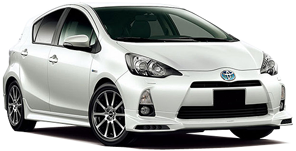
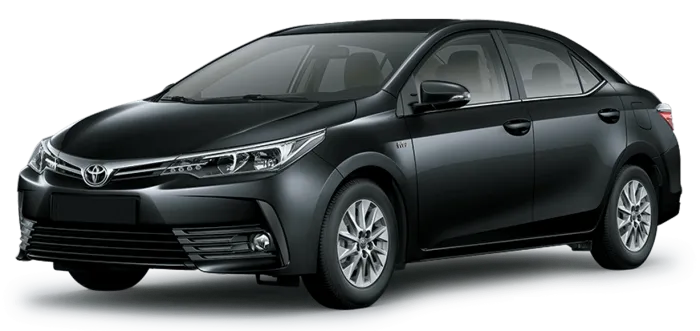
Toyota Aqua
or Similar
From
$20.83/day
Compare car rental deals at Nagasaki, Japan from trusted global suppliers. Find affordable prices and book your ideal car in minutes.







Explore our range of vehicles available in Nagasaki.
or Similar
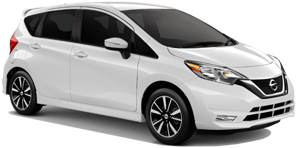
or Similar
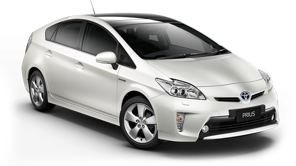
or Similar
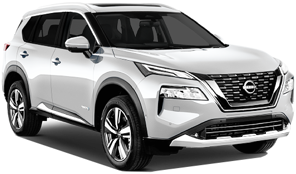
or Similar
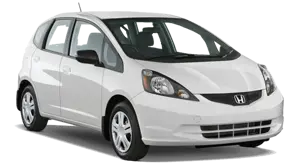
or Similar
or Similar
or Similar
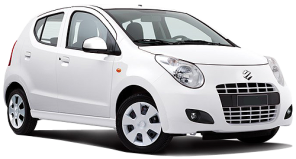
or Similar
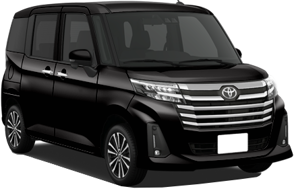
or Similar
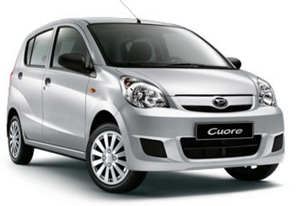
or Similar
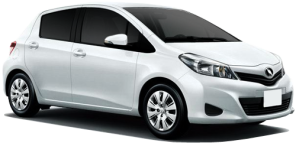
or Similar
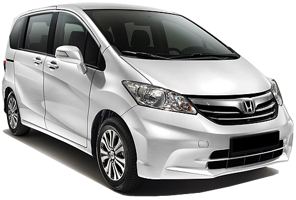
or Similar
or Similar
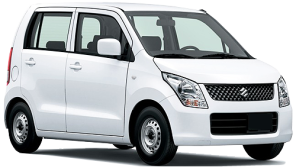
or Similar
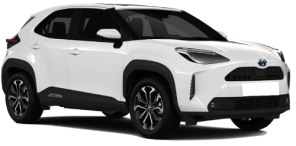
or Similar
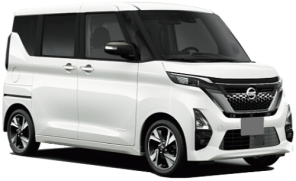
or Similar
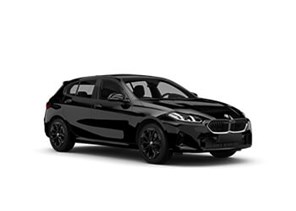
or Similar
or Similar
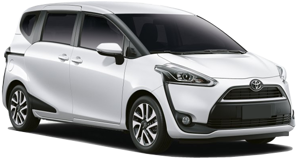
or Similar
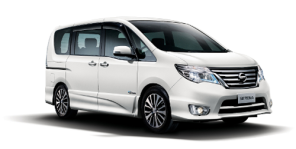
or Similar
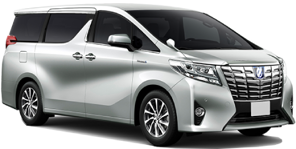
or Similar
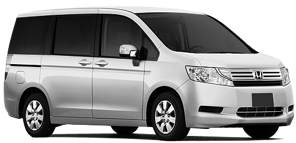
or Similar

or Similar
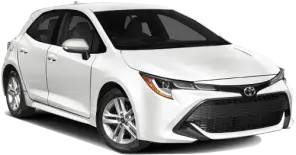
or Similar
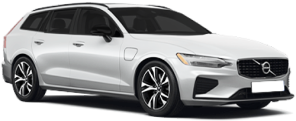
or Similar
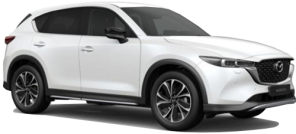
or Similar

or Similar
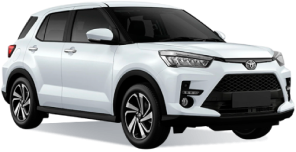
or Similar
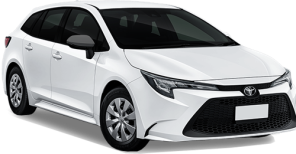
or Similar
Prices shown are approximate and may vary by booking dates, rental duration, and vehicle class. Check booking options for current pricing.
Discover a world of convenience, safety, and customization, paving the way for unforgettable adventures and seamless mobility solutions.
Pay securely using major credit cards and other supported payment methods during booking.
Find rental cars with unlimited mileage and one-way rental options perfect for long road trips.
Every rental supplier is rated by customers so you can choose trusted providers.
Easily filter rental cars by price, vehicle type, supplier, fuel policy, mileage options, and customer ratings.
Search rental cars in thousands of locations across more than 180 countries and major travel destinations.
We highlight top-rated suppliers based on verified customer reviews and service quality.
Essential information about car rental companies, popular cars, rental duration, and prices at Nagasaki.
Times Car Rental, with its widespread network, leads in Nagasaki. Nippon Rent-A-Car is a close second, both trusted by Japanese locals and international visitors for their service.
Compact cars are the standard. Kei cars (mini vehicles) are incredibly popular for their tax benefits and ease of parking on Nagasaki's narrow, hilly streets.
Rentals average 3 days, enough to visit the Peace Park, Glover Garden, and take a trip to nearby Unzen-Amakusa National Park. (Based on 3,500+ local pickups)
The Toyota Corolla is a reliable and popular compact choice. The Honda N-BOX is a top-selling Kei car, maximizing interior space in a tiny footprint, perfect for Japanese cities.
Nagasaki rates average $67/day. Weekly rentals from $420 are available but less common given the shorter stay durations.
Compare average car rental prices by month and see how rental rates vary throughout the year in Nagasaki.
Nagasaki peace memorial tourism. Cherry blossom season (March-April) peak. Summer for Mt Inasa views. Book 2 months ahead.
* Prices shown are approximate. Original prices are in USD and converted using real-time exchange rates.
Essential driving rules and requirements to know when renting a car.
Get detailed information on driving rules, licence requirements, speed limits and useful local tips.
Renting a car in Nagasaki, Japan, is a surprisingly liberating experience that transforms the way you explore this historic and hilly prefecture. Unlike the bustling metropolises of Tokyo and Osaka, where a dense network of trains and subways makes a car more of a hindrance than a help, Nagasaki offers a landscape that truly rewards having your own set of wheels. The public transport system, while efficient, can be slower and less direct when you're trying to reach the region's hidden gems—the remote shrines, dramatic coastal lookouts, and peaceful rural villages that define the area. For international travelers, picking up a rental car is a straightforward process, but understanding the nuances of pickup locations and costs can make a significant difference to your budget and itinerary.
The primary gateway for most visitors is Nagasaki Airport (NGS), located on Omura Bay. Picking up your car directly from the airport is the ultimate convenience, allowing you to drive straight to your accommodation without the hassle of navigating the city's tram system with luggage. The airport's rental car desks are conveniently located just outside the arrivals terminal, with shuttle buses taking you to nearby off-site lots where the vehicles are stored. However, this convenience often comes with an "airport surcharge," a fee that rental companies add to cover their operational costs at the airport location. A savvy money-saving tip is to compare the total cost of an airport pickup versus a city-center pickup. If you’re arriving by train, many rental agencies have offices near Nagasaki Station. Taking a short taxi or tram ride to a city-center branch can sometimes save you between $15 and $30 USD on the total rental, a small effort that can fund a memorable meal of Nagasaki's famous champon noodles.
| Pickup Location | Advantages | Disadvantages |
|---|---|---|
| Nagasaki Airport (NGS) | Ultimate convenience upon arrival; immediate access to vehicle; ideal for late arrivals. | Often includes a higher rental price due to airport surcharges; can be busy during peak seasons. |
| Nagasaki Station Area | Potentially lower rental rates; central location for exploring the city before you depart; easy access if arriving by train. | Requires navigating to the office from your accommodation or arrival point; may be less convenient if you have heavy luggage. |
| City Center Branches | Often the most competitive pricing; multiple locations across the city; less crowded than airport branches. | May require a taxi or tram ride from your hotel; office hours can be shorter than airport locations. |
Renting a car in Japan involves a specific set of requirements that are strictly enforced. Being prepared with the correct documentation is the first and most crucial step to a smooth rental experience. Japanese law and rental company policies are designed with safety and accountability in mind, so expect a thorough but professional check-in process. International travelers should have all their documents organized and readily accessible to avoid any last-minute issues that could derail your travel plans.
The cornerstone of the process is your driver's license. You cannot rent a car with just your home country's license, even if it is in English. All foreign drivers must present a valid driver's license from their home country along with an International Driving Permit (IDP). The IDP must be based on the 1949 Geneva Convention, which is the standard version accepted in Japan. You must obtain this permit in your home country before you depart, as it cannot be issued once you are in Japan. In addition to your IDP and license, you will need your passport for identification. A credit card is almost universally required for the rental deposit and final payment; while some agencies may accept debit cards, it is not standard practice and can complicate the process. You must also be at least 18 years old to rent a car in Japan, though many major companies impose a minimum age of 21 or even 23 for certain vehicle categories. Insurance is mandatory, and rental agreements will typically include basic liability coverage, with options to purchase additional packages for peace of mind.
| Requirement | Details |
|---|---|
| Minimum Age | 18 years old (21-23 for some companies and vehicle classes). |
| Driver's License | Valid, unexpired license from your home country. |
| International Driving Permit | Required for all non-Japanese license holders. Must be 1949 Geneva Convention type. |
| Passport | Required for identification and visa verification. |
| Credit Card | Major credit card (Visa, MasterCard, American Express) in the driver's name. |
| Insurance | Mandatory basic insurance is included; Collision Damage Waiver (CDW) is highly recommended. |
Choosing to rent a car in Nagasaki opens up a world of exploration that simply isn't possible with public transport alone. While the city's iconic tram system is fantastic for navigating the urban core, the true magic of the Nagasaki region lies in its sprawling geography. The prefecture is a tapestry of dramatic peninsulas, quiet islands connected by bridges, and lush, mountainous terrain. A rental car allows you to set your own pace, stop spontaneously at a roadside stall for fresh satsuma imo (sweet potato), and chase the sunset to a secluded viewpoint without worrying about catching the last train. It transforms your trip from a series of planned destinations to a fluid, personal adventure.
For families, a car is a game-changer. It eliminates the stress of managing strollers and tired children on crowded public transport, especially given Nagasaki's famously hilly streets. It also offers the flexibility to carry shopping, picnic supplies, and all the gear needed for a day out. For couples and solo travelers, the freedom to explore off-the-beaten-path locations like the coastal villages of the Shimabara Peninsula or the hidden Christian sites scattered throughout the countryside provides a much deeper connection to the area's unique history and culture. The scenic drives alone are worth the rental fee, with winding coastal roads offering breathtaking views of the East China Sea and the Goto Islands on the horizon.
When it comes to choosing a rental car provider in Nagasaki, you'll find a healthy mix of internationally recognized brands and highly respected Japanese domestic companies. The Japanese companies are often preferred by locals and frequent travelers for their exceptional service, immaculate fleets, and transparent pricing. While international brands like Hertz and Europcar have a presence, their footprint is often smaller. The domestic giants—such as Nippon Rent-A-Car, Times Car Rental, Nissan Rent a Car, Toyota Rent a Car, and Orix Rent a Car—dominate the market and offer the most extensive networks, including locations at the airport, near Nagasaki Station, and throughout the prefecture. These companies consistently receive high marks for vehicle cleanliness, English-friendly support at major locations, and efficient check-in processes. For travelers seeking a premium experience, Toyota Rent a Car often has the widest selection of luxury and hybrid vehicles, while Times Car Rental is known for its competitive pricing and straightforward online reservation system.
| Company | Price Level | Pros |
|---|---|---|
| Toyota Rent a Car | Medium to High | Extensive fleet (including hybrids), excellent English support at major branches, reliable nationwide network. |
| Nippon Rent-A-Car | Medium | Large fleet with many station wagon options, professional service, convenient airport and city locations. |
| Times Car Rental | Low to Medium | Very competitive pricing, user-friendly website, good selection of compact and economy cars. |
| Nissan Rent a Car | Medium | Modern Nissan fleet, often includes the latest models, good loyalty program. |
| Orix Rent a Car | Low to Medium | Frequent promotions and discounts, wide network, solid value for money. |
| Europcar | Medium to High | International brand recognition, may be a comfortable choice for first-time renters in Japan. |
The most popular rental categories in Nagasaki reflect the region's diverse driving needs. For solo travelers or couples planning to stay primarily within the city, a compact or economy car is the perfect choice. These vehicles are nimble, easy to park in Nagasaki's narrow city streets, and incredibly fuel-efficient—a significant advantage given Japan's fuel costs. For families or small groups, the compact SUV category, such as a Toyota Yaris Cross or Honda Vezel, offers a perfect balance of interior space and manageable exterior dimensions for navigating both urban environments and winding rural roads. For those planning extensive road trips across the prefecture, especially to the mountainous areas like Unzen, a standard SUV provides added comfort, power, and cargo space for luggage and souvenirs. Larger vans, such as the Toyota Noah or Honda Stepwgn, are essential for groups of five or more or for travelers carrying bulky equipment.
Pricing for rentals in Nagasaki fluctuates significantly with the seasons. The high tourist season, which coincides with the cherry blossom season (late March to early April) and the autumn leaf season (November), sees a spike in demand and prices. The peak period is often Golden Week (late April to early May) and the Obon holiday (mid-August), when domestic travel is at its highest. Conversely, the low season, typically during the hot, humid summer months (excluding Obon) and the cold winter months (January-February), offers the most attractive rates. Booking well in advance for holiday periods is not just a tip; it's a necessity.
| Car Category | Average Daily Price (USD) |
|---|---|
| Small Cars (e.g., Toyota Yaris, Honda Fit) | $45 – $75 USD |
| Medium Cars (e.g., Toyota Corolla, Mazda3) | $65 – $95 USD |
| SUVs (e.g., Toyota RAV4, Subaru Forester) | $85 – $130 USD |
| Vans / Family Vehicles (e.g., Toyota Sienta, Nissan Serena) | $100 – $160 USD |
| Luxury Cars (e.g., Lexus, BMW) | $180 – $300+ USD |
| Pricing Factor | Details |
|---|---|
| Cheapest Month | February (post-New Year and pre-cherry blossom season). |
| Most Expensive Month | April (cherry blossom season) or August (Obon holiday period). |
| Average Price (Compact Car) | $55 – $65 USD per day for a standard rental. |
| A Good Deal | Under $50 USD per day for a compact car, especially including insurance. |
| Cheapest Supplier (Typical) | Times Car Rental or Orix Rent a Car often have the lowest base rates. |
| Cheapest Car Type | Kei cars (ultra-compact, economical city cars) or standard economy class. |
Nagasaki is a phenomenal starting point for a series of unforgettable road trips. The region's geography encourages exploration, with each route offering a distinct blend of history, nature, and culinary delights. Having a car allows you to seamlessly transition from the urban energy of Nagasaki City to the serene volcanic landscapes and coastal vistas that lie just beyond. Here are some of the most rewarding drives to add to your itinerary.
Driving in Japan requires familiarity with a few key rules that differ from many other countries. The most fundamental is that driving is on the left-hand side of the road. This applies to all vehicles, including bicycles, and is strictly enforced. For travelers from countries that drive on the right, it takes concentration, especially when navigating intersections and roundabouts. Take a moment at the start of your trip to adjust, and consider placing a sticky note on the dashboard as a reminder until it becomes second nature. Speed limits are generally low compared to many Western countries: 40-50 km/h (25-31 mph) in urban areas, 60-80 km/h (37-50 mph) on rural roads, and 100 km/h (62 mph) on expressways. However, these limits are strictly enforced, with police frequently conducting speed checks using handheld radar guns.
Japan has a zero-tolerance policy for driving under the influence of alcohol. The legal blood alcohol limit is 0.03%, but the police are authorized to stop and test drivers at any time. Any alcohol in your system is a significant risk, as penalties include large fines, imprisonment, and immediate suspension of your driving privileges. Seatbelts are mandatory for all passengers in both front and rear seats. Child seat laws are also stringent: all children under the age of six must be secured in an appropriate child restraint system. Rental companies offer these for an additional fee, and you must reserve them in advance. Road conditions in Nagasaki are generally excellent, with well-maintained asphalt, clear signage (often in English and Japanese), and plenty of well-lit tunnels through the mountainous terrain. In winter, while snow is not common in the city, roads in the higher elevations like the Unzen area can be icy. Rental cars in that region during winter months often come equipped with winter tires as a standard safety feature, but it's wise to confirm this when booking.
| Rule | Details |
|---|---|
| Driving Side | Left-hand side. |
| Urban Speed Limit | Typically 40-50 km/h (25-31 mph). |
| Rural Road Limit | Typically 60-80 km/h (37-50 mph). |
| Expressway Limit | 100 km/h (62 mph). |
| Alcohol Limit | 0.03% BAC (strict zero-tolerance policy). |
| Seatbelts | Mandatory for all passengers, front and rear. |
| Child Seats | Mandatory for all children under 6 years old. |
Yes, toll roads are a reality when traveling in and around Nagasaki, particularly if you plan to use the expressway network for longer journeys. The main expressway, the Nagasaki Expressway, connects Nagasaki City to other parts of Kyushu and is a fantastic way to cover long distances quickly. The tolls are not cheap; a one-way trip from Nagasaki Airport to the city center is minimal, but a journey to the Unzen area or further afield can cost between $10 and $25 USD depending on the distance. All expressways use an electronic toll collection system called ETC (Electronic Toll Collection). Most rental cars come equipped with an ETC card reader. The most convenient way to pay is to rent an ETC card from the rental company when you pick up the vehicle. This small, plastic card is inserted into the reader, and you drive through the dedicated ETC gates, with the toll automatically calculated and charged to your final rental bill. It saves the hassle of stopping at toll booths and fumbling for cash. If you don't rent an ETC card, you can still use the "general" or "cash" lanes at toll booths, where you'll be given a ticket upon entry and pay the exact fare upon exit. While this is straightforward, it can add a few minutes to your journey at each toll point.
Parking in Nagasaki City requires a bit of strategy, especially in the bustling downtown areas and around major tourist attractions like Glover Garden or Dejima. The city is built on a series of hills, and street parking is extremely limited and often prohibited except for very short stops (often marked by blue lines). The most reliable and stress-free option is to use one of the many paid parking lots and garages. You'll find these scattered throughout the city—some are large, multi-story structures, while others are smaller, coin-operated surface lots. Payment methods vary; some use a ticket system where you pay at a machine before returning to your vehicle, while others are staffed. In a multi-story garage, you typically take a ticket at the entrance and pay at a machine or cashier before driving to the exit. The cost is usually hourly, averaging between $2 and $4 USD per hour, with a maximum daily cap that can range from $15 to $25 USD. Many hotels in Nagasaki offer on-site parking, but it's rarely free; always confirm the parking situation and cost when booking your accommodation. A helpful tip is to use the parking facilities recommended by your hotel or to look for the large "P" signs (often in blue or green) that indicate public parking. Avoid simply leaving your car in an unmarked area, as towing is strictly enforced and can be a very expensive and inconvenient way to start your day.
To ensure your car rental experience in Nagasaki is smooth, cost-effective, and enjoyable, a little advance preparation goes a long way. These practical tips come from the collective wisdom of frequent renters and local insights, helping you avoid common pitfalls and make the most of your journey.
Even seasoned travelers can stumble when renting a car in a new country. Being aware of the most frequent missteps can save you from stress, extra fees, and travel disruptions. Avoid these common errors to ensure your Nagasaki road trip is memorable for all the right reasons.
Maria and her husband arrived at Nagasaki Airport after a long flight from Canada, and the last thing they wanted was to figure out a bus route to their remote hotel on the Iojima Island. They had pre-booked a compact Toyota from a major Japanese rental company, and within 30 minutes of landing, they were behind the wheel, the GPS set to English and their luggage safely in the trunk. The initial drive on the left side was nerve-wracking, but the wide, well-marked roads from the airport gave them time to adjust. Their first stop wasn't a tourist site, but a roadside convenience store where they loaded up on onigiri and canned coffee. That freedom—to stop on a whim, to drive directly to their ocean-view hotel without a single transfer, and to later chase a sunset along a winding coastal road they’d spotted on a map—made them feel like they had unlocked a secret, more intimate version of Nagasaki. By the time they returned the car at the end of the week, having explored hidden waterfalls and remote church ruins, they agreed that the rental car wasn't just a mode of transport; it was the key to their most authentic travel experience in Japan.
For anyone planning to drive in Nagasaki, the International Driving Permit (IDP) is not a recommendation—it is a strict legal requirement. If you hold a driver's license issued outside of Japan, you must carry your valid home license along with an IDP that conforms to the 1949 Geneva Convention. This specific version of the IDP is the only one recognized by Japanese law and traffic authorities. You cannot obtain this permit in Japan; it must be applied for and issued in your home country before you depart. In the United States, for example, it is available through organizations like AAA and AATA for a nominal fee. The process typically requires a completed application, two passport-sized photos, a photocopy of your valid driver's license, and a small processing fee. The IDP itself is a small gray booklet that translates your license information into several languages, including Japanese. It is valid for one year from the date of issue, but it is only valid in conjunction with your original, unexpired driver's license. When you go to pick up your rental car in Nagasaki, the rental agent will inspect both your home license and your IDP. Failure to present both will result in the immediate denial of the rental, and you will not be permitted to drive. Treat this document with the same care as your passport; losing it can derail your entire travel itinerary.
Markers show approximate airport or town-centre areas, not confirmed rental desks.
Compare car rental prices from trusted suppliers at more pickup points across Japan.
Find airport guides for car rentals, parking, and ground transportation.
Try a different name, city, or IATA code.
Read verified customer reviews, ratings, and rental experiences from travelers who booked through Airport Car Hub.
Overall Rating
No reviews yet for this location. Be the first to share your experience!