Cheap Car Rental Osaka, Japan - Compare Deals & Book Instantly
Search and compare car rental prices from trusted global suppliers. Find the best deals instantly.
Why book with us?
-
Wide Fleet
Choose from economy cars, SUVs, luxury vehicles, and more.
-
Free Cancellation
Flexible booking options with free cancellation on most rentals.
-
24/7 Customer Support
Our expert team is available 24/7 to assist you with any questions or concerns.
Compare top international car rental brands and choose the best deal for your trip.








Car Rental Deals in Osaka
Choose from our wide range of vehicles available in Osaka.
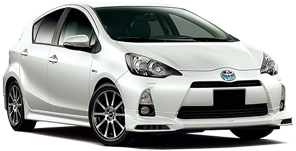
EconomyToyota Aqua or Similar
From
$20.83
/day
|
|
|||
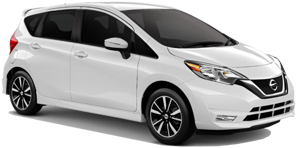
CompactNissan Note or Similar
From
$23.44
/day
|
|
|||
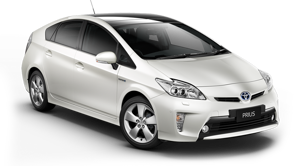
IntermediateToyota Prius or Similar
From
$25.33
/day
|
|
|||
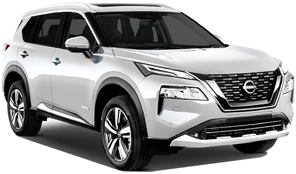
Intermediate SuvNissan X-Trail or Similar
From
$44.74
/day
|
|
|||
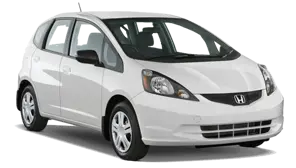
EconomyHonda Fit or Similar
From
$20.83
/day
|
|
|||
MiniDaihatsu Move or Similar
From
$21.93
/day
|

|
|||
EconomySuzuki Palette or Similar
From
$21.93
/day
|

|
|||
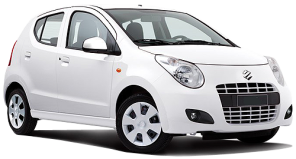
MiniSuzuki Alto or Similar
From
$22.44
/day
|
|
|||
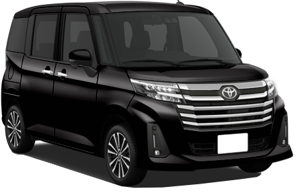
EconomyToyota Roomy or Similar
From
$23.44
/day
|
|
|||
MiniDaihatsu Cuore or Similar
From
$24.87
/day
|

|
|||
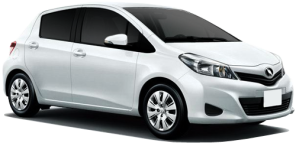
CompactToyota Vitz or Similar
From
$24.94
/day
|
|
|||
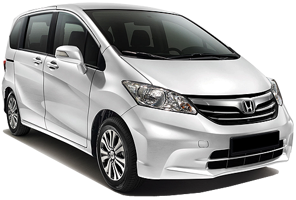
Compact VanHonda Freed or Similar
From
$25.33
/day
|
|
|||
MiniHonda N-Box or Similar
From
$28.40
/day
|

|
|||
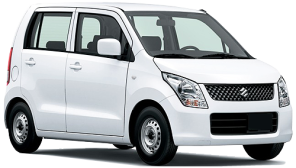
MiniSuzuki Wagon R or Similar
From
$28.40
/day
|
|
|||
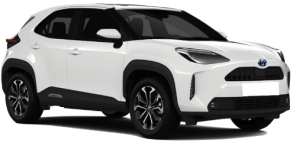
Standard CrossoverToyota Yaris Cross or Similar
From
$30.55
/day
|
|
|||
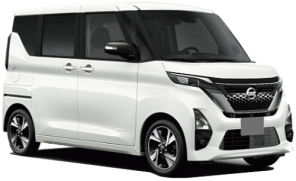
MiniNissan Roox or Similar
From
$31.09
/day
|
|
|||
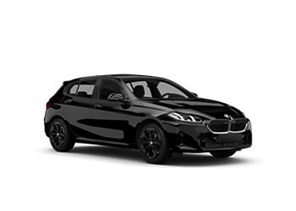
Compact EliteBMW 1 Series or Similar
From
$34.85
/day
|
|
|||
Compact Estate/wagonToyota Probox or Similar
From
$36.25
/day
|

|
|||
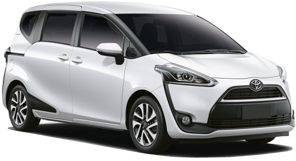
Intermediate VanToyota Sienta or Similar
From
$38.04
/day
|
|
|||
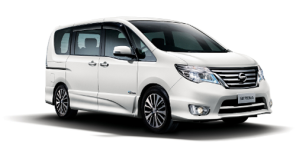
Standard VanNissan Serena or Similar
From
$38.04
/day
|
|
|||
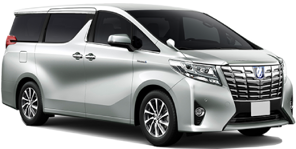
Standard VanToyota Alphard or Similar
From
$38.04
/day
|
|
|||
Premium VanHonda StepWGN or Similar
From
$38.04
/day
|

|
|||
Full-sizeVolvo S60 or Similar
From
$40.34
/day
|

|
|||
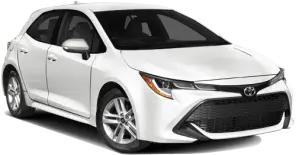
IntermediateToyota Corolla or Similar
From
$41.19
/day
|
|
|||
Intermediate Estate/wagonVolvo V60 STW or Similar
From
$42.14
/day
|

|
|||
Compact SuvMazda CX-5 or Similar
From
$44.74
/day
|

|
|||
Compact Elite SuvBMW X1 or Similar
From
$44.74
/day
|

|
|||
Compact SuvToyota Raize or Similar
From
$46.21
/day
|

|
|||
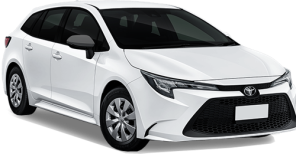
Intermediate Estate/wagonToyota Corolla STW or Similar
From
$46.63
/day
|
|
|||
Our Features
Discover a world of convenience, safety, and customization, paving the way for unforgettable adventures and seamless mobility solutions.
Multi-Language Platform
Use our platform in multiple languages, making it easy for travelers from around the world to book rental cars.
Flexible Rental Options
Choose from short-term, long-term, or one-way rentals depending on your travel requirements.
Supplier Rating System
Every rental supplier is rated by customers so you can choose trusted providers.
Highly Rated Suppliers
We highlight top-rated suppliers based on verified customer reviews and service quality.
Interactive Location Maps
See rental locations on interactive maps to quickly choose the most convenient pickup point.
Flexible Rental Dates
Easily modify pickup and drop-off dates during booking to match your travel schedule.
Osaka, Japan Car Rental Facts
Essential information on the best deals, rental providers, and vehicle options in Osaka, Japan.
Most Popular Agencies
Times Car Rental, one of Japan's largest agencies, has a massive network in Osaka, serving both the local population and the millions of tourists exploring the Kansai region, with convenient locations at Kansai International Airport (KIX) and throughout the city.
Popular Car Types
Compact cars and "Kei" cars (microcars) are the most popular for navigating Osaka's streets and for their fuel efficiency. Hybrids are an increasingly popular choice for their environmental friendliness and fuel savings on longer trips.
Average Rental Duration
Rentals average 3-5 days. Many use Osaka as a base to explore the Kansai region, including day trips to Kyoto, Nara, and Kobe, as well as for business travel within the economic heart of Japan. (Based on 8,500+ local pickups)
Most Popular Models
The Toyota Yaris is a popular and reliable compact car. The Honda N-BOX is a top-selling "Kei" car, prized for its incredibly efficient use of space and maneuverability in Japanese cities.
Average Daily Price
Daily rates in Osaka average $46. ETC card rental for toll roads is highly recommended. Weekly rentals from $310 are a great option for a comprehensive Kansai exploration.
How much does it cost to rent a car at Osaka, Japan?
Averaging the lowest prices for the economy car category, the data below shows prices for monthly comparisons.
Cheapest Month Average
JanMost Expensive Month
AprYearly Average Price
Osaka cherry blossom (April) and food tourism. Summer festivals (Tenjin) increase demand. Business travel. Book 2-3 months ahead.
Car Rental Osaka, Japan Guide
Renting a car in Osaka, Japan, opens up a world of exploration that public transportation simply can't match. While Osaka boasts one of the most efficient and sprawling train and subway systems on earth, a rental car transforms your trip from navigating timetables and crowded stations to enjoying spontaneous detours and the freedom to set your own pace. For many international travelers, the decision to rent stems from a desire to explore the broader Kansai region—from the ancient temples of Kyoto to the coastal cliffs of Wakayama—without being tethered to train schedules. It’s the ultimate tool for uncovering the hidden gems tucked away in the rural landscapes and mountainous areas surrounding this vibrant metropolis.
When it comes to picking up your vehicle, you have two primary choices: the airports or the city center. Kansai International Airport (KIX) and Osaka International Airport (Itami Airport, ITM) are the main hubs, with sprawling car rental facilities located just a short shuttle bus ride from the terminals. Picking up at the airport is incredibly convenient for travelers heading straight out of the city to explore the countryside. However, be aware of a potential "airport surcharge"—a facility fee added to your rental cost for the convenience of airport operations. Conversely, picking up from a city center location, such as near Osaka Station or Namba, can often be cheaper and is perfect if you plan to spend a few days acclimating to the city before venturing out. A money-saving tip: often, renting from a location just one train stop away from the main airport terminal can significantly reduce fees while offering a similar level of convenience.
| Pickup Location | Advantages | Disadvantages |
|---|---|---|
| Kansai International Airport (KIX) | Immediate access upon arrival; ideal for starting road trips directly; large selection of rental desks. | Typically higher rental rates due to airport surcharges; can be busy with long queues during peak hours. |
| Osaka International Airport (ITM) | Convenient for domestic arrivals; less crowded than KIX; good selection of major companies. | Further from central Osaka than KIX for international travelers; still includes airport facility fees. |
| Osaka City Center (e.g., Namba, Umeda) | Often cheaper base rates; no airport surcharges; flexible for those spending initial days in the city. | Navigation out of dense urban areas can be intimidating; navigating narrow city streets with a new car. |
Car Rentals Requirements in Osaka, Japan
Renting a car in Japan is a straightforward process, but it requires strict adherence to specific documentation and eligibility rules that are crucial for international travelers to understand before arrival. The process is designed to be safe and efficient, and being prepared will ensure a smooth pick-up experience. You must have your original driving license, your passport, and a valid International Driving Permit (IDP) issued by a signatory country of the 1949 Geneva Convention. It's vital to note that an IDP from the 1968 or 1926 conventions is generally not accepted in Japan. Without these three core documents, rental companies will not release a vehicle.
The minimum age to rent a car in Japan is typically 18, though some companies may enforce a minimum age of 20, 21, or even 23 for certain vehicle categories like luxury cars or larger vans. A major credit card in the driver's name is mandatory for the security deposit; debit cards are rarely accepted. Your home country's liability insurance does not transfer, so you will be required to purchase the rental company's mandatory insurance coverage. While optional insurance like Collision Damage Waiver (CDW) can be declined by experienced renters with premium credit cards offering coverage, it's a highly recommended layer of protection given the complexities of navigating a foreign country.
| Requirement | Details |
|---|---|
| Minimum Age | 18-23 years old (varies by company; under 21 often has a "young driver" surcharge) |
| Driver's License | Valid original license from your home country |
| International Driving Permit (IDP) | Required for most non-Japanese licenses; must be the 1949 Geneva Convention type |
| Passport | Original passport with valid visa (if applicable) |
| Credit Card | Major credit card (Visa, Mastercard, Amex) in the primary driver's name for the deposit |
| Insurance | Mandatory Liability Insurance and optional Collision Damage Waiver (CDW) are standard |
Why Rent a Car in Osaka, Japan
While Osaka's urban core is a wonderland of neon lights, street food, and endless entertainment, the true magic of the Kansai region often lies just beyond the reach of the subway map. Renting a car provides the ultimate freedom to design your own itinerary, allowing you to escape the city’s pulse at your own rhythm. Instead of waiting for crowded buses to fill up at popular tourist sites, you can arrive early in the morning, beat the crowds, and enjoy serene landscapes. This flexibility is particularly valuable for families with young children, travelers with mobility concerns, or anyone who wants to haul back shopping finds without worrying about luggage storage on trains.
Beyond convenience, a rental car unlocks the "hidden Japan"—the rural onsen (hot spring) towns, secluded temples in the mountains, and coastal drives that are not served by frequent rail lines. The journey itself becomes a highlight, with scenic routes like the winding roads of the Kii Peninsula offering breathtaking views you’d miss from a train window. For longer trips, a car serves as a mobile base, allowing you to pack everything you need and spontaneously change plans based on the weather or a local’s recommendation. It’s an immersive way to experience Japan’s diverse geography, from the urban sprawl to the serene countryside, all within a short drive from Osaka.
- Freedom to Explore: Create your own schedule, linger at spots you love, and skip places that don’t interest you.
- Access to Scenic Drives: Experience breathtaking routes like the Kii Mountain Range or the coastal roads of the Sea of Japan.
- Reach Remote Attractions: Visit hidden waterfalls, local farms, and off-the-beaten-path shrines inaccessible by train.
- Ultimate Convenience for Families: Eliminate the stress of managing strollers, luggage, and tired children on crowded public transport.
- Cost-Effective for Groups: For groups of 3-4 or more, the cost of a rental car and fuel often undercuts the price of multiple train tickets for long-distance travel.
- Easy Grocery and Souvenir Hauling: Stock up on regional specialties, wine, or large souvenirs without worrying about carrying them on a train.
Best Car Rental Companies in Osaka, Japan
Travelers renting a car in Osaka, Japan will find a robust mix of globally recognized brands and reputable local Japanese suppliers. International names like Hertz, Avis, Enterprise, Budget, Sixt, and Alamo operate primarily at the airports and in major city centers, offering a familiar booking experience, English-speaking support, and consistent service standards. These are often the go-to for first-time visitors who value the peace of mind that comes with a global network. Local companies like Nippon Rent-A-Car, Times Car Rental, and Orix Rent-A-Car are equally, if not more, prevalent and are renowned for their exceptional customer service, meticulously maintained fleets, and often more competitive pricing for local models.
Choosing between an international and a local provider often comes down to price versus brand familiarity. Local Japanese companies frequently offer the best deals, especially when booked directly on their Japanese-language websites (which often have English support for the booking process). They are also deeply integrated into the local infrastructure, with countless convenient city-center locations that international chains may not have. For a stress-free booking experience that helps you compare options without being limited to one brand, utilizing a comparison resource can provide a comprehensive view of both international and local suppliers side-by-side.
| Company | Price Level (Low / Medium / High) | Pros |
|---|---|---|
| Nippon Rent-A-Car | Medium | Extensive local network; excellent customer service; reliable fleet; English support available |
| Times Car Rental | Low to Medium | Competitive pricing; modern cars; convenient locations; often offers great package deals |
| Hertz / Avis / Budget | Medium to High | Familiar international loyalty programs; consistent English support; reliable airport presence |
| Orix Rent-A-Car | Low to Medium | Often the most affordable; large selection of cars; good for last-minute bookings |
| Europcar / Sixt | High | Premium fleet; luxury car options; well-established for high-end rentals |
Popular Car Rental Categories & Prices in Osaka, Japan
When selecting a vehicle, most travelers in Osaka, Japan opt for practicality and fuel efficiency. The most popular categories are "Economy" and "Compact" cars, with models like the Toyota Yaris, Honda Fit (Jazz), or Nissan Note being ubiquitous. These cars are perfectly suited for Japan's narrow streets, offer exceptional fuel economy (often 15-20 km/liter), and are equipped with advanced navigation systems. For families or small groups, SUVs like the Toyota Harrier or Mazda CX-5 provide extra cargo space and a more comfortable ride for longer journeys. Minivans, such as the Toyota Sienta or Nissan Serena, are a favorite for larger families, offering sliding doors which are incredibly convenient for tight Japanese parking spaces.
Car rental prices in Osaka fluctuate significantly based on seasonality. The "high tourist season" in spring (late March to early May for cherry blossoms) and autumn (November for fall foliage) sees prices surge, often doubling from low-season rates. Summer (July-August) is also busy with domestic travel. The "low season," typically in the dead of winter (January-February, excluding the New Year's holiday) and the rainy season (June), offers the best deals. Booking at least one to two months in advance, especially for holiday periods, is crucial for securing a good rate and the desired vehicle type. Always book with a full-to-full fuel policy to avoid inflated refueling charges.
| Car Category | Average Daily Price (USD) |
|---|---|
| Small / Economy Cars | $40 - $70 |
| Medium / Compact Cars | $55 - $85 |
| SUVs | $70 - $120 |
| Vans / Family Vehicles | $80 - $150 |
| Luxury / Premium Cars | $130 - $250+ |
| Metric | Value |
|---|---|
| Cheapest Month | February (post-New Year) |
| Most Expensive Month | April (cherry blossom season) |
| Average Price (Economy Car) | $55 per day |
| A Good Deal (Economy Car) | $35 - $45 per day |
| Cheapest Supplier (Often) | Times Car Rental or Orix |
| Cheapest Car Type | Kei Car (ultra-compact, great for city driving) |
Road Trips from Osaka, Japan
Osaka serves as a phenomenal launchpad for some of Japan's most iconic road trips. The freedom of a car allows you to connect multiple destinations that would be cumbersome by train, creating a seamless journey through history, nature, and culture. Whether you're seeking the ancient capital, spiritual trails, or coastal beauty, these routes are classic experiences for any road-tripper.
- The Kyoto & Nara Heritage Loop:
- Start: Osaka, Japan ? Destination: Kyoto & Nara
- Approximate Distance: 30-60 km (approximately 1-1.5 hours total driving)
- Major Highlights: This route is a cultural immersion. Start with the iconic Fushimi Inari Shrine in southern Kyoto, then drive the scenic "Philosopher's Path." From Kyoto, a 45-minute drive takes you to Nara Park to see the famed deer and Todai-ji Temple. A car is excellent for visiting the quieter, northern temples of Kyoto like Kinkaku-ji (Golden Pavilion) that are less accessible by train.
- The Kii Peninsula Coastal Drive:
- Start: Osaka, Japan ? Destination: Wakayama & Nachi Falls
- Approximate Driving Time: 3-4 hours (approx. 180 km)
- Major Highlights: A breathtaking coastal route along the Pacific Ocean. Key stops include the Kuroshio Market in Wakayama city, the scenic coastal road to the Kumano Nachi Taisha Shrine and its iconic waterfall—one of Japan's most spiritual sites. This drive is ideal for those wanting to experience a more rugged, natural side of Japan.
- Awaji Island & Naruto Whirlpools:
- Start: Osaka, Japan ? Destination: Awaji Island
- Approximate Driving Time: 1 hour to the island, 1.5 hours across it
- Major Highlights: Cross the magnificent Akashi Kaikyo Bridge, the world's longest suspension bridge, to reach Awaji Island. Enjoy local onion cuisine, visit the impressive Hello Kitty Smile resort, and drive to the southern tip to take a boat tour to see the powerful Naruto Whirlpools. It's a fantastic mix of modern engineering and natural wonder.
- The "Uji" Tea Country Drive:
- Start: Osaka, Japan ? Destination: Uji & Wazuka
- Approximate Driving Time: 1.5 hours total
- Major Highlights: Head southeast into the green tea heartland. Visit the historic Byodo-in Temple in Uji, then drive into the rural hills of Wazuka, a town of terraced tea fields. This is a perfect half-day trip to experience Japan's countryside, sample fresh matcha, and visit small, family-run tea farms.
Driving Rules in Osaka, Japan
Driving in Japan requires a shift in mindset as you’ll be driving on the left side of the road. For travelers from left-driving countries (like the UK or Australia), this will feel natural, but for Americans and Europeans, it requires constant attention, especially at intersections and when turning. Japanese drivers are generally patient and law-abiding, but the road systems in cities can be complex with numerous one-way streets and narrow lanes. It's essential to familiarize yourself with the road signs, which are mostly pictograms and often have English translations. Speed limits are strictly enforced by police and automated cameras.
One of the most crucial rules concerns alcohol: Japan has a strict zero-tolerance policy for drinking and driving. The legal blood alcohol limit is effectively zero (0.0%), and penalties are severe, including heavy fines, immediate license suspension, and even jail time for offenders. Seatbelts are mandatory for all passengers, and children under the age of six are legally required to be in an appropriate child seat. While winter tires are not mandatory in Osaka city proper due to mild winters, they are strongly advised and often legally required if you plan to drive into the surrounding mountainous areas or towards the Japan Sea coast during the winter months (December-March).
| Rule | Details |
|---|---|
| Driving Side | Left-hand side of the road (driver's seat is on the right) |
| General Speed Limits | Highways: 80-100 km/h (50-62 mph) / Urban/Rural Roads: 40-60 km/h (25-37 mph) / Residential: 30 km/h (18 mph) |
| Alcohol Limit | 0.0% BAC (Zero tolerance; any amount is illegal) |
| Seatbelts | Mandatory for all front and rear passengers |
| Child Seat Laws | Legally required for all children under 6 years old |
| Road Conditions | Excellent condition overall; urban areas have narrow streets; toll highways are well-maintained |
| Winter Tires | Not mandatory in Osaka city, but required in mountainous areas and northern regions during winter |
Toll Roads in Osaka, Japan
If you plan to use expressways (known as "k?soku d?ro") to travel between cities or to cover long distances efficiently, you will encounter toll roads. The network around Osaka, Japan, is extensive and incredibly well-maintained, but it comes at a cost. Toll fees can add up quickly; for example, driving from Osaka to Kyoto via the expressway might cost around $7-10, while a trip to Nagoya could be $25-30 one way. These fees are used to maintain the high-quality roads and provide services like well-stocked rest areas (Service Areas) that are attractions in their own right, offering local food and souvenirs.
Payment can be made either in cash or via the Electronic Toll Collection (ETC) system. Most rental cars come equipped with an ETC card reader, but you must request an ETC card at the rental counter (often for a small rental fee). Using an ETC card allows you to drive through the electronic gates without stopping, and the toll is billed to the card. For tourists, purchasing a "Japan Expressway Pass" (JEP) in advance can be a significant money-saver. This flat-rate pass covers a large network of expressways in the region, making it ideal for multi-day road trips. It's best to check if your rental company offers this pass when you make your booking, as it is not available at all locations.
Parking in Osaka, Japan
Parking in a dense urban environment like Osaka, Japan, is perhaps the biggest challenge for those renting a car. Unlike in some Western cities, street parking is very limited and strictly regulated. You will rarely find free on-street parking; most available street spots are metered and are often limited to short durations, such as 60 minutes, between certain hours. Illegally parked cars are ticketed quickly and may even be towed. Your best bet in the city is to rely on a vast network of paid parking lots and multi-story parking garages. Look for the blue "P" sign, which indicates paid parking, often with a digital sign showing available spaces and prices, which can range from $3 to $8 per hour.
When exploring tourist attractions outside the city, parking is more manageable but still almost always paid. Many temples, shrines, and larger commercial complexes have dedicated parking lots. It's common to find coin parking—automated, unattended lots where you take a ticket upon entry and pay at a machine before exiting. One uniquely Japanese parking challenge is the prevalence of very narrow parking spaces and tight multi-story garages that may not accommodate larger SUVs or vans. It's crucial to confirm the dimensions of your rental car, especially its height, if you plan to park in an underground garage in Osaka. Many hotels in the city center do not include parking in the room rate and charge a premium nightly fee (around $15-30).
Tips for Car Rental in Osaka, Japan
Navigating the car rental process in a foreign country can feel daunting, but a little preparation goes a long way. These practical tips are drawn from the collective experience of seasoned travelers and are designed to help you avoid common pitfalls, save money, and ensure a smooth and enjoyable journey. From the moment you book to the day you return the keys, being proactive will make all the difference.
- Book Early, Especially for High Season: For cherry blossom season (late March-April) and autumn foliage (November), rental cars can sell out weeks or even months in advance. Booking early secures your vehicle and locks in a better rate.
- Always Verify the International Driving Permit (IDP): Ensure you get the correct 1949 Geneva Convention IDP from your home country's authorized issuer (like AAA in the US). Do not rely on a simple translation of your license; it must be the official IDP booklet.
- Choose the "Full-to-Full" Fuel Policy: When booking, select the plan that requires you to return the car with a full tank. This allows you to refuel at a local gas station for the market price, avoiding the significantly higher pre-purchase "full-to-empty" options.
- Check for ETC Card Availability and the Japan Expressway Pass: If you plan to use toll roads, ask if your rental car comes with an ETC card. For longer road trips, inquire about the Japan Expressway Pass (JEP) when booking to potentially save a substantial amount on tolls.
- Rent a Car with a Navigation System (Car Navi): Almost all rentals come with a Japanese GPS. Spend a few minutes at the rental counter learning how to input destinations by phone number (the easiest method) or map code. This is far more reliable than using your phone in areas with spotty service.
- Consider Picking Up Outside the City Center: If you're spending a few days in Osaka first, consider picking up your car from a location in a less congested area. Navigating out of dense hubs like Namba or Umeda can be stressful for first-time left-side drivers.
- Inspect the Car Thoroughly Before Driving Off: Walk around the car with the rental agent and note any pre-existing scratches or dents on the condition report. Take photos and videos with your phone for your own records to avoid any disputes upon return.
Common Car Rental Mistakes Travelers Make
Even the most well-planned trips can hit a snag when it comes to rental cars. Avoiding these frequent errors can save you significant money, time, and frustration. Many of these mistakes stem from applying assumptions from home countries to the uniquely organized system in Japan, where rules are followed meticulously.
- Showing Up Without the Correct International Driving Permit (IDP): This is the number one mistake. Arriving with a standard license or the wrong type of IDP will result in the rental company denying your reservation. There are no exceptions, and you will lose your booking fee and be stranded.
- Assuming Debit Cards are Accepted: Most major rental companies in Japan require a credit card in the driver's name for the security deposit. Attempting to use a debit card or prepaid card will almost always be rejected.
- Underestimating the Cost of Tolls: Travelers are often shocked by the cumulative cost of using the expressways. Failing to budget for tolls or not researching the Japan Expressway Pass can turn a seemingly affordable road trip into an expensive one.
- Driving a Large Vehicle into Narrow Streets: Renting a large SUV or van without considering the narrow, often one-way streets in old towns like Kyoto or in Osaka's backstreets can lead to stressful driving and potential scrapes.
- Returning the Car Late: Japanese rental car companies are very strict about return times. Returning the car even 30 minutes late can incur a full additional hour's fee. If you anticipate being late, call the rental location immediately to inform them.
- Not Adding the Rental Car Company's Insurance: While your credit card may offer coverage, the process for claiming it can be bureaucratic. Paying the extra $10-15 per day for the rental company's own Collision Damage Waiver (CDW) provides peace of mind and a much simpler process in the event of an accident.
Real Travel Experience Renting a Car in Osaka, Japan
My wife and I picked up our compact Nissan Note from a Times Car Rental location near Umeda. Navigating out of the city was a nerve-wracking first hour, with constant reminders to "stay left" echoing from the passenger seat. But once we hit the Meishin Expressway heading towards the mountains, the stress melted away. We’d programmed the GPS using the phone number of a little-known thatched-roof village in the mountains, and it guided us perfectly. The best part was pulling over at a roadside "michi-no-eki" (roadside station) to buy fresh, locally-grown persimmons and watch farmers go about their day. For a week, our car became our mobile sanctuary, allowing us to chase autumn colors from hidden temple gardens to remote onsen towns, something we could never have done with train schedules. Returning the car was a breeze—they inspected it quickly, and we were on a train back to the airport within minutes, tired but exhilarated from our deep dive into the Kansai countryside.
International Driving Permit for Travelers Visiting Osaka, Japan
For most international travelers visiting Osaka, Japan, an International Driving Permit (IDP) is not just a recommendation; it is a strict legal requirement to rent and drive a car. The key is obtaining the correct type. Japan is a signatory to the 1949 Geneva Convention on Road Traffic, and therefore, only an IDP issued under this convention is legally valid. This IDP is a grey booklet with a distinctive cover. Permits issued under the 1968 Vienna Convention (often a pink or blue booklet) or the 1926 Paris Convention are not accepted. You must apply for this permit in your home country before departing, as it cannot be obtained upon arrival in Japan.
The IDP is valid for one year from the date of issue or until your home license expires, whichever comes first. To obtain it, you’ll typically need to visit an authorized issuer, such as AAA in the United States or the AA in the United Kingdom. You must present your valid, original driver's license, two passport-sized photos, and pay a small fee. While the IDP itself is a document, it must always be carried with your original home country driver's license. Police officers and rental car agents will ask to see both documents together. Failing to have your IDP and original license on your person while driving can result in fines and legal trouble, so treat them with the same importance as your passport.
Car Rental Locations in Osaka
Discover More Japan Car Rental Destinations
Other Car Rental Locations in Japan
- Car Rental at Chitose Downtown
- Car Rental at New Chitose Airport (CTS)
- Car Rental at Fukuoka Airport (FUK)
- Car Rental at Fukuoka Downtown
- Car Rental at Hiroshima Downtown
- Car Rental at Kagoshima Airport (KOJ)
- Car Rental at Kagoshima Downtown
- Car Rental at Kyoto Downtown
- Car Rental at Miyazaki Downtown
- Car Rental at Nagasaki Downtown
- Car Rental at Sendai Downtown
- Car Rental at Haneda Airport (HND)
- Car Rental at Narita International Airport (NRT)
- Car Rental at Tokyo Downtown
- Car Rental at Yokohama Downtown
Major Airports in Japan
Complete airport guides with car rental information, parking, and transportation options
Frequently Asked Questions about Car Rental in Osaka
Osaka Car Rental Reviews & Customer Ratings
Read verified customer reviews, ratings, and rental experiences from travelers who booked through AirportCarHub.
Overall Rating