Cheap Car Rental New Chitose Airport (CTS), Chitose - Compare Deals & Book Instantly

Search and compare car rental prices from trusted global suppliers. Find the best deals instantly.

Why book with us?

  • Wide Fleet

    Choose from economy cars, SUVs, luxury vehicles, and more.

  • Free Cancellation

    Flexible booking options with free cancellation on most rentals.

  • 24/7 Customer Support

    Our expert team is available 24/7 to assist you with any questions or concerns.

Available Car Categories

Car Rental Deals in New Chitose Airport (CTS)

Choose from our wide range of vehicles available in New Chitose Airport (CTS).

Economy

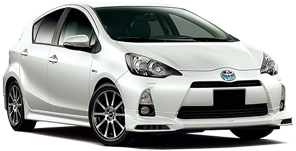
Toyota Aqua or Similar

From $20.83 /day
Toyota Aqua car rental in New Chitose Airport (CTS)

Compact

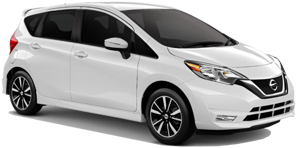
Nissan Note or Similar

From $23.44 /day
Nissan Note car rental in New Chitose Airport (CTS)

Intermediate

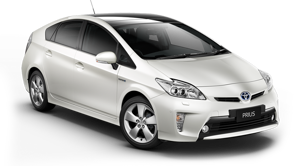
Toyota Prius or Similar

From $25.33 /day
Toyota Prius car rental in New Chitose Airport (CTS)

Intermediate Suv

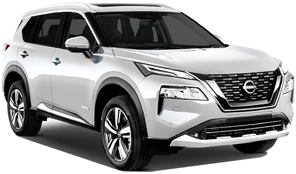
Nissan X-Trail or Similar

From $44.74 /day
Nissan X-Trail car rental in New Chitose Airport (CTS)

Economy

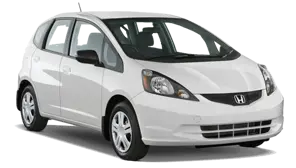
Honda Fit or Similar

From $20.83 /day
Honda Fit car rental in New Chitose Airport (CTS)

Mini

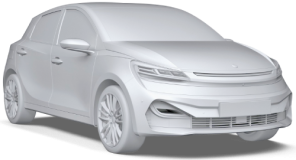
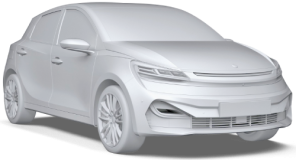
Daihatsu Move or Similar

From $21.93 /day
Daihatsu Move car rental in New Chitose Airport (CTS)

Economy

Suzuki Palette or Similar

From $21.93 /day
Suzuki Palette car rental in New Chitose Airport (CTS)

Mini

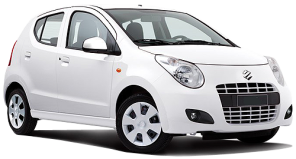
Suzuki Alto or Similar

From $22.44 /day
Suzuki Alto car rental in New Chitose Airport (CTS)

Economy

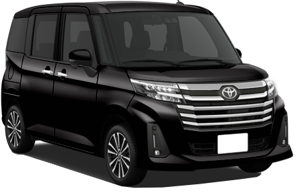
Toyota Roomy or Similar

From $23.44 /day
Toyota Roomy car rental in New Chitose Airport (CTS)

Mini

Daihatsu Cuore or Similar

From $24.87 /day
Daihatsu Cuore car rental in New Chitose Airport (CTS)

Compact

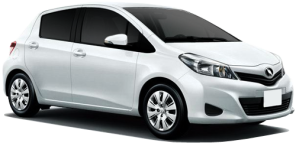
Toyota Vitz or Similar

From $24.94 /day
Toyota Vitz car rental in New Chitose Airport (CTS)

Compact Van

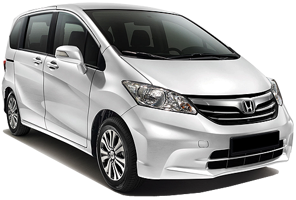
Honda Freed or Similar

From $25.33 /day
Honda Freed car rental in New Chitose Airport (CTS)

Mini

Honda N-Box or Similar

From $28.40 /day
Honda N-Box car rental in New Chitose Airport (CTS)

Mini

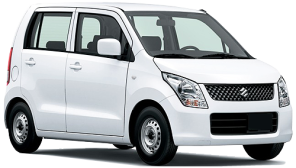
Suzuki Wagon R or Similar

From $28.40 /day
Suzuki Wagon R car rental in New Chitose Airport (CTS)

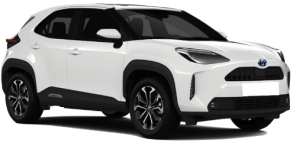
Standard Crossover

Toyota Yaris Cross or Similar

From $30.55 /day
Toyota Yaris Cross car rental in New Chitose Airport (CTS)

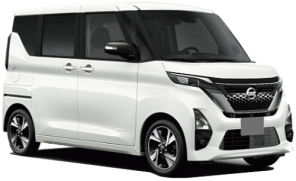
Mini

Nissan Roox or Similar

From $31.09 /day
Nissan Roox car rental in New Chitose Airport (CTS)

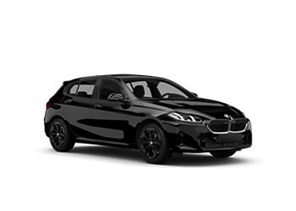
Compact Elite

BMW 1 Series or Similar

From $34.85 /day
BMW 1 Series car rental in New Chitose Airport (CTS)

Compact Estate/wagon

Toyota Probox or Similar

From $36.25 /day
Toyota Probox car rental in New Chitose Airport (CTS)

Intermediate Van

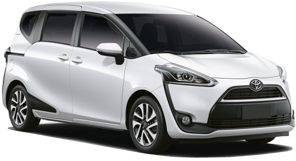
Toyota Sienta or Similar

From $38.04 /day
Toyota Sienta car rental in New Chitose Airport (CTS)

Standard Van

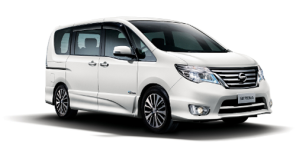
Nissan Serena or Similar

From $38.04 /day
Nissan Serena car rental in New Chitose Airport (CTS)

Standard Van

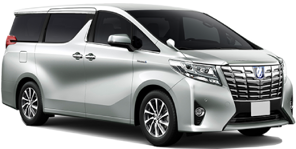
Toyota Alphard or Similar

From $38.04 /day
Toyota Alphard car rental in New Chitose Airport (CTS)

Premium Van

Honda StepWGN or Similar

From $38.04 /day
Honda StepWGN car rental in New Chitose Airport (CTS)

Full-size

Volvo S60 or Similar

From $40.34 /day
Volvo S60 car rental in New Chitose Airport (CTS)

Intermediate

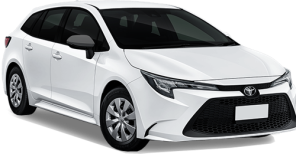
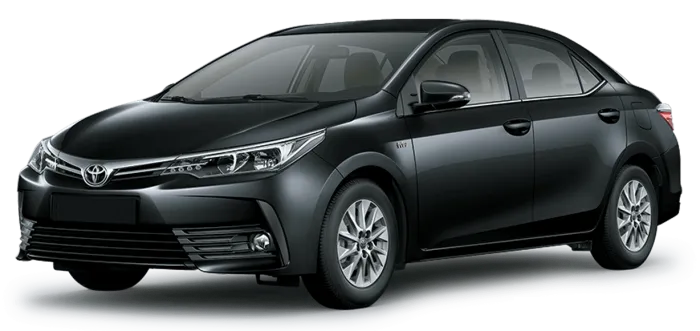
Toyota Corolla or Similar

From $41.19 /day
Toyota Corolla car rental in New Chitose Airport (CTS)

Intermediate Estate/wagon

Volvo V60 STW or Similar

From $42.14 /day
Volvo V60 STW car rental in New Chitose Airport (CTS)

Compact Suv

Mazda CX-5 or Similar

From $44.74 /day
Mazda CX-5 car rental in New Chitose Airport (CTS)

Compact Elite Suv

BMW X1 or Similar

From $44.74 /day
BMW X1 car rental in New Chitose Airport (CTS)

Compact Suv

Toyota Raize or Similar

From $46.21 /day
Toyota Raize car rental in New Chitose Airport (CTS)

Intermediate Estate/wagon

Toyota Corolla STW or Similar

From $46.63 /day
Toyota Corolla STW car rental in New Chitose Airport (CTS)
The above prices are only approximate and were last updated at 22:35 on 20/06/26. Prices may vary based on the booking dates, length of rental, and car class.
Why Choose Us

Our Features

Discover a world of convenience, safety, and customization, paving the way for unforgettable adventures and seamless mobility solutions.

Verified Suppliers

All rental companies on our platform are carefully verified to ensure service quality and customer reliability.

Vehicle Category Selection

Choose from economy, compact, standard, luxury, SUV, and van categories depending on your needs.

Interactive Location Maps

See rental locations on interactive maps to quickly choose the most convenient pickup point.

Car Rental Service

Flexible Rental Dates

Easily modify pickup and drop-off dates during booking to match your travel schedule.

Secure Online Booking

Book with confidence using our encrypted booking system that protects your personal and payment information.

City Center Locations

Access rental cars in downtown locations and popular tourist areas for easy travel during your stay.

Rental Guide

New Chitose Airport (CTS), Chitose Car Rental Facts

Essential information on the best deals, rental providers, and vehicle options in New Chitose Airport (CTS), Chitose.

Most Popular Agencies

Times Car Rental CTS (40%)

Times Car Rental at New Chitose Airport leads with 40% market share, offering seamless pick-up for travelers ready to explore Hokkaido's powder snow and summer lavender fields.

Popular Car Types

SUV (45%), Minivan (25%), Compact (18%)

SUVs are the overwhelming favorite for winter sports and national park exploration. Minivans are essential for families and groups. Compacts are for budget city trips.

Average Rental Duration

6 Days

New Chitose Airport rentals average 5-6 days, perfectly timed for a Hokkaido road trip covering Furano, Biei, and the Daisetsuzan National Park. (Based on 6,500+ airport pickups)

Most Popular Models

Subaru Forester, Toyota Alphard

The Subaru Forester, with its standard AWD, is the king of Hokkaido roads. The Toyota Alphard minivan offers supreme comfort for group travel.

Average Daily Price

$72/day

New Chitose Airport rates average $72/day, with ETC card rental included for hassle-free toll road travel. Book the "Hokkaido Expressway Pass" for savings.

How much does it cost to rent a car at New Chitose Airport (CTS), Chitose?

Averaging the lowest prices for the economy car category, the data below shows prices for monthly comparisons.

Cheapest Month Average

Jan
Price: $49

Most Expensive Month

Aug
Price: $108

Yearly Average Price

Price: $73

New Chitose Airport - Gateway to Hokkaido. Winter ski season (December-March) at Niseko. Summer peak for Furano lavender. New Chitose Airport. Book 2-3 months ahead.


Car Rental New Chitose Airport (CTS), Japan Guide

Arriving at New Chitose Airport (CTS), Japan, the primary international gateway to the northern island of Hokkaido, is an exciting moment. While the airport is exceptionally well-connected to Sapporo by train and bus, many travelers soon realize that to truly unlock the magic of this vast, rugged prefecture, a rental car is the ultimate key. Renting a car directly at the airport offers unparalleled convenience, allowing you to step off the plane, collect your luggage, and be on the open road in under an hour. This is especially valuable for those with heavy luggage, families with young children, or anyone planning to explore beyond the city limits of Sapporo, where public transport becomes less frequent and more restrictive.

Choosing to pick up your rental car at New Chitose Airport (CTS), Japan, is almost always a better decision than waiting until you reach the city. The airport houses a dedicated, multi-story rental car facility known as the "New Chitose Airport Rental Car Terminal," which is connected to the domestic terminal via a short, free shuttle bus (or a covered walkway from the domestic terminal). This centralizes all the major rental companies, making the process seamless and efficient. While there is often a small airport surcharge factored into the price compared to city-center locations, the time, stress, and taxi fare you save by not having to travel into Sapporo first more than justifies the cost. A great money-saving tip is to compare total prices including all fees; sometimes, a slightly higher daily rate at the airport can be cheaper than a city rental when you factor in the round-trip train fare to Sapporo to collect the vehicle.

Pickup Location Advantages Disadvantages
New Chitose Airport (CTS) Rental Car Terminal Immediate start to your trip; no extra transport needed; wide selection of companies; easy for luggage/families. Potentially slightly higher price due to airport surcharge; can be busy during peak arrival times.
Sapporo City Center (e.g., Sapporo Station) May have slightly lower base rates; good if you're spending a few days in the city first. Requires travel from airport to city (approx. ¥1150 by train); navigating city traffic to exit; less convenient with luggage.

Car Rentals Requirements in New Chitose Airport (CTS), Japan

Before you can collect the keys to your adventure, you need to ensure you have the correct documentation. Japanese rental companies are notoriously strict about paperwork, so being prepared is crucial. The process is straightforward but leaves no room for error. You will need a valid driver's license from your home country, a valid passport, and a credit card in the renter's name. A physical credit card (Visa, Mastercard, American Express are widely accepted) is almost universally required; debit cards are rarely accepted for the main rental payment.

The most critical document for most international travelers is the International Driving Permit (IDP). This must be the 1949 Geneva Convention version, which is a small grey booklet. An IDP is required for all non-Japanese license holders unless you hold a license from a country with a reciprocal agreement (like Switzerland, Germany, France, Belgium, Monaco, or Taiwan) and have an official Japanese translation. For the vast majority of travelers, an IDP is mandatory. The IDP is valid for one year from the date of issue, but you can only use it in Japan for up to one year from your date of entry. Ensure your IDP is issued in your home country before departing, as it cannot be obtained in Japan.

Requirement Details
Minimum Age Typically 18-21 for most car categories, but 21-25 for luxury or larger vehicles. A "Young Driver Surcharge" often applies for drivers under 25.
Driver's License Valid license from your home country. Must be presented alongside an International Driving Permit (IDP) based on the 1949 Geneva Convention for most nationalities.
Credit Card Physical credit card in the main driver's name is required for payment and deposit. Prepaid and debit cards are rarely accepted.
Passport Your valid passport for identification and to verify your entry date into Japan.
Insurance Collision Damage Waiver (CDW) and Liability Insurance are mandatory. These are typically included in the base price but may have an excess (deductible).

Why Rent a Car in New Chitose Airport (CTS), Japan

Hokkaido is a land of superlatives: vast national parks, dramatic volcanic landscapes, and charming rural towns. While trains and buses connect the main cities, they simply can't reach the hidden onsen (hot springs), remote lavender fields, or stunning caldera lakes that define the region. Renting a car transforms your trip from a series of train station-to-station journeys into a true exploration. You have the freedom to stop spontaneously for a famous Hokkaido soft-serve ice cream, pull over at a breathtaking viewpoint, or detour to a local seafood market that isn't on any tourist map. For photographers and nature lovers, the ability to chase the golden hour light is priceless.

For families or groups, the value of a rental car is immense. Traveling with children and suitcases on crowded trains can be stressful. A car provides private space, climate control, and the flexibility to manage nap schedules and meal breaks on your own time. Furthermore, Hokkaido is famous for its excellent road infrastructure, making driving a pleasure rather than a chore. The roads are generally well-maintained, signposted in both Japanese and English (with Romanized script), and the traffic outside of central Sapporo is remarkably light, making it an ideal destination for a first-time driving experience in Japan.

  • Unmatched Freedom: Create your own itinerary and explore off-the-beaten-path destinations like the Shiretoko Peninsula or the lavender fields of Furano.
  • Scenic Drives: Experience some of Japan's most stunning coastal and mountain roads, such as the drive around Lake Toya or through Daisetsuzan National Park.
  • Family-Friendly: Easily manage luggage, strollers, and children's needs without relying on public transport schedules.
  • Access to Nature: Reach remote onsen towns, national park trailheads, and wildlife viewing spots that are inaccessible by train.
  • Cost-Effective for Groups: For three or more people, the cost of a rental car and fuel often rivals or undercuts the price of multiple train tickets.
  • All-Weather Comfort: Hokkaido's weather can be unpredictable; a car offers a comfortable refuge from rain, snow, or summer heat.

Best Car Rental Companies in New Chitose Airport (CTS), Japan

At New Chitose Airport (CTS), Japan, you'll find a comprehensive selection of both globally recognized brands and excellent local Japanese companies. The rental car terminal houses desks for all the major players, making it easy to compare options. International companies like Hertz, Avis, and Budget are present and offer familiar booking experiences, which can be reassuring for first-time renters. However, the local Japanese suppliers often have a slight edge in terms of vehicle availability, particularly for 4WD vehicles and English GPS systems, which are crucial for winter driving.

Choosing between them often comes down to price, fleet size, and the specific inclusions like child seats or ETC cards. Each company has its own loyalty program, but the quality of service across all is exceptionally high, with staff known for their politeness and efficiency. Booking ahead is critical, especially during the busy summer (July-August) and winter (December-February) seasons, as rental fleets can be fully booked weeks in advance.

Company Price Level Pros
Nippon Rent-A-Car Medium Extensive fleet, particularly strong in 4WD and winter vehicles; excellent English support; reliable nationwide network.
Times Car Rental Low-Medium Competitive pricing; modern fleet; user-friendly English website; often has good package deals.
Nissan Rent-a-Car Medium Consistent quality; easy reservation system; vehicles are typically in excellent condition.
Toyota Rent a Car Medium-High Largest fleet in Japan; vast selection of Toyota models; impeccable service; best for large SUVs and vans.
Hertz / Avis / Budget Medium-High Familiarity for international travelers; robust English support; good loyalty program benefits.
Orix Rent-A-Car Low-Medium Often offers very competitive rates; wide range of vehicle types; good for last-minute bookings.

Popular Car Rental Categories & Prices in New Chitose Airport (CTS), Japan

The type of vehicle you choose will heavily depend on the season and your itinerary. For solo travelers or couples sticking to main roads in summer, an economy or compact car is the most popular and cost-effective choice. These cars are not only cheap to rent but also fuel-efficient, which is a significant benefit given Japan's fuel prices. However, for families or groups, or for anyone traveling to Hokkaido in winter, a 4WD SUV or a "station wagon" (estate car) is the preferred option. These vehicles provide better stability and traction on snow and ice, which is a must-have for safety from November to March.

Pricing is highly seasonal. The high tourist season in summer (July-August) and the winter ski season (December-February) see the highest demand and consequently, the highest prices. Prices can drop by 30-50% during the shoulder seasons like May-June and September-October. Booking well in advance for these peak periods is essential not just for price, but for availability, especially for larger or 4WD vehicles.

Car Category Average Daily Price (USD)
Small Cars (e.g., Toyota Yaris, Honda Fit) $45 - $75
Medium Cars (e.g., Toyota Corolla, Mazda 3) $60 - $95
SUVs / 4WD (e.g., Toyota RAV4, Subaru Forester) $85 - $150
Vans / Minivans (e.g., Toyota Sienta, Nissan Serena) $90 - $160
Luxury Cars (e.g., Lexus, BMW) $150 - $300+
Metric Value
Cheapest Month May or October (post-Golden Week and before summer/winter peaks)
Most Expensive Month August (peak summer travel) or January (ski season)
Average Price (per day) $70 - $90 (for a compact car, including insurance)
A Good Deal Under $50 per day for a compact car in the off-season
Cheapest Supplier (Generally) Times Car Rental or Orix Rent-A-Car often have the most competitive base rates.
Cheapest Car Type Compact/Economy (e.g., Nissan Note, Toyota Vitz)

Road Trips from New Chitose Airport (CTS), Japan

The real joy of renting a car begins when you leave the airport. Hokkaido is perfectly suited for road trips, with well-maintained roads and stunning scenery around every corner. Here are some classic routes to consider:

  • Shikotsu-Toya National Park Loop: From the airport, head southwest to Lake Shikotsu (approx. 30 mins), famous for its crystal-clear caldera lake. Continue to the volcanic Mount Usu and the charming onsen town of Lake Toya (approx. 1.5 hrs from the airport). This loop offers incredible volcanic landscapes, hiking trails, and relaxing hot springs, all within easy reach of Chitose.
  • Furano & Biei Scenic Route: A classic summer drive heading northeast. From the airport to Furano (approx. 1.5-2 hours) takes you through the heart of Hokkaido's countryside. Highlights include the panoramic "Patchwork Road" in Biei, the colorful flower fields of Farm Tomita in Nakafurano, and the relaxing Furano Onsen. This area is particularly stunning in July and August when the lavender is in full bloom.
  • Sapporo & Otaru Day Trip: A perfect shorter trip. From the airport to Sapporo (approx. 1 hour) you can explore the city's vibrant Susukino district and Odori Park. Then, a 40-minute scenic coastal drive along the Sea of Japan takes you to Otaru, a historic port town famous for its romantic canal, glassworks, and fresh sushi. This route is great for combining city culture with picturesque coastal views.
  • Hakodate Southern Peninsula: For a longer, two-day trip, drive south to Hakodate (approx. 3.5 hours from the airport). The drive itself is rewarding, passing through rural landscapes and coastal towns. In Hakodate, take the ropeway to Mount Hakodate for one of Japan's most celebrated night views, explore the star-shaped Goryokaku Fort, and enjoy the morning market's fresh seafood.
  • Winter Wonderland to Niseko: For ski enthusiasts, the drive from the airport to the Niseko United ski resort area (approx. 2 hours) is a journey into a winter paradise. While it requires a 4WD vehicle with winter tires, the well-plowed highways make it accessible. Beyond the world-class skiing, the area offers wonderful backcountry tours and onsen experiences.

Driving Rules in New Chitose Airport (CTS), Japan

Driving in Japan is safe and orderly, but the rules differ from many other countries. The most critical rule to remember is that driving is on the left-hand side of the road. This can take a moment to adjust to, especially at intersections and roundabouts. Speed limits are strictly enforced, with general limits of 40-50 km/h in urban areas, 60-80 km/h on rural roads, and 80-100 km/h on expressways. However, always follow posted signs, which are clearly marked in both Japanese and English on major roads.

Japanese law enforces a zero-tolerance policy for driving under the influence of alcohol. The legal blood alcohol limit is 0.00%, meaning any detectable amount is a serious offense. Seatbelts are mandatory for all passengers in the vehicle. Child seats are mandatory for children under 6 years old, and it's essential to reserve one when you book your rental car. Road conditions in Hokkaido are generally excellent, but winter driving presents unique challenges. From late November to March, many roads can be icy or snow-covered. It is a legal requirement to have winter tires fitted; most rental cars during this period will have them, but you must confirm when booking. "Winter tire" is often listed as an option or standard for the season.

Rule Details
Driving Side Left side of the road (driver's seat on the right side of the car).
General Speed Limits Urban/Rural: 40-60 km/h; Expressways: 80-100 km/h.
Alcohol Limit 0.00% BAC (zero tolerance). Strict penalties apply.
Seatbelt Law Mandatory for all passengers, front and rear seats.
Child Seat Law Required for all children under 6 years old. Must be reserved in advance.
Winter Tires Legally and practically required in winter (approx. Dec-March). Rental cars are typically equipped.

Toll Roads in New Chitose Airport (CTS), Japan

Yes, toll roads, particularly the expressways (高速道路, *kōsokudōro*), are prevalent in Hokkaido. The main routes from New Chitose Airport to Sapporo, Furano, and Hakodate are all toll roads. These expressways are exceptionally well-maintained and can save you a significant amount of travel time compared to using free, local roads. Tolls are calculated based on the distance traveled. For example, the trip from the airport to central Sapporo costs around ¥700-¥1,000, while a longer journey to Hakodate can cost upwards of ¥5,000.

The easiest way to handle tolls is to rent an Electronic Toll Collection (ETC) card from your rental car company. These small cards are inserted into a reader in the car, and tolls are automatically deducted when you pass through the dedicated ETC gates. This saves you from having to stop at cash booths. Most rental companies offer ETC card rental for a small daily fee (around ¥300 per day) or sometimes for free. If you don't have an ETC card, you can still use the "General" or "Cash" lanes at toll booths, where you'll take a ticket upon entry and pay cash or credit card at the exit. It's highly recommended to reserve an ETC card when you book your car to ensure availability, as they are in high demand.

Parking in New Chitose Airport (CTS), Japan

Parking in Hokkaido is generally easier than in Tokyo or Osaka, but it requires a bit of local knowledge. In cities like Sapporo and Hakodate, you will rarely find free street parking. Almost all parking is paid, either at coin-operated parking lots ("coin parking") or in multi-story parking garages. These lots are clearly signposted and often have a digital sign showing how many spaces are available and the hourly rate. Rates in central Sapporo typically range from ¥200-¥400 per 20 minutes, with a maximum daily rate of around ¥1,500-¥2,500 for overnight parking.

Street parking rules are strictly enforced, with clear signs indicating times when parking is prohibited. Parking on a road with a solid yellow line is illegal. The most common challenge in busy areas like Sapporo's Susukino district or Otaru's canal area is finding an affordable space, especially on weekends. A good strategy is to look for a large, multi-story parking garage a few blocks away from your main destination. Most hotels in cities also offer paid parking for guests, so it's best to check with your accommodation in advance. For the numerous roadside attractions, rest stops (*michi-no-eki*), and natural sights, parking is usually ample and free.

Tips for Car Rental in New Chitose Airport (CTS), Japan

To ensure your rental experience is smooth and cost-effective, keep these practical tips in mind:

  • Book Early, Especially for Seasons: For summer (July-Aug) and winter (Dec-Feb), book your car as soon as your flights are confirmed. 4WD vehicles are the first to sell out for winter.
  • Request an ETC Card: Don't wait until you pick up the car. When booking, request an ETC card. It's a small daily fee that saves immense hassle at toll plazas.
  • Confirm Winter Tires: If traveling between November and March, explicitly confirm that your rental vehicle comes equipped with winter tires. It's a safety necessity, not just a suggestion.
  • Opt for "Full Insurance" (CDW + NOC): The basic insurance often includes an excess (deductible). Pay the extra for the "Safety Package" or "Non-Operating Charge (NOC) Coverage" to waive the excess and cover costs like a flat tire or lost key, offering complete peace of mind.
  • Understand the Fuel Policy: Most rentals operate on a "full-to-full" policy. You receive the car with a full tank and must return it full. This is the fairest policy. Make sure to fill up at a gas station near the airport before returning.
  • Check for English GPS: All rental cars come with GPS, but not all have English language options. When booking, especially with local companies, specify that you require an English GPS.
  • Consider Cheaper Months: If your dates are flexible, aim for the shoulder seasons (May, June, September, October) for the best combination of pleasant weather and significantly lower rental rates.

Common Car Rental Mistakes Travelers Make

Even with the best planning, a few common pitfalls can complicate an otherwise smooth car rental experience. Avoiding these will save you time, money, and stress:

  • Not Securing an International Driving Permit (IDP) Before Travel: This is the number one mistake. You cannot rent a car in Japan without a valid 1949 Geneva Convention IDP. You must obtain this in your home country before your trip.
  • Assuming Debit Cards are Accepted: Rental companies in Japan almost universally require a physical credit card in the driver's name for payment and a deposit. Debit cards are rarely accepted and can lead to your reservation being canceled on the spot.
  • Forgetting to Reserve an ETC Card: Showing up at the counter and assuming you can get an ETC card is a risk. They are a finite resource and can be sold out, leaving you to fumble with cash at every toll booth.
  • Ignoring the NOC Insurance Option: Many travelers stop at the standard CDW. The NOC (Non-Operating Charge) covers costs like towing, flat tires, or if the car needs to be cleaned due to a spill. In a region with snow and gravel roads, this coverage is a wise investment.
  • Underestimating Driving Times: Google Maps times can be deceiving. Winter conditions, mountain roads, and frequent rest stops can make a journey take significantly longer than expected. Always add a buffer to your schedule.
  • Returning the Car Without Filling the Tank: If you have a full-to-full policy, returning with less than a full tank will result in the rental company charging a very high premium for the fuel. Be sure to fill up at a station just before the airport.

Real Travel Experience Renting a Car in New Chitose Airport (CTS), Japan

After a long flight from Singapore, the last thing Sarah and her husband wanted was to figure out train tickets to Sapporo with their two young children. Following the clear signs to the Rental Car Terminal at New Chitose Airport, they hopped on the free shuttle bus and were at the Toyota Rent a Car desk within 15 minutes. The paperwork was a breeze, thanks to their pre-booked reservation, passports, and their hard-won International Driving Permits. They were delighted to find their spacious 4WD SUV was already fitted with child seats and, to their relief, had an English GPS system. After a quick tutorial on driving on the left, they were off. Their first stop was a nearby supermarket to stock up on snacks and Hokkaido milk, a perfect start to their freedom-filled road trip through the countryside. They later remarked that driving gave them the flexibility to chase a sunset at Lake Shikotsu, a moment they would have missed entirely on the train.

International Driving Permit for Travelers Visiting New Chitose Airport (CTS), Japan

The International Driving Permit (IDP) is a non-negotiable requirement for most international travelers planning to drive in Japan. It serves as an official translation of your home country's driver's license and is recognized under the 1949 Geneva Convention on Road Traffic. You must obtain this permit in your country of residence before departing for Japan. In the United States, it is issued through AAA or AATA; in the UK, through the Post Office or the AA; and in Australia, through the state automobile associations like NRMA or RACV. The process is straightforward: you fill out an application, provide two passport-sized photos, and pay a small fee.

The IDP is valid for one year from its issue date, but it's crucial to remember that it is only valid in Japan in conjunction with your original, valid driver's license. You must carry both your IDP and your home license with you at all times while driving. The IDP is not a standalone license; it is a translation. When you pick up your rental car at New Chitose Airport (CTS), Japan, the staff will meticulously check both documents. Ensure that your IDP is the correct 1949 convention version (a grey booklet), as the newer 1968 version (pink) is not accepted in Japan. This simple, pre-trip step is the single most important thing you can do to ensure your car rental and driving experience in Hokkaido is legal, safe, and hassle-free.

Have Questions?

Frequently Asked Questions about Car Rental at New Chitose Airport (CTS)

To rent a vehicle at New Chitose Airport, you must present a valid passport and a major credit card in the primary driver's name. For driving credentials, you need one of the following: a Japanese driver's license, an International Driving Permit (IDP) strictly conforming to the 1949 Geneva Convention format, or an authorized Japanese translation of a license issued by Switzerland, Germany, France, Taiwan, Belgium, or Monaco. Notarized Chinese driver's licenses are not accepted. All additional drivers must also meet these exact requirements and appear in person at the counter to sign the rental agreement.

The minimum age to rent a vehicle at this location is generally 18 years old. Unlike many other countries, there is no maximum rental age limit nor a young driver surcharge applied simply for being under a certain age. However, it is essential to hold a valid credit card in your name and the proper driving credentials. While age restrictions are minimal, always verify the specific terms of your booking, as certain specialty vehicles or insurance add-ons may have differing stipulations based on the vehicle class selected.

Yes, absolutely. Winter driving conditions near New Chitose Airport and throughout Hokkaido are extreme, with heavy snowfall and icy roads common from November through April. Rental vehicles are legally required to be equipped with winter tires during these months, and most fleets include them as standard equipment. We highly recommend reserving a 4WD (four-wheel drive) vehicle for added safety and traction, especially if you plan to visit ski resorts like Niseko or Furano or drive on mountain passes. Even with proper equipment, reduce speed, maintain safe distances, and be prepared for sudden whiteout conditions.

Rental car counters are located on the first floor of the Domestic Terminal. Upon arrival, proceed to the specific rental company counter to complete your paperwork. After check-in, you will be directed to a complimentary shuttle bus that transports customers to the off-site rental car depot. The shuttle ride takes approximately 10 to 15 minutes. Please note that rental cars are not permitted to be picked up or returned directly at the terminal curb; all transactions are processed via this shuttle system. For international arrivals, it is a short indoor walk to the Domestic Terminal counters.

The standard policy at New Chitose Airport is 'full-to-full' or 'refueling charge.' You will receive the vehicle with a full tank of fuel and are expected to return it full. If you fail to refuel before returning the car, the rental company will charge a refueling fee based on the distance driven or fuel gauge indication. This per-liter rate is typically higher than local gas station prices. To avoid extra charges, please refuel at a nearby station before returning. The closest fuel stations are located along the main road (Route 36) leading back to the airport perimeter.

Yes, standard rates at New Chitose Airport typically include mandatory basic insurance coverage. This consists of Collision Damage Waiver (CDW), Third Party Liability (TPL) with unlimited bodily injury coverage, and Personal Accident Insurance (PAI) covering up to approximately 30 million JPY per passenger. However, this coverage includes a Non-Operation Charge (NOC) fee liability in case of damage. The NOC is approximately 20,000 JPY (around $130 USD) if the car is drivable and returned to the original location, or 50,000 JPY (around $325 USD) if it requires a tow.

The Non-Operation Charge (NOC) is a standard fee applied by Japanese rental companies to compensate for loss of income while a damaged vehicle is under repair, regardless of insurance coverage. At New Chitose Airport, the NOC fee is fixed. If you return the damaged vehicle to the originally agreed-upon rental office, the charge is typically 20,000 JPY (approximately $130 USD). If the vehicle is not drivable and returned to a different location, the fee increases to 50,000 JPY (approximately $325 USD). This charge applies even if you have purchased additional insurance waivers.

No. Major rental providers at New Chitose Airport require a valid credit card in the name of the primary driver for both payment and the security deposit. Debit cards, check cards, and prepaid cards are generally not accepted for the initial authorization hold. Cash payments are also not permitted for establishing the rental contract or for the security deposit. The credit card used must have sufficient available credit to cover the estimated rental charges plus the deposit amount, which is pre-authorized at the time of pickup.

Yes, an Electronic Toll Collection (ETC) card is essential for stress-free travel on Hokkaido's expressways. Many rental companies at New Chitose Airport offer ETC card rentals. Some even provide the card rental for free during promotional periods, though you are always responsible for the actual toll charges incurred. The ETC device allows you to pass through toll gates without stopping to take a ticket or pay cash. Tolls are calculated automatically and added to your final bill, making your journey to destinations like Lake Toya or Asahikawa much more efficient.

In the event of an accident or breakdown, your first step must be to contact the local police (dial 110) to file an official report. Even for minor damage, a police report is mandatory for insurance claims. Next, call the rental company's emergency contact number provided on your rental agreement. Do not negotiate or admit fault at the scene. If you fail to report the incident to the police and the rental company immediately, your insurance coverage will be voided, and you will be held fully liable for all damages and recovery costs.

Yes, child safety seats (baby seats and junior seats) are available for rent at New Chitose Airport. Japanese law requires children under the age of 6 to use a child safety seat appropriate for their weight and height. Availability is limited, especially during peak travel seasons like winter ski holidays and summer festivals. Therefore, it is essential to reserve a child seat in advance when making your vehicle reservation. Rental fees for these seats are additional and will be clearly displayed during the online booking process.

No. Rental vehicles picked up at New Chitose Airport are strictly prohibited from traveling outside the island of Hokkaido. Rental agreements explicitly forbid transporting the vehicle via ferry to the main island of Honshu or any other prefecture. Doing so is a violation of the contract and voids all insurance coverage. If you plan to travel between islands, you must drop off the rental car at a location near the ferry port (like Tomakomai) and pick up a new rental vehicle upon arrival at your destination port.

Speed limits in Hokkaido are generally lower than in the US or Europe: 60 km/h on general roads and 100 km/h on expressways (reduced to 80 km/h during heavy snow). Strictly observe all signs. Parking illegally is heavily enforced; never park on the street overnight or in spaces not designated for public parking. Use coin parking lots (which are abundant in cities). In winter, ensure you do not park on roads designated as snow removal routes, as your vehicle may be ticketed and towed immediately.

If you are not renting a car immediately and need to reach Sapporo city center first, the JR Hokkaido Rapid Airport train is the most efficient option. The train station is located directly beneath the Domestic Terminal and connects to Sapporo Station in approximately 37 minutes. Alternatively, airport limousine buses depart frequently for major hotels and the Susukino district, taking about 80-100 minutes. Renting a car for use *within* Sapporo city is not recommended due to heavy traffic and expensive parking fees.

Smoking is strictly prohibited anywhere outside the terminal buildings and in the parking areas. However, New Chitose Airport provides numerous designated smoking rooms inside the terminal for passenger comfort. There are over 19 dedicated smoking rooms spread across multiple floors (1F, 2F, 3F, and 4F) both before and after security checkpoints. Please look for the specific room signage. Smoking is not permitted anywhere else in the terminal, including restaurants and shops, in compliance with Japanese law.

Yes, New Chitose Airport offers extensive long-term parking facilities adjacent to the Domestic Terminal. There are multiple parking lots, including covered multi-story structures and open-air lots. Parking capacity is substantial, but during peak holiday periods (Golden Week, New Year) and heavy snowstorms, lots can fill up quickly. Rates vary by lot proximity. If you are meeting a renter or returning a car after hours, ensure you follow the specific after-hours key drop procedures for rental returns, as general parking differs from rental car return lanes.

Security screening wait times at New Chitose Airport are generally efficient. For domestic flights, especially during morning peak hours, queues can take approximately 15 to 20 minutes. For international departures, the process is usually smooth and rarely exceeds 20 minutes. However, given Hokkaido's popularity as a tourist destination, we always recommend arriving at the airport at least 2 hours before domestic flights and 3 hours before international flights to account for check-in, baggage drop, and potential lines at popular souvenir shops in the terminal.

Yes, but with a specific distinction. The main duty-free shopping area is located airside in the International Terminal and is designated for departing passengers. However, New Chitose Airport also features a small duty-free shop in the International Arrivals baggage claim area. This allows arriving passengers to purchase a limited selection of alcohol, tobacco, and perfumes before clearing customs. The vast majority of shops and the famous Hokkaido food souvenir market are located in the pre-security area of the Domestic Terminal, accessible to all visitors.

The general postal code for the New Chitose Airport area and the surrounding Bibi district, where all rental car depots are situated, is 066-0012. This postal code covers the off-site rental car service centers, including the shuttle bus drop-off and pick-up points. If you are using a GPS navigation system and need to set the destination for vehicle return, it is highly recommended to search for the specific rental company name or enter the phone number provided on your rental agreement, rather than relying solely on the postal code.

One-way rentals are permitted between many locations in Hokkaido but must be pre-booked in advance. A specific one-way drop-off charge will apply. For example, dropping the car in Sapporo city or Asahikawa is generally possible. However, dropping the car at an airport in a different region, like Tokyo (Narita or Haneda), is strictly prohibited because vehicles cannot leave Hokkaido. The drop fee varies depending on the distance between the pickup and drop-off branches and covers the cost of returning the vehicle to its home fleet.

A US driver's license alone is not valid for driving in Japan. US citizens must obtain an International Driving Permit (IDP) based on the **1949 Geneva Convention** from AAA or AATA before traveling to Japan. The IDP must be the specific booklet format (148mm x 105mm). Permits based on the 1968 Vienna Convention are not recognized by Japanese police. You must carry both your physical US license and the original IDP passport at all times while driving. Digital copies or photos are not accepted substitutes.

Most rental companies at New Chitose Airport allow adding a spouse or travel companion as an additional driver at no extra charge. This is a common and generous policy in Hokkaido compared to many international destinations. However, the additional driver must meet the exact same license and age requirements as the primary renter, and they must be physically present at the rental counter with their credentials during the initial pickup to be registered on the contract. Only registered drivers are covered by insurance.

For exploring national parks like Daisetsuzan, Shiretoko, and Akan, an SUV or a vehicle with higher ground clearance and 4WD is strongly recommended. While main roads are well-paved, access roads to trailheads and remote onsen can be unpaved or narrow. More importantly, even in late spring and autumn, these elevated areas experience sudden weather changes and snow flurries. A 4WD provides superior traction on wet leaves, loose gravel, and unexpected ice, ensuring a safer and more confident journey into Hokkaido's rugged backcountry.

Yes, New Chitose Airport is fully accessible and equipped with barrier-free facilities. This includes wheelchair-accessible restrooms, tactile paving for the visually impaired, elevators between all floors, and rental counters equipped with induction loops. If you require a rental vehicle with hand controls or other adaptive driving equipment, you must notify the rental company well in advance—typically at least one week—to ensure availability, as these specialized vehicles are limited in fleet inventory.

Yes, there are several 24-hour self-service and full-service gas stations (GS) located on Route 36 and the industrial roads surrounding the Bibi area near New Chitose Airport. Most navigation systems will list the closest stations. We recommend refueling within a 5 km radius of the rental return center. When approaching the pump, note that 'Regular' is red in Japan, and 'High-Octane' is yellow. Many stations accept credit cards at the pump, but it is wise to carry some yen for full-service refueling.

Car rental prices at New Chitose Airport vary significantly by season and vehicle class. A compact car (J-Class) may start as low as $35 - $50 USD per day during off-peak seasons. However, during peak winter (Dec-Mar) and summer (Jul-Aug), prices for an SUV with 4WD can range from $80 to $150 USD or more per day due to high demand. Booking months in advance is crucial for securing the best rates. These estimates exclude optional insurance waivers, ETC toll fees, and child seat rentals.

You must contact the rental office directly by phone if you anticipate arriving after operating hours. Generally, after-hours pickups are not available at New Chitose Airport. If you have not contacted the branch, your reservation may be marked as a 'no-show' and canceled. For returns, if the office is closed, you may be able to use a key drop box. Be aware that you remain fully responsible for the vehicle and any damages incurred until the office reopens and processes the return on the next business day.

Yes, mobile GPS apps work well in populated areas, but cell service can be spotty in Hokkaido's remote national parks and mountain passes. We strongly recommend renting a vehicle equipped with a Multilingual GPS Navigation System. These onboard systems operate via satellite and do not rely on mobile data. To use the Japanese navigation system most effectively, input destinations using the **MAPCODE** or the **phone number** of the location, rather than a street address, for 100% accurate routing.

Cancellation policies are generally very flexible for standard rates, often allowing free cancellation up to 24 hours or even the day of pickup without penalty. However, this can vary depending on the booking platform or if a special promotional 'Early Bird' rate was secured. Prepaid or discounted rates may have stricter cancellation windows with fees applied. Always review the specific 'Cancellation Policy' link during the online checkout process to confirm the exact terms associated with your chosen rate plan.

Driving in Hokkaido during winter requires caution and preparation. While rental cars are equipped with winter tires, visibility can drop to near zero in whiteout conditions. It is not uncommon for expressways to close temporarily due to heavy snow, and train service is often a more reliable alternative during severe storms. Always check the Japan Meteorological Agency weather forecast before departure. Carry an emergency kit in the car including water, snacks, and a blanket. If conditions deteriorate, pull over safely at a roadside rest stop and wait for the squall to pass.
Verified Customer Reviews

New Chitose Airport (CTS) Car Rental Reviews & Customer Ratings

Read verified customer reviews, ratings, and rental experiences from travelers who booked through AirportCarHub.

Overall Rating

0/5.0
Based on 0 reviews