Cheap Car Rental Jeju, South Korea - Compare Deals & Book Instantly
Search and compare car rental prices from trusted global suppliers. Find the best deals instantly.
Why book with us?
-
Wide Fleet
Choose from economy cars, SUVs, luxury vehicles, and more.
-
Free Cancellation
Flexible booking options with free cancellation on most rentals.
-
24/7 Customer Support
Our expert team is available 24/7 to assist you with any questions or concerns.
Compare top international car rental brands and choose the best deal for your trip.








Car Rental Deals in Jeju
Choose from our wide range of vehicles available in Jeju.
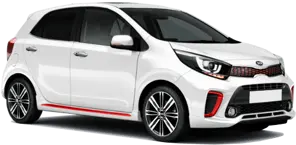
MiniKia Picanto or Similar
From
$23.13
/day
|
|
|||
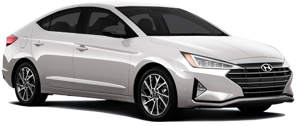
CompactHyundai Elantra or Similar
From
$20.46
/day
|
|
|||
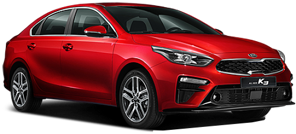
StandardKia K3 or Similar
From
$20.46
/day
|
|
|||
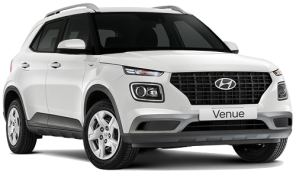
Compact SuvHyundai Venue or Similar
From
$27.36
/day
|
|
|||
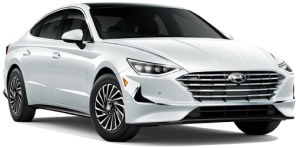
StandardHyundai Sonata or Similar
From
$24.16
/day
|
|
|||
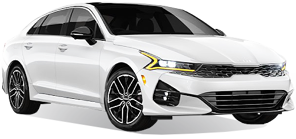
StandardKia K5 or Similar
From
$24.16
/day
|
|
|||
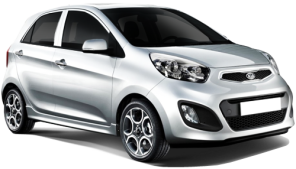
EconomyKia Morning or Similar
From
$24.68
/day
|
|
|||
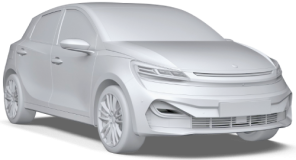
MiniKia Ray or Similar
From
$25.11
/day
|
|
|||
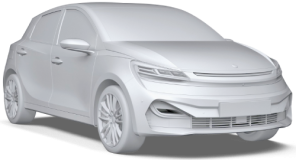
IntermediateHyundai Avante or Similar
From
$25.18
/day
|
|
|||
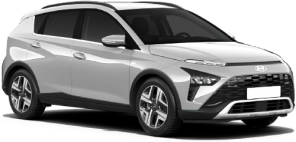
Intermediate CrossoverHyundai Bayon or Similar
From
$25.77
/day
|
|
|||
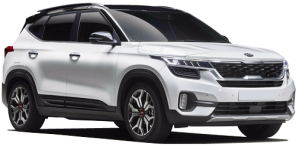
Compact CrossoverKia Seltos or Similar
From
$30.30
/day
|
|
|||
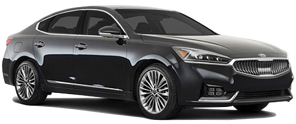
Full-sizeKia Cadenza or Similar
From
$36.30
/day
|
|
|||
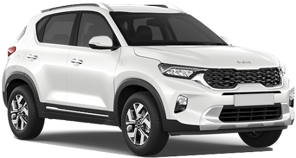
Compact CrossoverKia Sonet or Similar
From
$37.39
/day
|
|
|||
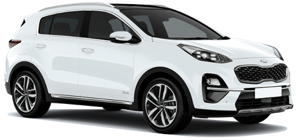
Intermediate SuvKia Sportage or Similar
From
$40.01
/day
|
|
|||
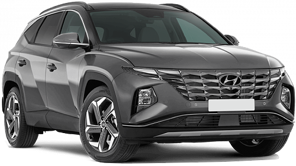
Intermediate SuvHyundai Tucson or Similar
From
$40.60
/day
|
|
|||
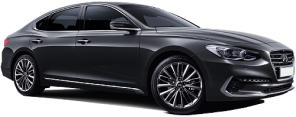
StandardHyundai Grandeur or Similar
From
$40.60
/day
|
|
|||
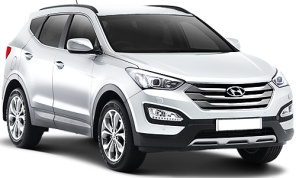
Standard SuvHyundai Santa Fe or Similar
From
$41.57
/day
|
|
|||
Our Features
Discover a world of convenience, safety, and customization, paving the way for unforgettable adventures and seamless mobility solutions.
Worldwide Locations
Search rental cars in thousands of locations across more than 180 countries and major travel destinations.
Multiple Currency Support
View prices and pay in various currencies for a convenient global booking experience.
Wide Vehicle Selection
Choose from economy cars, sedans, SUVs, luxury vehicles, and vans to match your travel needs and budget.
Multi-Language Platform
Use our platform in multiple languages, making it easy for travelers from around the world to book rental cars.
Road Trip Friendly Options
Find rental cars with unlimited mileage and one-way rental options perfect for long road trips.
Additional Driver Options
Many suppliers allow you to add additional drivers so you can share driving responsibilities.
Jeju, South Korea Car Rental Facts
Essential information on the best deals, rental providers, and vehicle options in Jeju, South Korea.
Most Popular Agencies
Avis leads Trelew with 35% market share, serving visitors heading to the Valdes Peninsula and Punta Tombo penguin colonies.
Popular Car Types
SUVs dominate at 50% for navigating Patagonian gravel roads to wildlife reserves. Pickup trucks popular for rural exploration.
Average Rental Duration
Trelew rentals average 4-5 days, combining Valdes Peninsula whale watching (seasonal), Punta Tombo penguin colonies, and Welsh heritage sites in Gaiman. (Based on 2,100+ local pickups)
Most Popular Models
The Toyota Hilux leads for its durability on Patagonian roads. Ford Ranger favored for wildlife reserve access.
Average Daily Price
Trelew rates average $48/day. Whale season (June-December) sees higher demand with weekly rentals from $290.
How much does it cost to rent a car at Jeju, South Korea?
Averaging the lowest prices for the economy car category, the data below shows prices for monthly comparisons.
Cheapest Month Average
JunMost Expensive Month
JanYearly Average Price
Trelew Welsh heritage and paleontology. Summer peak for tourism. Book 2 months ahead.
Driving Laws & Information for South Korea
Essential driving rules and requirements to know when renting a car
Driving Side
Right
Minimum Age
18 to drive
Blood Alcohol Limit
0.03% maximum
IDP Required?
Yes International Driving Permit
Speed Units
km/h
Seat Belt
Required
Toll Roads
Yes
Emergency
112 emergency number
Car Rental Jeju, South Korea Guide
Renting a car in Jeju, South Korea is widely considered the best way to explore the island’s diverse landscapes—from the towering Hallasan Mountain to the dramatic coastline of Jungmun. Unlike Seoul or Busan, Jeju has limited public transportation options for reaching remote beaches, hidden waterfalls, and volcanic craters. While taxis are available, they can become expensive for longer day trips, and bus schedules may not align with sunset views or early morning hikes. That’s why most international travelers and locals alike choose the freedom of a rental car to navigate Jeju’s well-maintained road network.
When picking up your rental, you have two main choices: Jeju International Airport (CJU) or downtown city offices. Airport pickup is the most convenient—you can collect your keys right after baggage claim. However, be aware of a possible airport surcharge (typically 10-15% higher than off-airport locations). City center pickup might save you money but requires a taxi or bus ride to the rental office. The main rental clusters near the airport include the free shuttle bus zone just outside the arrivals hall, where most major companies operate. For budget-conscious travelers, consider picking up your car from a downtown branch in Jeju City after spending your first night there—you’ll often find lower rates and less queue time.
| Pickup Location | Advantages | Disadvantages |
|---|---|---|
| Jeju International Airport (CJU) | Immediate access after landing, many companies, shuttle buses available | Higher rates due to airport surcharge, potential queues during peak hours |
| Jeju City (Downtown) | Lower daily rates, less crowded, more flexible return times | Need transport from airport to office, limited operating hours on weekends |
| Seogwipo City | Ideal if staying in south, fewer tourists, good for one-way rentals | Limited car selection, farther from airport, smaller offices |
Car Rentals Requirements in Jeju, South Korea
Before booking, ensure you meet all legal and rental company requirements. The minimum age to rent a car in Jeju, South Korea is typically 21 years old, though drivers under 25 may face a young driver surcharge (usually $10-20 USD per day). You’ll need a valid driver’s license from your home country, a passport for identification, and a credit card in the main driver’s name for the deposit hold. Most rental agencies do not accept debit cards or cash deposits due to insurance regulations.
The most critical document for most international travelers is the International Driving Permit (IDP). Under South Korean law, an IDP is required if your home license is not in Korean or English. Even if your license is in English (like a US or UK license), some local rental desks still ask for an IDP—it’s safer to get one. The IDP must be obtained in your home country before departure; it’s valid for one year from issue. Additionally, basic insurance is mandatory, but we strongly recommend purchasing Collision Damage Waiver (CDW) and Liability coverage to reduce excess fees, which can be high ($1,000-2,000 USD typical excess).
| Requirement | Details |
|---|---|
| Minimum Age | 21 years (surcharge for under 25) |
| Valid Driver’s License | Original license + International Driving Permit (for non-Korean/non-English licenses) |
| Credit Card | Visa, Mastercard, or American Express in driver’s name |
| Passport | Required for identification at pickup |
| Insurance | Basic liability mandatory; CDW recommended |
Why Rent a Car in Jeju, South Korea
Jeju is often called the “Hawaii of South Korea,” but unlike Oahu, it lacks a robust public transit system for reaching its most iconic spots. Buses connect major towns like Jeju City and Seogwipo, but getting to Manjanggul Cave, Seongsan Ilchulbong, or the windy beaches of Gimnyeong often requires multiple transfers and long waits. With a rental car, you can wake up early to catch sunrise at Seongsan Peak, drive 20 minutes to a quirky museum, and still make it to a black pork BBQ dinner in Jeju City—all on your own schedule.
Families and groups especially benefit from renting. Lugging strollers, beach gear, or golf clubs on buses is impractical. Plus, Jeju’s ring road (Route 1132) circles the entire island in about 4-5 hours nonstop, making navigation almost foolproof. You’ll also have access to hidden gems like the?? forest (Healing Forest) or lesser-known oreums (volcanic cones) that no tour bus visits. Below are the top reasons travelers choose rental cars in Jeju:
- Freedom to chase sunset views without worrying about last bus times.
- Scenic coastal drives along Route 12 (east coast) with ocean views.
- Easy access to Hallasan Mountain trailheads (parking available at Eorimok and Seongpanak).
- Cost-effective for groups of 3 or more compared to taxi tours.
- Convenience for carrying shopping items, especially from Jeju’s famous chocolate and green tea farms.
- Ability to visit multiple attractions in one day, such as Cheonjiyeon Waterfall, Osulloc Tea Museum, and Sanbangsan Mountain.
Best Car Rental Companies in Jeju, South Korea
Travelers to Jeju, South Korea can choose between global chains and trusted local agencies. International brands like Hertz, Avis, Enterprise, Budget, Sixt, Alamo, and Europcar have desks at Jeju International Airport or nearby. These offer familiar terms and 24/7 English customer support. Local suppliers like Lotte Rent-a-Car and Jeju One Car often provide newer vehicle models and competitive rates, especially for Korean-made cars like the Hyundai Avante or Kia Ray. Booking directly with a local company sometimes includes perks like free GPS with English guidance or a free child seat. For best results, compare prices across a few options but always read the fine print on fuel policy and excess fees.
| Company | Price Level | Pros |
|---|---|---|
| Hertz | Medium-High | English support, reliable, airport counter |
| Avis | Medium | Wide selection, one-way rentals allowed |
| Enterprise | Medium | Good for extended rentals, clean cars |
| Budget | Low-Medium | Affordable, often has weekend deals |
| Sixt | Medium | Luxury and convertible options |
| Alamo | Low | Good for families, free additional driver |
| Europcar | Medium | European-friendly, multi-lingual staff |
Popular Car Rental Categories & Prices in Jeju, South Korea
Most travelers rent economy or compact cars because Jeju’s roads are narrow in rural areas and parking spaces can be tight, especially near Olle trails or popular cafes. The Kia Morning (a small hatchback) and Hyundai Accent are top choices for solo travelers or couples. SUVs like the Hyundai Tucson or Kia Sportage are popular for families or those planning to drive up Hallasan’s access roads (paved, but some lots are gravel). Vans (8-12 seater) like the Kia Carnival are available for large groups, though they cost more and have higher fuel consumption. Luxury vehicles such as the Genesis G80 or BMW 5 Series are rare but can be booked through Sixt or Lotte Rent-a-Car for special occasions.
Prices in Jeju vary dramatically by season. High tourist season (mid-July to August, plus Korean holidays like Chuseok in September/October and Lunar New Year) sees daily rates increase by 50-100%. Low season (November to February, excluding holidays) offers the best deals, with prices often under $30 USD per day for a small car. Cherry blossom season (late March to early April) and autumn foliage (late October) are moderately priced but book up fast. Below are average daily rates in USD for 2026.
| Car Type | Average Daily Price (Low Season) | Average Daily Price (High Season) |
|---|---|---|
| Small Car (Kia Morning, Hyundai i10) | $25-35 USD | $55-75 USD |
| Medium Car (Hyundai Avante, Kia K3) | $35-50 USD | $75-100 USD |
| SUV (Hyundai Tucson, Kia Sportage) | $55-70 USD | $110-140 USD |
| Van (Kia Carnival, Hyundai Staria) | $80-110 USD | $160-210 USD |
| Luxury Car (Genesis G80, BMW 3 Series) | $120-180 USD | $220-300 USD |
| Metric | Value |
|---|---|
| Cheapest Month | February (after Lunar New Year) |
| Most Expensive Month | August (peak summer holiday) |
| Average Price (all car types) | $65 USD per day |
| A Good Deal | Under $30 USD/day for small car in low season |
| Cheapest Supplier (typically) | Budget or local brand like Jeju One Car |
| Cheapest Car Type | Kia Morning or similar (manual transmission) |
Road Trips from Jeju, South Korea
Jeju is small enough to drive around completely, but the best experiences come from focused road trips. Here are four popular routes starting from Jeju City or Seogwipo:
- East Coast Highlights: Start at Jeju City ? Hamdeok Beach (30 min) ? Gimnyeong Maze Park (15 min) ? Manjanggul Cave (10 min) ? Seongsan Ilchulbong (30 min). Total driving time: ~2 hours without stops. Major highlights: white sand beaches, lava tube caves, and sunrise peak.
- South Coast Waterfalls & Falls: Start at Seogwipo ? Jeongbang Waterfall (10 min) ? Cheonjiyeon Waterfall (10 min) ? Oedolgae Rock (5 min) ? Saeseom Island (15 min). Total driving: ~1 hour. Highlights: three famous waterfalls and coastal walking trails.
- Hallasan Mountain Loop: Start at Jeju City ? Eorimok Trailhead (40 min) ? Seongpanak Trailhead (30 min across the mountain) ? Gwaneumsa Temple (25 min) ? Jeju City. Highlights: scenic mountain views, rhododendron fields in spring.
- West Coast Green Tea & Windmills: Start at Jeju City ? Osulloc Tea Museum (40 min) ? Sanbangsan Mountain (25 min) ? Yongmeori Coast (10 min) ? Hyeopjae Beach (20 min). Highlights: green tea fields, dramatic coastal cliffs, and emerald waters.
Driving Rules in Jeju, South Korea
Driving in Jeju is generally relaxed compared to Seoul, but you must follow national South Korean traffic laws. Drive on the right-hand side of the road (same as the US and mainland Europe). Speed limits are strictly enforced by cameras: urban areas typically 50 km/h (31 mph), rural roads 60-80 km/h (37-50 mph), and expressways 100 km/h (62 mph) but Jeju has no true expressways—just highways with lower limits. The blood alcohol limit is 0.05%, lower than many Western countries; zero tolerance for drivers under 21 or with less than one year of experience. Seatbelts are mandatory for all passengers, and children under 6 must use an appropriate child restraint (booster or car seat). Winter tires are not legally required even in snow, but if you visit between December and February, consider requesting winter tires as some mountain roads near Hallasan can be icy. Road conditions are excellent overall, but watch for jaywalking pedestrians in Jeju City and farm vehicles on country lanes.
| Rule | Limit / Requirement |
|---|---|
| Driving side | Right side |
| Urban speed limit | 50 km/h (31 mph) |
| Rural road limit | 60-80 km/h (37-50 mph) |
| Alcohol limit (BAC) | 0.05% (strict enforcement) |
| Seatbelts | Mandatory for all seats |
| Child seat | Required for children under 6 years |
Toll Roads in Jeju, South Korea
There are no toll roads on Jeju Island. Unlike the mainland where expressways like the Gyeongbu Expressway have frequent toll gates, Jeju’s entire road network is toll-free. This is a major money-saver for road trippers. You also don’t need to worry about hiring a Hi-Pass electronic toll device or stopping at toll booths. However, some parking lots near popular attractions (e.g., Seongsan Ilchulbong, Hallasan trailheads) do charge a small fee, usually $2-3 USD per day. Payment for parking is typically cash or credit card, and many use automated machines with English instructions.
Parking in Jeju, South Korea
Parking in Jeju, South Korea is generally easy and affordable compared to mainland cities. Most tourist sites have dedicated, well-marked parking lots—often free or charging only $1-3 USD per hour. In Jeju City and Seogwipo downtown, you’ll find paid street parking with meters (approx. $1 USD per hour, payable via credit card or the local “Jeju Parking” app). The main challenge is in busy areas like Dongmun Market in Jeju City or the narrow streets near Seogwipo Maeil Olle Market, where spaces fill up by midday. Use public parking garages (????) when available—they cost around $2-4 USD for two hours. Avoid parking in front of residential gates or near schools, as towing is strict. Most rental cars come with a parking assist display that shows nearby garages; also look for blue “P” signs. One insider tip: many beachside cafes offer free parking if you buy a coffee.
Tips for Car Rental in Jeju, South Korea
- Book early for cherry blossom or summer weeks – At least 2-3 months in advance; otherwise prices double and small cars sell out.
- Avoid airport surcharges by picking up your rental from a Jeju City branch and taking a cheap 10-minute taxi from the airport.
- Compare total price, not daily rate – Some local companies add mandatory insurance fees at pickup that aren’t shown online.
- Choose the right insurance – Your credit card might cover CDW, but Jeju rental desks often require local liability insurance ($10-15 USD/day).
- Rent during cheapest months – February, November, and early December offer the lowest prices (often 40% less than August).
- Check fuel policy carefully – “Full-to-full” is best: return with a full tank to avoid inflated refueling charges.
- Take video of the car before driving off – Note any existing scratches, especially on bumpers, to avoid disputes.
Common Car Rental Mistakes Travelers Make
- Skipping the International Driving Permit (IDP) – Even with an English license, some local agents refuse rental without an IDP.
- Returning the car late – Jeju rental offices are strict; even 30 minutes late can incur a full extra day’s charge.
- Ignoring low-emission zones – Jeju City has green zones where older diesel cars are restricted; most rentals are compliant but ask.
- Not reserving a child seat – Legally required, and rental companies often run out; bring your own or book weeks ahead.
- Driving without understanding road signs – Many signs are in Korean only (e.g., “????” means one-way). Learn basic signs or rely on GPS.
- Assuming all parking is free – While many natural sites are free, popular waterfalls and museums charge $2-4 USD, so keep small bills.
Real Travel Experience Renting a Car in Jeju, South Korea
Last autumn, my wife and I landed at Jeju International Airport and walked straight to the Lotte Rent-a-Car shuttle. We’d booked a tiny Kia Morning for $28 USD per day. The agent asked for our IDPs—thankfully we’d gotten them from AAA before leaving the US. Within 20 minutes, we were driving toward Hamdeok Beach with the windows down. The GPS spoke English but mispronounced “Seongsan,” so we relied on a phone holder. On day three, we parked easily at a secluded Oreum trailhead that no bus serves, hiked 20 minutes, and had the crater all to ourselves at sunset. Returning the car was painless: they checked for scratches (none), filled the tank at a station just outside the airport, and we caught our flight home stress-free. That freedom—stopping for fresh hallabong oranges at a roadside stall, pulling over for a sudden rainbow over the sea—is why I’ll always rent a car in Jeju.
International Driving Permit for Travelers Visiting Jeju, South Korea
An International Driving Permit (IDP) is a legal requirement for many foreign drivers in Jeju, South Korea. You need an IDP if your home country’s driver’s license is not issued in Korean or English. That includes licenses from China, Russia, India, most of South America, and many non-EU European countries. Even for US, Canadian, UK, Australian, and German licenses (which are in English), some local rental agencies still demand an IDP because South Korean law technically requires any foreign license to be accompanied by an IDP or an official Korean translation. To avoid being turned away at the counter, obtain your IDP from your home country’s authorized issuer (e.g., AAA in the US, The AA in the UK, or CAA in Canada) before departing for South Korea. The permit costs around $20-30 USD, requires two passport photos and a valid home license, and is valid for one year from issue. It is not a standalone document—you must carry both your original license and the IDP whenever driving. No, you cannot get an IDP after arriving in Jeju.
Car Rental Locations in Jeju
Discover More South Korea Car Rental Destinations
Other Car Rental Locations in South Korea
Major Airports in South Korea
Complete airport guides with car rental information, parking, and transportation options
Frequently Asked Questions about Car Rental in Jeju
Jeju, South Korea Car Rental Reviews & Customer Ratings
Read verified customer reviews, ratings, and rental experiences from travelers who booked through Airport Rento.
Overall Rating
No reviews yet for this location. Be the first to share your experience!