Cheap Car Rental Jeju Airport (CJU), Jeju - Compare Deals & Book Instantly

Search and compare car rental prices from trusted global suppliers. Find the best deals instantly.

Why book with us?

  • Wide Fleet

    Choose from economy cars, SUVs, luxury vehicles, and more.

  • Free Cancellation

    Flexible booking options with free cancellation on most rentals.

  • 24/7 Customer Support

    Our expert team is available 24/7 to assist you with any questions or concerns.

Available Car Categories

Car Rental Deals in Jeju Airport (CJU)

Choose from our wide range of vehicles available in Jeju Airport (CJU).

Mini

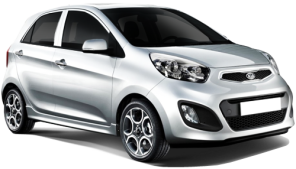
Kia Picanto or Similar

From $23.13 /day
Kia Picanto car rental in Jeju Airport (CJU)

Compact

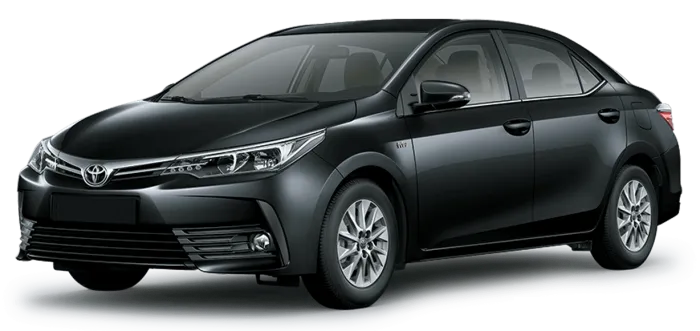
Hyundai Elantra or Similar

From $20.46 /day
Hyundai Elantra car rental in Jeju Airport (CJU)

Standard

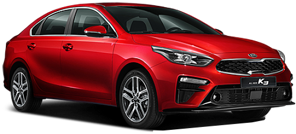
Kia K3 or Similar

From $20.46 /day
Kia K3 car rental in Jeju Airport (CJU)

Compact Suv

Hyundai Venue or Similar

From $27.36 /day
Hyundai Venue car rental in Jeju Airport (CJU)

Standard

Hyundai Sonata or Similar

From $24.16 /day
Hyundai Sonata car rental in Jeju Airport (CJU)

Standard

Kia K5 or Similar

From $24.16 /day
Kia K5 car rental in Jeju Airport (CJU)

Economy

Kia Morning or Similar

From $24.68 /day
Kia Morning car rental in Jeju Airport (CJU)

Mini

Kia Ray or Similar

From $25.11 /day
Kia Ray car rental in Jeju Airport (CJU)

Intermediate

Hyundai Avante or Similar

From $25.18 /day
Hyundai Avante car rental in Jeju Airport (CJU)

Intermediate Crossover

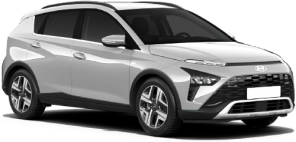
Hyundai Bayon or Similar

From $25.77 /day
Hyundai Bayon car rental in Jeju Airport (CJU)

Compact Crossover

Kia Seltos or Similar

From $30.30 /day
Kia Seltos car rental in Jeju Airport (CJU)

Full-size

Kia Cadenza or Similar

From $36.30 /day
Kia Cadenza car rental in Jeju Airport (CJU)

Compact Crossover

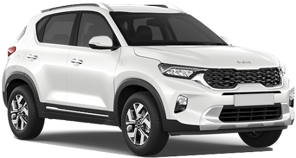
Kia Sonet or Similar

From $37.39 /day
Kia Sonet car rental in Jeju Airport (CJU)

Intermediate Suv

Kia Sportage or Similar

From $40.01 /day
Kia Sportage car rental in Jeju Airport (CJU)

Intermediate Suv

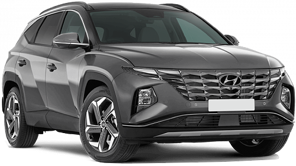
Hyundai Tucson or Similar

From $40.60 /day
Hyundai Tucson car rental in Jeju Airport (CJU)

Standard

Hyundai Grandeur or Similar

From $40.60 /day
Hyundai Grandeur car rental in Jeju Airport (CJU)

Standard Suv

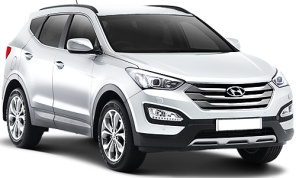
Hyundai Santa Fe or Similar

From $41.57 /day
Hyundai Santa Fe car rental in Jeju Airport (CJU)
The above prices are only approximate and were last updated at 23:58 on 09/06/26. Prices may vary based on the booking dates, length of rental, and car class.
Why Choose Us

Our Features

Discover a world of convenience, safety, and customization, paving the way for unforgettable adventures and seamless mobility solutions.

Detailed Rental Information

View complete rental terms including fuel policy, mileage limits, deposit requirements, and insurance coverage.
Best Price Deals

Our platform helps you find the most competitive car rental prices across multiple suppliers in one place.

Email Booking Confirmation

Receive instant booking confirmation and rental details directly in your email inbox.

Car Rental Service

Flexible Filter Options

Refine your search results with powerful filters to quickly find the perfect rental car for your travel needs.

Flexible Rental Options

Choose from short-term, long-term, or one-way rentals depending on your travel requirements.

Additional Driver Options

Many suppliers allow you to add additional drivers so you can share driving responsibilities.

Rental Guide

Jeju Airport (CJU), Jeju Car Rental Facts

Essential information on the best deals, rental providers, and vehicle options in Jeju Airport (CJU), Jeju.

Most Popular Agencies

Socar Jeju Airport (45%)

Socar dominates the Jeju rental market with 45% share, essential for exploring the island.

Popular Car Types

Compact (35%), SUV (30%), Convertible (15%)

Compacts are the most common and efficient. SUVs are for groups. Convertibles are popular for scenic coastal routes.

Average Rental Duration

4 Days

Rentals at CJU average 3-4 days, covering a typical Jeju Island itinerary. (Based on 8,500+ airport pickups)

Most Popular Models

Hyundai Casper, Kia Ray

The Hyundai Casper and Kia Ray are tiny, popular compact cars perfect for Jeju's roads.

Average Daily Price

$48/day

Jeju Airport rates average $48/day. It's one of the most competitive and busy rental markets in Asia.

How much does it cost to rent a car at Jeju Airport (CJU), Jeju?

Averaging the lowest prices for the economy car category, the data below shows prices for monthly comparisons.

Cheapest Month Average

Feb
Price: $42

Most Expensive Month

Oct
Price: $98

Yearly Average Price

Price: $63

Jeju Airport - Island spring and autumn peak for cherry blossoms and foliage. Summer beach season busy. Winter offers lower rates. Jeju International. Book 2-3 months ahead.


Car Rental Jeju Airport (CJU), South Korea Guide

Renting a car at Jeju Airport (CJU), South Korea, is famously straightforward and is widely considered the best way to explore Jeju Island. Unlike the mainland’s sprawling subway and train networks, Jeju’s public transport, while reliable, connects only major hubs and requires careful timing for remote attractions. Upon landing at Jeju Airport (CJU), South Korea, you’ll find the rental car counters conveniently located in the main terminal’s ground transportation area, with most major companies operating shuttles to their off-site lots just two to three minutes away. Taking a taxi for a full day’s itinerary can easily exceed $100, and bus journeys to the island’s famous hidden beaches or volcanic craters often involve transfers and long waits, making a rental car not just a luxury but a practical money-saver for anyone wanting to see more than just the hotel district.

Choosing airport pickup over a city-center location on Jeju is almost always smarter for visitors. The airport rental village consolidates over a dozen agencies, allowing for competitive pricing and 24-hour return convenience. A slight airport surcharge may apply compared to downtown locations, but it’s negligible (typically $5–$10 per day) and well worth saving you a taxi fare to a city office. The main pickup zone is at the Rental Car Terminal, a short walk from the arrivals hall. A key money-saving tip: book a car for a full 24-hour block rather than by the day. Picking up at 1:00 PM and returning at 1:00 PM the next day often costs less than two calendar-day bookings, and you avoid a late return fee.

Pickup Location Advantages Disadvantages
Jeju Airport (CJU) On-Site / Shuttle Zone Open late, quick shuttle, easy luggage transfer, many cars available Slight daily surcharge, can be busy during peak arrival times
Jeju City (Downtown) Slightly lower base rates, less crowded Extra taxi cost to reach office, shorter operating hours
Seogwipo City (South) Ideal for southern itineraries, often cheaper Not convenient if flying in/out of CJU, limited selection

Car Rentals Requirements in Jeju Airport (CJU), South Korea

Before you grab the keys, know that rental requirements at Jeju Airport (CJU), South Korea, are stricter than in many Western countries. The minimum age to rent is typically 21, but drivers under 25 often pay a “young driver surcharge” of $15–$25 per day. You need a valid driver’s license from your home country, a passport with a valid visa (or visa-free entry stamp), and a credit card in the main driver’s name – debit cards are almost never accepted. An International Driving Permit (IDP) is mandatory if your license is not in Korean or English. Even if your license has English text, many local agencies still require an IDP to satisfy their insurance. You must also present a return flight ticket or proof of departure from Jeju, as one-way rentals to the mainland are not allowed.

The most overlooked rule: your IDP must be accompanied by your original home license at all times. A photo of either won’t work. Insurance is mandatory and included in the base rate (liability), but you’ll be offered Collision Damage Waiver (CDW) and Super CDW at the counter. CDW typically carries a deductible of $300–$500, while Super CDW reduces that to zero for an extra $10–$20 daily. Korean rental companies are very thorough about documenting pre-existing damage – they will walk around the car with a tablet and mark every tiny scratch, so do the same.

Requirement Details
Minimum Age 21 years (surcharge for under 25)
Driver’s License Original home license + IDP (if not in Korean or English)
Credit Card Visa/Mastercard in driver’s name, for deposit ($300–$500)
Passport Valid, with entry stamp
Insurance Minimum Third-party liability included; CDW highly recommended

Why Rent a Car in Jeju Airport (CJU), South Korea

Jeju Island is often called “Korea’s Hawaii,” but unlike its American cousin, public transport doesn’t reach the island’s most soul-stirring places – the windswept cliffs of Sanbangsan, the hidden lava tubes of Manjanggul, or the tangerine fields that dot the countryside. Renting a car at Jeju Airport (CJU), South Korea, transforms your trip from a bus-chasing chore into a genuine adventure. The island’s coastal ring road (Route 1132) is a dream to drive: wide, well-paved, and lined with dramatic ocean views, horse pastures, and seaside cafes. For families, a car means keeping tired kids (and parents) happy with air conditioning, snack stops, and flexible naps. For couples, it’s spontaneous sunset chases and pulling over at any of the 300+ oreum (volcanic cones) for a quick hike.

Another overlooked benefit is weather flexibility. Jeju’s microclimate means it can be sunny in Jeju City while raining on Hallasan Mountain. With a car, you simply drive to the dry side of the island. And when you discover a local haenyeo (female diver) restaurant serving abalone porridge, you can stop without worrying about the next bus schedule. The freedom to visit Hallasan National Park’s multiple trailheads – each with its own parking lot – is alone worth the rental cost. Many travelers also use their rental to visit the ferry terminal to Udo Island, driving their car onto the car ferry for an extra day trip.

  • Freedom to explore remote waterfalls, craters, and coastal walks at your own pace
  • Scenic drives along Route 1132 and the winding roads of Hallasan’s southern slopes
  • Direct access to Jeju’s top attractions like Seongsan Ilchulbong and Jungmun Resort
  • Convenience for families carrying beach gear, hiking poles, or luggage between hotels
  • Cost-effective for groups of 3+ compared to taxi tours (which cost $150–$200/day)
  • Ability to sleep in and beat the tour bus crowds by arriving early to popular sites

Best Car Rental Companies in Jeju Airport (CJU), South Korea

At Jeju Airport (CJU), South Korea, you’ll find a healthy mix of global giants and trusted local brands. International names like Hertz, Avis, Enterprise, Budget, Sixt, Alamo, and Europcar all have desks at the airport rental center, offering familiar loyalty programs and English-speaking support. However, local Korean suppliers – such as Lotte Rent-a-Car, Jeju One Car, and Tamna Rent Car – often provide better rates and more flexible insurance terms. Lotte, in particular, dominates the Jeju market with a massive fleet and a mobile app that lets you skip the counter entirely if you’ve uploaded documents in advance. The key difference: locals often include unlimited mileage and standard CDW in the quoted price, while international brands might add these as extras.

Regardless of which company you choose, all operate from the same off-airport lot connected by a 2-minute shuttle bus. This levels the playing field. What matters most is checking for GPS availability – nearly all rentals include a Korean GPS, but ask for an English-unit device. Some budget local companies may charge extra for English GPS (about $5/day). Another pro tip: look for “full-to-full” fuel policies (you return it full) and avoid “full-to-empty” policies that overcharge for fuel. Below is a snapshot of what to expect.

Company Price Level (Low / Medium / High) Pros
Lotte Rent-a-Car Medium Huge fleet, English app, skip-the-counter option, excellent support
Hertz / Avis High Global loyalty points, consistent service, English GPS standard
Jeju One Car (local) Low Very cheap base rates, includes CDW, good for economy cars
Sixt Medium Premium cars, young driver friendly (under 25 okay)
Tamna Rent Car Low Locally trusted, flexible returns, no credit card hold for Korean cards (but ask for international)

Popular Car Rental Categories & Prices in Jeju Airport (CJU), South Korea

Most travelers at Jeju Airport (CJU), South Korea, opt for economy or compact cars – and for good reason. Jeju’s roads are excellent, but parking at popular spots like Hamdeok Beach or Jeongbang Waterfall can be tight, and smaller cars fit more easily. The Kia Ray (a boxy mini-car) and Hyundai Casper are local favorites, offering surprising interior space and fuel efficiency (around 50 mpg). For families or those planning to drive up Hallasan’s steeper access roads (which are paved but winding), a mid-size SUV like the Hyundai Tucson or Kia Sportage provides extra comfort. Vans (Kia Carnival) are popular for multi-generational trips, while luxury sedans (Genesis G80) are available but overkill given the island’s relaxed vibe.

Prices swing dramatically with seasons. High tourist season (late July to August, and the Lunar New Year period in Jan/Feb) can double daily rates. Low season (November to February, excluding holidays) offers the best deals, though you’ll need a jacket for coastal drives. Cherry blossom season (late March to early April) and autumn foliage (October) see moderate spikes. Booking at least 4 weeks ahead for summer saves 30–40%. Below are average daily USD rates for 2026 from Jeju Airport (CJU).

Car Type Low Season (USD/day) High Season (USD/day)
Small Car (Kia Ray / Hyundai Casper) $25–$35 $55–$75
Medium Car (Hyundai Avante / Kia K3) $35–$50 $70–$95
SUV (Hyundai Tucson / Kia Sportage) $50–$70 $100–$140
Van (Kia Carnival / Hyundai Staria) $80–$110 $150–$200
Luxury Car (Genesis G80 / BMW 3 Series) $100–$150 $200–$280
Metric Value
Cheapest Month November (post-typhoon season, before winter holidays)
Most Expensive Month August (peak summer + Korean holiday period)
Average Daily Price (all cars) $55
A Good Deal (small car) Under $30/day in low season
Cheapest Supplier (typical) Jeju One Car or Tamna Rent Car
Cheapest Car Type Kia Ray / Hyundai Casper (mini-car category)

Road Trips from Jeju Airport (CJU), South Korea

Once you pick up your rental, the island is your oyster. Here are four classic drives that start right from Jeju Airport (CJU), South Korea, each showcasing a different side of Jeju.

  • East Coast Sunrise Run: Jeju Airport (CJU) → Seongsan Ilchulbong (Sunrise Peak). 45 km, about 50 minutes. Highlights: Drive through volcanic landscapes, stop at Gimnyeong Maze Park, arrive at the peak for sunrise, then explore the nearby Udo Island ferry (cars allowed).
  • Hallasan Circuit via 5.16 Road: Jeju Airport (CJU) → Hallasan National Park (Eorimok Trail). 25 km, 35 minutes. Highlights: This scenic mountain road climbs from sea level to 1,000 meters. Park at the Eorimok lot, hike 1 hour to a breathtaking crater view, then descend to Seogwipo for lunch.
  • South Coast Waterfall Crawl: Jeju Airport (CJU) → Jungmun Resort → Cheonjiyeon Waterfall. 40 km, 1 hour. Highlights: Drive the coastal road past the Oedolgae rock, visit three major waterfalls (Cheonjiyeon, Jeongbang, and Cheonjeyeon) in one afternoon, and finish at Hwangwooji Beach.
  • Western Hills & Windmills: Jeju Airport (CJU) → Suwolbong Peak. 35 km, 45 minutes. Highlights: Less touristy – drive through tangerine farms to the western cliffs, see the Gosan Reservoir wind turbines, and hike the short trail to Suwolbong for sunset.
  • Full Coastal Ring Road (ambitious): Jeju Airport (CJU) → full 1132 loop. 200 km, 4–5 hours driving plus stops. Highlights: The classic Jeju experience – hit the east coast in the morning, south coast for lunch, west coast for sunset, and return to the airport. Allow 8–10 hours with stops.

Driving Rules in Jeju Airport (CJU), South Korea

Driving on Jeju is a joy, but you must adjust to Korean rules. South Korea drives on the right-hand side (same as the US and mainland Europe). Seatbelts are mandatory for all passengers, and children under 6 must be in an appropriate child restraint – rentals offer them for about $5/day, but reserve in advance. The legal blood alcohol limit is very strict at 0.03%, effectively zero tolerance; one beer can put you over. Road conditions are excellent, but watch for sudden fog on Hallasan’s upper roads and for black ice in winter (December–February). Winter tire laws are not mandatory for Jeju, but rental companies will often fit them automatically from December to February; you can request them at no extra cost.

Speed cameras are everywhere – both fixed and mobile. Your GPS will usually beep to warn you. Roundabouts are increasingly common but used differently: yield to traffic already in the circle, but Koreans often signal late. The most important rule: never block a pedestrian crosswalk, even when waiting at a red light – cameras catch this and fine you $40. Below are standard limits unless otherwise posted.

Road Type Speed Limit (km/h) Notes
City streets / downtown Jeju City 50 km/h (30 mph) Strictly enforced near schools (30 km/h zones)
Coastal ring road (Route 1132) 60–80 km/h (37–50 mph) Cameras at most intersections
Expressway / Highway (Route 12) 100 km/h (62 mph) Toll-free except the Airport–Seogwipo section (small toll $2–$3)
Mountain roads (Hallasan access) 40–50 km/h (25–31 mph) Sharp curves, watch for hikers crossing

Toll Roads in Jeju Airport (CJU), South Korea

Unlike the mainland, Jeju has very few toll roads. The only significant toll route is a short section of Route 1132 between Jeju Airport and the southern city of Seogwipo – a tunnel called “Jungmun Tollgate.” The cost is minimal, around $2–$3 for a passenger car. You can pay with cash (Korean won) or a credit card at the manned booth. There is no electronic toll system (like Hi-Pass) required for rental cars, though some rentals include a transponder – if yours does, simply drive through the blue Hi-Pass lane, and the fee will be added to your final bill. Most travelers just use the cash lane. Avoid the “Hi-Pass Only” lane (blue sign with a ‘H’) if you don’t have a transponder, as it triggers a $10 administrative fine. Other than that tunnel, all ring road and mountain roads are toll-free.

Parking in Jeju Airport (CJU), South Korea

Parking is surprisingly easy on Jeju compared to Seoul or Busan. Most attractions – waterfalls, beaches, museums – have large, free parking lots. The only paid zones are in downtown Jeju City (near the Dongmun Market) and central Seogwipo (near the Lee Jung Seop Culture Street). In those areas, expect to pay $1–$2 per hour at coin-operated meters or small lots. Street parking is marked with blue lines for free and white lines for paid. Never park in a yellow zone (bus stops or loading). A common challenge: parking at Hallasan’s popular trailheads like Seongpanak fills by 7:00 AM on weekends and holidays. Arrive early or use the overflow lots 1 km down the road. At Jeju Airport itself, short-term parking is available for pickup/return, but if you need to park for a week while you fly elsewhere, long-term parking is $8–$10 per day – still cheaper than a taxi round trip.

Tips for Car Rental in Jeju Airport (CJU), South Korea

  • Book early for summer and cherry blossom weeks. Rates can triple within 2 weeks of peak periods. Lock in a rate 2–3 months ahead.
  • Avoid paying for the airport shuttle “surcharge.” It’s free. Any company charging a separate airport fee is a red flag – choose another.
  • Compare local vs. international suppliers. Korean sites like Lotte Rent-a-Car (English version) often undercut global brands by 20%.
  • Choose the Super CDW if you’re nervous about scratches. Jeju’s narrow stone walls on country roads are notorious for side mirror damage.
  • Rent during the cheapest months (November or early December). You’ll get a Kia Ray for $25/day, and the island is uncrowded.
  • Check the fuel policy religiously. “Full-to-full” is fair; “full-to-empty” will overcharge you by 50%.
  • Photograph everything before driving off. Take a video of the exterior, interior, and especially the roof and wheels – Jeju’s coastal salt air can cause tiny rust spots that companies might blame on you.

Common Car Rental Mistakes Travelers Make

  • Skipping the International Driving Permit (IDP). Even if your home license is in English, many local police and rental counters at Jeju Airport (CJU), South Korea, will refuse you without an IDP. It’s a $20 document from your local auto club – just get it.
  • Assuming all insurance is the same. The free liability insurance covers damage to others, not the rental car. Without CDW, a cracked windshield from a volcanic rock chip could cost you $500.
  • Returning the car with a low tank under a “full-to-full” policy. The refueling charge from the rental company is often double the local pump price. Fill up at the gas station just outside the airport return lot.
  • Parking illegally near popular cafes. Jeju traffic police are active and ticket rental cars quickly. A $40 fine will show up on your credit card months later.
  • Not checking for a working GPS before leaving the lot. Some English GPS units have outdated maps. Drive around the block to test it; if it fails, go back and swap the unit.
  • Renting a large SUV for narrow country roads. The Kia Ray is more than enough for two people. A big SUV is a headache to park at Seongsan Ilchulbong’s tight lots.

Real Travel Experience Renting a Car in Jeju Airport (CJU), South Korea

Last October, my wife and I landed at Jeju Airport (CJU), South Korea, after a red-eye from Bangkok. Sleepy and overloaded with luggage, we had pre-booked a Kia Ray through a local agency for $28 a day. The shuttle bus from the terminal to the rental lot took two minutes. The agent spoke enough English to warn us about “black ice on Hallasan tomorrow morning” and upgraded us to a Hyundai Tucson for free because they had overbooked small cars. We drove straight to a GS25 convenience store to buy snacks and a physical map (our phone GPS was spotty near the coast). For five days, we chased waterfalls, ate black pork BBQ in a seaside village, and parked for free at every stop. The only hiccup: returning the car, we forgot to remove a parking ticket from the windshield, but the agent just laughed and threw it away. We spent $150 total on gas and tolls – less than one day of a private tour. I’ll never explore Jeju any other way.

International Driving Permit for Travelers Visiting Jeju Airport (CJU), South Korea

An International Driving Permit (IDP) is a non-negotiable requirement for most travelers renting a car at Jeju Airport (CJU), South Korea, unless your home license is issued in Korean or English by a country that follows the 1949 Geneva Convention on Road Traffic (the US, UK, Canada, Australia, and most of Europe are covered, but the permit is still strongly advised). The IDP essentially translates your license into Korean and is required by law for any foreign license not written in the Korean alphabet. You cannot obtain an IDP in South Korea – you must get it in your home country before traveling. In the US, for example, AAA and AATA are the only authorized issuers. The cost is about $20, plus passport photos. It’s valid for one year from the issue date. You must carry your original home license and the IDP together at all times; a photo or copy will not be accepted. Police checks are rare on Jeju but do happen near major festivals, and rental companies at Jeju Airport (CJU), South Korea, will scan both documents before handing over keys.

Have Questions?

Frequently Asked Questions about Car Rental at Jeju Airport (CJU)

To rent a car at Jeju Airport, you must present a valid physical driver's license. For Korean citizens, a domestic Class 2 Ordinary license or higher is required. International tourists must present a valid passport alongside an International Driving Permit (IDP) issued under the 1949 Geneva Convention. Please note that digital ID cards or mobile phone screenshots are not accepted; the physical IDP booklet is mandatory. If you hold a license from a country that has a reciprocal agreement with Korea allowing a certified translation, you must provide the original license and the notarized Korean translation. All drivers must also present a physical credit card in the primary driver's name for the security deposit. Debit cards are generally not accepted for the deposit hold.

The minimum age to rent a car in South Korea is 21 years old, and you must have held your driver's license for at least one full year. For renters under the age of 26, a Young Driver Surcharge applies at almost all rental agencies on Jeju Island. This fee typically ranges from $15 to $30 USD per day depending on the vehicle class and specific rental company policy. Additionally, renters under 25 are often restricted from renting specific vehicle categories such as full-size SUVs, premium sedans, and 12-passenger vans. Even if the website allows booking, age verification occurs at the counter, and failure to meet these requirements will result in a canceled reservation without a refund.

The security deposit hold at Jeju Airport varies by vehicle type but is strictly processed only on a physical credit card. For standard compact cars and sedans, the temporary authorization hold is usually between $300 and $500 USD. For larger vehicles such as SUVs, Kia Carnivals, or luxury imports, the hold increases significantly, ranging from $800 to $1,500 USD. This amount is not a charge but a temporary freeze on your available credit limit. The hold is released automatically upon the safe return of the vehicle with a full fuel tank and no new damage. Please ensure your credit card has sufficient available balance, as debit cards and cash deposits are not accepted for this hold.

Renters must possess an International Driving Permit (IDP) based on the 1949 Geneva Convention on Road Traffic. The IDP booklet, which is approximately the size of a passport, must be presented physically. Jeju rental counters cannot accept the newer EU-style plastic card European licenses without the accompanying paper IDP unless the license itself is printed in English. Most critically, IDPs issued under the 1968 Vienna Convention are not valid for driving in South Korea unless a reciprocal bilateral agreement exists. Tourists from countries like China, Vietnam, or the Philippines generally cannot drive with just a domestic license and translation; they must have the specific 1949 Convention IDP.

Yes, there are frequent and free shuttle buses running from the Jeju Airport arrival terminal to the designated Car Rental Complex. After exiting the baggage claim area on the first floor, proceed to Gate 2 or Gate 5. Look for the clearly marked purple and blue bus stop signs indicating 'Rent-a-Car Shuttle'. The journey to the rental complex takes approximately 5 to 7 minutes. Buses operate on a continuous loop from early morning until the last flight arrival of the night. Please do not attempt to walk to the rental offices, as the distance is substantial and pedestrian paths are not available along the airport access roads.

The standard fuel policy for rentals on Jeju Island is 'Full-to-Full'. You will receive the vehicle with a full tank of gas or a fully charged battery for electric vehicles. You are expected to return the vehicle in the same condition. If the tank is not full upon return, the rental company will refuel it for you at a premium rate, which is typically $1.50 to $2.00 USD per liter higher than the local pump price. To avoid this surcharge, refuel at any of the numerous gas stations located on the main roads just before entering the airport district. Be aware that LPG vehicles for vans require specific fueling stations which are less common than gasoline stations.

Yes, Jeju Island is a global leader in EV infrastructure, and the airport rental complex is fully equipped with high-speed DC fast chargers. If you are renting an electric vehicle such as a Hyundai Ioniq or Kia EV6, you will find dedicated charging bays in the return area. It is required that you return the EV with a State of Charge (SOC) of at least 70% to 80% to avoid a recharging service fee of approximately $25 to $40 USD. Jeju has over 3,500 public chargers island-wide, many of which are free or low-cost at government buildings and tourist sites, making EV rental a very economical and eco-friendly choice for exploring the island.

Speed limits on Jeju Island are strictly enforced by an extensive network of speed cameras and patrol cars. On the main arterial roads and the coastal circumferential road (Route 1132), the maximum speed limit is 80 km/h (50 mph), though it drops to 50-60 km/h (31-37 mph) near intersections and school zones. On the narrower interior roads and the scenic routes of the Oreum and Hallasan Mountain areas, the limit is generally 60 km/h (37 mph) or less. In urban areas like Jeju City and Seogwipo, the limit is 30-50 km/h (19-31 mph). Fines are issued via mail to the rental company and will be automatically charged to your credit card plus a hefty administration fee.

Yes, you can add one or more additional drivers to the rental agreement at Jeju Airport. There is a daily fee per additional driver, typically ranging from $5 to $10 USD. The additional driver must be present at the rental counter during pickup to present their own valid passport and International Driving Permit or Korean license. They must also meet the same minimum age and license holding period requirements as the primary driver. Adding a driver after the pickup time or over the phone is not permitted due to strict insurance verification regulations. The additional driver receives the same insurance coverage protections as the primary driver.

If you incur a traffic fine or parking ticket while renting a car in Jeju, the rental company will receive the violation notice from the Jeju Provincial Police Agency. They are legally obligated to provide your driver's license information to the authorities. The rental agency will then charge your credit card on file for the exact amount of the fine, plus an administrative processing fee that usually ranges from $25 to $40 USD per violation. This will occur weeks or even months after you have returned home. You will receive an email notification of the charge. To avoid this, be extremely vigilant about parking zones; orange lines mean no parking, and white lines indicate paid or time-restricted parking.

Because Jeju Island is a relatively small oval-shaped island with excellent road infrastructure, one-way rentals between Jeju Airport and Seogwipo City are not standard practice and are generally not offered as a fee-based service. The driving distance from the airport to the southernmost tip of the island is only about 45 km (28 miles) and takes under an hour via the expressway. Since the airport is the central hub for nearly all major rental fleets, vehicles are expected to be returned to the airport complex. While some major hotel partners in Jungmun Resort may have drop-off agreements, these must be arranged directly with the hotel concierge, not the rental website.

Yes, South Korean traffic law mandates that all children under the age of 6, regardless of height or weight, must be secured in an approved child restraint system in the rear seats. For children aged 6 to 13, seat belts are mandatory. Jeju Airport rental agencies offer child seats, booster seats, and infant carriers for rent. The cost is typically between $10 and $15 USD per day, capped at a maximum of around $80 USD per rental period. Due to high tourist demand, especially during summer and school holidays, it is essential to reserve child seats in advance. Last-minute availability at the counter is extremely limited and not guaranteed.

In the event of an accident, immediately stop the car in a safe location and turn on your hazard lights. Call 112 for Police and 119 for Fire/Medical emergencies (English interpretation is available). Do not move the vehicle until police arrive unless it is causing a severe traffic obstruction. You must contact the rental company's 24/7 emergency roadside assistance number, which is printed on the key tag and the rental agreement. For a mechanical breakdown, call the rental company first. They will dispatch a local service truck. Do not attempt repairs yourself or accept assistance from unofficial roadside mechanics, as this will void your insurance coverage.

Most rental cars at Jeju Airport are equipped with built-in Korean GPS systems that offer an English voice guidance option. However, the user interface and search function often remain in Korean characters (Hangul). The most reliable method for navigation is to use 'Naver Map' or 'Kakao Maps' on your smartphone. These apps provide full English support and accurate real-time traffic data specifically optimized for Jeju's complex local roads and one-way alleys. It is strongly recommended to rent a portable Wi-Fi egg or purchase a local SIM card at the airport arrival hall before picking up your car, as Google Maps does not provide reliable driving directions in South Korea due to local mapping restrictions.

Cancellation policies for Jeju Airport rentals vary based on the booking platform and rate plan chosen. Generally, prepaid 'Non-Refundable' rates offer the lowest price but forfeit the entire rental amount if canceled at any time. Standard flexible rates allow for free cancellation up to 48 to 72 hours before the scheduled pickup time. Cancellations made within 24 hours of pickup typically incur a penalty equal to one full day's rental charge (approximately $50 to $100 USD depending on the car). No-show reservations, where the customer does not arrive at the airport counter, are charged the full estimated rental amount and the vehicle is released after a two-hour grace period from the scheduled start time.

Taking a rental car on a ferry from Jeju Port to mainland Korea or to smaller islands like Udo or Marado is strictly prohibited by all rental car insurance policies. The insurance coverage provided with your vehicle is only valid within the land boundaries of Jeju Island (Jeju-do). If you drive the vehicle onto a ferry, the insurance becomes null and void immediately. In the event of damage during loading, unloading, or while on another island, you will be held fully liable for the entire market value of the vehicle and any third-party damages. If you wish to visit Udo Island, you must leave the rental car parked at Seongsan Port and rent an electric scooter or bicycle on the island itself.

Jeju Island does not have a network of traditional cash or ticket-based toll plazas like the mainland Korean expressways. Instead, the island utilizes an electronic toll collection system on a few specific routes, most notably the Jeju Outer Ring Road and certain tunnels. If your rental car is not equipped with a Hi-Pass transponder, you can still drive through the Hi-Pass lanes. The system photographs the vehicle's license plate, and the rental company pays the toll electronically. The total amount of tolls accrued during your rental period will be calculated at the end of your trip and charged to your credit card. This is usually a very small amount, seldom exceeding $5 to $10 USD for an entire week of driving.

The vast majority of tourist attractions, beaches, restaurants, and hotels on Jeju Island offer free, spacious parking lots. This is one of the primary advantages of renting a car versus relying on taxis or buses. There is no charge to park at Hallasan National Park trailheads, the Jeongbang Waterfall area, or the O'Sulloc Tea Museum. However, paid parking is becoming more common in the densely packed downtown areas of Jeju City (City Hall area) and Seogwipo's Lee Jung Seop Street. In these areas, you will need to use a public lot or street parking meter. Rates are affordable, generally around $1 to $2 USD per hour, payable by Korean credit card or local transport card.

For exploring Jeju, a compact SUV or a crossover like the Hyundai Kona or Kia Seltos is the ideal choice. Jeju is characterized by very narrow, winding farm roads called 'Olle Trails' and steep, tight entrances to traditional restaurants and cafes. While the main highways are smooth, the coastal roads feature many speed bumps designed to slow traffic near pedestrian areas. A smaller SUV provides the higher ground clearance necessary for these speed bumps and the occasional gravel parking lot without the difficult parking footprint of a large sedan. Full-size vans like the Kia Carnival are excellent for families but can be challenging to maneuver in the narrow alleys of Jeju City's old town.

Generally, no. Personal auto insurance policies from the United States, Canada, Europe, and Australia do not provide liability or collision coverage for rentals in the Republic of Korea. Additionally, credit card rental car insurance benefits explicitly exclude coverage in South Korea in almost all cases. Therefore, purchasing the rental company's local insurance package, known as 'Car Damage Waiver' or 'Super CDW', is mandatory for peace of mind. Basic third-party liability coverage is included by law in the rental rate. However, to reduce your financial responsibility for damage to the rental car itself (excess reduction), you must accept the Super CDW option at the counter, which costs approximately $15 to $30 USD per day.

Jeju International Airport is a strictly smoke-free facility indoors. For departing passengers after dropping off a rental car, designated outdoor smoking booths are available on the departure level curbside, specifically near Gate 3 and Gate 5. For arriving passengers picking up a rental car, smoking is only permitted in the designated glass-enclosed shelters located near the rental car shuttle bus stops outside Gates 1 and 4. Please ensure you completely extinguish cigarettes before boarding the shuttle bus. Smoking inside a rental car is strictly forbidden and will result in a minimum specialized cleaning fee of $200 to $300 USD charged to your account.

If you are meeting someone or need short-term parking near the terminal, Jeju Airport has a multi-story parking garage directly connected to the main terminal building via a sky bridge. The rate for short-term parking is approximately $1.50 USD per 30 minutes, with a daily maximum of around $15 USD. For rental car return, you do not use the airport terminal parking garage. Instead, you must drive directly to the 'Jeju International Airport Rent-a-Car Complex' located about 2 km from the terminal. There is no public parking at the rental complex itself; the lot is strictly for rental fleet inventory and customer drop-off.

Jeju Airport is one of the busiest domestic airports in the world, but security processing is remarkably efficient. For domestic flights, passengers are advised to arrive at the terminal at least 1 hour before departure. The security screening wait time rarely exceeds 15 minutes except during the Lunar New Year (Seollal) and Korean Thanksgiving (Chuseok) holidays when lines can extend to 30-40 minutes. If you are returning a rental car, factor in an additional 15 minutes for the car return inspection and the 7-minute shuttle bus ride back to the terminal. For international flights to China or Japan, arriving 2 hours prior is recommended due to customs and immigration checks.

Yes, Jeju Airport has an extensive Duty Free shopping area located airside after you pass through security screening. This is available for both international and domestic passengers, as Jeju is a Special Self-Governing Province with unique duty-free allowances for flights to the mainland. After dropping off your rental car and taking the shuttle to the terminal, check in for your flight and proceed through security. You can purchase liquor, cosmetics, and local Jeju specialties like Hallabong chocolates and omija tea without paying tax. Allow at least 20 minutes to browse before your boarding gate announcement, as the concourse is quite long.

If your navigation system or rental car GPS requires a postal code entry for Jeju International Airport, the current five-digit Korean postal code is 63126. However, most Korean navigation systems work best using the telephone number search function. For the airport, enter the telephone number 1661-2626. For the rental car complex specifically, the more accurate address is 255, Yongdam-ro, Jeju-si, and the postal code for that specific area is 63121. Using the phone number search in Naver Maps or Kakao Maps is the most reliable way to navigate to the correct rental return entrance without getting lost on the airport perimeter road.

All rental payments and security deposits at Jeju Airport are processed exclusively in South Korean Won (KRW). While the rental companies list approximate estimates in USD for convenience, the actual charge on your credit card statement will be a conversion from KRW based on the exchange rate set by your bank or card issuer on the day the transaction posts. Foreign cash (USD, EUR, JPY) is not accepted at the rental counter. Credit cards are mandatory for the deposit. The final invoice you receive at the return gate will display the total amount in KRW, which will typically be between 10% to 30% higher in USD terms depending on current foreign exchange fluctuations.

Pets are not permitted inside rental vehicles on Jeju Island unless they are secured in an airline-approved pet carrier and you have purchased the maximum level of insurance coverage. Even with a carrier, most rental agencies reserve the right to refuse service due to potential allergy issues for the next customer. If you are traveling with a service animal, you must contact the rental branch directly via phone at least 72 hours in advance to confirm acceptance. Unauthorized pets discovered at the time of return will incur a mandatory deep-cleaning and sanitization fee, which is substantial and typically starts at $250 USD and increases based on the vehicle class and fur removal time required.

After-hours returns are permitted at the Jeju Airport Car Rental Complex. When you enter the return lane, follow the signs for 'Night Return' or 'After Hours Drop'. Park the vehicle in any available spot designated for your specific rental company. Ensure all windows are rolled up, the headlights are off, and the vehicle is locked. There will be a secure drop box for keys near the office entrance or at the return booth. Insert the keys into the envelope provided in the glove compartment, write your name and the ending odometer reading on the envelope, and deposit it into the box. The vehicle will be inspected the following morning, and your final receipt will be emailed to you automatically.

While Jeju has excellent mobile coverage, GPS signals can occasionally become weak or intermittent when driving through dense forests on the slopes of Hallasan Mountain, particularly on Route 1100 and Route 5.16. This is due to the thick canopy cover. To mitigate navigation issues, it is wise to download offline maps of Jeju Island in the Naver Map or Kakao Maps app before leaving the airport Wi-Fi zone. Additionally, the major mountain roads are extremely well-signposted in both Korean and English with brown tourist signs pointing toward Hallasan National Park and the various Oreum volcanic cones. You can navigate visually with ease even if the map app lags temporarily.

Winter driving in Jeju requires extra caution, especially from December through February. While coastal areas rarely see snow, the high-altitude roads crossing Hallasan Mountain, specifically Route 1100, frequently close due to heavy snowfall and black ice. Jeju rental cars are equipped with all-season tires, but dedicated winter tires or snow chains are not standard equipment. If you plan to drive to Hallasan National Park in winter, you must check the road conditions on the Jeju Provincial Government website. Driving without proper equipment on a closed mountain road can result in a fine. It is safer to use public transportation or taxis to access the mountain trailheads during winter weather advisories.