Mini
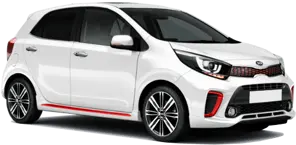
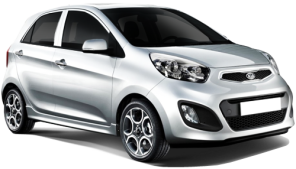
Kia Picanto
or Similar
From
$23.13/day
Compare car rental deals at Busan Downtown, Busan from trusted global suppliers. Find affordable prices and book your ideal car in minutes.








Explore our range of vehicles available in Busan Downtown.
or Similar
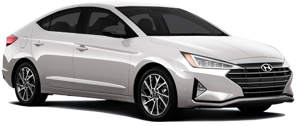
or Similar
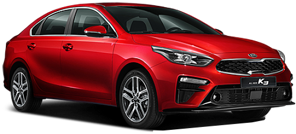
or Similar
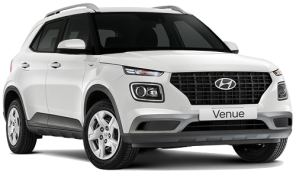
or Similar
or Similar
or Similar
or Similar
or Similar
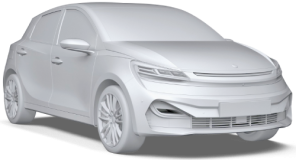
or Similar
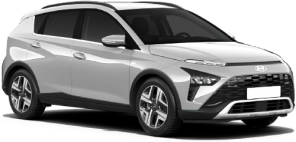
or Similar
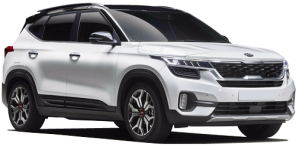
or Similar
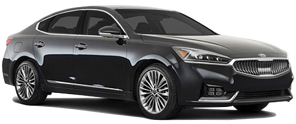
or Similar
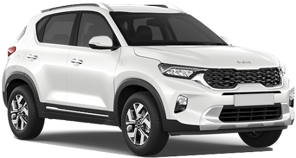
or Similar
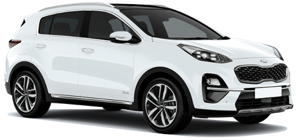
or Similar
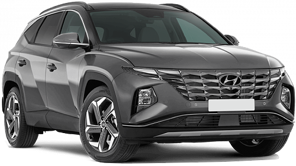
or Similar
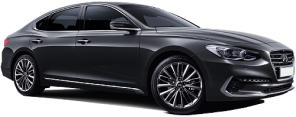
or Similar
or Similar
Prices shown are approximate and may vary by booking dates, rental duration, and vehicle class. Check booking options for current pricing.
Discover a world of convenience, safety, and customization, paving the way for unforgettable adventures and seamless mobility solutions.
Get immediate confirmation for most rentals with real-time vehicle availability.
All rental costs, taxes, insurance options, and fees are clearly displayed before booking.
Pay securely using major credit cards and other supported payment methods during booking.
Receive instant booking confirmation and rental details directly in your email inbox.
Complete your car rental reservation in just a few simple steps with instant confirmation.
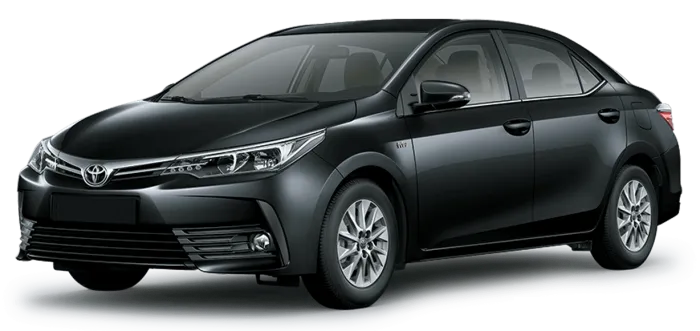
Choose from economy, compact, standard, luxury, SUV, and van categories depending on your needs.
Essential information about car rental companies, popular cars, rental duration, and prices at Busan Downtown.
Lotte leads in Busan with 40% market share, serving the city's massive port and tourism industry.
Compacts are popular for city driving. SUVs for trips to the countryside.
Downtown Busan rentals average 2-3 days for city breaks and business. (Based on 4,500+ local pickups)
The Hyundai Avante (Elantra) is a top compact. The Kia K5 is a popular midsize sedan.
Busan Downtown rates average $62/day. Navigation systems in Korean are standard.
Compare average car rental prices by month and see how rental rates vary throughout the year in Busan Downtown.
Busan Downtown - Fall foliage (October) peak. Summer beach season (July-August) busy. International Film Festival (October) causes spikes. Book 2-3 months ahead.
* Prices shown are approximate. Original prices are in USD and converted using real-time exchange rates.
Essential driving rules and requirements to know when renting a car.
Get detailed information on driving rules, licence requirements, speed limits and useful local tips.
Renting a car in Busan Downtown, South Korea offers an entirely different experience compared to Seoul. While Busan has an efficient subway and bus system, many international travelers find that having their own set of wheels unlocks the city's coastal charm and mountainous terrain in ways public transport simply cannot. The process here is streamlined for both locals and visitors, with rental desks conveniently located at major transportation hubs. However, unlike in some Western countries, picking up your vehicle directly at Gimhae International Airport (the main gateway to Busan Downtown, South Korea) often comes with a noticeable airport surcharge—sometimes adding $15 to $25 per day to your base rate. For budget-conscious travelers, taking a quick five-minute light rail ride from the airport to a city-center branch of the same rental company can shave a significant amount off the total bill.
Why do savvy travelers choose a rental car over taxis or the metro? Freedom, pure and simple. Busan Downtown, South Korea is sprawling, connected by long tunnels and coastal highways. While a taxi from Haeundae to Gamcheon Culture Village might cost you $20 one way, a daily rental often comes in under $50, giving you unlimited stops. The advantages are clear: you can chase the sunrise at Igidae Park, drive across the massive Gwangan Bridge for sunset, and spontaneously decide to head west to the Nakdong River Estuary—all without waiting for a train. The main disadvantage is parking, which we’ll cover in depth later, as central areas can be tight. The major pickup locations include Gimhae International Airport (PUS), Busan Station (in the heart of the downtown core), and Seomyeon (the bustling central business district).
Money-saving insider tip: Avoid picking up your car at the airport arrivals hall if you are on a strict budget. Instead, take the free airport shuttle or a short taxi ride to the off-airport rental location. These off-site centers in Busan Downtown, South Korea do not charge the hefty facility fee, and they often have a wider selection of economy cars.
| Pickup Location | Convenience Level | Average Daily Surcharge | Best For |
|---|---|---|---|
| Gimhae Airport (PUS) | Very High (Walk from arrivals) | $18 - $25 USD | Arriving late at night or with heavy luggage |
| Busan Station | High (KTX train hub) | $5 - $10 USD | Travelers arriving from Seoul by train |
| Seomyeon | Medium (Central subway hub) | None to $5 USD | Travelers staying in downtown hotels |
| Haeundae | Medium (Beach district) | None | Beach-focused itineraries |
Before you get behind the wheel in Busan Downtown, South Korea, you must have your paperwork in order. South Korean rental agencies are strict—far stricter than in the US or Europe—about documentation. The minimum age to rent a car here is almost universally 21, but drivers under 25 often face a "young driver surcharge" that can add $15 to $30 per day. Furthermore, you must have held your license for at least one full year. Unlike some relaxed beach towns, the rental agents in Busan Downtown, South Korea will check every single date on your documents.
Your domestic driver's license is required, but it is almost never sufficient on its own unless it is issued in Korean. International travelers absolutely need a valid passport with a valid visa (or visa-waiver entry stamp) and a credit card in the driver's name. Debit cards are rarely accepted for the deposit hold, which typically ranges from $300 to $800 USD depending on the vehicle class. The golden rule for driving legally in South Korea is the International Driving Permit (IDP). You must have a valid IDP issued by your home country's automobile association (like AAA in the US) alongside your original physical driver's license. Digital copies or photos will be rejected immediately.
| Requirement | Details |
|---|---|
| Minimum Age | 21 years (Surcharge for under 25) |
| Driver's License | Original domestic license + International Driving Permit (IDP) |
| Credit Card | Visa/Mastercard in renter's name (No prepaid cards) |
| Passport | Valid for duration of stay |
| Insurance | Collision Damage Waiver (CDW) is mandatory |
While the subway system in Busan Downtown, South Korea is world-class for getting between major neighborhoods like Seomyeon and Centum City, it struggles with the "last mile" problem. Many of Busan's most stunning attractions are perched on hillsides or nestled in coastal fishing villages where buses run infrequently. Having a rental car transforms your trip from a logistical puzzle into a relaxing vacation. Imagine loading up with fresh seafood from Jagalchi Market, driving ten minutes to a secluded cliffside viewpoint, and eating with zero crowds. That is the reality of driving here.
Furthermore, families and small groups find that renting a car is significantly cheaper than buying four subway tickets or hailing taxis multiple times a day. Busan's taxis are honest but add up quickly. A rental car also offers a reprieve from the weather; during the humid summer months or chilly winter winds, waiting on a train platform is unpleasant, whereas your rental car is a climate-controlled sanctuary. For those planning to venture outside the metro area—say to Tongyeong or Gyeongju—a car is non-negotiable for efficiency.
Key Benefits of Renting:
International travelers will recognize the familiar blue and yellow signs of Hertz and Avis, but the local Korean suppliers often provide a better value proposition in Busan Downtown, South Korea. Lotte Rent-a-Car is the dominant domestic player—they have the largest fleet and the most convenient downtown kiosks. You will also find AJ Rent-a-Car and SK Rent-a-Car (now merged with Lotte). These local companies often include full insurance packages in their quoted online price, whereas international brands tend to strip it out to look cheaper upfront.
When comparing, always look at the "Total Price" including the CDW (Collision Damage Waiver). The international giants like Hertz and Avis offer the benefit of loyalty points and English-speaking phone support, which can be a lifesaver if you get a flat tire. Enterprise and Budget have a smaller footprint here but are available at the airport. Europcar is a strong contender for luxury sedans like the Genesis G80. For most travelers, booking through a local Korean site or aggregator yields the best deal, but always verify the cancellation policy, as Korean rental terms are often 48-hour free cancellation.
| Company | Price Level (Daily Avg) | Pros |
|---|---|---|
| Lotte Rent-a-Car | Medium ($45 - $70) | Largest fleet, many downtown locations, easy GPS upgrade |
| Hertz | High ($65 - $100) | English support, loyalty points, late-night airport return |
| SK (Lotte) | Low ($35 - $55) | Best economy rates, frequent promotions for long rentals |
| Avis | High ($70 - $110) | Premium vehicles, clean cars, fast shuttle service |
| AJ Rent-a-Car | Low ($30 - $50) | Cheapest basic insurance, good for budget backpackers |
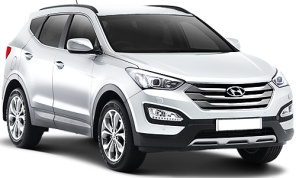
The narrow streets of the hillside villages and the tight parking garages in the downtown core mean that smaller is usually better in Busan Downtown, South Korea. While locals love their Hyundai Grandeur sedans, tourists overwhelmingly rent the "light car" category. The Kia Ray or Chevrolet Spark are ubiquitous here; they are boxy, easy to park, and surprisingly spacious inside. For families, the Hyundai Santa Fe or Kia Sorento SUVs provide the ground clearance for mountain roads and space for strollers. Vans like the Kia Carnival (11-seater) are popular for multi-generational trips but are harder to park in Seomyeon.
Prices fluctuate wildly based on the season. The "High Season" in Busan Downtown, South Korea runs from July to August (peak summer beach season) and again during the Cherry Blossom bloom in late March to early April. During the 2026 season, you can expect to pay nearly double. The "Low Season" is mid-January to February (excluding Lunar New Year) and the rainy weeks of late June, where you might find a compact car for as little as $25 per day. Holidays like Buddha's Birthday and Chuseok (Korean Thanksgiving) cause demand spikes, so book three months in advance for those weeks.
| Car Category | Average Daily Price (USD) | Example Models |
|---|---|---|
| Small / Light Car | $30 - $45 | Kia Ray, Chevrolet Spark, Hyundai Casper |
| Medium Sedan | $50 - $70 | Hyundai Avante (Elantra), Kia K3 |
| Compact SUV | $65 - $90 | Hyundai Kona, Kia Seltos, SsangYong Tivoli |
| Full Size SUV / Van | $100 - $150 | Hyundai Santa Fe, Kia Sorento, Kia Carnival |
| Luxury / Premium | $180 - $300 | Genesis G80, BMW 5 Series, Mercedes E-Class |
| Pricing Factor | Detail |
|---|---|
| Cheapest Month | February (Post-Lunar New Year) |
| Most Expensive Month | August (Summer peak & typhoon season) |
| Average Weekly Price | $280 USD (Economy) / $450 USD (SUV) |
| Good Deal Threshold | Under $35/day for a compact car |
| Cheapest Supplier | AJ Rent-a-Car or SK (via local booking) |
One of the biggest joys of renting a car in Busan Downtown, South Korea is the ability to escape the city limits and see the southeastern corner of the peninsula. Within an hour, the skyscrapers give way to rice paddies and ancient tombs. Here are the essential road trips you should consider:
Driving in South Korea is on the right side of the road, similar to the US and Europe. Steering wheels are on the left. The driving culture in Busan Downtown, South Korea is notably more aggressive than in rural areas. Locals are quick to honk if you hesitate at a green light, and lane markings are often treated as suggestions, especially on the busy Jungang-daero road. That said, drivers are generally predictable, and road conditions are excellent—paved, well-lit, and clearly signed, usually in both Korean and English.
Speed cameras are everywhere in Busan Downtown, South Korea. Do not rely on Waze alone; the cameras are usually announced by large blue signs reading "Speed Camera Enforcement." The tolerance is very low (often just 5 km/h over the limit). Fines are issued to the rental agency, who will charge your credit card plus a hefty administrative fee. Seatbelts are mandatory for all passengers, and children under 6 years old require a child restraint system (rental companies provide these for about $5 per day).
| Road Type | Speed Limit (km/h) | Notes |
|---|---|---|
| Urban Streets (Downtown) | 50 km/h (30 mph) | Strictly enforced, many speed bumps |
| Main Arterial Roads | 60 - 80 km/h | Watch for bus lane restrictions |
| Expressways (Toll) | 100 - 110 km/h | Cameras every 2-3 km |
Alcohol Limit: South Korea has a strict Blood Alcohol Content (BAC) limit of 0.03%. This is roughly one beer for a small person. The penalties are severe, including immediate license suspension and fines up to $1,000 USD. Do not drink and drive. Winter Tires: While Busan has mild winters, snow does fall occasionally. Rental cars do not automatically come with winter tires. If you are driving north to Gyeongju or Daegu between December and February, explicitly request winter tires, or you risk losing traction on black ice.
Yes, toll roads are a reality if you plan to drive efficiently around Busan Downtown, South Korea. The major expressways (like the Gyeongbu Expressway heading north or the Donghae Expressway heading east) are tolled. Additionally, the amazing underwater tunnels and massive bridges connecting the districts of Busan—such as the Gwangan Bridge (technically toll-free for driving, but has a special lane system) and the Busan Harbor Bridge—often have small tolls. However, the most common toll experience for renters is the urban expressways and tunnels that cut through the mountains to save time.
South Korea uses a sophisticated electronic toll collection system called "Hi-Pass" (하ì´íŒ¨ìŠ¤). All rental cars in Busan Downtown, South Korea are equipped with a Hi-Pass transponder as standard by 2026. You will see lanes marked with a yellow sign reading "Hi-Pass Only." Do not drive through these if you do not have the transponder activated (ask the rental agent to ensure it is on). If you do, you will get a ticket. If you enter a non-Hi-Pass lane, you pull up to a booth, take a ticket, and pay with cash (Korean Won) or credit card at the exit. Tolls are reasonable; crossing a major bridge might cost $2-$4, while driving from Busan to Seoul costs about $25 in tolls one way.
Parking is the single biggest headache for drivers in Busan Downtown, South Korea. Unlike American suburbs, most hotels in central areas like Seomyeon or Nampo-dong do not have free parking lots. Instead, they have valet services or contracts with adjacent public garages, costing between $10 and $20 USD per night. Street parking (ë…¸ìƒì£¼ì°¨) exists but is a game of luck. White lines indicate legal parking; yellow lines mean absolutely no stopping. Be extremely wary of curbs painted red or blue—these are for loading or residents only, and towing trucks are very fast and efficient in Busan.
The best strategy is to use public parking garages (ê³µì˜ì£¼ì°¨ìž¥). These are abundant near tourist sites. For example, Gamcheon Culture Village has a massive multi-story parking lot at the entrance (about $3 for 2 hours). The Jagalchi Market has underground parking. Your GPS or navigation system (which comes standard in all rentals) will list "Parking Lots" (주차장) as a Point of Interest. Always pay at the automated kiosk before returning to your car. Pro tip: In crowded areas like Gwangalli Beach on a Friday night, expect to circle for 20-30 minutes. It is often worth paying the premium for a private lot just to save the stress.
To ensure your rental experience is smooth and affordable, follow these insider tips tailored specifically for Busan Downtown, South Korea:
Even experienced travelers slip up when renting in a new country. Here are the specific pitfalls to avoid in Busan Downtown, South Korea:
Last fall, my wife and I landed at Gimhae Airport and immediately took the advice to skip the airport rental desk. A five-minute subway ride to Sasang Station got us a Kia Ray from a local supplier for just $38 a day, including full insurance. The first challenge was the navigation system—it kept trying to speak Korean despite being set to English, so we quickly switched to our phones. Driving out of the city towards Gijang, we accidentally entered a bus lane and got honked at furiously by an old man in a city bus, a lesson learned instantly. But the payoff was worth it: we found a random seaside restaurant serving raw octopus that no subway map could ever locate. On our last night, we drove up Hwangnyeongsan Mountain, joined the locals who park there to eat fried chicken in their cars, and watched the entire city of Busan sparkle below us. We returned the car with a full tank and a dirty bumper, but the agent waved off the dust. We would never do Busan any other way.
Let us be absolutely clear: you need an International Driving Permit (IDP) to legally drive a rental car in Busan Downtown, South Korea. This is not a suggestion or a "nice to have." The IDP is a United Nations-regulated booklet that translates your domestic license into 10 languages, including Korean. Even if your home license is in English (like a US or UK license), Korean police officers are legally required to see the IDP alongside the original. If you are involved in an accident without an IDP, your insurance is void, and you will be personally liable for potentially tens of thousands of dollars in damages.
Obtaining an IDP is simple but takes time. In the US, you must go to a physical AAA (American Automobile Association) office—you cannot do it online despite scam websites claiming otherwise. You need two passport photos, a $20 USD fee, and your valid driver's license. The IDP is valid for one year from the issue date. In Europe, your local automobile club (like the AA in the UK or ADAC in Germany) issues them. Plan ahead; you cannot get an IDP after you arrive in Korea. Do not lose it; treat it like your passport. When you pick up your car in Busan Downtown, South Korea, the rental agent will photocopy both your license and the IDP. Keep them on you at all times while driving.
Markers show approximate airport or town-centre areas, not confirmed rental desks.
Find airport guides for car rentals, parking, and ground transportation.
Try a different name, city, or IATA code.
Read verified customer reviews, ratings, and rental experiences from travelers who booked through Airport Car Hub.
Overall Rating
No reviews yet for this location. Be the first to share your experience!