Mini
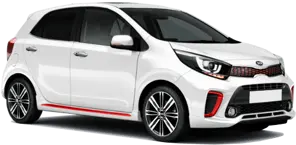
Kia Picanto
or Similar
From
$23.13/day
Compare car rental deals at Busan, South Korea from trusted global suppliers. Find affordable prices and book your ideal car in minutes.








Explore our range of vehicles available in Busan.
or Similar
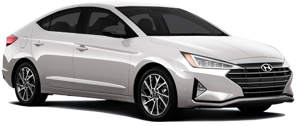
or Similar
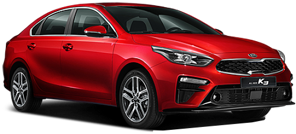
or Similar
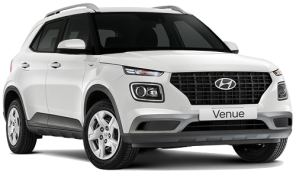
or Similar
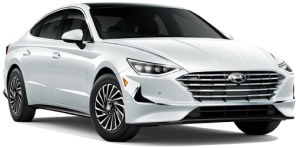
or Similar

or Similar
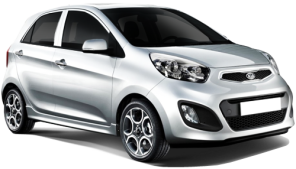
or Similar
or Similar
or Similar
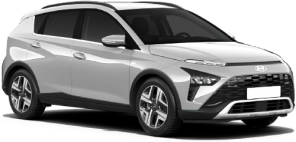
or Similar
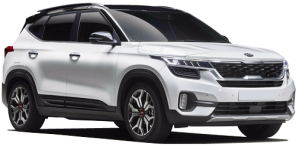
or Similar
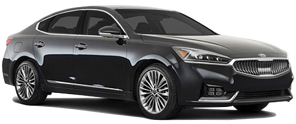
or Similar
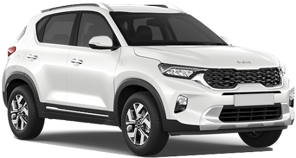
or Similar
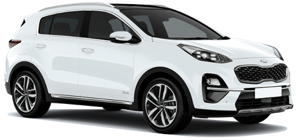
or Similar
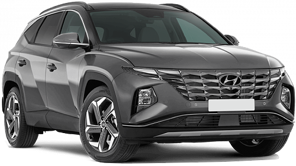
or Similar
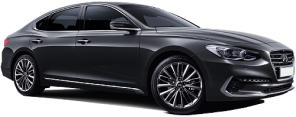
or Similar
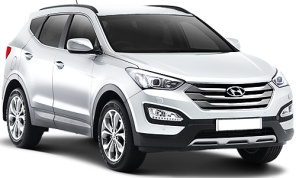
or Similar
Prices shown are approximate and may vary by booking dates, rental duration, and vehicle class. Check booking options for current pricing.
Discover a world of convenience, safety, and customization, paving the way for unforgettable adventures and seamless mobility solutions.
View complete rental terms including fuel policy, mileage limits, deposit requirements, and insurance coverage.
All rental costs, taxes, insurance options, and fees are clearly displayed before booking.
Search rental cars in thousands of locations across more than 180 countries and major travel destinations.
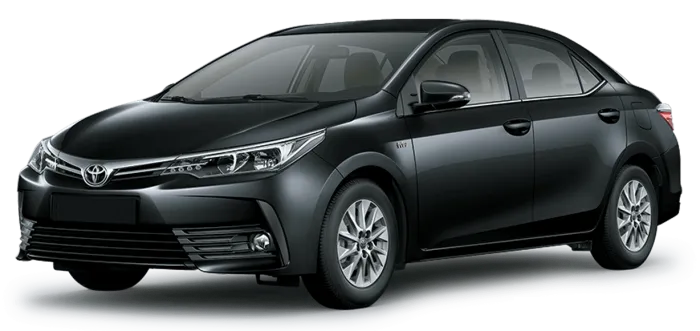
Many bookings include free cancellation up to 48 hours before pickup, giving you flexibility when travel plans change.
Refine your search results with powerful filters to quickly find the perfect rental car for your travel needs.
Access complete rental policies including driver age limits, fuel rules, and deposit conditions.
Essential information about car rental companies, popular cars, rental duration, and prices at Busan.
Lotte Rent-A-Car, affiliated with the giant Lotte conglomerate, is the dominant player in Busan. SK Rent-a-Car is the second-largest and a very popular choice. (Based on 5,800+ local pickups)
SUVs are increasingly popular for their space and versatility, especially for family travel. Compacts are still favored for city driving. Minivans are used for larger groups traveling together.
Busan rentals average 3 days. This covers long weekends to see the temples, beaches (Haeundae), and the famous Jagalchi Fish Market. (Based on 5,800+ local pickups)
The Hyundai Avante is Korea's best-selling car and the top rental choice. The Kia Sorento is a highly popular mid-size SUV for its space and features.
Busan rates average $58 USD per day. Weekly rentals from $370 USD are common for longer trips along the scenic coast.
Compare average car rental prices by month and see how rental rates vary throughout the year in Busan.
Busan fall foliage (October) peak. Summer beach season (July-August) busy. International Film Festival (October) causes spikes. Book 2-3 months ahead.
* Prices shown are approximate. Original prices are in USD and converted using real-time exchange rates.
Essential driving rules and requirements to know when renting a car.
Get detailed information on driving rules, licence requirements, speed limits and useful local tips.
Renting a car in Busan, South Korea offers a liberating alternative to the city’s excellent but sometimes crowded public transportation network. While Busan boasts a world-class subway system and frequent buses, they can become overwhelming during peak tourist seasons, especially when traveling with luggage or family. A rental car gives you the flexibility to explore hidden coastal temples, remote seafood markets, and scenic mountain passes without waiting on platforms or navigating complex transfers. Many international travelers initially hesitate, assuming driving in a major Asian city is chaotic, but Busan’s roads are well-maintained, signposts are bilingual (Korean and English), and local drivers are generally disciplined, making it a surprisingly stress-free experience.
You have two primary pickup options: Gimhae International Airport (PUS), located just west of the city center, or various downtown branches near Busan Station and Seomyeon. Picking up at the airport is incredibly convenient for those landing directly, but be aware of an airport surcharge—typically 10-15% higher than city center rates. Conversely, downtown locations often offer lower base prices and more flexible drop-off policies. A major money-saving tip is to book a car for pickup at a city center branch and drop it off at the airport; this sometimes waives one-way fees. Major rental zones include the airport, Busan Station (Choryang-dong), Haeundae Beach area, and Seomyeon’s commercial district. The table below breaks down the key differences.
| Pickup Location | Advantages | Disadvantages | Typical Price Increase (vs City) |
|---|---|---|---|
| Gimhae International Airport (PUS) | Immediate access upon arrival, large fleet selection | Airport surcharge, potential queues at peak hours | +12-18% |
| Busan Station (Central) | No surcharge, easy for KTX train arrivals | Limited weekend hours, smaller lot | Base price |
| Haeundae (East Busan) | Close to beach resorts, less traffic | Fewer car categories, may need bus to reach | +5-8% |
| Seomyeon (Downtown) | Most competitive pricing, longer operating hours | Heavy weekday traffic exiting the area | Base price |
Before you book a rental in Busan, make sure your paperwork is in order. The minimum age to rent a car in South Korea is 21 for most economy and compact vehicles, but drivers under 25 may face a young driver surcharge of approximately $15-25 USD per day. For larger SUVs or premium cars, many agencies require the driver to be at least 25 years old. You will need a valid passport, a major credit card in the driver’s name (debit cards are rarely accepted), and a full, valid driver’s license from your home country.
The most critical requirement for international travelers is the International Driving Permit (IDP). South Korean law mandates that any foreign license not issued in Korean or English must be accompanied by a valid IDP. Even if your license is in English (e.g., from the US, UK, Canada, or Australia), rental agencies almost always require an IDP for insurance and legal compliance. Police checkpoints in Busan are common, especially near tourist zones like Gamcheon Culture Village, and failing to present an IDP can result in a fine of around $300-500 USD. You must obtain the IDP in your home country before departure—it cannot be issued in South Korea.
| Requirement | Details | Notes for Travelers |
|---|---|---|
| Minimum Age | 21-25 depending on vehicle class | Under 25 pays ~$20/day surcharge |
| Driver's License | Valid home license + International Driving Permit (IDP) | IDP must be obtained before arrival |
| Credit Card | Visa, MasterCard, or American Express | Must match driver's name; no prepaid cards |
| Passport | Original passport with valid visa or visa-free entry stamp | Photocopies not accepted |
| Insurance | Collision Damage Waiver (CDW) and Liability required | Can purchase from rental agency or third-party |
Busan is South Korea’s second-largest city, sprawling along a dramatic coastline with mountains, beaches, and urban centers separated by tunnels and bridges. While the subway and buses are efficient, they often require multiple transfers to reach outer attractions like the Buddhist temple Beomeosa, the cliffs of Taejongdae, or the coastal walking trail of Haedong Yonggungsa. A rental car transforms your itinerary from a series of train schedules to a spontaneous adventure. You can chase sunrise at Igidae Park, then drive 20 minutes inland to a traditional pork soup restaurant without losing an hour on a bus. For families, the convenience is unmatched—no wrangling strollers onto crowded subway cars, and plenty of room for shopping hauls from Busan’s famous Jagalchi Fish Market.
Scenic drives around Busan are a hidden gem. The coastal road from Haeundae to Songjeong Beach offers stunning sea views and photo opportunities at every turn. Further east, the drive toward Gijang County reveals quiet fishing villages and fresh abalone restaurants that most tourists never see. Renting also allows you to combine Busan with day trips to nearby Gyeongju, the ancient capital of the Silla Kingdom, or the hot springs of Hurshimchung. Compared to the cost of multiple taxi rides—which can easily exceed $50-70 USD per day for long distances—a rental car at $40-80 USD per day is economical, especially for groups of three or more.
Travelers to Busan can choose between well-known international chains and reputable local Korean suppliers. International brands like Hertz, Avis, Enterprise, Budget, Sixt, Alamo, and Europcar have counters at Gimhae Airport and major downtown locations. They offer familiar loyalty programs, English-speaking support, and standardized insurance policies, which can be reassuring for first-time renters in Asia. However, they often come with a premium price tag, especially for one-way rentals or additional drivers.
Local Korean companies such as Lotte Rent-a-Car, AJ Rent-a-Car, and SK Rent-a-Car dominate the market and frequently offer lower rates, newer vehicle fleets, and better after-hours drop-off options. Their apps and websites often have English versions, and customer service via phone is usually available in English. The main advantage of local suppliers is price transparency—what you see online is typically the final cost, including basic insurance. The table below summarizes key differences to help you decide.
| Company | Price Level (Low / Medium / High) | Pros |
|---|---|---|
| Lotte Rent-a-Car (Local) | Low to Medium | Extensive locations, Korean navi standard, frequent promotions |
| Hertz (International) | High | Gold member upgrades, 24/7 English hotline |
| AJ Rent-a-Car (Local) | Low | Very cheap weekly rates, free child seats on request |
| Avis (International) | High | One-way rentals to Seoul available, premium SUVs |
| SK Rent-a-Car (Local) | Medium | New Hyundai/Kia models, easy online check-in |
| Europcar (International) | Medium | Good for long-term rentals (over 14 days) |
The most commonly rented vehicles in Busan are economy and compact cars, given the city’s narrow alleys in traditional neighborhoods like Nampo-dong and the tight parking spaces in Haeundae. A Hyundai Avante (Elantra) or Kia K3 is the local standard—easy to maneuver, fuel-efficient (around 40-45 MPG), and affordable. For families or groups of four, midsize SUVs like the Hyundai Tucson or Kia Sportage are popular because they handle Busan’s hilly terrain well and provide extra cargo space for beach gear or shopping. Luxury vehicles (Genesis G80, BMW 5 Series) are available but rarely used by typical tourists due to high daily rates and insurance deductibles.
Seasonal pricing varies dramatically in Busan. The high tourist season runs from late July to mid-August (summer vacation and beaches) plus the cherry blossom period in early April. During these windows, expect prices to double or triple. Low season is typically January to February (excluding Lunar New Year) and November, when daily rates can drop to as low as $25 USD for a compact car. Major holidays like Chuseok (Korean Thanksgiving, usually September or October) see massive demand—book three months in advance if you plan to rent during these dates. The tables below give average daily rates in USD, inclusive of basic insurance but excluding fuel and tolls.
| Car Category | Example Model | Low Season Daily Price (USD) | High Season Daily Price (USD) |
|---|---|---|---|
| Small Car (Economy) | Hyundai i10, Kia Morning | $25-35 | $55-80 |
| Medium Car (Compact) | Hyundai Avante, Kia K3 | $35-45 | $70-110 |
| SUV (Compact/Midsize) | Hyundai Tucson, Kia Sportage | $50-65 | $100-160 |
| Van / Family Vehicle | Kia Carnival (11-seater) | $80-100 | $150-220 |
| Luxury Car | Genesis G80, BMW 3 Series | $120-180 | $250-400 |
| Metric | Value (USD) |
|---|---|
| Cheapest Month (Avg Compact Car) | February – $32/day |
| Most Expensive Month (Avg Compact Car) | August – $105/day |
| Average Year-Round Price (Compact Car) | $58/day |
| A Good Deal (Weekday, November) | $28/day including CDW |
| Cheapest Supplier (Consistently) | AJ Rent-a-Car or Lotte (local) |
| Cheapest Car Type | Kia Morning (economy) – $25 low season |
Busan is an ideal launchpad for exploring South Korea’s southeastern region. The highway network is excellent, and within 1-3 hours you can reach historical capitals, coastal hideaways, and mountain national parks. Below are four recommended road trips, each offering a unique flavor of Korean culture and nature.
Driving in South Korea is on the right side of the road, with overtaking on the left. Speed limits are strictly enforced by fixed cameras and mobile patrols; Busan has one of the densest camera networks in the country. In urban areas, the limit is generally 50 km/h (31 mph) on most streets and 60 km/h (37 mph) on major arteries like Chungjang-daero. Residential zones and school areas often drop to 30 km/h (19 mph) and are clearly marked with orange signs. On highways, the maximum is 100 km/h (62 mph) for most sections, though some newer expressways allow 110 km/h (68 mph).
The legal blood alcohol limit is 0.03%, which is stricter than many Western countries. One glass of beer with dinner could put you over the limit, so the safest rule is zero alcohol if you plan to drive. Seatbelts are mandatory for all passengers, front and rear. Children under six years old must use an appropriate child restraint system (car seat or booster), and rental agencies provide them for around $5-10 USD per day if booked in advance. Winter tires are not legally required in Busan because snow is rare, but if you drive north toward Jirisan or the eastern mountains between December and February, you should request winter tires. Road conditions in Busan are excellent, but be cautious in the mountainous northern districts (Geumjeong-gu) where narrow, winding roads are common.
| Rule | Limit / Requirement | Typical Fine (USD) if Violated |
|---|---|---|
| Urban Speed Limit | 50 km/h (31 mph) standard, 30 km/h in school zones | $40-100 |
| Highway Speed Limit | 100-110 km/h (62-68 mph) | $50-150 |
| Blood Alcohol Content (BAC) | 0.03% maximum | $500 + license suspension |
| Seatbelt (All seats) | Mandatory | $30 per unbelted passenger |
| Child Seat | Required for under 6 years old | $50 |
Yes, toll roads are common when entering or leaving Busan, particularly the Busan-Ulsan Expressway and the Donghae Expressway heading north toward Gyeongju and Pohang. The toll system is electronic using the hi-pass (????) transponder, which is installed in almost all rental cars. A small daily fee (around $3-5 USD) is added for hi-pass usage, but it’s worth it—you can zip through dedicated lanes at 30 km/h instead of stopping at manual booths. Tolls vary by distance: driving from Gimhae Airport to Gyeongju costs approximately $6-8 USD one way, while a longer trip to Jirisan National Park might be $12-15 USD. You can also pay cash or credit card at manned booths, but this requires stopping and can add 10-15 minutes to your journey during busy hours. Your rental agency will bill tolls to your credit card after you return the car, based on hi-pass records. Always check your rental agreement to confirm the hi-pass activation fee.
Parking in Busan ranges from easy to exasperating depending on the neighborhood. In suburban areas and most hotels, free or cheap parking ($2-4 USD per hour) is available. However, in dense tourist zones like Haeundae Beach, Nampo-dong, and the Jagalchi Market area, street parking is scarce and heavily enforced by meter maids who patrol frequently. Paid parking garages are your best bet; they cost around $3-5 USD per hour or $15-25 USD for a full day. Look for the blue “P” signs. A common local trick is to park at a subway station’s public lot (many are free on weekends) and then take the train into the busiest areas. Avoid parking on red or yellow curbs—these are strictly enforced tow-away zones, and towing fees run $150-200 USD. Also note that many older hotels in central Busan have very tight underground garages; if you rent a large SUV or minivan, call ahead to confirm clearance height (usually 2.1 meters or less).
Last spring, I landed at Gimhae Airport and picked up a Hyundai Avante from a local agency’s city center branch after taking the light rail in. The agent spoke enough English to explain the hi-pass system, and I did a thorough video walk-around. My first drive was to Haedong Yonggungsa Temple at sunset—the coastal road was stunning, and I found free parking at a nearby lot. The next day, I drove to Gyeongju, but made a wrong turn near the expressway toll gate and ended up on a scenic mountain road through royal tombs. Without a rental car, I would have missed that serendipitous detour. Returning the car was easy: I filled up at a self-service gas station near Haeundae (the pump had English instructions), and the agent waived the inspection because the car was spotless. The total for four days was $210 including full insurance—cheaper than four days of taxis and infinitely more memorable.
An International Driving Permit (IDP) is a mandatory document for most foreign visitors planning to drive in Busan, South Korea. The IDP essentially translates your existing driver’s license into 10 languages, including Korean, and must be obtained in your country of residence before traveling—South Korean authorities cannot issue one to tourists. You need to visit an authorized issuing organization in your home country, such as AAA in the United States, the AA in the UK, or CAA in Canada. Bring your valid driver’s license, two passport-sized photos, and a small fee (typically $20-30 USD). The IDP is valid for one year from the date of issue, but you must also carry your original home-country license at all times. Rental agencies in Busan will photocopy both documents. Without an IDP, even if you have an English-language license, you risk having your rental contract voided and facing a fine of approximately $400 USD at a police checkpoint. Always check the issue date—an expired IDP by even one day is considered invalid.
Markers show approximate airport or town-centre areas, not confirmed rental desks.
Compare car rental prices from trusted suppliers at more pickup points across South Korea.
Find airport guides for car rentals, parking, and ground transportation.
Try a different name, city, or IATA code.
Read verified customer reviews, ratings, and rental experiences from travelers who booked through Airport Car Hub.
Overall Rating
No reviews yet for this location. Be the first to share your experience!