Cheap Car Rental Seoul, South Korea - Compare Deals & Book Instantly
Search and compare car rental prices from trusted global suppliers. Find the best deals instantly.
Why book with us?
-
Wide Fleet
Choose from economy cars, SUVs, luxury vehicles, and more.
-
Free Cancellation
Flexible booking options with free cancellation on most rentals.
-
24/7 Customer Support
Our expert team is available 24/7 to assist you with any questions or concerns.
Compare top international car rental brands and choose the best deal for your trip.






Car Rental Deals in Seoul
Choose from our wide range of vehicles available in Seoul.
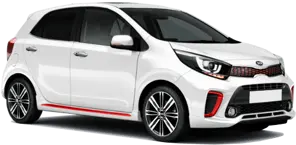
MiniKia Picanto or Similar
From
$23.13
/day
|
|
|||
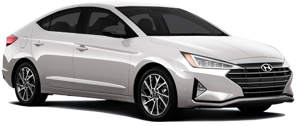
CompactHyundai Elantra or Similar
From
$20.46
/day
|
|
|||
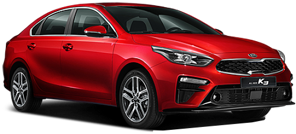
StandardKia K3 or Similar
From
$20.46
/day
|
|
|||
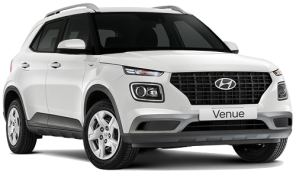
Compact SuvHyundai Venue or Similar
From
$27.36
/day
|
|
|||
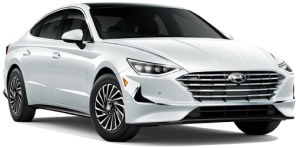
StandardHyundai Sonata or Similar
From
$24.16
/day
|
|
|||
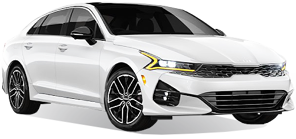
StandardKia K5 or Similar
From
$24.16
/day
|
|
|||
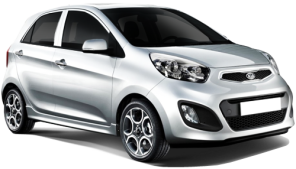
EconomyKia Morning or Similar
From
$24.68
/day
|
|
|||
MiniKia Ray or Similar
From
$25.11
/day
|
|
|||
IntermediateHyundai Avante or Similar
From
$25.18
/day
|
|
|||
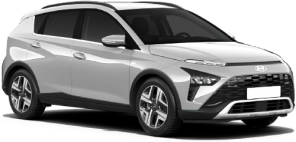
Intermediate CrossoverHyundai Bayon or Similar
From
$25.77
/day
|
|
|||
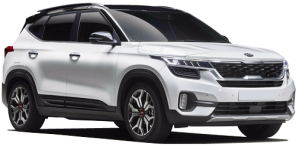
Compact CrossoverKia Seltos or Similar
From
$30.30
/day
|
|
|||
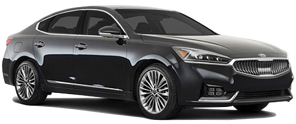
Full-sizeKia Cadenza or Similar
From
$36.30
/day
|
|
|||
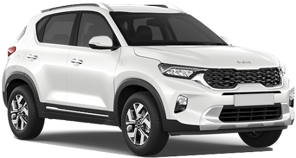
Compact CrossoverKia Sonet or Similar
From
$37.39
/day
|
|
|||
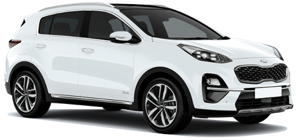
Intermediate SuvKia Sportage or Similar
From
$40.01
/day
|
|
|||
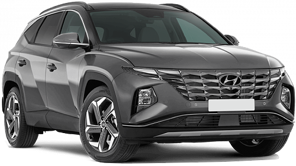
Intermediate SuvHyundai Tucson or Similar
From
$40.60
/day
|
|
|||
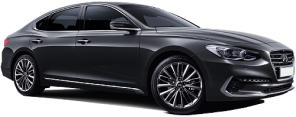
StandardHyundai Grandeur or Similar
From
$40.60
/day
|
|
|||
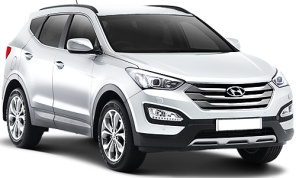
Standard SuvHyundai Santa Fe or Similar
From
$41.57
/day
|
|
|||
Our Features
Discover a world of convenience, safety, and customization, paving the way for unforgettable adventures and seamless mobility solutions.
Airport Pickup Options
Find rental cars available at major international airports for convenient pickup immediately after your arrival.
Easy Booking Management
Manage, modify, or cancel your booking easily through your confirmation link or account.
Exclusive Online Discounts
Enjoy special online deals and seasonal discounts when booking your car rental through our platform.
Vehicle Category Selection
Choose from economy, compact, standard, luxury, SUV, and van categories depending on your needs.
Multiple Currency Support
View prices and pay in various currencies for a convenient global booking experience.
Email Booking Confirmation
Receive instant booking confirmation and rental details directly in your email inbox.
Seoul, South Korea Car Rental Facts
Essential information on the best deals, rental providers, and vehicle options in Seoul, South Korea.
Most Popular Agencies
Avis leads Trelew with 35% market share, serving visitors heading to the Valdes Peninsula and Punta Tombo penguin colonies.
Popular Car Types
SUVs dominate at 50% for navigating Patagonian gravel roads to wildlife reserves. Pickup trucks popular for rural exploration.
Average Rental Duration
Trelew rentals average 4-5 days, combining Valdes Peninsula whale watching (seasonal), Punta Tombo penguin colonies, and Welsh heritage sites in Gaiman. (Based on 2,100+ local pickups)
Most Popular Models
The Toyota Hilux leads for its durability on Patagonian roads. Ford Ranger favored for wildlife reserve access.
Average Daily Price
Trelew rates average $48/day. Whale season (June-December) sees higher demand with weekly rentals from $290.
How much does it cost to rent a car at Seoul, South Korea?
Averaging the lowest prices for the economy car category, the data below shows prices for monthly comparisons.
Cheapest Month Average
JunMost Expensive Month
JanYearly Average Price
Trelew Welsh heritage and paleontology. Summer peak for tourism. Book 2 months ahead.
Driving Laws & Information for South Korea
Essential driving rules and requirements to know when renting a car
Driving Side
Right
Minimum Age
18 to drive
Blood Alcohol Limit
0.03% maximum
IDP Required?
Yes International Driving Permit
Speed Units
km/h
Seat Belt
Required
Toll Roads
Yes
Emergency
112 emergency number
Car Rental Seoul, South Korea Guide
Renting a car in Seoul, South Korea opens up a world of freedom that public transport simply can't match. While Seoul boasts one of the world's most efficient subway and bus systems, a rental car allows you to explore at your own pace, especially if you're venturing beyond the city limits or traveling with family and bulky luggage. Many travelers eventually choose a rental car over taxis (which can get expensive on long trips) and trains (which require strict scheduling) because it offers door-to-door convenience and the ability to make spontaneous stops.
You have two main pickup options: at the airport or in the city center. Picking up at Incheon International Airport (ICN) is the most popular choice for international travelers. It’s seamless, with rental counters clearly located in both Terminal 1 and Terminal 2 arrivals halls. Gimpo Airport (GMP), which handles more domestic and some regional international flights, also has multiple rental desks. City center locations are scattered throughout major districts like Myeongdong, Hongdae, and Gangnam. A key money-saving tip: airport pickups often include a surcharge of 10-20% compared to city locations, so if you’re staying in Seoul for a few days first, take public transport into the city and pick up your car on the day you plan to leave Seoul.
| Pickup Location | Advantages | Disadvantages |
|---|---|---|
| Incheon Airport (ICN) | Convenient upon arrival; large fleet selection; easy highway access | Higher daily rates; airport surcharge; busy during peak hours |
| Gimpo Airport (GMP) | Less crowded; good for domestic connections; slightly lower fees | Smaller selection; farther from central Seoul than it appears |
| Seoul Station | Excellent rail connections; central location; competitive prices | Limited parking; navigating city traffic immediately |
| Gangnam District | Modern offices; good for southern Seoul departures; often newer cars | Heavy traffic; premium pricing |
Car Rentals Requirements in Seoul, South Korea
Before you book, make sure you have all the correct documents. South Korean rental agencies are strict, and missing even one item will mean you cannot take the car. The most common hurdle for international travelers is the driver's license and International Driving Permit (IDP) combination.
You must be at least 21 years old to rent a car in Seoul, South Korea, though many companies charge a young driver fee for those under 25. A valid driver’s license from your home country is required, but unless your license is from a specific list of countries (very few), you will also need an International Driving Permit (IDP) issued in your home country before you leave. Your passport is mandatory, and you must have a credit card in the main driver’s name – debit cards are rarely accepted for the security deposit. Basic insurance (Collision Damage Waiver or CDW) is typically included in the quoted price, but always double-check as some discount platforms strip it out.
| Requirement | Details |
|---|---|
| Minimum Age | 21 years (surcharge under 25) |
| Valid Driver’s License | From your home country + International Driving Permit (IDP) |
| IDP Required? | Yes for nearly all non-Korean licenses (obtain before travel) |
| Credit Card | Visa, Mastercard, or American Express in driver’s name |
| Passport | Original passport with valid visa or visa-waiver entry stamp |
| Insurance Minimum | CDW (Collision Damage Waiver) – check your policy |
Why Rent a Car in Seoul, South Korea
Many first-time visitors wonder why they’d need a car in a city with subway signs in English, Japanese, and Chinese. The answer lies beyond the subway map. A rental car transforms your trip from a series of scheduled train rides into a true adventure. Imagine loading up and driving east to the stunning Seoraksan National Park, or heading south to the historic city of Gyeongju without dragging suitcases through transfer stations. Families with young children find rental cars invaluable – no waking a sleeping toddler to change lines, and plenty of space for strollers and snacks.
For photographers and slow travelers, a car means you can chase the golden hour light without worrying about last train times. The highway network radiating from Seoul, South Korea is modern, well-signed in English, and has clean, efficient rest stops with excellent food. While driving inside the central historic core (like Bukchon or Insadong) is challenging due to narrow streets and limited parking, having a car for the middle and outer parts of your trip – especially day trips – is a game changer.
- Freedom to Explore: Visit the Korean Demilitarized Zone (DMZ), Nami Island, or the Garden of Morning Calm on your own schedule.
- Cost-Effective for Groups: For 3-4 people, a rental car is often cheaper than four round-trip train tickets plus local taxis.
- Scenic Drives: Take the winding roads through Bukhansan National Park or coastal routes to the west.
- Convenience for Luggage: Perfect if you’re doing a multi-city trip (Seoul to Busan to Jeju via ferry).
- Weather Independence: Rainy season (late June to July) makes walking to subway stations miserable; a car keeps you dry.
- Grocery & Shopping Runs: Hit large emarts like E-Mart or Costco outside the city center without carrying bags on public transit.
Best Car Rental Companies in Seoul, South Korea
You’ll find a healthy mix of global giants and reliable local brands in Seoul, South Korea. International names like Hertz, Avis, Enterprise, Budget, Sixt, Alamo, and Europcar all have a presence, primarily at airports and major hotels. Their advantage is consistent service standards and familiar loyalty programs. However, local Korean companies such as Lotte Rent-a-Car and AJ Rent-a-Car are extremely competitive, often offering newer vehicles (Korean-made Hyundai and Kia models) and lower base prices.
Booking directly on a company’s English-language website is safe, but many travelers use comparison platforms to get an overview. The key is to look for "full coverage" or "zero excess" insurance options, as Korean roads are safe but parking can be tight. Don't automatically choose the absolute cheapest offer – check what's included.
| Company | Price Level | Pros |
|---|---|---|
| Lotte Rent-a-Car | Medium | Best local coverage; English navigation standard; easy one-way rentals |
| Hertz | High | Trusted international service; premium cars; reliable roadside assistance |
| AJ Rent-a-Car | Low | Budget-friendly; often includes free additional driver; basic but new cars |
| Avis | High | Excellent airport counters; clear insurance policies; quick pickup |
| Sixt | Medium | Great for luxury and SUV selection; modern fleet |
| Enterprise | Medium | Strong customer service; multiple city center locations |
Popular Car Rental Categories & Prices in Seoul, South Korea
Koreans love compact cars for a reason – parking spaces and narrow alleys favor smaller vehicles. The most commonly rented category is the compact or economy car, typified by the Hyundai Avante (Elantra) or Kia K3. These cars are fuel-efficient (important given local gas prices), easy to park, and more than adequate for two people with luggage. For families or groups of four, a mid-size SUV like the Hyundai Tucson or Kia Sportage is ideal, offering more cargo space for weekend trips. Vans like the Kia Carnival (a popular minivan) are perfect for 6-7 passengers or ski trips.
Pricing fluctuates dramatically. The high tourist season (spring cherry blossoms from late March to early May, and autumn foliage from mid-October to November) sees rates jump by 40-60%. Low season (deep winter except for holidays, and the rainy season in July) offers the best deals. Avoid Korean national holidays like Chuseok (fall) and Seollal (Lunar New Year) – rentals are often sold out weeks in advance and prices triple.
| Car Category | Average Daily Price (USD) |
|---|---|
| Small Car (Hyundai i10, Kia Morning) | $35 - $55 |
| Medium Car (Hyundai Avante, Kia K3) | $50 - $75 |
| SUV (Hyundai Tucson, Kia Sportage) | $70 - $110 |
| Van/Minivan (Kia Carnival, Hyundai Staria) | $90 - $150 |
| Luxury Car (Genesis G80, BMW 5 Series) | $150 - $300+ |
| Metric | Value |
|---|---|
| Cheapest Month | February (post-Lunar New Year) or July (rainy season) |
| Most Expensive Month | October (peak foliage season) |
| Average Price (all categories) | $70 per day |
| A Good Deal (per day for medium car) | Under $45 |
| Cheapest Supplier (typical) | AJ Rent-a-Car or Lotte (with early booking discount) |
| Cheapest Car Type | Economy manual (rare) or small automatic |
Road Trips from Seoul, South Korea
One of the main reasons to rent a car in Seoul, South Korea is to escape to the breathtaking countryside. The highway system radiates from the capital like spokes on a wheel, making it easy to head east, west, or south for a memorable day or weekend trip. Here are four classic drives:
- Seoul to Nami Island & Garden of Morning Calm (East): Approximately 1.5 hours (75 km) to Gapyeong. Highlights include the tree-lined lanes of Nami Island (you take a short ferry), the stunning seasonal blooms at the Garden of Morning Calm, and the retro rail bike at Gangchon. Best done as a long day trip.
- Seoul to Seoraksan National Park (Northeast): About 2.5 hours (200 km) to Sokcho. This drive takes you through tunnels and mountain valleys. Once there, ride the cable car up to Gwongeumseong Fortress for epic granite peaks. Stay overnight in Sokcho for fresh squid and sunrise views.
- Seoul to the DMZ & Paju (Northwest): Only 1 hour (50 km) from central Seoul to Imjingak Resort. You cannot drive into the civilian-restricted zone without a tour, but you can drive to the observatory parking lot and join a tour there. Visit the Third Infiltration Tunnel and Dorasan Station.
- Seoul to Suwon & Hwaseong Fortress (South): A quick 45-minute drive (40 km) to Suwon. This UNESCO World Heritage site is a massive 18th-century fortress wall you can walk along. Rent a bike or just explore the historic streets. Easy half-day trip.
- Seoul to Jeonju Hanok Village (Southwest): Approximately 2.5 hours (220 km) via the expressway. Jeonju is the food capital of Korea (try bibimbap). Stay in a traditional hanok guesthouse and wander the village's alleyways. Perfect for a two-day, one-night weekend trip.
Driving Rules in Seoul, South Korea
Driving in South Korea is on the right side of the road, and all cars have left-hand drive (steering wheel on the left). This is a relief for Americans and Europeans (except UK/Ireland). Traffic flows briskly but politely. However, Seoul itself has complex intersections, many speed cameras, and aggressive taxi drivers. Outside the capital, driving becomes much more relaxed.
Speed limits are strictly enforced by an extensive network of automated cameras. On city streets, the limit is typically 50 km/h (30 mph) or 60 km/h (37 mph). On highways, it's generally 100 km/h (62 mph) or 110 km/h (68 mph). The legal blood alcohol limit is 0.03%, which is very low – effectively, one drink is your maximum. Seatbelts are mandatory for all passengers, front and back. Child seats are legally required for children under 6 years old. Winter tires are not legally mandated across the country, but if you plan to drive to eastern mountainous regions between December and February, they are highly recommended and many rental agencies offer them as an add-on.
| Road Type | Speed Limit (km/h) |
|---|---|
| City Streets (general) | 50 km/h |
| City Arterial Roads | 60 - 80 km/h |
| Expressways (Toll) | 100 - 110 km/h |
| National Highways | 80 km/h |
Toll Roads in Seoul, South Korea
Yes, most of the best highways leading out of Seoul, South Korea are toll roads. The system is called "Hi-Pass" – an electronic toll collection similar to E-ZPass. Your rental car will almost certainly be equipped with a Hi-Pass unit (a small box on the windshield). When you rent, ask if the car includes a Hi-Pass card; if not, you can use the cash lanes or buy a prepaid card at a convenience store in a rest stop. Tolls from Seoul to Busan, for example, cost around $25 USD each way. Shorter trips like Seoul to Suwon might cost $3-5 USD. If you use the Hi-Pass lane without a functioning card, a photo of your license plate will be sent to the rental agency, who will charge you the toll plus a hefty administrative fee – so always use the correct lane.
Parking in Seoul, South Korea
Parking is the single biggest challenge of renting a car in Seoul, South Korea itself. Street parking is rare in central areas and often limited to residents with permits. You'll rely on paid parking garages and lots. Expect to pay $2-5 USD per hour in most neighborhoods, with a daily maximum of around $15-25 USD. Many hotels offer valet parking for a fee (around $10-20 per night). A local tip: look for public parking towers (????) – they look like normal buildings but are fully automated garages. You drive in, get a ticket, and your car is lifted to a spot. They are efficient but have strict height and width limits (no large SUVs or vans). Never park in a white-lined spot that says "??" (resident) – you will be towed immediately, and towing in Seoul is both expensive and time-consuming.
Tips for Car Rental in Seoul, South Korea
After renting cars in Seoul for years, here are my most practical, battle-tested tips to save money and headaches:
- Book Early (Especially for Weekends): Koreans love weekend trips. Cars at Incheon airport often sell out by Thursday for Friday pickup. Book at least 2-3 weeks in advance for best selection and price.
- Avoid Airport Surcharges: If you're staying in Seoul first, take the AREX train or airport bus into the city, then rent from a city branch like Seoul Station or Gangnam. You can save 15-30% off the airport rate.
- Always Get Complete Insurance (Zero Excess): The standard CDW often has a deductible of $500-$1000 USD. For an extra $10-20 per day, get "Super CDW" or "Full Protection" to bring that deductible to zero. It's worth the peace of mind.
- Rent During Cheaper Months: February (after Lunar New Year) and July (rainy season) have the lowest rates. Avoid late October and late April if you're on a budget.
- Check Fuel Policy: Most rentals are "full-to-full" – you pick it up full and return it full. Take a photo of the fuel gauge at pickup. There's a gas station near every major return location.
- Request an English GPS or Use Your Phone: Most cars have built-in navigation with an English language option (ask at the counter). But many travelers prefer using Waze or Google Maps (though Google Maps doesn't give walking or driving directions in South Korea – use Naver Map or Kakao Maps instead, which have English versions).
- Inspect the Car Thoroughly: Take video and photos of existing scratches, dents, and especially the tire condition and windshield. Mark any damage on the rental agreement before driving off.
Common Car Rental Mistakes Travelers Make
Even experienced travelers slip up in a new country. Avoid these frequent errors when renting in Seoul, South Korea:
- Not Getting an IDP Before Leaving Home: You cannot obtain an International Driving Permit in South Korea as a tourist. If you show up without one, you will be refused the car, no exceptions. It costs about $20 USD from AAA or your local automobile association.
- Assuming Google Maps Works for Driving: It doesn't. Google Maps navigation is crippled in South Korea due to map data restrictions. Pre-download Naver Map or Kakao Maps on your phone.
- Ignoring Toll Lanes: Accidentally driving through the Hi-Pass lane without a transponder triggers a fine. The rental company will charge you the toll plus a $20-30 admin fee.
- Renting Too Large a Car: That spacious minivan might look comfortable, but it won't fit in most inner-city parking garages. Stick to a compact or mid-size car unless you're going straight to the countryside.
- Returning the Car Late: Korean rental companies are punctual. A 30-minute lateness can trigger an extra full day's charge. Build in buffer time for Seoul traffic, especially around Incheon airport.
Real Travel Experience Renting a Car in Seoul, South Korea
Last autumn, I landed at Incheon after a red-eye flight, grabbed my luggage, and followed the signs to the rental car counters on the first floor of Terminal 1. I had booked a Kia Sportage through a local company for $80 a day with zero-excess insurance. The agent checked my passport, driver's license, and IDP, then handed me the keycard. The car was in a multi-story parking lot connected by a skybridge. I took 10 minutes to adjust the side mirrors, sync my phone to Bluetooth, and set the in-dash GPS to English. Driving out of the airport was easy – clear signs for "Seoul" on the expressway. The real test came an hour later when I tried to find my hotel in Myeongdong. I missed the turn twice, ended up in a tunnel, and finally parked in a cramped underground garage that cost $4 an hour. After checking in, I swore I’d never drive in central Seoul again – but the next morning, I drove 90 minutes east to a quiet temple in the mountains, and that solo sunrise drive made every stressful moment worth it.
International Driving Permit for Travelers Visiting Seoul, South Korea
If you hold a driver's license from any country outside of South Korea (with very rare exceptions like certain license exchange agreements), you must carry both your original national license and a valid International Driving Permit (IDP). The IDP is a small gray booklet (size of a passport) that translates your license into multiple languages, including Korean. You cannot get an IDP in South Korea – you must apply in your home country before departure. In the US, it's issued by AAA or AATA for about $20 USD. In the UK, it's the Post Office or AA. The IDP is valid for one year from issue, but you need it for every day you drive. Rental agents are very strict: no IDP, no car. Also, keep in mind that your IDP is only valid alongside your physical home license – do not pack either in checked luggage. This single document is the number one reason travelers are turned away from rental counters in Seoul, South Korea, so treat it as essential as your passport.
Car Rental Locations in Seoul
Discover More South Korea Car Rental Destinations
Other Car Rental Locations in South Korea
Major Airports in South Korea
Complete airport guides with car rental information, parking, and transportation options
Frequently Asked Questions about Car Rental in Seoul
Seoul, South Korea Car Rental Reviews & Customer Ratings
Read verified customer reviews, ratings, and rental experiences from travelers who booked through Airport Rento.
Overall Rating
No reviews yet for this location. Be the first to share your experience!