Cheap Car Rental South Korea - Compare Deals & Book Instantly
Search and compare car rental prices from trusted global suppliers. Find the best deals instantly.
Why book with us?
-
Wide Fleet
Choose from economy cars, SUVs, luxury vehicles, and more.
-
Free Cancellation
Flexible booking options with free cancellation on most rentals.
-
24/7 Customer Support
Our expert team is available 24/7 to assist you with any questions or concerns.
Compare top international car rental brands and choose the best deal for your trip.








Car Rental Deals in South Korea
Choose from our wide range of vehicles available in South Korea.
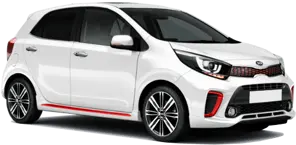
MiniKia Picanto or Similar
From
$23.13
/day
|
|
|||
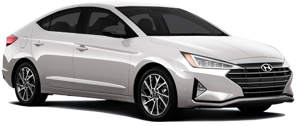
CompactHyundai Elantra or Similar
From
$20.46
/day
|
|
|||
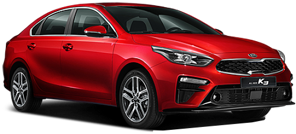
StandardKia K3 or Similar
From
$20.46
/day
|
|
|||
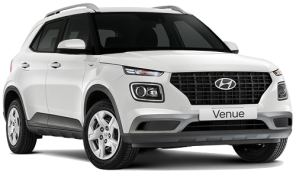
Compact SuvHyundai Venue or Similar
From
$27.36
/day
|
|
|||
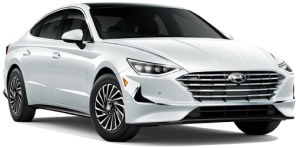
StandardHyundai Sonata or Similar
From
$24.16
/day
|
|
|||
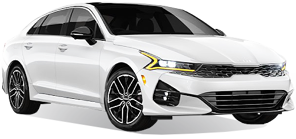
StandardKia K5 or Similar
From
$24.16
/day
|
|
|||
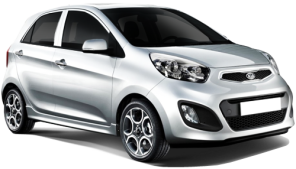
EconomyKia Morning or Similar
From
$24.68
/day
|
|
|||
MiniKia Ray or Similar
From
$25.11
/day
|
|
|||
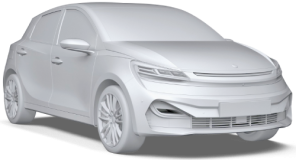
IntermediateHyundai Avante or Similar
From
$25.18
/day
|
|
|||
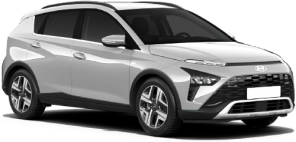
Intermediate CrossoverHyundai Bayon or Similar
From
$25.77
/day
|
|
|||
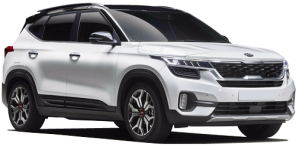
Compact CrossoverKia Seltos or Similar
From
$30.30
/day
|
|
|||
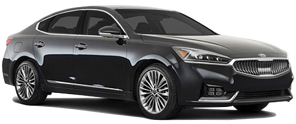
Full-sizeKia Cadenza or Similar
From
$36.30
/day
|
|
|||
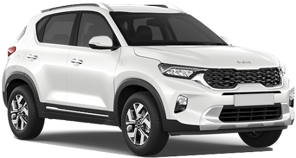
Compact CrossoverKia Sonet or Similar
From
$37.39
/day
|
|
|||
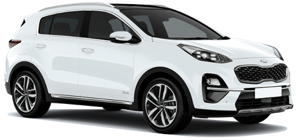
Intermediate SuvKia Sportage or Similar
From
$40.01
/day
|
|
|||
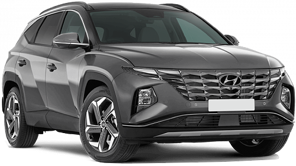
Intermediate SuvHyundai Tucson or Similar
From
$40.60
/day
|
|
|||
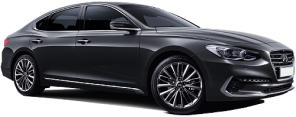
StandardHyundai Grandeur or Similar
From
$40.60
/day
|
|
|||
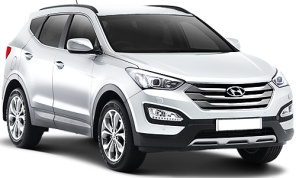
Standard SuvHyundai Santa Fe or Similar
From
$41.57
/day
|
|
|||
Our Features
Discover a world of convenience, safety, and customization, paving the way for unforgettable adventures and seamless mobility solutions.
Trusted Rental Partners
We partner with leading global and local car rental companies to ensure reliable vehicles and professional service.
Multiple Payment Options
Pay securely using major credit cards and other supported payment methods during booking.
Advanced Search Filters
Easily filter rental cars by price, vehicle type, supplier, fuel policy, mileage options, and customer ratings.
Highly Rated Suppliers
We highlight top-rated suppliers based on verified customer reviews and service quality.
Multiple Currency Support
View prices and pay in various currencies for a convenient global booking experience.
Thousands of Pickup Locations
Search from thousands of pickup locations including airports, train stations, and city centers worldwide.
South Korea Car Rental Facts
Essential information on the best deals, rental providers, and vehicle options in South Korea.
Most Popular Agencies
Lion City Rentals leads with 28% share, catering to both tourists wanting to explore beyond the city and residents needing temporary vehicles.
Popular Car Types
Compact cars are favored for city maneuverability. Luxury vehicles serve business travelers and tourists wanting to arrive in style at Marina Bay.
Average Rental Duration
Short 3-day rentals reflect Singapore's compact size and excellent public transport, with cars used mainly for weekends in Malaysia or Sentosa trips. (Based on 14,200+ local searches)
Most Popular Models
The Toyota Corolla dominates the practical rental segment. The Mercedes C-Class is preferred for business clients and special occasions.
Average Daily Price
Singapore commands premium rates averaging $72/day, reflecting high vehicle costs. Weekend rentals from $135 offer value for Malaysia road trips.
How much does it cost to rent a car at South Korea?
Averaging the lowest prices for the economy car category, the data below shows prices for monthly comparisons.
Cheapest Month Average
JanMost Expensive Month
SepYearly Average Price
F1 Grand Prix (September) causes extreme price spikes. Peak seasons (June-August, December) for tourism. Cars expensive - public transport efficient. ERP tolls apply. Book 2-3 months ahead for F1.
Driving Laws & Information for South Korea
Essential driving rules and requirements to know when renting a car
Driving Side
Right
Minimum Age
18 to drive
Blood Alcohol Limit
0.03% maximum
IDP Required?
Yes International Driving Permit
Speed Units
km/h
Seat Belt
Required
Toll Roads
Yes
Emergency
112 emergency number
Renting a Car in South Korea: A Complete Guide for International Travelers
Exploring South Korea at your own pace is one of the best ways to experience its unique blend of ancient traditions and futuristic technology. While the public transportation network is world-class, renting a car offers the freedom to venture beyond the major cities and discover hidden gems. For international travelers, the process is straightforward, but understanding the local nuances can save you time, money, and hassle. This guide provides everything you need to know about renting a car in South Korea in 2026.
Picking Up Your Rental: Airport vs. City Locations
Deciding where to pick up your rental car is one of the first and most important choices you'll make. Both airport and city locations have distinct advantages and disadvantages that can impact your budget and itinerary. Incheon International Airport (ICN) in Seoul and Gimhae International Airport (PUS) in Busan are the primary gateways, offering the widest selection of rental desks right at the arrivals level.
Picking up at the airport is incredibly convenient, especially after a long flight. You can walk directly from baggage claim to the rental counter and drive away. However, this convenience often comes with an "airport surcharge"—additional fees and taxes that can increase the total rental cost. Picking up from a city branch, on the other hand, can be more economical. Many major rental companies have offices in downtown Seoul, Busan, and other major cities. The trade-off is the extra time and effort required to reach the office with your luggage, though South Korea's excellent subway and taxi systems make this manageable. A great money-saving tip is to compare the total cost, including transportation to the city office, before booking.
Rental Pickup Location Comparison
| Location | Pros | Cons |
|---|---|---|
| Airport (e.g., ICN, PUS) | Maximum convenience, immediate access, wide selection of companies. | Higher prices due to airport surcharges and fees, can be busier. |
| City Center (e.g., Seoul, Busan) | Potentially lower rates, more flexible return hours at some locations. | Requires extra travel from the airport, navigating city traffic to start your trip. |
Seasonal Pricing and When to Book
Rental car prices in South Korea fluctuate significantly throughout the year, driven by domestic travel patterns and tourist seasons. Understanding these cycles is key to getting the best deal. The high season typically aligns with major holidays and the most pleasant weather months, causing prices to spike. Conversely, the low season offers substantial savings.
The most expensive periods are usually during the spring cherry blossom season (late March to early April) and the autumn foliage season (October to November), when domestic tourism peaks. The summer months (July and August) also see high demand, though this can be affected by the hot and humid weather and monsoon rains. The cheapest time to rent is generally during the winter (December to February), excluding the holiday period around the Lunar New Year, when many locals travel. Booking well in advance is crucial for securing a good deal, especially if you plan to travel during peak times.
Average Rental Price Comparison
| Category | Details |
|---|---|
| Cheapest Month | February (post-Lunar New Year) / November |
| Most Expensive Month | April (Cherry Blossom season) / October (Autumn leaves) |
| Average Price (per day) | $60 - $120 USD (for a standard mid-size car) |
| A Good Deal (per day) | Under $50 USD |
| Cheapest Supplier | Often local companies like Lotte Rent-a-Car or local branches of global brands. |
| Cheapest Car Type | Economy or Compact cars (e.g., Hyundai Ray, Kia Morning) |
Peak Travel Periods and Rental Demand
Rental car demand in South Korea is highest during national holidays and long weekends. The three biggest travel periods are the Lunar New Year (Seollal, typically in January or February), Chuseok (Korean Thanksgiving, typically in September or October), and the summer vacation season (July-August). During Seollal and Chuseok, millions of Koreans travel to their hometowns, causing a nationwide rush for rental cars. If your trip coincides with these dates, you must book your vehicle months in advance, or you may find no cars available at any price.
Typical Rental Duration
The typical rental duration for international travelers in South Korea ranges from 3 to 10 days. Many visitors pick up a car for a specific portion of their trip, such as a 4-5 day road trip through the countryside, while relying on public transit in major cities like Seoul. A common itinerary might involve spending a few days in Seoul, then renting a car at the airport to explore the east coast or southern provinces for a week before flying out of Busan. Shorter 2-3 day rentals are also common for weekend trips to national parks like Seoraksan.
Availability and Supplier Landscape
You'll find rental car availability is excellent throughout South Korea, particularly in urban areas and near transportation hubs. Major international brands like Hertz, Avis, and Europcar have a presence, but the market is dominated by robust local companies. The "big two" Korean suppliers are Lotte Rent-a-Car and SK Rent-a-Car, which offer competitive prices and a vast network of locations. KT Kumho Rent-a-Car is another major player. You'll find rental offices at all major airports, train stations (like KTX stations), and in every city and county, ensuring you can find a vehicle almost anywhere. However, in rural areas, the selection of car types may be more limited, so booking ahead is wise.
Quick Facts: Renting in South Korea
| Feature | Details |
|---|---|
| Main Rental Locations | Airports (ICN, PUS, CJU), KTX train stations, major city centers. |
| Major Suppliers | Lotte Rent-a-Car, SK Rent-a-Car, KT Kumho, Hertz, Avis. |
| Car Types Available | Economy, Compact, Mid-size, SUV, Luxury, Vans. |
| Average Availability | High in cities; book ahead for rural areas and peak seasons. |
| Minimum Driver Age | 21 years (with a license held for at least 1 year). Surcharges for under 25. |
Common Vehicle Categories for Travelers
Choosing the right car is essential for a comfortable journey. Here are the typical vehicle categories rented by travelers in South Korea:
- Economy Cars (e.g., Hyundai Ray, Kia Morning): Perfect for solo travelers or couples on a budget. They are incredibly fuel-efficient and easy to park in crowded city centers. Ideal for short trips and navigating narrow city streets.
- Compact Cars (e.g., Hyundai Avante/Elantra, Kia K3): The most popular choice for small families or groups of three. They offer a good balance of space, fuel economy, and comfort for both city driving and longer highway journeys.
- SUVs / 4x4 Vehicles (e.g., Hyundai Tucson, Kia Sorento, Hyundai Santa Fe): Highly recommended for trips to mountainous regions like Seoraksan National Park or for driving in the countryside during winter. They provide extra space, comfort, and better handling on varied road conditions.
- Vans or Family Vehicles (e.g., Kia Carnival): Essential for larger groups or families with significant luggage. These 7 to 11-seater vehicles offer ample space for passengers and gear, making them ideal for a comfortable group road trip.
Famous Road Trip Routes
South Korea is crisscrossed with excellent highways and scenic coastal roads, making it a fantastic destination for a road trip. Here are a few classic routes:
- The East Coast Trail (Seoul to Sokcho):
- Distance/Time: Approximately 200km, 2.5-3 hours driving (can be stretched over several days).
- Highlights: Escape the city and head east. Visit Nami Island (a stop before the mountains), then continue to Sokcho for stunning hikes in Seoraksan National Park and fresh seafood at the city's market.
- The Southern Coast Discovery (Busan to Yeosu):
- Distance/Time: Approximately 180km, 3-4 hours driving along the coastal route.
- Highlights: This route takes you through charming fishing villages, past beautiful beaches, and across dramatic bridges. Don't miss the picturesque Hadong Tea Fields and the stunning night view of the Dolsan Bridge in Yeosu.
- The Jeju Island Loop:
- Distance/Time: Approximately 180km for the full coastal circuit, 4-5 hours of driving (plan for multiple days).
- Highlights: Jeju Island is made for road trips. The entire coastal road offers breathtaking views. Must-see stops include Seongsan Ilchulbong (Sunrise Peak), the dramatic Jusangjeolli cliffs, and Hallasan Mountain, South Korea's highest peak.
Essential Driving Rules and Conditions
Driving in South Korea is generally safe and stress-free once you're outside the major metropolitan areas. Here are the key rules and conditions to be aware of:
- Driving Side: In South Korea, cars drive on the right-hand side of the road, and the driver's seat is on the left. This will feel familiar to travelers from the US and most of Europe.
- Speed Limits: Standard speed limits are strictly enforced via speed cameras.
Speed Limit Table
| Road Type | Speed Limit (km/h) |
|---|---|
| Highways (Expressways) | 100 - 110 km/h |
| National Highways | 60 - 80 km/h |
| Urban / City Roads | 50 - 60 km/h |
| Residential / School Zones | 30 km/h or lower |
- Alcohol Limit: South Korea has a zero-tolerance policy for drink driving. The legal Blood Alcohol Concentration (BAC) limit is 0.03%. It is best to avoid drinking any alcohol if you plan to drive.
- Child Seat Rules: Children under the age of 6 must use an appropriate child restraint system (car seat or booster) in the rear seat. Rental companies can provide these, but you must request them in advance.
- Road Conditions: Roads in South Korea are generally excellent, well-maintained, and clearly signposted. However, mountain roads can be winding and steep, requiring extra caution. GPS navigation systems (often called "Kimchi" in rental cars) are standard and a huge help, with English language options available in most rentals.
- Seatbelt Rules: Seatbelts are mandatory for all passengers, both in the front and back seats.
- Winter Tire Laws: There is no legal requirement to use winter tires, but they are highly recommended if you are driving in mountainous or snowy regions between December and February. Some rental companies may fit them upon request, often for an additional fee.
Toll Roads and Payment
South Korea has an extensive network of excellent toll expressways (highways) that are the fastest way to travel between major cities. Toll roads are common and well-maintained. The toll system is primarily electronic, called Hi-Pass. Most rental cars are equipped with a Hi-Pass transponder built into the rearview mirror. You can drive through the dedicated Hi-Pass lanes at reduced speed, and the toll is automatically deducted from your final rental bill or a pre-paid card provided by the rental company. If your car doesn't have Hi-Pass, you must use the general toll lanes and pay cash or card. Toll costs vary by distance but are reasonable; for example, a trip from Seoul to Busan (approx. 400km) costs around 30,000-40,000 KRW.
Major Rental Companies
You have a great choice between international and local rental companies in South Korea. Each has its advantages.
Rental Company Comparison
| Company | Price Level | Pros |
|---|---|---|
| Lotte Rent-a-Car | Low - Medium | Largest fleet in Korea, extensive branch network, often the most competitive prices, good English website. |
| SK Rent-a-Car | Low - Medium | Very similar to Lotte, massive selection of vehicles, excellent loyalty program options. |
| KT Kumho Rent-a-Car | Medium | Reliable service, good selection of vehicles, strong presence at airports. |
| Hertz / Avis / Europcar | Medium - High | Familiar booking process and service standards for international travelers, consistent quality. |
Parking Situation
Parking in South Korea is a tale of two extremes. In smaller cities and rural areas, finding a free or inexpensive parking spot is generally easy. However, in major metropolitan centers like Seoul and Busan, parking can be challenging and costly. Street parking is limited and often regulated by paid parking zones. You'll find numerous public parking garages and private lots, but they can be expensive, especially in popular areas like Myeongdong or Hongdae in Seoul. Most hotels in major cities offer parking, but it's wise to confirm if there's an extra fee. Look for blue parking signs indicating public facilities. A common challenge is the prevalence of compact, multi-story parking garages with tight spaces, which can be tricky for larger SUVs or vans.
Average Daily Rental Prices
Rental prices in South Korea are competitive, but vary based on car type, season, and booking lead time. The following are estimated average daily rates.
Daily Rental Price Guide
| Car Category | Average Daily Price (USD) |
|---|---|
| Small Cars (Economy/Compact) | $40 - $70 |
| Medium Cars (Mid-size Sedan) | $60 - $100 |
| SUVs | $80 - $150 |
| Vans (Minivans) | $100 - $200 |
| Luxury Cars (e.g., Genesis, BMW) | $150 - $300+ |
Practical Money-Saving Tips
Here are some insider tips to help you get the best value on your car rental in South Korea:
- Book Early, Especially for Peak Seasons: This cannot be overstated. For holidays like Chuseok, booking 2-3 months in advance is often necessary. Early booking also locks in lower rates.
- Compare Airport vs. City Pickup: Factor in the cost of public transport to a city office. You might save more than the surcharge.
- Utilize Korean Rental Comparison Sites: Use English-friendly comparison sites that aggregate local suppliers like Lotte and SK, as they often have the best base rates.
- Choose the Right Insurance: Check if your credit card offers rental car insurance coverage. If so, you can decline the rental company's Collision Damage Waiver (CDW) to save a significant amount per day. Always verify the terms with your card provider first.
- Consider a Compact Car: Not only are they cheaper to rent, but they are also more fuel-efficient and easier to park in cities. Only upgrade to an SUV if you genuinely need the space or plan extensive mountain driving.
- Refuel Yourself: Rental companies often offer a pre-purchase fuel option, but it's almost always cheaper to refuel the car yourself at a local gas station just before returning it. Keep the receipt as proof.
Common Traveler Mistakes
Avoid these common pitfalls to ensure a smooth rental experience:
- Skipping the IDP: Many travelers assume their national license is enough. Unless you have a license from certain countries (like the US), you legally need an International Driving Permit (IDP) alongside your home license. Driving without one can invalidate your insurance.
- Not Understanding Hi-Pass: If you drive through a Hi-Pass lane without a working transponder, you'll get a fine. Confirm with the rental agent if your car is equipped and how it's billed.
- Ignoring Navigation Setup: Take a few minutes at the rental lot to set the GPS language to English and input your first destination. Trying to do this while driving is dangerous and frustrating.
- Parking Illegally: Parking enforcement is active in cities. Don't park in spaces reserved for residents or the disabled, and always pay at public parking machines to avoid wheel clamping or towing.
- Forgetting Tolls in Your Budget: Long-distance highway driving involves significant toll costs. Factor these into your travel budget to avoid surprises.
A Traveler's Story: Discovering the Korean Countryside
Last spring, Mark, a traveler from Canada, picked up a compact Hyundai Avante at Incheon Airport after spending three days in Seoul. His goal was to see the real South Korea. He programmed his GPS for Andong, home to the historic Hahoe Folk Village. The drive was smooth on the expressway, and he breezed through the Hi-Pass toll gates. Leaving the highway, he wound through scenic countryside roads lined with cherry blossoms. He spent the night in a traditional Hanok guesthouse. The next day, he drove east along winding coastal roads to Sokcho, stopping for photos of the rugged coastline. Having the car gave him the freedom to pull over at a small mountain temple not listed in any guidebook and to eat fresh grilled eel at a seaside restaurant recommended by a local. For Mark, the rental car transformed his trip from a simple visit to a true adventure.
International Driving Permit (IDP) Requirements
An International Driving Permit (IDP) is a critical document for most international drivers in South Korea. Travelers from countries that are not signatories to the Geneva Convention on Road Traffic (or similar agreements) may have different requirements, but for the vast majority, an IDP is mandatory.
You generally need an IDP if your home country's driver's license is not in Korean and you are not a resident. Travelers from the United States can drive with a valid US license for up to one year, as the US license is recognized under a special agreement. However, it is still highly recommended to carry an IDP for clarity and ease of interaction with authorities. For most other nationalities (e.g., UK, Australia, Canada, most of Europe), an IDP is a strict legal requirement.
You must obtain the IDP in your home country before you travel to South Korea. They are typically issued by your national automobile association (like the AAA in the US or the AA in the UK) for a small fee and are valid for one year. To drive, you must carry both your valid home country driver's license and the IDP with you at all times.
Popular Cities for Car Rental in South Korea
Popular Locations for Car Rental in South Korea
Major Airports in South Korea
Complete airport guides with car rental information, parking, and transportation options
Frequently Asked Questions about Car Rental in South Korea
South Korea Car Rental Reviews & Customer Ratings
Read verified customer reviews, ratings, and rental experiences from travelers who booked through Airport Rento.
Overall Rating
clean and cheap 🚙
Verified"rent for 5 day around Seoul. car is very clean like new. gps is easy to use. price cheaper than other shop. i recommend!"
Nattapong Srisuk
bussin fr
Verified"no cap this was the cheapest rental i found. booked a morning shift whip, they gave me a hyundai. cruised through hongdae. pick up was fast. return was ez. would do it again 💯 🚗💨"
Chad Wilson
Yep. Works.
Verified"Needed a car. They had one. Price was fair. Easy."
Samuel Taylor
Voiture parfaite pour Jeju
Verified"Nous avons loué une Hyundai Santa Fe pour notre voyage à Jeju. Le processus de réservation en ligne était simple. La voiture était spacieuse pour notre famille de 4. Siège auto pour enfant fourni sans problème."
Sophie Tremblay
Easy drive to Nami Island
Verified"Rented a car just for a day trip to Nami Island and Petite France. The pickup process at Jamsil was super quick. The car was very fuel efficient. Much easier than taking the tour bus and we could stay as long as we wanted. 👍"
Kazuki Okada
Nice ride for the fam
Verified"Grabbed a Carnival for the family trip to Everland. Tons of space for 6 people and luggage. Kids loved the sunroof. Pickup was quick. Only thing is the return drop-off lane is a bit tight at Incheon."
Cooper Johnson
Hassle-free booking
Verified"Booked a compact car for a solo trip around South Korea. The website was easy to navigate and the confirmation was instant. Picked up at Gimpo Airport. Car was clean and reliable. Great experience."
Manohar Upadhyay
Decent price, no drama
Verified"Car was ready when we landed. Didn't try to upsell me on crap I didn't need. Got a Tucson, it had Android Auto so maps were sorted. Only issue was a slight smoke smell, probably from a previous renter. Nothing major."
Ben Davies
Perfect for Seoul exploring
Verified"Rented a Kia Seltos at Incheon Airport. Counter was easy to find and the car was practically new. Drove all the way to Busan and back, no issues at all. Highly recommend for anyone visiting South Korea!"
Patricia Williams
친절하고 빠른 서비스
Verified"한국을 방문하는 외국인 친구들을 위해 차를 빌렸어요. 직원분들이 영어로 자세히 설명해주셔서 친구들이 만족했어요. 차도 깨끗하고 보험 처리도 투명했습니다. 추천합니다."
Yoon Seo-yeon
Easy pickup, clean car
Verified"Straightforward rental experience. The desk is right in the arrivals hall at Incheon T1. Staff spoke perfect English. Got an upgrade to a sedan at no extra cost. Drove up to the DMZ tour meeting point. Car was spotless."
Harry Williams
Perfecte auto voor roadtrip
Verified"Van Seoel naar Gyeongju en weer terug. De auto was comfortabel en betrouwbaar. De Engelstalige navigatie was essentieel. Vriendelijk personeel bij de balie. Een aanrader."
Willem De Vries
Solid ride to the coast
Verified"Needed a car to get from Seoul to Sokcho. The Kia Carnival I booked was massive and comfortable. Fuel economy was decent. Only hiccup was finding the return bay at the airport, signs could be clearer. Good value overall."
George Cooper
Bra bil för landsbygden
Verified"Körde från Seoul till Andong och vidare till Gyeongju. Bilen var en SUV, perfekt för de mindre vägarna. AC:n var guld värd i augustivärmen. Inga problem med uthämtning eller återlämning."
Olle Johansson
スムーズでした (Smooth)
Verified"日本語対応ではなかったけど、スタッフは英語で丁寧に対応してくれた。車も綺麗で、ソウル市内の狭い道でも運転しやすい小型車を用意してくれた。また利用します。"
Towa Ogawa
Tutto perfetto a Seul
Verified"Auto noleggiata per un viaggio di lavoro. La Genesis G80 era lussuosa e perfetta per gli spostamenti tra i meeting a Gangnam. Il personale parlava inglese fluentemente. Un servizio eccellente."
Raffaele Rossi
Smooth ride in Seoul
Verified"Picked up a Sonata from the Gangnam location. The process was digital and quick. I liked the transparent pricing on the website, no hidden fees at the counter. Car drove smoothly even in the city traffic jams."
Jaxon Brown
Good local alternative
Verified"As a Korean-American visiting family, I looked at Lotte and AJ but AirportCarHub had a better rate for a mid-size SUV. The insurance terms were transparent. Car had a few minor scratches documented properly so no issues on return."
Jonah Kim
Guter Service am Flughafen
Verified"Abholung am Flughafen Incheon hat super geklappt. Das Navi war auf Englisch, was sehr hilfreich war. Sind nach Gyeongju gefahren, traumhafte Landschaft. Einziger Minuspunkt: Die Warteschlange war etwas lang. Trotzdem 5 Sterne."
Dennis Kaiser
Excelente custo-benefício
Verified"Alugamos um SUV por 2 semanas. O preço foi o melhor que encontramos comparando várias locadoras. O carro era zero km, cheiro de novo. Pegamos estrada até a costa leste. Experiência incrível."
Rafael Silva
Buen precio, coche nuevo
Verified"Alquilé un Hyundai Avante para recorrer Corea del Sur durante 10 días. El precio era mucho mejor que en otras agencias internacionales. El coche tenía menos de 5,000 km. Muy contento con el servicio. Volveré."
Adrián Montes
价格合理,车况很好
Verified"在首尔仁川机场取车,手续简单快捷。车辆非常新,里程表才几千公里。开去春川和雪岳山,一路上非常顺利。还车也很方便。下次来韩国还会选择这里。"
Tan Wei
Top für Geschäftsreisen
Verified"Habe einen Genesis für eine Geschäftsreise gemietet. Der Wagen war in einem tadellosen Zustand. Die Abholung war effizient, und die Rückgabe dauerte keine 5 Minuten. Perfekt für den professionellen Eindruck."
Frank Wagner
Super cena, polecam
Verified"Wypożyczyłem samochód na tydzień. Cena była znacznie lepsza niż w Avis czy Hertz. Samochód czysty, bez usterek. Przejechałem całe południe kraju bez problemów. Obsługa mówi po angielsku."
Adam Nowak
RAS, impeccable
Verified"Tout s'est très bien passé. Prise en charge rapide, véhicule propre et conforme à la réservation. Le GPS intégré nous a bien aidés pour visiter les palais de Séoul. Je recommande."
Clara Dubois
Parfait pour la campagne coréenne
Verified"Location d'un SUV pour explorer les temples de montagne. Le véhicule était adapté aux routes escarpées. Le wi-fi portable inclus était un vrai plus pour la navigation. Très satisfait de l'expérience."
Antoine Lefevre
Good service, minor wait
Verified"Took a bit long to get the car at Incheon around Chuseok, but understandable given the holiday rush. The staff was apologetic and efficient once we got to the counter. Car was a new Kia K8. Love that car. Will use again."
Rajiv Patel
Deadly little hatchback
Verified"Sound bunch. Got a Hyundai i30, grand little runner for getting around Seoul. Traffic is mental but the car handled it well. Pickup was swift, no messing about with paperwork. Will book again for the next trip."
Shane OBrien
Sorunsuz bir kiralama
Verified"Rezervasyon sürecinden teslim ana kadar her şey çok profesyoneldi. Aracı Seul şehir içinde birkaç gün kullandım, sonra da kırsala çıktım. Hyundai Tucson çok konforluydu. Teşekkürler."
Arda Yilmaz
Хороший сервис
Verified"Арендовал машину в Сеуле на неделю. Все прошло гладко, сотрудники помогли с настройкой навигатора на русском языке. Машина была чистая и заправленная. Рекомендую для поездок по стране."
Viktor Sorokin
Professional team in Seoul
Verified"Excellent service from the team at the Myeongdong branch. They waited for us even though we were late due to traffic. The Kia K5 was luxurious and well-maintained. Driving in Korea was a pleasure with their tips."
Mariam Al-Suwaidi
Genial para moverse por Busan
Verified"Volamos a Seúl pero cogimos el KTX a Busan y alquilamos allí. La oficina estaba cerca de la estación. El coche estaba impecable y nos permitió visitar Haedong Yonggungsa sin depender de buses. Excelente."
Gonzalo Acosta
Gutes Navi, sauberes Auto
Verified"War etwas skeptisch wegen einer lokalen Vermietung, wurde aber positiv überrascht. Das Auto war picobello sauber. Das Navi hat uns sogar vor Blitzern gewarnt. Sehr zu empfehlen für Touren abseits von Seoul."
Jan Müller
Günstig und gut
Verified"Im Vergleich zu den großen internationalen Firmen war AirportCarHub deutlich günstiger. Das Auto war ein Hyundai i30, technisch einwandfrei. Die Rückgabe am Flughafen war ein bisschen schwer zu finden, aber sonst top."
Lukas Gruber