Cheap Car Rental Rio Grande, Argentina - Compare Deals & Book Instantly
Search and compare car rental prices from trusted global suppliers. Find the best deals instantly.
Why book with us?
-
Wide Fleet
Choose from economy cars, SUVs, luxury vehicles, and more.
-
Free Cancellation
Flexible booking options with free cancellation on most rentals.
-
24/7 Customer Support
Our expert team is available 24/7 to assist you with any questions or concerns.
Compare top international car rental brands and choose the best deal for your trip.








Car Rental Deals in Rio Grande
Choose from our wide range of vehicles available in Rio Grande.
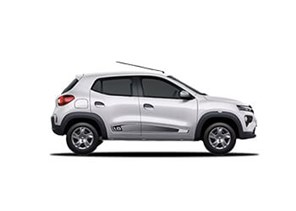
EconomyRenault Kwid Zen 1.0 or Similar
From
$24.43
/day
|
|
|||
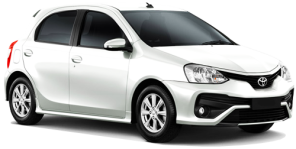
CompactToyota Etios or Similar
From
$23.94
/day
|
|
|||
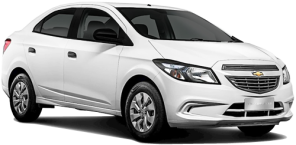
IntermediateChevrolet Prisma or Similar
From
$30.54
/day
|
|
|||
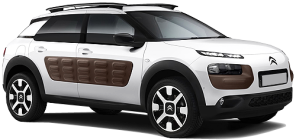
Compact SuvCitroen C4 Cactus or Similar
From
$34.01
/day
|
|
|||
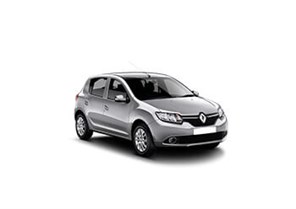
CompactRenault Sandero or Similar
From
$28.53
/day
|
|
|||
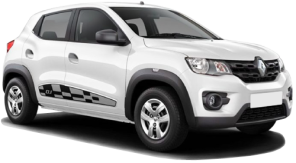
EconomyRenault Kwid or Similar
From
$29.09
/day
|
|
|||
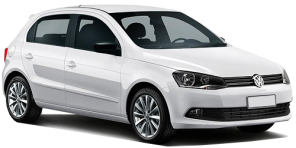
CompactVolkswagen Gol or Similar
From
$30.05
/day
|
|
|||
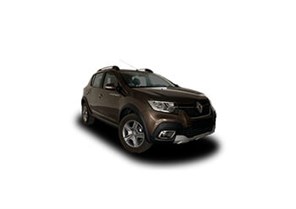
CompactRenault Sandero Stepway Intense or Similar
From
$30.07
/day
|
|
|||
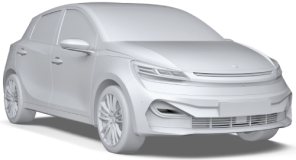
StandardFiat Cronos or Similar
From
$30.91
/day
|
|
|||
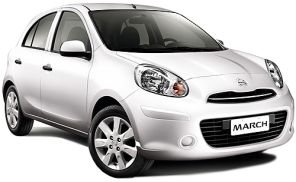
EconomyNissan March or Similar
From
$31.64
/day
|
|
|||
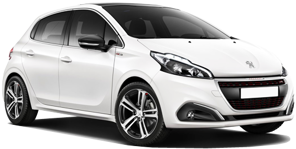
CompactPeugeot 208 or Similar
From
$32.52
/day
|
|
|||
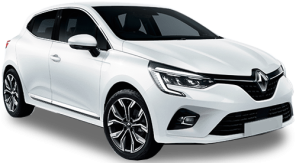
EconomyRenault Clio or Similar
From
$32.68
/day
|
|
|||
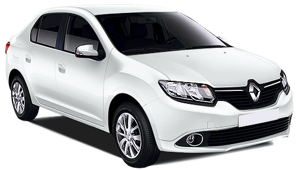
IntermediateRenault Logan or Similar
From
$33.24
/day
|
|
|||
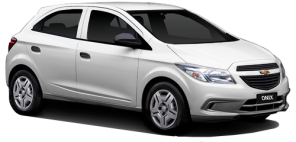
CompactChevrolet Onix or Similar
From
$33.31
/day
|
|
|||
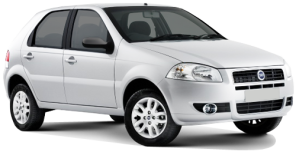
CompactFiat Palio or Similar
From
$33.58
/day
|
|
|||
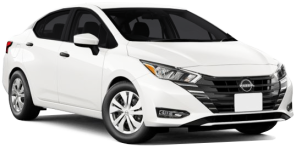
IntermediateNissan Versa or Similar
From
$33.99
/day
|
|
|||
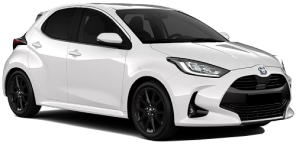
CompactToyota Yaris or Similar
From
$34.24
/day
|
|
|||
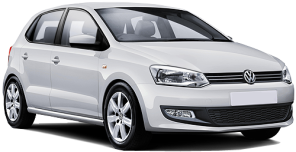
EconomyVolkswagen Polo or Similar
From
$34.66
/day
|
|
|||
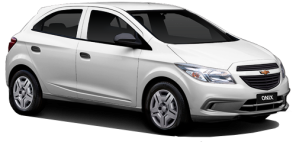
StandardGM Onix or Similar
From
$35.37
/day
|
|
|||
IntermediateCitroen Basalt or Similar
From
$35.74
/day
|
|
|||
Our Features
Discover a world of convenience, safety, and customization, paving the way for unforgettable adventures and seamless mobility solutions.
Instant Booking Confirmation
Get immediate confirmation for most rentals with real-time vehicle availability.
Multiple Currency Support
View prices and pay in various currencies for a convenient global booking experience.
Wide Vehicle Selection
Choose from economy cars, sedans, SUVs, luxury vehicles, and vans to match your travel needs and budget.
Mobile Optimized Booking
Search and book rental cars easily from any smartphone or tablet with our mobile-friendly platform.
Compare Car Rental Prices
Compare rental prices from hundreds of trusted suppliers worldwide to find the best deal for your trip.
Booking Assistance
Our support team can help you choose the right car and complete your booking if needed.
Rio Grande, Argentina Car Rental Facts
Essential information on the best deals, rental providers, and vehicle options in Rio Grande, Argentina.
Most Popular Agencies
Avis leads Trelew with 35% market share, serving visitors heading to the Valdes Peninsula and Punta Tombo penguin colonies.
Popular Car Types
SUVs dominate at 50% for navigating Patagonian gravel roads to wildlife reserves. Pickup trucks popular for rural exploration.
Average Rental Duration
Trelew rentals average 4-5 days, combining Valdes Peninsula whale watching (seasonal), Punta Tombo penguin colonies, and Welsh heritage sites in Gaiman. (Based on 2,100+ local pickups)
Most Popular Models
The Toyota Hilux leads for its durability on Patagonian roads. Ford Ranger favored for wildlife reserve access.
Average Daily Price
Trelew rates average $48/day. Whale season (June-December) sees higher demand with weekly rentals from $290.
How much does it cost to rent a car at Rio Grande, Argentina?
Averaging the lowest prices for the economy car category, the data below shows prices for monthly comparisons.
Cheapest Month Average
JunMost Expensive Month
JanYearly Average Price
Trelew Welsh heritage and paleontology. Summer peak for tourism. Book 2 months ahead.
Driving Laws & Information for Argentina
Essential driving rules and requirements to know when renting a car
Driving Side
Right
Minimum Age
18 to drive
Blood Alcohol Limit
0.00% maximum
IDP Required?
Sometimes International Driving Permit
Speed Units
km/h
Seat Belt
Required
Toll Roads
Yes
Emergency
911 emergency number
Car Rental Rio Grande, Argentina Guide
Renting a car in Rio Grande, Argentina, is often the most practical and liberating way for international travelers to experience the raw, windswept beauty of Tierra del Fuego. While the city itself has a robust public transport system of buses, it primarily serves the local urban area. A rental car transforms your trip from being confined to the city limits to having the freedom to explore the vast Patagonian steppe, the Atlantic coast, and the gateway to the southernmost reaches of the continent. For many, it's the difference between seeing Rio Grande and truly experiencing the unique landscape it calls home.
The primary and most convenient pickup point is at the Gobernador Ramón Trejo Noel International Airport (RGA), located about 5 kilometers from the city center. Picking up your car here allows you to hit the road immediately upon arrival. However, be aware that airport locations often include an additional surcharge or "airport fee," which can add 10-15% to your total cost. Alternatively, there are rental offices in the downtown area, which can be a good money-saving option if you are arriving by bus from other parts of Argentina or are already staying in the city and don't mind a short taxi ride to start your rental. A key money-saving tip for Rio Grande is to book your vehicle well in advance, especially if you plan to visit during the peak summer months (December to February) when demand from both international tourists and local travelers is at its highest, causing prices to surge.
| Pickup Location | Convenience & Considerations |
|---|---|
| Gobernador Ramón Trejo Noel Intl. Airport (RGA) | Most convenient for flyers. Wide selection of companies. Typically higher prices due to airport concession fees. Located 5 km from city center. |
| Downtown / City Center Offices | Ideal for those arriving by bus or already in the city. May offer lower rates than the airport. Requires a taxi or walk to the office. Fewer companies available. |
Car Rentals Requirements in Rio Grande, Argentina
Before you can zip off towards the Atlantic coast or the Andean foothills, you'll need to ensure you have the correct paperwork. The rental process in Argentina is formal and requires specific documentation. The minimum age to rent a car in Rio Grande is typically 21 years old, but drivers under 25 are almost always subject to a "young driver fee," which can add a significant daily cost. A valid driver's license from your home country is accepted for short stays, but it is highly recommended to also obtain an International Driving Permit (IDP). While not strictly required for all nationalities, an IDP provides a Spanish translation of your license and can be crucial during police checks or when dealing with local authorities, making the process smoother and avoiding potential fines.
A credit card in the main driver's name is an absolute necessity. Most rental companies will block a substantial deposit (often $500 to $1,000 USD or more) on the card at the start of the rental. Debit cards are rarely accepted for the deposit. You will also need to present your valid passport with the entry stamp received upon arriving in Argentina. Regarding insurance, the rental price will usually include a basic level of third-party liability (known as "Seguro Obligatorio"), but this often comes with a very high deductible. It is strongly advised to purchase additional coverage, either through the rental company (Collision Damage Waiver - CDW, and Theft Protection - TP) or via a third-party insurer, to reduce your financial responsibility in case of an accident or theft.
| Requirement | Details |
|---|---|
| Minimum Age | 21 years. Drivers under 25 pay a young driver surcharge. |
| Driver's License | Valid home country license. An International Driving Permit (IDP) is strongly recommended. |
| Credit Card | Required in the main driver's name for the security deposit. |
| Passport | Valid passport with Argentine entry stamp. |
| Insurance | Basic liability included. CDW and Theft Protection recommended to lower the deductible. |
Why Rent a Car in Rio Grande
Renting a car in Rio Grande unlocks the true spirit of Tierra del Fuego. While the city is a functioning industrial and commercial hub, its soul is intrinsically linked to the untamed landscape that surrounds it. Public transport simply doesn't reach the most breathtaking spots—the deserted beaches where you can find ancient shell middens, the secluded fishing spots on the Rio Grande itself, or the viewpoints overlooking the straits. With your own vehicle, you are no longer a passive passenger but an active explorer, able to chase the sun, stop to photograph a flock of rheas, or simply enjoy the profound silence of the Patagonian steppe on your own schedule.
The region is also a paradise for anglers, particularly fly fishermen drawn to the legendary sea-run brown trout of the Rio Grande. A rental car is essential for accessing the various lodges and private fishing beats along the river. For families or small groups, the cost of a rental car often compares favorably to booking multiple taxis or private transfers for day trips to places like the historic town of Tolhuin or the Atlantic coast at Cabo Peñas. It provides a comfortable, private space to travel with all your gear, whether that's fishing equipment, hiking boots, or provisions for an impromptu picnic.
- Unmatched Freedom: Create your own itinerary and explore remote areas at your own pace.
- Access to World-Class Fishing: Essential for reaching the famous fly-fishing spots along the Rio Grande and its tributaries.
- Scenic Drives: Experience the dramatic transition from coastal steppe to the foothills of the Andes on the way to Tolhuin.
- Coastal Exploration: Easily visit Cabo Peñas and other wild, windswept beaches along the Atlantic.
- Convenience for Families: Transport everyone and everything comfortably without relying on public transport schedules.
- Gateway to Ushuaia: While a long drive, having a car allows for a spectacular overland journey to the "End of the World," stopping at highlights like Lago Fagnano along Ruta Nacional 3.
Best Car Rental Companies in Rio Grande, Argentina
Travelers to Rio Grande will find a mix of familiar global brands and reliable local agencies. The major international players like Hertz, Avis, and Budget have a presence, typically at the airport, offering the consistency of service and fleet quality that many travelers appreciate. You might also find Localiza, a leading South American company with a strong reputation in Argentina, often providing competitive rates and good local knowledge. The choice often comes down to price versus the peace of mind of a major international brand.
Booking through well-known price comparison websites is a great strategy to get an overview of the market and find the best deal. This allows you to easily weigh the price level of a local company against the offerings of a multinational one. When comparing, look beyond the daily rate. Pay close attention to the included mileage (unlimited is a must in this vast region), the fuel policy, and the deductible on the insurance. A slightly higher daily rate from a company like Avis might actually be a better deal if it includes a lower excess or more comprehensive coverage compared to a cheaper local competitor.
| Company | Price Level (Low/Medium/High) | Pros |
|---|---|---|
| Avis / Hertz | High | Reliable fleets, extensive international backing, easy to book online, consistent service standards. |
| Budget | Medium | Often more competitive pricing than parent company Avis, good for cost-conscious travelers who still want a global brand. |
| Localiza | Medium | Strong regional presence, excellent local support, often has well-maintained, newer vehicles suited for local conditions. |
| Local Agencies | Low / Medium | Potentially the cheapest rates, may offer more flexible terms, can provide very personalized service. |
Popular Car Rental Categories & Prices in Rio Grande, Argentina
Choosing the right car for your Rio Grande adventure is crucial. The most popular choices are compact SUVs or pick-up trucks. These vehicles offer a higher ground clearance, which is invaluable if you plan to venture onto the many gravel roads (ripio) that lead to fishing spots or more remote coastal areas. They are also better suited to handling the strong crosswinds that are a common feature of the region. For travelers sticking mainly to the paved roads between Rio Grande, Tolhuin, and Ushuaia, a mid-size sedan or compact car is perfectly adequate and will be more fuel-efficient.
Prices in Rio Grande fluctuate significantly with the seasons. The high season, from December to February, sees a surge in demand, pushing average daily rates up. The low season (April to September) offers the most affordable prices, though travelers must be prepared for colder, windier, and potentially snowy conditions. The shoulder months of October, November, and March offer a great balance of reasonable weather and more moderate prices. Always factor in the cost of fuel (nafta), which in 2026 is subsidized in Argentina but still a considerable expense for long journeys.
| Car Category | Average Daily Price (USD) | Typical Model |
|---|---|---|
| Small Car (e.g., Fiat Mobi) | $45 - $70 | Fiat Mobi, Renault Kwid |
| Medium Car (e.g., Chevrolet Cruze) | $60 - $90 | Chevrolet Cruze, Toyota Corolla |
| SUV (e.g., Ford EcoSport) | $80 - $130 | Ford EcoSport, Renault Duster |
| Pick-up Truck (e.g., Toyota Hilux) | $100 - $170 | Toyota Hilux, Ford Ranger |
| Luxury / 4x4 (e.g., Toyota SW4) | $150 - $250+ | Toyota SW4, Ford Territory |
| Pricing Factor | Details |
|---|---|
| Cheapest Month | May or June (early winter, lowest tourist demand) |
| Most Expensive Month | January or February (peak summer, high international & domestic travel) |
| Average Rental Price | $70 - $100 USD per day for a standard SUV |
| A Good Deal | $55 USD per day for a compact car in low season |
| Cheapest Supplier | Often smaller local agencies, but always compare total price |
| Cheapest Car Type | Economy/Compact cars (e.g., Fiat Mobi, Renault Sandero) |
Road Trips from Rio Grande, Argentina
Rio Grande is the perfect starting point for some of the most iconic road trips in South America. The long, straight highways and dramatic scenery make every journey an unforgettable experience. Here are a few classic routes to consider:
- Rio Grande to Tolhuin: This is a scenic 110 km (approx. 1.5 hours) drive south on Ruta Nacional 3. The road hugs the eastern shore of Lago Fagnano (also known as Cami Lake) for a stretch, offering incredible views. Tolhuin is famous for its "Panadería La Unión," a massive bakery that's a must-stop for travelers. This is a perfect half-day or full-day trip.
- Rio Grande to Ushuaia (via Tolhuin): The ultimate Tierra del Fuego road trip. This is a 260 km (approx. 3.5-4 hours) journey along RN3. Beyond Tolhuin, the road climbs through the dramatic Garibaldi Pass, offering a breathtaking view of Lago Escondido before descending towards the Beagle Channel and Ushuaia. This is best done as an overnight or multi-day trip.
- Rio Grande to Cabo Peñas: Head east from the city towards the Atlantic coast. This short but rewarding trip (approx. 30 km) takes you to a remote lighthouse and a beautiful, windswept coastline. It's a great spot to see cormorants, seabirds, and experience the raw power of the Atlantic.
- The Atlantic Coastal Route (Ruta Complementaria "A"): For the more adventurous, explore the network of gravel roads north of Rio Grande along the coast. This requires a high-clearance vehicle and leads to remote estancias, deserted beaches, and a true sense of isolation. Proper planning and a full tank of fuel are essential.
Driving Rules in Rio Grande, Argentina
Driving in Argentina is on the right-hand side. The rules of the road are similar to those in Europe and North America, but the driving style can be more assertive. Seatbelts are mandatory for all occupants. Child seats are required by law for children under a certain age/size, and you must request one from the rental company in advance. The legal blood alcohol limit is very low, at 0.0% for drivers, meaning you cannot drink any alcohol before driving. This is strictly enforced, and penalties are severe.
Road conditions in and around Rio Grande vary. Paved highways like RN3 are generally in good condition. However, many secondary and scenic roads are gravel (ripio). Driving on gravel requires reduced speed and caution, especially when meeting oncoming vehicles to avoid cracked windshields from flying stones. During winter (June to August), snow and ice are possible, particularly on the Garibaldi Pass towards Ushuaia. In such conditions, winter tires or chains may be mandatory, and it's crucial to check the forecast and road conditions before setting out.
| Rule | Detail |
|---|---|
| Driving Side | Right |
| Speed Limit (Urban) | 40-60 km/h |
| Speed Limit (Rural Highway) | 80-100 km/h (often 110 km/h on RN3, watch for signs) |
| Speed Limit (Gravel Roads) | 60-80 km/h (drive to conditions) |
| Blood Alcohol Limit | 0.0% (Zero tolerance) |
| Child Seat Required | Yes, for children under 12 or under a specific height. |
Toll Roads in Rio Grande, Argentina
One of the great things about driving in Tierra del Fuego is the near-total absence of toll roads. Unlike in Buenos Aires or other parts of mainland Argentina, the highways in the province, including Ruta Nacional 3, are toll-free. This means your driving costs are limited to fuel and any potential parking fees. The only exception could be very specific, newly established private road maintenance agreements on some estancia roads, but these are rare and not part of the public highway network. You can explore the vast distances of the region without worrying about stopping to pay tolls, making long road trips like the one to Ushuaia even more straightforward.
Parking in Rio Grande, Argentina
Finding parking in Rio Grande is generally not the stressful experience it can be in larger Argentine cities. The city center has a mix of free street parking and paid, regulated zones. Look for blue and white signs indicating "Estacionamiento Medido" (metered parking). In these zones, you'll need to purchase a prepaid card from local kiosks or use a mobile app to pay for your time. The cost is usually quite nominal, often less than $1 USD per hour.
Outside of the central commercial area, street parking is typically free and easy to find. Most hotels and hostels in Rio Grande offer off-street parking for their guests, either free or for a small daily fee—it's always worth asking when booking. The main challenges with parking are not about availability but about the weather. The fierce Patagonian wind can cause car doors to swing violently, so be extra careful when parking and exiting your vehicle. Also, be mindful of not blocking driveways or parking in designated spaces for residents with disabilities.
Tips for Car Rental in Rio Grande, Argentina
Navigating the car rental process in a remote place like Rio Grande can be tricky. Here are some insider tips to help you secure the best vehicle and avoid common pitfalls, ensuring your journey through Tierra del Fuego is as smooth as the paved sections of RN3.
- Book Early for the Best Deals: Especially for the peak summer months (Dec-Feb) and for specific vehicle types like 4x4s, booking weeks or even months in advance secures a better rate and guaranteed availability.
- Consider Skipping the Airport Pickup: If you're on a budget and arriving by bus or staying in the city first, check prices at downtown rental offices. You can often save on the airport surcharge, though the selection may be smaller.
- Inspect the Car Thoroughly: Before driving off, check the car inside and out for any existing damage—scratches, dents, and especially windshield chips. Take photos and videos with your phone and ensure any damage is noted on the rental contract. Gravel roads make windshield chips common.
- Choose the Right Insurance: Don't just accept the basic coverage. Understand the deductible (franquicia) and seriously consider buying it down to zero or a very low amount for peace of mind in this remote region.
- Check the Fuel Policy: Most rentals are on a "full-to-full" basis. You pick it up full and return it full. This is the fairest policy. Make sure you know the location of the nearest gas station to the return point to avoid hefty refueling charges.
- Confirm Unlimited Mileage: This is non-negotiable in Rio Grande. You will be covering long distances, and a daily mileage cap could severely restrict your plans or lead to large overage fees.
- Understand Windy Conditions: Be prepared for strong crosswinds, especially on the open steppe. Keep both hands on the wheel, reduce speed, and be extra cautious when passing large trucks.
Common Car Rental Mistakes Travelers Make
Even seasoned travelers can stumble when renting a car in a new country. Being aware of the most frequent mistakes made in Rio Grande can save you time, money, and frustration, allowing you to focus on the stunning landscapes rather than administrative headaches.
- Skipping the International Driving Permit (IDP): While your home license is often accepted, not having an IDP is a gamble. If you're stopped by police, especially outside the city, the lack of a Spanish translation can lead to a fine and significant delays.
- Underestimating the Distances: Tierra del Fuego is vast. People often think they can drive from Rio Grande to Ushuaia and back in a day. While technically possible, it leaves no time for stops at Garibaldi Pass, Lago Fagnano, or Tolhuin. It turns a scenic drive into a tiring, long-haul journey.
- Ignoring the Gravel Road Warning: Taking a low-clearance sedan onto rough gravel roads (ripio) to reach a remote fishing spot is a recipe for disaster. You risk puncturing a tire or damaging the undercarriage, which the rental company will charge you for.
- Forgetting a Windshield Repair Clause: Windshield chips are very common on gravel roads. Check your insurance contract to see if windshield damage is covered or if it's considered part of the standard deductible. You might be surprised.
- Not Allowing Enough Time for Check-In: At the airport, the rental counter might be shared by multiple companies or have limited staff. During peak hours, you could face a long wait. Rushing this process can lead to you missing a thorough vehicle inspection.
- Filling Up with the Wrong Fuel: In Argentina, gasoline is "Nafta" (usually "Súper" or "Infinia") and diesel is "Diesel." Double-check with the rental company which fuel your car requires and be absolutely certain at the pump. Putting diesel in a gasoline engine is a costly mistake.
Real Travel Experience Renting a Car in Rio Grande
Sarah, an avid fly fisher from Montana, landed in Rio Grande with her rod case and a dream. She'd booked a compact SUV online from a major international brand, expecting the process to be routine. At the Avis desk in the tiny airport, the agent, a weathered local named Javier, highlighted the "full-to-full" policy and pointed out a tiny scratch on the door, marking it on his diagram. He then asked, "You have the permiso?" Sarah confidently showed her US license. Javier smiled patiently. "The international one, with the Spanish?" Sarah hadn't gotten one. "No problema," Javier said, "but if the policia stop you on the way to Río Ewan, maybe a problem." Grateful for the warning, Sarah drove first to a rental car office in town to pick up a spare tire and then spent her first afternoon exploring the gravel roads near Cabo Domingo, the wind rocking her SUV but her spirit soaring at the sight of the deserted, wild coastline. The IDP was a lesson learned for her next visit.
International Driving Permit for Travelers Visiting Rio Grande, Argentina
For international travelers, the International Driving Permit (IDP) serves as an official translation of your native driver's license and is a highly recommended document when driving in Argentina, including in Rio Grande. While Argentine law technically recognizes valid driver's licenses from many countries for short-term visitors, the IDP provides a standardized Spanish translation that local authorities, particularly police in rural areas or during roadside checks, can easily understand. This can prevent misunderstandings, on-the-spot fines, and significant delays, especially if you plan to venture beyond the main city limits.
You must obtain an IDP in your home country before you travel, as they are not available for purchase in Argentina. They are typically issued by national automobile associations, such as the American Automobile Association (AAA) in the US or the RAC in the UK. The application process is usually straightforward, requiring you to be at least 18, hold a valid driver's license from your country of residence, and provide passport-sized photographs. The IDP is essentially a translation document and is only valid when presented together with your original, valid driver's license. It's a small, inexpensive formality that provides invaluable peace of mind for your Patagonian road trip.
Car Rental Locations in Rio Grande
Discover More Argentina Car Rental Destinations
- Car Rental in Alta Gracia
- Car Rental in Bahia Blanca
- Car Rental in Bariloche
- Car Rental in Buenos Aires
- Car Rental in Catamarca
- Car Rental in Cevil Pozo (Pcia. de Tucuman)
- Car Rental in Ciudad Perico
- Car Rental in Comodoro Rivadavia
- Car Rental in Cordoba
- Car Rental in Corrientes
- Car Rental in El Calafate
- Car Rental in El Chalten
- Car Rental in Embalse
- Car Rental in Esquel
- Car Rental in Formosa
- Car Rental in Jujuy
- Car Rental in Junin
- Car Rental in La Plata
- Car Rental in La Rioja
- Car Rental in Mar del Plata
- Car Rental in Mendoza
- Car Rental in Misiones
- Car Rental in Neuquen
- Car Rental in Parana
- Car Rental in Pergamino
- Car Rental in Pilar
- Car Rental in Posadas
- Car Rental in Puerto Iguazu
- Car Rental in Puerto Madryn
- Car Rental in Rawson
- Car Rental in Resistencia
- Car Rental in Rio Cuarto
- Car Rental in Rio Gallegos
- Car Rental in Rojas
- Car Rental in Rosario
- Car Rental in Salta
- Car Rental in San Carlos De Bariloche
- Car Rental in San Juan
- Car Rental in San Luis
- Car Rental in San Martin De Los Andes
- Car Rental in San Miguel De Tucuman
- Car Rental in San Rafael
- Car Rental in San Salvador de Jujuy
- Car Rental in Santa Fe
- Car Rental in Santa Rosa La Pampa
- Car Rental in Santiago Del Estero
- Car Rental in Termas de Rio Hondo
- Car Rental in Tigre
- Car Rental in Tolhuin
- Car Rental in Trelew
- Car Rental in Trenque Lauquen
- Car Rental in Ushuaia
- Car Rental in Viedma
- Car Rental in Villa Carlos Paz
- Car Rental in Villa de Merlo
- Car Rental in Villa General Belgrano
- Car Rental in Villa La Angostura
- Car Rental in Villa Mercedes
Other Car Rental Locations in Argentina
- Car Rental at Alta Gracia Downtown
- Car Rental at Bahia Blanca Airport (BHI)
- Car Rental at Bahia Blanca Downtown
- Car Rental at Bariloche Downtown
- Car Rental at Buenos Aires Airport (AEP)
- Car Rental at Buenos Aires Airport (EZE)
- Car Rental at Buenos Aires Airport Newbery (AEP)
- Car Rental at Buenos Aires Belen De Escobar
- Car Rental at Buenos Aires Belgrano
- Car Rental at Buenos Aires Buquebus
- Car Rental at Buenos Aires Downtown
- Car Rental at Buenos Aires El Palomar
- Car Rental at Buenos Aires El Palomar Airport (EPA)
- Car Rental at Buenos Aires Lomas De Zamora
- Car Rental at Buenos Aires Olivos
- Car Rental at Buenos Aires Pilar
- Car Rental at Buenos Aires Ramos Mejia
- Car Rental at Buenos Aires San Fernando International Airport (FDO)
- Car Rental at Buenos Aires Velez Sarsfield
- Car Rental at Buenos Aires Vicente Lopez
- Car Rental at Buenos Aires Villa Devoto
- Car Rental at Catamarca Coronel Felipe Varela Airport (CTC)
- Car Rental at Catamarca Downtown
- Car Rental at Cevil Pozo Downtown
- Car Rental at Ciudad Perico Downtown
- Car Rental at Comodoro Rivadavia Airport (CRD)
- Car Rental at Comodoro Rivadavia Downtown
- Car Rental at Cordoba Airport (COR)
- Car Rental at Cordoba Downtown
- Car Rental at Corrientes Downtown
Major Airports in Argentina
Complete airport guides with car rental information, parking, and transportation options
- Bahia Blanca Airport Guide IATA: BHI
- Buenos Aires Airport Guide IATA: AEP
- Buenos Aires Airport Guide IATA: EZE
- Buenos Aires Airport Newbery Guide IATA: AEP
- Buenos Aires El Palomar Airport Guide IATA: EPA
- Buenos Aires San Fernando International Airport Guide IATA: FDO
- Catamarca Coronel Felipe Varela Airport Guide IATA: CTC
- Comodoro Rivadavia Airport Guide IATA: CRD
- Cordoba Airport Guide IATA: COR
- Corrientes International Airport Guide IATA: CNQ
- El Calafate Airport Guide IATA: FTE
- Esquel Airport Guide IATA: EQS
- Formosa Airport Guide IATA: FMA
- La Rioja Capitan Vicente Almandos Almonacid Airport Guide IATA: IRJ
- Mar Del Plata Airport Guide IATA: MDQ
- Mendoza Airport Guide IATA: MDZ
- Neuquén Airport Guide IATA: NQN
- Parana General Justo Jose De Urquiza Airport Guide IATA: PRA
- Posadas Airport Guide IATA: PSS
- Puerto Iguazu Airport Guide IATA: IGR
- Puerto Madryn Airport Guide IATA: PMY
- Resistencia International Airport Guide IATA: RES
- Rio Gallegos Airport Guide IATA: RGL
- Rio Grande Airport Guide IATA: RGA
- Rosario Airport Guide IATA: ROS
- Salta Airport Guide IATA: SLA
- San Carlos De Bariloche Airport Guide IATA: BRC
- San Juan Airport Guide IATA: UAQ
- San Luis Airport Guide IATA: LUQ
- San Martin De Los Andes Airport Guide IATA: CPC
- San Miguel De Tucuman Airport Guide IATA: TUC
- San Rafael Airport Guide IATA: AFA
- San Salvador De Jujuy Airport Guide IATA: JUJ
- Santa Fe Airport Guide IATA: SFN
- Santa Rosa Airport Guide IATA: RSA
- Santiago Del Estero Airport Guide IATA: SDE
- Termas De Rio Hondo International Airport Guide IATA: RHD
- Trelew Airport Guide IATA: REL
- Ushuaia Airport Guide IATA: USH
- Ushuaia International Airport Guide IATA: USH
- Viedma Airport Guide IATA: VDM
- Villa Mercedes Airport Guide IATA: VME
Frequently Asked Questions about Car Rental in Rio Grande
Rio Grande, Argentina Car Rental Reviews & Customer Ratings
Read verified customer reviews, ratings, and rental experiences from travelers who booked through Airport Rento.
Overall Rating
Easy peasy
Verified"Booked last minute, everything was ready. Drove to the coast for some photography. Zero hassles."
Tom Baker
Efficient and reliable
Verified"Quick airport pickup shuttle. Car was a bit basic but fine for 2 people. Drove to Ushuaia and back without incident. Would use again."
Michael Chen
Excelente atención
Verified"Alquilé una camioneta para ir a pescar al Río Grande. El vehículo estaba impecable y el proceso de reserva fue rapidísimo. Muy recomendable si andan por Tierra del Fuego."
Mateo Rossi
Muy práctico
Verified"Alquilé un auto chico para moverme por la ciudad. Económico y rendidor. El único detalle es que olía un poco a cigarrillo, pero bueno, por el precio no me quejo."
Sofía Gutierrez
Smooth pickup in Rio Grande
Verified"Picked up a Hilux here for a trip down to Ushuaia. The truck was clean and ready to go, staff spoke decent English which helped a ton. Only hiccup was the tire pressure was a bit low but they sorted it quick."
James Mitchell
Buen servicio, recomendado
Verified"La camioneta tenía los neumáticos justos para la nieve, pero el motor 10 puntos. Muy buena atención de la chica en el mostrador. Volvería a alquilar acá sin dudarlo."
Javier Fernandez
Good truck, tough roads
Verified"Rio Grande weather is no joke but the SUV handled the crosswinds like a champ. The team flagged a windshield chip on return but it was already documented, so no unfair charge. Honest people."
John Harrison
信頼できるレンタカー
Verified"空港からタクシーで行きましたが、すぐに見つかりました。車は清潔で、地図もくれました。冬の風が強い日でしたが、ヒーターが完璧でした。"
Taro Yamamoto
Smooth ride
Verified"Easy booking online. The car was a bit dusty on the outside but spotless inside. Child seat we requested was already properly fitted. Made exploring the Misión Salesiana easy with a toddler."
Olivia Chen
Bra bil för pengarna
Verified"Hämtade bilen på morgonen. Lite långsam hantering av papper men bilen var fräsch. Körde ner till Punta Arenas-kryssningen. Allt funkade."
Erik Johansson
Gutes Auto, fairer Preis
Verified"Alles lief reibungslos. Der Ford Ranger war fast neu und hat die Schotterpisten rund um Rio Grande problemlos gemeistert. Würde wieder hier buchen."
Hans Weber
Bra upphämtning
Verified"Enkelt att hämta, enkelt att lämna. Bilen var stor nog för bagaget. Luftkonditioneringen fungerade bra i den patagoniska solen."
Lars Persson
Affordable 4x4 option
Verified"Got a great deal on a pickup. Registration was quick, just needed my passport and license. The clutch was a bit high biting point but got used to it fast. Good option in RG."
Nelson Mandela
Fin bil, god service
Verified"Lejede en pickup til en uge. Bilen var klar før tid. De hjalp med at planlægge ruten sydpå. Meget venligt personale."
Sven Andersen
Parfait pour la Patagonie
Verified"Voiture un peu fatiguée mais le moteur tournait comme une horloge. On a fait l'aller-retour vers Tolhuin sans aucun souci. Le personnel était adorable."
Claire Dubois
Машина отличная, персонал супер
Verified"Бронировал через сайт, всё четко. В Рио-Гранде дул сильный ветер, машину слегка потряхивало, но это нормально. Депозит вернули быстро."
Dmitry Volkov
Sorunsuz kiralama
Verified"Araç temiz ve bakımlıydı. Kilometre sınırı olmaması harika. Rio Grande çevresindeki doğa harika. Tavsiye ederim."
Ali Kaya
Bez problemu
Verified"Wszystko zgodnie z umową. Samochód czekał, dokumenty przygotowane. Polecam wykupienie dodatkowego ubezpieczenia na te dziurawe drogi. Pozdrawiam ekipę z biura!"
Piotr Kowalski
Good honest rental
Verified"Aussie bloke here, used to rough roads. The 4x4 I got was tough as nails. Drove it hard out towards Estancia Maria Behety and it didn't skip a beat. Only knock is the radio antenna was snapped off, but who needs tunes when you got that scenery."
Bruce Shepherd
깨끗하고 좋았습니다
Verified"바람이 많이 부는 날이었는데 차량이 튼튼해서 안전하게 운전했습니다. 사무실이 조금 좁아서 대기할 때 불편했지만 서비스는 완벽했습니다."
Choi Min-jun
Top customer service
Verified"The lady at the counter was extremely helpful finding us snow chains last minute. Saved our trip to the mountains. Car was a sturdy Jeep Renegade. Very happy."
Boris Petrov
Sulit na!
Verified"Abot-kaya ang presyo at maganda ang sasakyan. Mabilis lang ang pagkuha. Walang aberya sa biyahe papuntang Lago Fagnano. Babalik kami dito."
Juan Dela Cruz
Great for fishing trips
Verified"Came down from Accra for the sea trout. The rental held our gear perfectly. Price was a bit steep during high season but the reliability made up for it."
Kofi Mensah
Decent motor, no messing about
Verified"Hired a saloon for a fishing trip near the coast. Handover took 10 mins tops. They didn't try to upsell me useless crap, which is rare. Cheers lads."
Liam Gallagher
Bien situé
Verified"On a attendu un peu pour la navette depuis l'aéroport, mais le reste était parfait. La voiture consommait peu, idéal pour les longs trajets dans la pampa."
Fatima Zahra
Un diez
Verified"Viaje relámpago a Río Grande. La oficina es pequeña pero eficiente. El coche respondió bien en los caminos de ripio. Gracias totales."
Carlos Moya
سيارة ممتازة
Verified"استأجرت سيارة دفع رباعي لرحلة صيد. كانت بحالة جيدة جداً. الموظفون ودودون ويتحدثون الإنجليزية قليلاً. سأعود بالتأكيد."
Ahmed Al-Mansouri
Megbízható bérlés
Verified"Egy kicsit kopottas volt a beltér, de mechanikailag makulátlan. A pályák itt kegyetlenek tudnak lenni, de a kocsi bírta. Köszönjük!"
Viktor Horvath
Carro bom pra estrada de chão
Verified"Pegamos um sedã médio e fomos até Ushuaia. A estrada é linda mas o carro sofreu um pouco na subida. Nada grave. A localização é fácil de achar no centro."
Marco Silva
Bon service, voiture OK
Verified"Le pick-up était puissant, parfait pour les longues distances. Le check-out a pris 5 minutes. Franchement, rien à redire. Juste pensez à prendre l'assurance gravel."
Alexandre Dubois
Perfect for a road trip
Verified"Took a Tucson on a long drive. The unlimited mileage policy saved my wallet. Staff warned us about the wind on the northern routes which was a great pro tip. Really appreciated that local knowledge."
Arjun Patel
Solid truck for the pampas
Verified"Drove about 800km over a week. Zero mechanical issues. The gravel roads out here are no joke but the suspension held up. Return process was quick and they didn't nitpick minor dust."
Mark Thompson
Bastante bien
Verified"Lo mejor: el precio. Lo peor: la alfombra estaba un poco mojada como si la hubieran lavado hace poco. Nada que arruine el viaje igual."
Omar Gonzalez