Economy
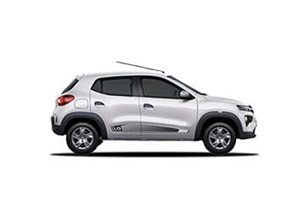
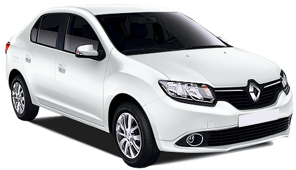
Renault Kwid Zen 1.0
or Similar
From
$24.43/day
Compare car rental deals at Buenos Aires Buquebus, Buenos Aires from trusted global suppliers. Find affordable prices and book your ideal car in minutes.








Explore example vehicle categories for Buenos Aires Buquebus.
or Similar
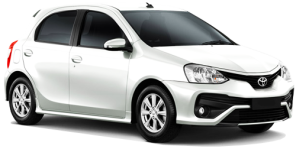
or Similar
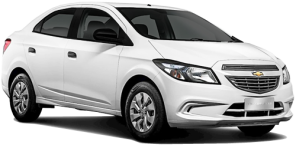
or Similar
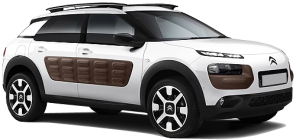
or Similar
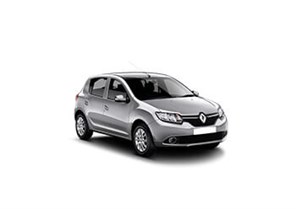
or Similar
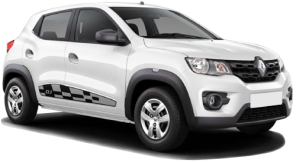
or Similar
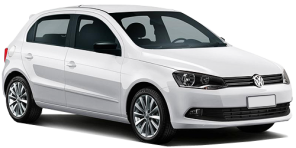
or Similar
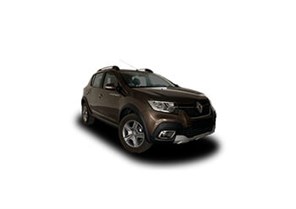
or Similar
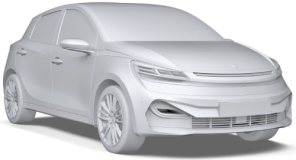
or Similar
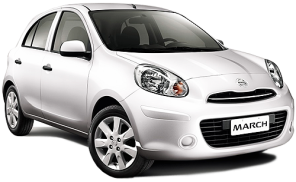
or Similar
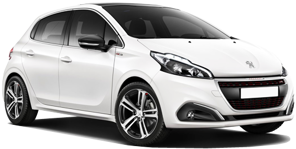
or Similar
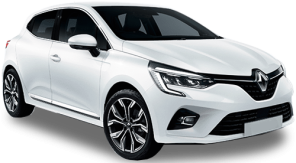
or Similar
or Similar
or Similar
or Similar
or Similar
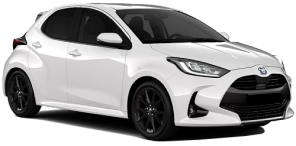
or Similar
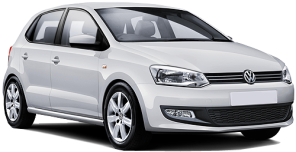
or Similar
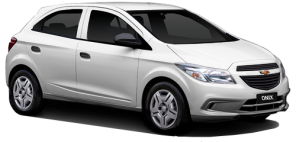
or Similar
or Similar
Illustrative daily price estimates from our database, not live quotes or confirmed availability. Search your dates and pickup location for current rental offers and terms.
Discover a world of convenience, safety, and customization, paving the way for unforgettable adventures and seamless mobility solutions.
Book with confidence using our encrypted booking system that protects your personal and payment information.
Our support team is available to help with booking questions, modifications, or cancellations.
All rental costs, taxes, insurance options, and fees are clearly displayed before booking.
Many suppliers allow you to add additional drivers so you can share driving responsibilities.
Our support team can help you choose the right car and complete your booking if needed.
Manage, modify, or cancel your booking easily through your confirmation link or account.
Essential information about car rental companies, popular cars, rental duration, and prices at Buenos Aires Buquebus.
Hertz is a leader at Ministro Pistarini International Airport (EZE). Localiza, the Brazilian giant, has a strong presence in the city for those traveling overland to neighboring countries. (Based on 8,500+ local pickups)
Small cars are the only practical choice for the chaotic traffic of Buenos Aires. SUVs are used for longer trips into the Pampas or to the Tigre Delta.
Buenos Aires rentals average 4 days. This often covers a long weekend getaway to the countryside or a trip to visit an estancia. Many travelers also rent for a portion of a longer South American journey. (Based on 8,500+ local pickups)
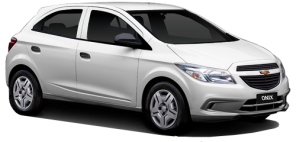
The Chevrolet Onix is a top-selling compact and a rental fleet favorite. The Fiat Cronos, a locally-made sedan, is popular for its trunk space and comfort.
Buenos Aires rates average $38 USD per day. Weekly rentals from $230 USD provide good value for exploring the pampas.
Essential driving rules and requirements to know when renting a car.
Get detailed information on driving rules, licence requirements, speed limits and useful local tips.
Renting a car in Buenos Aires, particularly for travelers arriving at or departing from the Buquebus terminal, offers a unique blend of freedom and practicality that public transport or taxis simply cannot match. The Buquebus terminal, located in the heart of Puerto Madero, is the primary gateway for ferry travel to Colonia del Sacramento and Montevideo in Uruguay. Having your own vehicle upon arrival or before departure allows you to seamlessly continue your Argentine adventure without the hassle of finding taxis or navigating luggage on and off buses. While the city itself has an extensive subway (Subte) and bus system, a rental car becomes indispensable for day trips to the Tigre Delta, exploring the vast countryside of the Pampas, or simply having the flexibility to stop at a parrilla (steakhouse) on the outskirts of town.
When considering a rental, you have two main options: picking up the car at the Ministro Pistarini International Airport (Ezeiza - EZE) or at one of the many downtown locations. Picking up at Ezeiza is incredibly convenient for those flying in, but it comes with significant airport surcharges and taxes that can add 20-30% to your total bill. Conversely, city center locations, including several agencies near the Buquebus terminal and in Retiro, often have lower base rates. The trade-off is that you'll need to manage your transfer from the terminal to the rental office, which is a short taxi ride away. Major rental companies have desks at Ezeiza, Aeroparque Jorge Newbery (domestic airport), and multiple city locations. A savvy money-saving tip is to compare the total cost (including taxes) of an airport pickup versus a city pickup; often, taking a pre-booked transfer to a city office can save you enough to cover a nice dinner.
| Pickup Location | Pros & Cons |
|---|---|
| Ezeiza International Airport (EZE) | Pro: Most convenient for arrival. Con: Highest surcharges and taxes. |
| Aeroparque Jorge Newbery (AEP) | Pro: Good for domestic arrivals, closer to city. Con: Still incurs airport fees. |
| Puerto Madero / Downtown | Pro: Lowest rates, often no surcharges. Con: Requires taxi from Buquebus or hotel. |
| Retiro (Train Station Area) | Pro: Central location, accessible by public transport. Con: Busy area, can be chaotic. |
Understanding the documentation and eligibility requirements is the first step to a smooth rental experience in Argentina. The rules are strict, and rental companies will not release a vehicle if your paperwork isn't in order. The primary requirements revolve around your identity, your driving credentials, and your method of payment. For international travelers, this means having your passport, driver's license, and often a credit card in the name of the primary driver ready.
The minimum age to rent a car in Argentina is typically 21, but drivers under 25 will almost always incur a "young driver" surcharge, which can be a significant daily fee. A full, valid driver's license from your home country is required and must be held for at least one or two years. A major credit card in the driver's name is mandatory to place a hold for the security deposit; debit cards are rarely accepted for this purpose. Your passport is required to verify your identity and entry stamp. As for insurance, the basic rental price usually includes third-party liability (seguro contra terceros), but this offers minimal coverage. Most travelers opt for Collision Damage Waiver (CDW) and Theft Protection to reduce their financial liability.
Regarding the International Driving Permit (IDP), the rules are somewhat nuanced. In theory, Argentina recognizes IDPs for licenses not in Spanish. However, in practice, many rental agencies will rent a car to a tourist with a valid English-language license (like from the US, UK, Canada, or Australia). The bigger risk is with traffic police during a routine stop. If your license is not in Spanish, an officer may ask for an IDP. To avoid any potential issues or fines, it is highly recommended to obtain an IDP from your home country's automobile association before you travel. It's an inexpensive and simple form of insurance against bureaucratic headaches.
| Requirement | Details |
|---|---|
| Minimum Age | 21 years (Young driver surcharge applies under 25). |
| Driver's License | Valid license from country of residence (held for min. 1-2 years). |
| International Driving Permit (IDP) | Recommended for non-Spanish licenses to satisfy police checks. |
| Credit Card | Major credit card (Amex, Visa, Mastercard) in driver's name for deposit. |
| Passport | Required for identification and visa verification. |
While Buenos Aires is a walkable city with robust public transport, the magic of Argentina truly reveals itself when you venture beyond the city limits. Renting a car transforms your trip from a simple city break into an immersive travel experience. Imagine the freedom to spontaneously pull over at a roadside stand selling fresh alfajores, or to design your own itinerary through the Pampas without being beholden to bus schedules. For families or groups, the cost-effectiveness and convenience of a private vehicle become even more apparent, eliminating per-person fares and the stress of coordinating luggage.
The journey itself becomes a destination. The routes leading out of Buenos Aires offer a glimpse into the soul of the country—from the lush, green delta of Tigre to the endless, horizon-stretching plains that define the gaucho culture. Having a car means you can explore the historic estancias (ranches) outside San Antonio de Areco, visit the quaint artisan towns of the Pampas, or even drive all the way to the beaches of the Atlantic Coast. Furthermore, for those arriving by ferry at Buquebus, a rental car allows you to immediately start your Argentine road trip, creating a seamless transition from water to land.
Navigating the car rental market in Buenos Aires presents a choice between the familiarity of large international brands and the potential value of local Argentine companies. The major international players—such as Hertz, Avis, Enterprise, Budget, Sixt, Alamo, and Europcar—have a strong presence at the airports and in key city neighborhoods like Retiro and Puerto Madero. Their primary advantage is consistency: you generally know what to expect in terms of fleet quality, customer service protocols, and the reliability of their vehicles. This peace of mind can be worth the slightly higher price for many travelers.
On the other hand, local or regional suppliers can sometimes offer more competitive rates. However, it's crucial to read reviews carefully, as service levels and vehicle maintenance can vary. Checking the rental conditions, particularly regarding insurance excess and deposit amounts, is vital with any company. It's generally recommended to book through well-known aggregator websites that allow you to compare prices from multiple providers side-by-side, giving you a broad overview of the market.
| Company | Price Level | Pros |
|---|---|---|
| Hertz | Medium/High | Reliable fleet, extensive locations, good loyalty program. |
| Avis | Medium/High | Strong international presence, wide range of vehicle choices. |
| Local Suppliers | Low/Medium | Potentially lower prices, more negotiation flexibility. |
| Sixt | Medium | Premium vehicles, modern fleet, good service at EZE. |
| Budget | Low/Medium | Competitive pricing, good for budget-conscious travelers. |
Choosing the right vehicle category is essential for a comfortable trip. For solo travelers or couples primarily navigating the city, an Economy or Compact car, such as a Chevrolet Onix or Renault Sandero, is ideal. They are fuel-efficient, easy to park in tight city spaces, and have the lowest rental rates. For groups of four or those planning longer road trips, a Midsize SUV like a Toyota Corolla Cross or a Ford EcoSport provides extra space and a more commanding view of the road, handling the occasional rough patch of pavement with more ease.
Families or larger groups often opt for a full-size SUV or a passenger van, especially if heading to the coast. For a touch of luxury on a Pampas adventure, a premium sedan or SUV from brands like Mercedes-Benz or BMW is available, though at a premium price. Rental prices in Buenos Aires are highly seasonal. The peak summer months (December to February) and winter holidays (July) see the highest demand and prices. Conversely, the shoulder seasons (March-May and September-November) often offer the best value, with lower rates and pleasant weather. Booking well in advance is the single best way to secure a good deal during any season.
| Car Category | Average Daily Price (USD) |
|---|---|
| Small/Economy Cars | $35 - $55 |
| Medium/Compact Cars | $45 - $70 |
| SUVs (Midsize) | $70 - $120 |
| Vans (7-seater) | $90 - $150 |
| Luxury Cars | $150 - $300+ |
| Factor | Details |
|---|---|
| Cheapest Month | May or September |
| Most Expensive Month | January or February |
| Average Price (Compact) | $50 per day |
| A Good Deal (Compact) | $35 per day or less |
| Cheapest Supplier Type | Local agencies (with careful vetting) |
| Cheapest Car Type | Economy / Manual Transmission |
The area around Buenos Aires is a launching pad for several classic Argentine road trips. With a rental car picked up near the Buquebus terminal, you can be on your way to these incredible destinations in no time.
Driving in Argentina follows the continental European model. You will drive on the right-hand side of the road, and overtaking is done on the left. Speed limits are clearly posted in kilometers per hour (km/h). In urban areas like Buenos Aires, the limit is generally 40-60 km/h. On main avenues and highways (autopistas), it ranges from 80 to 130 km/h. Be aware that speed cameras are common, especially on highways and at key intersections.
The legal blood alcohol limit is very low: it is 0.0% for all drivers. Argentina has a zero-tolerance policy for drinking and driving, and penalties are severe. Seatbelts are mandatory for all passengers, front and rear. For families, child restraint laws are strict. Children under the age of 4 must be in an approved child seat in the back, and children under 10 are generally not permitted to ride in the front seat. Road conditions vary. Major highways are generally well-maintained, but secondary roads in rural areas can have potholes and uneven surfaces. During the Argentine winter (June-August), if you plan to drive to higher elevations in the Andes, winter tires or chains may be required, though this is less of a concern in the immediate Buenos Aires area.
| Road Type | Speed Limit (km/h) |
|---|---|
| Urban Streets | 40 - 60 km/h |
| City Avenues | 60 - 80 km/h |
| Dual Carriageways | 80 - 110 km/h |
| Highways (Autopistas) | 100 - 130 km/h |
Toll roads (peajes) are a common feature when driving into and out of Buenos Aires. The main access highways, such as the Autopista Buenos Aires-La Plata, Acceso Oeste, and Panamericana, all have toll booths. The cost is generally reasonable, ranging from a few dollars for cars. Payments are made in cash (Argentine Pesos) at the booths, so it's essential to keep small denomination bills handy. Some newer systems, like the TelePASE, use electronic transponders for automatic payment, but rental cars are typically not equipped with these, so you will always use the manual payment lanes. Factor in a few extra minutes and a small amount of cash for tolls when leaving the city.
Parking in Buenos Aires, particularly in popular areas like Puerto Madero, Palermo, and Recoleta, can be challenging. Street parking is available but regulated by a system of "parking meters" (playas de estacionamiento controlado) in many neighborhoods. You must pay for a ticket and display it on your dashboard. Hours of operation and rates vary, and fines for expired meters are common. During evenings and weekends, some areas offer free street parking. However, the most reliable and secure option, especially for visitors, is to use off-street parking garages (estacionamientos). These are plentiful and relatively inexpensive, typically costing a few dollars per hour or a flat daily rate. Always use a garage for overnight parking to ensure your rental car's safety.
A few insider tips can make the difference between a great rental experience and a stressful one. Planning ahead and understanding the local quirks will save you time, money, and frustration.
Even seasoned travelers can fall into common traps when renting a car in a new country. Being aware of these pitfalls can help you avoid them and ensure your trip goes smoothly.
Last spring, after a relaxing ferry ride from Colonia, my partner and I walked out of the Buquebus terminal with our luggage and a mission. We'd pre-booked a compact SUV from an agency just a few blocks away in Puerto Madero. The pickup was quick—they had our paperwork ready—and within 30 minutes of disembarking, we were navigating the one-way streets of the city. Our goal was to escape the urban bustle. We pointed the car north, paid a small toll, and soon the skyscrapers gave way to the lush, green scenery of the Paraná Delta. We spent the afternoon in Tigre, wandering the market, and then found a quiet parilla for an early dinner. Driving back as the sun set over the river, with the city skyline glowing in the distance, we felt a sense of freedom and accomplishment that no bus tour could have provided.
The International Driving Permit (IDP) serves as an official translation of your native driver's license. While Argentine rental companies often accept valid foreign licenses, especially those in English or other Romance languages, the IDP is a critical document for dealing with the traffic police (tránsito). If you are pulled over for any reason, an officer may be within their rights to issue a fine if your license is not accompanied by a Spanish translation. The IDP fulfills this requirement.
You must obtain an IDP in your home country before you depart for Argentina. In the United States, it is issued by the American Automobile Association (AAA) and the American Automobile Touring Alliance. In the UK, it's from the Post Office or the AA. The process is usually quick and inexpensive, requiring a completed application form, two passport-sized photos, and a valid driver's license. The permit is generally valid for one year from the date of issue. While you may rent a car without one, carrying an IDP is the best way to ensure you are fully compliant with Argentine law and to avoid potential complications during your travels. Remember, it is not a standalone license and must be accompanied by your original, valid driver's license at all times.
Markers show approximate airport or town-centre areas, not confirmed rental desks.
Find airport guides for car rentals, parking, and ground transportation.
Try a different name, city, or IATA code.