Cheap Car Rental Argentina - Compare Deals & Book Instantly
Search and compare car rental prices from trusted global suppliers. Find the best deals instantly.
Why book with us?
-
Wide Fleet
Choose from economy cars, SUVs, luxury vehicles, and more.
-
Free Cancellation
Flexible booking options with free cancellation on most rentals.
-
24/7 Customer Support
Our expert team is available 24/7 to assist you with any questions or concerns.
Compare top international car rental brands and choose the best deal for your trip.








Car Rental Deals in Argentina
Choose from our wide range of vehicles available in Argentina.
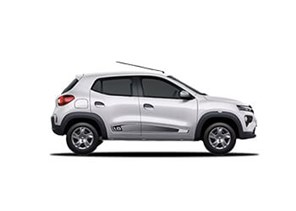
EconomyRenault Kwid Zen 1.0 or Similar
From
$24.43
/day
|
|
|||
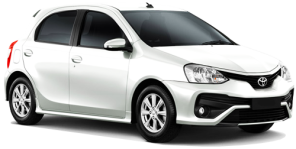
CompactToyota Etios or Similar
From
$23.94
/day
|
|
|||
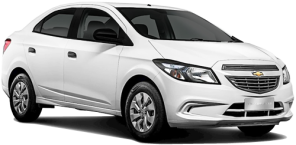
IntermediateChevrolet Prisma or Similar
From
$30.54
/day
|
|
|||
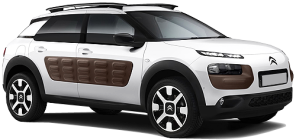
Compact SuvCitroen C4 Cactus or Similar
From
$34.01
/day
|
|
|||
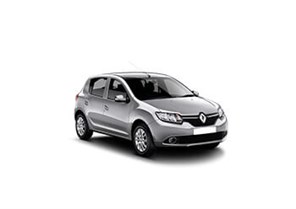
CompactRenault Sandero or Similar
From
$28.53
/day
|
|
|||
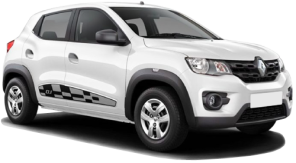
EconomyRenault Kwid or Similar
From
$29.09
/day
|
|
|||
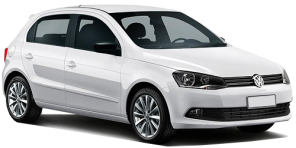
CompactVolkswagen Gol or Similar
From
$30.05
/day
|
|
|||
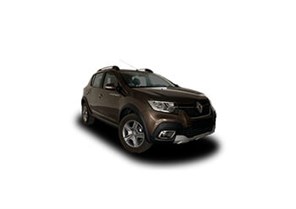
CompactRenault Sandero Stepway Intense or Similar
From
$30.07
/day
|
|
|||
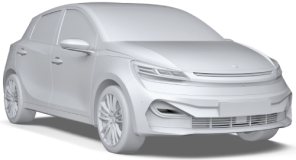
StandardFiat Cronos or Similar
From
$30.91
/day
|
|
|||
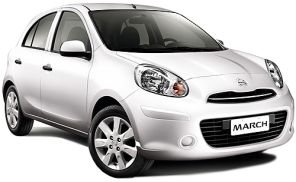
EconomyNissan March or Similar
From
$31.64
/day
|
|
|||
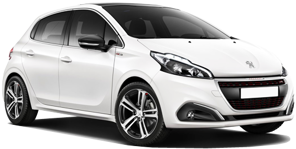
CompactPeugeot 208 or Similar
From
$32.52
/day
|
|
|||
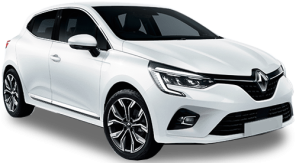
EconomyRenault Clio or Similar
From
$32.68
/day
|
|
|||
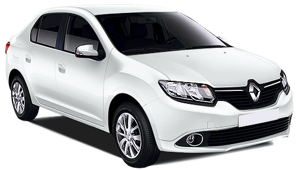
IntermediateRenault Logan or Similar
From
$33.24
/day
|
|
|||
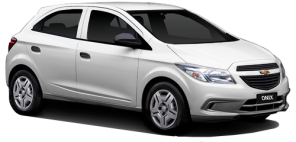
CompactChevrolet Onix or Similar
From
$33.31
/day
|
|
|||
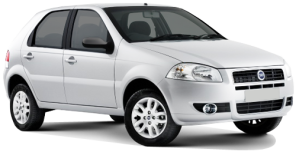
CompactFiat Palio or Similar
From
$33.58
/day
|
|
|||
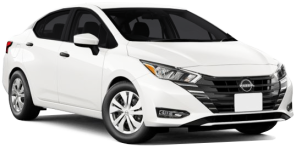
IntermediateNissan Versa or Similar
From
$33.99
/day
|
|
|||
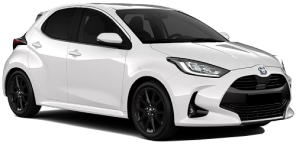
CompactToyota Yaris or Similar
From
$34.24
/day
|
|
|||
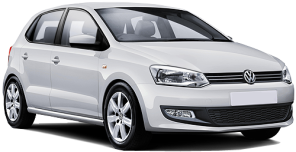
EconomyVolkswagen Polo or Similar
From
$34.66
/day
|
|
|||
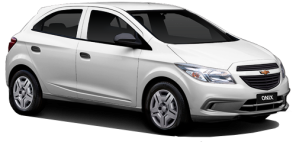
StandardGM Onix or Similar
From
$35.37
/day
|
|
|||
IntermediateCitroen Basalt or Similar
From
$35.74
/day
|
|
|||
Our Features
Discover a world of convenience, safety, and customization, paving the way for unforgettable adventures and seamless mobility solutions.
Highly Rated Suppliers
We highlight top-rated suppliers based on verified customer reviews and service quality.
Multi-Language Platform
Use our platform in multiple languages, making it easy for travelers from around the world to book rental cars.
Fast Booking Process
Complete your car rental reservation in just a few simple steps with instant confirmation.
Free Cancellation
Many bookings include free cancellation up to 48 hours before pickup, giving you flexibility when travel plans change.
Multiple Payment Options
Pay securely using major credit cards and other supported payment methods during booking.
Wide Vehicle Selection
Choose from economy cars, sedans, SUVs, luxury vehicles, and vans to match your travel needs and budget.
Argentina Car Rental Facts
Essential information on the best deals, rental providers, and vehicle options in Argentina.
Most Popular Agencies
Lion City Rentals leads with 28% share, catering to both tourists wanting to explore beyond the city and residents needing temporary vehicles.
Popular Car Types
Compact cars are favored for city maneuverability. Luxury vehicles serve business travelers and tourists wanting to arrive in style at Marina Bay.
Average Rental Duration
Short 3-day rentals reflect Singapore's compact size and excellent public transport, with cars used mainly for weekends in Malaysia or Sentosa trips. (Based on 14,200+ local searches)
Most Popular Models
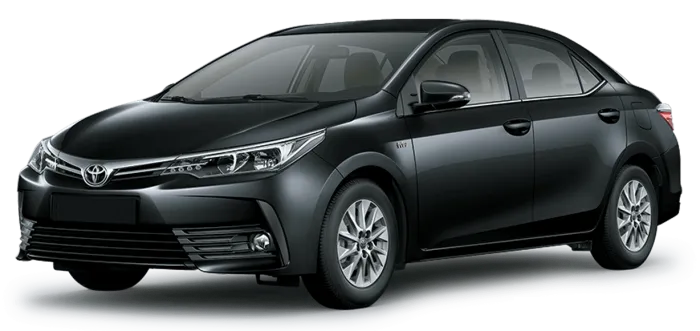
The Toyota Corolla dominates the practical rental segment. The Mercedes C-Class is preferred for business clients and special occasions.
Average Daily Price
Singapore commands premium rates averaging $72/day, reflecting high vehicle costs. Weekend rentals from $135 offer value for Malaysia road trips.
How much does it cost to rent a car at Argentina?
Averaging the lowest prices for the economy car category, the data below shows prices for monthly comparisons.
Cheapest Month Average
JanMost Expensive Month
SepYearly Average Price
F1 Grand Prix (September) causes extreme price spikes. Peak seasons (June-August, December) for tourism. Cars expensive - public transport efficient. ERP tolls apply. Book 2-3 months ahead for F1.
Driving Laws & Information for Argentina
Essential driving rules and requirements to know when renting a car
Driving Side
Right
Minimum Age
18 to drive
Blood Alcohol Limit
0.00% maximum
IDP Required?
Sometimes International Driving Permit
Speed Units
km/h
Seat Belt
Required
Toll Roads
Yes
Emergency
911 emergency number
Renting a Car in Argentina: A Complete Guide for International Travelers
Renting a car in Argentina is one of the best ways to experience the country's staggering diversity, from the wine regions of Mendoza to the dramatic landscapes of Patagonia and the Iguazu Falls. For international travelers, having your own vehicle offers unparalleled freedom to explore at your own pace. However, navigating the rental process in a foreign country requires some preparation. This guide covers everything you need to know, from choosing the right pickup location to understanding local driving laws, ensuring your Argentine road trip is smooth and unforgettable.
Picking Up Your Rental: Airport vs. City Center
Your choice of pickup location can significantly impact both your budget and the start of your trip. Most international travelers flying into the country will naturally consider airport pickup for its convenience. However, city center locations often offer better value and can help you avoid the initial chaos of navigating a new city straight off a long-haul flight.
Airport Pickup: The primary advantage is immediacy. You can land, pick up your car, and be on your way. However, this convenience comes at a cost. Major airports, especially Ministro Pistarini International Airport (EZE) in Buenos Aires, levy significant airport concession fees and surcharges that are passed on to the renter. These can add 20-30% to your total rental cost. On the flip side, it saves you the hassle and expense of a taxi or shuttle into the city center.
City Center Pickup: Rental offices in downtown areas, such as those on Avenida Córdoba in Buenos Aires, typically have lower overheads, resulting in cheaper rates and fewer surcharges. Picking up in the city allows you to acclimate, explore the urban area without a car (which is often advisable due to traffic and parking), and then collect your vehicle when you're ready to head out. The main disadvantage is the initial transport cost and time required to get from the airport to the city center.
Money-Saving Tip: If your itinerary allows, take a taxi or shuttle from Ezeiza to downtown Buenos Aires, stay for a day or two, and then pick up your rental from a city branch. The savings on airport surcharges can often cover your initial accommodation.
Rental Pickup Location Comparison
| Location | Advantages | Disadvantages |
|---|---|---|
| Airport (e.g., EZE, AEP) | Maximum convenience upon arrival; immediate access to car for onward travel. | High airport surcharges and fees; can be chaotic; limited supplier options at some airports. |
| City Center (e.g., Buenos Aires, Mendoza, Córdoba) | Lower rental rates and fewer fees; more time to adapt before driving; often more rental companies to choose from. | Requires transport from airport; navigating city traffic to leave town can be stressful. |
| Train/Bus Stations | Ideal for multi-modal trips; convenient for continuing a journey by road. | Limited office hours; smaller vehicle selection; may not be available in all cities. |
Seasonal Pricing and Demand in Argentina
Car rental prices in Argentina are highly volatile and dictated by tourism seasons. Understanding these patterns is crucial for budgeting. The high season, characterized by peak demand and premium prices, coincides with the Southern Hemisphere's summer and major holiday periods.
The most expensive time to rent is typically during the austral summer (December to February), especially around the Christmas and New Year period, and during Winter Break (July) when families travel to ski resorts like Bariloche. Conversely, the shoulder seasons (March-May and September-November) offer the best balance of pleasant weather and reasonable prices. The very cheapest months are usually during the late autumn and early spring (May and September), excluding holiday weeks.
Average Car Rental Price Overview (2026)
| Metric | Details |
|---|---|
| Cheapest Month(s) | May, September |
| Most Expensive Month(s) | January, July |
| Average Daily Price | $45 - $70 USD (for an economy car) |
| A Good Deal | Under $40 USD per day for a small car, inclusive of basic insurance. |
| Cheapest Supplier Type | Local Argentine companies (e.g., Velka, Alamo, Localiza). |
| Cheapest Car Type | Economy or Compact (e.g., Fiat Mobi, Renault Sandero). |
When is Rental Demand Highest?
Rental car demand in Argentina is intrinsically linked to the country's tourism patterns and school holidays. The highest demand occurs during the summer holidays (mid-December to late February), when Argentines flock to the Atlantic Coast (Mar del Plata, Villa Gesell) and Patagonia. Another peak is during the two-week winter break in July, which sees a surge in travel to the ski resorts of the Andes, such as Las Leñas and Cerro Catedral. Long weekends ('feriados puente') and major events like the Fiesta de la Vendimia (grape harvest festival) in Mendoza during March also cause localised spikes in demand and prices. Booking several months in advance is essential if you plan to travel during these periods.
Typical Rental Duration
The typical rental period for a tourist in Argentina is between 7 and 14 days. This duration allows for a comprehensive road trip, such as exploring the Lake District, driving through the Quebrada de Humahuaca, or touring the wine valleys of Mendoza. Many travelers rent for shorter periods of 3-5 days for specific point-to-point journeys, while those embarking on extended adventures through Patagonia may rent for 3 weeks or more. One-way rentals, where you pick up in one city and drop off in another (e.g., Buenos Aires to Bariloche), are common but usually incur a substantial extra fee.
Rental Locations and Supplier Availability
Argentina has a well-developed car rental market, with hundreds of locations spread across the country. Every provincial capital and major tourist town has at least a few rental offices. You'll find the highest concentration of both airport and city center locations in Buenos Aires, followed by Córdoba, Mendoza, Rosario, and the main Patagonian gateways like Bariloche, El Calafate, and Ushuaia.
Quick Facts: Renting in Argentina
| Feature | Details |
|---|---|
| Approx. Rental Locations | 500+ (nationwide) |
| Primary Airport Hubs | EZE, AEP (Buenos Aires), COR (Córdoba), MDZ (Mendoza), BRC (Bariloche) |
| Popular International Suppliers | Hertz, Avis, Europcar, Budget |
| Popular Local Suppliers | Velka, Alamo (operated locally), Localiza, Fiora |
| Availability in Rural Areas | Good in tourist hubs, limited in remote Patagonian steppe. |
Common Vehicle Categories for Travelers
Choosing the right car is key to a comfortable trip. The Argentine rental fleet consists mostly of small, fuel-efficient cars, which are ideal for city driving and the country's many dirt roads. Here’s what you’ll typically find:
- Economy Cars: The most budget-friendly option. Perfect for couples or solo travelers sticking to paved roads. Examples: Fiat Mobi, Chevrolet Onix.
- Compact Cars: A popular choice for small families. Offers a bit more space and power for highway driving. Examples: Renault Sandero, Volkswagen Gol.
- SUVs / 4x4 Vehicles: Highly recommended for Patagonia, the Andes, or any itinerary involving gravel roads ('ripio'). Provides higher clearance and better handling on rough terrain. Examples: Ford Ecosport, Toyota SW4.
- Vans / Family Vehicles: Necessary for larger groups or families. Offers ample space for passengers and luggage. Examples: Renault Kangoo, Citroën Berlingo.
Famous Road Trip Routes in Argentina
Argentina is a paradise for road trippers. Here are a few iconic routes to inspire your journey:
- Ruta Nacional 40: The quintessential Argentine road trip.
- Route: Cabo Vírgenes (Santa Cruz) to La Quiaca (Jujuy).
- Distance/Time: Over 5,000 km; can take weeks or months to complete in sections.
- Highlights: Los Glaciares National Park, El Chaltén, Cuesta del Obispo, Salinas Grandes, Andean high-altitude deserts.
- The Lake District Circuit (Ruta de los Siete Lagos): A scenic drive through postcard-perfect landscapes.
- Route: San Martín de los Andes (Neuquén) to Villa La Angostura (Neuquén).
- Distance/Time: Approximately 110 km; easily done in a day with stops.
- Highlights: Seven crystal-clear lakes, lush forests, views of snow-capped Andes, charming mountain towns.
- Quebrada de Humahuaca: A journey through vibrant, multi-colored mountains.
- Route: San Salvador de Jujuy to La Quiaca (Jujuy).
- Distance/Time: ~200 km; 2-3 days to explore the main villages.
- Highlights: Cerro de los Siete Colores (Hill of Seven Colors) in Purmamarca, the town of Tilcara, the Humahuaca Monument.
Essential Driving Rules and Conditions
Driving in Argentina is different from North America or Europe. Being prepared for the local norms is essential for safety.
- Driving Side: Drive on the right.
- Speed Limits: Strictly enforced by radar and police checks.
- Alcohol Limit: The legal blood alcohol limit is very low at 0.0% for drivers. This is strictly enforced, and penalties are severe.
- Child Seats: Mandatory for children under a certain age/height. Rent from the car company in advance, as availability is limited.
- Seatbelts: Mandatory for all passengers, both front and rear.
- Road Conditions: Vary dramatically. Major highways are excellent, but many rural roads, including sections of RN40, are well-maintained gravel ('ripio'). Always check local conditions.
- Winter Tire Laws: Not universal, but mandatory when driving in mountainous areas like Bariloche or Mendoza during the winter months (typically June-September). Chains may also be required.
Argentine Speed Limit Table
| Road Type | Speed Limit (km/h) |
|---|---|
| Urban Areas / Cities | 30 - 60 km/h |
| Rural Roads (Rutas) | 80 - 110 km/h |
| Highways (Autopistas) | 100 - 130 km/h |
Toll Roads in Argentina
Toll roads ('peajes') are common, especially on major highways and access roads to large cities like Buenos Aires. They are generally inexpensive, often costing the equivalent of $1-3 USD per toll. Most toll booths accept cash (Argentine Pesos), but many also have an electronic toll system called TelePASE. Rental cars may or may not be equipped with this. It's best to assume you'll be paying in cash. Keep small denominations of pesos handy for this purpose. When entering Buenos Aires from the north, you will encounter several tolls on the Autopista Panamericana.
Major Rental Companies: Local vs. International
You'll find a healthy mix of familiar global brands and reputable local companies in Argentina. International giants like Hertz, Avis, and Europcar offer consistency, large fleets, and the security of a global brand, often at a medium-to-high price point. However, local companies like Velka Rent a Car, Alamo Argentina, and Localiza are extremely competitive and frequently offer the lowest prices, especially for longer rentals. They have extensive networks, particularly in tourist areas. The advantage of going local is almost always the price, but it's crucial to read the reviews and understand their insurance terms thoroughly.
Rental Company Comparison
| Company | Price Level | Pros |
|---|---|---|
| Hertz / Avis / Europcar | Medium / High | Reliable, large fleets, easy online booking, consistent service standards, good for one-way rentals. |
| Velka Rent a Car | Low / Medium | Excellent local coverage, very competitive pricing, often included insurance is comprehensive, popular with locals. |
| Localiza / Alamo | Low / Medium | Strong presence in tourist hubs and airports, user-friendly websites, good range of vehicles including 4x4s. |
Navigating Parking in Argentine Cities
Parking in major cities like Buenos Aires, Córdoba, and Mendoza can be challenging. Street parking is common but often regulated by paid parking zones. Look for signs indicating 'Estacionamiento Medido,' which means you must pay for a ticket, usually via a mobile app or at local kiosks. In residential areas, parking is often free but can be scarce. Your best bet in city centers is to use off-street parking garages ('playones de estacionamiento' or 'garajes'), which are secure and charge by the hour. Be aware that parking regulations are strictly enforced, and illegally parked cars are frequently towed. Always leave nothing of value visible in the car to avoid break-ins.
Average Daily Rental Prices in Argentina (2026)
Prices are highly variable based on season and location. The following are estimated average daily rates for a rental booked in advance, inclusive of basic insurance, during the shoulder season.
| Car Category | Average Daily Price (USD) |
|---|---|
| Small Cars (Economy) | $40 - $60 |
| Medium Cars (Compact) | $55 - $80 |
| SUVs | $80 - $130 |
| Vans / People Carriers | $90 - $150 |
| Luxury / Premium Cars | $150+ |
Top Tips for Renting a Car in Argentina
- Book Early and Pay Close Attention to Insurance: Rental cars are in high demand during peak seasons. Book as far in advance as possible. Crucially, understand what your rental includes. Third-party liability insurance is mandatory, but Collision Damage Waiver (CDW) may have a high deductible. You can often buy down the deductible to zero at the counter, but this is expensive. Check if your credit card offers rental car insurance for Argentina, but verify the terms carefully as not all international policies are valid.
- Consider a Local Supplier for the Best Deal: While brand recognition is comforting, local companies like Velka or Localiza often undercut the international giants by a significant margin. Just be sure to read recent reviews on platforms like Google Maps or TripAdvisor to ensure a smooth pickup process.
- Inspect the Car Thoroughly Before Driving Off: This is vital anywhere, but especially in Argentina. Take photos and videos of every scratch, dent, and mark on the car, and ensure they are noted on the rental agreement. This protects you from being charged for pre-existing damage upon return. Pay special attention to the condition of tires and the undercarriage if you plan on driving on gravel roads.
- Plan for Gravel Roads ('Ripio'): If your trip involves any travel off main highways (common in Patagonia and the Andes), rent a car with higher ground clearance (like an SUV). Driving on 'ripio' requires caution, slower speeds, and being aware of oncoming traffic's dust clouds. Check if your insurance covers windshield damage, as flying stones are a common hazard.
- Cash is King for Tolls and Small Towns: While credit cards are widely accepted at rental agencies and major fuel stations, you will need Argentine Pesos in cash for tolls, parking attendants, and buying fuel in remote areas. Withdraw from a reputable ATM or exchange money at a 'casa de cambio' upon arrival.
Common Traveler Mistakes to Avoid
- Underestimating Distances: Argentina is a vast country. Driving times can be much longer than anticipated due to road conditions and the sheer scale of the landscape. Don't try to cover too much ground in one day; use mapping apps with offline capabilities to plan realistic driving times.
- Skipping the Windshield Insurance: Many basic insurance packages have high excess for windshield damage. Given the prevalence of gravel roads, a cracked windshield is a common occurrence. Paying a little extra for full windshield coverage can save you a significant bill later.
- Forgetting Your IDP: While not always checked by every rental company, an International Driving Permit (IDP) is a legal requirement in Argentina for drivers with licenses not in Spanish. Failure to produce one if stopped by police can result in a hefty fine.
- Leaving Valuables in the Car: Petty theft from parked cars can be an issue, especially in cities and tourist hotspots. Never leave bags, electronics, or other valuables visible in the car. Store them in the trunk or, better yet, take them with you.
A Traveler's Tale: Discovering the Lake District
Sarah, a photographer from Canada, flew into Bariloche with a plan. She skipped the crowded airport rental counters, took a bus into the charming town center, and picked up a compact SUV from a local agency the next morning, saving a considerable amount on airport fees. Her goal was to photograph the Ruta de los Siete Lagos. With her rental, she had the freedom to stop at every mirador, pulling over whenever the light hit the mountains just right. She spent a night in a small cabin outside San Martín de los Andes, something impossible to do on a guided tour. On a dusty gravel road, she found a secluded waterfall. The car gave her the independence to chase the perfect shot, turning a simple itinerary into a personal journey of discovery through Argentina's breathtaking wilderness.
International Driving Permit (IDP) Requirements
For international travelers, the rules regarding an International Driving Permit (IDP) are clear. You are legally required to carry an IDP if your driver's license is not issued in Spanish. This is a translation of your home country license and is recognized by Argentine traffic police. While some rental companies may not ask for it, you can be fined on the spot during a routine traffic stop if you don't have one.
Obtaining an IDP is straightforward. In most countries, you can get one at your local automobile association (like AAA in the US or CAA in Canada). You'll need to bring your valid driver's license, a passport-sized photo, and pay a small fee. The process is usually instant. The IDP is valid for one year from the date of issue. You must carry both your original home license and the IDP with you whenever you are driving. Remember, the IDP is not a substitute for your original license; it is a companion document that must be presented alongside it.
Popular Cities for Car Rental in Argentina
Popular Locations for Car Rental in Argentina
Major Airports in Argentina
Complete airport guides with car rental information, parking, and transportation options
- Bahia Blanca Airport Guide IATA: BHI
- Buenos Aires Airport Guide IATA: AEP
- Buenos Aires Airport Guide IATA: EZE
- Buenos Aires Airport Newbery Guide IATA: AEP
- Buenos Aires El Palomar Airport Guide IATA: EPA
- Buenos Aires San Fernando International Airport Guide IATA: FDO
- Catamarca Coronel Felipe Varela Airport Guide IATA: CTC
- Comodoro Rivadavia Airport Guide IATA: CRD
- Cordoba Airport Guide IATA: COR
- Corrientes International Airport Guide IATA: CNQ
- El Calafate Airport Guide IATA: FTE
- Esquel Airport Guide IATA: EQS
- Formosa Airport Guide IATA: FMA
- La Rioja Capitan Vicente Almandos Almonacid Airport Guide IATA: IRJ
- Mar Del Plata Airport Guide IATA: MDQ
- Mendoza Airport Guide IATA: MDZ
- Neuquén Airport Guide IATA: NQN
- Parana General Justo Jose De Urquiza Airport Guide IATA: PRA
- Posadas Airport Guide IATA: PSS
- Puerto Iguazu Airport Guide IATA: IGR
- Puerto Madryn Airport Guide IATA: PMY
- Resistencia International Airport Guide IATA: RES
- Rio Gallegos Airport Guide IATA: RGL
- Rio Grande Airport Guide IATA: RGA
- Rosario Airport Guide IATA: ROS
- Salta Airport Guide IATA: SLA
- San Carlos De Bariloche Airport Guide IATA: BRC
- San Juan Airport Guide IATA: UAQ
- San Luis Airport Guide IATA: LUQ
- San Martin De Los Andes Airport Guide IATA: CPC
- San Miguel De Tucuman Airport Guide IATA: TUC
- San Rafael Airport Guide IATA: AFA
- San Salvador De Jujuy Airport Guide IATA: JUJ
- Santa Fe Airport Guide IATA: SFN
- Santa Rosa Airport Guide IATA: RSA
- Santiago Del Estero Airport Guide IATA: SDE
- Termas De Rio Hondo International Airport Guide IATA: RHD
- Trelew Airport Guide IATA: REL
- Ushuaia Airport Guide IATA: USH
- Ushuaia International Airport Guide IATA: USH
- Viedma Airport Guide IATA: VDM
- Villa Mercedes Airport Guide IATA: VME
Frequently Asked Questions about Car Rental in Argentina
Argentina Car Rental Reviews & Customer Ratings
Read verified customer reviews, ratings, and rental experiences from travelers who booked through Airport Rento.
Overall Rating
Solid choice in Argentina
Verified"Needed a car last minute in Cordoba and these guys came through. Price was fair, not the cheapest but no hidden fees which I respect. The Ford Ka we got was basic but sipped fuel which is pricey down there. A/C worked overtime crossing the pampas. 👍"
James MacDonald
Easy airport collection
Verified"Straightforward rental from AEP (Jorge Newbery). Agent spoke perfect English, offered fair price for toll pass which saved loads of hassle on motorways around BA. Car had a few dings but mechanically perfect. Aircon was a lifesaver in February humidity."
Mark Johnson
Does exactly what it says
Verified"No dramas whatsoever. Booked a mid-size, got a mid-size. Drove from BA to Mar del Plata and back. Car was a bit underpowered on the highway overtaking but got us there. Fuel efficient. Counter staff friendly, minimal waiting."
John Reynolds
Spoko autko na wypad
Verified"Wynajem w Cordobie, wszystko zgodnie z umową. Samochód Peugeot 208, czysty i sprawny. Zrobiliśmy trasę do Villa Carlos Paz i okolic. Polecam dla turystów z Polski, bezproblemowa firma."
David Kowalski
Smooth pickup in Buenos Aires
Verified"Landed at EZE, grabbed the keys and was on my way to Palermo in under 20 minutes. Car was clean, AC blasted cold which you absolutely need in January here. Drove down to Patagonia over two weeks, zero mechanical issues. Would use again."
Charles Rodriguez
Fair price, no surprises
Verified"Used them twice now. Once in BA, once in Bariloche. Both times car matched description exactly. They didn't push hard on extra insurance like other places. Return was quick, deposit came back in 3 days. That's what you want."
Ivan Volkov
Easy peasy car hire
Verified"Booked online from London, picked up in Salta with zero fuss. Loved driving up to Purmamarca and the Seven Colors Hill. Car handled the mountain switchbacks beautifully. Full tank at pickup, returned full. Simple."
Sarah Williams
Good service, minor delay
Verified"Rented SUV for family trip to Mar del Plata. Pickup at EZE was delayed 30 mins because car wasn't ready. They upgraded us to a bigger vehicle for free which was nice compensation. Car was brand new, smelt new. Kids loved the space. Drove safely on Ruta 2."
Turki Al-Malki
Atendimento nota 10
Verified"Alugamos um carro popular para economizar em Buenos Aires. A retirada foi rápida e o carro bem novinho. Senti segurança dirigindo pela cidade e arredores. Devolução super tranquila no aeroporto."
Roberta Alves
Reliable car for wine region
Verified"We rented a compact SUV for Mendoza wine tours. Pre-booked child seat was correctly installed. Car had decent ground clearance for some of the unpaved winery access roads. Return process took 5 minutes max. Good value for Argentina."
Deepak Menon
Guter Service am Flughafen
Verified"Habe einen SUV für die Fahrt durch Mendoza und das Weingebiet gemietet. Alles top, Versicherung wurde nicht aufgeschwatzt, klare Abwicklung. Ein Stern Abzug weil das Auto leichte Kratzer hatte die nicht im Vertrag standen, aber wurde bei Rückgabe anerkannt."
Ingo Lange
Excelente para recorrer el sur
Verified"Alquilé una camioneta en El Calafate. Todo perfecto, el vehículo impecable y el personal muy amable. Recorrimos El Chaltén y el Perito Moreno sin ningún problema. Muy buen servicio, volvería a alquilar con ellos."
Francisco Pérez
Solo female traveler approved
Verified"Traveling alone through Argentina, felt completely safe picking up this car in Neuquén. The agent was professional and didn't treat me differently. Drove the Ruta de los Vinos solo, car never skipped a beat. Powerful enough for the Patagonian winds. 💪🚗"
Emily Rose
Valeu cada centavo
Verified"Alugamos em Bariloche pra explorar a Rota dos 7 Lagos. Carro excelente, preço justo e atendimento em espanhol e inglês. GPS funcionou bem mesmo nas montanhas. Recomendo demais."
Rafael Costa
Temiz araba, iyi fiyat
Verified"Arjantin'de 10 günlük araç kiraladık. Buenos Aires'ten aldık, Patagonya'ya gittik. Araç temizdi ve full depo teslim edildi. İade ederken ekstra ücret çıkmadı. Fiyat performans olarak çok iyiydi. Tavsiye ederim."
Ali Kaya
Great for Iguazu trip
Verified"Rented compact car for driving to Iguazu Falls from Puerto Iguazu airport. Booking was simple even from Japan before trip. Staff spoke basic English which helped. Car had manual transmission as requested. No problems on the red dirt roads. Highly recommended for nature trips."
Satoshi Kobayashi
Perfect for safari... I mean road trip
Verified"Coming from South Africa, I appreciate a well-maintained bakkie. Got a Hilux for driving from Salta to Cafayate through the Quebrada de las Conchas. Spectacular scenery, car handled dirt and gravel easily. Felt like home."
Sfiso Mkhwanazi
Good cars, honest pricing
Verified"Rented in Buenos Aires, drove through the Pampas to Rosario for a wedding. Car was clean, well serviced. No issues with the contract or insurance add-ons which is rare in South America. Recommended for anyone coming from the Gulf region."
Yusuf Hassan
좋았어요
Verified"부에노스아이레스에서 차를 렌트해서 라플라타까지 갔어요. 한국에서 미리 예약했는데 문제없었어요. 차는 깨끗하고 연비도 좋았습니다. 다만 사무실 찾기가 조금 어려웠어요."
Min-jun Park
Buono ma migliorabile
Verified"Noleggio a Rosario per lavoro. Macchina diesel, consumi bassi, ottimo per le lunghe distanze argentine. La filiale era un po' difficile da trovare nel caos del centro. Segnaletica scarsa. Personale gentile una volta trovato l'ufficio."
Andrea Bianchi
Grand job in BA
Verified"Picked up in downtown Buenos Aires, bit chaotic finding the office but once there everything was quick. Drove out to Tigre for a weekend escape from the city heat. Car was a VW Gol, perfect little runabout. No complaints at all."
Patrick Kelly
Good for business travel
Verified"Used them for a corporate trip to Buenos Aires and Rosario. Efficient booking system, invoice ready immediately. Car was a Corolla Cross hybrid which saved a lot on fuel. Reliable pickup and dropoff. Will use for next quarter trip."
Sven Olsen
Great for Patagonia exploration
Verified"Long drive from El Calafate up to Bariloche via Ruta 40. The Nissan Frontier was rugged enough for the ripio sections. Fuel stops are sparse so plan ahead, but the car itself was economical. Drop off at a different location was seamless."
Sipho Nkosi
Parfait pour la Patagonie
Verified"Location pour trois semaines de Bariloche à Ushuaia. Véhicule 4x4 en excellent état, pneus neige fournis sans supplément. Service client réactif quand on avait une question sur les chaînes. Je recommande vivement pour les longs road trips argentins."
Jean Laurent
Muy buena experiencia
Verified"Viaje familiar a Córdoba, alquilamos una SUV mediana. Pedimos silla para bebé y estaba impecable. El personal de la oficina nos explicó todas las coberturas con paciencia. Sin sorpresas al devolver."
Ricardo Fernandez
Good experience overall
Verified"Traveling from Japan, found their English website easy to use. Reserved a manual car for Ruta 40 trip. When we arrived they only had automatic, but same price. Actually better for the long dusty stretches. No issues returning in Mendoza."
Kenji Watanabe
Buenisimo servicio en el norte
Verified"Alquilamos en Jujuy para visitar las Salinas Grandes y la Quebrada de Humahuaca. La 4x4 anduvo genial en caminos de ripio y altura. Los chicos de la oficina muy predispuestos, nos dieron tips para la ruta."
Juan Rodriguez
Top für Roadtrip
Verified"Drei Wochen durch Argentinien, Mietwagen war immer zuverlässig. Keine Pannen, Klima funktionierte perfekt (wichtig bei 38 Grad im Norden). Der Grenzübertritt nach Paraguay war vorbereitet und reibungslos."
Lukas Weber
Cruisy drive down south
Verified"Grabbed a ute from Trelew, drove the coast to Punta Tombo to see penguins, then west to Esquel. Gravel roads for days but the truck ate it up. Seats were comfy which matters on those 8-hour Patagonian drives. No mechanicals, just dust."
Benjamin Hart
Good car, weird paperwork
Verified"The car itself was flawless, a Toyota Corolla with low mileage. The rental agreement had some confusing clauses translated from Spanish. Guy at counter explained it well but it took a while. Price ended up a bit higher than quote due to mandatory insurance add-on."
Jan Novak
Bra bil, snabb service
Verified"Hyrde bil i Ushuaia för att köra till nationalparken Tierra del Fuego. Snabb och effektiv uthämtning. Bilen var en Renault Sandero med bra vinterdäck. Inga problem alls på de slingriga vägarna. Rekommenderas!"
Anders Nilsson
Αξιόπιστο γραφείο
Verified"Ενοικίαση αυτοκινήτου για τις διακοπές μας στην Αργεντινή. Όλα ήταν άριστα. Το αυτοκίνητο ήταν καινούριο και καθαρό. Εξαιρετική εξυπηρέτηση πελατών. Το συστήνω ανεπιφύλακτα."
Anna-Maria Petridou
Voiture parfaite pour les Andes
Verified"Road trip Mendoza - Aconcagua - Santiago du Chili. Le 4x4 était nécessaire pour les cols andins. Pas de frais cachés pour le passage de frontière, tout était inclus dans le contrat de base. Très satisfait du service client whatsapp."
Francois Leclerc
Unkompliziert und günstig
Verified"Bester Preis im Vergleich für einen Mietwagen in Ushuaia. Abwicklung komplett digital, Schlüsselübergabe in 2 Minuten. Fuhr nach Punta Arenas (Chile), Grenzübertritt mit dem Mietwagen war vorab genehmigt, musste nur Papiere zeigen. Top."
Felix Meyer