Economy
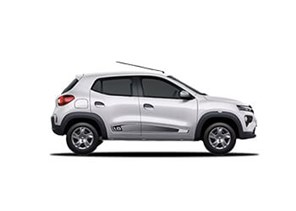
Renault Kwid Zen 1.0
or Similar
From
$24.43/day
Compare car rental deals at Buenos Aires Downtown, Buenos Aires from trusted global suppliers. Find affordable prices and book your ideal car in minutes.








Explore our range of vehicles available in Buenos Aires Downtown.
or Similar
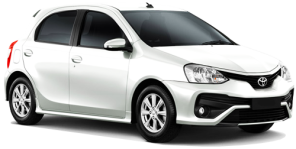
or Similar
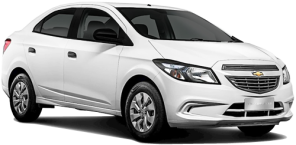
or Similar
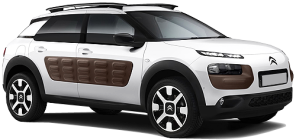
or Similar
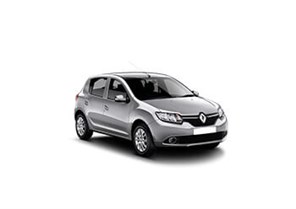
or Similar
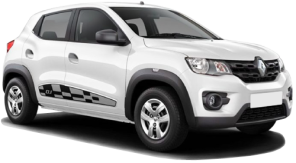
or Similar
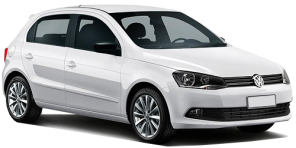
or Similar
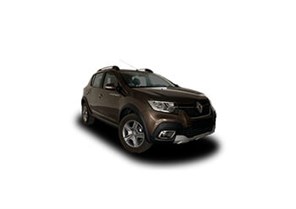
or Similar
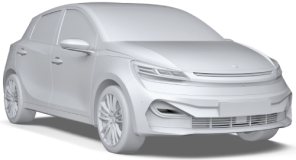
or Similar
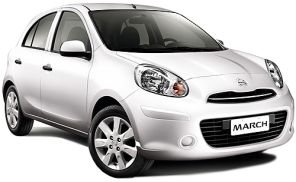
or Similar
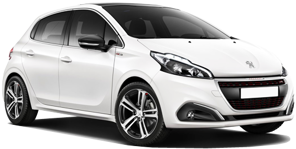
or Similar
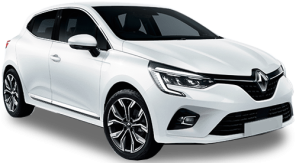
or Similar
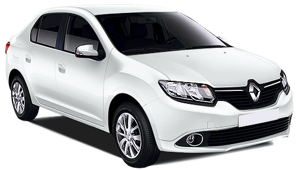
or Similar
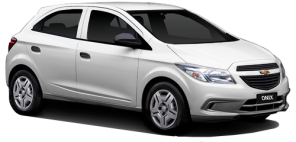
or Similar
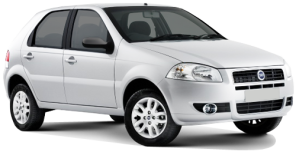
or Similar
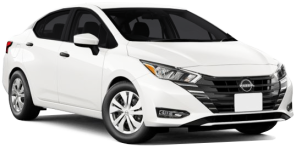
or Similar
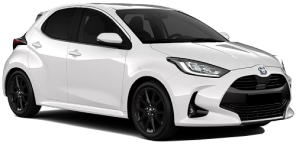
or Similar
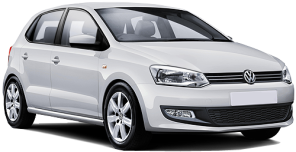
or Similar
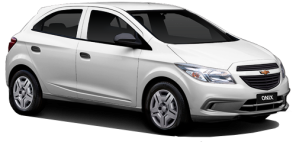
or Similar
or Similar
Prices shown are approximate and may vary by booking dates, rental duration, and vehicle class. Check booking options for current pricing.
Discover a world of convenience, safety, and customization, paving the way for unforgettable adventures and seamless mobility solutions.
All rental costs, taxes, insurance options, and fees are clearly displayed before booking.
Easily filter rental cars by price, vehicle type, supplier, fuel policy, mileage options, and customer ratings.
Protect your rental with optional full coverage insurance for additional peace of mind during your trip.
Find rental cars with unlimited mileage and one-way rental options perfect for long road trips.
Manage, modify, or cancel your booking easily through your confirmation link or account.
Compare rental prices from hundreds of trusted suppliers worldwide to find the best deal for your trip.
Essential information about car rental companies, popular cars, rental duration, and prices at Buenos Aires Downtown.
Hertz is a leader at Ministro Pistarini International Airport (EZE). Localiza, the Brazilian giant, has a strong presence in the city for those traveling overland to neighboring countries. (Based on 8,500+ local pickups)
Small cars are the only practical choice for the chaotic traffic of Buenos Aires. SUVs are used for longer trips into the Pampas or to the Tigre Delta.
Buenos Aires rentals average 4 days. This often covers a long weekend getaway to the countryside or a trip to visit an estancia. Many travelers also rent for a portion of a longer South American journey. (Based on 8,500+ local pickups)
The Chevrolet Onix is a top-selling compact and a rental fleet favorite. The Fiat Cronos, a locally-made sedan, is popular for its trunk space and comfort.
Buenos Aires rates average $38 USD per day. Weekly rentals from $230 USD provide good value for exploring the pampas.
Essential driving rules and requirements to know when renting a car.
Get detailed information on driving rules, licence requirements, speed limits and useful local tips.
Renting a car in Buenos Aires Downtown offers a unique blend of freedom and convenience for the international traveler, but it comes with its own set of considerations. While the city center is compact and many attractions are accessible via the extensive subway (Subte) and bus system, having your own vehicle unlocks the ability to explore beyond the city limits at your own pace. Many travelers opt for a rental car to venture out to the Tigre Delta, the pampas (gaucho country), or even to start an epic road trip south. The choice between picking up your vehicle at Ministro Pistarini International Airport (Ezeiza - EZE) or in the downtown area is a pivotal first decision that impacts both your budget and your initial experience in the city.
Picking up your car at Ezeiza is incredibly convenient if your first stop in Argentina is outside the capital. You can land, collect your bags, and be on the road to your destination without the hassle and expense of a taxi or transfer into the bustling city center. However, this convenience comes at a price. Airport locations almost always apply a significant "airport surcharge" or "airport fee," which can add 20-30% to your total rental cost. Conversely, picking up from a downtown location, such as those near the Retiro train station or along Avenida Córdoba, is generally more economical. The trade-off is the logistical challenge of navigating your way from the airport to the city center with your luggage and then finding the rental office, which may not be as immediately accessible as its airport counterpart. A savvy money-saving tip is to book your rental online in advance, comparing the total price (including all fees) for both airport and downtown locations. Often, a short, inexpensive taxi or bus ride from the airport to a downtown office can save you a significant amount on your weekly rental.
Below is a comparison of the primary pickup locations in Buenos Aires to help you decide which is best for your travel plans.
| Pickup Location | Advantages | Disadvantages | Surcharge |
|---|---|---|---|
| Ministro Pistarini Int'l Airport (EZE) | Immediate access upon arrival, ideal for leaving the city directly. | Highest rental rates due to significant airport concession fees. | High (20-30% added to base rate) |
| Aeroparque Jorge Newbery (AEP) | Convenient for domestic arrivals, closer to downtown than EZE. | Still incurs an airport surcharge, though sometimes lower than EZE. | Medium/High |
| Downtown (Microcentro/Retiro) | Generally lower base rates and fewer surcharges. | Requires transport from the airport; navigating city traffic to depart. | Low/None |
Before you get behind the wheel in the Argentine capital, it's essential to understand the legal and administrative requirements for renting a car. The process is straightforward for most international visitors, but having the correct documentation ready will ensure a smooth pickup. Rental companies in Buenos Aires are typically strict about paperwork, so arriving prepared is non-negotiable. You will need to present a valid driver's license, your passport, and a credit card in the main driver's name. The credit card is crucial for the security deposit, which is a standard practice to cover the vehicle in case of damage or theft.
The minimum age to rent a car in Argentina is generally 21 years old, but drivers under 25 will almost certainly incur a "young driver surcharge." This daily fee can add up, so it's important to factor it into your budget. Regarding your driver's license, a valid license from your home country is accepted for short-term stays. However, it is highly recommended, and in many cases required by rental agencies, to also obtain an International Driving Permit (IDP). While Argentine law technically requires an IDP for licenses not in Spanish, rental companies often waive this requirement for English-language licenses, but having an IDP provides a legal safety net and a translated version of your credentials. The table below summarizes the key requirements.
| Requirement | Details |
|---|---|
| Minimum Age | 21 years (with a surcharge for drivers under 25) |
| Driver's License | Valid license from your country of residence. |
| International Driving Permit (IDP) | Strongly recommended, especially if your license is not in Spanish. |
| Passport | Required for identification and to verify entry stamp. |
| Credit Card | Mandatory for the security deposit; must be in the driver's name. |
| Insurance | Basic insurance is included, but CDW and theft protection are offered. |
While Buenos Aires has a robust public transportation network, renting a car fundamentally changes how you experience the city and its surroundings. It transforms your trip from a series of point-to-point transits into a continuous, self-directed journey. Imagine the freedom of deciding to drive to the vibrant street art of La Boca, then spontaneously heading north to spend the afternoon exploring the charming cobblestone streets of Olivos or San Isidro, all without waiting for trains or negotiating taxi fares. For families, the convenience of having a car loaded with snacks, a change of clothes, and kid-friendly entertainment is invaluable, making day trips less stressful and more enjoyable.
Beyond the city limits, a car becomes an indispensable tool for discovery. The famous Argentine pampas, home to traditional estancias (ranches) where you can experience a gaucho's way of life, are just a short drive away. The Paraná Delta with its network of islands and waterways, accessible from the town of Tigre, is another perfect destination for a spontaneous day trip. Having a rental car means you are no longer bound by tour bus schedules or train timetables; you can linger at a riverside parrilla (grill) for an extra hour or chase a sunset over the pampas without worry.
Here are some key benefits of having your own wheels in the region:
When choosing a rental company in downtown Buenos Aires, you'll be faced with a familiar choice between well-known international brands and reputable local agencies. The major international players—such as Hertz, Avis, Enterprise, Budget, Sixt, Alamo, and Europcar—all have a strong presence in the city, particularly in the downtown area and at both airports. These companies offer the comfort of consistency, familiar loyalty programs, and generally newer fleets. They are a solid choice for travelers who value reliability and a straightforward, corporate rental experience. Their customer service is generally good, and their vehicles are well-maintained.
On the other hand, local Argentine companies can sometimes offer more competitive rates, especially for longer rentals. However, it's crucial to read the terms and conditions carefully, as insurance offerings and deposit policies can vary significantly. The key to finding the best deal is comparison. While you may be loyal to a specific brand, it's always wise to compare prices and included coverage before booking. The table below provides a general overview of the major companies you will find in Buenos Aires Downtown, helping you gauge their price point and primary strengths. Keep in mind that prices are dynamic and depend on seasonality and vehicle availability.
| Company | Price Level | Pros |
|---|---|---|
| Hertz | Medium/High | Extensive locations, reliable fleet, strong loyalty program. |
| Avis | Medium/High | Widely recognized, good customer service, premium vehicle options. |
| Enterprise | Medium | Known for excellent customer service, large selection of vehicles. |
| Budget | Low/Medium | Often offers competitive rates, a good choice for value-seekers. |
| Sixt | Medium/High | Premium German brand, excellent for luxury and sports car rentals. |
| Alamo | Low/Medium | Popular for leisure travel, often has good deals for multi-day rentals. |
| Europcar | Medium | Strong European presence, good selection of economy and compact cars. |
Selecting the right vehicle category is key to a comfortable and practical trip in and around Buenos Aires. For navigating the city's often narrow streets and dealing with assertive local drivers, smaller is frequently better. Economy and compact cars, such as a Fiat Argo or a Chevrolet Onix, are the most popular choices. They are fuel-efficient, easy to park in tight spaces, and perfectly adequate for city driving and day trips to nearby attractions. For families or groups with more luggage, a midsize sedan like a Toyota Corolla offers more space and comfort. If you plan on venturing further afield into the pampas or to the more rural parts of the province, a compact SUV (like a Ford EcoSport) provides a slightly higher driving position and a bit more ruggedness, though you are unlikely to need a 4x4.
Prices for rentals in Buenos Aires fluctuate dramatically based on demand. The high tourist season, which includes the European summer months of December through February and the weeks around major holidays like Christmas and Easter, sees prices peak. During these times, securing a vehicle, especially a popular category like an SUV, requires booking well in advance. Conversely, the low season (May to August, excluding winter holidays) offers the most attractive rates. National holidays and long weekends (known as "feriados puente") can also cause sudden price spikes. The following tables provide a general idea of average daily rental prices in USD for different vehicle categories and the seasonal cost variations you can expect.
| Vehicle Category | Example Model | Avg. Daily Price (Low Season) | Avg. Daily Price (High Season) |
|---|---|---|---|
| Small/Economy Car | Fiat Argo, Chevrolet Onix | $30 - $45 | $55 - $80 |
| Medium/Compact SUV | Toyota Corolla, Ford EcoSport | $50 - $70 | $85 - $120 |
| Full-Size SUV | Jeep Compass, Toyota SW4 | $80 - $110 | $140 - $200+ |
| Passenger Van | Renault Kangoo, Citroën Berlingo | $70 - $95 | $120 - $170 |
| Luxury Vehicle | Volvo XC60, Audi A3 | $120 - $180 | $200 - $300+ |
| Metric | Details |
|---|---|
| Cheapest Month(s) | May, June, August (excluding winter break) |
| Most Expensive Month(s) | January, February, July (winter break) |
| Average Weekly Price (Economy) | $350 - $550 |
| A Good Deal (Economy, daily) | Under $35 |
| Cheapest Supplier (Typical) | Budget, local agencies (with research) |
| Cheapest Car Type | Economy/Compact manual transmission |
Once you've picked up your car from a downtown location, the entire province of Buenos Aires and beyond opens up for exploration. Here are a few classic road trips that start right from the heart of the city.
Driving in Buenos Aires can be an intense experience, characterized by assertive drivers and a unique local style. The most important thing to remember is that you drive on the right-hand side of the road. The flow of traffic is fast-paced, and lane markings are often treated more as suggestions than strict rules, especially by motorcyclists and taxis. Defensive driving is not just a recommendation; it's a necessity. Be particularly vigilant at intersections, where the right of way is often negotiated with eye contact and assertive maneuvering rather than strictly obeyed.
Speed limits are generally posted but are not always strictly enforced within the city, though it's wise to adhere to them. On highways (autopistas) like the 25 de Mayo or General Paz, limits are typically between 60 and 80 km/h in urban stretches and up to 100-120 km/h on open roads outside the city. Seatbelts are mandatory for all passengers, and child seats are required for young children, though they are not always provided by rental companies, so you may need to request one in advance. The legal blood alcohol limit is very low (0.0% for novice drivers and 0.05% for private vehicles), and police checkpoints (controles de alcoholemia) are common, especially at night and on weekends.
| Location | Speed Limit (km/h) |
|---|---|
| Urban Streets (City Center) | 30 - 60 km/h |
| Avenues (Avenidas) | 60 - 70 km/h |
| Urban Highways (Autopistas) | 60 - 80 km/h |
| Rural Highways (Outside city) | 100 - 120 km/h |
Yes, toll roads are a common feature when driving in and around Buenos Aires. The major urban highways, such as the Autopista Buenos Aires-La Plata, the Autopista del Oeste, and the Acceso Norte (Panamericana), all have toll booths. The payment system is generally straightforward, with cash being widely accepted at most plazas. However, for frequent use, especially on routes like the Illia and Perito Moreno highways that circle the city, there is an electronic toll system called TelePASE. This is an RFID tag attached to your windshield that automatically deducts the toll from a pre-paid account. While convenient for locals, rental cars typically do not come with a TelePASE device. Therefore, you will need to ensure you have small denomination Argentine Peso bills (cash) to pay at the manual toll booths. The cost of a toll can range from a few hundred to over a thousand Argentine Pesos (approximately $1 to $3 USD) depending on the route and distance. Be prepared for occasional queues at peak hours.
Finding parking in the Microcentro, San Telmo, and Palermo can be one of the biggest challenges of driving in Buenos Aires. Street parking is a mix of free, metered, and resident-only zones. The metered system, often managed by a mobile app or through local attendants ("tarjeteros" who are unofficial but often helpful guides), requires payment for a set period during business hours. It's crucial to read the signs carefully to avoid fines or your car being towed. In many residential neighborhoods, parking is only permitted for residents with a permit, and tickets are issued diligently. A safer and often less stressful option is to use one of the many pay parking garages (estacionamiento) scattered throughout the city. While they cost money (typically $5-15 USD for a few hours), they offer peace of mind and security for your vehicle. Many hotels in the downtown area offer parking for guests, either valet or in a nearby garage, so it's worth checking with your accommodation in advance.
Renting a car in a foreign country always involves a learning curve. These practical tips, gleaned from local experience, will help you navigate the process in Buenos Aires with confidence.
Even seasoned travelers can fall into common traps when renting a car abroad. Being aware of these pitfalls can save you time, money, and frustration during your trip to Buenos Aires.
Last spring, my partner and I decided to rent a car from a downtown office on Avenida Córdoba to escape the city for a few days. After navigating the slightly chaotic pick-up process (which involved a patient agent explaining the ins and outs of the car's quirks in Spanish), we nervously merged into the famous Buenos Aires traffic. Our destination was San Antonio de Areco. The moment we hit the open highway, the stress melted away. We spent the afternoon driving through the endless, green pampas, stopping at a roadside stand for fresh empanadas. The feeling of independence was exhilarating. We arrived at our estancia just in time to watch the sunset paint the sky over the gauchos' fields—a moment we would have surely missed if we were dependent on a bus schedule. Driving back into the city a few days later, we felt like seasoned porteños, confidently navigating the return journey (and even managing to fill the tank at a chaotic YPF station) before dropping the keys and walking away with a fantastic story and a sense of accomplishment.
The International Driving Permit (IDP) serves as a standardized, multilingual translation of your native driver's license. While not always strictly enforced by rental car agencies in Buenos Aires for short-term visitors, it is a legal requirement under Argentine law to have one if your license is not in Spanish. It provides a clear, internationally recognized document that local traffic police can easily understand. Obtaining an IDP is a simple process that must be done in your home country before you travel; it cannot be issued in Argentina. In the United States, for example, you can get one from an authorized organization like the AAA for a small fee. You will need to bring two passport photos and your valid driver's license. The permit is typically valid for one year from the date of issue. Having an IDP in your pocket, along with your original license, provides invaluable peace of mind, ensuring that if you are pulled over for a routine check, you have the correct documentation and can avoid potential fines or complications.
Markers show approximate airport or town-centre areas, not confirmed rental desks.
Find airport guides for car rentals, parking, and ground transportation.
Try a different name, city, or IATA code.
Read verified customer reviews, ratings, and rental experiences from travelers who booked through Airport Rento.
Overall Rating
No reviews yet for this location. Be the first to share your experience!