Cheap Car Rental Buenos Aires, Argentina - Compare Deals & Book Instantly
Search and compare car rental prices from trusted global suppliers. Find the best deals instantly.
Why book with us?
-
Wide Fleet
Choose from economy cars, SUVs, luxury vehicles, and more.
-
Free Cancellation
Flexible booking options with free cancellation on most rentals.
-
24/7 Customer Support
Our expert team is available 24/7 to assist you with any questions or concerns.
Compare top international car rental brands and choose the best deal for your trip.








Car Rental Deals in Buenos Aires
Choose from our wide range of vehicles available in Buenos Aires.
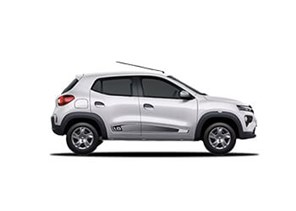
EconomyRenault Kwid Zen 1.0 or Similar
From
$24.43
/day
|
|
|||
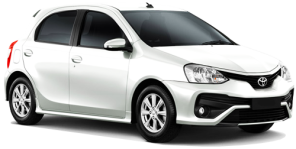
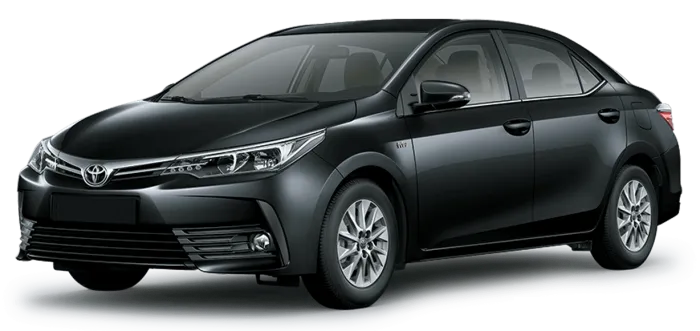
CompactToyota Etios or Similar
From
$23.94
/day
|
|
|||
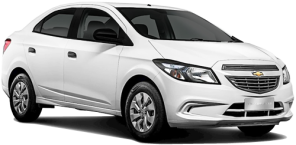
IntermediateChevrolet Prisma or Similar
From
$30.54
/day
|
|
|||
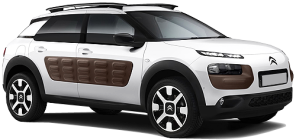
Compact SuvCitroen C4 Cactus or Similar
From
$34.01
/day
|
|
|||
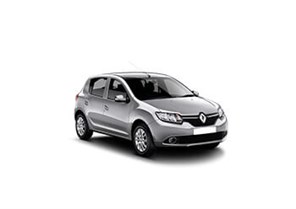
CompactRenault Sandero or Similar
From
$28.53
/day
|
|
|||
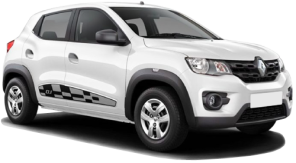
EconomyRenault Kwid or Similar
From
$29.09
/day
|
|
|||
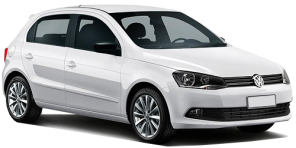
CompactVolkswagen Gol or Similar
From
$30.05
/day
|
|
|||
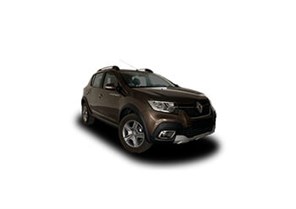
CompactRenault Sandero Stepway Intense or Similar
From
$30.07
/day
|
|
|||
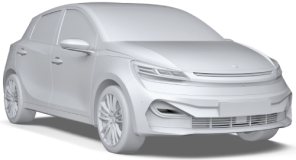
StandardFiat Cronos or Similar
From
$30.91
/day
|
|
|||
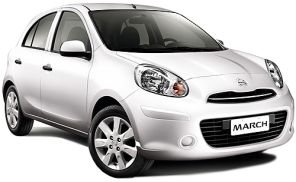
EconomyNissan March or Similar
From
$31.64
/day
|
|
|||
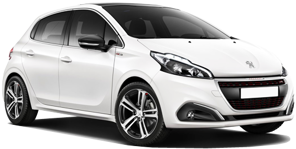
CompactPeugeot 208 or Similar
From
$32.52
/day
|
|
|||
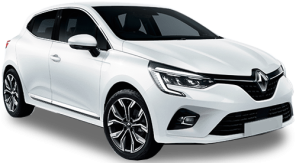
EconomyRenault Clio or Similar
From
$32.68
/day
|
|
|||
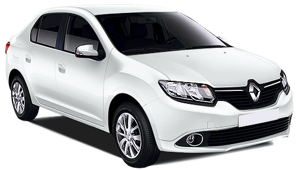
IntermediateRenault Logan or Similar
From
$33.24
/day
|
|
|||
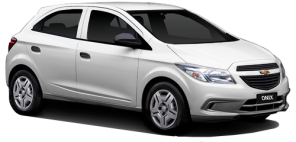
CompactChevrolet Onix or Similar
From
$33.31
/day
|
|
|||
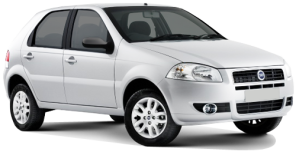
CompactFiat Palio or Similar
From
$33.58
/day
|
|
|||
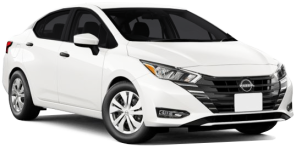
IntermediateNissan Versa or Similar
From
$33.99
/day
|
|
|||
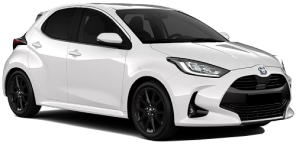
CompactToyota Yaris or Similar
From
$34.24
/day
|
|
|||
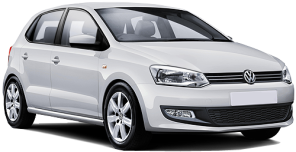
EconomyVolkswagen Polo or Similar
From
$34.66
/day
|
|
|||
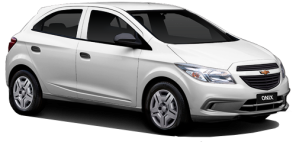
StandardGM Onix or Similar
From
$35.37
/day
|
|
|||
IntermediateCitroen Basalt or Similar
From
$35.74
/day
|
|
|||
Our Features
Discover a world of convenience, safety, and customization, paving the way for unforgettable adventures and seamless mobility solutions.
Unlimited Mileage Options
Many suppliers offer unlimited mileage so you can explore freely without worrying about distance limits.
Road Trip Friendly Options
Find rental cars with unlimited mileage and one-way rental options perfect for long road trips.
Supplier Rating System
Every rental supplier is rated by customers so you can choose trusted providers.
Flexible Filter Options
Refine your search results with powerful filters to quickly find the perfect rental car for your travel needs.
Verified Suppliers
All rental companies on our platform are carefully verified to ensure service quality and customer reliability.
Instant Booking Confirmation
Get immediate confirmation for most rentals with real-time vehicle availability.
Buenos Aires, Argentina Car Rental Facts
Essential information on the best deals, rental providers, and vehicle options in Buenos Aires, Argentina.
Most Popular Agencies
Avis leads Trelew with 35% market share, serving visitors heading to the Valdes Peninsula and Punta Tombo penguin colonies.
Popular Car Types
SUVs dominate at 50% for navigating Patagonian gravel roads to wildlife reserves. Pickup trucks popular for rural exploration.
Average Rental Duration
Trelew rentals average 4-5 days, combining Valdes Peninsula whale watching (seasonal), Punta Tombo penguin colonies, and Welsh heritage sites in Gaiman. (Based on 2,100+ local pickups)
Most Popular Models
The Toyota Hilux leads for its durability on Patagonian roads. Ford Ranger favored for wildlife reserve access.
Average Daily Price
Trelew rates average $48/day. Whale season (June-December) sees higher demand with weekly rentals from $290.
How much does it cost to rent a car at Buenos Aires, Argentina?
Averaging the lowest prices for the economy car category, the data below shows prices for monthly comparisons.
Cheapest Month Average
JunMost Expensive Month
JanYearly Average Price
Trelew Welsh heritage and paleontology. Summer peak for tourism. Book 2 months ahead.
Driving Laws & Information for Argentina
Essential driving rules and requirements to know when renting a car
Driving Side
Right
Minimum Age
18 to drive
Blood Alcohol Limit
0.00% maximum
IDP Required?
Sometimes International Driving Permit
Speed Units
km/h
Seat Belt
Required
Toll Roads
Yes
Emergency
911 emergency number
Car Rental Buenos Aires, Argentina Guide
Renting a car in Buenos Aires opens up a world of possibilities that go far beyond the limits of the city's bustling subway system and taxi fleet. While the city center is walkable and public transport is efficient, a rental car provides the autonomy to explore the hidden gems of the capital and, more importantly, to venture out into the vast and diverse landscapes of the Pampas and beyond. Many travelers find that for day trips to the Tigre Delta, weekend getaways to estancias, or even just navigating the more spread-out neighborhoods of Palermo and Belgrano, having a vehicle is an unparalleled convenience.
Your first major decision will be where to pick up your vehicle: at the airport or in the city center. Ezeiza International Airport (EZE) is the main international gateway, located about 35 kilometers south of the city. All major international rental brands have desks in the arrivals hall, making it seamless to pick up your car as soon as you land. However, be aware that airport locations often include a significant "airport surcharge" or additional fees, which can increase the total cost. Alternatively, picking up a car from a downtown office, such as those on Avenida Corrientes or in the Recoleta neighborhood, can sometimes be cheaper, but you'll need to manage your luggage on a taxi or bus ride into the city first. The most popular city pickup locations include Retiro, Microcentro, and Palermo, offering easy access for travelers already staying in the capital. A key money-saving tip is to compare the total price for an airport pickup versus a city-center pickup for the exact same dates—the difference can sometimes be enough to cover a nice dinner for two.
| Pickup Location | Pros & Cons |
|---|---|
| Ministro Pistarini Airport (EZE) | Pros: Immediate access upon arrival, convenient for starting a road trip right away. Cons: Higher prices due to airport surcharges, limited local competition. |
| Aeroparque Jorge Newbery (AEP) | Pros: Close to downtown and northern suburbs, serves domestic flights. Cons: Can still have premium pricing, busy with domestic travelers. |
| Downtown / City Center | Pros: Often cheaper than airport locations, multiple office choices. Cons: Requires transport into the city to pick up, can be tricky to navigate busy streets when you first get the car. |
| Palermo / Barrio Norte | Pros: Less hectic than Microcentro, closer to residential areas and wide boulevards. Cons: Fewer office locations, may require a short subway or taxi ride from your hotel. |
Car Rentals Requirements in Buenos Aires, Argentina
Before you can hit the road, you need to ensure you have all the correct documentation. The rental process in Buenos Aires is straightforward but strictly enforced, so having the right paperwork is essential. The primary requirements include a valid driver's license, a passport, and a credit card in the main driver's name. Most agencies will place a hold on your credit card for a security deposit, which can range from $500 to $1,500 depending on the vehicle category. It is also highly recommended, and often mandatory, to purchase rental insurance, either through the rental company or via a third-party provider, to cover potential damages or theft.
The minimum age to rent a car in Argentina is typically 21, but drivers under 25 years old will almost always incur a "young driver surcharge." This daily fee can add a significant amount to your total bill, so be sure to factor this into your budget. For license requirements, a valid driver's license from your home country is generally accepted for short-term visitors. However, an International Driving Permit (IDP) is strongly recommended and, while not always strictly enforced by rental agencies, it can be crucial if you are stopped by the police, as it provides an official Spanish translation of your license. It's a small investment that can prevent a major headache during your trip.
| Requirement | Details |
|---|---|
| Minimum Age | 21 years (surcharge applies for under-25s) |
| Driver's License | Valid home country license required. |
| International Driving Permit | Strongly recommended for translation and police stops. |
| Credit Card | Mandatory for the security deposit; debit cards often not accepted. |
| Passport | Required for identification and verification. |
| Insurance | Mandatory; basic coverage is usually included, but full coverage is advised. |
Why Rent a Car in Buenos Aires, Argentina
While Buenos Aires is a city of walkable barrios and an extensive public transport network, renting a car fundamentally changes the scope of your travel experience. It transforms your trip from one confined to the city limits into an open invitation to explore the entire province and beyond. The freedom to create your own itinerary, stop at a roadside parrilla (steakhouse) on a whim, or carry back all the artisan goods you find at a weekend feria is a luxury that public transport simply cannot offer. For families, the convenience of having a car with child seats and space for snacks and strollers can make all the difference between a stressful journey and a relaxing adventure.
Beyond the logistical convenience, a rental car is your ticket to the authentic Argentina that lies just outside the capital. The city itself is ringed by compelling destinations. To the north, the Paraná Delta with its network of waterways and the charming town of Tigre is a popular escape. To the south, the sleepy gaucho towns of the Pampas offer a glimpse into the country's rural soul. With a car, you're not just visiting Buenos Aires; you're using it as a launchpad for regional discovery. You can chase sunsets along the Río de la Plata, explore the colonial history of San Antonio de Areco, or simply navigate the city's sprawling parks and boulevards with ease.
- Freedom to Explore: Go where you want, when you want, without waiting for buses or trains.
- Scenic Drives: Enjoy the beautiful coastal roads along the Río de la Plata and the open highways leading to the Pampas.
- Access to Hidden Gems: Discover roadside stalls, local ferias, and small towns that are off the tourist trail.
- Family Convenience: Easily transport children, luggage, and supplies without the hassle of public transit.
- Cost-Effective for Groups: For groups of 3-4 people, the cost of a rental can be comparable to multiple train or bus tickets for day trips.
- Flexibility for Longer Trips: Pack the car for a weekend getaway to an estancia or a trip to the beaches of Uruguay (via ferry).
Best Car Rental Companies in Buenos Aires, Argentina
Travelers to Buenos Aires will find a healthy mix of familiar global brands and reputable local companies. The multinational corporations offer consistency, large fleets, and loyalty programs, which can be reassuring for first-time visitors. Companies like Hertz, Avis, and Enterprise have a strong presence at both Ezeiza (EZE) and Aeroparque (AEP) airports, as well as downtown locations. Budget and Alamo are often go-to choices for competitive pricing, while Sixt provides a more premium fleet, including luxury European models. Local suppliers, such as Localiza or Unidas, are deeply integrated into the market and often provide excellent value and local knowledge, though their English support might be slightly more limited than the international giants.
When choosing a company, it's crucial to look beyond the headline price. Consider what is included in the base rate, particularly regarding mileage and insurance. Some cheaper quotes may have limited kilometers, which can quickly become expensive on long road trips. The advantage of using a comparison platform is that it allows you to see all your options side-by-side, but it's always a good idea to check the final terms and conditions, especially the fuel policy and deposit requirements, before confirming your booking.
| Company | Price Level | Pros |
|---|---|---|
| Hertz | Medium-High | Global reliability, wide selection, great for loyalty points. |
| Avis | Medium | Strong presence at airports, good customer service, varied fleet. |
| Enterprise | Medium | Excellent for longer rentals, known for customer service. |
| Budget | Low-Medium | Competitive pricing, good for budget-conscious travelers. |
| Sixt | High | Premium and luxury vehicles, high-quality service. |
| Localiza | Low-Medium | Excellent local rates, deep market knowledge, large local fleet. |
| Alamo | Low | Often has good promotional rates, straightforward booking. |
Popular Car Rental Categories & Prices in Buenos Aires, Argentina
The type of car you choose can make or break your Buenos Aires adventure. For navigating the city's often narrow and one-way streets in neighborhoods like San Telmo or Monserrat, a small, maneuverable vehicle is your best friend. Economy and compact cars, such as a Fiat Argo or a Chevrolet Onix, are incredibly popular for solo travelers and couples. They are easy to park, fuel-efficient, and perfect for short city hops. For families or groups of friends, an SUV like a Ford Ecosport or a Toyota Corolla Cross provides extra space and comfort, especially for longer journeys on the rutas (highways). Minivans are available for larger parties, and if you're looking to make an impression, luxury sedans and convertibles from companies like Sixt are available for hire.
Car rental prices in Buenos Aires are highly seasonal and subject to fluctuation based on demand. The high tourist season, which includes the summer months of December through February and major holidays, sees prices skyrocket. The low season, typically during the cooler months of June through August (excluding winter holidays), offers the best deals. Booking well in advance is the single most effective way to secure a good price and your preferred vehicle category, as availability dwindles during peak times. Be prepared for prices to spike around major events like the Buenos Aires International Book Fair or long holiday weekends when locals are also traveling.
| Car Category | Example Models | Avg. Daily Price (USD) |
|---|---|---|
| Small / Economy | Fiat Argo, Chevrolet Onix | $35 - $55 |
| Medium / Compact | Peugeot 208, Toyota Etios | $50 - $75 |
| SUV | Ford Ecosport, Chevrolet Tracker | $75 - $120 |
| Vans / Family | Renault Kangoo, Citroën Berlingo | $90 - $150 |
| Luxury | Audi A3, Mercedes-Benz CLA | $150 - $300+ |
| Pricing Factor | Details |
|---|---|
| Cheapest Month | August (winter low season) |
| Most Expensive Month | January (peak summer & holidays) |
| Average Daily Price | $60 - $80 for a compact car |
| A Good Deal | Under $40/day for an economy car in low season |
| Cheapest Supplier Type | Local companies (often better base rates) |
| Cheapest Car Type | Economy/Compact (smallest engine/manual transmission) |
Road Trips from Buenos Aires, Argentina
One of the greatest joys of renting a car in Buenos Aires is the ability to escape the city and immerse yourself in the surrounding countryside. The region offers a variety of landscapes, from the lush delta to the open pampas. Here are a few classic road trips that start right from your hotel doorstep.
- The Delta Escape: Buenos Aires to Tigre: A short 45-minute to 1-hour drive north along Avenida Libertador or the Panamericana highway. The highlight is exploring the Paraná Delta. You can park your car and hop on a river taxi to explore the islands, visit the Puerto de Frutos market, or simply enjoy a coffee along the waterfront.
- Gaucho Country: Buenos Aires to San Antonio de Areco: Head west on RN8 for about 1.5 to 2 hours. This is the heart of the Pampas, famous for its gaucho (cowboy) culture. Visit traditional estancias, watch skilled horsemen, browse silver workshops, and experience the timeless traditions of rural Argentina.
- Historic River Towns: Buenos Aires to Colonia del Sacramento, Uruguay: Drive to the ferry terminal in Tigre (about 1 hour) and take the Buquebus ferry with your rental car across the Río de la Plata. You'll arrive in the stunning UNESCO World Heritage city of Colonia, with its cobblestone streets and Portuguese influence. Note: You must arrange ferry and border paperwork for the car in advance.
- The Atlantic Coast: Buenos Aires to Mar del Plata: A classic Argentinian summer road trip. Take RN2 for 4-5 hours south to reach this sprawling beach city. It's a long drive, but the journey takes you through the heart of the agricultural pampas, and the destination offers a vibrant beach culture and the famous Rambla casino.
- Wine and Rolling Hills: Buenos Aires to Tandil: Head south on RP30 for about 4-5 hours. Tandil is a charming city nestled among the Sierras, known for its unique balancing rock formations, artisan cheese production, and peaceful landscapes. It's a perfect long-weekend getaway.
Driving Rules in Buenos Aires, Argentina
Driving in Buenos Aires is an experience in itself. It's dynamic and requires focus. Argentines drive on the right-hand side of the road, which will feel familiar to travelers from North America and most of Europe. The flow of traffic can be assertive, and drivers often use their horns to signal intentions or slight frustrations. It's a language of the road you'll quickly get accustomed to. Speed limits are clearly posted, but they are frequently treated as guidelines rather than strict rules, especially on wide city avenues. On the open highways (rutas), speeds increase significantly, and you'll need to be vigilant for slow-moving trucks and farm vehicles.
Seatbelt use is mandatory for all passengers, and child seats are required for young children. These can often be rented from the car company for an additional daily fee. The legal blood alcohol limit is very low (0.0% for commercial drivers and a strict limit for private drivers), so it's best to adopt a policy of no alcohol if you're driving. Police checkpoints are common on highways and at the entrances to towns, so ensure your license, IDP, and rental papers are easily accessible. During the winter months, if you are heading into the Sierras, be aware of local regulations regarding winter tires or chains, though this is rarely an issue in the city itself.
| Road Rule | Details |
|---|---|
| Driving Side | Right |
| Speed Limit (City) | 40-60 km/h (25-37 mph) |
| Speed Limit (Highway) | 100-130 km/h (62-80 mph) |
| Blood Alcohol Limit | 0.5 g/l (very low, effectively zero-tolerance for foreigners) |
| Seatbelt Law | Mandatory for all occupants |
| Child Seat Law | Mandatory for children under a certain age/height |
Toll Roads in Buenos Aires, Argentina
Many of the primary access routes into and out of Buenos Aires, particularly the autopistas (highways), are toll roads. The most notable for travelers are the Acceso Norte (Panamericana) and the Acceso Oeste, which lead to the northern and western suburbs and beyond. There are also tolls on the main coastal highways heading south. The toll system is a mix of traditional cash booths and, increasingly, an electronic system called "TelePASE." This is an electronic transponder system for regular commuters, but as a visitor in a rental car, you won't have this. You will simply use the designated "manual" or "efectivo" lanes to pay with cash (Argentine Pesos).
The cost of tolls is generally quite low by international standards, typically ranging from $0.50 to $2.00 USD equivalent per toll plaza. It's wise to keep a good supply of small denomination peso notes and coins in the car for this purpose, as attendants may not always have change for large bills. On a long road trip, such as the drive to Mar del Plata, you might encounter three or four toll plazas, so the total cost remains manageable. Always look for the signs indicating which lanes accept cash to avoid accidentally entering a TelePASE-only lane.
Parking in Buenos Aires, Argentina
Finding parking in Buenos Aires is a tale of two cities. In the outer, more residential neighborhoods like Belgrano or Palermo Soho, you can often find street parking, though it may require some patience and circling the block. Be very attentive to parking signs. A single curb can have different rules depending on the time of day or day of the week. You'll often see a "playa de estacionamiento" sign indicating a paid, attended parking lot. In the Microcentro, San Telmo, and Retiro areas, street parking is extremely scarce and highly regulated. It's far easier and safer to use one of the many secure parking garages. Look for signs reading "Estacionamiento" or "Garaje."
Using a parking garage is highly recommended for peace of mind, especially if you have luggage or valuables in the car. Rates are usually by the hour, with a full-day rate being more economical. Be prepared to leave your keys with the attendant in many garages, as they often need to move cars around to maximize space. When parking on the street, never leave any belongings visible in the car. Even an empty bag can be a temptation. In busy areas like La Boca or the San Telmo market on weekends, it's best to pay for a secure lot to avoid any risk.
Tips for Car Rental in Buenos Aires, Argentina
Renting a car in a foreign country always has its nuances. A little local knowledge goes a long way in ensuring a smooth and cost-effective experience. Here are some practical tips gathered from years of travel experience in Argentina.
- Book Early, Especially in Peak Season: Car inventories shrink rapidly during the summer (Dec-Feb) and for long weekends. Booking a month or more in advance can save you up to 30-40%.
- Scrutinize the Insurance: The basic insurance included often has a very high deductible (excess). Purchasing "full coverage" or a zero-deductible policy from the rental company or a reputable third party is a wise investment for peace of mind.
- Check the Fuel Policy: The most common and fairest policy is "Full-to-Full." You pick up the car with a full tank and return it full. This avoids paying the rental company's inflated prices for refueling. Find a gas station (estación de servicio) near the return location.
- Inspect the Car Thoroughly: Before driving off, take photos and videos of the car from every angle, including the roof and wheels. Note any existing scratches or dings on the rental agreement and make sure a staff member initials it. This is your protection against disputed damage claims.
- Opt for an Automatic if Unsure: The vast majority of cars in Argentina have manual transmissions. If you're not comfortable driving stick, reserve an automatic well in advance, as they are a smaller portion of the fleet and book out quickly.
- Avoid Rushing at Pickup: Allow at least 30-45 minutes for the pickup process. There will be paperwork, insurance decisions, and a vehicle inspection. Rushing can lead to missed details.
- Understand the Deposit Hold: The hold on your credit card can take several weeks to be released after your return. Ensure you have sufficient credit available on your card for the duration of your trip plus this hold amount.
Common Car Rental Mistakes Travelers Make
Even seasoned travelers can fall into common traps when renting a car in a new country. Being aware of these potential pitfalls can save you time, money, and stress during your Buenos Aires adventure.
- Not Reading the Fine Print on Mileage: Some rental deals include limited kilometers per day. Exceeding this limit can result in hefty per-kilometer charges that blow your budget. Always confirm if the rental has unlimited mileage, especially if you plan on road trips.
- Forgetting Your IDP: While the rental agency might hand you the keys without one, a police officer at a routine checkpoint may not be so lenient. Not having an IDP can lead to a fine or even your car being impounded.
- Skipping the Pre-Rental Inspection: Failing to document pre-existing damage is the number one cause of disputes. A small scratch you missed can be claimed as your fault. Take dated photos or video immediately.
- Assuming Your Credit Card Insurance is Enough: Many credit cards offer rental car insurance, but it often has strict conditions and may not be valid in Argentina or for the specific type of coverage you need. Verify with your card provider in advance.
- Choosing the Wrong Car for City Driving: A large SUV might seem great, but it becomes a nightmare to park and maneuver in the historic center. For mixed city and country trips, a compact or medium-sized car is usually the sweet spot.
- Leaving Valuables in the Car: Even in a guarded lot, it's not wise. When street parking, make it a habit to take everything with you or ensure the glove box and trunk are empty and the car is completely empty of any bags or electronics.
Real Travel Experience Renting a Car in Buenos Aires, Argentina
Sarah, a travel blogger from Canada, landed at Ezeiza with a loose plan but a firm desire to see the real Argentina. She'd booked a small SUV online from a local company, tempted by the price and the promise of a vehicle for her gaucho country adventure. After navigating the chaotic but exciting airport pickup, she drove her Fiat Toro nervously into the evening traffic. The GPS guided her to her Palermo Airbnb, where she spent a tense few minutes finding a garage for the night. The next morning, car secured, she felt a surge of freedom. She drove out of the city, the urban sprawl giving way to the endless, green pampas. She stopped for a steak at a roadside parrilla that looked promising, a place she never would have found on a bus tour. A few days later, she was winding through the hills of Tandil, the car loaded with local cheese and salami, the wind in her hair, feeling like she'd unlocked a secret level of travel that only a rental car could provide.
International Driving Permit for Travelers Visiting Buenos Aires, Argentina
For any traveler planning to drive in Argentina, the question of an International Driving Permit (IDP) is a critical one. While your valid home country driver's license is technically valid for rental transactions, the IDP serves as an official translation into Spanish. This is its most important function. If you are stopped by Argentine traffic police, who may not speak English, presenting your IDP alongside your home license provides them with a document they can read and verify instantly. It smooths the interaction and demonstrates that you are a prepared and respectful visitor.
Obtaining an IDP is a simple process that must be done in your home country before you travel. They cannot be obtained in Argentina. In the United States, they are issued by the American Automobile Association (AAA) and the American Automobile Touring Alliance; in Canada, by CAA; and in the UK, by the Post Office or the AA. You typically need to bring your valid driver's license, two passport-sized photos, and a small fee. The permit is generally valid for one year from the date of issue. It's a small, inexpensive booklet that can save you from significant bureaucratic trouble and fines. For the nominal cost and effort, it is unequivocally recommended as an essential item for anyone planning to get behind the wheel in Buenos Aires and beyond.
Car Rental Locations in Buenos Aires
- Car Rental in Buenos Aires Airport (AEP)
- Car Rental in Buenos Aires Airport (EZE)
- Car Rental in Buenos Aires Airport Newbery (AEP)
- Car Rental in Buenos Aires Belen De Escobar
- Car Rental in Buenos Aires Belgrano
- Car Rental in Buenos Aires Buquebus
- Car Rental in Buenos Aires Downtown
- Car Rental in Buenos Aires El Palomar
- Car Rental in Buenos Aires El Palomar Airport (EPA)
- Car Rental in Buenos Aires Lomas De Zamora
- Car Rental in Buenos Aires Olivos
- Car Rental in Buenos Aires Pilar
- Car Rental in Buenos Aires Ramos Mejia
- Car Rental in Buenos Aires San Fernando International Airport (FDO)
- Car Rental in Buenos Aires Velez Sarsfield
- Car Rental in Buenos Aires Vicente Lopez
- Car Rental in Buenos Aires Villa Devoto
Discover More Argentina Car Rental Destinations
- Car Rental in Alta Gracia
- Car Rental in Bahia Blanca
- Car Rental in Bariloche
- Car Rental in Catamarca
- Car Rental in Cevil Pozo (Pcia. de Tucuman)
- Car Rental in Ciudad Perico
- Car Rental in Comodoro Rivadavia
- Car Rental in Cordoba
- Car Rental in Corrientes
- Car Rental in El Calafate
- Car Rental in El Chalten
- Car Rental in Embalse
- Car Rental in Esquel
- Car Rental in Formosa
- Car Rental in Jujuy
- Car Rental in Junin
- Car Rental in La Plata
- Car Rental in La Rioja
- Car Rental in Mar del Plata
- Car Rental in Mendoza
- Car Rental in Misiones
- Car Rental in Neuquen
- Car Rental in Parana
- Car Rental in Pergamino
- Car Rental in Pilar
- Car Rental in Posadas
- Car Rental in Puerto Iguazu
- Car Rental in Puerto Madryn
- Car Rental in Rawson
- Car Rental in Resistencia
- Car Rental in Rio Cuarto
- Car Rental in Rio Gallegos
- Car Rental in Rio Grande
- Car Rental in Rojas
- Car Rental in Rosario
- Car Rental in Salta
- Car Rental in San Carlos De Bariloche
- Car Rental in San Juan
- Car Rental in San Luis
- Car Rental in San Martin De Los Andes
- Car Rental in San Miguel De Tucuman
- Car Rental in San Rafael
- Car Rental in San Salvador de Jujuy
- Car Rental in Santa Fe
- Car Rental in Santa Rosa La Pampa
- Car Rental in Santiago Del Estero
- Car Rental in Termas de Rio Hondo
- Car Rental in Tigre
- Car Rental in Tolhuin
- Car Rental in Trelew
- Car Rental in Trenque Lauquen
- Car Rental in Ushuaia
- Car Rental in Viedma
- Car Rental in Villa Carlos Paz
- Car Rental in Villa de Merlo
- Car Rental in Villa General Belgrano
- Car Rental in Villa La Angostura
- Car Rental in Villa Mercedes
Other Car Rental Locations in Argentina
- Car Rental at Alta Gracia Downtown
- Car Rental at Bahia Blanca Airport (BHI)
- Car Rental at Bahia Blanca Downtown
- Car Rental at Bariloche Downtown
- Car Rental at Catamarca Coronel Felipe Varela Airport (CTC)
- Car Rental at Catamarca Downtown
- Car Rental at Cevil Pozo Downtown
- Car Rental at Ciudad Perico Downtown
- Car Rental at Comodoro Rivadavia Airport (CRD)
- Car Rental at Comodoro Rivadavia Downtown
- Car Rental at Cordoba Airport (COR)
- Car Rental at Cordoba Downtown
- Car Rental at Corrientes Downtown
- Car Rental at Corrientes International Airport (CNQ)
- Car Rental at El Calafate Airport (FTE)
- Car Rental at El Calafate Downtown
- Car Rental at El Chalten Downtown
- Car Rental at Embalse Downtown
- Car Rental at Esquel Airport (EQS)
- Car Rental at Esquel Downtown
- Car Rental at Esquel Villa Ayelen
- Car Rental at Formosa Airport (FMA)
- Car Rental at Formosa Downtown
- Car Rental at Jujuy Downtown
- Car Rental at Junin Downtown
- Car Rental at La Plata Downtown
- Car Rental at La Rioja Capitan Vicente Almandos Almonacid Airport (IRJ)
- Car Rental at La Rioja Downtown
- Car Rental at Mar Del Plata Airport (MDQ)
- Car Rental at Mar Del Plata Downtown
Major Airports in Argentina
Complete airport guides with car rental information, parking, and transportation options
- Bahia Blanca Airport Guide IATA: BHI
- Buenos Aires Airport Guide IATA: AEP
- Buenos Aires Airport Guide IATA: EZE
- Buenos Aires Airport Newbery Guide IATA: AEP
- Buenos Aires El Palomar Airport Guide IATA: EPA
- Buenos Aires San Fernando International Airport Guide IATA: FDO
- Catamarca Coronel Felipe Varela Airport Guide IATA: CTC
- Comodoro Rivadavia Airport Guide IATA: CRD
- Cordoba Airport Guide IATA: COR
- Corrientes International Airport Guide IATA: CNQ
- El Calafate Airport Guide IATA: FTE
- Esquel Airport Guide IATA: EQS
- Formosa Airport Guide IATA: FMA
- La Rioja Capitan Vicente Almandos Almonacid Airport Guide IATA: IRJ
- Mar Del Plata Airport Guide IATA: MDQ
- Mendoza Airport Guide IATA: MDZ
- Neuquén Airport Guide IATA: NQN
- Parana General Justo Jose De Urquiza Airport Guide IATA: PRA
- Posadas Airport Guide IATA: PSS
- Puerto Iguazu Airport Guide IATA: IGR
- Puerto Madryn Airport Guide IATA: PMY
- Resistencia International Airport Guide IATA: RES
- Rio Gallegos Airport Guide IATA: RGL
- Rio Grande Airport Guide IATA: RGA
- Rosario Airport Guide IATA: ROS
- Salta Airport Guide IATA: SLA
- San Carlos De Bariloche Airport Guide IATA: BRC
- San Juan Airport Guide IATA: UAQ
- San Luis Airport Guide IATA: LUQ
- San Martin De Los Andes Airport Guide IATA: CPC
- San Miguel De Tucuman Airport Guide IATA: TUC
- San Rafael Airport Guide IATA: AFA
- San Salvador De Jujuy Airport Guide IATA: JUJ
- Santa Fe Airport Guide IATA: SFN
- Santa Rosa Airport Guide IATA: RSA
- Santiago Del Estero Airport Guide IATA: SDE
- Termas De Rio Hondo International Airport Guide IATA: RHD
- Trelew Airport Guide IATA: REL
- Ushuaia Airport Guide IATA: USH
- Ushuaia International Airport Guide IATA: USH
- Viedma Airport Guide IATA: VDM
- Villa Mercedes Airport Guide IATA: VME
Frequently Asked Questions about Car Rental in Buenos Aires
Buenos Aires, Argentina Car Rental Reviews & Customer Ratings
Read verified customer reviews, ratings, and rental experiences from travelers who booked through Airport Rento.
Overall Rating
Smooth pickup in BA
Verified"Rented a sedan for 5 days. The Ezeiza airport pickup was quick, car was clean and ran perfectly. Drove to Tigre with no issues."
James Wilson
满意
Verified"车况良好,取还方便。前台会说简单英语。价格合理。下次来布宜诺斯艾利斯还会选择这家。"
Chen Wei
Me encantó
Verified"Excelente atención. El auto era 0km. Hice la reserva en 5 minutos. Lo recomiendo al 100%. Volveré a alquilar."
Luis Fernandez
Sehr gut!
Verified"Alles super gelaufen. Das Auto war sauber und zuverlässig. Die Abgabe war unkompliziert. Gerne wieder in Buenos Aires."
Hans Weber
Great service
Verified"Booked from Muscat. Everything was ready when I arrived at EZE. The car was a new Corolla. No issues."
Mohammed Al-Farsi
Good value for money
Verified"Found a great deal on a compact car. The staff at the downtown location spoke English and were helpful. Only downside was waiting 20 mins."
Sarah Thompson
Would recommend
Verified"Had a great experience. Car was ready on time. The staff explained everything clearly. Drove to San Isidro."
Mia Chen
Καλή εξυπηρέτηση
Verified"Πήραμε αυτοκίνητο για εκδρομή στο Delta. Η παραλαβή ήταν γρήγορη. Τιμή λογική. Ευχαριστούμε."
Elena Papadopoulos
Good enough
Verified"Car was fine but the GPS was outdated. Got lost twice in Palermo. Otherwise okay experience."
Yuki Tanaka
Megbízható
Verified"Gyors átvétel, tiszta autó. Az ár-érték arány jó. Budapestről utaztam, minden rendben volt."
Viktor Horvath
Très satisfaite
Verified"Location d'une voiture pour une semaine. Le processus était fluide et le personnel accueillant. La voiture était en parfait état. Merci!"
Sophie Laurent
Ok but not great
Verified"The car was late by 30 mins. Got a free upgrade tho which was nice. Overall decent."
Isabella Kowalski
Excelente servicio
Verified"Alquilé un auto para recorrer la ciudad. Todo perfecto, el auto era nuevo y el precio razonable. Volvería a usar AirportCarHub sin dudas."
Carlos Mendez
Recomendo
Verified"Aluguei um carro por 4 dias. Atendimento bom, carro econômico. As estradas para Punta del Este são boas."
Ana Silva
Prima geregeld
Verified"Auto was schoon en reed goed. Ophalen en inleveren ging snel. Parkeren in Buenos Aires is wel lastig."
Tom Bakker
Buen auto
Verified"Renté un Fiat Cronos. Todo bien, solo el tráfico en Buenos Aires es un caos. El auto respondió bien."
Maria Garcia
Хорошо
Verified"Машина была готова вовремя. Чистый салон. Доехали до Luján без проблем. Спасибо."
Nadia Petrova
God oplevelse
Verified"Bilen var perfekt til vores behov. Personalet var venlige. Vi kørte til La Plata uden problemer."
Charlotte Jensen
Reliable rental experience
Verified"Booked online from China. Got a VW Gol trendline. Everything worked as promised. Returned the car full tank, no hidden fees."
Wei Zhang
Happy customer
Verified"Flew all the way from SA to see Argentina. The rental process was smooth. Car was clean. Staff spoke English."
Thabo Nkosi
Ottimo
Verified"Auto nuova e pulita. Personale professionale. Ho visitato La Boca e San Telmo senza problemi. Prezzo competitivo."
Marco Rossi
Good enough for us
Verified"Car worked fine. AC was cold. Staff wasn't super friendly but efficient. Would use again."
Ahmed Malik
Spokojenost
Verified"Vše v pořádku. Auto mělo najeto jen 5000 km. Cena dobrá. Příště zase tady."
Jan Novak
Easy peasy
Verified"Picked up at AEP airport. Car was ready, staff friendly. Drove to San Antonio de Areco. Would recommend."
Emma Brown
Decent experience
Verified"The car was okay but had some scratches they noted on pickup. Make sure to inspect carefully. Staff was polite."
Rajesh Kumar
Perfect for tourists
Verified"Easy booking, good car. Drove to Iguazu falls. The unlimited mileage was great. Will recommend to friends."
Fatima Al-Mansouri
Muy conforme
Verified"Alquilé una camioneta para 7 personas. Todo excelente. Viajamos a Rosario sin ningún problema. Gracias!"
Pablo Rodriguez
Satisfăcut
Verified"Mașina a fost în stare bună. Procesul de închiriere a fost rapid. Personal amabil. Voi reveni."
Stefan Popescu
Bra pris
Verified"Billigaste alternativet jag hittade. Bilen var lite gammal men funkade bra. Lämnade tillbaka utan problem."
Johan Andersson
Smooth process
Verified"Picked up at 8am, no queue. Car was spotless. Dropped off at same location. No hidden fees. 5 stars."
Omar Hassan
Нормально
Verified"Машина в хорошем состоянии. Брали на 3 дня. Вернули без проблем. Спасибо сервису."
Olga Kuznetsova
Solid service
Verified"Picked up a SUV for a trip to Colonia. The booking was straightforward and the price was fair. Would use again."
Liam O'Connor
Great value
Verified"Rented for two weeks. Car had A/C which was essential. Staff was helpful with directions to Mar del Plata."
Kwame Asante
Solid 4 stars
Verified"Car was fine. Pickup took a bit long cause they were busy. Dropoff was fast. Would use again."
David Kim
Bra bil
Verified"Hygglig personal. Bilen var ren och fin. Lite krångel med betalningen men löste sig snabbt."
Nina Söderberg