Cheap Car Rental Rio Gallegos, Argentina - Compare Deals & Book Instantly
Search and compare car rental prices from trusted global suppliers. Find the best deals instantly.
Why book with us?
-
Wide Fleet
Choose from economy cars, SUVs, luxury vehicles, and more.
-
Free Cancellation
Flexible booking options with free cancellation on most rentals.
-
24/7 Customer Support
Our expert team is available 24/7 to assist you with any questions or concerns.
Compare top international car rental brands and choose the best deal for your trip.








Car Rental Deals in Rio Gallegos
Choose from our wide range of vehicles available in Rio Gallegos.
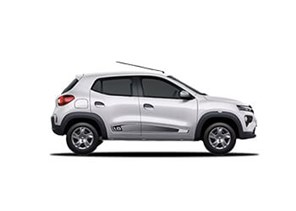
EconomyRenault Kwid Zen 1.0 or Similar
From
$24.43
/day
|
|
|||
CompactToyota Etios or Similar
From
$23.94
/day
|

|
|||
IntermediateChevrolet Prisma or Similar
From
$30.54
/day
|

|
|||
Compact SuvCitroen C4 Cactus or Similar
From
$34.01
/day
|

|
|||
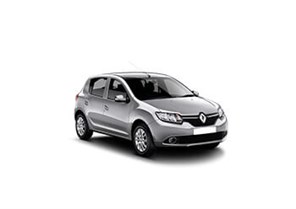
CompactRenault Sandero or Similar
From
$28.53
/day
|
|
|||
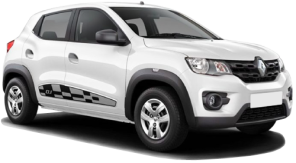
EconomyRenault Kwid or Similar
From
$29.09
/day
|
|
|||
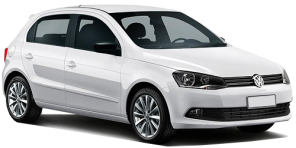
CompactVolkswagen Gol or Similar
From
$30.05
/day
|
|
|||
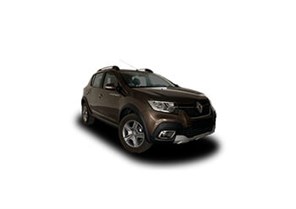
CompactRenault Sandero Stepway Intense or Similar
From
$30.07
/day
|
|
|||
StandardFiat Cronos or Similar
From
$30.91
/day
|
|
|||
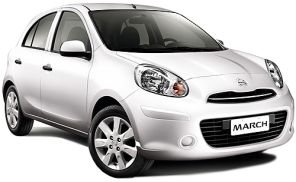
EconomyNissan March or Similar
From
$31.64
/day
|
|
|||
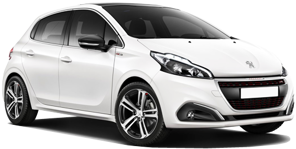
CompactPeugeot 208 or Similar
From
$32.52
/day
|
|
|||
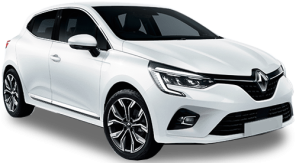
EconomyRenault Clio or Similar
From
$32.68
/day
|
|
|||
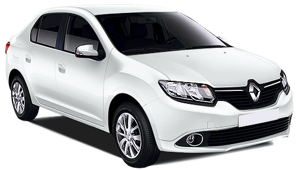
IntermediateRenault Logan or Similar
From
$33.24
/day
|
|
|||
CompactChevrolet Onix or Similar
From
$33.31
/day
|

|
|||
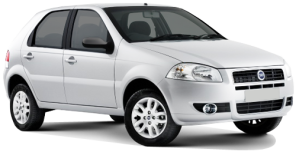
CompactFiat Palio or Similar
From
$33.58
/day
|
|
|||
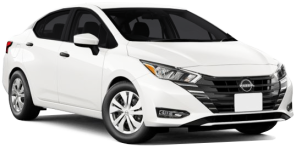
IntermediateNissan Versa or Similar
From
$33.99
/day
|
|
|||
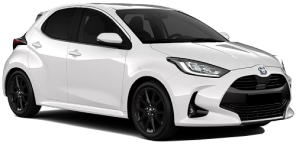
CompactToyota Yaris or Similar
From
$34.24
/day
|
|
|||
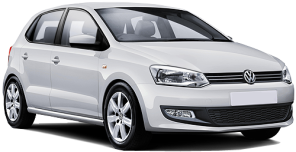
EconomyVolkswagen Polo or Similar
From
$34.66
/day
|
|
|||
StandardGM Onix or Similar
From
$35.37
/day
|

|
|||
IntermediateCitroen Basalt or Similar
From
$35.74
/day
|
|
|||
Our Features
Discover a world of convenience, safety, and customization, paving the way for unforgettable adventures and seamless mobility solutions.
Unlimited Mileage Options
Many suppliers offer unlimited mileage so you can explore freely without worrying about distance limits.
Transparent Pricing
All rental costs, taxes, insurance options, and fees are clearly displayed before booking.
Mobile Optimized Booking
Search and book rental cars easily from any smartphone or tablet with our mobile-friendly platform.
Secure Online Booking
Book with confidence using our encrypted booking system that protects your personal and payment information.
Best Price Deals
Our platform helps you find the most competitive car rental prices across multiple suppliers in one place.
Instant Booking Confirmation
Get immediate confirmation for most rentals with real-time vehicle availability.
Rio Gallegos, Argentina Car Rental Facts
Essential information on the best deals, rental providers, and vehicle options in Rio Gallegos, Argentina.
Most Popular Agencies
Hertz leads Argentina with 28% market share, complemented by strong local presence of Brazilian giant Localiza for cross-border travel and Avis for business travelers.
Popular Car Types
Economy cars dominate for fuel efficiency on long Patagonian highways. SUVs are essential for rough terrain in Iguazu region and Andes mountain passes.
Average Rental Duration
Extended rentals average 8 days, driven by multi-city itineraries from Buenos Aires to Mendoza wine country, Patagonia glacier tours, and Iguazu Falls visits. Based on 45,000+ local searches.
Most Popular Models
The locally-built Fiat Cronos is the top economy choice for city driving. Toyota Hilux dominates pickup segment for rural areas and construction industry needs.
Average Daily Price
Argentina averages $52/day with weekly rates from $320. High season in Patagonia (Dec-Feb) sees prices increase 30-40% for SUVs and 4x4 vehicles.
How much does it cost to rent a car at Rio Gallegos, Argentina?
Averaging the lowest prices for the economy car category, the data below shows prices for monthly comparisons.
Cheapest Month Average
JunMost Expensive Month
JanYearly Average Price
Winter months (June-Aug) offer the best car rental values in Argentina. Summer (Dec-Feb) sees peak prices, especially in Patagonia and Buenos Aires. Book 2-3 months ahead for December travel.
Driving Laws & Information for Argentina
Essential driving rules and requirements to know when renting a car
Driving Side
Right
Minimum Age
18 to drive
Blood Alcohol Limit
0.00% maximum
IDP Required?
Sometimes International Driving Permit
Speed Units
km/h
Seat Belt
Required
Toll Roads
Yes
Emergency
911 emergency number
Car Rental Rio Gallegos, Argentina Guide
Renting a car in Rio Gallegos, the capital of Santa Cruz province in Patagonia, is often the key that unlocks the raw, untamed beauty of southern Argentina. Unlike bustling Buenos Aires, Rio Gallegos serves as a logistical hub and a gateway to the vast Patagonian steppe, the Andes mountains, and the Atlantic coast. While the city itself has a functional grid layout, public transportation is limited primarily to local buses, which won't get you to the region's main attractions. Taxis are available but can become prohibitively expensive for day trips or exploration beyond the city limits. For the international traveler, a rental car provides the autonomy to navigate this sprawling landscape at your own pace, stopping to photograph guanacos or simply to absorb the profound silence of the plains.
Most travelers pick up their vehicles at Piloto Civil Norberto Fernández International Airport (RGL), which offers the convenience of driving straight to your accommodation or starting your road trip immediately. However, this convenience often comes with an airport surcharge, a fee added by the rental companies for operating on airport property. City center locations, found along Avenida San Martín and surrounding streets, can sometimes offer slightly lower rates and more flexible after-hours return options. The major advantage of an airport pickup is the sheer number of companies present, allowing for easier comparison on the spot. The disadvantage is the aforementioned fee and the potential for a chaotic arrival if multiple flights land at once. A money-saving tip for savvy travelers is to compare the total cost, including all fees, for a rental from an airport location versus a downtown office. Sometimes, taking a short and inexpensive taxi ride to a city branch can save you a significant amount on a week-long rental.
| Pickup Location | Key Details & Considerations |
|---|---|
| Piloto Civil Norberto Fernández International Airport (RGL) | Most convenient for arrival; all major desks in arrivals hall. Typically incurs an airport concession fee. Best for starting a road trip immediately. |
| Downtown Rio Gallegos (e.g., Avenida San Martín) | Often lower base rates. Requires a taxi (approx. $10–$15 USD) from the airport. Good for those spending a night in the city first or for longer rentals where savings add up. |
Car Rentals Requirements in Rio Gallegos, Argentina
Navigating the rental requirements in Argentina is straightforward if you come prepared. The minimum age to rent a car in Rio Gallegos is typically 21 years old, but drivers under 25 will almost certainly incur a "young driver surcharge," which can add $10–$20 USD per day to the rental cost. Some companies may set their minimum age higher for premium or large SUV categories. When you go to pick up your vehicle, you'll need to present a valid, full driver's license from your country of origin, your passport with the entry stamp into Argentina, and the credit card used to make the reservation. The credit card must be in the main driver's name with sufficient available credit for the security deposit, which can be a substantial hold of $500–$1,500 USD depending on the car category.
Insurance is a mandatory and critical component of renting a car in Argentina. The base price often includes basic third-party liability (known as "seguro contra terceros"). However, this usually comes with a very high deductible in case of damage to the rental vehicle. Rental companies will aggressively, but justifiably, offer to reduce this deductible by purchasing additional coverage like a Collision Damage Waiver (CDW) or Super CDW. For peace of mind on the often gravel-strewn Patagonian roads, many travelers opt for this extra protection. Regarding an International Driving Permit (IDP), while Argentine law technically requires one alongside your foreign license, enforcement at rental counters in Rio Gallegos can be inconsistent. Many international travelers have successfully rented with just their home license, especially if it's in English or Spanish. However, to avoid any potential issue—especially if you are stopped by police during a road trip—obtaining an IDP in your home country before traveling is a highly recommended safety precaution.
| Requirement | Typical Specification |
|---|---|
| Minimum Age | 21 years (surcharge applies for drivers under 25) |
| Driver's License | Valid license from country of origin. IDP strongly recommended. |
| Credit Card | Required in main driver's name for the security deposit. |
| Passport | Must be presented with Argentine entry stamp. |
| Insurance | Third-party liability is mandatory; additional CDW is highly advisable. |
Why Rent a Car in Rio Gallegos
For the independent traveler, renting a car in Rio Gallegos is not just a convenience; it is the primary tool for crafting a personalized Patagonian adventure. The city is the perfect starting point for some of the most iconic drives on the continent, but these destinations are spread out, with public transport schedules that are infrequent and often don't align with the spontaneous nature of travel. A rental car transforms your trip from a series of pre-booked bus journeys into a flexible expedition, where you can linger at a fossil site or chase a sudden break in the clouds over the mountains.
The sheer scale of Patagonia means that having your own vehicle is the most efficient way to cover ground. Whether you're heading west into the Andes towards El Calafate and El Chaltén, or north along the Atlantic coast, a car offers a private, comfortable space to carry all your gear, supplies, and travel companions. It allows you to experience the region's unique rhythm, from the windswept steppe to the dramatic mountain vistas, with the freedom to stop at a roadside estancia for coffee or to simply marvel at a flock of rheas sprinting across the pampa.
- Unparalleled Freedom: Create your own itinerary and deviate from it on a whim. Spend an extra hour at a viewpoint or skip a crowded spot altogether.
- Access to Remote Areas: Reach national parks, fossil beds like La Leona, and coastal reserves that are impossible to see on a day trip by bus from Rio Gallegos.
- Scenic Drives: Experience the famous Ruta 40 and the stunning transition from arid steppe to the blue expanse of Lago Argentino.
- Family & Group Convenience: For families or groups of 3-4, a rental car is often cheaper and infinitely more comfortable than buying multiple bus tickets.
- Accommodation Flexibility: Stay in smaller towns or rural lodges (estancias) that aren't well-served by public transport.
- Weather Independence: Patagonian weather is famously fickle. A car allows you to chase better conditions or seek shelter quickly.
Best Car Rental Companies in Rio Gallegos
When choosing a rental company in Rio Gallegos, you'll find a mix of familiar global brands and reputable local agencies. The international giants offer consistency, large fleets, and the ability to earn loyalty points. Companies like Hertz, Avis, Enterprise, and Budget have a strong presence, often with desks both at the airport and in the city center. Sixt and Europcar are also common, particularly known for their well-maintained vehicles and competitive rates on certain car categories. These companies generally adhere to international standards, which can be reassuring for first-time visitors to Argentina. Their online booking systems are easy to use, and their customer service, while variable, is typically available in English.
Alongside the majors, you'll find local or regional suppliers. These companies, such as Nevacar or Inout Patagonia Rent a Car, can sometimes offer more personalized service and lower prices, especially for longer rentals. Their fleets might consist of slightly older vehicles, but they are usually well-suited to the local terrain. The advantage of booking with a local company is often their deep knowledge of the area; they can provide invaluable advice on road conditions and hidden gems. However, the booking process might require a phone call or email in Spanish, and their office hours may be more limited. Regardless of which company you choose, it's wise to read recent online reviews focusing on vehicle condition and the ease of the pickup/drop-off process in Rio Gallegos specifically.
| Company | Price Level (Low/Med/High) | Pros |
|---|---|---|
| Hertz | Medium/High | Reliable fleet, strong international presence, good for premium cars. |
| Avis | Medium | Widely recognized, solid customer service, convenient locations. |
| Local Suppliers (e.g., Nevacar) | Low/Medium | Often lower rates, local knowledge, more flexible with negotiations. |
| Budget | Low/Medium | Competitive pricing, good for economy and compact cars. |
| Sixt | Medium/High | Modern fleet, often with premium European models, efficient service. |
Popular Car Rental Categories & Prices in Rio Gallegos
The type of vehicle you rent in Rio Gallegos will largely depend on your itinerary. For travelers sticking to the main paved highways, such as RN 3 and RN 40 heading towards El Calafate, a compact or economy car (like a Chevrolet Onix or Fiat Cronos) is perfectly adequate and the most fuel-efficient choice. These are the most popular categories for solo travelers or couples. However, for those planning to venture onto gravel roads (ripio) to explore estancias or less-traveled sections of Ruta 40, a medium SUV or pickup truck (like a Ford Ecosport, Toyota Hilux, or Volkswagen Amarok) is highly recommended for its higher ground clearance and more robust tires. For families or larger groups, a minivan or large SUV (like a Chevrolet Spin or Ford Trail) provides the necessary space for passengers and luggage. Luxury vehicles are available but less common, as the rugged terrain doesn't always suit them.
Rental prices in Rio Gallegos fluctuate significantly with the seasons. The high season (October through March) coincides with the austral summer's best weather, bringing a surge of tourists to Patagonia. Prices during this period can be 30-50% higher than in the low season (May to August), when the cold, windy, and shorter days deter most travelers. Holiday periods like Christmas, New Year's, and the February Carnaval weekend see peak demand and the highest prices. Booking well in advance during these windows is essential.
| Car Category | Average Daily Price (USD) |
|---|---|
| Small/Economy Car | $45 - $65 |
| Medium Car | $60 - $85 |
| SUV | $85 - $130 |
| Van/Minivan | $100 - $160 |
| Luxury/Premium SUV | $150 - $250+ |
| Pricing Factor | Details |
|---|---|
| Cheapest Month | June or July (low season, cold weather) |
| Most Expensive Month | January or February (peak summer and holidays) |
| Average Weekly Price | $500 - $700 USD for a compact car in high season |
| A Good Deal | $280 - $350 USD per week for an economy car in low season |
| Cheapest Supplier (Generally) | Local agencies or Budget, depending on availability |
| Cheapest Car Type | Economy/Compact manual transmission cars |
Road Trips from Rio Gallegos
Rio Gallegos is the perfect launchpad for several iconic Patagonian road trips. Each route offers a distinctly different flavor of the region's immense geography, from the foothills of the Andes to the windswept Atlantic coast.
- Rio Gallegos to El Calafate & Perito Moreno Glacier: This is the most popular route. Head west on RN 5, which connects to the legendary Ruta 40. The 315 km (approx. 4-hour) drive is across the open steppe, with the imposing bulk of the Andes gradually appearing on the horizon. The destination is El Calafate, the base for visiting the world-famous Perito Moreno Glacier in Los Glaciares National Park. The highlight is, of course, the glacier itself, where you can witness massive ice serrations calving into Lago Argentino.
- Rio Gallegos to El Chaltén, National Capital of Trekking: Continue past El Calafate on Ruta 11 for another 220 km (approx. 2.5 hours from El Calafate, 5.5 hours total from Rio Gallegos). El Chaltén is a hiker's paradise, nestled at the foot of the Fitz Roy and Cerro Torre mountain ranges. The drive offers breathtaking views of the peaks and turquoise lakes like Lago Viedma. The main highlights are the numerous world-class trekking trails for all levels.
- Rio Gallegos to Punta Arenas, Chile (International Trip): Head south on RN 3 towards the Chilean border. The 250 km drive (approx. 3.5 hours) takes you through the Patagonian steppe to the Primera Angostura Strait crossing (a short ferry ride) and on to Punta Arenas, a historic city on the Strait of Magellan. You'll need to check border crossing times and have your passport handy. Highlights include crossing into a new country, visiting the Magdalena Island penguin colony (near Punta Arenas), and experiencing a different facet of Patagonian history.
- Rio Gallegos to Monte León National Park: For a dose of coastal wildlife, head north on RN 3 for about 210 km (approx. 2.5 hours). Monte León National Park protects a stretch of pristine Atlantic coastline. It's one of the most accessible places to see huge colonies of Magellanic penguins, cormorants, and sea lions in their natural habitat, with dramatic sea cliffs and arches providing a stunning backdrop.
Driving Rules in Rio Gallegos
Driving in and around Rio Gallegos is generally straightforward, but understanding local rules and customs is crucial for a safe trip. In Argentina, you drive on the right-hand side of the road, and all distances and speed limits are in kilometers. Seatbelts are mandatory for all occupants, and child seats are required for young children; you'll need to request these when booking your rental. The traffic in Rio Gallegos city center is manageable, but be cautious of one-way streets and the occasional aggressive driver. On the open road, the main hazards are strong crosswinds, especially in the afternoon, and the potential for loose gravel on shoulders and unsealed roads. It is illegal to drink and drive with a blood alcohol limit of 0.0% for professional drivers and a very low limit (effectively zero tolerance) for private vehicles, so it's safest not to drink any alcohol if you plan to drive.
Road conditions vary greatly. Major routes like RN 3 and sections of Ruta 40 are paved and in good condition. However, many secondary roads and some sections of Ruta 40 are gravel (ripio). Driving on gravel requires reduced speed, gentle steering, and a longer following distance to avoid stones damaging your or another's vehicle. During the winter months (June-August), snow and ice can affect roads, particularly those heading west towards the mountains, and winter tires or chains may be required. Always check the forecast and road conditions with your rental company or local authorities before setting out.
| Road Type | Speed Limit (km/h) |
|---|---|
| Urban Areas (City) | 40 - 60 km/h |
| Rural Roads (Paved) | 80 - 100 km/h |
| Rural Roads (Gravel/Ripio) | 60 - 80 km/h (use caution) |
| Highways (Autopista/RN) | 110 - 120 km/h |
Toll Roads in Rio Gallegos
One of the nice things about driving in this part of Patagonia is the almost complete absence of toll roads. Unlike the heavily tolled highways around Buenos Aires, the major routes emanating from Rio Gallegos, including RN 3 and Ruta 40, are free for drivers. This is a welcome relief for those embarking on long road trips, as it keeps the variable costs of driving low. You won't need to worry about carrying small change or navigating electronic toll payment systems (like Telepase) on your adventures from Rio Gallegos. The only potential fee you might encounter is on the ferry across the Primera Angostura Strait if you are driving to Tierra del Fuego or Punta Arenas, but this is a ferry ticket, not a road toll. This lack of tolls is another factor that makes a rental car an economical choice for exploring the vastness of southern Patagonia.
Parking in Rio Gallegos
Finding parking in Rio Gallegos is generally not the stressful experience it can be in larger Argentine cities. The city's grid system means there is usually street parking available, especially on side streets a block or two away from the main commercial artery, Avenida San Martín. In the city center, you'll encounter both free and paid parking zones. Paid parking, or "estacionamiento medido," is common during business hours (typically 8 am to 8 pm on weekdays) and requires you to display a ticket purchased from a kiosk or, increasingly, pay via a local app. It's a good idea to ask your rental company or hotel about the current system and how to pay, as it can be tricky for newcomers. Always check for signs indicating restrictions, especially for street sweeping times.
For longer stops or overnight parking, there are several off-street parking garages ("playas de estacionamiento") in the center. These are a secure option if you're worried about leaving a rental car on the street. Your hotel may also offer private parking, so it's worth inquiring when you book. Outside the city center, parking is almost always easy and free. At supermarkets and larger stores, you'll find private parking lots, often with an attendant who might expect a small tip ($0.50–$1 USD) for watching your car. The biggest challenge is not availability, but the wind. Be sure to open your car door carefully, as the fierce Patagonian wind can easily catch it and bend the hinges, resulting in a costly repair bill.
Tips for Car Rental in Rio Gallegos
Arming yourself with local knowledge can make the difference between a great trip and a stressful one. Here are some practical tips for renting a car in Rio Gallegos.
- Book Early for High Season: If you're traveling between October and March, book your car months in advance. The best vehicles, especially 4x4s, get snapped up quickly, and prices only rise as availability drops.
- Consider Skipping the Airport Surcharge: As mentioned, compare the total cost of picking up at the airport versus a downtown office. The savings could fund a nice Patagonian lamb dinner.
- Inspect Your Vehicle Thoroughly: Before driving off, do a detailed walk-around. Take photos and videos of every scratch, dent, and mark on the car. Make sure the rental agent notes any existing damage on the contract. Pay special attention to the windshield and tires, as stone chips are common.
- Understand Your Insurance: Don't just accept the first insurance offer. Know what your personal auto insurance or credit card covers for international rentals. You may be able to decline some coverage, but only if you are certain of your protection. For most, buying the rental company's full coverage is worth the peace of mind.
- Check the Fuel Policy: Most rentals are on a "full-to-full" basis. You pick up the car with a full tank and return it full. This is almost always the fairest policy. Find a gas station near the return location to avoid expensive refueling fees charged by the company.
- Ask About Gravel Roads (Ripio): Be explicit about your travel plans. If you intend to drive on gravel, confirm this with the rental company. Some contracts may prohibit it, or the insurance might be void. They can advise on which vehicles are best suited.
- Pack Essentials for the Car: Keep a bottle of water, snacks, and a charged power bank in the car. Distances are vast, and services can be few and far between. A paper map is also a great backup, as cell service can be patchy.
Common Car Rental Mistakes Travelers Make
Even seasoned travelers can fall into traps when renting a car in a new country. Here are some common pitfalls to avoid in Rio Gallegos.
- Underestimating the Distances: Patagonia is huge. A 300 km drive might look short on a map, but with gravel sections, wind, and photo stops, it can take a full day. Don't try to cover too much ground in one go.
- Ignoring the Wind: The wind in Patagonia is a force of nature. When opening doors, hold onto them tightly. When driving, be prepared for strong gusts that can push the car, especially on exposed bridges and in open plains. Keep both hands on the wheel.
- Skipping the Excess Insurance: Trying to save a few dollars a day by not buying down the deductible is a huge risk. A single stone chip on a windshield or a scratch from roadside brush can easily cost $500–$800 USD to repair. The daily cost to lower the deductible to zero is almost always worth the investment.
- Not Knowing How to Change a Tire: Rentals often come with a spare tire and jack. Before you leave the lot, make sure you know where they are and that they are in good condition. A flat tire on a remote stretch of Ruta 40 is not the time to learn.
- Relying Solely on GPS/Cell Service: While apps like Google Maps or Maps.me (with offline downloads) are excellent, cell service can disappear for long stretches. Always have a backup plan, such as downloading the entire region offline or carrying a physical road map.
- Forgetting to Check Border Crossing Rules: If you plan to drive to Chile (e.g., to Punta Arenas or Puerto Natales), inform the rental company. You'll need specific paperwork to take the car across the border, and there may be additional fees. Not all companies allow their cars to leave Argentina.
Real Travel Experience Renting a Car in Rio Gallegos
Sarah landed in Rio Gallegos on a blustery spring afternoon, the wind almost pushing her over as she walked to the rental car shuttle. She’d booked a compact SUV online, nervous about the gravel roads she’d read about. At the Avis desk, the agent was efficient but firm, explaining the mandatory insurance and the hefty security deposit hold on her card. After a meticulous walk-around of her Ford Ecosport, noting every tiny mark on the form, she was off. The moment she cleared the city limits and saw the vast, empty horizon stretching towards the Andes, the anxiety melted away. She pulled over an hour later, alone on the side of Ruta 40, to watch a family of guanacos graze against a backdrop of snow-dusted peaks. It was in that silence, with her own car as her base camp, that she truly felt she had arrived in Patagonia. Returning the car a week later, dusty but unscathed, felt like saying goodbye to a trusty steed. The process was quick, and the agent barely glanced at the vehicle before releasing her deposit. The freedom had been well worth the paperwork.
International Driving Permit for Travelers Visiting Rio Gallegos
For any international traveler planning to drive in Argentina, including Rio Gallegos, the question of an International Driving Permit (IDP) is a common one. Technically, Argentine traffic law requires that all foreign drivers carry a valid IDP alongside their original national driver's license. The IDP is essentially a standardized, multi-language translation of your license, which is particularly useful if your home license is not in Spanish. While many travelers report renting cars with just their English-language license without issue, the enforcement of this rule can be inconsistent. You are far more likely to encounter a police checkpoint on a remote Patagonian highway than at the rental counter in Rio Gallegos, and at those checkpoints, not having an IDP could result in a fine or, at the very least, a significant delay and hassle.
Obtaining an IDP is a straightforward process that must be done in your home country before you leave, as they are not available for purchase in Argentina. In the United States, they are issued by the American Automobile Association (AAA) and the National Auto Club. In the UK, you can get one at any major Post Office. You'll typically need to bring your valid driver's license, two passport-sized photos, and a small fee. The permit is generally valid for one year from the date of issue. For the ultimate peace of mind on your Patagonian road trip, spending the small amount of time and money to secure an IDP is a wise investment, ensuring that your only focus is on the breathtaking scenery ahead, not on bureaucratic troubles.
Car Rental Locations in Rio Gallegos
Discover More Argentina Car Rental Destinations
- Car Rental in Alta Gracia
- Car Rental in Bahia Blanca
- Car Rental in Bariloche
- Car Rental in Buenos Aires
- Car Rental in Catamarca
- Car Rental in Cevil Pozo (Pcia. de Tucuman)
- Car Rental in Ciudad Perico
- Car Rental in Comodoro Rivadavia
- Car Rental in Cordoba
- Car Rental in Corrientes
- Car Rental in El Calafate
- Car Rental in El Chalten
- Car Rental in Embalse
- Car Rental in Esquel
- Car Rental in Formosa
- Car Rental in Jujuy
- Car Rental in Junin
- Car Rental in La Plata
- Car Rental in La Rioja
- Car Rental in Mar del Plata
- Car Rental in Mendoza
- Car Rental in Misiones
- Car Rental in Neuquen
- Car Rental in Parana
- Car Rental in Pergamino
- Car Rental in Pilar
- Car Rental in Posadas
- Car Rental in Puerto Iguazu
- Car Rental in Puerto Madryn
- Car Rental in Rawson
- Car Rental in Resistencia
- Car Rental in Rio Cuarto
- Car Rental in Rio Grande
- Car Rental in Rojas
- Car Rental in Rosario
- Car Rental in Salta
- Car Rental in San Carlos De Bariloche
- Car Rental in San Juan
- Car Rental in San Luis
- Car Rental in San Martin De Los Andes
- Car Rental in San Miguel De Tucuman
- Car Rental in San Rafael
- Car Rental in San Salvador de Jujuy
- Car Rental in Santa Fe
- Car Rental in Santa Rosa La Pampa
- Car Rental in Santiago Del Estero
- Car Rental in Termas de Rio Hondo
- Car Rental in Tigre
- Car Rental in Tolhuin
- Car Rental in Trelew
- Car Rental in Trenque Lauquen
- Car Rental in Ushuaia
- Car Rental in Viedma
- Car Rental in Villa Carlos Paz
- Car Rental in Villa de Merlo
- Car Rental in Villa General Belgrano
- Car Rental in Villa La Angostura
- Car Rental in Villa Mercedes
Other Car Rental Locations in Argentina
- Car Rental at Alta Gracia Downtown
- Car Rental at Bahia Blanca Airport (BHI)
- Car Rental at Bahia Blanca Downtown
- Car Rental at Bariloche Downtown
- Car Rental at Buenos Aires Airport (AEP)
- Car Rental at Buenos Aires Airport (EZE)
- Car Rental at Buenos Aires Airport Newbery (AEP)
- Car Rental at Buenos Aires Belen De Escobar
- Car Rental at Buenos Aires Belgrano
- Car Rental at Buenos Aires Buquebus
- Car Rental at Buenos Aires Downtown
- Car Rental at Buenos Aires El Palomar
- Car Rental at Buenos Aires El Palomar Airport (EPA)
- Car Rental at Buenos Aires Lomas De Zamora
- Car Rental at Buenos Aires Olivos
- Car Rental at Buenos Aires Pilar
- Car Rental at Buenos Aires Ramos Mejia
- Car Rental at Buenos Aires San Fernando International Airport (FDO)
- Car Rental at Buenos Aires Velez Sarsfield
- Car Rental at Buenos Aires Vicente Lopez
- Car Rental at Buenos Aires Villa Devoto
- Car Rental at Catamarca Coronel Felipe Varela Airport (CTC)
- Car Rental at Catamarca Downtown
- Car Rental at Cevil Pozo Downtown
- Car Rental at Ciudad Perico Downtown
- Car Rental at Comodoro Rivadavia Airport (CRD)
- Car Rental at Comodoro Rivadavia Downtown
- Car Rental at Cordoba Airport (COR)
- Car Rental at Cordoba Downtown
- Car Rental at Corrientes Downtown
Major Airports in Argentina
Complete airport guides with car rental information, parking, and transportation options
- Bahia Blanca Airport Guide IATA: BHI
- Buenos Aires Airport Guide IATA: AEP
- Buenos Aires Airport Guide IATA: EZE
- Buenos Aires Airport Newbery Guide IATA: AEP
- Buenos Aires El Palomar Airport Guide IATA: EPA
- Buenos Aires San Fernando International Airport Guide IATA: FDO
- Catamarca Coronel Felipe Varela Airport Guide IATA: CTC
- Comodoro Rivadavia Airport Guide IATA: CRD
- Cordoba Airport Guide IATA: COR
- Corrientes International Airport Guide IATA: CNQ
- El Calafate Airport Guide IATA: FTE
- Esquel Airport Guide IATA: EQS
- Formosa Airport Guide IATA: FMA
- La Rioja Capitan Vicente Almandos Almonacid Airport Guide IATA: IRJ
- Mar Del Plata Airport Guide IATA: MDQ
- Mendoza Airport Guide IATA: MDZ
- Neuquén Airport Guide IATA: NQN
- Parana General Justo Jose De Urquiza Airport Guide IATA: PRA
- Posadas Airport Guide IATA: PSS
- Puerto Iguazu Airport Guide IATA: IGR
- Puerto Madryn Airport Guide IATA: PMY
- Resistencia International Airport Guide IATA: RES
- Rio Gallegos Airport Guide IATA: RGL
- Rio Grande Airport Guide IATA: RGA
- Rosario Airport Guide IATA: ROS
- Salta Airport Guide IATA: SLA
- San Carlos De Bariloche Airport Guide IATA: BRC
- San Juan Airport Guide IATA: UAQ
- San Luis Airport Guide IATA: LUQ
- San Martin De Los Andes Airport Guide IATA: CPC
- San Miguel De Tucuman Airport Guide IATA: TUC
- San Rafael Airport Guide IATA: AFA
- San Salvador De Jujuy Airport Guide IATA: JUJ
- Santa Fe Airport Guide IATA: SFN
- Santa Rosa Airport Guide IATA: RSA
- Santiago Del Estero Airport Guide IATA: SDE
- Termas De Rio Hondo International Airport Guide IATA: RHD
- Trelew Airport Guide IATA: REL
- Ushuaia Airport Guide IATA: USH
- Ushuaia International Airport Guide IATA: USH
- Viedma Airport Guide IATA: VDM
- Villa Mercedes Airport Guide IATA: VME
Frequently Asked Questions about Car Rental in Rio Gallegos
Rio Gallegos, Argentina Car Rental Reviews & Customer Ratings
Read verified customer reviews, ratings, and rental experiences from travelers who booked through Airport Rento.
Overall Rating
Quick and dirty
Verified"In and out in 20 mins. Car was a bit dusty inside but mechanically sound. It's Patagonia, dust is just part of the deal. No hidden charges on my bill. 💨"
Benjamin Hart
No fuss, just a car
Verified"Booked a 4x4. Got a 4x4. Drove to El Chaltén and back without breaking down. That's all I really ask for. The location is right at the airport which is convenient."
Liam O'Connell
Solid choice in Patagonia
Verified"Reliable car, easy pickup. Drove 2000km without a hiccup. The unlimited mileage option is a must-have here. Drop-off was flexible when our flight got delayed slightly."
Michael Schneider
Smooth experience
Verified"Everything went smoothly from reservation to drop-off. The staff spoke English which was super helpful. Drove out to the Penguin colony, unforgettable trip. Car was reliable."
Emily Carter
Tough truck for tough winds
Verified"Got a Hilux. You need it here. The wind on Route 3 is no joke, nearly blew a smaller car off the road. Truck was solid, dusty but otherwise perfect. Price was fair for what you get."
Robert Johnson
Would rent again
Verified"Simple booking, fair price. The car had heated seats which was a bonus I wasn't expecting. Driving in Patagonia is no joke but this car made it comfortable. Drop off took seconds."
Grace Thompson
Good for business trip
Verified"Used AirportCarHub for a quick business visit. Compact car was sufficient. GPS was a lifesaver finding my way around town. Would use again."
Kenji Tanaka
Bastante bien
Verified"Alquilé un auto chico, cumplió. El aire acondicionado funcionaba perfecto que es clave acá a veces. El flaco que me atendió se re copó y me marcó lugares piolas para ir a comer."
Pablo Gutierrez
Decent ride, long wait
Verified"Picked up a sedan at Rio Gallegos. Car was clean, handled the gravel roads fine heading out to Cabo Vírgenes. The pickup process was slower than I'd like though, only one person working the desk."
James Mitchell
Buen servicio post venta
Verified"Olvidé mi campera en el auto. Llamé al rato y la tenían guardada en la oficina de objetos perdidos. La fui a buscar al otro día sin drama. Honestos y buena onda."
Diego Marquez
Rápido y fácil
Verified"Todo el proceso fue muy rápido. El auto estaba impecable. Lo usé para moverme por la ciudad y hacer un viaje relámpago a Río Turbio. Sin quejas."
Ricardo Alvarez
Perfeito para aventuras
Verified"Pegamos uma caminhonete 4x4 para explorar a região. O carro era novo, confortável e econômico no diesel. A devolução foi super rápida no aeroporto. Nota 10."
Fernanda Costa
Muy buena experiencia
Verified"La camioneta que alquilamos estaba 10 puntos. La usamos para ir a la pingüinera y caminos de ripio. Se la bancó re bien. Al devolverla no nos pusieron peros por la tierra. Lógico."
Lucia Fernandez
Convenient airport pickup
Verified"Super easy to find the desk in the arrivals hall. Paperwork took 10 mins. We pre-booked a baby seat and it was already installed. Made traveling with a toddler less stressful."
Chloe Martin
Xe tốt, phù hợp gia đình
Verified"Gia đình tôi đã có chuyến đi tuyệt vời đến Cabo Vírgenes. Xe rộng rãi, máy lạnh tốt. Nhân viên nói được tiếng Anh cơ bản. Sẽ giới thiệu cho bạn bè."
Nguyen Van Anh
Gutes Auto für Patagonien
Verified"Habe einen SUV gemietet für die Fahrt nach El Calafate. Alles top, das Fahrzeug war fast neu und hat die langen Strecken problemlos gemeistert. Rückgabe war unkompliziert. 👍"
Thomas Fischer
Ideal para la ruta
Verified"Manejamos hasta El Chaltén sin problemas. La troca se portó de maravilla en la grava. Contratamos el seguro full y manejamos tranquilos. Lo malo: la oficina cierra temprano los findes."
Carlos Mendez
Solo trip made easy
Verified"Traveling alone as a woman, I felt very safe with this rental. The car had no mechanical issues, and the 24/7 helpline gave me peace of mind driving to isolated spots. Thank you!"
Ananya Sharma
Rüzgara dayanıklı araç
Verified"Rio Gallegos çok rüzgarlı bir yer. Aldığımız araç ağırdı ve yolda kaldı. Rezervasyon süreci basitti. Sadece depozito iadesi biraz yavaş oldu, onun dışında iyiydi."
Ibrahim Yilmaz
Voiture correcte, un peu chère
Verified"La voiture était propre et prête à l'heure. Le prix final était un peu plus élevé que ce que j'avais réservé en ligne à cause des assurances supplémentaires. Trajet vers Punta Arenas sans souci."
Olivier Dubois
Αξιόπιστο και καθαρό
Verified"Το αυτοκίνητο ήταν πολύ καθαρό και γεμάτο καύσιμα. Ο υπάλληλος μιλούσε άπταιστα αγγλικά. Εύκολη διαδικασία παραλαβής και παράδοσης. Το συνιστώ."
Maria Papadopoulos
風が強かったけど快適
Verified"リオ・ガジェゴスは風が強いですが、借りたSUVは安定感がありました。空港からすぐのオフィスで受け取れました。返却もスムーズ。"
Yuki Sato
Easy af
Verified"Booked. Paid. Drove. Dropped. Zero issues."
Hans Gruber
Bokade sent, fick bil ändå
Verified"Bokade bara några timmar innan ankomst. De fixade en bil redo åt mig. Lite dyrare priser än i stan, men värt det för bekvämligheten. Bilen var städad och fulltankad."
Sofia Andersson
Scratches on pickup
Verified"Car ran well, no engine lights. But there were a few scratches not marked on the contract. I took photos and the guy at the desk wasn't very friendly about it. Make sure to inspect the car closely."
David Kim
Voiture propre et accueil chaleureux
Verified"J'ai beaucoup apprécié l'accueil. La dame au comptoir était souriante malgré l'heure tardive. La voiture sentait bon le neuf. Direction Puerto Santa Cruz sans problème."
Amina Diallo
Bien para el sur
Verified"Alquilamos una camioneta para recorrer la zona. El vehículo respondió bien al viento fuerte de la ruta 3. El personal muy amable. Buen precio comparado con otras agencias locales."
Mateo Garcia
性价比一般
Verified"租了辆SUV去埃尔卡拉法特,价格还可以,但车况一般。轮胎磨损严重,车窗有点漏风。工作人员态度挺好的,但希望车能保养得更好点。"
Chen Wei
Prima auto, matige banden
Verified"De auto was schoon en comfortabel, maar de banden waren vrij versleten. Dat is een risico op de grindpaden hier. Verder goede prijs-kwaliteitverhouding en vriendelijke baliemedewerkers."
Jan de Vries
Buon servizio clienti
Verified"Ho avuto un problema con la gomma e il servizio clienti mi ha aiutato subito via telefono. Hanno mandato un meccanico in meno di un'ora. Ottimo supporto in zona remota."
Marco Rossi
Un peu déçu par l'attente
Verified"L'attente à l'aéroport a été longue, 45 minutes pour récupérer les clés. La voiture était bien, rien à redire sur l'état mécanique. Mais après un long vol, on veut partir vite."
Pierre Laurent
Yep.
Verified"Got the job done. No complaints."
Kevin O'Brien
Bra bil, stark motor
Verified"Hyrde en pickup för att köra grusvägar. Motorn var stark och bilen klarade alla väderförhållanden. Mycket nöjd med servicen. Rekommenderar att boka i förväg under högsäsong."
Sven Eriksson
Нормальная машина
Verified"Всё прошло нормально. Машина была готова вовремя. Ездил по делам в Пунта-Аренас, проблем на границе не возникло. Персонал говорит по-английски."
Sergey Volkov