Economy
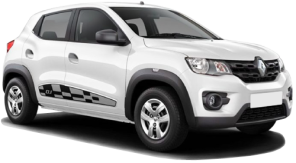
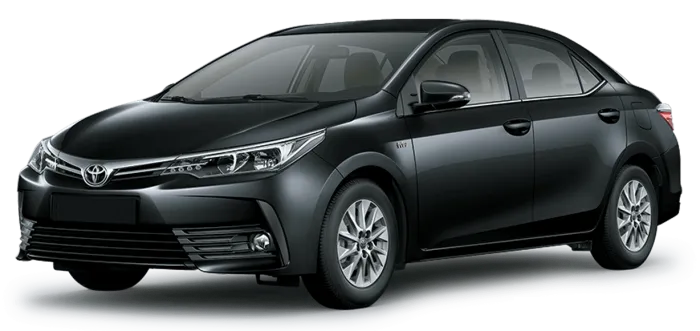
Renault Kwid
or Similar
From
$10.84/day
Compare car rental deals at Rio De Janeiro Downtown, Rio De Janeiro from trusted global suppliers. Find affordable prices and book your ideal car in minutes.








Explore our range of vehicles available in Rio De Janeiro Downtown.
or Similar

or Similar

or Similar

or Similar

or Similar
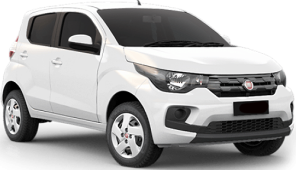
or Similar

or Similar

or Similar
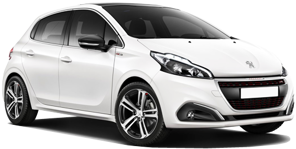
or Similar

or Similar

or Similar

or Similar

or Similar

or Similar

or Similar

or Similar

or Similar

or Similar

or Similar
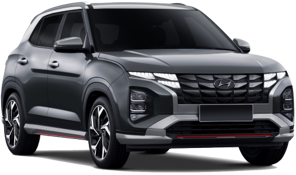
or Similar

or Similar
Prices shown are approximate and may vary by booking dates, rental duration, and vehicle class. Check booking options for current pricing.
Discover a world of convenience, safety, and customization, paving the way for unforgettable adventures and seamless mobility solutions.
Search from thousands of pickup locations including airports, train stations, and city centers worldwide.
Our support team can help you choose the right car and complete your booking if needed.
We highlight top-rated suppliers based on verified customer reviews and service quality.
Receive instant booking confirmation and rental details directly in your email inbox.
All rental costs, taxes, insurance options, and fees are clearly displayed before booking.
Every rental supplier is rated by customers so you can choose trusted providers.
Essential information about car rental companies, popular cars, rental duration, and prices at Rio De Janeiro Downtown.
Localiza on Av. Nossa Senhora de Copacabana leads Rio downtown locations with 31% market share, serving tourists exploring the Zona Sul beaches and attractions.
Compacts dominate for maneuverability through tunnel traffic and street parking. SUVs are chosen for trips to the mountainous Região Serrana.
Downtown Rio rentals average 4-6 days for comprehensive exploration of the city's landmarks, from Christ the Redeemer to the Tijuca Forest. (Based on 6,500+ local pickups)
The Onix is the urban favorite for its efficiency. The Nissan Kicks leads the compact SUV segment for its balance of comfort and city maneuverability.
Downtown Rio rates average $51/day. Reveillon (New Year's) rates from $120/day with 5-day minimum. Book 60+ days in advance for Copacabana locations.
Compare average car rental prices by month and see how rental rates vary throughout the year in Rio De Janeiro Downtown.
Rio de Janeiro Downtown - Carnival (February/March) and New Year cause spikes. Summer peak for beaches. Book 2-3 months ahead for events.
* Prices shown are approximate. Original prices are in USD and converted using real-time exchange rates.
Essential driving rules and requirements to know when renting a car.
Get detailed information on driving rules, licence requirements, speed limits and useful local tips.
Renting a car in Rio De Janeiro Downtown, Brazil, offers a unique blend of convenience and autonomy that is hard to match with other forms of transport. While the city is famous for its vibrant public transport—from the iconic yellow taxis to the scenic metro lines—having your own vehicle allows you to navigate the bustling heart of the city and its surrounding wonders on your own schedule. For many international travelers, a rental car becomes the key to unlocking the full experience of the "Cidade Maravilhosa," allowing spontaneous stops at a hidden beach or a last-minute detour to a lookout point before sunset. The process is straightforward for those who come prepared, with a clear distinction between picking up your vehicle at the airport versus in the city center.
Choosing between an airport pickup and a city center location in Rio De Janeiro Downtown, Brazil, can significantly impact your trip's budget and start. The primary airports serving the region are Galeão International Airport (GIG), located on Governador Island, and Santos Dumont Airport (SDU), which is conveniently situated right in the downtown area. Picking up your car at Santos Dumont offers immediate access to the city center and the historic port area, making it an ideal choice if your accommodation is downtown or in the South Zone (Zona Sul). However, be aware that airport locations often add a hefty concession fee surcharge—sometimes 15-20% higher than off-airport locations. A savvy money-saving tip is to compare the total price, including surcharges, for an airport pickup versus taking a short, inexpensive taxi or ride-share to a downtown branch. For instance, picking up a car from a branch in the Lapa or Cinelândia district, just a 10-minute ride from Santos Dumont, can save you a significant amount on your total rental cost.
| Pickup Location | Advantages | Disadvantages | Typical Surcharge |
|---|---|---|---|
| Santos Dumont Airport (SDU) | Immediate downtown access, close to tourist hubs (Lapa, Santa Teresa). | Higher airport surcharge, can be busy during peak flight times. | +15-20% |
| Galeão International Airport (GIG) | Wide selection of major rental brands, convenient for arrivals. | Far from downtown (approx. 30-45 min drive), highest surcharges. | +20-25% |
| Downtown Branches (e.g., Centro, Lapa) | Lower base rates, no airport surcharge, often more flexible hours. | Requires a short taxi/uber from the airport, may have limited inventory. | 0% |
Before you finalize your booking, it is crucial to understand the legal and procedural requirements for renting a car in Brazil. The rules are strict, and rental agencies enforce them without exception. The minimum age to rent a car in Rio De Janeiro Downtown, Brazil, is typically 21 years old, though drivers under 25 may incur a "young driver" surcharge. You will need a valid driver's license from your country of origin. For travelers from the US, Canada, Europe, and most other regions, a valid license is acceptable for rental purposes. However, you must also present your passport for identification and a credit card in the primary driver's name for the security deposit. Debit cards are rarely accepted for this purpose, as the deposit can be substantial.
Insurance is mandatory in Brazil. While your rental quote will include basic mandatory insurance (often called Third Party Liability), the rental agency will strongly encourage you to purchase a Collision Damage Waiver (CDW) and Theft Protection. Understanding the difference between these is key to avoiding unexpected costs. The International Driving Permit (IDP) is a point of frequent confusion. While many rental agencies in Rio De Janeiro Downtown, Brazil, will accept a valid license from your home country, an IDP is highly recommended. It serves as a translation of your license and is required by Brazilian traffic authorities. If you are pulled over by the police and cannot present an IDP along with your foreign license, you may face a fine. For peace of mind and to ensure full compliance with local law, obtaining an IDP before your trip is a prudent step.
| Requirement | Details |
|---|---|
| Minimum Age | 21 years (under 25 may incur a "young driver" fee). |
| Driver's License | Valid license from your country of origin. |
| International Driving Permit (IDP) | Highly recommended and required by law for foreign licenses. Obtain in your home country. |
| Credit Card | Required for the security deposit; must be in the main driver's name. Debit cards generally not accepted. |
| Passport | Valid passport for identification and visa verification. |
| Insurance | Third-party liability is mandatory. Collision Damage Waiver (CDW) and Theft Protection are strongly advised. |
The decision to rent a car in Rio De Janeiro Downtown, Brazil, is often the difference between a good trip and an unforgettable one. While the city has a reliable metro system that connects the downtown area to the famous South Zone beaches like Copacabana and Ipanema, its true magic lies in the hidden gems that are not easily accessible by public transport. Imagine driving up the winding, cobblestone streets of Santa Teresa, a bohemian hilltop neighborhood, at your own pace, or crossing the sprawling city to visit the Olympic Park in Barra da Tijuca without waiting for a bus. For those venturing outside the city limits, the necessity becomes even more apparent. A car opens up the Costa Verde (Green Coast), a breathtaking stretch of coastline with towns like Paraty and Angra dos Reis, which are best explored by road.
Furthermore, a rental car offers an unmatched level of practicality for families or groups. Managing luggage, beach gear, and groceries on public transport can be a logistical challenge. With a car, you have a mobile base to store your belongings, make spontaneous stops at juice bars (sucos) along the roadside, and handle the city's tropical downpours with ease. The freedom to set your own itinerary, whether it's chasing the sunrise at Pedra do Sal or finding a quiet viewpoint on a weekday morning, transforms your visit from a passive experience into an active adventure. For travelers who value their time and comfort, a rental car is an investment in flexibility.
Travelers to Rio De Janeiro Downtown, Brazil, are presented with a robust selection of both global rental giants and reputable local agencies. The international brands you know—Hertz, Avis, Enterprise, Budget, Sixt, Alamo, and Europcar—have a strong presence, particularly at the airports and major downtown locations. These companies offer the familiarity of their loyalty programs, consistent fleet quality, and well-established customer service channels, which can be reassuring for first-time renters. Choosing a global brand often means a more standardized experience, especially regarding insurance policies and vehicle return procedures. They are typically located in high-traffic areas like Avenida Presidente Vargas or near the Santos Dumont Airport, making pickup and return convenient.
Local Brazilian agencies can also be a fantastic option, often providing more competitive rates and a personalized service that the larger corporations can sometimes lack. These companies are deeply integrated into the local market and may offer better deals, especially for longer rentals. However, it is crucial to thoroughly read the terms and conditions with local suppliers, as their insurance offerings and fuel policies can vary. When comparing, consider more than just the base price. Evaluate the company's location relative to your hotel, its operating hours, and the reviews regarding vehicle condition and post-rental billing practices. Choosing the right company is about balancing cost with the peace of mind that comes from reliable service and transparent policies.
| Company | Price Level (Low/Medium/High) | Pros |
|---|---|---|
| Localiza | Medium | Extensive network in Brazil, modern fleet, competitive rates for long-term rentals. |
| Hertz | Medium-High | Strong international presence, reliable customer service, premium fleet options. |
| Unidas | Medium | Another major Brazilian player, often has good promotions, convenient locations in downtown. |
| Avis/Budget | Medium | Wide availability, straightforward booking process, good for one-way rentals. |
| Movida | Low-Medium | Popular for its user-friendly app, stylish branding, and often has competitive weekend deals. |
The type of vehicle you choose for your trip to Rio De Janeiro Downtown, Brazil, should align with your itinerary, group size, and comfort level with the local driving conditions. The most common rental categories are economy and compact cars, which are ideal for navigating the narrow streets of neighborhoods like Lapa, Santa Teresa, and Centro. Models like the Fiat Mobi, Fiat Uno, or Volkswagen Up! are ubiquitous, offering excellent fuel efficiency and easy parking in tight spaces, which is a major advantage in a dense urban area. For those seeking a bit more space and comfort for the city's sometimes uneven roads, a compact sedan like the Chevrolet Onix or Hyundai HB20 is a popular step up, providing a smoother ride and a bit more trunk space for luggage.
SUVs and vans are highly sought after, particularly for families or groups planning to explore outside the city. The combination of Rio's geography—with steep hills and occasional unpaved roads to viewpoints—makes a compact SUV like the Jeep Renegade or Volkswagen T-Cross a smart choice. For those heading to the mountain region of Petrópolis or the coastal roads of the Costa Verde, a larger SUV or a 7-passenger van provides both the space and the power needed for a comfortable journey. Luxury cars are also available, but their practicality in downtown traffic is limited. Prices in Rio De Janeiro Downtown, Brazil, fluctuate dramatically based on season. The high season, from December to March (summer, Carnival, and New Year's Eve), sees prices skyrocket, often doubling or tripling. The low season, from May to September (excluding June holidays), offers the best deals.
| Car Category | Average Daily Price (USD) - Low Season | Average Daily Price (USD) - High Season |
|---|---|---|
| Small Cars (e.g., Fiat Mobi, VW Up!) | $25 - $35 | $50 - $80 |
| Medium Cars (e.g., Chevrolet Onix, Hyundai HB20) | $35 - $50 | $70 - $110 |
| SUVs (e.g., Jeep Renegade, VW T-Cross) | $55 - $75 | $100 - $160 |
| Vans (e.g., 7-9 passenger) | $70 - $100 | $150 - $250 |
| Luxury Cars (e.g., BMW X1, Audi A3) | $100 - $150 | $200 - $350+ |
| Factor | Details |
|---|---|
| Cheapest Month | August (end of winter, after July school holidays) |
| Most Expensive Month | December (summer, holiday season, and New Year's Eve) |
| Average Daily Price (Small Car) | $45 (blended average across the year) |
| A Good Deal | Under $30/day for an economy car (excluding insurance) |
| Cheapest Supplier (Typically) | Movida or Localiza (depending on promotions) |
| Cheapest Car Type | Economy or Compact (e.g., Fiat Mobi) |
One of the greatest advantages of renting a car is the ability to escape the city and discover the stunning landscapes of the state of Rio de Janeiro. The roads are well-maintained, and the drives are scenic, making for perfect day trips or extended excursions. Here are some of the most popular road trips starting from Rio De Janeiro Downtown, Brazil:
Driving in Brazil, especially in a bustling metropolis like Rio, requires awareness of local traffic laws. Brazil follows the right-hand driving rule (you drive on the right side of the road). Speed limits are strictly enforced by a network of electronic radar detectors. In downtown Rio, the speed limit is generally 40 km/h (25 mph) on local streets, 60 km/h (37 mph) on major arterial roads, and 80-100 km/h (50-62 mph) on highways like the Linha Vermelha or Avenida Brasil. Brazil has a zero-tolerance policy for drinking and driving; the legal blood alcohol limit is effectively 0.00%. If you are caught driving under the influence, the penalties are severe, including heavy fines and potential jail time.
Seatbelts are mandatory for all passengers in the vehicle. For child safety, children under 10 years old must ride in the back seat, and those under 7.5 years old (or under 1.45m tall) must be in an appropriate child restraint seat. Road conditions can vary significantly; while major highways (like the BR-101) are well-paved, downtown streets can have potholes and uneven cobblestones, especially in historic districts. It is also important to note that some roads, particularly in mountain areas, can become slippery during rain. There are no winter tire laws in Rio de Janeiro due to its tropical climate, but ensuring your tires have good tread is always wise, especially if you plan to drive outside the city.
| Area | Speed Limit (km/h) | Speed Limit (mph) |
|---|---|---|
| Downtown Streets (Centro, Lapa) | 40 km/h | 25 mph |
| Major Arterial Roads (e.g., Avenida Presidente Vargas) | 60 km/h | 37 mph |
| Expressways (e.g., Linha Vermelha, Linha Amarela) | 80-90 km/h | 50-56 mph |
| Highways (e.g., BR-040, BR-101) | 100-110 km/h | 62-68 mph |
Yes, toll roads are a common feature of the Brazilian highway system, and any road trip outside of the city will almost certainly involve paying tolls. The major highways leading out of Rio De Janeiro Downtown, Brazil, such as the BR-040 (to Petrópolis) and the BR-101 (to the Costa Verde), have several toll plazas (called "praças de pedágio"). The cost can add up; for example, a trip to Paraty might involve three or four toll stops, each costing between R$10 to R$20 (approximately $2-$4 USD per stop). These tolls are essential for maintaining the roads, which are generally in good condition. Most toll plazas accept cash (Brazilian Reais) and major credit cards (Visa and Mastercard are widely accepted). Some highways are also equipped with an electronic toll system, "Sem Parar," which allows for automatic payment via a tag attached to the windshield. This is generally not necessary for short-term tourists, as the tag requires a Brazilian bank account to set up. Simply keeping a supply of small bills (R$20, R$50 notes) is the most straightforward way to handle tolls.
Parking in Rio De Janeiro Downtown, Brazil, can be one of the more challenging aspects of driving. The downtown area (Centro) is a bustling commercial hub where street parking is scarce, highly regulated, and often expensive. You will find designated parking zones marked with blue lines on the curb, which are paid areas managed by the city. You must purchase a ticket from a local vendor or a nearby parking meter ("Zona Azul") to park in these spots. Failure to display a valid ticket will almost certainly result in a ticket from the municipal guards. For most travelers, the safest and most convenient option is to use a parking garage ("estacionamento" or "parking"). There are numerous 24-hour garages throughout downtown, especially near major attractions like the Theatro Municipal, the CCBB (Centro Cultural Banco do Brasil), and the historic port area. Rates typically range from R$15 to R$30 (approx. $3-$6 USD) per hour, with daily maximums often around R$50 to R$80 (approx. $10-$16 USD). In residential areas like Santa Teresa, parking is a premium, and many hotels offer private or valet parking for an additional fee. It is always wise to confirm your accommodation's parking situation before arriving.
To ensure a smooth and cost-effective rental experience, a little preparation goes a long way. Here are some practical tips for navigating the car rental scene in Rio De Janeiro Downtown, Brazil:
Even experienced travelers can fall into common traps when renting a car in a foreign country. Being aware of these pitfalls can help you avoid unnecessary stress and expense during your trip to Rio De Janeiro Downtown, Brazil.
Marco, a photographer from Milan, landed at Santos Dumont Airport with a plan to capture Rio's iconic landscapes from every angle. He had booked a compact SUV from a downtown branch to save on the airport surcharge. After a quick taxi ride to the Avenida Rio Branco location, he presented his passport, Italian license, and pre-arranged IDP. The agent was thorough, explaining the full insurance package, which Marco opted for after calculating the risk. He did a slow walk-around, snapping photos on his phone of a small scuff on the rear bumper. With the keys in hand, he drove straight to the Santa Teresa neighborhood, navigating the narrow, winding streets with ease. Over the next three days, his rental car was a game-changer. He was able to drive to the Mirante Dona Marta viewpoint at dawn, pack his heavy camera gear for a day trip to Petrópolis, and even find a quiet spot in the Jardim Botânico area without relying on unpredictable taxi schedules. When he returned the car, the agent noted the pre-existing scuff, the deposit was released without issue, and Marco left feeling that the freedom of the car had made his photographic expedition truly successful.
An International Driving Permit (IDP) is essentially a standardized translation of your domestic driver's license, recognized in over 150 countries under international conventions. For travelers visiting Rio De Janeiro Downtown, Brazil, it is a document that can prevent legal headaches. While the rental agency might not demand it to hand you the keys, Brazilian federal law requires foreign drivers to carry both their valid national license and an IDP. The IDP is not a standalone document; it must be presented alongside your original license. The process to obtain one is straightforward and must be done in your home country before departure. In the United States, for example, it is issued by the American Automobile Association (AAA) or the American Automobile Touring Alliance (AATA). You will typically need a completed application form, two passport-sized photos, a copy of your valid driver's license, and a fee (usually around $20 USD). The IDP is valid for one year from the date of issue. Having this document not only ensures you are in compliance with the law if you are stopped by traffic police but also provides a clear, translated form of your driving credentials, which can be invaluable in the event of an accident or other interaction with local authorities.
Markers show approximate airport or town-centre areas, not confirmed rental desks.
Find airport guides for car rentals, parking, and ground transportation.
Try a different name, city, or IATA code.
Read verified customer reviews, ratings, and rental experiences from travelers who booked through Airport Rento.
Overall Rating
No reviews yet for this location. Be the first to share your experience!