Economy
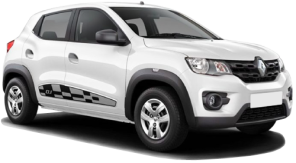
Renault Kwid
or Similar
From
$10.84/day
Search and compare car rental prices from trusted global suppliers. Find the best deals instantly.








Explore our range of vehicles available in Sao Paulo Congonhas Airport (CGH).
or Similar

or Similar

or Similar

or Similar

or Similar
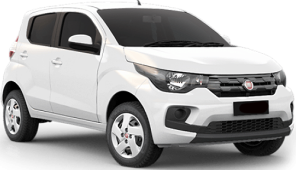
or Similar

or Similar

or Similar
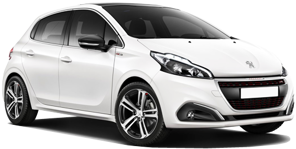
or Similar

or Similar

or Similar

or Similar

or Similar

or Similar

or Similar

or Similar

or Similar

or Similar

or Similar

or Similar

or Similar
Prices shown are approximate and may vary by booking dates, rental duration, and vehicle class. Check booking options for current pricing.
Discover a world of convenience, safety, and customization, paving the way for unforgettable adventures and seamless mobility solutions.
Many suppliers offer unlimited mileage so you can explore freely without worrying about distance limits.
Access complete rental policies including driver age limits, fuel rules, and deposit conditions.
Our support team is available to help with booking questions, modifications, or cancellations.
Search and book rental cars easily from any smartphone or tablet with our mobile-friendly platform.
Complete your car rental reservation in just a few simple steps with instant confirmation.
View complete rental terms including fuel policy, mileage limits, deposit requirements, and insurance coverage.
Essential information about car rental companies, popular cars, rental duration, and prices at Sao Paulo Congonhas Airport (CGH).
Movida leads at Congonhas Airport with 35% market share, strategically positioned for business travelers heading to the Faria Lima financial district and Berrini corporate center.
Midsize sedans dominate at 45% for corporate travel. The executive segment at 22% is the highest among Brazilian airports, reflecting premium business needs.
Congonhas rentals average 2-3 days for business travel, with frequent one-day rentals for executives moving between meetings. (Based on 11,200+ annual pickups)
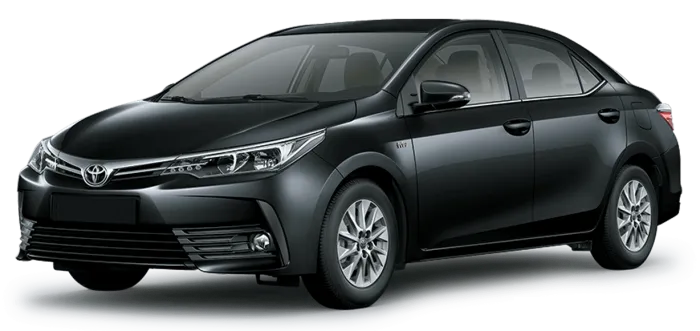
The Corolla is the workhorse of corporate Brazil. The BMW 320i leads the executive segment for C-level executives and premium business travelers.
Congonhas rates average $62/day, the highest in Brazil. Executive sedans from $89/day. Corporate accounts receive preferred rates for frequent rentals.
Compare average car rental prices by month and see how rental rates vary throughout the year at Sao Paulo Congonhas Airport.
São Paulo Congonhas Airport - Business travel to largest city. Summer peak for tourism. Carnival (February/March) increases demand. Congonhas Airport. Book 2 months ahead.
Essential driving rules and requirements to know when renting a car.
Get detailed information on driving rules, licence requirements, speed limits and useful local tips.
Renting a car at Sao Paulo Congonhas Airport (CGH), Brazil, is a rite of passage for travelers seeking autonomy in South America’s largest metropolis. Unlike Guarulhos (GRU) which caters to long-haul international flights, CGH is the city’s downtown powerhouse—a bustling hub located just 8 kilometers (5 miles) from the iconic Paulista Avenue. For the international traveler, picking up a vehicle here means you are immediately inserted into the beating heart of Brazilian commerce and culture. While taxis and ride-shares like Uber are abundant, they often come with surge pricing during rush hour and limit your ability to explore the sprawling coastal mountains or the nearby historical towns on your own schedule.
Choosing to rent directly at the airport versus the city center has distinct advantages. The airport’s rental facilities are consolidated in well-marked parking garages connected to the terminal, making luggage transfer seamless. However, it is crucial to be aware of the airport surcharge—often a concession fee added to your rental price—which can increase the daily rate by 10-15% compared to picking up a car at a neighborhood location. To mitigate this, savvy travelers sometimes book a one-day rental to get out of the city, returning to a city-center location later, or they look for “pay at pickup” rates that clearly itemize these fees upfront. The major pickup location within CGH is the centralized Rent-a-Car center accessible via the departures level, housing all major brands in one convenient corridor.
| Pickup Location | Pros | Cons |
|---|---|---|
| Sao Paulo Congonhas Airport (CGH) | Immediate access, open long hours, large fleet availability, easy return before flights. | Higher concession fees, busy queues during peak hours (Mon morning/Fri evening). |
| City Center (e.g., Av. Paulista) | Lower daily rates, fewer taxes, often quieter pickup experience. | Requires taxi/Uber to get there first, limited operating hours on weekends, traffic congestion. |
Navigating the rental requirements in Brazil requires preparation. The legal driving age in Brazil is 18, but rental companies at Sao Paulo Congonhas Airport (CGH), Brazil, typically impose a minimum age of 21. Drivers under 25 often face a “young driver” surcharge, which can add a significant daily fee to the rental cost. You will need a valid driver’s license from your country of origin. While a physical license is mandatory, a digital version is rarely accepted at the counter, so bring the physical card.
Regarding documentation, you must present your passport, a valid driver’s license, and a credit card in the renter’s name. Debit cards are almost universally rejected for the security deposit hold, which can range from $300 to $1,000 depending on the vehicle category. Insurance is mandatory in Brazil. The basic “Liability Insurance” (seguro obrigatório) is often included in the advertised price, but Collision Damage Waiver (CDW) and Theft Protection are usually optional (but highly recommended). An International Driving Permit (IDP) is technically required if your license is not in Portuguese, or if it does not follow the Mercosul standard (Spanish/Portuguese). In practice, most agencies accept a valid US or EU license, but an IDP is a safety net that prevents issues with local police during traffic stops.
| Requirement | Details |
|---|---|
| Minimum Age | 21 years (25 for premium/luxury vehicles; under 25 pays surcharge). |
| Driver's License | Valid home country license. IDP highly recommended if license is not in English/Portuguese. |
| Payment | Credit card in driver's name required for deposit (no prepaid/debit cards). |
| Identification | Passport (original) or Brazilian national ID (RG). |
| Insurance | Third-party liability mandatory. CDW/Theft optional but strongly advised. |
Renting a car transforms your trip from a series of isolated tours into a fluid journey across São Paulo state. While the city itself has a robust subway system (Metrô), it doesn't reach the airport directly, and navigating the city’s 12 million people via public transit with luggage is exhausting. A rental car offers a climate-controlled sanctuary to move between the business districts, the bohemian neighborhood of Vila Madalena, and the massive Ibirapuera Park. More importantly, it is the key to escaping the urban jungle. Within an hour’s drive from the airport, you can be on the lush Atlantic coast or in the historic colonial towns that dot the Serra do Mar mountain range.
For families, the convenience is unmatched. Brazilian car seats are expensive to rent via ride-share apps, and having your own vehicle allows you to keep supplies in the trunk. For business travelers landing at CGH, a car provides the discretion and time-efficiency needed to navigate the corporate hubs of Itaim Bibi and Faria Lima without waiting for executive cabs. The freedom to stop at a traditional padaria (bakery) for fresh pão de queijo on your way to a meeting is a luxury that only a rental car can provide.
The rental landscape at Sao Paulo Congonhas Airport (CGH), Brazil, is a mix of globally recognized names and robust local operators. International travelers will find comfort in brands like Hertz, Avis, and Enterprise, which offer standardized contracts and loyalty program benefits. Local suppliers, such as Localiza and Unidas (which merged to form a dominant entity in Brazil), often have the largest fleets at CGH and frequently offer better rates for long-term rentals. Sixt and Alamo also maintain a strong presence, catering to travelers looking for premium German vehicles or family-friendly SUVs.
When comparing, it’s important to look beyond the daily rate. International companies often have higher initial rates but include more comprehensive insurance packages upfront, whereas local operators sometimes advertise low base rates but add mandatory services at the counter. For the smoothest experience, booking directly with the supplier's Brazilian website or through their dedicated counter at the airport is recommended to ensure you understand the local terms regarding fuel policies and insurance waivers.
| Company | Price Level (Low / Medium / High) | Pros |
|---|---|---|
| Localiza | Medium | Largest fleet, extensive branch network across Brazil, efficient digital check-in. |
| Unidas | Medium | Competitive long-term rates, strong presence in the airport garage, good SUV selection. |
| Hertz | High | Gold Plus Rewards program, premium vehicle availability, English-speaking staff common. |
| Avis | High | Reliable service, strong presence at CGH, good for corporate travelers. |
| Movida | Low/Medium | Often offers promotional rates, modern fleet, stylish branding appealing to leisure travelers. |
In a city known for its narrow streets and tight parking garages, compact and economy cars reign supreme at CGH. The Fiat Mobi and Volkswagen Up! are ubiquitous—they are small, agile, and perfect for navigating the bustling lanes of Jardins or the tight parking spots in Pinheiros. However, for those heading to the coast or traveling with family, SUVs are increasingly popular. The Jeep Renegade and Chevrolet Tracker are top choices, offering higher clearance for the sometimes uneven roads leading to the beach towns and better security for highway driving.
Price volatility is extreme at Congonhas due to the airport's high traffic. During the high tourist season (December to February, plus July school holidays), rates can double. Conversely, the low season (March to June, August to November) sees significant drops, especially for long-term rentals. Carnival week and major holidays like Tiradentes (April 21) see a spike in demand as Paulistanos flee the city. Booking at least 30 days in advance during these periods is essential to secure a vehicle.
| Car Category | Average Daily Price (USD) |
|---|---|
| Small Cars (Fiat Mobi, Renault Kwid) | $25 - $45 |
| Medium Cars (Chevrolet Onix, VW Virtus) | $35 - $65 |
| SUVs (Jeep Renegade, VW T-Cross) | $55 - $95 |
| Vans (Renault Master, Fiat Ducato) | $90 - $150 |
| Luxury Cars (BMW X1, Audi Q3) | $120 - $250 |
| Metric | Detail |
|---|---|
| Cheapest Month | August (Winter, low tourism) |
| Most Expensive Month | December (Summer holidays & Carnival pre-season) |
| Average Price (Economy) | $38 / day |
| A Good Deal (Economy) | Under $30 / day |
| Cheapest Supplier (Often) | Movida or Localiza promotional rates |
| Cheapest Car Type | Economy/Compact manual transmission |
One of the greatest advantages of landing at Congonhas is your proximity to the rodovias (highways) that lead out of the city. Within minutes of exiting the rental lot, you can merge onto major arteries heading south to the coast or north to the countryside. Here are some of the best escapes:
Brazil drives on the right-hand side of the road. The steering wheel is on the left. Speed limits are strictly enforced, often by electronic radar (radares). In urban areas, the limit is generally 40-60 km/h (25-37 mph) on local streets and 70-80 km/h (43-50 mph) on arterial avenues. On highways (rodovias), limits range from 80 km/h for trucks to 120 km/h (75 mph) for cars. Brazil has a zero-tolerance policy for drinking and driving (Lei Seca). The legal blood alcohol limit is 0.00%—if you drink, you cannot drive.
Seatbelts are mandatory for all passengers. Child safety laws are strict: children under 10 must ride in the back seat, and infants up to 1 year require a bebê conforto (infant car seat), while children 1-4 need a cadeirinha (car seat), and 4-7.5 need a booster seat. Road conditions vary drastically; while the main highways (like the Imigrantes and Anchieta) are well-maintained toll roads, city streets can have potholes (buracos) and uneven pavement. Winter tires are not required in São Paulo, as snow does not occur in this region.
| Road Type | Speed Limit |
|---|---|
| Urban Streets (Local) | 30 - 40 km/h (19 - 25 mph) |
| Urban Avenues (e.g., 23 de Maio) | 50 - 70 km/h (31 - 43 mph) |
| Highways (Rodovias) | 80 - 120 km/h (50 - 75 mph) |
If you plan to leave the city, toll roads are unavoidable. The state of São Paulo operates some of the most extensive and expensive toll road systems in the country. For a trip to the coast via the Anchieta or Imigrantes highways, expect to pay between $5 and $12 USD per toll plaza, often accumulating to $20-$30 USD for a round trip. Most major highways utilize an electronic toll system called “Sem Parar” or “ConectCar,” which are RFID tags. Rental cars usually come equipped with these tags, but you must specifically request activation at the counter. If activated, the toll will be charged directly to your rental agreement (usually at a premium). If not activated, you must stop at the manual cash lanes (usually marked "Dinheiro" or "Cartão") to pay with cash or a credit card. Do not go through the automatic "Sem Parar" lane if you haven’t activated the tag, as it results in hefty fines for the rental company that will be passed to you.
Parking in São Paulo requires a strategic mindset. Street parking (Zona Azul) is regulated by the municipal government. You must purchase a ticket from a licensed vendor (usually wearing a blue vest) and display it on your dashboard; these tickets allow for a maximum stay of 2 hours. Ignoring this almost guarantees a ticket or your car being towed. In neighborhoods like Jardins, Itaim, and Vila Olímpia, private parking garages (estacionamentos) are abundant. They charge by the hour (approx. $2-$4 USD per hour) or flat rate. Always ask for a ticket upon entry; losing it results in a full-day charge.
Challenges include tight spaces and aggressive parking attendants (manobristas) who will park your car for you—this is standard practice in valet-only establishments. Never leave valuables visible in the car. Smash-and-grab theft is a risk, especially in central tourist areas or if you park on the street overnight. For airport parking, the official parking garage (Estacionamento CGH) is safe but expensive (approx. $20-$30 USD per day); many travelers opt for off-site lots with shuttles for longer trips.
When Ana landed from Miami, she was exhausted but eager to see her family in the coastal town of Riviera de São Lourenço. Navigating the crowded arrivals hall at CGH, she found the rental counters without much hassle. The initial quote online was $200, but at the counter, the agent explained the mandatory airport fee and offered a zero-deductible insurance package. Hesitant but grateful for the peace of mind, she accepted, bringing her total to $340 for five days. After a thorough inspection with her phone’s flashlight—finding a small scratch on the rear bumper that the agent noted—she got into a compact Chevrolet Onix. The drive out of the garage was daunting; the exit ramp merges directly into a high-speed tunnel. However, within 15 minutes, she was on the Imigrantes highway, the chaos fading in the rearview mirror. A quick stop at a Graal service station for coffee and a fresh pão de queijo made the traffic jam leading to the coast almost enjoyable. Returning the car was stress-free thanks to the detailed photos she had taken upon pickup.
An International Driving Permit (IDP) acts as a standardized translation of your original driver’s license. While Brazilian rental car agencies at CGH are accustomed to foreign licenses from the US, Canada, and Europe and often accept them without an IDP, Brazilian federal law technically requires foreign drivers to carry one. The primary risk lies not with the rental counter but with the Polícia Rodoviária (Highway Patrol) if you are pulled over. If a police officer cannot read your license (e.g., it is in Arabic, Japanese, or Cyrillic script), they may issue a fine or impound the vehicle. Travelers can obtain an IDP in their home country through their local automobile association (such as AAA in the US or CAA in Canada) before traveling. The permit is valid for one year from the date of issue. It must be presented alongside your original, valid driver’s license and passport. It is a small investment—typically around $20 USD—that significantly de-risks your driving experience in São Paulo state.
Markers show approximate airport or town-centre areas, not confirmed rental desks.
Find airport guides for car rentals, parking, and ground transportation.
Try a different name, city, or IATA code.
Read verified customer reviews, ratings, and rental experiences from travelers who booked through Airport Rento.
Overall Rating
No reviews yet for this location. Be the first to share your experience!