Economy
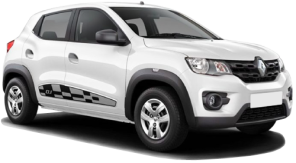
Renault Kwid
or Similar
From
$10.84/day
Search and compare car rental prices from trusted global suppliers. Find the best deals instantly.








Explore our range of vehicles available in Sao Paulo Downtown.
or Similar

or Similar

or Similar

or Similar

or Similar
or Similar

or Similar

or Similar
or Similar

or Similar

or Similar

or Similar

or Similar

or Similar
or Similar

or Similar
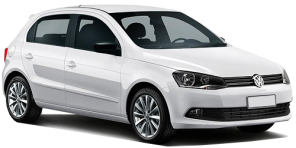
or Similar

or Similar

or Similar
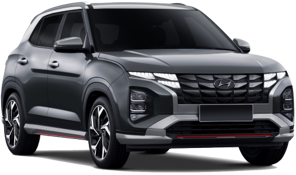
or Similar

or Similar
Prices shown are approximate and may vary by booking dates, rental duration, and vehicle class. Check booking options for current pricing.
Discover a world of convenience, safety, and customization, paving the way for unforgettable adventures and seamless mobility solutions.
Every rental supplier is rated by customers so you can choose trusted providers.
Get immediate confirmation for most rentals with real-time vehicle availability.
Pick up your rental car in one city and drop it off in another, perfect for road trips and multi-city travel.
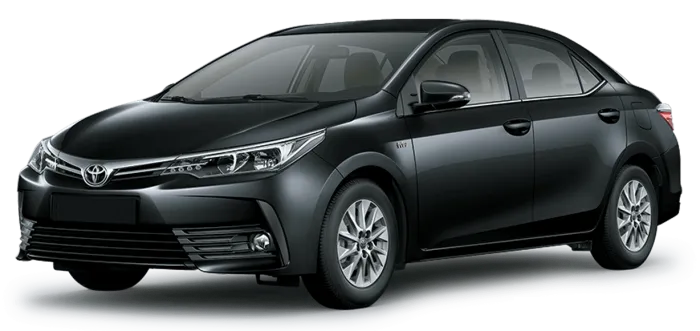
Find rental cars available at major international airports for convenient pickup immediately after your arrival.
Easily filter rental cars by price, vehicle type, supplier, fuel policy, mileage options, and customer ratings.
Read verified customer reviews and ratings to help you choose the best rental supplier for your trip.
Essential information about car rental companies, popular cars, rental duration, and prices at Sao Paulo Downtown.
Unidas on Avenida Paulista leads São Paulo downtown locations with 32% market share, serving the mix of business travelers and tourists exploring Latin America's largest city.
Compacts dominate for navigating the city's heavy traffic and limited parking. Sedans remain strong for those prioritizing highway comfort.
Downtown São Paulo rentals average 2-4 days for business and leisure, with weekend rentals popular for escaping to the coast or interior. (Based on 5,700+ local pickups)
The Onix and HB20 battle for compact supremacy, with both offering the efficiency needed for São Paulo's stop-and-go traffic and rotational parking restrictions.
Downtown São Paulo rates average $48/day. Weekend rates from $79 include unlimited kilometers for trips to the coast.
Compare average car rental prices by month and see how rental rates vary throughout the year in Sao Paulo Downtown.
São Paulo Downtown - Business travel to largest city. Summer peak for tourism. Carnival (February/March) increases demand. Book 2 months ahead.
Essential driving rules and requirements to know when renting a car.
Get detailed information on driving rules, licence requirements, speed limits and useful local tips.
Renting a car in Sao Paulo Downtown, Brazil, is a rite of passage for the independent traveler. While the city is famously bustling and its traffic legendary, having your own set of wheels unlocks a level of freedom that public transport or ride-sharing simply cannot match. The process itself is straightforward, though it requires a bit of planning. You’ll find rental desks scattered throughout the city center, particularly in the higher-end neighborhoods like Jardins and near the Paulista Avenue corridor. However, the two primary hubs for car rental are the airports: Guarulhos International Airport (GRU) to the northeast and Congonhas Airport (CGH), which sits much closer to the downtown area. Picking up from Congonhas is often more convenient for those staying in the city center, as it’s a quick 15-20 minute drive into the heart of the action.
Choosing a rental car over taxis or the metro comes down to a calculation of convenience versus cost. For solo travelers or couples staying within the central neighborhoods of Jardins, Pinheiros, or Vila Madalena, taxis and the extensive metro system are often the more practical choice. However, for families, groups, or anyone planning to venture beyond the city limits—to the beautiful beaches of the North Coast (Litoral Norte) or the mountainous colonial towns nearby—a rental car is indispensable. The major advantage of a downtown pickup is avoiding the notoriously high airport concession fees, which can add a significant percentage to your total rental cost. A key money-saving tip for travelers is to compare the total cost of a downtown location versus an airport pickup; often, taking a short taxi ride from your hotel to a city-center branch can save you upwards of 20-30% on your total rental, especially during the week.
| Pickup Location | Advantages | Disadvantages | Surcharge/Tip |
|---|---|---|---|
| Congonhas Airport (CGH) | Closest to downtown, easy access to the city center, multiple major rental companies. | Airport service fees apply; can be busy during peak hours. | Airport concession fee (~10-15% of base rate). |
| Guarulhos Airport (GRU) | Largest fleet selection, often open 24/7, convenient for immediate pickup upon arrival. | Far from downtown (45-60+ min drive), highest airport surcharges. | Highest airport concession fees (~15-20% of base rate). |
| Downtown / City Center | No airport surcharges, often cheaper daily rates, good for extending a rental. | Limited operating hours (usually 9am-6pm), smaller fleet selection. | No airport surcharge. Tip: Book from here for long-term rentals. |
Before you arrive at the rental counter in Sao Paulo Downtown, Brazil, it’s crucial to have all your documentation in order. Brazilian rental agencies are meticulous about paperwork, and missing a single piece can derail your plans. The primary driver must present a valid, unexpired driver's license from their country of residence. Additionally, a passport is required for all foreign renters. For the deposit and payment, a credit card in the driver’s name is mandatory; debit cards are almost universally not accepted for the security deposit hold, which can be a significant amount. Insurance is not optional in Brazil; the basic mandatory insurance (Liability Insurance) is typically included in the quoted rate, but you will be offered a Collision Damage Waiver (CDW) and Theft Protection at the counter to reduce your financial liability.
A common point of confusion for international travelers is the International Driving Permit (IDP). While Brazilian federal law states that a foreign driver's license is valid for up to 180 days, rental agencies in Sao Paulo often require an IDP for licenses that are not in Portuguese, or that are not easily readable. Even if you have a license from a Mercosur country, it's advisable to have an IDP. The IDP essentially serves as a standardized translation of your license and is inexpensive to obtain in your home country. Without it, you risk being denied the vehicle, despite having a valid national license. It’s a small investment that provides peace of mind when dealing with local agencies or, should you have an interaction with the Polícia Rodoviária (highway patrol).
| Requirement | Details |
|---|---|
| Minimum Age | 21 years old. Drivers under 25 may pay a "young driver" surcharge. |
| Driver's License | Valid license from country of residence. Must be readable in Latin characters. |
| International Driving Permit (IDP) | Strongly recommended if your license is not in Portuguese, Spanish, or English. |
| Credit Card | Required in the primary driver’s name for the security deposit (typically $300 - $800 USD). |
| Passport | Required for all international renters. |
| Insurance | Basic liability insurance is mandatory; CDW is highly recommended. |
Sao Paulo is a city of immense scale and surprising pockets of beauty. While the metro is efficient for getting between major hubs, it doesn't reach many of the city's best-kept secrets, like the vibrant street art scene in Vila Madalena’s Beco do Batman or the high-end boutiques in the Jardins district’s tree-lined streets. A rental car transforms your visit from a logistical exercise into an exploration. You can spontaneously decide to drive to the Ibirapuera Park for a sunset picnic, then head up to the Serra da Cantareira mountain range on the city's northern edge for a hike in the Atlantic rainforest without relying on infrequent bus schedules. It allows you to curate your own experience, moving at your own pace.
Beyond the city limits, having a car is where the true value emerges. Sao Paulo serves as an unparalleled launchpad for some of Brazil’s most stunning destinations. The historic port city of Santos, with its famous beachfront garden, is just over an hour away. The colonial charm of São Luiz do Paraitinga or the sophisticated beach resort of Guarujá are all within a comfortable driving distance. For families, a car is non-negotiable; it provides space for luggage, snacks, and the ability to manage varying nap schedules and comfort levels that public transport can't offer. The freedom to load up the trunk and decide on a whim to chase the sun is a luxury that defines the true spirit of travel in this part of Brazil.
Travelers to Sao Paulo Downtown, Brazil, will find a healthy mix of the familiar global giants and well-established local Brazilian companies. The major international players like Hertz, Avis, and Enterprise have a strong presence, particularly at Congonhas Airport and in the city’s business districts. These are often the go-to for travelers seeking a consistent, no-surprises experience, with standardized fleets and customer service protocols. You’ll also find Localiza and Movida, which are Brazilian powerhouses. Localiza, in particular, has perhaps the largest network of branches across the country, making it a fantastic choice if you’re planning a longer road trip that might require servicing or support in other states. They often offer competitive rates for extended rentals.
Choosing the right company often depends on your itinerary and budget. For short city stays, the convenience of international brands at Congonhas might be worth the premium. For week-long road trips, a local provider like Localiza or Movida often provides better value, especially if you book a "popular" car category. When comparing, pay close attention to the included mileage. While many rentals in the city center offer unlimited mileage, some promotional rates, especially from international companies, may have a daily kilometer limit, which can become very expensive on long coastal drives.
| Company | Price Level | Pros |
|---|---|---|
| Localiza | Low / Medium | Largest network in Brazil, excellent for road trips, often the best long-term rates. |
| Movida | Low / Medium | Strong local presence, modern fleet, often has stylish car options. |
| Hertz | Medium / High | Reliable international brand, fast service at airports, robust loyalty program. |
| Avis | Medium / High | Consistent quality, good selection of SUVs and premium vehicles. |
| Enterprise | Medium | Strong in the downtown area, known for customer service and home pickups (locally). |
| Unidas | Low / Medium | Another major local player, often competitive with Localiza, good for corporate travel. |
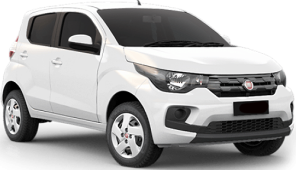
The most popular rental category in Sao Paulo Downtown, Brazil, is undoubtedly the "Economy" or "Compact" car. Models like the Fiat Mobi, Renault Kwid, or Chevrolet Onix are the kings of the urban jungle. These small, manual-transmission cars are perfectly suited for navigating narrow city streets, squeezing into tight parking spots, and are incredibly fuel-efficient—a major consideration given Brazilian fuel prices. For families or groups, the SUV category is highly sought after, especially for trips to the coast. Models like the Jeep Renegade, Chevrolet Tracker, or Volkswagen T-Cross provide the necessary space and a slightly higher ride height, which is appreciated on the sometimes uneven roads of the Serra do Mar mountains.
Pricing in Sao Paulo is dynamic and heavily influenced by seasonality. The high tourist season, which aligns with the Brazilian summer from December through February (including the Carnaval period in February or March), sees the highest prices and the most limited availability. During this period, a small car that rents for around $35 USD per day can easily exceed $100 USD per day, especially around New Year's Eve. Conversely, the low season (March to November, excluding school holidays in July) offers the best deals. Renting during the week is almost always cheaper than weekend rentals, and booking at least 3-4 weeks in advance can lock in the best promotional rates.
| Car Type | Average Daily Price (Low Season) | Average Daily Price (High Season) | Common Models |
|---|---|---|---|
| Small Cars (Economy) | $25 - $40 USD | $65 - $110 USD | Fiat Mobi, Renault Kwid |
| Medium Cars (Compact) | $35 - $55 USD | $80 - $140 USD | Chevrolet Onix, VW Polo |
| SUVs | $50 - $80 USD | $110 - $200+ USD | Jeep Renegade, VW T-Cross |
| Vans / Family Vehicles | $70 - $120 USD | $150 - $250+ USD | Fiat Doblo, Renault Master |
| Luxury Cars | $100 - $200+ USD | $200 - $400+ USD | BMW X1, Mercedes-Benz A-Class |
| Metric | Value |
|---|---|
| Cheapest Month | May or August (post-Carnaval/winter school holidays) |
| Most Expensive Month | December / January (Summer holidays & New Year's) |
| Average Daily Price (Economy Car) | $45 USD |
| A Good Deal (Economy Car) | Under $30 USD per day |
| Cheapest Supplier (Typical) | Localiza or Movida (when booked in advance) |
| Cheapest Car Type | Fiat Mobi (Manual transmission) |
Renting a car in Sao Paulo Downtown, Brazil, opens up a world of incredible road trips that showcase the state’s diverse landscapes, from bustling port cities to serene colonial towns and world-class beaches. Here are some of the most popular routes.
Driving in Brazil follows the same side as the United States and Continental Europe—you drive on the right-hand side of the road. The steering wheel is on the left. However, the "rules" in a city as dynamic as Sao Paulo can feel more like "guidelines." The most important rule to internalize is the concept of *lei seca* (dry law). Brazil has a zero-tolerance policy for drinking and driving. The legal blood alcohol limit is essentially zero (0.02% or less). If you are pulled over and suspected of drinking, you will be asked to take a breathalyzer test. Failing it results in an immediate, hefty fine, license suspension, and potential vehicle impoundment. The police take this extremely seriously, especially on weekends and holidays.
Speed limits are strictly enforced by a network of radar guns, both fixed and mobile. In the downtown area, the speed limit is typically 40 km/h (25 mph) on local streets and 60 km/h (37 mph) on major avenues. On highways like the Rodovia dos Imigrantes, limits range from 80 km/h to 120 km/h (50-75 mph). Seatbelts are mandatory for all occupants, and children under the age of 10 must ride in the back seat. Children under 1 year old require a "baby seat" (bebê conforto), those aged 1-4 need a "car seat" (cadeirinha), and those 4-7.5 need a booster seat (assento de elevação). Rental companies can provide these, but they must be requested in advance and come at an additional daily cost. Road conditions on major highways (concessionárias) are generally excellent, but urban potholes (buracos) are a common hazard in the city itself.
| Speed Limit Type | Urban Areas (Downtown) | Rural / Highways |
|---|---|---|
| Local Streets (Vias Locais) | 30-40 km/h (19-25 mph) | N/A |
| Collector Roads (Vias Coletoras) | 40-60 km/h (25-37 mph) | N/A |
| Arterial Roads (Vias Arteriais) | 60 km/h (37 mph) | N/A |
| Highways (Rodovias) | N/A | 80-120 km/h (50-75 mph) |
If you plan to drive out of Sao Paulo Downtown, Brazil, you will inevitably encounter toll roads. The state of Sao Paulo has an extensive network of privatized highways that are well-maintained but come at a cost. For example, the Rodovia dos Imigrantes and Rodovia Anchieta, which lead to the coast, have toll plazas that currently charge around $8-$12 USD per axle, meaning a standard car pays between $16-$24 USD for a one-way trip. The Rodovia Ayrton Senna heading towards the airport and the interior also has multiple toll plazas. It’s essential to budget for these, as a round trip to the coast can easily add $30-$50 USD in tolls alone.
Payment methods have evolved. While cash is accepted at almost all toll plazas, many now also accept credit cards (Visa and Mastercard) and most operate with electronic toll systems called *Sem Parar* or *ConectCar*. These are transponders that allow you to pass through dedicated lanes without stopping. While rental cars do not typically come with these pre-installed, some rental agencies offer them as an add-on for a daily fee, which can be a huge convenience on busy weekends when manual toll lines can be very long. If you opt to pay with cash or card, simply look for the lanes marked "Automático" or with credit card logos. Always keep small bills (R$10, R$20) and coins handy for tolls.
Parking in the central area of Sao Paulo Downtown, Brazil, can be one of the most challenging aspects of having a car. Street parking (vaga de rua) is scarce, highly competitive, and often regulated by the "Zona Azul" (Blue Zone) system. This is a rotating parking system where you purchase a ticket from a kiosk or via an app for a limited time (usually 1 or 2 hours). Leaving your car on the street for longer periods or in undesignated areas risks a fine or having your car towed (guinchado). Additionally, you'll often encounter *flanelinhas*, informal, self-appointed parking attendants who will "watch" your car for a tip. While not official, it is a local custom to tip them a few reais when you return to avoid any potential damage to your vehicle.
The most reliable and safest option is to use one of the city's numerous 24-hour parking garages (estacionamentos). They are abundant in commercial areas like Paulista Avenue, Jardins, and Faria Lima, though rates are high. Expect to pay between $3-$5 USD per hour or $15-$25 USD for a full day. Many hotels in the city center offer valet parking, but it is rarely complimentary; it’s an added cost that should be factored into your accommodation budget. For those staying in apartments in neighborhoods like Pinheiros, securing a rental with a dedicated parking spot is almost a necessity. The golden rule for parking in Sao Paulo is: when in doubt, pay for a garage. The peace of mind is worth the cost, especially for a rental car you are liable for.
Last July, I picked up a compact Fiat from a Localiza branch on Rua Augusta. The agent was patient, explaining the *vistoria* (vehicle inspection) in detail while I filmed the entire car with my phone. I’d been nervous about driving in the city, but after a few deep breaths, I merged into the chaotic but surprisingly fluid traffic of Consolação. My goal was to beat the weekend rush to the coast. I followed Waze religiously, taking the Imigrantes highway, where the road splits into two lanes—one for cars and one for trucks. The descent through the lush, misty Serra do Mar was breathtaking. I stopped at a roadside *lanchonete* for a *pão de queijo* and coffee, feeling like a local. Returning the car on Monday was a breeze; the tank was full, the car was clean, and the agent simply matched the car’s condition to my video. The freedom of having a car turned a simple trip to Guarujá into a spontaneous adventure, letting me discover a quiet fishing village on the way back that no tour bus would ever visit.
The International Driving Permit (IDP) is essentially a standardized translation of your national driver's license, recognized in Brazil under the Vienna Convention on Road Traffic. For travelers visiting Sao Paulo Downtown, Brazil, it is not a legal requirement for short stays if your home license is in Portuguese, Spanish, or English. However, in practice, it is highly recommended. Many local rental agencies, particularly at airport counters, will insist on seeing an IDP if your license is not easily legible to Portuguese-speaking staff. It serves as a universal safeguard, eliminating any language barrier at the rental counter.
Obtaining an IDP is straightforward and must be done in your home country before you travel, as they cannot be issued in Brazil. In the US, for example, it is available through AAA or AATA. It is a small booklet, valid for one year from the date of issue, and costs a modest fee (typically around $20-$30 USD). You’ll need to bring your valid national driver's license, two passport-sized photos, and the application fee. While it is possible to rent a car without one, having an IDP provides an extra layer of protection and authority, should you be stopped by the Polícia Rodoviária Federal (Federal Highway Police) during a road trip. It’s a simple, low-cost step that can prevent a major headache and is considered essential by seasoned travelers.
Markers show approximate airport or town-centre areas, not confirmed rental desks.
Find airport guides for car rentals, parking, and ground transportation.
Try a different name, city, or IATA code.
Read verified customer reviews, ratings, and rental experiences from travelers who booked through Airport Rento.
Overall Rating
No reviews yet for this location. Be the first to share your experience!