Economy
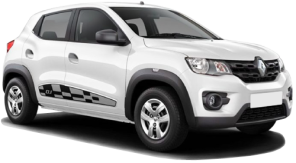
Renault Kwid
or Similar
From
$10.84/day
Search and compare car rental prices from trusted global suppliers. Find the best deals instantly.








Explore our range of vehicles available in Brazil.
or Similar
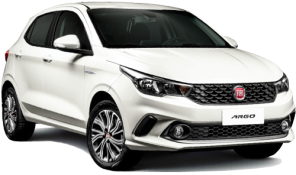
or Similar
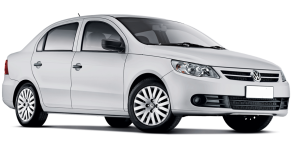
or Similar
or Similar

or Similar
or Similar
or Similar
or Similar
or Similar
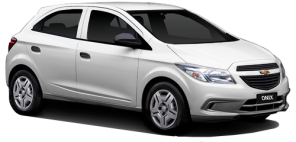
or Similar
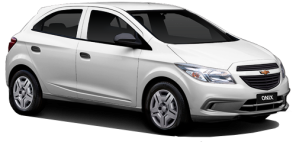
or Similar
or Similar
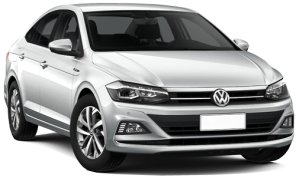
or Similar
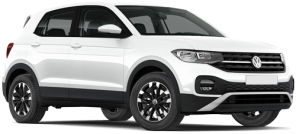
or Similar
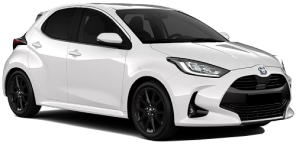
or Similar

or Similar
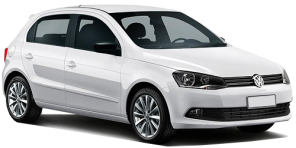
or Similar
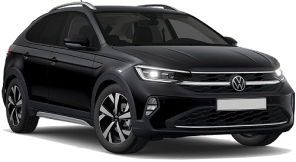
or Similar
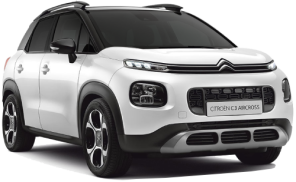
or Similar
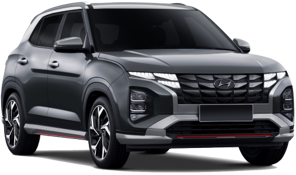
or Similar
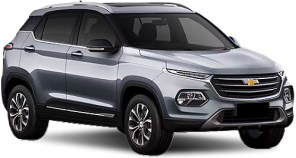
or Similar
Prices shown are approximate and may vary by booking dates, rental duration, and vehicle class. Check booking options for current pricing.
Discover a world of convenience, safety, and customization, paving the way for unforgettable adventures and seamless mobility solutions.
Pick up your rental car in one city and drop it off in another, perfect for road trips and multi-city travel.
Refine your search results with powerful filters to quickly find the perfect rental car for your travel needs.
Receive instant booking confirmation and rental details directly in your email inbox.
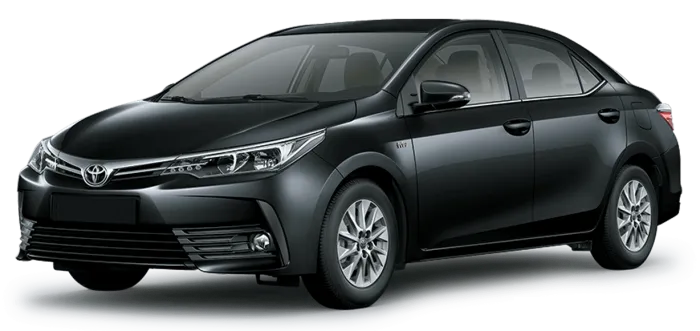
Many suppliers offer unlimited mileage so you can explore freely without worrying about distance limits.
Choose from economy cars, sedans, SUVs, luxury vehicles, and vans to match your travel needs and budget.
Our platform helps you find the most competitive car rental prices across multiple suppliers in one place.
Essential information about car rental companies, popular cars, rental duration, and prices at Brazil.
Localiza dominates Brazil's massive rental market with 500+ locations nationwide. Unidas strong for airport presence and corporate accounts.
Economy cars lead for cost-conscious travelers on Brazilian highways. SUVs essential for rough roads to Lençóis Maranhenses and Chapada Diamantina.
Brazil averages 6-day rentals for coastal routes from Rio to São Paulo. Extended 12-day trips common for Northeast beaches and Amazon exploration. Based on 78,000+ monthly searches.
Chevrolet Onix is Brazil's top economy rental for city driving. Fiat Strada pickup dominates rural and construction segments nationwide.
Brazil averages $48/day with weekly promos from $290. High season (December-February) sees 40% premium in coastal resort cities.
Compare average car rental prices by month and see how rental rates vary throughout the year in Brazil.
Carnival (February/March) and New Year (December) see extreme price spikes, especially in Rio and Salvador. March offers best value after Carnival. School holidays (July, December-January) increase prices. Book 3-4 months ahead for peak periods.
Essential driving rules and requirements to know when renting a car.
Get detailed information on driving rules, licence requirements, speed limits and useful local tips.

Renting a car in Brazil is one of the best ways to unlock the country's immense diversity, from sun-drenched beaches and bustling metropolises to the wildlife-rich Pantanal and the majestic Iguazu Falls. For international travelers, a rental car offers the freedom and flexibility that organized tours simply cannot match. However, navigating the rental process in a foreign country can be daunting. This comprehensive guide provides everything you need to know to rent a car confidently and explore Brazil on your own terms.
Whether you're planning to cruise along the coastline of Rio de Janeiro or venture deep into the countryside, this guide covers practical advice on pickup locations, costs, driving laws, and insider tips to ensure a smooth and memorable journey. By understanding the local nuances, you can avoid common pitfalls and focus on the incredible adventure that awaits in Brazil.
One of the first decisions you'll make is where to pick up your rental car. In Brazil, major international airports and city centers offer distinct advantages and disadvantages. Your choice should depend on your itinerary, budget, and comfort level with navigating a new city immediately upon arrival.
Airport locations are incredibly convenient, especially after a long international flight. You can walk from arrivals to the rental counter and be on your way. However, this convenience often comes with a price tag. Airport rentals in Brazil typically include significant surcharges and concession fees, which can increase the total cost by 20% to 35% compared to off-airport locations. City center offices, on the other hand, are often more budget-friendly, but you'll need to arrange transportation from the airport to the city, which can be a hassle with luggage. Major airports with rental facilities include Guarulhos (GRU) in São Paulo, Galeão (GIG) in Rio de Janeiro, and Confins (CNF) in Belo Horizonte. Most state capitals also have well-served airports with multiple rental desks.
Money-Saving Tip: If your itinerary allows, consider renting from a city center location for the bulk of your trip. Use reliable public transport or ride-sharing apps like Uber or 99 to get from the airport to your hotel, then pick up your car the next day. This can save you a substantial amount on airport surcharges.
| Pickup Location | Advantages | Disadvantages |
|---|---|---|
| Airport | Maximum convenience upon arrival; wide selection of companies; easy access to highways. | Higher rental rates due to airport fees and surcharges; can be chaotic during peak hours. |
| City Center | Lower rental rates; often more personalized service; good for starting a trip after settling in. | Requires separate transport from airport; navigating busy city streets to find the office can be tricky; limited office hours (often closed on Sundays). |
Rental car prices in Brazil are highly dynamic and fluctuate dramatically based on tourist demand, school holidays, and major events. Understanding these seasonal trends is key to securing a good deal. The high season, characterized by peak prices, generally aligns with the Brazilian summer (December to March), which includes the festive holidays of Christmas and New Year, as well as the world-famous Carnival in February or March. During these periods, demand skyrockets, and prices can more than double.
The low season, typically from August to November (excluding the October school break), offers the most affordable rates. The weather is still pleasant in many regions, making it an excellent time for a cost-effective road trip. Shoulder seasons, like April to June, offer a balance of decent weather and moderate prices. Major events like São Paulo's F1 Grand Prix or large tech conferences can also cause temporary price spikes in specific cities, so it's wise to check the local event calendar before booking.
| Metric | Details |
|---|---|
| Cheapest Month | September (low tourist demand, pleasant weather in most regions) |
| Most Expensive Month | February (Carnival celebrations drive massive demand) |
| Average Price | R$ 180 - R$ 250 per day for an economy car (highly variable) |
| A Good Deal | Any booking made 3-4 months in advance for travel during April-June or August-October |
| Cheapest Supplier | Local brands like Localiza and Unidas often offer competitive rates compared to international giants |
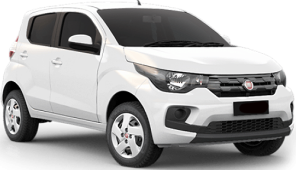
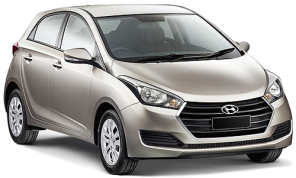
| Cheapest Car Type | Economy cars (e.g., Fiat Mobi, Renault Kwid) or compact cars (e.g., Chevrolet Onix, Hyundai HB20) |
Rental demand in Brazil is intrinsically linked to the country's vibrant tourism calendar and school holidays. The absolute peak is during Carnival, a week-long celebration that brings the nation to a standstill and attracts millions of international and domestic tourists. Prices for cars in cities like Rio de Janeiro, Salvador, and Recife can be at their highest during this time, and vehicles are often booked out months in advance. Another major peak is the July school holidays, when Brazilian families hit the road, driving up demand in coastal areas and cooler destinations like the mountains of Minas Gerais and the South region.
Long holiday weekends, such as Tiradentes (April 21st) and Corpus Christi (date varies, usually in May/June), also see a significant spike in short-term rentals. The Christmas and New Year period is another extended high-season window, particularly in beach-centric destinations. International travelers should be aware that the weeks between Christmas and Carnival are a continuous period of high demand and inflated prices across the country.
The average rental duration for international travelers in Brazil is typically between 7 and 14 days. This timeframe allows for a comprehensive exploration of a specific region, such as a week-long road trip along the Costa Verde from Rio de Janeiro to São Paulo, or a 10-day adventure combining the historic cities of Minas Gerais. Many travelers find that a two-week rental provides enough time to cover significant ground without feeling rushed, allowing for spontaneous stops and deeper immersion in local culture. Longer rentals, spanning three weeks or more, are common for those planning to traverse larger areas, like a journey from the Pantanal to the Atlantic coast.
Brazil boasts a robust car rental infrastructure, with thousands of rental locations spread across the country. You'll find rental desks at all major airports and in the downtown areas of every state capital and major city. The network extends to popular tourist towns, such as those in the Serra Gaúcha wine region or along the scenic coastline of Santa Catarina, though options in more remote areas may be limited. Availability is generally excellent in the South and Southeast regions, which are the most developed and economically active.
The market is dominated by two powerful local players, Localiza and Unidas, which merged but still often operate under their own brands, offering extensive fleets and competitive prices. International giants like Hertz, Avis, and Budget also have a strong presence, particularly at airports and in major business centers. This healthy mix of suppliers ensures good competition, benefiting consumers with a range of choices and price points.
| Quick Fact | Details |
|---|---|
| Approximate Rental Locations | Over 2,500 agencies nationwide |
| Primary Locations | Major airports (GRU, GIG, BSB, CNF) and city centers in all state capitals |
| Popular International Suppliers | Hertz, Avis, Budget, Enterprise |
| Popular Local Suppliers | Localiza, Unidas, Movida |
| General Availability | Excellent in South/Southeast; good in coastal Northeast; limited in remote Amazon regions |
Choosing the right car is crucial for a comfortable journey through Brazil's varied terrain. International travelers typically opt for vehicles that balance fuel efficiency, space, and reliability. The most popular choices include:
Brazil is a road tripper's paradise, offering spectacular drives that showcase its natural beauty and cultural richness. Here are a few iconic routes to inspire your journey:
Driving in Brazil comes with its own set of rules and customs. Familiarizing yourself with them is essential for a safe and legal trip. Brazil drives on the right-hand side of the road. The quality of roads varies dramatically; major toll highways (rodovias) are often in excellent condition, while secondary roads can be poorly maintained, with potholes and unexpected hazards. Be particularly vigilant at night.
The legal blood alcohol limit is zero. Brazil has a strict "Lei Seca" (Dry Law), and penalties for drinking and driving are severe, including hefty fines and vehicle impoundment. Seatbelts are mandatory for all passengers in both front and back seats. For child seats, Brazilian law requires children under the age of 10 to ride in the back seat. Children under 7 and 6 months must use appropriate child restraint systems (infant seats or booster seats) according to their weight and height. In the southern states during the winter months (June to September), some mountain roads may require winter tires, though rental companies usually equip their vehicles appropriately for the region.
| Speed Limit | Urban Areas | Rural Highways |
|---|---|---|
| Standard Cars | 40-60 km/h (as posted) | 80-110 km/h (as posted) |
| Major Toll Roads | N/A | Often 100-120 km/h |
Toll roads (rodovias pedagiadas) are common on major highways, especially in the more developed states of São Paulo, Rio de Janeiro, Minas Gerais, and Paraná. These roads are generally well-maintained and safer than non-toll alternatives. Tolls are almost exclusively electronic. Most rental cars come equipped with an electronic toll pass device (like Sem Parar or ConectCar) attached to the windshield. When you pass through a toll plaza, the device is automatically read, and the toll fee is later billed to the rental company, which then charges your credit card, often with a small administrative fee.
Toll costs vary but typically range from R$ 5 to R$ 15 per plaza. On a long journey, such as from São Paulo to Rio de Janeiro, you might encounter 5-7 toll plazas. If your car doesn't have a working device, you must use the lanes marked "Dinheiro" (Cash) or "Pedágio Manual" and pay the attendant in Brazilian Reais. It's wise to always carry some small bills and coins for this purpose.
Travelers in Brazil have a clear choice between well-known international brands and powerful local companies. International companies like Hertz, Avis, and Budget offer the comfort of familiarity, consistent service standards, and loyalty program benefits. Their fleets are modern, and their desks are prominently located at all major airports, making them a reliable choice for many.
However, the local giants, particularly Localiza and Movida, often provide superior value. They dominate the Brazilian market with massive, modern fleets, innovative apps, and highly competitive pricing. Their customer service is generally excellent, and they have an extensive network of locations, often surpassing the international brands in smaller cities. For the best balance of price and service, it's highly recommended to compare quotes from both local and international suppliers.
| Company | Price Level | Pros |
|---|---|---|
| Localiza | Low / Medium | Largest fleet in Brazil; excellent app for managing rentals; widespread locations; very competitive prices. |
| Movida | Low / Medium | Modern, young fleet; strong focus on customer service; innovative rental options; great for cost-conscious travelers. |
| Unidas | Medium | Reliable service; good selection of vehicles; often has partnerships with airlines for loyalty points. |
| Hertz | Medium / High | Global brand recognition; consistent quality; good for using international loyalty points; reliable airport presence. |
| Avis | Medium / High | Well-established; professional service; wide range of vehicle choices, including premium models. |
Parking in Brazil's major cities like São Paulo, Rio de Janeiro, and Salvador can be one of the most challenging aspects of driving. Street parking is available but often limited and can be risky. Look for blue zones ("Zona Azul"), which are regulated paid parking areas. You must purchase a parking card (cartão de estacionamento) from newsstands or authorized vendors to park in these zones. Be aware of "flanelinhas," unofficial parking attendants who may approach you and offer to "watch" your car for a tip. While not always problematic, it's best to be cautious and prefer official, attended parking lots.
Paid parking garages (estacionamentos) are abundant in city centers and commercial areas. They are the safest and most reliable option, though they can be expensive, especially in upscale neighborhoods. Hourly rates in São Paulo, for example, can range from R$ 20 to R$ 40. Many hotels also offer parking, but it's wise to inquire about the cost, as it's often an additional daily fee. A common challenge is the tight space in older garages; renting a compact car can be a significant advantage in these situations.
Rental prices in Brazil vary widely based on season, location, and vehicle type. The figures below are average estimates for a weekly rental booked in advance during the low season. You should expect to pay significantly more during peak times like Carnival. It's also important to factor in the cost of insurance, which can add a substantial amount to the daily rate. Many basic rental quotes include only third-party liability, so purchasing full coverage (Collision Damage Waiver and Theft Protection) is highly recommended for peace of mind.
| Car Category | Average Daily Rate (Low Season) |
|---|---|
| Small Cars (Economy) | R$ 130 - R$ 200 |
| Medium Cars (Compact) | R$ 170 - R$ 260 |
| SUVs | R$ 280 - R$ 400 |
| Vans | R$ 350 - R$ 500 |
| Luxury Cars | R$ 600+ |
A successful rental experience in Brazil often comes down to careful planning and smart decision-making. Keep these practical tips in mind to save money and avoid stress:
Even seasoned travelers can stumble into common traps when renting a car in Brazil. Being aware of these pitfalls will help ensure your trip goes smoothly:
Sarah, a photographer from Canada, landed at São Paulo's Guarulhos airport in 2026. Instead of renting at the airport, she took an Uber to her hotel in the bohemian neighborhood of Vila Madalena. The next morning, after a good night's sleep, she walked to a Localiza office and picked up a compact Chevrolet Onix she had booked two months prior. Driving out of the city was initially daunting, but once she hit the BR-101 highway heading south, the stress melted away. The winding coastal road revealed breathtaking vistas of the Atlantic Forest meeting the sea at every turn. She spent three days in the colonial town of Paraty, parking the car on the edge of the historic center and exploring the cobblestone streets on foot. The freedom of having her own car allowed her to stop spontaneously at secluded beaches and drive up into the mountains to capture the sunrise over the bay, an experience she couldn't have had on any group tour.
For many international travelers, an International Driving Permit (IDP) is a necessary companion to their native driver's license. In Brazil, the official language is Portuguese, and while traffic police in tourist areas may be accustomed to foreign licenses, an IDP provides a standardized translation of your credentials. It is legally required for drivers whose license is not issued in Portuguese or Spanish. While rental companies may sometimes let you rent without one, driving without a valid IDP can result in a fine and complications with your insurance coverage if you are involved in an accident.
Obtaining an IDP is straightforward. In your home country, you can typically get one from your national automobile association (like the AAA in the United States or the CAA in Canada). You'll need to be at least 18, hold a valid driver's license, and provide passport-sized photos. The process is often completed in person or by mail for a small fee. The IDP is valid for one year from the date of issue and must be used in conjunction with your original driver's license. Remember to carry both documents with you whenever you are behind the wheel in Brazil.
Markers show approximate airport or town-centre areas, not confirmed rental desks.
Find airport guides for car rentals, parking, and ground transportation.
Try a different name, city, or IATA code.
Read verified customer reviews, ratings, and rental experiences from travelers who booked through Airport Rento.
Overall Rating
"상파울루에서 차를 빌려서 이과수 폭포까지 운전해 갔습니다. 긴 여정이었지만 자동차 상태가 완벽했어요. 다음에도 브라질에 오면 이 회사를 이용할 겁니다."
Seo-yeon Kim
"Soy de Argentina y crucé la frontera en auto. Alquilé en Foz do Iguaçu con AirportCarHub, el trato fue excelente. Mejor precio que las compañías locales que consulté antes de viajar."
Sebastian Nunez
"Vlucht gehad naar Belo Horizonte. De autoverhuur was dichtbij de terminal. Vriendelijke mensen die goed Engels spraken. De auto was een standaard sedan met automaat, precies wat ik boekte."
Johannes Bos
"Tuve un problema con una llanta pinchada en la carretera hacia Ouro Preto. Llamé al servicio de asistencia y en menos de una hora llegó la grúa. Me cambiaron el vehículo sin costo extra. Muy profesionales."
Santiago Herrera
"Service rapide à laéroport de Natal. La voiture roulait bien et le plein était fait. Juste un peu difficile de trouver le parking de retour la nuit, mieux indiqué aurait été utile. Mais à part ça, super."
Leo Tremblay
"Flew into São Paulo for a wedding, needed a car quick. AirportCarHub sorted me out fast. Car was fresh, AC was chilling. Dem no do any mago mago with my deposit. I go use them again. 👍"
Samuel Okonkwo
"Booked last minute for a business trip. Car was ready when I landed in Recife. AC was blasting. Decent little compact car. Zero problems. 🚗💨"
Noah Davis
"Rented an automatic sedan for a family trip around Bahia. Car seats for kids were provided as requested. The roads to Chapada Diamantina are no joke, vehicle handled beautifully. Highly recommend."
Aarav Mehta
"The price was right and the car was reliable. Did about 2000km across southern Brazil. No mechanical issues, drop off was simple. Only hiccup was a slow check-in line but I was on vacation mode so who cares."
Kai Becker
"Auto am Flughafen Recife gemietet. Die Dame am Schalter war extrem nett und hat uns Tipps für die Umgebung gegeben. Völlig stressfrei, gerne wieder bei der nächsten Brasilien-Reise."
Lucas Fischer
"Car was spotless and perfect for our drive in the northeast. The booking agent didnt confirm my international license beforehand so I had to sort that at the counter. A bit stressful but they fixed it. Still, 4 stars."
Mansoor Al-Ketbi
"Searched a ton of aggregator sites before my trip and AirportCarHub had the best rate for an SUV. Picked up in Brasilia, the staff was quick and didnt try to upsell me on insurance I didnt need. Respect for that."
Ethan Wilson
"ブラジルでの運転は少し緊張しましたが、AirportCarHubのスタッフが丁寧に説明してくれて助かりました。フロリアノーポリスまでのドライブ、最高の景色でした。"
Chie Nakamura
"Morei anos fora e voltei ao Brasil pra visitar família. Usei AirportCarHub pela primeira vez, gostei do preço transparente. Nada daquelas taxas surpresa que outras locadoras inventam. Bom trabalho."
Thiago Silva
"ブラジルの交通ルールに不安がありましたが、借りた車には最新のナビが付いていて助かりました。サンパウロ市内は渋滞がひどいですが、車は快適でした。"
Hiroki Kondo
"Everything worked out. Got a slightly different car model than booked but it was an upgrade so no complaints here. Driving in São Paulo traffic is wild but at least the car had sensors. 😅"
Benjamin Hayes
"Ho preso un fuoristrada per andare fino al Pantanal. Strade difficili ma il mezzo era tenuto benissimo. Staff cordiale a Campo Grande. Esperienza da ripetere."
Matteo Rossi
"在圣保罗机场租的车,现场付款和网上预订的价格完全一致,没有隐形消费。车子很新,空调强劲。开车去了桑托斯海滩,总体非常满意。"
Deng Chao
"Overall a good experience renting for my trip to Florianopolis. The car was ready but it took about 25 minutes to process the paperwork. After a 12 hour flight from Cairo via Doha, I just wanted the keys. Car was perfect though."
Essam Said
"Habe den Wagen in Sao Paulo abgeholt. Alles lief reibungslos, das Team sprach sogar etwas Englisch was mir sehr half. Bin nach Paraty gefahren, die Strassen sind abenteuerlich aber das Auto hat alles mitgemacht. 👍"
Marcel Frank
"Picked up in Fortaleza. Service was quick, the agent verified my international driving permit and had us on the road fast. Drove to Jericoacoara, the 4x4 was essential for the sand tracks. Thumbs up."
Kwame Mensah
"Bokade bil för 10 dagars resa längs Costa Verde. Enkelt att hämta i Rio. Inga konstigheter vid återlämning. Bilen drog lite mycket bränsle men annars var allt toppen. Rekommenderas."
Viktor Johansson
"Traveling from India to Brazil is a long journey, was relieved to find everything ready. Clear instructions in English on the website. Picked up in Rio, dropped off in Belo Horizonte. No hidden fees for the one-way rental."
Ravi Patel
"Landed in Brazil, got the keys in 10 minutes. Drove to the office, car park, beach, basically lived in this rental for a week. Return was just as quick. No fuss, fair price."
David Anderson
"We rented for the entire trip from Rio to Salvador. The car ran like a dream. Only tiny complaint is the mobile app for managing the booking was a bit slow. The actual service though? Fantastic."
Emma Larsson
"Alquilé un auto por una semana para recorrer Florianópolis. Todo muy bien, el coche funcionaba perfecto. Lo único es que la fila para retirar era un poco larga, pero nada grave."
Julian Correa
"Hyrde bil i Rio för att köra ner mot Ilha Grande. Allt gick smidigt och dokumentationen var tydlig även på engelska. Ett litet minus för lång väntetid, men bilen var toppen."
Henrik Olsen
"Picked up the car at GRU airport, super smooth process. Drove to Rio and along the coast, car was clean and AC was ice cold which you absolutely need here. Will use AirportCarHub again next time we visit Brazil."
Margaret Wilson
"Арендовал джип для путешествия по Амазонке. Машина была в отличном состоянии, кондиционер спасал от жары. Персонал в Манаусе понимал по-английски, что было неожиданно приятно."
Daniil Baranov
"Loué pour un road trip dans le Minas Gerais. Prise en main rapide à laéroport de Confins. La voiture était impeccable, quasiment neuve. Je recommande sans hésiter, surtout pour le rapport qualité-prix."
Clément Vincent
"Lejede en bil i Curitiba og kørte til Iguazu. Alt fungerede upåklageligt. Bilsædet var rent og motoren kørte stille. Giver fem stjerner for den hurtige udlevering."
Mikkel Nielsen
"Needed a high clearance vehicle for some rural areas. The SUV was perfect, clean and comfortable. Driving from Cuiabá into the Pantanal was a highlight of my life. Thanks for the reliable wheels."
William Taylor
"Was worried about scams targeting tourists but AirportCarHub was legitimate. The deposit was returned within 3 days of drop off. Did a trip around Lençóis Maranhenses. The car had no issues on sandy roads."
Abdullah Khan
"Sorted the booking online weeks before flying to Brazil. Everything was exactly as described. No surprise charges, full tank on pickup. Drove from Salvador to Itacaré, the car handled the unpaved sections like a champ. Honest company, cheers lads."
Brian Moran