Economy
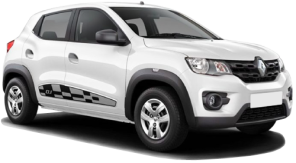
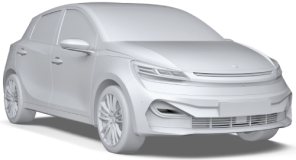
Renault Kwid
or Similar
From
$10.84/day
Compare car rental deals at Salvador Downtown, Salvador from trusted global suppliers. Find affordable prices and book your ideal car in minutes.







Explore our range of vehicles available in Salvador Downtown.
or Similar
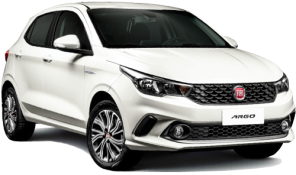
or Similar
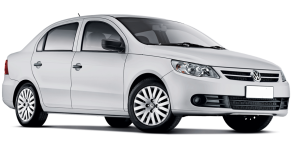
or Similar
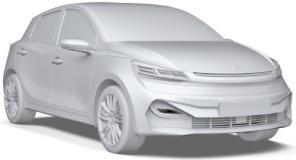
or Similar
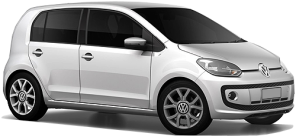
or Similar
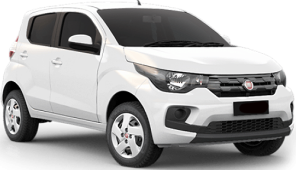
or Similar
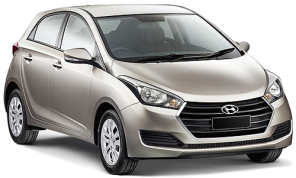
or Similar
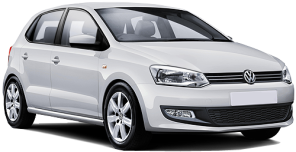
or Similar
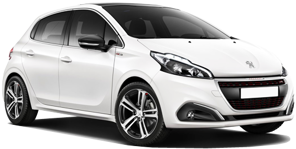
or Similar
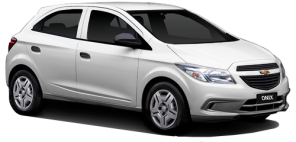
or Similar
or Similar
or Similar
or Similar
or Similar
or Similar
or Similar
or Similar
or Similar
or Similar
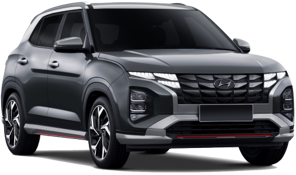
or Similar
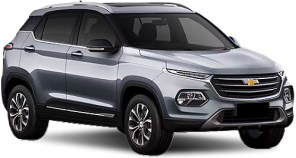
or Similar
Prices shown are approximate and may vary by booking dates, rental duration, and vehicle class. Check booking options for current pricing.
Discover a world of convenience, safety, and customization, paving the way for unforgettable adventures and seamless mobility solutions.
Choose from economy, compact, standard, luxury, SUV, and van categories depending on your needs.
Refine your search results with powerful filters to quickly find the perfect rental car for your travel needs.
We highlight top-rated suppliers based on verified customer reviews and service quality.
Manage, modify, or cancel your booking easily through your confirmation link or account.
All rental costs, taxes, insurance options, and fees are clearly displayed before booking.
Every rental supplier is rated by customers so you can choose trusted providers.
Essential information about car rental companies, popular cars, rental duration, and prices at Salvador Downtown.
Unidas in the Barra neighborhood leads downtown Salvador with 33% market share, serving tourists staying near the famous Farol da Barra and Porto da Barra Beach.
Compact cars dominate for navigating the coastal neighborhoods. SUVs are chosen for trips to the northern beaches like Praia do Forte and Guarajuba.
Downtown Salvador rentals average 5-7 days, allowing visitors to experience both city culture and the beautiful Bahian coastline. (Based on 4,300+ local pickups)
The Fiat Argo is the top compact for its modern features. The Chevrolet Tracker leads the compact SUV segment for its fuel efficiency on coastal highway trips.
Downtown Salvador rates average $42/day. Low season promotions from $32/day for weekly bookings during May-September.
Compare average car rental prices by month and see how rental rates vary throughout the year in Salvador Downtown.
Salvador Downtown - Carnival and Pelourinho. Summer peak (December-February) for tourism. Carnival (February/March) increases demand. Book 2 months ahead.
* Prices shown are approximate. Original prices are in USD and converted using real-time exchange rates.
Essential driving rules and requirements to know when renting a car.
Get detailed information on driving rules, licence requirements, speed limits and useful local tips.
Renting a car in Salvador Downtown, Brazil, is a rite of passage for travelers who crave independence. While the historic heart of Salvador, known as the Pelourinho, is wonderfully walkable, relying solely on taxis or ride-sharing apps can quickly become both expensive and limiting. A rental car transforms your trip from a series of point-to-point journeys into an open-road adventure. You gain the freedom to chase sunsets along the Linha Verde coastline, navigate the bustling lower city at your own pace, and escape the city’s steep hills without waiting for a ride. For families or groups, the convenience of having a vehicle waiting for you—complete with space for beach gear and shopping bags—simply cannot be overstated.
When planning your rental, you have two primary pickup options: the Salvador International Airport (SSA), located about 20-30 minutes south of the downtown area, or various locations within Salvador Downtown, Brazil, itself. Picking up at the airport is often the most seamless choice if you’re arriving by plane, allowing you to drive straight to your hotel. However, be aware that airport locations almost always add a significant concession fee surcharge (sometimes 15-25% of the total rental cost) to their rates. Conversely, renting from a city center location typically waives this surcharge but requires navigating from the airport to the rental office first, usually via a short taxi or transfer. A solid money-saving tip is to price out both options; often, renting from a downtown office for a multi-day trip—especially if you aren’t picking up the car immediately upon arrival—can save you a substantial amount that you can then spend on exploring the region.
| Pickup Location | Advantages | Disadvantages |
|---|---|---|
| Salvador International Airport (SSA) | Immediate access upon arrival; wide range of major rental counters open late; easy return before departure. | Higher rental costs due to airport concession fees; busier and can have longer wait times during peak flight arrivals. |
| Salvador Downtown, Brazil (City Center) | Typically 15-25% cheaper than airport rentals; often more flexible with local drop-offs; a good option if you are already in the city. | Requires a taxi/transfer from the airport to the office; operating hours may be more limited than the airport; navigation to/from office can be tricky in heavy traffic. |
Renting a car in Brazil is a straightforward process, but the requirements are strict and non-negotiable. International travelers need to come prepared with the correct documentation to avoid being turned away at the counter. The legal driving age in Brazil is 18, but most major rental companies in Salvador Downtown, Brazil, will enforce a minimum age of 21. Furthermore, drivers under 25 often face a "young driver surcharge," which can add a significant daily fee to the rental cost.
You must present a valid driver's license from your country of origin. If your license is not in Portuguese, or if it does not use the Latin alphabet (e.g., Japanese or Arabic script), you are legally required to have an International Driving Permit (IDP). Even if your license is in English, having an IDP is highly recommended as it provides a Portuguese translation, which can be invaluable during a traffic stop. You will also need a passport for identification and a credit card in the primary driver's name. Debit cards are almost never accepted for the security deposit hold. Finally, insurance is mandatory. While Brazilian law requires basic third-party liability insurance (Seguro Obrigatório), rental companies will strongly encourage you to purchase their Collision Damage Waiver (CDW) and theft protection to minimize your financial liability.
| Requirement | Details |
|---|---|
| Minimum Age | 21 years old (drivers under 25 may incur a young driver surcharge). |
| Driver’s License | Valid license from country of origin. International Driving Permit (IDP) strongly recommended and required for non-Latin alphabet licenses. |
| Credit Card | Major credit card (Visa, Mastercard, Amex) in the renter’s name for the deposit (typically $300–$800 USD). |
| Passport | Required for all international renters for identification. |
| Insurance | Mandatory Liability Insurance is included; Collision Damage Waiver (CDW) and Theft Protection are optional but highly advised to reduce excess fees. |
Salvador is a sprawling metropolis that stretches for miles along the coast. While the historic district is a UNESCO World Heritage site perfect for walking, the city’s soul—its beaches, bustling shopping centers, and authentic culinary spots—are spread across neighborhoods like Rio Vermelho, Barra, and Itapuã. A car turns a complicated web of buses and expensive taxis into a simple, air-conditioned journey. For travelers venturing beyond the city limits, a rental car is not just a convenience but a necessity. The famous coconut-fringed beaches of the Linha Verde (Green Line), stretching north toward Praia do Forte, are best explored with the freedom to stop at any roadside bar or hidden cove that catches your eye.
Driving in Salvador offers a unique perspective on local life. You’ll navigate the iconic Elevador Lacerda area, cross the sprawling Avenida Paralela, and find yourself immersed in the rhythm of the city. For families, the ability to pack beach umbrellas, coolers, and spare clothes without worrying about taxi trunk space is a game-changer. Moreover, having a car allows you to stay in quieter, more affordable neighborhoods outside the tourist-heavy downtown core, knowing you can easily drive to the Pelourinho for an evening of live music and capoeira without relying on public transport schedules.
Travelers to Salvador will find a healthy mix of globally recognized brands and robust local Brazilian suppliers. The international giants—Hertz, Avis, and Europcar—are well-represented at both the airport and downtown locations. These companies offer familiar service standards, loyalty program benefits, and typically have newer fleets. Local suppliers or Brazilian chains like Movida and Localiza (which is a major player in the region) often provide competitive pricing and extensive networks across the country. Localiza, in particular, has a massive presence in Salvador Downtown, Brazil, and is often praised for efficient service. When choosing a company, it’s wise to consider not just the price, but the location’s operating hours, the availability of automatic transmission vehicles (a must for navigating Salvador’s hills), and the customer service reviews regarding vehicle condition and post-rental inspections.
| Company | Price Level | Pros |
|---|---|---|
| Localiza | Medium | Massive local presence; excellent for one-way rentals within Brazil; often the best selection of automatic cars. |
| Movida | Low-Medium | Strong Brazilian brand with competitive rates; modern fleet; frequent online promotions. |
| Hertz | Medium-High | Global reliability; good loyalty program; consistent service standards at airport location. |
| Avis | Medium-High | Well-maintained vehicles; convenient downtown and airport desks; professional staff. |
| Europcar | Medium | Strong European brand presence; good for long-term rentals; often has premium/luxury options. |
The hilly, cobblestone streets of the historic district are not car-friendly, so the vehicle you choose should be suited for the open road and city traffic. Economy and compact cars, such as the Fiat Mobi or Volkswagen Up, are the most popular choices for solo travelers or couples. They are cheap to rent, easy to park in tight city spaces, and fuel-efficient for coastal drives. However, if you are venturing to beaches with sandy access roads or traveling with a family, a compact SUV like the Jeep Renegade or Chevrolet Tracker is highly recommended. These offer better ground clearance, air conditioning powerful enough for the tropical heat, and more space. For larger groups, minivans like the Renault Duster or seven-seater SUVs are essential for comfort.
Rental prices in Salvador fluctuate significantly with the seasons. The high tourist season, from December through March (including Carnival), sees prices spike dramatically—often double or triple the low-season rates. The low season (May through September, excluding holidays) offers the best deals. It is also crucial to book early for holidays like Carnival, New Year's Eve, and the Festas Juninas in June, as availability plummets. The following tables reflect average daily rates in USD during standard travel periods, though these can vary based on demand.
| Car Category | Low Season (USD/Day) | High Season (USD/Day) |
|---|---|---|
| Small Cars (Economy) | $25 - $40 | $65 - $100 |
| Medium Cars (Sedans) | $35 - $55 | $80 - $120 |
| SUVs (Compact/Standard) | $50 - $80 | $110 - $180 |
| Vans (7+ Seats) | $70 - $100 | $150 - $250 |
| Luxury Cars | $90 - $150 | $200 - $350+ |
| Metric | Value |
|---|---|
| Cheapest Month | August / September |
| Most Expensive Month | February (Carnival) / December (New Year) |
| Average Price (Economy Car) | $45 USD/day |
| A Good Deal (Economy Car) | Under $35 USD/day |
| Cheapest Supplier (Typical) | Movida or Localiza (with online prepaid rates) |
| Cheapest Car Type | Fiat Mobi / Volkswagen Up |
Salvador serves as the perfect launching pad for some of Brazil’s most spectacular coastal road trips. The region is characterized by stunning Atlantic rainforest, pristine beaches, and historic towns. Having a car allows you to string these destinations together at your own pace.
Driving in Brazil is on the right-hand side of the road. The rules are generally strict, and enforcement is common, especially via electronic radar (radares). Speed limits are clearly posted but vary: typically 30-40 km/h in residential zones, 60 km/h on major city avenues like Avenida Paralela, and 80-110 km/h on highways like the BA-099. Speed cameras are prevalent, and fines are issued directly to the rental car agency, which will then bill your credit card along with a hefty administrative fee.
Brazil has a zero-tolerance policy for drinking and driving. The "Lei Seca" (Dry Law) means any blood alcohol content above 0.00% is illegal and carries severe penalties, including fines and vehicle impoundment. Seatbelts are mandatory for all occupants. Children under 10 years old must ride in the back seat, and those under 7.5 years old (or under 1.45m tall) are required to use an appropriate child restraint seat (car seat or booster), which you will need to request from the rental company in advance. Road conditions vary dramatically; while major highways are well-paved, secondary roads can have potholes. It is common to encounter speed bumps ("lombadas" or "quebra-molas") suddenly, especially in residential and rural areas, so always drive with caution.
| Area | Typical Speed Limit |
|---|---|
| Residential Streets & Historic Center | 30 - 40 km/h (18 - 25 mph) |
| Major Urban Avenues (e.g., Paralela) | 60 - 80 km/h (37 - 50 mph) |
| Highways (e.g., BA-099) | 80 - 110 km/h (50 - 68 mph) |
If you plan on driving north along the beautiful Linha Verde coast towards Praia do Forte, you will encounter toll roads. The primary highway, BA-099, has several toll plazas managed by the concessionaire "Bahia Norte." These tolls are not exorbitant but do add up for longer trips; expect to pay between R$5 to R$15 (approximately $1 to $3 USD) per toll plaza, and there are typically 3-4 plazas between Salvador and the northern beaches. Payment is primarily in cash (Brazilian Reais) or via credit card. Some plazas accept debit cards, but cash is the most reliable method. There is no specific electronic pass for rental cars, so you should always keep a supply of small bills in your glove compartment to make transactions smooth and avoid holding up the line.
Parking is one of the biggest considerations when renting a car in the historic zone of Salvador Downtown, Brazil. The Pelourinho district is largely pedestrianized, and street parking is virtually non-existent. Many hotels in this area do not offer on-site parking. Instead, they rely on a network of paid, guarded parking lots (estacionamentos) located just outside the historic center. These lots typically charge by the hour or for a 24-hour period, averaging around $5-$10 USD per day. While they are secure, it requires a short walk to your accommodation.
Outside the historic center, in neighborhoods like Barra and Rio Vermelho, street parking is available but highly competitive. You will often encounter "flanelinhas" — informal, unofficial attendants who "watch" your car in exchange for a tip. While not officially employed by the city, it is customary and wise to give them a few Reais (around $1-$2 USD) to ensure your car's safety. For stress-free parking, malls and large supermarkets offer free or inexpensive covered parking, which is a great option if you’re having lunch or shopping. The key rule: never leave valuables visible in the car, regardless of whether you are in a paid lot or on the street.
Navigating the car rental process in a foreign country requires a bit of strategic planning. These practical tips will help you avoid pitfalls and get the best value for your money while ensuring a smooth experience.
Even seasoned travelers can fall into traps when renting abroad. Being aware of these common errors can save you time, money, and frustration during your trip to Salvador Downtown, Brazil.
Last year, I flew into Salvador and, on a friend’s advice, decided against picking up a car at the airport. Instead, I took a taxi to my pousada in Rio Vermelho. The next morning, I walked five minutes to a Localiza office. The paperwork took a bit of time—there was a queue—but the staff was patient, helping me sort out the insurance and explaining that the small dent on the door was already on their system. I’d booked a compact automatic, but they upgraded me to a Jeep Renegade for free. The first drive was nerve-wracking; the hills and the motorbikes weaving through traffic were intense. But within a day, I was in my element, driving to the quiet beaches of Flamengo and stopping at roadside acarajé stalls. The true test was a three-day road trip up to Praia do Forte. Having that Renegade meant I could drive on the sand-packed roads to access secluded pousadas, and the air conditioning was a lifesaver during the afternoon heat. Returning the car with a full tank, I was relieved that the final bill matched the quote exactly. It was a steep learning curve, but it was the key to unlocking the best of Bahia.
Securing an International Driving Permit (IDP) is a crucial step for many travelers planning to rent a car in Salvador Downtown, Brazil. An IDP serves as a standardized translation of your national driver’s license, recognized in over 150 countries, including Brazil. While the Federal Highway Police (PRF) regulations state that a foreign license is valid if it meets specific criteria (including being in Portuguese, Spanish, English, or French), the IDP is the safest guarantee. It eliminates any ambiguity at the rental counter or during a traffic stop. If your license is issued in a language not listed (e.g., Chinese, Japanese, Arabic), an IDP is not just recommended—it is legally required.
Obtaining an IDP is straightforward for most international travelers. In the United States, it is issued by the American Automobile Association (AAA) or the American Automobile Touring Alliance (AATA) for a small fee; you do not need to be a member. In other countries, it is typically available through the national automobile association. The IDP is valid for one year from the date of issue. You must carry it along with your original driver’s license at all times—the IDP is not a stand-alone document. Remember to apply well in advance of your trip, as processing times can vary, and it cannot be obtained once you are already in Brazil.
Markers show approximate airport or town-centre areas, not confirmed rental desks.
Find airport guides for car rentals, parking, and ground transportation.
Try a different name, city, or IATA code.
Read verified customer reviews, ratings, and rental experiences from travelers who booked through Airport Rento.
Overall Rating
No reviews yet for this location. Be the first to share your experience!