Cheap Car Rental Rio De Janeiro, Brazil - Compare Deals & Book Instantly
Search and compare car rental prices from trusted global suppliers. Find the best deals instantly.
Why book with us?
-
Wide Fleet
Choose from economy cars, SUVs, luxury vehicles, and more.
-
Free Cancellation
Flexible booking options with free cancellation on most rentals.
-
24/7 Customer Support
Our expert team is available 24/7 to assist you with any questions or concerns.
Compare top international car rental brands and choose the best deal for your trip.








Car Rental Deals in Rio De Janeiro
Choose from our wide range of vehicles available in Rio De Janeiro.
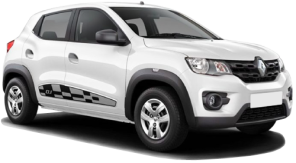
EconomyRenault Kwid or Similar
From
$10.84
/day
|
|
|||
CompactFiat Argo or Similar
From
$12.66
/day
|

|
|||
IntermediateVolkswagen Voyage or Similar
From
$15.78
/day
|

|
|||
Intermediate SuvRenault Kardian or Similar
From
$16.81
/day
|

|
|||
EconomyVolkswagen Up or Similar
From
$12.17
/day
|

|
|||
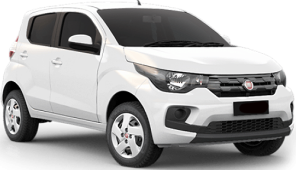
EconomyFiat Mobi or Similar
From
$12.18
/day
|
|
|||
EconomyHyundai HB20 or Similar
From
$12.77
/day
|

|
|||
CompactVolkswagen Polo or Similar
From
$12.79
/day
|

|
|||
EconomyPeugeot 208 or Similar
From
$14.13
/day
|

|
|||
CompactChevrolet Onix or Similar
From
$14.15
/day
|

|
|||
EconomyGM Onix or Similar
From
$15.36
/day
|

|
|||
StandardFiat Cronos or Similar
From
$15.93
/day
|

|
|||
StandardVolkswagen Virtus or Similar
From
$16.05
/day
|

|
|||
Intermediate Elite SuvVolkswagen T-Cross or Similar
From
$17.16
/day
|

|
|||
StandardToyota Yaris or Similar
From
$17.39
/day
|

|
|||
Intermediate SuvFiat Pulse or Similar
From
$18.32
/day
|

|
|||
EconomyVolkswagen Gol or Similar
From
$18.77
/day
|

|
|||
IntermediateVolkswagen Nivus or Similar
From
$19.91
/day
|

|
|||
IntermediateCitroen C3 Aircross or Similar
From
$20.66
/day
|

|
|||
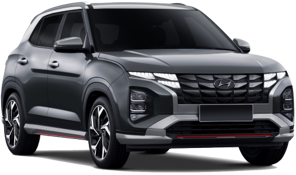
Intermediate SuvHyundai Creta or Similar
From
$20.75
/day
|
|
|||
Intermediate EliteNissan Kicks or Similar
From
$21.98
/day
|

|
|||
Our Features
Discover a world of convenience, safety, and customization, paving the way for unforgettable adventures and seamless mobility solutions.
Email Booking Confirmation
Receive instant booking confirmation and rental details directly in your email inbox.
Customer Reviews
Read verified customer reviews and ratings to help you choose the best rental supplier for your trip.
Supplier Rating System
Every rental supplier is rated by customers so you can choose trusted providers.
Highly Rated Suppliers
We highlight top-rated suppliers based on verified customer reviews and service quality.
Interactive Location Maps
See rental locations on interactive maps to quickly choose the most convenient pickup point.
Vehicle Category Selection
Choose from economy, compact, standard, luxury, SUV, and van categories depending on your needs.
Rio De Janeiro, Brazil Car Rental Facts
Essential information on the best deals, rental providers, and vehicle options in Rio De Janeiro, Brazil.
Most Popular Agencies
Avis leads Trelew with 35% market share, serving visitors heading to the Valdes Peninsula and Punta Tombo penguin colonies.
Popular Car Types
SUVs dominate at 50% for navigating Patagonian gravel roads to wildlife reserves. Pickup trucks popular for rural exploration.
Average Rental Duration
Trelew rentals average 4-5 days, combining Valdes Peninsula whale watching (seasonal), Punta Tombo penguin colonies, and Welsh heritage sites in Gaiman. (Based on 2,100+ local pickups)
Most Popular Models
The Toyota Hilux leads for its durability on Patagonian roads. Ford Ranger favored for wildlife reserve access.
Average Daily Price
Trelew rates average $48/day. Whale season (June-December) sees higher demand with weekly rentals from $290.
How much does it cost to rent a car at Rio De Janeiro, Brazil?
Averaging the lowest prices for the economy car category, the data below shows prices for monthly comparisons.
Cheapest Month Average
JunMost Expensive Month
JanYearly Average Price
Trelew Welsh heritage and paleontology. Summer peak for tourism. Book 2 months ahead.
Car Rental Rio De Janeiro, Brazil Guide
Renting a car in Rio De Janeiro, Brazil, offers a unique blend of freedom and flexibility that public transport simply cannot match. While the city is famous for its beaches and vibrant neighborhoods, having your own vehicle allows you to explore the dramatic coastline, venture into the lush mountainous hinterland, and visit nearby colonial towns at your own pace. Navigating Rio’s complex bus system or relying on taxis and ride-sharing for every trip can quickly become expensive and time-consuming, especially for groups or families. A rental car transforms your trip, turning logistical challenges into spontaneous adventures.
When picking up your vehicle, you have two primary options: the airport or downtown locations. Rio De Janeiro is served by two major airports: Galeão International Airport (GIG) on Governador Island and Santos Dumont Regional Airport (SDU) in the city center, closer to the downtown area and famous landmarks like the Museum of Tomorrow. Picking up at Galeão is convenient for arriving passengers but often includes a steep airport concession fee or surcharge, which can add 20-30% to your daily rate. City center locations, while requiring a short taxi or ride-share ride to reach, frequently offer lower base rates and avoid these surcharges. For savvy travelers, this trade-off is well worth the initial effort, potentially saving you hundreds of dollars over a week-long rental.
| Pickup Location | Key Details & Money-Saving Tip |
|---|---|
| Galeão International Airport (GIG) | Most convenient for arrivals, with all major rental desks located in the arrivals hall. However, be prepared for high airport surcharges and congestion. To save money, check if a hotel or off-airport location nearby offers a free shuttle with a lower base rate. |
| Santos Dumont Airport (SDU) | Ideal for those flying in from other Brazilian cities (like São Paulo). Located right in the city center, it's closer to major hotels in Flamengo, Botafogo, and Copacabana. Surcharges are often lower than at GIG, making it a potentially cheaper option for city-center itineraries. |
| Downtown/City Center Offices | The best option for the budget-conscious. While you need to factor in the cost of transport to the office, the daily rental rate is often significantly lower without the airport fees. Look for locations in neighborhoods like Botafogo or Flamengo for a good balance of price and accessibility. |
Car Rentals Requirements in Rio De Janeiro, Brazil
Before you can hit the road in Rio, you need to ensure your paperwork is in order. Brazilian rental companies are strict about documentation, and failing to have the correct items can result in being denied a vehicle. The process is designed to protect both the rental agency and you, the driver, so coming prepared is essential for a smooth experience. The minimum age to rent a car in Brazil is typically 21, but drivers under 25 are almost always subject to a "young driver" surcharge, which can add a significant daily cost. You will need a valid credit card in the main driver's name with sufficient available credit to place a security deposit, which can range from $500 to $1,500 depending on the car category.
A valid driver's license from your home country is generally accepted for stays of up to 180 days, provided it is in good condition and includes a photo. However, if your license is not in Portuguese, English, or Spanish, it is highly recommended to obtain an International Driving Permit (IDP) as a translation. While not strictly a legal requirement for all nationalities, an IDP can be invaluable during a police traffic stop and is often requested by rental agents to process your contract. You must also present your passport, as the rental company is required by law to register your entry into the country. Basic third-party liability insurance is always included in the rental price, but this offers minimal coverage. Rental companies will aggressively market additional waivers to reduce your financial responsibility for damage or theft, which is a decision you should consider carefully.
| Requirement | Details |
|---|---|
| Minimum Age | 21 years old. Drivers under 25 will pay a daily young driver surcharge. |
| Driver's License | Valid license from your country of residence. An International Driving Permit (IDP) is strongly recommended for non-Portuguese licenses. |
| Credit Card | Required in the main driver's name for the security deposit. Debit cards are rarely accepted for this purpose. |
| Passport | Mandatory for identification and registration purposes. |
| Insurance | Basic third-party liability (TPL) is mandatory and included. Additional Collision Damage Waiver (CDW) and Theft Protection are optional but highly recommended. |
Why Rent a Car in Rio De Janeiro
While Rio's Zona Sul (South Zone) neighborhoods like Copacabana and Ipanema are well-connected by metro, the city's true magic lies beyond the subway map. A rental car unlocks a side of Rio that many tourists miss: the freedom to chase the sun along the scenic coastline towards the Costa Verde, to spontaneously stop at a hidden beach bar, or to escape the city bustle for a day in the cool Tijuca Forest. For those looking to explore beyond the city limits, a car is not just a convenience; it's a necessity. Destinations like the imperial city of Petrópolis, the surfing town of Saquarema, or the tropical islands of Angra dos Reis are all within a few hours' drive, offering dramatically different experiences from the urban beach scene.
Traveling with family or a group of friends makes the value proposition of a rental car even stronger. The cost of multiple Ubers or private transfers to places like the Christ the Redeemer statue or Sugarloaf Mountain can quickly eclipse the daily cost of a rental. With your own vehicle, you have the freedom to set your own schedule, keep snacks and beach gear in the trunk, and manage the day around your family's needs rather than public transport timetables. It turns a vacation from a series of scheduled trips into a fluid and relaxing journey of discovery along one of the world's most beautiful coastlines.
- Explore Beyond the Beaches: Venture to the charming town of Petrópolis, the hiking trails of Pedra Bonita, or the waterfalls in the Tijuca National Park with complete independence.
- Scenic Coastal Drives: Experience the breathtaking beauty of the Costa Verde (Green Coast) by driving the Rio-Santos highway (BR-101), with its endless ocean views and tropical island vistas.
- Family Convenience: Travel with car seats, beach umbrellas, and coolers without the hassle of carrying them on buses or in taxis. It’s a game-changer for family logistics.
- Access Remote Attractions: Easily visit sights that are difficult to reach by public transport, such as the Guanabara Bay lookout points or the artistic neighborhood of Santa Teresa.
- Flexibility & Spontaneity: See a sign for a local farmer's market (feira) or a lookout point (mirante)? Pull over and explore. A car gives you the freedom to be spontaneous.
- Cost-Effective for Groups: Splitting the cost of a rental car and fuel among 4-5 people is often cheaper than purchasing individual tickets for tours or multiple ride-shares.
Best Car Rental Companies in Rio De Janeiro
Travelers to Rio De Janeiro are typically presented with a choice between familiar global brands and well-established local operators. The international giants like Hertz, Avis, Enterprise, and Budget have a strong presence at both airports and in the city, offering the reassurance of standardized fleets, loyalty programs, and customer service protocols. You'll also find European companies like Sixt and Europcar, which often carry more premium or unique vehicle models. These companies are a safe bet for a predictable rental experience, though their prices can be on the higher side, especially at airport locations.
Alongside the multinationals, there are reputable local and regional companies like Localiza and Movida, which dominate the Brazilian market. These companies often offer significantly lower prices than their international counterparts while maintaining modern fleets and excellent customer service. Renting from them can be a fantastic way to save money, and their offices are just as ubiquitous. It's highly recommended to use a comparison website to see all your options side-by-side, as prices can fluctuate wildly between providers for the exact same car type. Always check the total price, including all taxes and fees, before booking.
| Company | Price Level (Low / Medium / High) | Pros |
|---|---|---|
| Localiza | Low-Medium | Dominant local brand with huge fleet, excellent locations, and consistently competitive prices. Highly trusted by Brazilians. |
| Movida | Low-Medium | Another top local choice, known for modern, well-maintained cars and innovative services. Often runs promotional discounts. |
| Hertz | Medium-High | Global reliability and a wide selection. Gold Plus Rewards members can skip the counter. Good for premium car choices. |
| Unidas | Low-Medium | A strong local competitor, often with prices similar to Localiza and Movida. Good for economy and compact cars. |
| Avis | Medium-High | Strong international presence with a reliable fleet. Preferred by business travelers and those seeking a consistent experience. |
Popular Car Rental Categories & Prices in Rio De Janeiro
Choosing the right car for Rio involves balancing comfort, safety, and budget. Economy and compact cars, like a Volkswagen Gol or Fiat Mobi, are incredibly popular for solo travelers or couples. They are cheap to run, easy to park in tight city spaces, and perfect for navigating Rio's narrow streets. However, if you plan on exploring the mountainous regions or driving on the bumpier roads leading to some waterfalls, a compact SUV like a Renault Duster or Nissan Kicks is a fantastic choice. It offers a higher driving position for better views and more ground clearance for rougher terrain. For families or groups, a 7-seater SUV or a minivan is the way to go, providing ample space for both passengers and luggage.
Like most tourist destinations, rental prices in Rio De Janeiro are heavily influenced by demand. The peak season, from December to March and during major holidays like Carnival, sees prices skyrocket. A compact car that rents for $30 per day in the low season can easily jump to $80 or more per day during these periods. Conversely, the low season months (typically autumn, from April to June, and spring, from September to November) offer the best deals, with prices at their most affordable and traffic less intense. Booking well in advance is the single most effective way to secure a good deal, especially if you are traveling during a holiday period.
| Car Category | Typical Models | Average Daily Price (USD) |
|---|---|---|
| Small Cars (Economy/Compact) | Fiat Mobi, Volkswagen Gol, Chevrolet Onix | $30 - $50 |
| Medium Cars (Intermediate) | Chevrolet Cruze, Toyota Corolla, Honda Civic | $45 - $70 |
| SUVs | Renault Duster, Nissan Kicks, Jeep Renegade | $60 - $100 |
| Vans / Family Vehicles | Renault Kangoo, Fiat Doblo, Chevrolet Spin | $70 - $120 |
| Luxury Cars | BMW 3 Series, Audi A3, Jeep Compass | $100 - $200+ |
Note: These are estimated average daily rates for a weekly rental, including basic insurance. Actual prices vary based on availability, lead time, and season.
| Pricing Factor | Details |
|---|---|
| Cheapest Month | May (after Easter and before the June festivals) |
| Most Expensive Month | February (Carnival peak) or December (Christmas/New Year's) |
| Average Price (Compact Car) | $40 per day |
| A Good Deal (Compact Car) | $28 per day or less |
| Cheapest Supplier (Typical) | Localiza, Movida, or Unidas |
| Cheapest Car Type | Economy/Compact manual transmission |
Road Trips from Rio De Janeiro
The real magic of renting a car in Rio is the ability to escape the city and discover the stunning diversity of the surrounding regions. The state of Rio De Janeiro and its neighbors offer some of Brazil's most iconic road trip routes, from mountain escapes to tropical coastline adventures. Here are a few unforgettable journeys to consider.
- Rio to Petrópolis (The Imperial Road): A 65 km (1-1.5 hour) drive north from Rio. This scenic route winds up the Serra dos Órgãos mountains, offering cooler temperatures and lush vegetation. Highlights include the Imperial Museum, the summer palace of Dom Pedro II, the stunning Quitandinha Palace, and the charming Gothic-style Saint Peter of Alcântara Cathedral. It's a perfect day trip to experience a slice of Brazil's imperial history.
- Rio to Angra dos Reis & Ilha Grande (The Costa Verde): A 150 km (2.5-3 hour) drive south on the Rio-Santos highway (BR-101). This is arguably Brazil's most beautiful coastal drive, with the jungle meeting the sea at every turn. The destination is the municipality of Angra dos Reis, a jumping-off point for boat trips to the paradisiacal, car-free Ilha Grande. Highlights include countless secluded beaches, islands, and the charming town of Paraty, a little further down the coast.
- Rio to Búzios (The Sunshine Coast): A 170 km (2.5-3 hour) drive east from Rio. Head across the Rio-Niterói bridge and follow the coast. Búzios is a sophisticated peninsula famous for its more than 20 stunning beaches, upscale boutiques, and vibrant nightlife on Rua das Pedras. The drive itself offers glimpses of the turquoise Atlantic waters and the lively lakes region.
- Rio to Serra da Bocaina National Park: A 200 km (3-4 hour) drive southwest, beyond Paraty. For the adventurous traveler, this route leads to a vast national park with incredible biodiversity. Highlights include trekking to the Cachoeira da Pedra Branca waterfall, one of the tallest in Brazil, exploring the historic Gold Trail (Caminho do Ouro), and experiencing pristine Atlantic Forest.
Driving Rules in Rio De Janeiro
Driving in Brazil, and specifically in Rio, requires awareness and adaptability. The rules of the road are strictly enforced in theory, but local driving habits can be more fluid. You will drive on the right-hand side of the road, and overtaking is done on the left. The legal blood alcohol limit is very strict: it is zero tolerance. If you are caught driving after consuming any amount of alcohol, the penalties are severe, including hefty fines and vehicle impoundment. Seatbelts are mandatory for all passengers in both front and back seats, and children under the age of 10 must ride in the back seat using an appropriate child restraint system (car seat or booster).
Road conditions can vary dramatically. Main highways like the Rio-Niterói bridge and the Linha Vermelha are generally well-maintained, but side streets and roads in less affluent areas can be poorly paved and full of potholes. During the summer rainy season (December to March), sudden downpours can cause flash flooding on major thoroughfares, so it's wise to monitor the weather and avoid driving through standing water. While winter tires are not required in Rio, ensuring your rental car has good tread and functional air conditioning is essential for safety and comfort.
| Rule | Detail |
|---|---|
| Driving Side | Right |
| Speed Limits (City) | Typically 40-60 km/h (25-37 mph) unless otherwise signed. |
| Speed Limits (Highway) | Typically 80-110 km/h (50-68 mph). |
| Blood Alcohol Limit | 0.0% (Zero Tolerance). Fines are extremely high. |
| Seatbelt Law | Mandatory for all passengers, front and rear. |
| Child Seat Law | Children under 10 must be in the back seat with appropriate restraints (car seat/booster) based on age/weight. |
Toll Roads in Rio De Janeiro
Most of the major highways leading in and out of Rio De Janeiro are toll roads. The main arteries like the Linha Amarela, the Rio-Niterói bridge (Ponte Rio-Niterói), and the BR-101 south towards the Costa Verde all have toll plazas. The tolls are not prohibitively expensive, typically ranging from $2 to $6 USD per plaza, but they do add up on longer journeys. All major highways in the region operate on an electronic toll system, and rental cars are almost always equipped with the mandatory electronic transponder (usually called "Sem Parar" or "ConectCar"). The rental company will automatically bill you for the tolls you incur, plus a small administrative fee, which saves you from having to stop at cash lanes. It's a seamless system, but be aware of the admin fee, which is usually a fixed daily rate or a small percentage of the total tolls. When you pick up your car, confirm with the agent how the toll payment system works and what fees to expect.
Parking in Rio De Janeiro
Parking in Rio is a classic city challenge, particularly in the bustling Zona Sul neighborhoods. Street parking (vaga na rua) exists but is highly competitive. Look for blue zones (zonas azuis), which are regulated paid parking areas. You must display a parking ticket, which can be purchased from authorized vendors (often newsstands or "padarias" - bakeries). The rules and time limits vary, so always read the signs carefully. For a stress-free experience, especially in popular areas like Ipanema, Copacabana, and Leblon, it's best to use a paid parking garage (estacionamento). These are plentiful, secure, and charge by the hour or for a full day. While they cost more than street parking, they offer peace of mind regarding security and avoiding parking tickets. Be prepared for tight spaces; Brazilian drivers are experts at parallel parking in spots that would seem impossible elsewhere, and your rental car might acquire a few minor door dings in crowded lots.
Tips for Car Rental in Rio De Janeiro
- Book Early and Compare: Prices increase as availability drops, especially during Carnival and New Year's. Book as far in advance as possible and compare total prices across international and local companies like Localiza and Movida.
- Manual is Cheap, Automatic is a Premium: The vast majority of rental cars in Brazil have manual transmissions. If you need an automatic, you must book it specifically and expect to pay significantly more, as the supply is limited.
- Choose Your Insurance Carefully: The basic insurance often has a high deductible. Assess your personal travel insurance and credit card rental coverage before declining the rental company's expensive Collision Damage Waiver. Sometimes paying for full peace of mind is worth it.
- Inspect the Car Thoroughly: Before driving off, do a complete walk-around with the rental agent. Take photos and videos of every scratch, ding, and interior mark, and ensure they are noted on the contract. This is your best defense against disputed damage claims.
- Understand the Fuel Policy: Most rentals come with a "Full-to-Full" policy. You pick it up with a full tank and must return it full. This is the fairest policy. Refuel at a gas station just before returning the car to avoid the company's exorbitant refueling charges.
- Watch for "Zona Azul": Be vigilant about parking regulations. Parking illegally or overstaying a paid parking ticket can result in a fine and your car being towed, which is a massive hassle and expense.
- Never Leave Valuables in the Car: This is a cardinal rule of travel in Rio. When parking, especially on the street, ensure the car is completely empty of bags, electronics, and any items that might attract attention. Store everything in the trunk before you arrive at your destination.
Common Car Rental Mistakes Travelers Make
- Not Getting an IDP: Even if not strictly required, failing to have an International Driving Permit can lead to major complications during a police stop or if you have an accident, potentially voiding your insurance.
- Ignoring the Fine Print on Insurance: Assuming you are fully covered and then discovering you owe thousands for a stolen mirror because you declined a specific waiver is a nightmare. Always clarify what your excess (deductible) is.
- Skipping the Pre-Rental Inspection: Rushing through the pickup process and failing to document pre-existing damage is the most common reason travelers get charged for repairs they didn't cause.
- Assuming Navigation Will Be Easy: Relying solely on a rental car's built-in GPS, which might be outdated, can be a disaster. Use a smartphone with Google Maps or Waze for real-time traffic updates, which are essential for navigating Rio.
- Forgetting to Check for Tolls: Being unaware that the car has an automatic toll pass can lead to a nasty surprise on your final bill, which includes the tolls plus a daily administrative fee you didn't anticipate.
- Driving in Unfamiliar Favelas: GPS can sometimes route you through a favela (informal community). If your navigation suggests a road that looks rough or feels unsafe, trust your instincts and find an alternative route.
Real Travel Experience Renting a Car in Rio De Janeiro
Last March, I picked up a compact Fiat from the Localiza office in Botafogo, having saved a bundle by avoiding the airport surcharge. My initial plan was just a day trip to Petrópolis, but the freedom of the car was intoxicating. After exploring the imperial palace, I saw a sign for a waterfall in the Serra dos Órgãos National Park and impulsively followed it. The road turned to gravel, and my little Fiat bounced along, but we were rewarded with a stunning, almost private swimming hole. On the way back to Rio, instead of taking the main highway, I wound down the old Estrada do Colônia, stopping at a roadside stand for fresh cheese and watching the sun set over Guanabara Bay. That spontaneity, those unplanned moments, are exactly why renting a car in Rio transformed a simple trip into a true adventure.
International Driving Permit for Travelers Visiting Rio De Janeiro
For any traveler planning to drive in Brazil, securing an International Driving Permit (IDP) before you leave home is a simple and inexpensive step that provides immense peace of mind. While Brazilian law technically recognizes driver's licenses from many countries, particularly those printed in Portuguese, English, or Spanish, the IDP serves as an official, standardized translation of your license into nine languages, including Portuguese. This makes it easily understandable for local traffic police and rental car agents, eliminating potential language barriers and confusion at checkpoints. It essentially validates your driving credentials in a universally recognized format.
You must obtain an IDP in your home country before you travel, as they are not available for purchase in Brazil. In the United States, they are issued by authorized bodies like the American Automobile Association (AAA) and the American Automobile Touring Alliance. You will need to present your valid driver's license, two passport-sized photos, and pay a small fee. The permit is generally valid for one year from the date of issue. When you pick up your rental car in Rio, present both your home license and your IDP together. Having this document ensures you are fully compliant with local regulations and can focus on enjoying the incredible sights and roads that Rio De Janeiro and its surroundings have to offer.
Car Rental Locations in Rio De Janeiro
Discover More Brazil Car Rental Destinations
- Car Rental in Belem
- Car Rental in Belo Horizonte
- Car Rental in Boa Vista
- Car Rental in Brasilia
- Car Rental in Campo Grande
- Car Rental in Confins
- Car Rental in Cuiaba
- Car Rental in Curitiba
- Car Rental in Florianopolis
- Car Rental in Fortaleza
- Car Rental in Foz Do Iguacu
- Car Rental in Goiania
- Car Rental in Guarulhos
- Car Rental in Ilheus
- Car Rental in Jijoca De Jericoacoara
- Car Rental in Juiz De Fora
- Car Rental in Londrina
- Car Rental in Maceio
- Car Rental in Manaus
- Car Rental in Maringa
- Car Rental in Natal
- Car Rental in Parnaiba
- Car Rental in Porto Alegre
- Car Rental in Porto Seguro
- Car Rental in Recife
- Car Rental in Salvador
- Car Rental in Santa Maria
- Car Rental in Sao Paulo
- Car Rental in Uberlandia
- Car Rental in Vitoria
Other Car Rental Locations in Brazil
- Car Rental at Belem Airport (BEL)
- Car Rental at Belem Downtown
- Car Rental at Belo Horizonte Airport (PLU)
- Car Rental at Belo Horizonte Downtown
- Car Rental at Boa Vista Airport (BVB)
- Car Rental at Boa Vista Downtown
- Car Rental at Brasilia Airport (BSB)
- Car Rental at Brasilia Downtown
- Car Rental at Campo Grande Downtown
- Car Rental at Confins Airport (CNF)
- Car Rental at Confins Downtown
- Car Rental at Cuiaba Downtown
- Car Rental at Curitiba Airport (CWB)
- Car Rental at Curitiba Downtown
- Car Rental at Florianopolis Airport (FLN)
- Car Rental at Florianopolis Downtown
- Car Rental at Fortaleza Airport (FOR)
- Car Rental at Fortaleza Downtown
- Car Rental at Foz Do Iguacu Downtown
- Car Rental at Iguacu Airport (IGU)
- Car Rental at Goiania Downtown
- Car Rental at Guarulhos Downtown
- Car Rental at Sao Paulo Guarulhos Airport (GRU)
- Car Rental at Ilheus Downtown
- Car Rental at Jijoca De Jericoacoara Downtown
- Car Rental at Juiz De Fora Downtown
- Car Rental at Londrina Downtown
- Car Rental at Maceio Airport (MCZ)
- Car Rental at Maceio Downtown
- Car Rental at Manaus Airport (MAO)
Major Airports in Brazil
Complete airport guides with car rental information, parking, and transportation options
- Belem Airport Guide IATA: BEL
- Belo Horizonte Airport Guide IATA: PLU
- Boa Vista Airport Guide IATA: BVB
- Brasilia Airport Guide IATA: BSB
- Confins Airport Guide IATA: CNF
- Curitiba Airport Guide IATA: CWB
- Florianopolis Airport Guide IATA: FLN
- Fortaleza Airport Guide IATA: FOR
- Iguacu Airport Guide IATA: IGU
- Sao Paulo Guarulhos Airport Guide IATA: GRU
- Maceio Airport Guide IATA: MCZ
- Manaus Airport Guide IATA: MAO
- Maringa Airport Guide IATA: MGF
- Natal Airport Guide IATA: NAT
- Porto Alegre Airport Guide IATA: POA
- Porto Seguro Airport Guide IATA: BPS
- Recife Airport Guide IATA: REC
- Rio De Janeiro Galeao Airport Guide IATA: GIG
- Rio De Janeiro Santos Dumont Airport Guide IATA: SDU
- Salvador Airport Guide IATA: SSA
- Sao Paulo Congonhas Airport Guide IATA: CGH
- Vitoria Airport Guide IATA: VIX
Frequently Asked Questions about Car Rental in Rio De Janeiro
Rio De Janeiro, Brazil Car Rental Reviews & Customer Ratings
Read verified customer reviews, ratings, and rental experiences from travelers who booked through Airport Rento.
Overall Rating
No reviews yet for this location. Be the first to share your experience!