Cheap Car Rental Natal, Brazil - Compare Deals & Book Instantly

Search and compare car rental prices from trusted global suppliers. Find the best deals instantly.


Why book with us?

  • Easy Booking

    Book your car rental in minutes with a simple and secure process.

  • Wide Fleet

    Choose from economy cars, SUVs, luxury vehicles, and more.

  • Free Cancellation

    Flexible booking options with free cancellation on most rentals.

Available Car Categories

Car Rental Deals in Natal

Choose from our wide range of vehicles available in Natal.

Economy

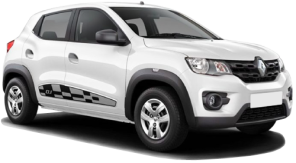
Renault Kwid or Similar

From $10.84 /day
Renault Kwid car rental in Natal

Compact

Fiat Argo or Similar

From $12.66 /day
Fiat Argo car rental in Natal

Intermediate

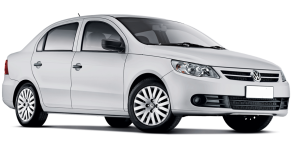
Volkswagen Voyage or Similar

From $15.78 /day
Volkswagen Voyage car rental in Natal

Intermediate Suv

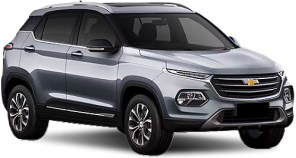
Renault Kardian or Similar

From $16.81 /day
Renault Kardian car rental in Natal

Economy

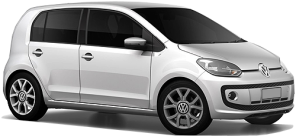
Volkswagen Up or Similar

From $12.17 /day
Volkswagen Up car rental in Natal

Economy

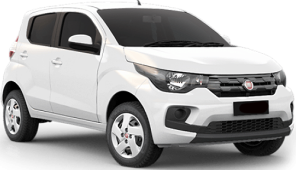
Fiat Mobi or Similar

From $12.18 /day
Fiat Mobi car rental in Natal

Economy

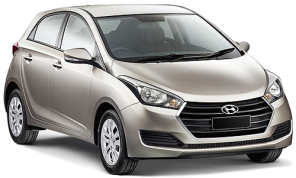
Hyundai HB20 or Similar

From $12.77 /day
Hyundai HB20 car rental in Natal

Compact

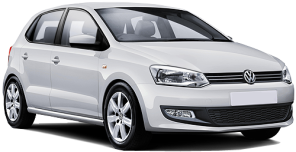
Volkswagen Polo or Similar

From $12.79 /day
Volkswagen Polo car rental in Natal

Economy

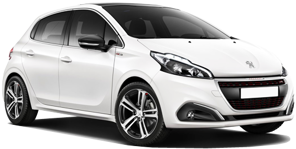
Peugeot 208 or Similar

From $14.13 /day
Peugeot 208 car rental in Natal

Compact

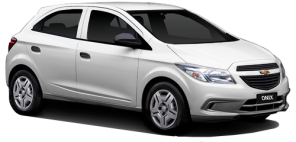
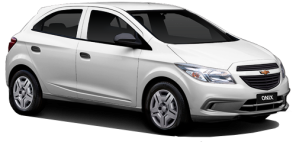
Chevrolet Onix or Similar

From $14.15 /day
Chevrolet Onix car rental in Natal

Economy

GM Onix or Similar

From $15.36 /day
GM Onix car rental in Natal

Standard

Fiat Cronos or Similar

From $15.93 /day
Fiat Cronos car rental in Natal

Standard

Volkswagen Virtus or Similar

From $16.05 /day
Volkswagen Virtus car rental in Natal

Intermediate Elite Suv

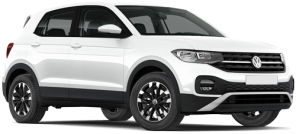
Volkswagen T-Cross or Similar

From $17.16 /day
Volkswagen T-Cross car rental in Natal

Standard

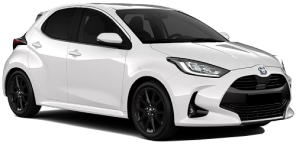
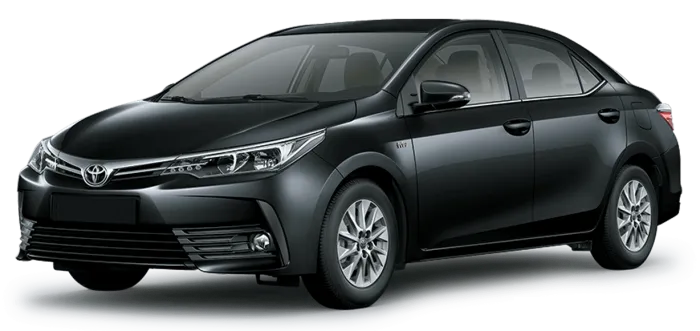
Toyota Yaris or Similar

From $17.39 /day
Toyota Yaris car rental in Natal

Intermediate Suv

Fiat Pulse or Similar

From $18.32 /day
Fiat Pulse car rental in Natal

Economy

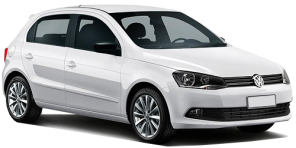
Volkswagen Gol or Similar

From $18.77 /day
Volkswagen Gol car rental in Natal

Intermediate

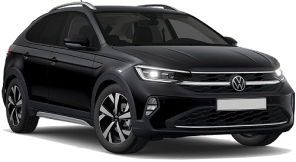
Volkswagen Nivus or Similar

From $19.91 /day
Volkswagen Nivus car rental in Natal

Intermediate

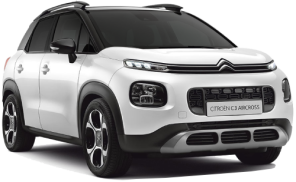
Citroen C3 Aircross or Similar

From $20.66 /day
Citroen C3 Aircross car rental in Natal

Intermediate Suv

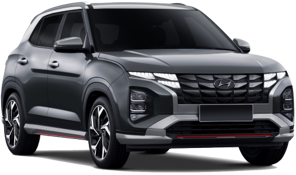
Hyundai Creta or Similar

From $20.75 /day
Hyundai Creta car rental in Natal

Intermediate Elite

Nissan Kicks or Similar

From $21.98 /day
Nissan Kicks car rental in Natal
The above prices are only approximate and were last updated at 18:45 on 12/05/26. Prices may vary based on the booking dates, length of rental, and car class.
Why Choose Us

Our Features

Discover a world of convenience, safety, and customization, paving the way for unforgettable adventures and seamless mobility solutions.

Worldwide Locations

Search rental cars in thousands of locations across more than 180 countries and major travel destinations.

Fast Booking Process

Complete your car rental reservation in just a few simple steps with instant confirmation.

Transparent Comparison

Compare rental companies side-by-side with clear information about pricing, insurance, and included services.

Car Rental Service

Transparent Pricing

All rental costs, taxes, insurance options, and fees are clearly displayed before booking.

Unlimited Mileage Options

Many suppliers offer unlimited mileage so you can explore freely without worrying about distance limits.

Airport Pickup Options

Find rental cars available at major international airports for convenient pickup immediately after your arrival.

Rental Guide

Natal, Brazil Car Rental Facts

Essential information on the best deals, rental providers, and vehicle options in Natal, Brazil.

Most Popular Agencies

Localiza (38%), Unidas (25%)

Localiza dominates the Natal market with a strong presence at Governador Aluízio Alves International Airport, offering seamless service for tourists heading to the famous dunes and beaches.

Popular Car Types

Compact (40%), SUV (30%), Economy (20%)

Compact cars are ideal for navigating the city of Natal. SUVs are increasingly popular for exploring the coastal dunes of Genipabu and the beaches along the Costa das Dunas.

Average Rental Duration

5 Days

Rentals average 5-6 days, matching the typical week-long beach holiday spent visiting Ponta Negra, Pipa, and the surrounding coastal attractions. (Based on 4,500+ local pickups)

Most Popular Models

Chevrolet Onix, Renault Duster

The Chevrolet Onix is Brazil's best-selling compact car and the top choice in Natal for its efficiency. The Renault Duster is a favorite rugged SUV for tackling sandy coastal roads.

Average Daily Price

$34/day

Daily rates in Natal average $34. Weekly rentals from $210 are an excellent value for a week of exploring the "City of Dunes" and its coastline.

How much does it cost to rent a car at Natal, Brazil?

Averaging the lowest prices for the economy car category, the data below shows prices for monthly comparisons.

Cheapest Month Average

Mar
Price: $37

Most Expensive Month

Dec
Price: $90

Yearly Average Price

Price: $56

Note: Natal dunes and beaches. Summer peak (December-February) for tourism. Carnival (February/March) increases demand. Book 2 months ahead.


Car Rental Natal, Brazil Guide

Renting a car in Natal, the vibrant capital of Rio Grande do Norte, is often the key that unlocks the true magic of Brazil's "Sun City." While the city has a reliable bus system and taxis are readily available, they can be limiting for travelers eager to explore the region's stunning coastline and inland dunes. Public transport can be time-consuming and may not reach the more secluded, breathtaking beaches like those in Pipa or Genipabu. A rental car offers the ultimate flexibility, allowing you to chase the sun along the coast, stop for impromptu coconut water at a roadside bar, and create your own itinerary away from the constraints of tour groups and fixed schedules.

When deciding where to pick up your vehicle, you have two main options: the airport and the city center. Picking up at São Gonçalo do Amarante International Airport (NAT) is incredibly convenient, as you can land, collect your bags, and drive directly to your accommodation. However, this convenience often comes with an airport surcharge, which can add a small percentage to your total rental cost. City center locations, particularly those in the Ponta Negra or Petrópolis neighborhoods, often have lower base rates. The trade-off is the cost and hassle of a taxi or ride-share to get there. Major pickup points include the airport, the Ponta Negra beachfront, and the Tirol neighborhood. A savvy money-saving tip is to compare the total cost (including any transfer) between an airport pickup and a downtown rental; sometimes, the savings are significant enough to justify a short taxi ride.

Pickup Location Advantages Disadvantages
São Gonçalo do Amarante International Airport (NAT) Maximum convenience upon arrival; wide selection of major rental desks. Potential airport surcharge; can be busier and more chaotic during peak times.
Ponta Negra (Beachfront) Central for most tourists; many hotels and services within walking distance. Limited selection of rental companies; requires transport from the airport.
Tirol / Petrópolis (City Center) Often cheaper rates than the airport; good for business travelers. Further from the main tourist beach (Ponta Negra); navigating city traffic to depart.

Car Rentals Requirements in Natal, Brazil

Before you get behind the wheel, it's crucial to understand the official requirements for renting a car in Brazil. The process is straightforward if you come prepared with the correct documentation. Rental companies in Natal are strict about these requirements, so having everything in order will ensure a smooth and hassle-free pickup. Generally, you must be at least 21 years old, though drivers under 25 may be subject to a "young driver" fee. A valid credit card in the main driver's name is almost always mandatory for the security deposit, which can be a significant amount.

The most common question for international travelers revolves around their driver's license. A valid driver's license from your home country is accepted, but it must be accompanied by an International Driving Permit (IDP). While technically required by Brazilian law, enforcement by rental agencies can vary. However, to avoid any potential issue with local police during a traffic stop, obtaining an IDP before your trip is highly recommended. You will also need your passport for identification. Basic third-party liability insurance (Seguro Obrigatório) is included by law, but you will be offered additional coverage for damage to the vehicle (Collision Damage Waiver) and theft (Theft Protection).

Requirement Details
Minimum Age 21 years (additional fee for drivers under 25).
Driver's License Valid license from your country of origin.
International Driving Permit (IDP) Highly recommended and legally required for most foreign licenses.
Passport Required for identification.
Credit Card Mandatory for the security deposit; must be in the driver's name.

Why Rent a Car in Natal

Natal and its surrounding state, Rio Grande do Norte, are a paradise designed for exploration. While you can certainly enjoy the city's urban beaches, the region's true beauty lies beyond the city limits. A rental car transforms your vacation from a resort-bound stay into an active adventure. Imagine the freedom to decide at breakfast that you'll drive an hour south to the world-famous cliffs and beaches of Praia da Pipa, or north to explore the massive dunes of Genipabu and even buggy ride into the interior. This flexibility is invaluable, especially for families or groups who can travel more cost-effectively and on their own schedule.

Public transportation and organized tours have set routes and timetables, often rushing you through sights. With your own car, you can linger at a beach you love, discover a hidden cove, or stop at a local market selling fresh fruit and handicrafts. It allows for a deeper, more personal connection with the landscape and culture. For those looking to venture further afield, a car is not just a convenience; it's a necessity for reaching places like the majestic Forte dos Reis Magos or the serene lagoons of the interior.

  • Unmatched Freedom: Create your own itinerary and change plans spontaneously without relying on tours or taxis.
  • Explore Remote Beaches: Easily access stunning but less-touristed beaches that are difficult or expensive to reach by bus.
  • Scenic Drives: Enjoy the beautiful coastal highway (RN-063) with breathtaking ocean views.
  • Family & Group Convenience: Travel together comfortably and cost-effectively, with space for kids, luggage, and beach gear.
  • Access to Interior Wonders: Venture beyond the coast to discover dunes, lagoons, and rural villages.
  • Cost-Effective for Long Trips: For a week or more, a rental car can be cheaper than multiple transfers and private tours.

Best Car Rental Companies in Natal

Travelers to Natal will find a healthy mix of familiar global brands and reliable local agencies. The major international players all have a strong presence, particularly at the airport. Companies like Localiza and Unidas are two of the biggest and most trusted names in Brazil, known for their extensive networks and modern fleets. You'll also find Hertz, Avis, and Budget operating at the main locations. These companies offer consistency and are a safe bet for most travelers. Their customer service, online systems, and vehicle quality are generally very high.

For the budget-conscious traveler, comparing prices across these companies is essential. While international brands offer peace of mind, sometimes local suppliers or comparison platforms can uncover a great deal. It's important to read the terms and conditions carefully, especially regarding insurance coverage and mileage limits, which are often unlimited with the major players. Booking directly through a company's website or a well-known aggregator is the standard practice, allowing you to lock in a rate and secure your preferred vehicle category, especially during peak seasons like December and January.

Company Price Level (Low/Medium/High) Pros
Localiza Medium Largest network in Brazil; excellent fleet; reliable customer service; many locations.
Unidas Medium Very strong national presence; often competitive pricing; good loyalty program.
Hertz Medium-High Global brand recognition; solid selection of vehicles; good for premium cars.
Avis / Budget Medium Widely available at airport; convenient for those with existing loyalty status.
Local Smaller Agencies Low-Medium Potential for lower prices; more personalized service; may have older fleet.

Popular Car Rental Categories & Prices in Natal

Choosing the right car for your Natal adventure is key to a comfortable trip. The most popular categories reflect the needs of tourists. Economy and Compact cars, like a Fiat Mobi or Chevrolet Onix, are perfect for couples or solo travelers who plan to stick to paved roads and want excellent fuel efficiency for navigating the city. These small cars are easy to park in Ponta Negra's busy streets. However, for groups or families, a compact SUV, such as a Nissan Kicks or Renault Duster, is a fantastic choice. It offers more space, a higher driving position for better views, and the ground clearance to handle the occasional unpaved road leading to a secluded beach or dune.

For larger families or groups of friends, a van like the Renault Kangoo or Fiat Doblo provides the necessary space for everyone and their luggage. These are workhorses, ideal for long road trips. On the other end of the spectrum, those looking for a touch of luxury might opt for a sedan like the Toyota Corolla. It's important to note that prices in Natal fluctuate significantly with the seasons. The high tourist season, from December to March and during major holidays like Carnaval, sees a sharp increase in demand and prices. Conversely, the low season (roughly May to September, excluding July) offers the best deals.

Car Category Average Daily Price (USD)
Small Cars (Economy/Compact) $25 - $45
Medium Cars (Midsize Sedan) $40 - $65
SUVs (Compact/Midsize) $55 - $90
Vans / People Carriers $70 - $120
Luxury Cars $100 - $200+
Metric Details
Cheapest Month May (end of rainy season, low tourist demand)
Most Expensive Month January (peak of summer and holiday season)
Average Daily Price (Economy Car) $35 USD
A Good Deal (Economy Car) Under $28 USD per day
Cheapest Supplier (Typically) Unidas or local agencies during low season
Cheapest Car Type (To Rent) Economy/Compact cars with manual transmission

Road Trips from Natal

Natal is the perfect starting point for some of Brazil's most scenic and diverse road trips. The state of Rio Grande do Norte offers a mix of stunning coastline, unique geological formations, and cultural experiences, all within a few hours' drive. Here are some of the most popular routes:

  • Natal to Praia da Pipa: This is the most famous trip. Head south on the scenic coastal road (RN-063). The drive is approximately 85 km (53 miles) and takes about 1.5 hours. Highlights include the dramatic cliffs of Barra do Cunhaú, the bustling hippie-chic vibe of Pipa village, and its world-renowned beaches like Madeiro and Golfinhos (known for dolphin spotting).
  • Natal to Genipabu / Dunas de Genipabu: Just north of Natal, this is a short but thrilling trip. It's only about 25 km (15.5 miles) from central Natal, a 40-minute drive. The main attraction is the immense mobile dune field where you can take a heart-pounding dune buggy ride or ride a camel. The freshwater lagoons nestled between the dunes are perfect for a refreshing dip.
  • Natal to Maracajaú: Known as the "Caribbean of Brazil" for its clear, calm waters, Maracajaú is about 70 km (43 miles) north of Natal, a drive of roughly 1 hour and 15 minutes. The highlight is the coral reef formation, creating large, shallow, crystal-clear natural pools. Boat trips take you out to the pools for world-class snorkeling.
  • Natal to Touros / Galinhos: For the more adventurous, head further north on the BR-101. Touros is about 110 km (68 miles) away (1.5 hours), but Galinhos, with its stunning peninsula and sand dunes accessible only by 4x4 or boat, is further. This route offers a glimpse of a more remote and rugged coastline, with vast empty beaches and traditional fishing villages.
  • Natal to Lajes / Lajedo de Soledade: Venture inland for a completely different landscape. Lajes is about 150 km (93 miles) from Natal, a drive of around 2 hours. The highlight is the Lajedo de Soledade, an important archaeological site with a fascinating rock formation and a small museum displaying prehistoric animal fossils and cave paintings.

Driving Rules in Natal

Driving in Brazil follows the standard international rules, but with some local nuances. First and foremost, you drive on the right-hand side of the road. Speed limits are in kilometers per hour (km/h) and are generally 40-60 km/h in urban areas, 80-100 km/h on major highways, and 110-120 km/h on some sections of well-maintained dual carriageways. Be vigilant for radar speed traps, which are common.

Brazil has a zero-tolerance policy for drinking and driving. The legal blood alcohol limit is effectively 0.0%. Penalties for driving under the influence are severe, so it's best to avoid alcohol completely if you plan to drive. Seatbelts are mandatory for all passengers, front and rear. For families, child seat laws are strictly enforced. Children under the age of 10 must travel in the back seat, and those under 7.5 years old (or under 1.45m tall) must use an appropriate child restraint system (infant seat, child seat, or booster seat). Road conditions in and around Natal are generally good, especially on the main highways. However, be cautious on secondary roads leading to beaches, which may have potholes or unpaved sections. During the rainy season (April to July), some roads can become slippery.

Rule Detail
Driving Side Right
Speed Limit (Urban) 40-60 km/h
Speed Limit (Highway) 80-110 km/h
Blood Alcohol Limit 0.0% (Zero Tolerance)
Seatbelt Law Mandatory for all passengers
Child Seat Law Required for children under 7.5 years / 1.45m tall

Toll Roads in Natal

Unlike the heavily tolled roads in southern Brazil, the state of Rio Grande do Norte has very few toll roads. You are unlikely to encounter a toll plaza on the most common tourist routes, such as the drives from Natal to Pipa or Genipabu. The main highways, like the BR-101 which runs along the coast, are generally toll-free. This is a pleasant surprise for drivers and helps keep the cost of road trips down, making the freedom of exploring by car even more appealing. The absence of tolls means you don't need to worry about carrying cash for road fees or understanding complex electronic payment systems for day-to-day driving.

However, it's worth noting that some newer or privatized stretches of highway may have implemented tolls in recent years, or there might be a toll for crossing a specific bridge. While this is currently the exception rather than the rule, it's always a good practice to have some Brazilian Reais (BRL) in small denominations just in case. If you do encounter a toll plaza, they typically accept both cash and major credit cards. The costs are generally very low, often just a few dollars, contributing to the maintenance of the road. For the vast majority of your driving around Natal, you can enjoy the journey without stopping for tolls.

Parking in Natal

Parking in Natal is generally manageable, especially when compared to the chaos of São Paulo or Rio de Janeiro. The main challenge is finding a spot in the most popular areas, particularly along the beachfront in Ponta Negra on weekends and holidays. Along the main avenue, you will find designated blue zones ("Zona Azul"), which are paid public parking spaces. You need to purchase a parking ticket from authorized vendors (often newsstands or kiosks) and display it on your dashboard. The cost is usually quite low for a set period, like an hour or two. Alternatively, many of the beachfront bars and restaurants offer valet parking ("manobrista") for a small fee, which can be a very convenient option.

For longer stays or overnight parking, your hotel will likely offer its own garage or valet service, which is the most secure option. If you're exploring the city center or shopping at a mall, they almost always have large, secure parking garages. When driving to more remote beaches, parking is often informal, either on the sand or in a dusty lot run by a local who will watch your car for a small tip. Always remove valuables from sight and never leave anything in the car that might attract a thief. In the city, always park in well-lit, designated areas to minimize the risk of break-ins.

Tips for Car Rental in Natal

Renting a car in a foreign country can be daunting, but with a little preparation, your experience in Natal can be smooth and enjoyable. Here are some practical tips to help you navigate the process and save money:

  • Book Early and Compare: Car rental prices are dynamic. Booking weeks or months in advance, especially for the peak season (Dec-Feb), can secure you a much better rate. Use comparison websites to get an overview of prices from different companies, then check the company's own site.
  • Consider Transmission Type: The vast majority of rental cars in Brazil have manual transmissions. If you need an automatic, you must book it specifically and well in advance, as supply is limited and they are more expensive.
  • Master the Fuel Policy: The standard policy is "Full-to-Full." You pick up the car with a full tank and must return it full. This is almost always the fairest option. Avoid paying the rental company upfront for a tank of fuel, as you won't be refunded for what you don't use.
  • Inspect the Car Thoroughly: Before driving off, do a complete walk-around of the vehicle with a rental agent. Note and take photos or a video of every existing scratch, dent, or mark on the car's condition report to avoid being charged for pre-existing damage later.
  • Understand Your Insurance: Your credit card or personal auto insurance may offer some coverage for rental cars. Check your benefits before you travel. However, be prepared to purchase the Collision Damage Waiver (CDW) from the rental company if you don't have your own coverage.
  • Navigation is Key: Cell service in Brazil is generally excellent. Download offline maps for the region on Google Maps or Maps.me before you go. This will be a lifesaver if you venture into areas with spotty signal.
  • Know the Local Emergency Number: Save the national emergency number (190 for police, 192 for ambulance) in your phone, along with the rental company's roadside assistance contact.

Common Car Rental Mistakes Travelers Make

Even seasoned travelers can fall into traps when renting a car abroad. Being aware of these common pitfalls can save you time, money, and stress during your trip to Natal.

  • Skipping the Pre-Rental Inspection: Failing to document existing damage is the number one cause of disputes. Take your time and use your phone's camera to create a timestamped record of the car's condition from every angle, including the wheels and interior.
  • Assuming You Don't Need an IDP: While you might get the car without one, an International Driving Permit is the official translation of your license. If you're stopped by the police, not having it could lead to a hefty fine or worse. It's cheap and easy to get at home—just do it.
  • Not Booking a Car Seat in Advance: Brazilian law is strict on child restraints. If you're traveling with young children, book the necessary seat when you reserve the car. Rental agencies only carry a few, and they may not be available for walk-ups.
  • Ignoring Toll Road Signs: While tolls are rare in RN, ignoring a "PAGUE" (Pay) sign and driving through an electronic toll lane without a tag will result in a fine for the rental car, and the admin fee they charge you will be much higher than the toll itself.
  • Leaving Valuables in Plain Sight: This is a cardinal rule of travel anywhere, but especially in a car. A visible backpack or phone is a temptation. Always lock valuables in the trunk or, better yet, take them with you.
  • Underestimating Distances and Drive Times: The roads are generally good, but traffic in Natal and the desire to stop and enjoy the view can add time to your journey. Be realistic about how many places you can visit in a day.

Real Travel Experience Renting a Car in Natal

Last January, Sarah and her husband landed at Natal's airport, tired but excited. They'd pre-booked a compact SUV online from a major Brazilian company. The pickup process was surprisingly quick; the agent spoke enough English to clarify the insurance and they declined the extra tire protection, feeling confident in their credit card coverage. Their hearts sank a little when they saw their car, a Renault Duster with a few kilometers on it, but after a thorough 10-minute inspection and photo session, they were off. The first few minutes driving on the right felt strange, but they quickly adapted. The real magic happened the next day when they spontaneously decided to skip their planned trip to Pipa and instead drove north, discovering a deserted beach near Jacumã where they had fresh grilled fish for lunch at a beach shack with no other tourists in sight. That freedom, they agreed as they watched the sunset over the dunes on their drive back, was worth every penny of the rental.

International Driving Permit for Travelers Visiting Natal

The International Driving Permit (IDP) is a document that translates your valid driver's license into multiple languages, including Portuguese. For travelers visiting Natal, Brazil, it is a critical piece of paperwork. While Brazilian traffic laws require all foreign drivers to carry an IDP in addition to their home country's license, enforcement at rental counters can be inconsistent. However, the risk of not having one is significant. If you are pulled over by the Polícia Rodoviária Federal (Federal Highway Police), you can face a fine and have your vehicle impounded, effectively ending your road trip.

Obtaining an IDP is a simple process that must be done in your home country before you travel. In the United States, for example, you can get one from an authorized organization like the American Automobile Association (AAA). You'll need to bring two passport-sized photos, your valid driver's license, and a small fee. The permit is typically valid for one year from the date of issue. Remember that the IDP is not a standalone document; it is only valid when accompanied by your original, valid driver's license. Having both documents ensures you are fully compliant with Brazilian law and provides peace of mind as you explore the beautiful state of Rio Grande do Norte.

Have Questions?

Frequently Asked Questions about Car Rental in Natal

The minimum age to rent a car in Natal is 18 years old. If you are between the ages of 18 and 21, you will be subject to a 'Young Driver' surcharge. This fee is approximately $6.00 USD per day (based on current exchange rates for the local 29.90 BRL fee) and applies to all vehicle categories. There is no maximum age limit, but renters should possess a valid driver's license and a physical credit card in their own name. The young driver fee covers the additional risk assessed by the rental companies for drivers in this age bracket and is a standard practice throughout Brazil, not just in Natal.

To rent a car at Natal Airport, foreign tourists must present a valid passport, a valid driver's license from their country of origin, and a physical credit card in the renter's name. If your driver's license is not in Portuguese or does not follow the standard Latin alphabet, you are strongly advised to also carry an International Driving Permit (IDP) or an official certified translation of your license. While some local agencies may accept a foreign license alone, Brazilian traffic authorities can require an IDP or translation during routine stops or in the event of an accident. Additionally, you may need to present your boarding pass or proof of entry into Brazil.

For an economy car rental in Natal, the security deposit is approximately $90.00 USD (based on a standard 500 BRL deposit, subject to exchange rate fluctuations). This amount is pre-authorized on your credit card at the time of pickup and is fully refundable upon the vehicle's return, provided the car is returned in the same condition, with the correct fuel level, and without any new damage or outstanding charges. The deposit amount increases for larger or premium vehicles; for example, SUV deposits can be around $360.00 USD (2,000 BRL). Debit cards may be accepted for final payment, but a credit card in the renter's name is mandatory for the initial security hold.

While you can use cash or debit cards to settle the final bill at the end of your rental period, you must present a physical credit card in the primary renter's name to pick up the vehicle. This card is required to secure the security deposit. Prepaid credit cards, virtual cards (like Apple Pay or Google Pay), and cash are not accepted for the initial deposit hold. The credit card ensures the rental agency has a valid form of recourse for any incidental charges like traffic fines, toll fees, or damages not covered by insurance. Ensure your credit limit is sufficient to cover the estimated rental total plus the security deposit amount.

Basic third-party liability insurance is included by law in Brazil and covers damages you may cause to other people or property. However, this does not cover damage to the rental vehicle itself. You will be offered optional protections like a Collision Damage Waiver (CDW). CDW limits your financial responsibility (excess/deductible) in case of theft or collision. Without CDW, you could be liable for the full value of the car. The deductible amount varies by car class but can be up to approximately $3,600.00 USD (20,000 BRL). We strongly recommend purchasing comprehensive coverage or ensuring your travel insurance/car hire excess policy covers rentals in Brazil for peace of mind.

The standard fuel policy at Natal International Airport is 'Full-to-Full' or 'Same-to-Same'. This means you will receive the vehicle with a specific amount of fuel (usually a full tank) and you are expected to return it with the exact same level. If you return the car with less fuel, you will be charged a refueling service fee based on the missing fuel multiplied by a per-liter price set by the rental agency, which is typically higher than local gas station rates. Unused or excess fuel is not refunded. To avoid extra charges, refuel the car yourself at a nearby gas station just before returning it to the airport.

Yes, when driving from Natal to popular destinations like Praia da Pipa or Genipabu, you will encounter toll roads. The main route south to Pipa utilizes the BR-101 highway, which has electronic toll plazas. Rental cars in Brazil are equipped with an electronic toll tag (similar to a transponder) that automatically registers the toll. The accumulated charges will appear on the final credit card statement associated with your rental agreement, usually processed a few days after you return the vehicle. Do not attempt to drive through the manual cash lanes unless you have cash in hand; using the automatic lane is the standard and most efficient method for rental vehicles.

In the event of an accident or mechanical breakdown in Natal, first ensure your safety and move the vehicle to a secure location if possible. Immediately contact the rental company's emergency roadside assistance number provided on your rental agreement. Do not attempt to repair the vehicle yourself or leave the scene of an accident before filing a police report. For emergencies, call 190 for the Military Police. If the accident involves injuries, call 192 for an ambulance. The rental agency will guide you through the specific procedure for towing and replacement vehicle logistics, which depends on the coverage you selected at pickup.

Typically, standard rental contracts in Natal restrict vehicle operation to within the territorial limits of Brazil only. While you can generally drive to other states within Brazil, you must notify the rental company at the time of pickup and ensure this is documented on your agreement. Driving outside of Brazil (e.g., into neighboring countries) is strictly prohibited and will void all insurance protections and waivers immediately. The rental agency may terminate the contract without warning if GPS tracking shows the vehicle has crossed an international border. Always declare your specific travel plans to the agent in Natal before taking the keys.

Most rental vehicles in Natal are available with optional GPS navigation units for an additional daily fee. However, given the reliability and convenience of smartphone apps like Waze or Google Maps, many travelers prefer to use their own devices. If you plan to use your phone, ensure you have an international data plan or purchase a local Brazilian SIM card for reliable coverage, especially when driving to remote beaches like Pipa. Download offline maps for the Natal region before you leave Wi-Fi. Using Waze is particularly popular among locals for real-time traffic updates and speed camera alerts in and around the city.

Brazilian law mandates that children under 10 years old or shorter than 1.45 meters must use an appropriate child restraint system in the rear seat. Infants (under 1) require rear-facing seats, toddlers (1-4 years) need forward-facing seats, and children (4-10 years or under 1.45m) must use a booster seat. Rental companies in Natal offer child seats and booster seats as optional extras, but availability is limited, especially during peak tourist seasons. It is highly recommended to reserve these items well in advance of your pickup date to ensure availability and compliance with local traffic safety regulations.

Yes, parking in popular tourist areas like Ponta Negra or Via Costeira is regulated. Always look for 'Estacionamento Rotativo' signs, which indicate paid parking zones where you must purchase a ticket from a street vendor or a designated app (common apps include 'Zona Azul'). Never park in areas with yellow curbs, as this is strictly prohibited and may result in fines or towing. At night, it is advisable to use secure, paid parking lots rather than leaving the car on empty streets. Also, be aware that in Brazil, it is an infraction to park against the flow of traffic; always park in the direction of travel.

Upon arriving at Natal International Airport and exiting the baggage claim area into the public arrivals hall, follow the overhead signage marked 'Aluguel de Carros' or 'Car Rental'. Most major rental company counters are located directly within the passenger terminal, accessible by foot from the arrivals area. If your rental provider operates an off-site location, a complimentary shuttle service will pick you up outside the terminal. Simply follow the signs to the designated shuttle pickup area. It is a short and well-marked walk from the exit doors to the rental service area inside the main terminal building.

Yes, one-way rentals are generally possible, but they are subject to a specific one-way fee. This fee varies depending on the vehicle category, the specific pickup location, and the drop-off destination. The exact amount will be calculated and displayed during the online booking process when you enter the desired dates and the different return location. Dropping off at a downtown Natal office versus the airport may incur a different charge. Always confirm the total cost including this fee before finalizing your reservation, as it is not always included in the base rental rate quote.

Speed limits in Brazil are strictly enforced with electronic radar. On urban roads in Natal, limits typically range from 40 to 60 km/h. On major highways like the BR-101 heading south toward Pipa or the BR-406 north, the limit for passenger cars is generally 110 km/h, but you must observe posted signs as limits drop sharply near urban crossings and toll plazas. Fixed and mobile speed cameras are very common. Using navigation apps like Waze is highly effective for receiving alerts about approaching radar locations. Fines are sent to the rental company and then charged to your credit card, often with an administrative fee added by the agency.

Yes, you can add one or more additional drivers to the rental contract in Natal. Each additional driver must meet the same requirements as the primary renter: minimum age 18 (with potential young driver fees), possession of a valid driver's license (and IDP if applicable), and a valid passport or ID. The additional driver(s) must be physically present at the rental counter at the time of pickup to sign the rental agreement. A daily fee applies for each extra driver, and you can only add them to the contract at the pickup location, not after you have already left with the vehicle.

For exploring the beach regions around Natal, including the dunes of Genipabu or the roads leading to Praia da Pipa, a compact SUV or a sedan with robust tires is the most practical choice. While most main access roads are well-paved, some beachfront properties and viewpoints have unpaved or sandy access paths. An SUV provides better ground clearance and comfort on occasional uneven terrain. However, a standard economy car is perfectly fine for staying within the city of Natal and visiting major paved coastal routes like Via Costeira. 4x4 vehicles are generally not necessary unless you plan on venturing into specific off-road dune tours, which require a licensed buggy operator anyway.

To secure the rental and the required deposit, a physical credit card in the name of the primary driver is mandatory. Major issuers like Visa, Mastercard, American Express, and Diners Club are widely accepted. Debit cards, prepaid cards, and digital wallets such as Apple Pay or Google Pay are not accepted for the initial authorization hold (security deposit), though they may be used at the end of the rental to pay the final balance. Cash is accepted for final payment as well. Ensure your credit card has a chip and PIN capability, and verify that you have sufficient available credit to cover the estimated rental cost plus the deposit hold.

Most standard rental agreements in Natal do not have a specific clause prohibiting pets; however, the vehicle must be returned in a clean condition, free of pet hair, odors, and any damage. If the car requires extra cleaning or deodorizing upon return, a significant detailing fee will be charged to your account. To avoid this, we recommend using a pet carrier or seat cover and thoroughly vacuuming the vehicle before drop-off. There are no specific 'pet-friendly' vehicle classes offered. If you are traveling with a service animal, please notify the rental agency in advance so they can accommodate your needs appropriately within the return condition policies.

Duty Free shopping at Natal International Airport is primarily available in the Departures area for passengers leaving Brazil. There is a small duty free store in the baggage claim area for arriving passengers on international flights; however, its inventory is limited compared to the main departure duty free shops. If you wish to purchase large quantities of duty free items or specific electronics, it is best to do so upon departure from Natal or from your point of origin. Arrival duty free generally offers a basic selection of liquors, perfumes, and chocolates for immediate purchase upon entering Brazil.

Natal International Airport is a modern, medium-sized facility where security wait times are generally efficient compared to larger Brazilian hubs like Sao Paulo or Rio de Janeiro. For domestic flights, the security screening process typically takes between 10 and 20 minutes. For international flights, you should allow an extra 15-30 minutes for passport control prior to security screening. However, during peak travel seasons such as Carnival, New Year's Eve, or the July school holidays, queues can build quickly. Airlines recommend arriving at least 2 hours before domestic flights and 3 hours before international departures to allow sufficient time for car rental return and check-in.

Yes, Natal International Airport offers an official on-site parking lot with both short-term and long-term parking options. The lot is located directly in front of the passenger terminal, just a short walk across the crosswalk from the check-in hall. There are secure, covered and uncovered spaces. Payment is made at the automated machines or cashier booths located near the elevators in the parking structure upon your return. Rates are accrued hourly and daily, with a maximum daily rate cap. The area is patrolled by security and is considered the safest place to leave a personal vehicle while traveling.

In compliance with Brazilian federal anti-smoking laws, smoking is strictly prohibited inside the passenger terminal building at Natal Airport. Designated smoking areas are located exclusively outside the terminal, on the curbside areas away from the main entrances and exits. Once you have passed through security screening and entered the departure lounge or duty free area, there are no indoor smoking lounges or facilities available. If you need to smoke after check-in, you must exit the secure area entirely and go outside the building, then re-clear security before boarding.

For setting your GPS or navigation app to return your rental car to the airport, the most reliable identifier is 'Aeroporto Internacional de Natal' or 'Natal Airport'. The official postal code (CEP) for the airport complex is 59290-000. However, using the airport name rather than just the postal code ensures that navigation apps direct you to the correct access road for the car rental return area, which is located on Avenida Ruy Pereira dos Santos in the municipality of Sao Goncalo do Amarante, within the Greater Natal metropolitan region. Look for signs reading 'Devolucao de Veiculos' (Vehicle Return) as you approach.

The average cost to rent an economy car in Natal for one week typically ranges from $150.00 to $250.00 USD in total, depending on the season, availability, and how far in advance you book. This base rate does not include optional protections like CDW or extras like GPS or child seats. Rates spike significantly during high season (December to March, including Carnival) and can drop as low as $20.00 USD per day during the off-peak months. Booking online at least two weeks in advance is the best strategy to secure the lowest rates and widest selection of vehicle types for exploring the Natal coastline.

Yes, driving from Natal Airport to the Ponta Negra tourist district at night is generally safe via the well-lit BR-406 and Avenida Engenheiro Roberto Freire routes. The journey takes approximately 30-40 minutes depending on traffic. However, standard city safety precautions apply: keep doors locked and windows closed, be aware of motorbikes weaving through traffic, and do not stop for strangers on the roadside. As with many Brazilian cities, locals may treat red lights as optional 'yield' signs very late at night to avoid the risk of carjacking. Use your judgment and proceed cautiously, but the airport-to-hotel corridor is heavily traveled and patrolled.

Yes, automatic transmission vehicles are available for rent in Natal, but they represent a smaller portion of the fleet compared to manual transmission cars. As automatic cars are less common in Brazil overall, they are typically in higher demand and command a premium rental price. If you do not know how to drive a manual (stick shift) transmission, it is absolutely essential that you specifically reserve a vehicle listed as 'Automatic' during the booking process. Do not assume an 'Economy' or 'Standard' category will be automatic. Confirm this selection in your reservation details to ensure you receive a car you can comfortably drive.

Absolutely. Many rental agencies in Natal offer attractive monthly rates for long-term rentals (30 days or more). These plans are popular with business travelers, digital nomads, and visitors staying for extended holidays. The monthly rate is significantly discounted compared to the standard daily rate. Long-term rentals often include a scheduled maintenance interval where you bring the car in for a free check-up and tire rotation. Contact the rental branch directly for 'mensalista' rates or look for the monthly pricing option on online booking engines to secure the best value for extended stays.

If you incur a traffic violation captured by radar or a ticket issued to the vehicle's license plate, the fine is forwarded by the transit authority (DETRAN) to the rental car company. Since the car is registered in their name, they are required to nominate the driver responsible (you). The rental agency will then charge the fine amount directly to the credit card on file, plus an administrative processing fee for handling the paperwork. This can take weeks or even months to appear on your statement. If you are stopped by police and receive a physical ticket, it is best to pay it directly at a bank or lottery house to avoid the rental company's administrative surcharge.