Mini
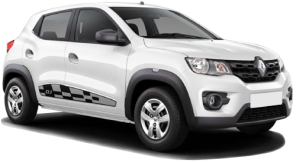
Renault Kwid
or Similar
From
$11.49/day
Compare car rental deals at Polokwane, South Africa from trusted global suppliers. Find affordable prices and book your ideal car in minutes.







Explore our range of vehicles available in Polokwane.
or Similar
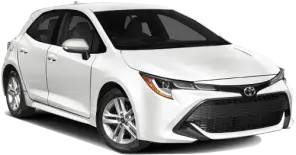
or Similar
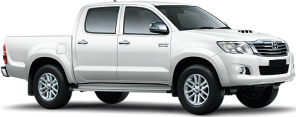
or Similar
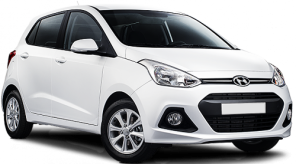
or Similar
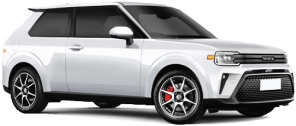
or Similar
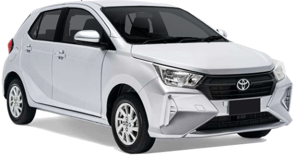
or Similar
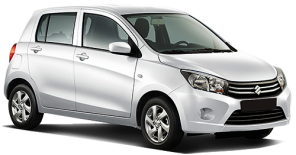
or Similar
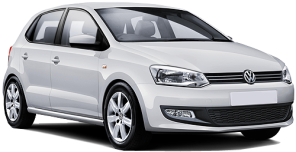
or Similar
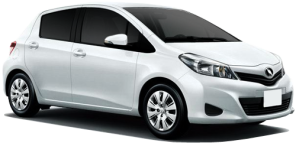
or Similar
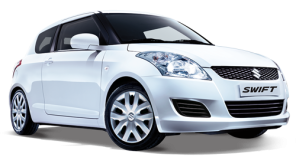
or Similar
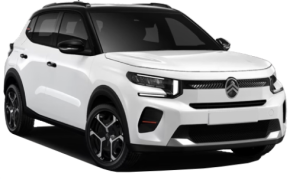
or Similar
or Similar
or Similar
or Similar
or Similar
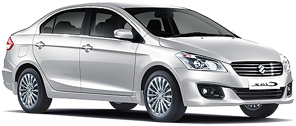
or Similar
Prices shown are approximate and may vary by booking dates, rental duration, and vehicle class. Check booking options for current pricing.
Discover a world of convenience, safety, and customization, paving the way for unforgettable adventures and seamless mobility solutions.
Pay securely using major credit cards and other supported payment methods during booking.
Easily modify pickup and drop-off dates during booking to match your travel schedule.
Complete your car rental reservation in just a few simple steps with instant confirmation.
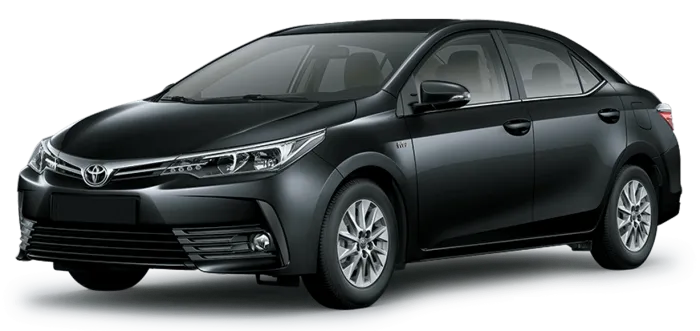
Find rental cars with unlimited mileage and one-way rental options perfect for long road trips.
Many suppliers offer unlimited mileage so you can explore freely without worrying about distance limits.
Find rental cars available at major international airports for convenient pickup immediately after your arrival.
Essential information about car rental companies, popular cars, rental duration, and prices at Polokwane.
Budget leads in Polokwane, the capital of Limpopo province. Avis is also a top choice, particularly for travelers arriving at Polokwane International Airport.
SUVs are the top choice for safaris to nearby game reserves like Kruger National Park and for navigating regional roads. Pickups are popular in the agricultural and mining sectors.
Rentals average 4-6 days, driven by safari tourism, business trips to the city's industrial hubs, and travel to the scenic Magoebaskloof area. (Based on 2,300+ local pickups)
The Toyota Fortuner is the king of the road for safari-goers. The Volkswagen Polo is the most popular compact car for urban and regional travel.
Polokwane rates average $47/day. Weekly safaris packages from $300 are common for visitors heading to the game parks.
Compare average car rental prices by month and see how rental rates vary throughout the year in Polokwane.
Polokwane Limpopo tourism. Summer peak (December-February). Book 2 months ahead.
* Prices shown are approximate. Original prices are in USD and converted using real-time exchange rates.
Essential driving rules and requirements to know when renting a car.
Get detailed information on driving rules, licence requirements, speed limits and useful local tips.
Renting a car in Polokwane, South Africa, is surprisingly straightforward and offers a level of freedom that public transport simply cannot match. As the capital of Limpopo province, Polokwane serves as a major gateway to the northern regions, including the iconic Kruger National Park and the Zimbabwean border. Most international travelers find that picking up a rental vehicle directly after flying into Polokwane International Airport (PTG) is the most seamless option. The airport is compact and efficient, meaning you can be behind the wheel within twenty minutes of landing. However, the city center also hosts several rental desks, which can be a better choice for those already staying in town or looking to avoid a specific surcharge.
The main decision you’ll face is choosing between airport and city center pickup. The airport offers undeniable convenience, especially after a long-haul flight, but this convenience often comes with an additional airport concession fee or surcharge added to your daily rate. City center locations, particularly along Landdros Mare Street or in the commercial hub around Savannah Mall, typically have lower base rates and more flexible after-hours return options. The trade-off is the need for a taxi or ride-share from your accommodation to the office. A major money-saving tip for Polokwane is to compare the total cost of an airport rental (including the surcharge) against a city center pickup plus a short local taxi ride; the latter almost always wins on price, especially for rentals longer than five days.
| Pickup Location | Advantages | Disadvantages |
|---|---|---|
| Polokwane International Airport (PTG) | Immediate access upon arrival, 24/7 desk availability, large vehicle selection | Airport surcharge (approx. 10-15%), slightly higher daily rates |
| Polokwane City Center | Lower base prices, no airport fee, often more flexible return times | Requires taxi from airport or hotel, limited Saturday hours, smaller fleet |
Before you book, it’s critical to understand the legal and administrative requirements for renting a car in Polokwane, South Africa. The system is similar to Europe or the US, but with a few specific local nuances. First and foremost, the minimum age to rent a vehicle from most major agencies is 21 years old. However, drivers under 25 should expect to pay a daily "young driver surcharge," which can add $10 to $15 USD per day to your rental. For premium or larger SUVs, some companies raise the minimum age to 23 or even 25.
Your primary driving license must be valid and printed in English. If your license is from a non-English speaking country (for example, Japan, Brazil, or France), you are legally required to present an International Driving Permit (IDP) alongside your original license. This is non-negotiable with local traffic police. Additionally, you will need your passport for identification, and a credit card in the primary driver’s name for the deposit hold. Debit cards are rarely accepted for the deposit, and when they are, they often require a significantly higher hold amount. Basic insurance (Collision Damage Waiver and Theft Protection) is always included in the quoted rate, but this comes with a hefty excess (deductible), typically between $1,500 and $2,500 USD.
| Requirement | Details |
|---|---|
| Minimum Age | 21 years (surcharge for under 25) |
| Driver's License | Valid, with English text; IDP required for non-English licenses |
| Credit Card | Required for deposit hold (Visa/Mastercard preferred) |
| Passport | Mandatory for identification |
| Insurance Excess | Standard excess: $1,500 – $2,500 USD |
Polokwane is a sprawling, modern African city, but its true magic lies just beyond the city limits. Public transportation—namely minibus taxis—is confusing for visitors, lacks luggage space, and doesn’t serve most game reserves or rural attractions. Renting your own car transforms a logistical headache into a liberating adventure. You can wake up in the city, decide to chase a sighting of the Big Five at a private reserve, and be there within an hour without negotiating a single fare.
The roads leading out of Polokwane are generally well-maintained, and the scenery shifts dramatically from urban sprawl to acacia-dotted bushveld and lush mountain passes. For international travelers on a longer itinerary, a rental car becomes your essential tool for connecting Polokwane to the Panorama Route, Kruger National Park, and even as far north as Mapungubwe. It’s also a massive convenience for families; having your own air-conditioned vehicle to store snacks, water, and camera gear is priceless under the African sun.
In Polokwane, you’ll find a healthy mix of global giants and agile local operators. International brands like Hertz, Avis, and Budget have dedicated counters at Polokwane International Airport and in the city center, offering familiar service standards and loyalty program points. Enterprise and Europcar are also present, though with a smaller footprint concentrated around the business district. Local suppliers, such as Tempest Car Hire, often provide more competitive rates and unlimited mileage packages that the big brands charge extra for. The key is to balance price with the convenience of roadside assistance and after-hours support, which the international chains typically handle more smoothly for foreign travelers.
| Company | Price Level | Pros |
|---|---|---|
| Hertz | Medium / High | Large SUV fleet, reliable airport service, Gold Plus Rewards |
| Avis | Medium | Well-maintained cars, easy online booking, good one-way rental options |
| Budget | Low / Medium | Lower deposits, frequent weekend specials, compact car specialists |
| Europcar | Medium | Excellent for luxury sedans, multilingual staff |
| Tempest (Local) | Low | Unlimited kilometers, very low excess options, local road knowledge |
Most travelers to Polokwane opt for high-clearance vehicles, not necessarily for off-roading, but for gravel road confidence and better wildlife viewing. Economy cars like the Suzuki Swift or Toyota Starlet are perfect for city driving and trips to Polokwane Game Reserve, but they struggle on the rutted tracks leading to private lodges further afield. Compact SUVs—think Hyundai Creta or Volkswagen T-Cross—are the sweet spot for couples. Families or safari-bound groups almost always book full-size SUVs like the Toyota Fortuner or Ford Everest, which offer 7 seats and serious ground clearance. Luxury vehicles like the Mercedes-Benz C-Class are available but rare; you’ll likely need to request them in advance from Avis or Europcar.
Prices fluctuate dramatically with demand. The high tourist season (June to August, plus mid-December to mid-January) sees rates spike by 40-50% due to school holidays and European summer travel. The low season (February to May, and September to October) offers the best deals, with daily rates often dropping by a third. If you’re renting during a major event like the Polokwane Agricultural Show, book at least two months ahead.
| Car Category | Average Daily Price (USD) |
|---|---|
| Small Car (e.g., Suzuki Swift) | $35 – $55 |
| Medium Car (e.g., Toyota Corolla) | $50 – $75 |
| Compact SUV (e.g., Hyundai Creta) | $65 – $95 |
| Full-Size SUV (e.g., Toyota Fortuner) | $90 – $150 |
| Luxury Car (e.g., BMW 3 Series) | $120 – $200 |
| Metric | Value |
|---|---|
| Cheapest Month | February |
| Most Expensive Month | December |
| Average Daily Price (all cars) | $72 USD |
| A Good Deal (per day) | Under $45 USD for a compact car |
| Cheapest Supplier (typical) | Budget or Tempest |
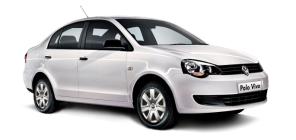
| Cheapest Car Type | Economy (e.g., Volkswagen Polo Vivo) |
South Africa drives on the left-hand side of the road, with the steering wheel on the right side of the car (same as the UK, Australia, and Japan). This is the most critical adjustment for Americans or most Europeans. Speed limits are strictly enforced, especially on the N1 highway running through Polokwane. The legal blood alcohol limit is 0.05% (or 0.02% for professional drivers); South African police conduct random breathalyzer checkpoints, known as "roadblocks," especially on weekends. Seatbelts are mandatory for all passengers, and children under the age of three must be in an approved car seat. Children aged 3 to 12 need a child seat if they are under 1.45 meters tall. Road conditions on major highways (N1, R71, R37) are excellent, but secondary gravel roads can have potholes and loose animals; reduce speed significantly. Winter tires are not required, as Polokwane rarely sees snow, but be aware of mist on the Magoebaskloof passes from May to August.
| Road Type | Speed Limit |
|---|---|
| Urban / Built-up areas | 60 km/h (37 mph) |
| Main roads (outside city center) | 80 km/h (50 mph) |
| Rural highways (single carriageway) | 100 km/h (62 mph) |
| Freeways / N1 Highway | 120 km/h (75 mph) |
Yes, toll roads exist in and around Polokwane, primarily on the N1 highway heading south towards Pretoria and Johannesburg. If you drive from Polokwane to Bela-Bela or further south, you will encounter the Kranskop Toll Plaza, where a standard passenger car currently pays approximately $3.50 to $4.50 USD. Payments can be made via cash (South African Rand), credit card, or the electronic "e-tag" system (though e-tags are not practical for short-term international visitors). For trips heading north towards the Zimbabwe border, the N1 has fewer tolls, but the Beitbridge border post itself has a road access fee. Always keep about $10 USD worth of South African Rand in small bills in your glove compartment specifically for tolls, as card machines can sometimes be offline at remote plazas.
Parking in Polokwane is generally easy and affordable compared to major cities like Cape Town or Johannesburg. Most shopping centers like Savannah Mall and Mall of the North offer massive, free, guarded open-air parking lots. Street parking in the city center (around Landdros Mare Street and Thabo Mbeki Street) is metered and managed by municipal officers or informal "car guards." Car guards are uniformed or high-vis vest-wearing individuals who watch your car in exchange for a small tip—usually $0.50 to $1.00 USD when you return. While not officially required, it’s considered local etiquette to tip them. The main challenge is not finding a space, but avoiding areas with high foot traffic after dark; always park in well-lit, busy areas or secure garages overnight. Most mid-range hotels in Polokwane offer free secure parking.
Last October, I landed at Polokwane International after a red-eye from London, exhausted but excited. I had booked a compact SUV through a local agency to save money, and the agent was waiting with a printed sign—a nice touch. He handed me the keys to a dusty Hyundai Creta and said, "Just bring it back with the same amount of dust, it shows you had fun." I drove straight to the Polokwane Game Reserve, where within thirty minutes, a white rhino and her calf crossed the tar road ten meters in front of my hood. The next day, I ignored my GPS and took a gravel shortcut towards Tzaneen, which turned into a two-hour adventure through avocado farms and misty forests. When I returned the car, the agent laughed at the mud splatters, waived the cleaning fee because I’d used a local car wash, and thanked me for visiting. That personal flexibility is something you’d never get from a big airport chain.
The International Driving Permit (IDP) acts as a standardized translation of your existing driver’s license. In Polokwane, South Africa, you legally require an IDP if your home driver’s license is not printed in English. This includes licenses from China, South Korea, Brazil, France, Germany, Italy, Spain, and most of the Middle East. Even if your license has some English on it (like many European licenses), South African traffic police have the discretion to demand an IDP, and rental agents will often require it to avoid liability. You cannot obtain an IDP in South Africa as a tourist; you must apply in your home country before traveling. In the United States, this is done through AAA or AATA; in the UK, through the Post Office or the AA. The IDP is valid for one year from the date of issue, costs approximately $20 USD, and must be accompanied by your original, valid driver’s license at all times. Keep both documents together in the car—failure to produce an IDP when requested at a roadblock results in an on-the-spot fine of roughly $100 USD.
Markers show approximate airport or town-centre areas, not confirmed rental desks.
Compare car rental prices from trusted suppliers at more pickup points across South Africa.
Find airport guides for car rentals, parking, and ground transportation.
Try a different name, city, or IATA code.
Read verified customer reviews, ratings, and rental experiences from travelers who booked through Airport Car Hub.
Overall Rating
No reviews yet for this location. Be the first to share your experience!