Mini
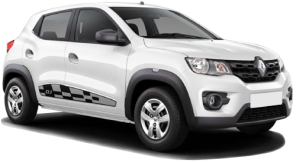
Renault Kwid
or Similar
From
$11.49/day
Compare car rental deals at Johannesburg Downtown, Johannesburg from trusted global suppliers. Find affordable prices and book your ideal car in minutes.







Explore our range of vehicles available in Johannesburg Downtown.
or Similar
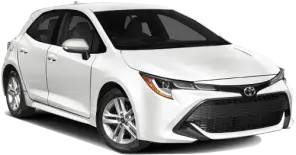
or Similar
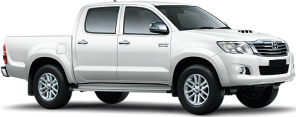
or Similar
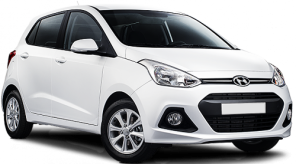
or Similar
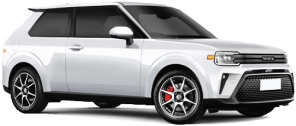
or Similar
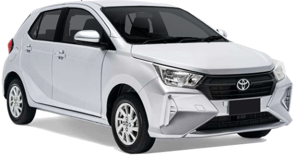
or Similar
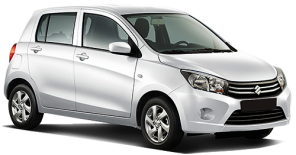
or Similar
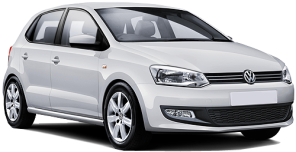
or Similar
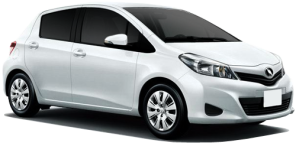
or Similar
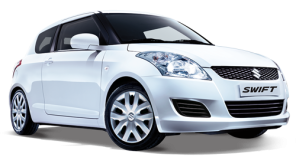
or Similar
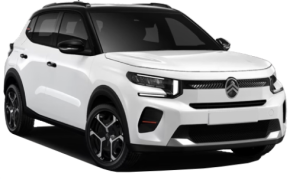
or Similar
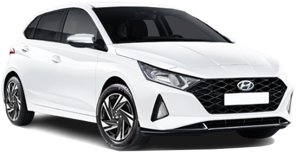
or Similar
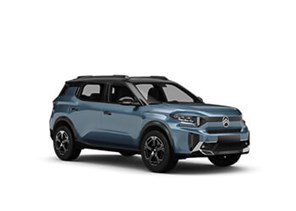
or Similar
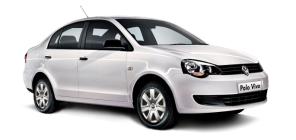
or Similar
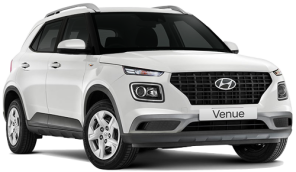
or Similar
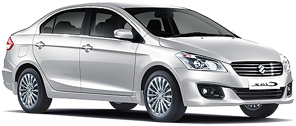
or Similar
Prices shown are approximate and may vary by booking dates, rental duration, and vehicle class. Check booking options for current pricing.
Discover a world of convenience, safety, and customization, paving the way for unforgettable adventures and seamless mobility solutions.
All rental companies on our platform are carefully verified to ensure service quality and customer reliability.
Search rental cars in thousands of locations across more than 180 countries and major travel destinations.
Our platform helps you find the most competitive car rental prices across multiple suppliers in one place.
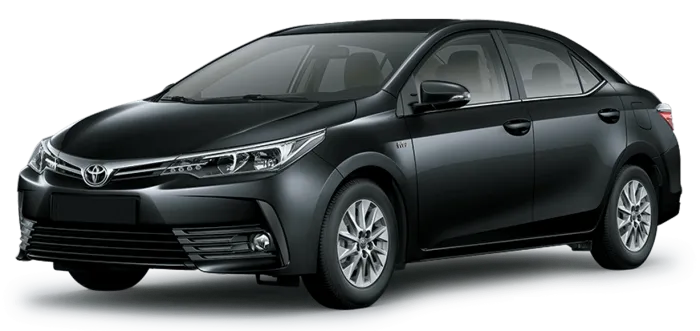
Search and book rental cars easily from any smartphone or tablet with our mobile-friendly platform.
Access complete rental policies including driver age limits, fuel rules, and deposit conditions.
Our support team is available to help with booking questions, modifications, or cancellations.
Essential information about car rental companies, popular cars, rental duration, and prices at Johannesburg Downtown.
Sixt on Maude Street in Sandton is a top choice in the business hub.
Midsize sedans for business in Sandton. SUVs are for executives and families.
Downtown (Sandton) Johannesburg rentals average 3-4 days for business. (Based on 5,500+ local pickups)
The Toyota Corolla is a workhorse. The BMW 3 Series is for executive travel.
Sandton rates average $58/day, higher than the city average.
Compare average car rental prices by month and see how rental rates vary throughout the year in Johannesburg Downtown.
Johannesburg Downtown - Business travel to economic hub. Summer peak (December-February) for tourism. Winter offers lower rates. Book 2 months ahead.
* Prices shown are approximate. Original prices are in USD and converted using real-time exchange rates.
Essential driving rules and requirements to know when renting a car.
Get detailed information on driving rules, licence requirements, speed limits and useful local tips.
Renting a car in Johannesburg Downtown, South Africa offers an entirely different experience compared to relying on the city’s limited public transport network. While the Gautrain bus and minibus taxis exist, they rarely provide the flexibility, safety, or comfort that international travelers expect. In the downtown core—areas like Braamfontein, Newtown, and the bustling Commissioner Street—having your own set of wheels means you can navigate the city’s sprawling layout, visit hidden gems like the Maboneng Precinct, and escape the notorious afternoon traffic jams on your own schedule. Many visitors arriving via O.R. Tambo International Airport (JNB) opt for immediate pickup at the airport counters, but savvy travelers often discover that renting directly from a city depot in Johannesburg Downtown, South Africa can slash daily rates significantly, sometimes by 30% or more.
Choosing between airport and city center pickup depends largely on your itinerary. Airport rentals come with a premium—expect an airport surcharge of around 10-15% added to your base rate—but offer unmatched convenience after a long-haul flight. On the other hand, picking up your vehicle from a downtown location like those near Park Station or along De Korte Street allows you to compare local suppliers, avoid extra fees, and start your journey right in the heart of the action. A key money-saving tip: book a downtown pickup for the second day of your stay. Spend your first day using ride-hailing apps like Bolt or Uber to get oriented, then collect your rental car the next morning, often at a significantly lower weekly rate.
| Pickup Location | Advantages | Disadvantages | Typical Daily Surcharge (USD) |
|---|---|---|---|
| O.R. Tambo Airport (JNB) | Open 24/7, all major brands, immediate start | Higher rates, airport fees, busy queues | $12 – $18 |
| Johannesburg Downtown (City depots) | Lower prices, less busy, local suppliers available | Limited hours, need transport to depot | $0 (no surcharge) |
| Sandton City (business district) | Safe, modern, close to hotels | Farther from downtown core, premium pricing | $5 – $10 |
Before you reserve a vehicle in Johannesburg Downtown, South Africa, understanding the legal and rental agency requirements is crucial to avoid last-minute disappointment. Almost all rental companies require the primary driver to present a valid, full driving license held for at least one year. International travelers must also show their passport with a valid South African entry stamp or visa. A credit card in the driver’s name is mandatory—debit cards are almost universally rejected, even if prepayment was made online. The credit card must have sufficient available funds to cover the deposit, which can range from $300 to $1,500 depending on the vehicle category.
Regarding insurance, basic third-party liability is always included in South African rentals, but you will be offered Collision Damage Waiver (CDW) and Theft Protection at the counter. A common point of confusion is the International Driving Permit (IDP). An IDP is legally required if your original driver’s license is not in English. For example, licenses issued in French, Spanish, German, or Chinese must be accompanied by a valid IDP. Even if your license is in English, some local downtown agencies may still request an IDP as a secondary form of identification—obtaining one from your home automobile association before travel is inexpensive and highly recommended.
| Requirement | Details | Notes for Travelers |
|---|---|---|
| Minimum Age | 21 – 25 years (varies by company) | Drivers under 25 pay a “young driver surcharge” of ~$10-15/day |
| Driver’s License | Valid full license (1+ year held) | Non-English licenses require an IDP |
| Credit Card | Visa, Mastercard, or Amex in driver’s name | Prepaid & debit cards not accepted; hold deposit required |
| Passport | Original passport with valid visa/stamp | Copies are not accepted |
| Insurance | Basic third-party included; CDW optional | Excess can be reduced by purchasing Super CDW |
Johannesburg is a city of contrasts and vast distances. While downtown areas like Newtown and Braamfontein are walkable, the greater metropolitan area—including attractions like the Apartheid Museum, Soweto, and the Cradle of Humankind—spreads across hundreds of square kilometers. Relying on ride-hailing for every trip becomes expensive and time-consuming, especially during peak hours when surge pricing doubles fares. With a rental car, you control the itinerary, the air conditioning, and the playlist. You can drive from the historic Chancellor House to the trendy 44 Stanley Avenue in under 15 minutes, then pivot to a sunset drive along the M2 highway without waiting for a single minibus taxi.
For families or small groups, the value proposition is even stronger. Three or more people using Uber for a day trip to the Lion & Safari Park would easily spend over $80 round trip; renting an SUV for the entire day often costs less than $50 including fuel. Moreover, having a car unlocks spontaneous detours—perhaps stopping at a roadside vendor for biltong or exploring the quiet suburbs of Melville and Parkhurst where public transport simply doesn’t reach. Below are the standout benefits of renting in Johannesburg Downtown, South Africa.
Travelers picking up a vehicle in Johannesburg Downtown, South Africa will find a mix of globally recognized brands and agile local operators. International chains like Avis, Hertz, and Europcar have depots near Park Station and along Simmonds Street, offering standardized fleets and 24/7 roadside assistance. These are ideal if you want to collect loyalty points or prefer a no-surprise experience. Local suppliers, such as Tempest Car Hire and First Car Rental, often undercut the big names by 15-20% and provide more personalized service, though their operating hours may be shorter (typically 8 AM to 5 PM on weekdays). Budget and Sixt have a strong presence in the downtown area as well, with competitive weekly rates for economy cars.
When comparing options, look beyond the daily base rate. Some downtown agencies advertise $25 per day but add mandatory environmental levies, administration fees, and one-way rental charges. Using a comparison tool that aggregates real-time inventory from multiple suppliers is a smart first step, but always double-check the final price including all taxes. Below is a quick reference table to help you choose the right company for your trip to Johannesburg Downtown, South Africa.
| Company | Price Level (Low / Medium / High) | Pros |
|---|---|---|
| Avis | Medium – High | Large fleet, reliable after-hours return, premium SUVs available |
| Hertz | Medium – High | Gold Plus Rewards, well-maintained cars, downtown location on Rissik Street |
| Enterprise | Medium | Free pickup from select hotels, excellent customer service |
| Budget | Low – Medium | Often cheapest for weekly rentals, basic cars available under $30/day |
| Sixt | Medium | Luxury and sports car options, newer model years |
| Europcar | Medium – High | Extensive network, good for one-way rentals to Cape Town |
| Tempest (local) | Low | Very competitive long-term rates, South African roadside assistance |
The vehicle you choose for navigating Johannesburg Downtown, South Africa should match both your budget and your planned activities. Economy cars—think Suzuki Swift, Toyota Agya, or VW Polo Vivo—dominate the rental fleets. These small, fuel-efficient hatchbacks are perfect for solo travelers or couples sticking to the city center and short hops to suburbs like Rosebank. They are easy to park in tight downtown garages and typically consume only 5-6 liters of fuel per 100 km. For families or those planning longer road trips, a compact SUV like a Toyota Urban Cruiser or VW T-Cross provides extra ground clearance (helpful on some rougher side streets) and more luggage space. Full-size sedans such as the Toyota Corolla Quest offer a comfortable highway ride for business travelers.
If you are traveling with 5 or more people or have substantial luggage, a people-mover like a Hyundai H1 or Toyota Quantum (the famous “kombi”) is essential. These vans are widely available from downtown depots and often come with sliding doors and rear air conditioning. Luxury vehicles—BMW 3 Series, Mercedes-Benz C-Class—are also on offer from premium suppliers like Sixt and Avis President’s Club. Pricing fluctuates dramatically based on season. The high tourist season (December to January and July to August) sees prices double, especially for SUVs and vans. Low season (February to May and September to October) brings discounts of up to 40%. Below are average daily rates in USD as of 2026.
| Vehicle Category | Example Models | Low Season Daily Rate (USD) | High Season Daily Rate (USD) |
|---|---|---|---|
| Small / Economy Car | Suzuki Swift, Toyota Agya, VW Polo Vivo | $22 – $30 | $38 – $55 |
| Medium Car | Toyota Corolla Quest, VW Polo | $30 – $42 | $50 – $70 |
| SUV / Crossover | Toyota Urban Cruiser, VW T-Cross, Haval Jolion | $45 – $65 | $80 – $120 |
| Van / People Mover | Hyundai H1, Toyota Quantum (9-seater) | $65 – $90 | $110 – $160 |
| Luxury Car | BMW 3 Series, Mercedes-Benz C-Class | $80 – $120 | $140 – $200 |
| Metric | Value |
|---|---|
| Cheapest Month | May (late autumn – low tourism, mild weather) |
| Most Expensive Month | December (summer holidays & peak travel) |
| Average Daily Price (all car types) | $52 USD |
| A Good Deal (per day) | Under $25 for economy, under $60 for SUV |
| Cheapest Supplier (downtown) | Tempest or Budget (book at least 3 weeks ahead) |
| Cheapest Car Type | Suzuki Swift or similar (manual transmission) |
One of the greatest joys of picking up a rental car in Johannesburg Downtown, South Africa is the immediate access to world-class road trips. Within an hour’s drive, the urban energy gives way to rolling highveld grasslands, ancient cave systems, and wildlife reserves. Here are four essential routes to consider.
Driving in Johannesburg Downtown, South Africa requires attention to local customs and strict adherence to legal rules. South Africans drive on the left-hand side of the road, and all vehicles are right-hand drive. If you are accustomed to driving on the right (e.g., from the US or most of Europe), take the first hour slowly. Speed limits are rigorously enforced with fixed and mobile cameras, especially on highways like the M1 and N3. The general speed limit is 60 km/h on urban roads, 100 km/h on secondary rural roads, and 120 km/h on freeways. The legal blood alcohol limit is very low: 0.05 grams per 100 milliliters (effectively zero tolerance for most adults). One beer can put you over the limit.
Seatbelts are mandatory for all occupants, and children under the age of 3 must be in an approved car seat. Children aged 3 to 12 need a booster seat if they are under 1.45 meters tall. Most rental agencies can provide these for an additional daily fee (around $5-8), but you must request them at booking. Road conditions in downtown Johannesburg are generally paved, but watch for potholes, especially after summer rains. There are no winter tire laws in Johannesburg because snow is extremely rare, but if you plan to drive to mountainous areas like the Drakensberg between June and August, ask your rental company about all-season tires.
| Rule | Requirement | Typical Penalty (USD) |
|---|---|---|
| Driving side | Left-hand side (driver sits on right) | N/A – but wrong-side driving causes accidents |
| Urban speed limit | 60 km/h (37 mph) | $80 – $150 fine |
| Freeway speed limit | 120 km/h (75 mph) | $100 – $200 fine + potential court appearance |
| Blood alcohol limit | 0.05% (very strict) | $1,000+ or imprisonment |
| Seatbelts | Mandatory for all passengers | $50 per unbelted person |
| Child car seat | Required for under 3 years; booster 3-12 years | $100 fine |
Yes, toll roads are a reality when driving out of Johannesburg Downtown, South Africa, especially on major routes like the N1, N3, and N4. The most relevant for travelers is the N1 north towards Polokwane and the N3 south towards Durban. Johannesburg itself has the controversial e-toll system on the Gauteng Freeway Improvement Project (GFIP) roads, including the N1 Western Bypass, N3 Eastern Bypass, and R21. However, as of 2026, the enforcement of e-tolls has been suspended, meaning you will not be billed for using these specific urban freeways. For other toll plazas outside the city (e.g., at the Carousel Plaza on the N1 or the Wilge Plaza on the N4), you must pay cash or use a prepaid electronic tag (most rentals do not include a tag). Typical toll costs range from $3 to $12 per plaza for a standard car. Always keep small denomination South African Rand (ZAR) notes in your glove box because not all plazas accept cards.
Parking in Johannesburg Downtown, South Africa is a manageable but watchful experience. Street parking is available on most major arteries like Harrison Street and Pritchard Street, but it is strictly controlled by “parking marshals” (often informal attendants wearing vests). These attendants expect a small tip (around $0.50 to $1) for watching your car. Never leave valuables visible, even for five minutes. For longer stays, use secured multi-story parking garages such as the Braamfontein Parking Garage or the Newtown Junction Mall parking. These cost approximately $1.50 to $3 per hour or $8 to $12 for a full day. Avoid leaving your car on the street after 10 PM in most downtown areas, as break-ins increase after dark. Many hotels in the downtown core offer secure, gated parking for overnight guests—always confirm this before booking.
Last year, Sarah, a travel blogger from Canada, landed at O.R. Tambo and took the Gautrain to Park Station instead of renting at the airport. She walked three blocks to a downtown Avis depot on Rissik Street, where she picked up a Suzuki Swift for $28 per day. The agent warned her about “smash-and-grab” hotspots, so she kept her bag in the trunk and nothing on the seats. She drove to the Cradle of Humankind, then spent two days exploring Soweto’s street art on her own schedule. On the last evening, she parked in a secured garage in Braamfontein, had dinner at a rooftop restaurant, and returned the car the next morning with a full tank. Her total cost for five days? $140 plus fuel – less than half what ride-hailing would have cost for the same itinerary.
An International Driving Permit (IDP) is a legal requirement for any traveler whose domestic driver’s license is not printed in English. This includes licenses from China, Japan, Brazil, France, Germany, Spain, Italy, and most of the Middle East. The IDP serves as a standardized translation of your original license and must be carried together with the original license at all times. You cannot obtain an IDP in South Africa; you must apply through your home country’s authorized issuing body (such as AAA in the United States, the AA in the UK, or CAA in Canada) before departure. The cost is typically $20-30 USD, and the permit is valid for one year from the date of issue. Even if your license is in English, many downtown rental agents in Johannesburg Downtown, South Africa will still ask for an IDP as a second form of identification. To avoid any counter refusal, spending the $25 is a very wise investment. Remember: a digital copy or a photo of your IDP is not accepted; you must present the physical booklet.
Markers show approximate airport or town-centre areas, not confirmed rental desks.
Find airport guides for car rentals, parking, and ground transportation.
Try a different name, city, or IATA code.
Read verified customer reviews, ratings, and rental experiences from travelers who booked through Airport Car Hub.
Overall Rating
No reviews yet for this location. Be the first to share your experience!