Cheap Car Rental Cape Town, South Africa - Compare Deals & Book Instantly

Search and compare car rental prices from trusted global suppliers. Find the best deals instantly.

Why book with us?

  • Wide Fleet

    Choose from economy cars, SUVs, luxury vehicles, and more.

  • Free Cancellation

    Flexible booking options with free cancellation on most rentals.

  • 24/7 Customer Support

    Our expert team is available 24/7 to assist you with any questions or concerns.

Available Car Categories

Car Rental Deals in Cape Town

Choose from our wide range of vehicles available in Cape Town.

Mini

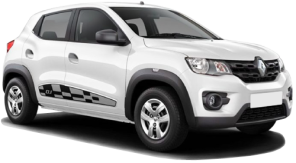
Renault Kwid or Similar

From $11.49 /day
Renault Kwid car rental in Cape Town

Compact

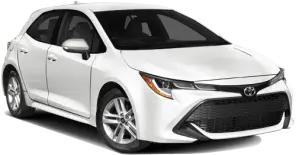
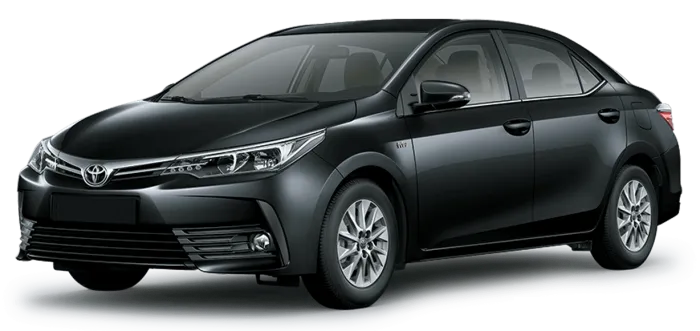
Toyota Corolla or Similar

From $15.50 /day
Toyota Corolla car rental in Cape Town

Standard Regular Cab Pickup

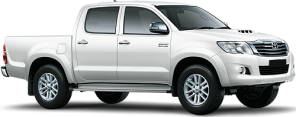
Toyota Hilux or Similar

From $17.10 /day
Toyota Hilux car rental in Cape Town

Mini

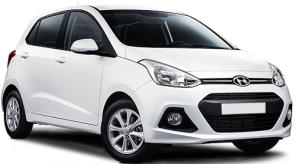
Hyundai Grand i10 or Similar

From $11.42 /day
Hyundai Grand i10 car rental in Cape Town

Economy

Toyota Starlet or Similar

From $12.03 /day
Toyota Starlet car rental in Cape Town

Mini

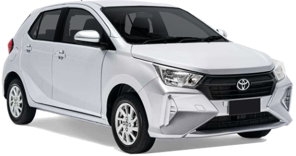
Toyota Agya or Similar

From $12.78 /day
Toyota Agya car rental in Cape Town

Mini

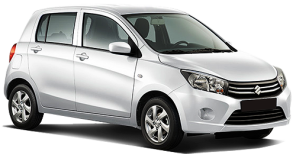
Suzuki Celerio or Similar

From $13.00 /day
Suzuki Celerio car rental in Cape Town

Economy

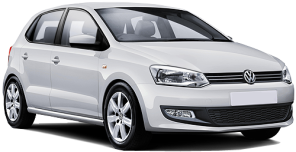
Volkswagen Polo or Similar

From $13.12 /day
Volkswagen Polo car rental in Cape Town

Mini

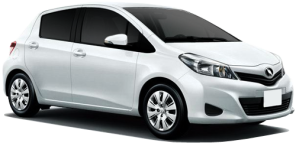
Toyota Vitz or Similar

From $13.48 /day
Toyota Vitz car rental in Cape Town

Economy

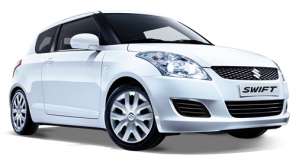
Suzuki Swift or Similar

From $14.72 /day
Suzuki Swift car rental in Cape Town

Mini Elite

Citroen C3 or Similar

From $15.24 /day
Citroen C3 car rental in Cape Town

Economy

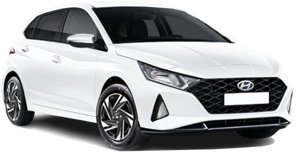
Hyundai i20 or Similar

From $15.24 /day
Hyundai i20 car rental in Cape Town

Economy

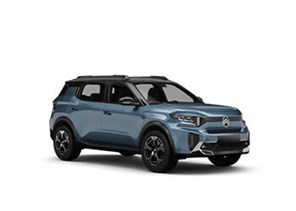
Citro�«n C3 Aircross *Model Guaranteed* or Similar

From $15.25 /day
Citro�«n C3 Aircross *Model Guaranteed* car rental in Cape Town

Economy Elite

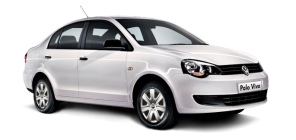
Volkswagen Polo Vivo or Similar

From $15.93 /day
Volkswagen Polo Vivo car rental in Cape Town

Compact Crossover

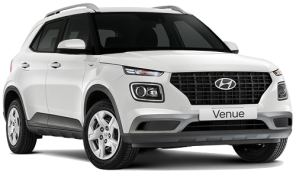
Hyundai Venue or Similar

From $16.63 /day
Hyundai Venue car rental in Cape Town

Compact

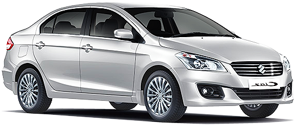
Suzuki Ciaz or Similar

From $17.27 /day
Suzuki Ciaz car rental in Cape Town
The above prices are only approximate and were last updated at 00:21 on 20/06/26. Prices may vary based on the booking dates, length of rental, and car class.
Why Choose Us

Our Features

Discover a world of convenience, safety, and customization, paving the way for unforgettable adventures and seamless mobility solutions.

Highly Rated Suppliers

We highlight top-rated suppliers based on verified customer reviews and service quality.

Booking Assistance

Our support team can help you choose the right car and complete your booking if needed.

Supplier Rating System

Every rental supplier is rated by customers so you can choose trusted providers.

Car Rental Service

Mobile Optimized Booking

Search and book rental cars easily from any smartphone or tablet with our mobile-friendly platform.

Exclusive Online Discounts

Enjoy special online deals and seasonal discounts when booking your car rental through our platform.

Flexible Filter Options

Refine your search results with powerful filters to quickly find the perfect rental car for your travel needs.

Rental Guide

Cape Town, South Africa Car Rental Facts

Essential information on the best deals, rental providers, and vehicle options in Cape Town, South Africa.

Most Popular Agencies

Bidvest Car Rental (30%), Avis (25%)

Bidvest Car Rental (formerly Tempest) is a massive local player, extremely popular for its competitive rates and service. Avis is the top international brand at Cape Town International Airport (CPT). (Based on 9,500+ local pickups)

Popular Car Types

Compact (30%), Convertible (18%), SUV (35%)

SUVs are the most popular for their space and ability to handle the Cape's varied terrain. Compacts are for city use. Convertibles are an iconic choice for Chapman's Peak Drive.

Average Rental Duration

5 Days

Cape Town rentals average 5-7 days. This is the perfect amount of time to see Table Mountain, drive the Cape Peninsula, visit the Winelands (Stellenbosch, Franschhoek), and see Boulders Beach penguins. (Based on 9,500+ local pickups)

Most Popular Models

Volkswagen Polo, Toyota Fortuner

The VW Polo is South Africa's best-selling car and the top compact rental. The Toyota Fortuner is a rugged and popular SUV for safaris and Garden Route trips.

Average Daily Price

$38 USD (ZAR 700)/day

Cape Town offers great value at $38 USD per day. Weekly rentals from $260 USD are ideal for exploring the Western Cape.

How much does it cost to rent a car at Cape Town, South Africa?

Averaging the lowest prices for the economy car category, the data below shows prices for monthly comparisons.

Cheapest Month Average

Jun
Price: $42

Most Expensive Month

Dec
Price: $106

Yearly Average Price

Price: $68

Cape Town summer peak (November-March) for Table Mountain and beaches. Winter offers lower rates for whale watching. Book 2-3 months ahead for summer.


Car Rental Cape Town, South Africa Guide

Renting a car in Cape Town, South Africa, is one of the smartest decisions a traveler can make. While the city has a hop-on-hop-off bus and limited train routes, public transport doesn’t reach many of the top attractions along the coastline or into the Winelands. Taxis and ride-hailing apps like Uber are reliable for short inner-city trips, but costs add up quickly when you want to explore beyond the city bowl. A rental car gives you the freedom to chase sunsets at Cape Point, stop for spontaneous wine tastings in Stellenbosch, or take the coastal road to Hermanus without watching the clock or your wallet.

For most international travelers, the two main pickup options are Cape Town International Airport (CPT) and city center branches in areas like the Foreshore or Gardens. Airport pickup is incredibly convenient if you land mid-morning and want to drive straight to your accommodation—especially since many rental desks are inside the terminal. However, be aware that airport locations often include a surcharge of around 10–15% on the base rate. City center branches typically have lower daily rates, but you'll need to factor in a transfer from the airport (around $20–$25 by Uber). A money-saving tip: compare the total cost of an airport rental (including surcharge) against a city pickup plus transport. Sometimes booking from a neighborhood branch for the second day of your trip saves you $50–$80 on a week-long rental.

Below is a quick comparison of pickup locations in Cape Town, South Africa:

Location Typical Daily Rate (Economy) Airport Surcharge Best For
Cape Town International Airport (CPT) $35 – $55 Yes (+10-15%) Immediate pickup upon arrival, late-night landings
City Center (Foreshore, Gardens) $30 – $48 No Travelers staying downtown first night, lower base rates
Sea Point / Green Point $32 – $50 No Convenient for Atlantic Seaboard accommodations
Southern Suburbs (Rondebosch, Claremont) $28 – $45 No Budget-conscious travelers near University of Cape Town area

Car Rentals Requirements in Cape Town, South Africa

Before you book, make sure you meet the legal and company-specific requirements to drive in Cape Town, South Africa. The rules are straightforward but vary slightly between international brands and local agencies. Most major rental companies follow similar standards: you must be at least 21 years old, though drivers under 25 often pay a young driver surcharge of $10–$20 per day. Some premium or large SUV categories require a minimum age of 23 or 25.

Your valid home country driver's license is accepted as long as it has a photograph and is printed in English. If your license uses a non-Roman alphabet (e.g., Arabic, Japanese, Cyrillic), you will need an International Driving Permit (IDP) alongside it. A credit card in the main driver's name is mandatory for the deposit hold—debit cards are rarely accepted. You'll also need your passport for identity verification at the rental counter. Basic third-party liability insurance is always included in South Africa by law, but collision damage waiver (CDW) and theft protection are optional upgrades.

Requirement Details
Minimum Age 21 years (young driver fee 21–24 years)
Driver's License Valid home license (English text) or license + IDP
International Driving Permit Required if home license not in English
Credit Card Visa, Mastercard, or Amex in driver's name
Passport Original passport for ID verification
Insurance Basic third-party included; CDW optional

Why Rent a Car in Cape Town, South Africa

Cape Town, South Africa, is a city built for road exploration. The Mother City's layout sprawls from the Atlantic coast to the slopes of Table Mountain, with hidden gems tucked into every valley. While guided tours are available, they lock you into fixed schedules and crowded buses. Having your own rental car transforms your trip from a checklist of sights into a personal adventure. Imagine driving Chapman's Peak Drive at golden hour with the windows down, or deciding on a whim to visit the penguins at Boulders Beach without waiting for a tour van. That flexibility is priceless.

For families, a rental car is almost essential. Lugging car seats and beach gear onto minibuses or trains is exhausting, and ride-hailing vehicles large enough for four plus luggage are scarce. Couples and solo travelers also benefit from the ability to stay in quieter neighborhoods like Hout Bay or Kalk Bay, where public transport is infrequent. And if you're planning a multi-day road trip along the Garden Route, renting a car in Cape Town, South Africa, and dropping it off in Port Elizabeth or George is a seamless way to go.

  • Freedom to explore: Visit Kirstenbosch Gardens, Signal Hill, and Constantia wine estates in one day at your own pace.
  • Scenic drives: Chapman's Peak, Clarence Drive (R44), and Franschhoek Pass are unforgettable behind the wheel.
  • Access to nearby attractions: Reach Cape Point, Boulders Beach, and Stellenbosch in under an hour from the city center.
  • Cost-effective for groups: A rental car splits between 3–4 people often beats Uber or tour prices.
  • Convenience for long trips: Drive the Whale Route to Hermanus or the Garden Route without luggage hassles.
  • Flexible photography stops: Pull over anytime for that perfect Table Mountain or sunset shot.

Best Car Rental Companies in Cape Town, South Africa

You'll find a healthy mix of global giants and trusted local operators at Cape Town, South Africa. International brands like Hertz, Avis, Enterprise, Budget, Sixt, Alamo, and Europcar have desks at Cape Town International Airport and major city branches. Their vehicles are typically newer (under two years old), and they offer 24/7 roadside assistance—a solid choice for peace of mind. Local suppliers such as Tempest Car Hire, Woodford Car Hire, and Around About Cars often have lower base rates and more flexible policies, including lower young driver fees or included additional drivers.

When comparing, look beyond the daily rate. Check what's included: unlimited mileage is standard in South Africa, but some deep-discount local companies may charge per kilometer after a daily limit. Also verify the excess (deductible) on the CDW—international brands often have a higher excess ($1,500–$2,000) that you can buy down with super cover. Local suppliers sometimes offer a lower excess as standard.

Company Price Level Pros
Hertz Medium/High New fleet, gold service, reliable airport shuttle
Avis Medium/High Large selection, preferred pickup, good SUV options
Enterprise Medium Excellent customer service, city branches
Budget Low/Medium Affordable rates, good for economy cars
Sixt Medium Premium vehicles, competitive weekly deals
Alamo Low/Medium No cancellation fees, great for long rentals
Europcar Medium Wide network, one-way rentals easy

Popular Car Rental Categories & Prices in Cape Town, South Africa

The best car category for Cape Town, South Africa, depends on your itinerary. Economy and compact cars (Toyota Aygo, VW Polo, Suzuki Swift) are perfect for solo travelers or couples sticking to paved roads. They're cheap to fuel and easy to park in tight Sea Point or Bo-Kaap streets. SUVs (Toyota Rav4, VW Tiguan, Ford EcoSport) are wildly popular for good reason—they handle the occasional gravel road to Cape Point's lighthouse or a farm stay in the Winelands. For families or groups, a minivan or people mover (Hyundai H1, Toyota Quantum) seats 8–12 and swallows luggage. Luxury cars (Mercedes C-Class, BMW 3 Series) are available but remember that potholes and informal parking areas are common, so you may stress more about scratches.

Prices fluctuate dramatically by season. High tourist season (December–January and Easter) sees rates double or triple. Low season (May–August) offers the best deals, though it's winter—rainy and windy, but the landscape is lush and crowds thin out. Christmas and New Year demand pushes economy cars to $80–$120 per day if you book late. Booking three months in advance for peak season locks in lower rates.

Car Type Low Season Daily ($) High Season Daily ($) Example Models
Small / Economy $25 – $35 $55 – $80 Toyota Aygo, VW Up!, Suzuki Swift
Medium / Compact $30 – $45 $65 – $95 VW Polo, Ford Fiesta, Toyota Corolla
SUV $45 – $65 $90 – $140 Toyota Rav4, VW Tiguan, Hyundai Tucson
Van / People Mover $60 – $85 $120 – $180 Hyundai H1, Toyota Quantum, VW Caravelle
Luxury $70 – $100 $150 – $220 Mercedes C-Class, BMW 3 Series, Audi A4
Metric Value
Cheapest Month August (mid-winter)
Most Expensive Month December (Christmas holidays)
Average Daily Price (Economy, year-round) $45
A Good Deal (Economy, high season) Under $65/day
Cheapest Supplier (typical) Budget or local (Tempest)
Cheapest Car Type Economy manual

Road Trips from Cape Town, South Africa

One of the greatest joys of renting a car in Cape Town, South Africa, is the ease of escaping for a day or a week. Here are five classic road trips that showcase the Western Cape's diversity.

  • Cape Peninsula Loop (1 day, ~100 km): Start at the V&A Waterfront, drive along Chapman's Peak Drive (toll: approx $4), visit Cape Point Nature Reserve, see penguins at Boulders Beach, and return via Muizenberg's colorful beach huts. Highlights: sheer coastal cliffs, baboons, fynbos.
  • Stellenbosch & Franschhoek Wine Route (1 day, ~120 km): From Cape Town, take the N1 to Stellenbosch for historic oak-lined streets and wine tasting, then continue over the Helshoogte Pass to Franschhoek. Ride the wine tram or lunch at a vineyard. Highlights: world-class reds, mountain views.
  • Hermanus Whale Coast (1-2 days, ~240 km round trip): Drive the N2 then R43 to Hermanus (about 90 minutes). Between June and November, southern right whales breach metres from the cliff paths. Continue to the Hemel-en-Aarde Valley for pinot noir. Highlights: whale watching, rugged coast.
  • Cederberg Wilderness (3 days, ~400 km round trip): Head north on the N7 to Citrusdal, then into the Cederberg mountains. Ancient San rock art, bizarre rock formations like the Maltese Cross, and stargazing in a dark sky reserve. A 4x2 SUV is fine on main gravel roads.
  • Garden Route to Knysna (3-5 days, ~500 km one way): Take the N2 east via Mossel Bay, Wilderness, and Sedgefield to Knysna. Oysters, forests, and lagoon cruises. Return via the scenic R62 (Route 62) through the Klein Karoo. Highlights: Tsitsikamma suspension bridge, Plettenberg Bay beaches.

Driving Rules in Cape Town, South Africa

South Africans drive on the left-hand side of the road, with the steering wheel on the right side of the car. If you're coming from the US, Europe (except UK), or Canada, give yourself a few hours to adjust—roundabouts and intersections require extra attention. Speed limits are strictly enforced with fixed and mobile cameras. The national speed limits are: 60 km/h (37 mph) in urban areas, 100 km/h (62 mph) on secondary rural roads, and 120 km/h (75 mph) on motorways (N1, N2, N7). In residential suburbs and near schools, watch for 40 km/h (25 mph) zones.

The legal blood alcohol limit is 0.05%, which is lower than many US states (0.08%). One glass of wine puts most people over, so it's safest to have zero alcohol if you're driving. Seatbelts are mandatory for all passengers. Children under three years must be in a child seat; children aged 3–12 years need a booster seat if they are under 1.5 meters (4 feet 11 inches) tall. Rental companies can provide these for an extra fee (around $5–$10 per day). Road conditions are generally good on major routes, but potholes can appear suddenly after rain, especially on secondary roads. There are no winter tire laws in the Western Cape—snow is extremely rare except on the highest mountain passes like Ouberg Pass.

Rule Requirement
Driving side Left
Urban speed limit 60 km/h (37 mph)
Rural road speed limit 100 km/h (62 mph)
Motorway speed limit 120 km/h (75 mph)
Blood alcohol limit 0.05%
Seatbelts Mandatory all seats
Child seats Required for under 3 years (under 1.5m for boosters)

Toll Roads in Cape Town, South Africa

Yes, toll roads exist in and around Cape Town, South Africa, but they are not as pervasive as in some European countries. The most relevant toll for travelers is on the N1 and N2 highways. The N1 towards Paarl and Stellenbosch has the Huguenot Tunnel (toll around $4.50 for cars) which saves a winding mountain pass. You can avoid it by taking the old pass (Du Toit's Kloof) for free, but it adds 20 minutes. On the N2 towards Somerset West and the Garden Route, there are no tolls close to Cape Town, but further east near Grabouw there is a small toll plaza. Payment is by cash (South African rand), credit card, or a prepaid electronic tag (e-Tag) used mainly by locals. Most rental cars do not come with an e-Tag, so keep small notes or a card ready. Tolls are well signposted several kilometers in advance.

Parking in Cape Town, South Africa

Parking in Cape Town, South Africa, ranges from easy to mildly frustrating. In the city center (CBD), Waterfront, and Sea Point, there are plenty of secure parking garages charging around $1.50–$2.50 per hour or $8–$12 per day. Street parking is available but often limited to 1–2 hours in paid zones (pay via the ParkMobile app or at pay stations). Informal "car guards" in high-vis vests may offer to watch your car on public streets—they are not official but are common. A tip of around $0.50–$1 is customary when you return. Never leave valuables visible in a parked car anywhere in the city, as smash-and-grab thefts happen. The biggest challenge is finding parking in Bo-Kaap (narrow streets) and Camps Bay during summer weekends—arrive before 10am or after 4pm. Many hotels and guesthouses offer free off-street parking, but always confirm.

Tips for Car Rental in Cape Town, South Africa

  • Book early for peak season: December–January rentals sell out weeks in advance. Lock in a rate by August or September.
  • Avoid airport surcharges: If you're staying in Cape Town first, take an Uber to a city branch and save 10–15%.
  • Compare total price, not daily rate: Look at mandatory fees, airport surcharge, and CDW excess amount.
  • Choose insurance wisely: Your travel insurance or credit card may cover CDW. Read the fine print on excess.
  • Rent during cheaper months: May, June, August offer best value—same stunning scenery, fewer crowds.
  • Check fuel policy: Full-to-full (return with full tank) is cheapest. Avoid prepaid fuel unless you'll use every drop.
  • Inspect the car thoroughly: Take timestamped photos of any scratches or dents before driving off.
  • Request a GPS or use offline maps: Download Google Maps offline or use Maps.me, as mobile data can be patchy on remote passes.

Common Car Rental Mistakes Travelers Make

  • Skipping the child seat reservation: Many branches have limited stock. Reserve online at least 48 hours ahead.
  • Ignoring the excess (deductible): A $2,000 excess means you pay the first $2,000 of damage. Reduce it with super cover for $10–$20/day.
  • Not understanding the fuel policy: Getting charged $40 for a tank when you could have filled it for $25 hurts.
  • Driving into informal settlements with a rental car: Some insurance policies void coverage in townships like Khayelitsha. Stay on main roads.
  • Leaving valuables in plain sight: A backpack on the seat invites a window smash. Lock everything in the trunk.
  • Booking a large car for inner-city stays: A Ford Ranger double cab is a nightmare to park in Green Point. Choose a compact hatchback instead.

Real Travel Experience Renting a Car in Cape Town, South Africa

Last March, my partner and I landed at Cape Town International after a long flight from London. We'd pre-booked a VW Polo through a local agency because it was $100 cheaper than the big names for 10 days. The rental desk was quick—no hard sell on extra insurance since our credit card had coverage. We drove straight to our Airbnb in Tamboerskloof, nerves high on the left side of the road, but we adapted fast. The next morning, we threw our towels and a picnic into the back and headed down to Chapman's Peak. We stopped three times just to stare at the ocean. A week later, returning the car with a full tank, the agent barely glanced at the dusty body. No hidden fees. That car turned a great vacation into an epic one—we saw the Cape of Good Hope at sunrise and slept in on rainy days without guilt.

International Driving Permit for Travelers Visiting Cape Town, South Africa

An International Driving Permit (IDP) is not required for all visitors to Cape Town, South Africa, but it is essential if your home driver's license is not printed in English. For example, travelers from China, Japan, South Korea, Brazil, or Russia must carry an IDP alongside their original license. The IDP translates your license into English and is recognized under the 1949 Geneva Convention on Road Traffic. You must obtain the IDP in your home country before traveling—it cannot be issued in South Africa. In the US, AAA and AATA are the only authorized issuers. The cost is around $20–25 USD, and it's valid for one year from the date of issue. You'll need two passport photos and a valid domestic license. Even if your license is in English, an IDP can help at rental counters if the agent is unfamiliar with your license format, but it is not a legal requirement for English-language licenses from countries like the UK, Australia, Canada, or USA.

Have Questions?

Frequently Asked Questions about Car Rental in Cape Town

To rent a car in Cape Town, you will need a valid driver's license from your home country. If your license is not printed in English, you must also carry an International Driving Permit (IDP) alongside your original license. A valid passport is required for identification, and you must present a credit card in the main driver's name for the security deposit. Debit cards are often accepted but may require proof of return travel and a larger hold amount. Ensure all documents are originals, not photocopies. South African law requires you to carry these documents whenever you are driving, not just at the rental counter.

The security deposit amount varies depending on the vehicle category you choose. For a standard economy car, the hold on your credit card is typically between $500 and $800 USD. For premium SUVs or luxury vehicles, the deposit can range from $1,500 to $3,500 USD. This amount is merely authorized, not charged, and is automatically released upon the safe return of the vehicle, provided there is no new damage or missing fuel. The release time depends on your bank, usually taking 5 to 10 business days. Cash deposits are rarely accepted; a major credit card is essential for the deposit block.

The standard minimum rental age in South Africa is 23 years old, and you must have held your license for at least two years. Renters aged between 20 and 22 can often hire a car but will incur a Young Driver Surcharge, typically between $15 and $25 USD per day, and are restricted to economy or compact vehicle classes. Some premium or large SUVs may only be available to drivers over 25. These surcharges exist to offset the higher insurance risk associated with younger drivers. You should check your specific booking conditions, as the agent at the counter will verify your age legally via your passport or ID.

Standard rental rates in Cape Town include basic Third-Party Liability cover, mandated by South African law. However, this does not cover damage to your rental vehicle. To limit your financial liability, you can purchase a Super Collision Damage Waiver (SCDW) which can reduce your excess to zero. Without it, the excess payable for an accident could be between $1,000 and $2,500 USD. We highly recommend adding Tire and Windscreen cover, as gravel roads are common on the Cape Peninsula and game reserves. Personal Accident Insurance for medical costs is also advisable since foreign health insurance often excludes overseas driving.

Our rental fleet operates on a full-to-full fuel policy to ensure absolute transparency. When you collect the car, the tank will be full, and you commit to returning it with the tank full. If the vehicle is returned with less fuel, a refueling charge applies per liter missed, plus a service penalty of approximately $25 USD. This per-liter rate is typically set slightly above local pump prices due to the administration involved. To avoid this fee, simply refill the tank at any petrol station within 5 kilometers of the airport or city drop-off point and keep the receipt as proof of purchase.

Absolutely, and the Garden Route is one of South Africa's most iconic drives. Our standard rental agreements allow unlimited kilometers for travel anywhere within South Africa's borders. You can drive from Cape Town to Port Elizabeth or even Johannesburg without permission, provided you stick to paved national roads. However, crossing international borders into neighboring countries like Namibia, Botswana, or Lesotho requires prior written authorization and a specific cross-border permit, available for an additional fee of roughly $50 to $150 USD, depending on the destination. Without this permit, the vehicle's insurance is completely void.

Yes, South African traffic law strictly requires infants and children under the age of three to be in an approved SABS-standard child restraint. Children aged three to ten must be in a booster seat. We offer infant carrier seats, full child seats, and booster seats for a daily rental fee of around $8 to $12 USD, capped at a maximum of $80 USD per rental. It is highly recommended to book these in advance, as inventory is limited, especially during school holiday periods. Tourists often find this more hygienic than bringing bulky seats on a long-haul flight.

Safety is paramount. If you break down on the N2 or any highway, pull over as far onto the shoulder as possible, turn on hazard lights, and stay inside the vehicle with doors locked if you feel unsafe. Immediately call our 24/7 emergency roadside assistance number provided on your rental agreement key tag. Do not accept help from unofficial tow trucks. In the event of an accident, do not move the vehicle or admit liability. Call the South African Police Service on 10111 and obtain a case number. You must report the accident to our claims line within 12 hours to ensure insurance coverage remains valid.

The immediate Cape Town city center and peninsular routes are toll-free. However, the popular N2 highway heading east toward Somerset West and the Garden Route has no toll gates either until you pass Port Elizabeth heading to Durban. The primary toll road affecting Cape Town travelers is the Huguenot Tunnel on the N1 route to the Winelands and Johannesburg. The tunnel toll is approximately $3 to $5 USD per crossing, payable either in cash or via a credit card at the booth. We also offer a Toll Pass device for automatic billing, which saves you stopping at plazas.

While major credit cards are strongly preferred, we do accept certain debit cards bearing the Visa or Mastercard logo for the security deposit at the airport branch. However, the requirements are stricter. You must present proof of a round-trip flight itinerary showing a return date, and the hold on your account is significantly higher, often $1,200 USD or more, to cover excess risk. The funds are physically deducted from your checking account and refunded weeks after the car's return, which can strain travel budgets. If you only have a debit card, please call ahead to confirm your specific card can be processed.

We offer a grace period of up to 2 hours for delayed flights at no extra charge. If your flight is significantly late or rescheduled, simply inform our reservations team as soon as possible. For standard bookings, a free cancellation is available up to 48 hours before the scheduled pick-up time. Cancellations made within 24 to 48 hours incur a small admin fee of roughly $30 USD. No-shows with no prior communication will forfeit the prepaid deposit. We recommend booking our 'Flexible Rate' which allows last-minute itinerary changes or full refunds, offering peace of mind given Cape Town's unpredictable summer fog delays.

Cape Town is notorious for its steep hills, particularly around Signal Hill, Chapmans Peak, and Buitengracht Street. If you are not highly proficient with a manual stick shift, an automatic transmission is heavily recommended to prevent rolling back in stop-start traffic on inclines. Automatics are the standard request for international tourists, but they cost about 20% more per day and inventory sells out fast. Manual vehicles are generally only suggested for Europeans accustomed to manual driving. Trying to learn hill-starts on Cape Town's steepest slopes is a common cause of clutch burnouts and significant repair fees.

After you clear baggage claim and customs in the domestic or international arrivals terminal, simply head toward the main atrium of the Central Terminal Building. Do not exit the building. All the major car rental service counters are conveniently located directly in front of you, facing the sliding exit doors leading to the parking garages. It is a short, undercover walk. A representative will finalize your paperwork at the counter, and then hand you the keys in the ground-floor parking area directly adjacent to the terminal. No shuttles are required, making it one of the quickest airport pickups in Africa.

Yes, one-way rentals between major coastal cities are very popular for the classic Garden Route road trip. Dropping a Cape Town vehicle in Port Elizabeth or George incurs a one-way surcharge. This inter-city drop fee typically ranges from $150 to $300 USD, depending on the season and demand for relocation. The fee covers the logistics of returning the car to its home branch. This must be booked in advance; spontaneous one-way changes are often impossible due to branch inventory constraints. Driving from the Western to Eastern Cape and flying back is a classic holiday itinerary.

Most daily, weekly, and monthly packages for sedan and SUV hires in Cape Town include unlimited kilometers, perfectly suited for the extensive Garden Route drive. However, certain niche vehicles like luxury convertibles, 4x4 off-road campers, or heavily discounted promo rates might carry a 200-kilometer daily limit. Exceeding this limit results in a per-kilometer charge, roughly $0.20 to $0.50 USD. Always verify the rate details, specifically looking for the 'KM Incl' badge on your voucher. For a standard Cape Town to Addo trip, unlimited mileage is the standard you should expect.

Standard paved mountain passes like Du Toitskloof or Chapmans Peak are fine in a compact car. However, if your itinerary includes Bainskloof Pass, the Cederberg Wilderness Area, or specific gravel national park roads, a high-clearance SUV is mandatory. Standard insurance policies explicitly exclude damage caused by driving on 'non-paved surfaces' unless you rent a specific 4x4. A Group B SUV (like a Toyota Fortuner) costs roughly $60-80 USD per day. Gravel roads can cause stone chips to windshields which are rarely covered by standard waivers, so tire and glass cover is essential.

We understand Cape Town is pet-friendly, but rental cars must be returned in showroom condition to avoid a valet penalty. We permit pets strictly on the condition they are secured in an airline-approved crate or a fitted seat cover. There is a non-negotiable specialist cleaning fee of $75 to $150 USD if pet hair, sand, or odor is detected upon return. Wet dogs coming from Clifton Beach can leave permanent salt stains and odors in upholstery. If you plan to travel with a service animal, please declare this at booking so we can flag your file for pre-approval.

In the Cape Town CBD and waterfront, only park in marked bays. Never park a car empty in a loading zone, as wheel clamping is strictly enforced. An unofficial phenomenon is the 'car guard' culture; these are individuals in reflective vests who watch your car. They are not official traffic officers, but it is customary to tip them R5 to R10 upon your return. Street parking fees are managed via 'Metered Parking' signs or the ParkFind app; simply input the bay number. Do not leave any valuables, bags, or sunglasses visible on the seats, as smash-and-grab theft can occur in quiet streets.

Speed limits are displayed in kilometers per hour. Freeways and open national roads are typically capped at 120 km/h, while rural secondary roads range from 80 to 100 km/h. Urban and residential speed limits are a strict 60 km/h. Average speed cameras exist on the N1 and N2, which calculate your time between two points; simply slowing down for a photo is ineffective. Speeding fines are physically mailed to the rental operator, charged to your card weeks later, plus a $30 admin fee. Traffic officers also set up portable radars, particularly in the hospital bend area of the N2.

Extending your rental is usually possible, subject to fleet availability. You must call our customer service line at least 4 hours before your original return time. The daily rate may differ from your original booking, as last-minute extensions are priced at current spot rates, which could be higher during peak season. Keep in mind that your insurance coverage automatically expires at the original scheduled drop-off time; driving without formally extending voids your theft and damage waivers entirely. An automated email extension confirmation is valid on your phone if pulled over by traffic police.

South Africa has strict anti-smoking laws. Smoking is completely banned inside the airport terminal buildings, including the rental car foyer. Dedicated outdoor smoking areas are located on the landside outside the arrivals and departures halls. Look for the ashtray pillars and clear 'Designated Smoking Area' signs before entering the terminal to complete your rental paperwork. Once off airport grounds, smoking in the rental vehicle itself is under a strict no-smoking policy. A deep-cleaning ozone treatment fee of up to $150 USD is applied if the car smells of smoke upon return.

The dedicated rental car park is a multi-story garage directly linked to the Central Terminal Building via a covered glass pedestrian bridge on the arrivals level. Once you finalize the contract, the agent will direct you to the exact bay number. This is a high-security zone with 24-hour surveillance and boom-gate access, so pedestrian access is strictly controlled. When returning a vehicle, simply follow the 'Car Rental Return' yellow directional signs leading into the airport precinct. The drop-off bays are clearly marked by company logos, and staff are on hand for express inspections.

Cape Town International Airport is efficient but experiences very distinct peaks. During the domestic rush between 6:00 AM and 8:00 AM, security screening wait times can extend to 25 minutes. For international flights, it is more variable; during the afternoon European departure bank, expect a slower flow through passport control. Standard guidance remains being fully checked-in 90 minutes before a domestic flight and 3 hours for international. Considering car rental return, refueling, and the short walk, plan to drop your vehicle 30 minutes before you intend to enter the terminal.

Yes, a duty-free outlet is available in the baggage claim hall at international arrivals, which is convenient for tourists wanting to purchase South African wine and Amarula immediately upon landing. However, the main shopping experience is in the Departures terminal, which offers a massive selection of Big Five Duty-Free stores after security. You can purchase high-quality wines, spirits, and biltong there. If you intend to transport wine bottles in your rental, place them in a secure, hard-bottomed bag from the shop to prevent breakage during sharp turns on Cape Town's steep roads.

The physical postal code for Cape Town International Airport is 7490. When entering the destination into phone apps like Google Maps or Waze, do not search 'Airport' generically in the city center; input 'Cape Town International Airport, Matroosfontein, 7490'. This ensures the GPS routes you specifically to the N2 off-ramp at Junction 16 (Borcherds Quarry Road) rather than generic aviation zones. Following the airport symbol signs off the highway is safer than a satellite map view, as recent construction roads may not be indexed accurately online yet.

Booking at least 4 to 8 weeks in advance yields the best rates, avoiding the 30% premium added during last-minute peak scarcity. Cape Town's high season runs from December to February; tourist demand skyrockets, and SUVs sell out weeks prior. The cheapest 'Shoulder Season' months for car hire are May and September, where daily rates for compacts can drop to as low as $20 USD. Booking early also secures the automatic transmission variant. Waiting for a 'walk-up' deal at the airport counter usually results in the most inflated rate structure.

Yes, Chapmans Peak Drive, the scenic toll road connecting Hout Bay to Noordhoek, is fully manageable in any standard sedan or hatchback. It is a marvel of engineering, and the surface is perfectly paved asphalt with strict speed limits, allowing for enjoyable cruising. The toll gate fee is approximately $3 USD one way, payable by cash or card. The road often closes in severe Southeaster winds or heavy rain, so check @ChapmansPeakZA on Twitter for live operation status. Due to weight ratios and height restrictions, large Mini-buses or campervans are occasionally restricted; your sedan is perfect.

Traffic fines are the renter's liability. South Africa uses extensive camera networks, and fines are sent by mail to the rental agency. We process the notification and charge the fine amount plus a $25 USD admin fee to the card on file. In some cases, an eNatis form shifting the liability to your name is sent to your home address, which you are legally obliged to pay. If stopped by live police, never offer cash on the roadside; accept the document. Unpaid warrants or severe delayed fines from a road trip can become a block on your future rentals via the credit bureau.

Yes, automatics are our top booked inventory for international visitors. The fleet ranges from a Toyota Corolla Quest automatic for city driving up to a full-size Fortuner 4x4 automatic for safari trips. Because nearly 80% of international renters request automatic transmission, these models run out 2 to 3 months ahead of the December holidays. Manual cars are cheaper but less common for tourists unfamiliar with left-hand-side manual shifting. If your confirmed booking voucher says 'automatic,' the agent is contractually bound to provide one; if not, insist on a free upgrade.

The golden rule in Cape Town for Camps Bay, Clifton, or Muizenberg is 'leave nothing visible.' A 50 cent coin in a cup holder invites a 200 dollar window smash. Use the trunk before arriving at the beach, not at the parking lot where you might be watched. Do not hide bags under seats; thieves monitor for that. Our rentals come with a lockable glove box. Always wind windows up fully. If an unofficial 'car guard' approaches, a tip of $1 USD on your return is a small investment for eyes on the vehicle in high-risk slots.
Verified Customer Reviews

Cape Town Car Rental Reviews & Customer Ratings

Read verified customer reviews, ratings, and rental experiences from travelers who booked through AirportCarHub.

Overall Rating

0/5.0
Based on 0 reviews