Cheap Car Rental Durban, South Africa - Compare Deals & Book Instantly

Search and compare car rental prices from trusted global suppliers. Find the best deals instantly.

Why book with us?

  • Wide Fleet

    Choose from economy cars, SUVs, luxury vehicles, and more.

  • Free Cancellation

    Flexible booking options with free cancellation on most rentals.

  • 24/7 Customer Support

    Our expert team is available 24/7 to assist you with any questions or concerns.

Available Car Categories

Car Rental Deals in Durban

Choose from our wide range of vehicles available in Durban.

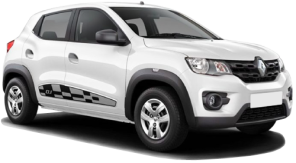
Mini

Renault Kwid or Similar

From $11.49 /day
Renault Kwid car rental in Durban

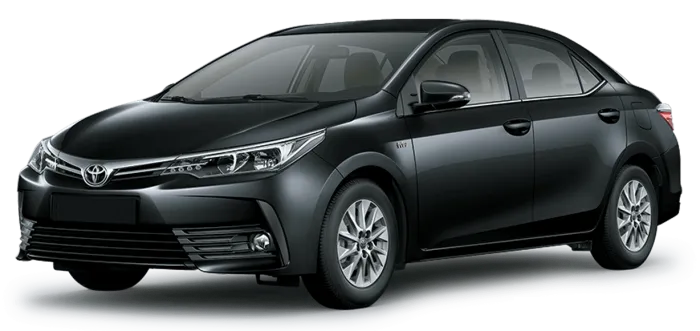
Compact

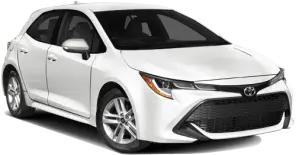
Toyota Corolla or Similar

From $15.50 /day
Toyota Corolla car rental in Durban

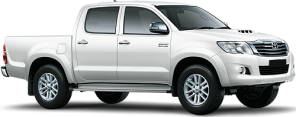
Standard Regular Cab Pickup

Toyota Hilux or Similar

From $17.10 /day
Toyota Hilux car rental in Durban

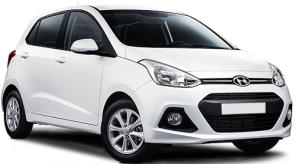
Mini

Hyundai Grand i10 or Similar

From $11.42 /day
Hyundai Grand i10 car rental in Durban

Economy

Toyota Starlet or Similar

From $12.03 /day
Toyota Starlet car rental in Durban

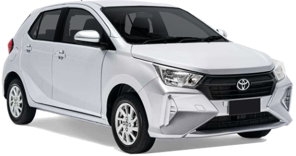
Mini

Toyota Agya or Similar

From $12.78 /day
Toyota Agya car rental in Durban

Mini

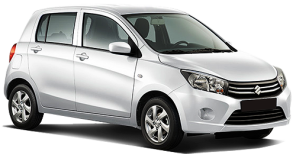
Suzuki Celerio or Similar

From $13.00 /day
Suzuki Celerio car rental in Durban

Economy

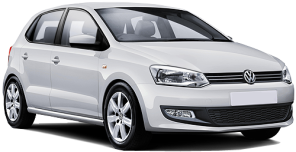
Volkswagen Polo or Similar

From $13.12 /day
Volkswagen Polo car rental in Durban

Mini

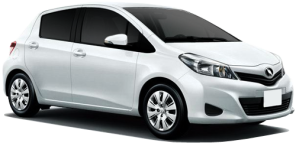
Toyota Vitz or Similar

From $13.48 /day
Toyota Vitz car rental in Durban

Economy

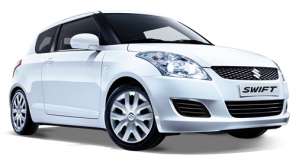
Suzuki Swift or Similar

From $14.72 /day
Suzuki Swift car rental in Durban

Mini Elite

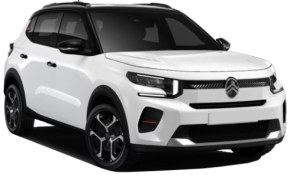
Citroen C3 or Similar

From $15.24 /day
Citroen C3 car rental in Durban

Economy

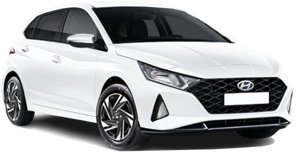
Hyundai i20 or Similar

From $15.24 /day
Hyundai i20 car rental in Durban

Economy

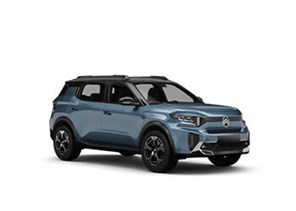
Citro�«n C3 Aircross *Model Guaranteed* or Similar

From $15.25 /day
Citro�«n C3 Aircross *Model Guaranteed* car rental in Durban

Economy Elite

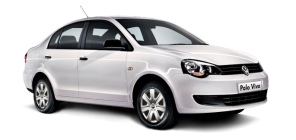
Volkswagen Polo Vivo or Similar

From $15.93 /day
Volkswagen Polo Vivo car rental in Durban

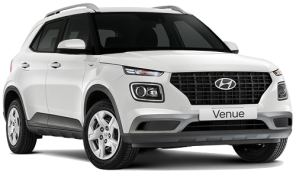
Compact Crossover

Hyundai Venue or Similar

From $16.63 /day
Hyundai Venue car rental in Durban

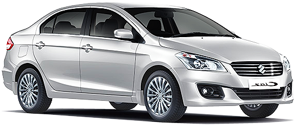
Compact

Suzuki Ciaz or Similar

From $17.27 /day
Suzuki Ciaz car rental in Durban
The above prices are only approximate and were last updated at 02:28 on 20/06/26. Prices may vary based on the booking dates, length of rental, and car class.
Why Choose Us

Our Features

Discover a world of convenience, safety, and customization, paving the way for unforgettable adventures and seamless mobility solutions.

Transparent Pricing

All rental costs, taxes, insurance options, and fees are clearly displayed before booking.

Compare Car Rental Prices

Compare rental prices from hundreds of trusted suppliers worldwide to find the best deal for your trip.

Airport Pickup Options

Find rental cars available at major international airports for convenient pickup immediately after your arrival.

Car Rental Service

Fast Booking Process

Complete your car rental reservation in just a few simple steps with instant confirmation.

Optional Full Coverage

Protect your rental with optional full coverage insurance for additional peace of mind during your trip.

Interactive Location Maps

See rental locations on interactive maps to quickly choose the most convenient pickup point.
Rental Guide

Durban, South Africa Car Rental Facts

Essential information on the best deals, rental providers, and vehicle options in Durban, South Africa.

Most Popular Agencies

Enterprise (26%)

Enterprise has a strong presence in Durban, with locations including the city centre and Umgeni, serving business travelers, tourists heading to the Golden Mile, and visitors to KZN.

Popular Car Types

Compact (40%), SUV (32%), Midsize (15%)

Compact cars are popular for their efficiency. SUVs are favored for their versatility and ground clearance for trips to the Drakensberg and game reserves. Midsize sedans are for business.

Average Rental Duration

5 Days

Durban rentals average 4-6 days, perfect for enjoying the beaches, visiting uShaka Marine World, and taking day trips to the Valley of a Thousand Hills. (Based on 3,400+ local pickups)

Most Popular Models

Volkswagen Polo, Toyota Corolla

The Volkswagen Polo, built in South Africa, is a top compact choice. The Toyota Corolla is a reliable and popular sedan.

Average Daily Price

$38/day

Durban rates average $38/day. Weekly rentals from $240 are popular for exploring the KwaZulu-Natal coast and interior.

How much does it cost to rent a car at Durban, South Africa?

Averaging the lowest prices for the economy car category, the data below shows prices for monthly comparisons.

Cheapest Month Average

Jun
Price: $40

Most Expensive Month

Dec
Price: $96

Yearly Average Price

Price: $63

Durban summer peak (December-February) for beaches and surfing. Winter offers lower rates. Business travel to port city. Book 2 months ahead.


Car Rental Durban, South Africa Guide

Renting a car in Durban, South Africa, is a straightforward process that offers unparalleled freedom for exploring this vibrant coastal region. As the busiest port city in the country and a gateway to the subtropical paradise of KwaZulu-Natal, Durban is best experienced with the flexibility of your own vehicle. The rental process typically involves booking online or at a desk, presenting your documents, and undergoing a vehicle inspection before you're handed the keys. While the city does have a metered taxi service and a developing e-hailing app presence, public transport like minibus taxis can be confusing for international visitors. A rental car transforms your trip from navigating logistics to spontaneously deciding to chase a perfect wave along the Golden Mile or drive up into the verdant Valley of a Thousand Hills.

Your primary choice for pickup will be between King Shaka International Airport (DUR) and one of the many city center or suburban branches. The airport, located about 35 kilometers north of the city center, is the most convenient option for travelers flying in, allowing you to get on the road immediately. However, this convenience often comes with a premium. Airport locations typically add an airport surcharge or concession recovery fee to the total cost, which can increase your daily rate. City center branches often offer more competitive base rates, especially for longer rentals, but require navigating public transport or a taxi from the airport to reach them. A key money-saving tip is to compare the total cost, including all fees, for both airport and off-airport locations. Sometimes, the savings from picking up in the city outweigh the cost of a short taxi ride to get there.

Pickup Location Advantages Disadvantages Typical Daily Rate Impact
King Shaka International Airport (DUR) Ultimate convenience, immediate access to car, open late for flights, large fleet availability. Includes airport surcharge fees, can be busier with longer queues during peak times. +15% to +25% compared to city rates
Durban City Center & Suburbs Lower base rates, often less crowded, potential for better upgrade availability. Requires transport from airport, may have more limited operating hours (often closing by 5 PM). Base Rate (Lower)

Car Rentals Requirements in Durban, South Africa

Before you arrive, it's crucial to understand the legal and procedural requirements for renting a vehicle in South Africa. Rental companies in Durban adhere to strict policies to ensure both the driver's and the vehicle's legality. You'll need to present a few key documents at the rental counter. Firstly, a valid, full driver's license from your country of origin is required. If your license is not printed in English, you must also present an official translation or an International Driving Permit (IDP). A valid passport is mandatory for all international renters, as it serves as your primary identification. Finally, a credit card in the primary driver's name is essential for the security deposit. Debit cards are rarely accepted for this purpose, especially from international renters, due to the higher risk associated with them.

The minimum age to rent a car in Durban is typically 21 years old, though drivers under 25 may incur a "young driver surcharge" which can add a significant daily fee to the rental. For larger vehicles like SUVs, vans, or premium car categories, the minimum age is often raised to 23 or 25. Insurance is mandatory, and the basic package (Collision Damage Waiver - CDW) usually comes with a high excess (deductible). You can reduce this excess by purchasing a "Super CDW" or "Excess Waiver" policy from the rental company. An International Driving Permit (IDP) is strictly required if your driver's license is not in English. Even if it is, an IDP can be helpful as it provides a universally recognized translation of your driving entitlements and is often viewed favorably by local traffic authorities.

Requirement Details
Minimum Age 21 years (surcharge for drivers under 25). 23-25 for premium/SUV categories.
Driver's License Full, valid license from country of origin. Must be in English or accompanied by an IDP.
Credit Card Mandatory for deposit (typically Visa or Mastercard). Must be in the primary driver's name.
Passport Required for all international renters for identification.
Insurance Mandatory. Basic CDW and Theft Protection are included with an excess (deductible).

Why Rent a Car in Durban, South Africa

Durban is a sprawling city where the urban energy of the city center and the relaxed beachfront vibe of the Golden Mile are just the starting points. The true magic of the region lies in its diverse landscapes, which are best accessed with your own set of wheels. While the popular beachfront promenade is easily walkable, relying on rideshares or taxis for every excursion quickly becomes expensive and limits your spontaneity. Having a rental car allows you to effortlessly transition from a morning surfing lesson at Addington Beach to an afternoon exploring the bustling Victoria Street Market, and then a sunset drive along the breathtakingly scenic South Coast or North Coast, known as the Dolphin Coast.

For families or groups, the convenience factor of a rental car cannot be overstated. You can store beach gear, picnic supplies, and shopping bags in the trunk without worrying about space in a taxi. It also provides a safe and controlled environment for traveling with children, allowing you to install car seats properly and make stops at your own pace. A car unlocks a wealth of nearby attractions that are difficult to reach otherwise, from the wildlife encounters at uShaka Marine World to the historical battlefields just a few hours inland. It turns a vacation into a journey, giving you the power to create your own itinerary on the fly.

  • Absolute Freedom: Create your own schedule, linger at a viewpoint, or make an unplanned detour without relying on public transport schedules.
  • Scenic Coastal Drives: Easily explore the stunning routes like the "Oregon Trail" along the South Coast or the M4 coastal road north, with panoramic ocean views.
  • Access to Hinterland: Discover the Valley of a Thousand Hills, the Midlands Meander, or the Drakensberg mountains—all within a day's drive from Durban.
  • Family Convenience: Travel with all your gear, manage children's schedules easily, and have a safe, private space to retreat to.
  • Cost-Effective for Groups: For 3 or more people, the daily rental cost often undercuts the price of multiple rideshares for a full day of sightseeing.
  • Ease of Shopping: Visit major shopping centers like Gateway Theatre of Shopping or stock up on supplies without worrying about how to carry everything.

Best Car Rental Companies in Durban, South Africa

When choosing a rental provider in Durban, you'll find a healthy mix of globally recognized brands and well-established local operators. International chains like Hertz, Avis, Budget, Europcar, and Sixt are highly reliable, offering standardized fleets, user-friendly booking systems, and extensive customer service networks. They are particularly advantageous for travelers seeking loyalty points or a seamless experience across multiple countries. These major players have prominent desks at King Shaka International Airport and several locations throughout the city.

Local South African companies, such as Tempest Car Hire and First Car Rental, are also excellent choices. They often provide competitive pricing and a fleet tailored to local conditions, including a strong selection of rugged SUVs and bakkies (pickup trucks) ideal for venturing off the main highways. These local suppliers can sometimes offer more flexible terms and personalized service. The key to finding the best deal is to compare the total price across different suppliers, paying close attention to what is included in the base rate (like mileage, which is usually unlimited) and the cost of the excess reduction options.

Company Price Level (Low / Medium / High) Pros
Avis Medium / High Extensive network, large fleet, reliable service, strong loyalty program.
Europcar Medium Strong European presence, good selection of automatic vehicles, convenient airport location.
Hertz Medium / High Well-maintained fleet, excellent customer service, quick check-in/out process.
Budget Low / Medium Competitive base rates, solid value, good for economy and compact cars.
Sixt Medium Modern fleet with premium options, stylish vehicles, easy online booking.
First Car Rental Low / Medium South African company, often lower rates, good for SUVs and vans.
Tempest Car Hire Low Local specialist, very competitive pricing, straightforward insurance options.

Popular Car Rental Categories & Prices in Durban, South Africa

The type of vehicle you choose will significantly impact your experience and budget in Durban. The most popular choice for solo travelers and couples is the Economy or Compact car. Models like the Toyota Aygo, Suzuki Swift, or Volkswagen Polo Vivo are ubiquitous, fuel-efficient, and easy to park in tight city spots. For families or those planning to explore the coastal roads, a Compact or Intermediate SUV is highly recommended. Vehicles like the Toyota Corolla Cross, Hyundai Creta, or Ford EcoSport provide more space, a higher driving position for better views, and are better suited for occasional gravel roads leading to secluded beaches or nature reserves.

Larger groups often opt for 7-9 seater vans such as the Toyota Quantum or Hyundai H-1, which are essentially the backbone of South African transport. If you're looking for a touch of luxury, premium sedans like the Mercedes-Benz C-Class or BMW 3 Series are available from the major international brands. Rental prices are highly seasonal. The peak tourist season, from mid-December to mid-January, sees rates skyrocket due to the influx of both international and domestic holidaymakers. The Easter long weekend and the June-July school holidays (winter break) are also periods of high demand. Conversely, the "shoulder" seasons (February-March and August-September) typically offer the most competitive rates and pleasant driving weather.

Car Category Average Daily Price (USD) Typical Models Best For
Small / Economy $35 - $55 Toyota Aygo, Suzuki Swift, VW Polo Vivo Solo travelers, couples, city driving
Medium / Compact $45 - $70 Toyota Corolla, VW Polo, Ford Fiesta Small families, extra comfort, longer trips
SUV / 4x4 $70 - $120 Toyota Corolla Cross, Ford Everest, VW Tiguan Families, exploring rural areas, safety, space
Vans / People Carriers $90 - $150 Toyota Quantum, Hyundai H-1, VW Caravelle Large groups, airport transfers, surf/sports trips
Luxury / Premium $120 - $200+ Mercedes-Benz C-Class, BMW 3 Series, Audi A4 Business travel, special occasions, comfort
Pricing Factor Insight
Cheapest Month February (post-holiday lull) or September (before spring school holidays)
Most Expensive Month December (peak summer holiday season)
Average Daily Price $50 - $70 USD for a standard compact car
A Good Deal Under $40 USD per day for a compact car in low season
Cheapest Supplier Local companies like Tempest or First Car Rental often have the lowest base rates.
Cheapest Car Type Economy manual transmission vehicles

Road Trips from Durban, South Africa

Durban is the perfect launching pad for some of South Africa's most iconic road trips. The region's well-maintained national roads (the N2 and N3) connect you to vastly different landscapes, from subtropical coastline to mountainous escarpments. Each route offers a unique flavor of KwaZulu-Natal's rich cultural and natural heritage. Here are a few must-do road trips:

  • The Dolphin Coast (North): Start in Durban and head north on the M4 or N2. In about 30-45 minutes, you'll reach the upscale town of Umhlanga, famous for its lighthouse and promenade. Continue to Ballito (approx. 1 hour from Durban), a vibrant coastal hub with fantastic beaches, shopping, and restaurants. This route is perfect for a day trip or a luxurious coastal escape.
  • The South Coast (The Hibiscus Coast): Drive south on the N2 or the scenic R102 ("Old Main Road"). Within 1.5 to 2 hours, you can reach towns like Scottburgh, known for its shark boat tours, and further to Margate and Port Shepstone. This route is dotted with numerous beaches, secluded coves, and the popular Oribi Gorge Nature Reserve for adventure activities.
  • The Valley of a Thousand Hills: A short but scenic drive inland, following the M13 or N3 towards Pietermaritzburg. Within 30-45 minutes of the city, you'll enter a landscape of deep, green, rolling hills. The highlight is the PheZulu Safari Park and the numerous craft markets and cultural villages offering a glimpse into Zulu heritage.
  • The Midlands Meander: This route takes you about 1.5 to 2 hours inland from Durban via the N3 highway (towards Johannesburg). Exit at Howick or Hilton to discover a sprawling region of rolling hills, art galleries, craft breweries, and gourmet restaurants. It's the ideal weekend trip for a change of scenery and pace.
  • The Drakensberg (uKhahlamba) Mountains: For a true adventure, drive from Durban to the Central or Northern Drakensberg. The journey takes approximately 3 to 3.5 hours via the N3 and then the R74 or R600. The destination is a UNESCO World Heritage site with majestic mountain scenery, world-class hiking trails, and ancient San rock art.

Driving Rules in Durban, South Africa

Driving in Durban is on the left-hand side of the road, a carryover from the country's British colonial history. Steering wheels are on the right. For visitors from countries like the USA or mainland Europe, this will be the most significant adjustment. Take your time to acclimate in less busy areas before tackling the city center or highways. Speed limits are strictly enforced by both police patrols and a network of speed cameras. The general limit on major highways (freeways) is 120 km/h, on secondary roads it is 100 km/h, and within urban areas it is 60 km/h. Always pay close attention to posted signs, as speed limits can change frequently, especially in construction zones or near schools.

The legal blood alcohol limit for drivers is 0.05%, which is lower than in some other countries. South African authorities conduct random roadblocks, especially on weekends and holidays, to check for drunk driving, and penalties are severe. Wearing a seatbelt is mandatory for all occupants of the vehicle, and children under the age of 3 must be secured in an appropriate car seat. Children from 3 to 12 years old must use a car seat or booster seat where seatbelts are available. Road conditions can vary dramatically; while the N2 and N3 highways are generally in excellent condition, some rural roads and inner-city streets may have potholes. During the summer rainy season (November to March), heavy downpours can cause sudden flooding, so drive with extra caution. Tire chains are not required, as snow is extremely rare in Durban itself, but if your travels take you to the Drakensberg in winter (June-August), it's wise to check road conditions.

Rule Detail
Driving Side Left
General Speed Limit (Urban) 60 km/h (37 mph)
General Speed Limit (Rural) 100 km/h (62 mph)
General Speed Limit (Freeway) 120 km/h (75 mph)
Blood Alcohol Limit 0.05% (strictly enforced with roadblocks)
Seatbelts Mandatory for all passengers
Child Restraints Required for children under 12 years or 1.5 meters in height.

Toll Roads in Durban, South Africa

If you're planning on taking a road trip out of Durban, especially north towards Johannesburg or south towards the Eastern Cape, you will encounter toll roads. The major national routes, the N2 and N3, are managed by the South African National Roads Agency (SANRAL) and feature several toll plazas. For instance, heading north from Durban on the N2, you'll encounter the uMhlanga and Mtunzini toll plazas. On the N3 towards the interior, the Mariannhill and Mooi River plazas are the main ones. These tolls are essential for maintaining the high standard of these major highways.

Payment can be made with cash (South African Rand) or by credit/debit card at the toll booths. While there is an electronic toll collection system called "e-tolls," it was largely discontinued in Gauteng (the Johannesburg/Pretoria region) in 2026, but it's not a major factor for travel in and around Durban. For a trip from Durban to Johannesburg, you can expect to pay between ZAR 300 and ZAR 400 (approximately $16-$22 USD) in total toll fees one way. It's a good idea to keep a stash of small notes and coins (or a credit card handy) for these stops, as the lines can get long during peak holiday periods. All rental cars are equipped to pass through these plazas, and you simply pay at the booth.

Parking in Durban, South Africa

Parking in Durban is generally manageable, but understanding the system is key to a hassle-free experience. In the bustling city center and along the popular beachfront (the Golden Mile), you'll find a mix of on-street, metered parking and multi-story parking garages. The on-street parking is typically managed by informal "car guards." These individuals wear reflective vests and will watch over your vehicle in exchange for a small tip. It is customary to tip them between ZAR 5 and ZAR 15 (approximately $0.30-$0.80 USD) when you return to your car. While not official, employing a car guard is highly recommended for safety and is a standard part of the city's parking culture.

For a more secure option, especially overnight, use the numerous multi-story garages operated by companies like Bay Parking. These are clearly signposted, especially around the beachfront, uShaka Marine World, and major shopping centers. Expect to pay around ZAR 15-30 per hour or a flat daily rate of ZAR 50-100. A common challenge is finding parking during major events, such as the Durban July horse racing event or during the peak December holidays when the beachfront is packed. In these cases, arriving early is essential, and using the secure parking lots a few blocks back from the beach can save you from endless circling.

Tips for Car Rental in Durban, South Africa

  • Book Well in Advance: Especially for travel during the December holidays, Easter, or July school break. Last-minute bookings during these times are either unavailable or at a premium price. Booking 2-3 months ahead can lock in a great rate.
  • Scrutinize Insurance Options: The standard Collision Damage Waiver (CDW) often has a high excess (deductible) of around ZAR 10,000-20,000 ($550-$1,100). Evaluate the cost of purchasing a Super CDW or Excess Waiver to reduce this to zero. This can provide significant peace of mind.
  • Choose an Automatic: In South Africa, manual transmission vehicles are the norm. If you're not proficient in driving a manual, be sure to reserve an automatic well in advance, as they are a smaller portion of the fleet and can be snapped up quickly.
  • Inspect the Vehicle Thoroughly: Before driving off the lot, walk around the car with a representative. Document every single scratch, dent, or chip on the vehicle and ensure it is noted on the rental agreement. Taking date-stamped photos on your phone is an excellent practice.
  • Understand the Fuel Policy: Most rental companies in Durban operate on a "full-to-full" policy. You receive the car with a full tank and must return it full. If you return it not full, you'll be charged for fuel at a significantly inflated rate. Locate a petrol station near the airport or your drop-off point to fill up just before returning.
  • Consider the Young Driver Surcharge: If you're under 25, this surcharge can add $10-$20 USD to your daily rate. It's sometimes built into the initial quote, but not always, so check the terms and conditions before finalizing your booking.
  • Pack Your Charger and Mount: While many rental cars have Bluetooth, having your own phone mount and charging cable is invaluable for navigating using apps like Google Maps or Waze, which are far superior to most built-in GPS systems in South Africa.

Common Car Rental Mistakes Travelers Make

  • Assuming All Roads Are Paved: Many guidebooks and maps show roads that are unpaved or in poor condition. Taking a standard sedan onto a gravel road to a remote beach often violates the rental agreement and can void your insurance. Always confirm the road condition before leaving the tarmac.
  • Ignoring the Car Guard System: Failing to tip a car guard or ignoring them altogether can lead to an increased risk of a break-in. The system is a social contract that provides informal security, and engaging with it is part of being a responsible visitor.
  • Leaving Valuables in Plain Sight: "Smash-and-grab" incidents do occur at traffic lights or in parking lots. Never leave bags, electronics, or any items visible inside the car. Always lock them in the trunk or, better yet, take them with you.
  • Relying Solely on GPS Without Local Knowledge: Navigation apps can sometimes route you through less safe areas, especially in townships or informal settlements. Stick to major routes (N2, N3, M4) and use common sense. If a route looks questionable, trust your instinct and find an alternative.
  • Not Having Enough Cash for Tolls: While major toll plazas accept cards, smaller ones may not. Running out of cash or not having a card that works in the machine can cause significant delays and frustration.
  • Booking the Wrong Vehicle Size: Underestimating the amount of luggage or the number of people can lead to an uncomfortable trip. "Compact" in South Africa often means very small. If traveling with more than two people, consider upgrading to at least a "Midsize" or SUV to ensure everyone and everything fits.

Real Travel Experience Renting a Car in Durban, South Africa

When Sarah and her husband landed at King Shaka Airport, the humidity hit them like a wall. After a quick shuttle to the rental center, they were relieved to find their pre-booked Suzuki Swift waiting for them. The agent was efficient, pointing out a small scuff on the rear bumper and marking it on the form. Sarah, a nervous driver, took the wheel to get used to driving on the left, carefully navigating the highway south towards Umhlanga. That first day, they parked at the iconic lighthouse, tipped a friendly car guard, and watched the sun set over the Indian Ocean. The next morning, they spontaneously decided to head north, driving along the scenic M4 with the windows down, stopping at a roadside market for fresh mangoes. That freedom—to change plans on a whim, to chase a good coffee shop they spotted from the road—was exactly why they chose to rent. The car became their home base, filled with sandy towels and surfboards, allowing them to experience the rhythm of Durban on their own terms, far from the constraints of a taxi schedule.

International Driving Permit for Travelers Visiting Durban, South Africa

The requirement for an International Driving Permit (IDP) in Durban hinges entirely on your home driver's license. If your license is issued in English (for example, from the USA, UK, Canada, Australia, or New Zealand), you are legally permitted to drive in South Africa without an IDP. Your valid, physical license is sufficient. However, if your license is in any other language, you are legally required to carry an IDP alongside your original license. This permit serves as an official translation of your driving credentials and is recognized by South African authorities.

You cannot obtain an IDP in South Africa; it must be acquired in your home country before you depart. In the US, for instance, they are issued by the American Automobile Association (AAA) or the American Automobile Touring Alliance (AATA). The process is straightforward, typically requiring a passport photo, a small fee, and your valid driver's license. An IDP is valid for one year from the date of issue. While you might not be asked to present it at the rental counter if your license is in English, carrying one can be incredibly helpful during traffic stops or if you were to have an accident, as it provides a clear, universally understood format of your driving details for local officials.

Have Questions?

Frequently Asked Questions about Car Rental in Durban

You will need a valid driver's license held for at least two years. If your license is not in English, you must present an International Driving Permit alongside your original license. You also need a valid passport or South African ID book and a credit card in the primary driver's name for the security deposit. Debit cards are sometimes accepted but often require additional proof of travel itinerary. Ensure the name on the credit card matches the driver's license exactly to avoid rejection at the counter. Digital copies are not accepted; physical documents are mandatory.

The security deposit amount varies by vehicle category, generally ranging from $300 to $1,200 USD. Economy cars usually have a lower hold, while premium SUVs and convertibles require the maximum amount. The hold is placed on your credit card and is not a charge but a temporary fund freeze. The exact hold amount is only released by your bank, which can take 7 to 14 business days after the vehicle is returned. Debit card users might face a higher deposit, often calculated as the insurance excess plus a fixed surcharge, directly debited and refunded.

Select suppliers in Durban accept debit cards, but restrictions apply. The card must bear the main driver's name and typically needs to be linked to a major provider such as Visa or Mastercard. You will be required to purchase full coverage insurance to reduce financial risk, and proof of return travel or hotel booking is often mandatory. Expect a larger security deposit if using debit instead of credit. Non-embossed cards and virtual wallets are not accepted. We strongly recommend confirming debit card acceptance with our support team before finalizing your booking.

The standard minimum rental age in Durban is 23 years old, though this varies between suppliers. Drivers aged 18 to 22 can still rent specific economy or compact vehicles but will incur a mandatory Young Driver Surcharge of approximately $7 to $12 USD per day, capped per rental cycle. Patrons aged 75 and older may need to provide a medical fitness certificate. Always use the age filter on our booking engine to see the exact surcharge calculated for your dates, as fees are location-specific and non-refundable.

Standard rates in Durban include basic third-party liability, legally required for driving. However, this does not cover damage to the rental vehicle or theft. Collision Damage Waiver and Theft Protection usually come with a high excess amount of $800 to $1,500 USD. You can reduce this excess to zero by purchasing Super Cover at the counter. Personal Accident Insurance for medical costs is optional. We list all protection options transparently; reviewing them before driving ensures you do not face unexpected liability.

The most common policy in Durban is 'Full-to-Full,' where you collect the car with a full tank and return it full. There is no refueling charge if you return it topped up. If the tank is not full, the supplier charges a per-litre rate significantly higher than local petrol station prices, plus a processing fee. Do note that South Africa operates on unleaded petrol and diesel. You will find a petrol station directly on the airport road near the rental returns. Avoid 'pre-purchase' fuel policies unless you plan zero refueling stops.

Yes, one-way rentals between Durban and Johannesburg are popular but require prior booking. Unlimited mileage is standard for inter-province trips. You must inform the supplier of border-crossing intentions if you plan to drive via Eswatini. A one-way drop-off surcharge of $50 to $150 USD applies because the fleet must be redistributed. The N3 highway is a toll road; prepare for three major toll gates for which you can pay with cash or a local bank card. Regular sedans handle the route easily.

Yes, the N2 leading north and south out of Durban and the N3 heading to Pietermaritzburg are major toll routes. The King Shaka International Airport approach has a small toll plaza. Costs vary but expect to pay roughly $1 to $5 USD per plaza. Payment is made only in South African Rand cash or via local bank-issued credit/debit cards with chips; foreign contactless payments often fail at these booths. No rental company supplies an e-tag for KZN tolls, so you must keep small change available for your road trip.

After collecting your luggage, proceed to the central arrivals hall. The car rental counters are positioned directly in front of you as you exit the baggage claim, in the main terminal building. Complete the paperwork, then walk across the road opposite the terminal entrance to the multi-storey parkade. The ground floor houses all the branded rental bays. The walk takes less than a minute and is under cover. Nighttime collections are safe and well-lit; no shuttle bus is needed to reach the vehicle from the terminal.

Prioritize safety first, moving to a clear area. For breakdowns, call the 24/7 roadside assistance number on the rental agreement key tag; they dispatch local mechanics. For accidents, you must call the Metro Police on 031 361 0000 or SAPS to file an official case within 24 hours. Do not admit liability or negotiate privately. Contact the rental branch immediately. A returned vehicle without a police report voids your insurance. Our suppliers provide comprehensive accident reports in the glove compartment for your reference.

Yes, the majority of our prepaid bookings offer free cancellation up to 48 hours before the scheduled pick-up time. A full $0 fee cancelation is standard in these flexible packages. If you have booked a 'Pay Later' deal, you can cancel at any time with no charge at all. However, last-minute cancelations made within 48 hours for prepaid reservations may incur a small administrative fee of roughly $30 USD. We display the cancelation clock countdown clearly in your online booking portal.

Most mainstream rentals in Durban include unlimited kilometres, perfect for exploring the Drakensberg or Wild Coast. However, this is specific to passenger cars and SUVs. Moving trucks, commercial vans, and some exotic luxury cars often feature a capped limit of 200 to 300 kilometres per day, with an excess charge of $0.15 to $0.25 USD per additional kilometre. Always toggle the 'unlimited mileage' filter when searching to guarantee no surprises, especially if planning the long coastal drive down to Cape Town.

You can add one or two additional drivers. The fee averages $3 to $5 USD per day, per additional driver, with a maximum cap on long-term leases. The extra driver must appear alongside the main driver at the collection desk with their full driving documentation (license and ID/Passport). Any additional driver not registered loses all insurance cover in case of an incident. Spousal free additional drivers are not automatic in South Africa, contrary to North American practice, so always check the terms.

South African traffic law mandates that infants under the age of 3 must be securely strapped into an approved SABS-standard child restraint. We offer infant seats, toddler seats, and booster cushions at a daily rate of around $6 USD, subject to availability. It is illegal for a child of any age to ride unsecured on a person's lap in a moving vehicle. While taxis often ignore this, rental drivers face fines of up to $50 USD. Book the seat add-on early, as inventory is limited during school holidays.

A compact sedan is perfect for the city and Northern Suburbs, being fuel-efficient in traffic. If your journey includes game reserves like Hluhluwe-iMfolozi, a high-clearance SUV is better for gravel roads and visibility. For the Sani Pass border drive, a strict 4x4 vehicle with low range is mandatory. Convertibles are delightful for the coastal Promenade but lack security for luggage. We recommend a mid-size SUV as the perfect all-rounder for the Valley of 1000 Hills and coastal hills.

Do not leave any valuables visible. The Durban beachfront and central business district see opportunistic smash-and-grab incidents. Lock bags in the trunk before arriving at your destination. At traffic lights, keep windows closed and doors locked. Never leave a GPS mount visible on the windshield, as it signals a rental car. Park in secured, guarded lots, identifiable by a car guard in a bright bib. Rental theft protection insurance often requires proof of forced entry, so never leave doors unlocked unconsciously.

Smoking is strictly prohibited in all rental vehicles in South Africa. All fleets are non-smoking. If a vehicle returns smelling of smoke, you will be charged a deep cleaning fine of up to $150 USD. This includes vaping and e-cigarettes. At King Shaka Airport, designated smoking areas are located outside the terminal building, just past the car rental walkway on the ground floor. Please finish your cigarette before collecting the vehicle to avoid the sensitive alarm sensors in the new parkade.

Short-term parking for drop-off or pick-up is located in the multi-storey Parkade directly opposite the terminal (first 20 minutes are free). For parked waiting, the Shaded Parking area costs around $2 USD for 2 to 4 hours. There is a free 'Pick-Up Zone' for immediate collection only, right next to the terminal doors. If you are waiting for a flight to land, use the free Cell Phone Waiting Lot situated on the airport approach road to avoid circling the terminal.

Urban roads in Durban are capped at 60 km/h, with 40 km/h in the central business zones. Freeways like the M4 and N2 are 120 km/h. Speed cameras are prolific, especially the average-speed-over-distance traps on the M13 and N3 highways. Fixed cameras and traffic lights use radar. Fines are mailed to the rental company, which charges your credit card for the ticket value plus an administration fee of $25 USD. Strictly observe speed limits in construction zones where penalties are doubled.

Absolutely, Google Maps and Waze work perfectly in Durban for real-time traffic updates. South Africa has comprehensive live traffic data. We also offer portable GPS units as an add-on for roughly $5 USD daily. A sun-shielded phone mount is crucial due to strong sun glare on the windshield. Download offline maps of KwaZulu-Natal in advance, as cell reception drops in deep rural valleys like the Valley of 1000 Hills. Do not hold your phone while driving; it's heavily penalized.

King Shaka Airport offers 4 hours of complimentary Wi-Fi in the Arrivals and Departures halls. Connect to the 'Durban Direct' network. Signal strength is excellent at the car rental counter area. You can easily pull up your digital booking voucher there. Should you need data beyond the airport, purchasing a local SIM card at the airport store is advised before hitting the road, generally cheaper than international roaming fees for long stays.

We track flight numbers for active bookings. If you provided your flight when reserving, the counter will know you are landing late and maintain a grace period. For significant delays causing a missed counter closure (typically 10 PM), the rental supplier uses an after-hours vehicle release service. If your flight diverts completely or you miss it, call the emergency number on your confirmation immediately; this prevents a 'no-show' cancelation of your car. We advise always logging your flight info as policy.

Cross-border travel by road is permitted to Eswatini and Lesotho only if specific written authorization is obtained from the supplier, issued as a border pass letter. There is a processing fee of $40 to $80 USD. Without this letter, you will be turned back at the border. Regular insurance does not cover driving in Mozambique; for that, specialist third-party insurance is needed. Give 48 hours' notice for cross-border paperwork to allow preparation time before your date of travel.

In Durban, manual transmissions are standard, similar to Europe. Automatic vehicles are available but form roughly 30% of the fleet, mostly in higher categories like SUVs and premium sedans. Economy auto cars sell out fast. Do not assume a reservation automatically means an auto unless the voucher states 'automatic guaranteed.' Using our filter is non-negotiable if you cannot drive manual, as upgrades at the counter cost significantly more than pre-booking online.

During peak holiday seasons like December and Easter, queues at King Shaka Airport can take up to 45 minutes due to high inbound volume. In low season midweek, the process is generally 10 to 15 minutes. To skip the queues, we strongly recommend pre-registering your FastTrack details online where the supplier allows. Early morning flights arriving just after 8 AM face the immigration rush, so the rental counters get busiest between 9:30 AM and 11 AM.

Weekly rental rates in Durban offer steep discounts compared to daily rates. An economy car can start from $85 to $100 USD total for a week, though a mid-size SUV typically averages $180 to $250 USD per week excluding insurance extras. Pricing fluctuates significantly with the season; the July school holiday yields spikes. Searching with a 7-day Saturday-to-Saturday range usually reveals the lowest inclusive rate compared to fragmented daily bookings. We always price the week bundle automatically for you.

Duty-Free shopping at King Shaka is predominantly aimed at departing passengers in the international departures lounge. However, arrivals can access a smaller duty-paid retail area just after customs where you can top up on liquor and local electronics, though without the tax exemption. Currency exchange outlets and ATMs are also here. If you need immediate convenience goods for your car, the terminal ground floor has a Woolworths food store accessible before you reach the rental parkade.

The physical address of King Shaka International Airport is situated in the suburb of La Mercy. The primary postal code for navigation and courier services is 4407. When inputting this into your rental car's GPS device, ensure you search for 'King Shaka Airport Terminal' rather than the street number, as the complex spans multiple access points. Use 'La Mercy 4407' if your satellite navigation requests a city-level code to locate the approach road.

The most convenient filling station is the Shell located on the airport precinct. It is directly on the main access road exiting/entering the airport, positioned less than 300 meters from the car rental parkade. This station operates 24 hours a day, ensuring you can fill up for late-night or early-morning returns. To fulfill the Full-to-Full policy flawlessly, stop here and keep the receipt. Refueling off-airport on the M65 risk traffic or distance penalties, making the precinct Shell the safest last-minute stop.

Yes, driving to uShaka Marine World is easy via the M4 Southern Freeway taking the Margaret Mncadi exit. Secure parking is provided directly at the uShaka complex. The open-air parking lot charges approximately $1 USD per hour, capped at around $6 USD for a full day. The area is well-patrolled by security. Ground clearance is not an issue; the underground and surface lots accommodate standard sedans and SUVs easily. Keep your ticket inside the glove compartment, not visible on the dash.
Verified Customer Reviews

Durban Car Rental Reviews & Customer Ratings

Read verified customer reviews, ratings, and rental experiences from travelers who booked through AirportCarHub.

Overall Rating

0/5.0
Based on 0 reviews