Cheap Car Rental Bolivia - Compare Deals & Book Instantly
Search and compare car rental prices from trusted global suppliers. Find the best deals instantly.
Why book with us?
-
Wide Fleet
Choose from economy cars, SUVs, luxury vehicles, and more.
-
Free Cancellation
Flexible booking options with free cancellation on most rentals.
-
24/7 Customer Support
Our expert team is available 24/7 to assist you with any questions or concerns.
Compare top international car rental brands and choose the best deal for your trip.








Car Rental Deals in Bolivia
Choose from our wide range of vehicles available in Bolivia.
MiniSuzuki Alto or Similar
From
$43.47
/day
|

|
|||
CompactVolkswagen Golf or Similar
From
$65.01
/day
|

|
|||
IntermediateHyundai Accent or Similar
From
$59.62
/day
|

|
|||
Economy SuvSuzuki Jimny or Similar
From
$65.55
/day
|

|
|||
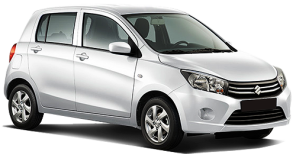
Economy EliteSuzuki Celerio or Similar
From
$46.16
/day
|
|
|||
CompactVolkswagen Gol or Similar
From
$68.76
/day
|

|
|||
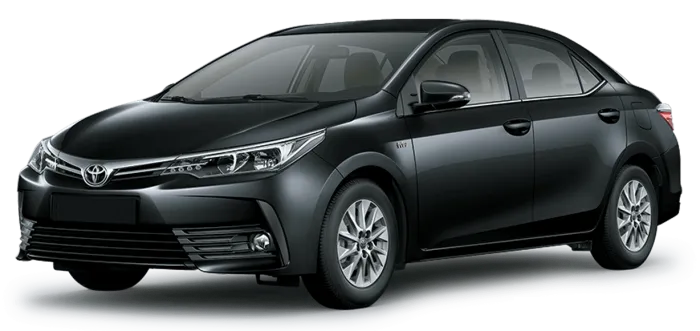
Compact EliteToyota Corolla or Similar
From
$74.08
/day
|

|
|||
Intermediate Elite SuvSuzuki Grand Vitara or Similar
From
$75.78
/day
|

|
|||
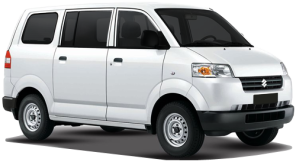
Premium VanSuzuki Turismo or Similar
From
$89.24
/day
|
|
|||
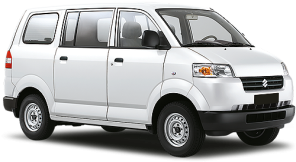
Premium VanSuzuki APV or Similar
From
$94.55
/day
|
|
|||
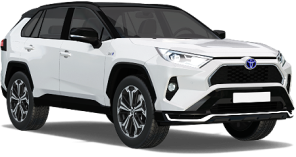
Standard Elite SuvToyota RAV4 or Similar
From
$98.39
/day
|
|
|||
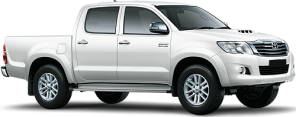
Special Regular Cab PickupToyota Hilux or Similar
From
$110.77
/day
|
|
|||
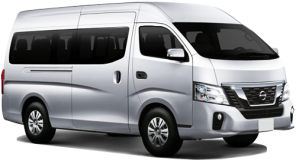
Oversized VanNissan Urvan or Similar
From
$121.01
/day
|
|
|||
Full-size CrossoverToyota Rush or Similar
From
$121.01
/day
|

|
|||
Special VanHyundai H-1 or Similar
From
$126.64
/day
|

|
|||
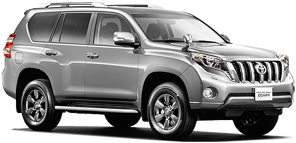
Full-sizeToyota Land Cruiser Prado or Similar
From
$129.62
/day
|
|
|||
Standard SuvHyundai Santa Fe or Similar
From
$140.39
/day
|

|
|||
Our Features
Discover a world of convenience, safety, and customization, paving the way for unforgettable adventures and seamless mobility solutions.
Email Booking Confirmation
Receive instant booking confirmation and rental details directly in your email inbox.
Transparent Comparison
Compare rental companies side-by-side with clear information about pricing, insurance, and included services.
Clear Rental Policies
Access complete rental policies including driver age limits, fuel rules, and deposit conditions.
Best Price Deals
Our platform helps you find the most competitive car rental prices across multiple suppliers in one place.
Multi-Language Platform
Use our platform in multiple languages, making it easy for travelers from around the world to book rental cars.
Vehicle Category Selection
Choose from economy, compact, standard, luxury, SUV, and van categories depending on your needs.
Bolivia Car Rental Facts
Essential information on the best deals, rental providers, and vehicle options in Bolivia.
Most Popular Agencies
Lion City Rentals leads with 28% share, catering to both tourists wanting to explore beyond the city and residents needing temporary vehicles.
Popular Car Types
Compact cars are favored for city maneuverability. Luxury vehicles serve business travelers and tourists wanting to arrive in style at Marina Bay.
Average Rental Duration
Short 3-day rentals reflect Singapore's compact size and excellent public transport, with cars used mainly for weekends in Malaysia or Sentosa trips. (Based on 14,200+ local searches)
Most Popular Models
The Toyota Corolla dominates the practical rental segment. The Mercedes C-Class is preferred for business clients and special occasions.
Average Daily Price
Singapore commands premium rates averaging $72/day, reflecting high vehicle costs. Weekend rentals from $135 offer value for Malaysia road trips.
How much does it cost to rent a car at Bolivia?
Averaging the lowest prices for the economy car category, the data below shows prices for monthly comparisons.
Cheapest Month Average
JanMost Expensive Month
SepYearly Average Price
F1 Grand Prix (September) causes extreme price spikes. Peak seasons (June-August, December) for tourism. Cars expensive - public transport efficient. ERP tolls apply. Book 2-3 months ahead for F1.
Driving Laws & Information for Bolivia
Essential driving rules and requirements to know when renting a car
Driving Side
Right
Minimum Age
18 to drive
Blood Alcohol Limit
0.05% maximum
IDP Required?
Yes International Driving Permit
Speed Units
km/h
Seat Belt
Required
Toll Roads
No
Emergency
911 emergency number
Complete Guide to Renting a Car in Bolivia for International Travelers (2026)
Renting a car in Bolivia opens up a world of adventure, allowing you to explore the country's staggering diversity—from otherworldly salt flats and high-altitude capital cities to lush jungles and colonial treasures—at your own pace. While public transport exists, a rental vehicle gives you the freedom to venture off the beaten path and discover hidden gems that tour buses simply cannot reach. This guide provides everything international travelers need to know about navigating car rentals in Bolivia with confidence.
Before you set off, it is crucial to understand that driving conditions in Bolivia can be challenging. Roads range from modern highways to rugged, unpaved mountain passes. However, with proper preparation, the right vehicle, and a spirit of adventure, a self-drive trip through this stunning country will be an unforgettable experience.
Airport vs. City Center Pickup: Choosing Your Starting Point
Deciding where to collect your rental car is one of the first practical choices you will make. Both airport and city locations have distinct advantages and drawbacks that can impact your budget and itinerary.
Airport Pickup: The main advantage of picking up your car at the airport is convenience. After your flight, you can walk directly to the rental desk, complete the paperwork, and begin your journey without the need for additional transport into the city. This is particularly appealing if you plan to leave the city immediately. However, this convenience often comes at a cost. Airport locations frequently include an airport surcharge or concession fee, which can add a noticeable percentage to your total rental bill. Additionally, the rental counters at busy airports can have queues during peak arrival times.
City Center Pickup: Opting for a rental office in the city center is almost always the more budget-friendly choice. These locations typically do not charge the premium airport surcharges, saving you money. It also gives you a chance to acclimate to the altitude and the rhythm of the city before getting behind the wheel. The downside is the logistical hurdle: you will need to arrange transport from the airport to your hotel, and then find your way to the rental office, which might involve navigating an unfamiliar city with your luggage. This option works best for travelers who plan to spend a day or two exploring the city first.
Money-Saving Tip:
If you arrive late at night or very early in the morning, consider booking a city center pickup for the next day. Take a reasonably priced taxi to your accommodation, get a good night's sleep, and then collect your car refreshed the following morning, saving on the airport surcharge and the stress of driving immediately after a long flight.
Comparison of Rental Pickup Locations
| Pickup Location | Pros | Cons |
|---|---|---|
| Airport (e.g., VVI, LPB) | Maximum convenience upon arrival; immediate start to road trip. | Higher rental rates due to airport surcharges; potential for queues. |
| City Center (e.g., La Paz, Santa Cruz) | Lower rental rates; opportunity to acclimate to the city first. | Need transport from airport to city; may require navigating city traffic to collect car. |
Understanding Seasonal Price Fluctuations
Rental car prices in Bolivia are not static; they fluctuate significantly throughout the year based on tourist demand and local holidays. Understanding these patterns can help you secure a better deal. The high season for tourism coincides with the best weather for exploring the country's main attractions, which in turn drives up rental prices due to increased demand.
The dry season (May to October) is generally the most popular and expensive time to visit, especially for destinations like the Salar de Uyuni, which is accessible only when dry. Conversely, the wet season (November to March) sees fewer tourists, and rental companies often lower their prices to attract business. However, be aware that some unpaved roads can become challenging or impassable during heavy rains. Local holidays, such as Carnaval (typically in February or March), also see a sharp spike in demand and prices as locals travel within the country.
Seasonal Pricing Comparison
| Factor | Details |
|---|---|
| Cheapest Months | Typically November to March (wet season), excluding major holidays. |
| Most Expensive Months | Typically June to August (peak dry season for international tourists). |
| Average Price (Daily) | $40 - $70 for a small car; $80 - $150+ for a 4x4. |
| A Good Deal | A compact car for under $45 per day or a 4x4 for under $90 per day. |
| Cheapest Supplier | Local agencies like A&B or Cordillera are often cheaper than international brands. |
| Cheapest Car Type | Economy or compact cars with manual transmission. |
Peak Demand Periods for Rentals
Demand for rental cars is intrinsically linked to Bolivia's tourism patterns. The highest demand occurs during the dry season months of June, July, and August. This period offers the most reliable weather for high-altitude trekking and exploring the southwest region, including the Uyuni salt flats. Consequently, rental fleets, especially 4x4 vehicles, are booked out well in advance.
Another significant peak occurs during major local holidays. The week leading up to and including Carnaval sees a massive surge in domestic travel, making it very difficult to find a last-minute rental. The same applies during the weeks around Christmas and New Year, and during national holidays like Independence Day (August 6th). Planning and booking several months ahead is essential if you intend to travel during these busy windows.
Typical Rental Duration for Travelers
The typical rental duration for international travelers in Bolivia varies greatly depending on the itinerary. A short-term rental of 3 to 5 days is common for exploring a specific region, such as the area around La Paz and the Death Road or the wine valleys near Tarija. For more comprehensive road trips, such as a circuit from La Paz to Uyuni and on to the southern highlands, rentals often extend to 10 to 14 days. A journey covering the main highlights from La Paz to the Amazon or crossing the country to Santa Cruz would likely require a rental period of two weeks or more.
Rental Locations and Supplier Availability
While rental car availability is growing, it is not as ubiquitous as in Europe or North America. You will find the highest concentration of rental locations in the major cities: La Paz, Santa Cruz de la Sierra, and Cochabamba. All three international airports (El Alto in La Paz, Viru Viru in Santa Cruz, and Jorge Wilstermann in Cochabamba) have rental desks from several companies. Other cities like Sucre, Tarija, and Potosí also have rental offices, but the selection is more limited, and availability might be lower.
Supplier-wise, you will find a mix of well-known international brands like Hertz, Avis, and Budget operating alongside reputable local companies such as A&B Rent a Car and Cordillera Rent a Car. Local suppliers often offer more competitive rates, especially for longer rentals and 4x4 vehicles, but it is crucial to read reviews and confirm their insurance policies thoroughly.
Quick Facts: Renting a Car in Bolivia
| Category | Details |
|---|---|
| Main Rental Hubs | La Paz, Santa Cruz, Cochabamba. |
| Airport Locations | Present at all major international airports (LPB, VVI, CBB). |
| International Suppliers | Hertz, Avis, Budget, Localiza. |
| Popular Local Suppliers | A&B Rent a Car, Cordillera Rent a Car. |
| General Availability | Good in major cities; limited in small towns and remote areas. |
Common Vehicle Categories for Travelers
Choosing the right vehicle is perhaps the most critical decision for your trip. The diverse terrain of Bolivia demands careful consideration of your planned route.
- Economy Cars: Small, fuel-efficient cars like a Suzuki Alto or Toyota Aygo. These are perfect for navigating city traffic and are the cheapest option. However, they are only suitable for paved roads and short trips between major cities.
- Compact Cars: Slightly larger vehicles like a Toyota Corolla or Volkswagen Gol. Offer more space and comfort for paved highway driving but are still not suited for rough, unpaved terrain.
- SUVs / 4x4 Vehicles: The vehicle of choice for most adventurous travelers. Models like the Toyota Land Cruiser, Mitsubishi Montero, or Suzuki Vitara are essential for tackling the rugged roads to the Salar de Uyuni, the altiplano, and other remote areas. A 4x4 provides the necessary ground clearance, traction, and durability for unpaved roads.
- Vans / Family Vehicles: Larger groups or families might opt for a van, such as a Toyota Hiace. These offer ample space for passengers and luggage but can be cumbersome on narrow, winding mountain roads.
Famous Road Trip Routes
Bolivia is home to some of the world's most spectacular and dramatic drives. Here are a few iconic routes.
- The La Paz to Uyuni Salt Flat Circuit:
- Start: La Paz / End: Uyuni
- Distance/Time: Approx. 550 km, 3-5 days.
- Major Highlights: Driving through the stunning altiplano, visiting the train cemetery in Uyuni, spending multiple days exploring the vast, surreal expanse of the Salar de Uyuni, and seeing colorful high-altitude lagoons like Laguna Colorada and Laguna Verde.
- The Death Road (Yungas Road):
- Start: La Paz (Cumbre Pass) / End: Coroico
- Distance/Time: Approx. 80 km, one very long day.
- Major Highlights: Descending from the high, cold altiplano into the warm, humid Yungas region. The road offers breathtaking (and terrifying) sheer drops and lush mountain scenery. Note that most travelers now do this as a mountain bike tour, but driving it yourself in a 4x4 is an unforgettable, extreme adventure.
- The Andean Crossing from La Paz to San Pedro de Atacama (Chile):
- Start: La Paz / End: San Pedro de Atacama (Chile)
- Distance/Time: Approx. 800 km, 4-5 days.
- Major Highlights: An epic journey through the Eduardo Avaroa Andean Fauna National Reserve, passing through Uyuni and a series of multi-colored lagoons, geysers, and volcanic landscapes before crossing the border into Chile's Atacama Desert.
Essential Driving Rules and Regulations
Familiarizing yourself with local driving laws is vital for a safe and legal trip. Driving in Bolivia requires attentiveness and patience.
- Driving Side: In Bolivia, vehicles drive on the right side of the road. The steering wheel is on the left side of the car.
- Speed Limits: Speed limits are in kilometers per hour (km/h) and are strictly enforced in some areas, while widely ignored in others. It is safest to adhere to the posted limits.
- Alcohol Limits: Bolivia has a strict zero-tolerance policy for drinking and driving. The legal blood alcohol limit is effectively 0.0% for drivers. Penalties are severe.
- Child Seats: Child restraint systems are required for young children. Availability is limited from rental companies, so you may need to request this well in advance or bring your own.
- Road Conditions: Conditions vary wildly. Major highways between cities like La Paz and Oruro are generally paved but can have potholes. Secondary and rural roads are often unpaved gravel or dirt, requiring a 4x4.
- Seatbelt Rules: Wearing seatbelts is mandatory for all passengers in the front and back seats.
- Winter Tire Laws: Winter tires are not commonly used or required, even in high-altitude areas that experience snow. However, it is crucial to have a vehicle in good mechanical condition, with a strong battery and antifreeze, for cold-weather driving.
Standard Speed Limits
| Road Type | Speed Limit (km/h) |
|---|---|
| Urban Areas / Cities | 40 - 50 km/h |
| Rural Roads / Highways | 80 km/h |
| Major Highways (Dual Carriageway) | 100 - 120 km/h |
Toll Roads and Payment Methods
Toll roads in Bolivia are not as extensive as in many other countries. The main toll roads are found on the more modern highways connecting major cities, particularly in and around Santa Cruz. Tolls are generally very inexpensive, often costing the equivalent of less than one US dollar. They are typically paid in cash (Bolivianos) at manned toll booths. Electronic toll collection systems like a "tag" or "pass" are not used for standard rental cars. It is essential to always carry a supply of small bills and coins in the local currency to pay these tolls, as credit cards are almost never accepted.
Beyond formal tolls, you may encounter informal "control points" where locals ask for a small voluntary donation for road maintenance or to open a gate. A few Bolivianos are usually sufficient.
International vs. Local Rental Companies
You will have a choice between international chains and local Bolivian agencies when renting a car. Both have their merits. International companies offer the comfort of familiarity, global customer service standards, and loyalty programs. Their fleets are typically newer, and the rental process is often more streamlined. However, this peace of mind comes at a higher price.
Local companies are often significantly cheaper, particularly for 4x4 vehicles and longer rentals. They have deep local knowledge and can offer invaluable advice on road conditions. The trade-off can include older vehicles, less comprehensive insurance packages, and potential language barriers. Always read the contract carefully and check online reviews before booking with a local agency.
Comparison of Rental Suppliers
| Company | Price Level | Pros |
|---|---|---|
| Hertz / Avis / Budget | High | Newer fleets, reliable service, international standards, English-speaking staff likely. |
| Localiza | Medium | Strong regional presence, good balance of price and reliability. |
| A&B Rent a Car | Low to Medium | Competitive prices, good local reputation, extensive experience with Bolivian terrain. |
| Cordillera Rent a Car | Low to Medium | Specializes in 4x4 vehicles for adventure travel, good local knowledge. |
Navigating Parking in Major Cities
Parking can be one of the more stressful aspects of driving in Bolivian cities. In La Paz, with its narrow, hilly streets, finding a spot is challenging. Street parking is common but often regulated by informal "parking attendants" (called aparcacoches or cuidadores) who will watch your car and expect a small tip (a few Bolivianos) when you return. While not officially sanctioned, it is customary to pay them for the added peace of mind.
Paid parking zones are less common. The best option is to use paid parking garages (estacionamientos), which are secure and charge by the hour. They can be identified by signs and are often located near plazas and commercial areas. In Santa Cruz, parking is generally easier and more plentiful due to the city's grid layout. A common challenge everywhere is the sheer volume of traffic and the assertive driving style, making maneuvering into tight parking spots a skill in itself.
Average Daily Rental Price Ranges
Rental prices in Bolivia can vary, but the table below provides a general idea of what to expect per day, based on 2026 market trends. These prices are estimates for a standard rental and do not include insurance or additional fees.
Estimated Daily Rental Prices
| Vehicle Category | Estimated Price Range (Per Day) |
|---|---|
| Small Cars (Economy) | $35 - $55 |
| Medium Cars (Compact) | $50 - $75 |
| SUVs (4x4) | $85 - $160 |
| Vans | $100 - $180 |
| Luxury Cars | $150+ |
Practical Tips for a Smooth Rental Experience
Follow these insider tips to ensure you get the best value and avoid common headaches.
- Book Early for the Best Deals: Especially if you need a 4x4 or are traveling during the dry season (June-August), book your vehicle at least 2-3 months in advance to secure availability and better rates.
- Avoid Airport Surcharges: As mentioned earlier, picking up your car from a city center location can save you a significant amount of money on airport concession fees.
- Compare International and Local Suppliers: Don't just stick to the big names. Get quotes from reputable local agencies like A&B or Cordillera, as they often have the best prices for rugged vehicles.
- Choose Your Insurance Wisely: Your credit card or personal travel insurance may offer some coverage, but it might not be accepted by local rental companies. Be prepared to purchase the rental company's full insurance package (often called "Seguro a Todo Riesgo") for peace of mind, as this will simplify the process in case of a claim.
- Rent During Cheaper Months: If your dates are flexible, consider traveling in the shoulder months (April-May or September-October) when the weather is often still good, but prices have dropped from peak season highs.
Common Traveler Mistakes to Avoid
Learn from the missteps of others to keep your trip on track.
- Renting a Small Car for Rough Terrain: Attempting to drive a standard sedan on the rough roads to Uyuni or into the mountains is a recipe for disaster. You will likely get stuck or cause significant damage. Always rent a 4x4 for unpaved roads.
- Underestimating Altitude and Distances: The high altitude in the Andes can cause fatigue and affect your concentration. Driving times are often much longer than expected due to road conditions and altitude. Plan for shorter driving days.
- Not Checking the Vehicle Thoroughly: Before driving away, inspect the car meticulously for any existing dents, scratches, or mechanical issues. Take photos and videos and ensure they are noted on the rental agreement to avoid being charged for pre-existing damage.
- Skipping the Emergency Kit: Many rental cars, especially from local companies, may not come with a proper spare tire, jack, or basic tools. Check that these are present and in good condition. A paper map is also essential as cell service is unreliable in remote areas.
- Ignoring Local Driving Customs: The driving style in Bolivia can be assertive. Be prepared for drivers to overtake in unexpected places and for animals (llamas, donkeys) to wander onto the road. Stay alert and drive defensively.
A Traveler's Tale: Exploring the Altiplano
Mark, an avid photographer from Canada, picked up his rented Toyota Land Cruiser from a local agency in La Paz. Armed with maps and a sense of adventure, he headed south. The first day was a lesson in patience as he acclimated to the altitude and navigated the chaotic yet strangely orderly traffic of El Alto. Once on the open road to Oruro, the vastness of the altiplano opened up before him. He spent the next week exploring the stark beauty of the Eduardo Avaroa Reserve, waking before dawn to capture the steam rising from geysers in the cold morning light and photographing flamingos against the surreal red and green lagoons. The 4x4 handled the rough gravel tracks with ease, giving him the confidence to explore remote villages and sleep under some of the clearest skies he had ever seen. For Mark, the freedom of his rental car was the key to unlocking the raw, untamed soul of Bolivia.
International Driving Permit (IDP) and Required Documents
For international travelers, the rules regarding an International Driving Permit (IDP) are an important detail. Officially, an IDP is required in Bolivia to accompany your valid driver's license from your home country. While some rental agencies may not ask for it, it is a legal requirement, and not having one could cause serious issues if you are stopped by the police, particularly outside of major cities. An IDP translates your license into Spanish, facilitating communication with authorities.
You must obtain an IDP in your home country before you travel; they cannot be issued in Bolivia. In many countries, they are available from national automobile associations (like the AAA in the US or the CAA in Canada) for a small fee. You will need to bring your valid, physical driver's license, passport-sized photos, and a completed application form. The permit is typically valid for one year from the date of issue. Along with your IDP and home license, you must always carry your passport and the rental car documents when driving.
Popular Cities for Car Rental in Bolivia
Popular Locations for Car Rental in Bolivia
Frequently Asked Questions about Car Rental in Bolivia
Bolivia Car Rental Reviews & Customer Ratings
Read verified customer reviews, ratings, and rental experiences from travelers who booked through Airport Rento.
Overall Rating
easy af
Verified"Booked on my phone the night before. Showed up, signed a paper, got the keys. Car had a full tank and decent tyres for the mountain roads. Exactly what I needed. No fuss."
Thomas Baker
Easy and straightforward
Verified"Needed a car for a week of meetings in Santa Cruz. Booking was dead simple and the car was waiting at the airport. Clean, modern, and the return inspection took two minutes. No drama 👍"
William Harris
Goede ervaring
Verified"Prima auto gehuurd voor een roadtrip door Bolivia. De Toyota was sterk genoeg voor de bergpassen en het brandstofverbruik viel mee. Vriendelijke mensen bij het ophaalpunt in La Paz."
Sander de Vries
Solid rental experience
Verified"Got a compact car for city driving in Cochabamba. The AC was powerful and the car was economical. Pickup and dropoff were efficient. A good no-nonsense rental agency which is what you want."
Daniel Morrison
Smooth ride in La Paz
Verified"Picked up a 4x4 in La Paz and drove straight to the Salt Flats. AirportCarHub had the best rates I could find online and the car was practically new. Staff spoke decent English and got us on the road quick. Would def recommend if you're doing the Uyuni drive."
Mary Sullivan
Bolivia rental win
Verified"車は非常に信頼できました。ラパスからポトシまでの長距離ドライブでしたが、全く問題ありませんでした。スタッフは親切で、次回も利用します。🚗💨"
Ryu Nakamura
Good car for the money
Verified"Rented a 4x4 for Salar de Uyuni. The vehicle was robust and handled the salt flats easily. Minor issue with the radio but who needs music when the scenery is that amazing. Recommended."
Omar Khaled
Easy booking process
Verified"Booked a sedan for a week in Sucre. The website was clear about what insurance was included which I appreciated. No hidden fees at pickup. Car was a bit dusty on the outside but mechanically perfect. Fair price for Bolivia standards."
Evelyn Foster
Solid choice
Verified"Decent car for a decent price. Rented in Cochabamba for a weekend trip. The vehicle wasnt brand new but it was well maintained and the AC was ice cold. Would rent from them again."
Phillip Ward
Hyvä hinta-laatusuhde
Verified"Booked last minute and still got a good deal. Pickup in La Paz was smooth though the office is a bit hard to find. Car was a sturdy Nissan that conquered the Yungas road beautifully. Would use again."
Taavi Mäkinen
Great service Bolivia
Verified"Rented for 10 days driving from Santa Cruz to Sucre. The online booking was straightforward and the pickup at Viru Viru airport was seamless. Car handled the mountain roads perfectly. Only small issue was a slow response to my email beforehand but everything else was top notch."
Haruki Aoki
stress free rental
Verified"Honestly the easiest car rental Ive done in South America. No pushing extra insurance, no mysterious charges. The car was a bit older but ran perfectly fine for our Sucre to Potosi trip. Good enough for me 👍"
Emma Davies
Ottimo noleggio
Verified"Rented in Santa Cruz for business. Quick paperwork and the car was new. Air conditioning worked great which is essential in the lowlands. Will use them again next quarter when I return."
Giovanni Rossi
Ok but slow return
Verified"Car was good, price was fair. The return process at La Paz airport was a bit slower than Id like - one agent handling multiple customers. Otherwise the SUV was perfect for our trip to the salt flats. 4 stars."
Sofia Andersson
Perfect for road trips
Verified"We spent three weeks driving through Bolivia and the car never let us down. From the high altiplano to the lowlands near Santa Cruz, it handled everything. The unlimited mileage option was worth every centime."
Chloe Laurent
좋은 렌터카 회사
Verified"La Paz에서 차를 빌려서 우유니까지 다녀왔습니다. 차량 상태가 아주 좋았고 직원분들이 친절하게 설명해주셨어요. Bolivia 여행할 때 추천합니다."
Seo-yeon Park
Reliable cars
Verified"Got a compact SUV for our trip around Lake Titicaca. The car was clean, tank full, and the paperwork took maybe 10 minutes. Way better experience than the big international chains who wanted double the price. These guys know what theyre doing in Bolivia."
Joshua Hughes
Perfect for Bolivia roads
Verified"We needed a tough vehicle for the Death Road and these guys delivered. The 4x4 was in excellent condition and they gave us tips on where to stop. Felt safe the whole way. Will definitely book again."
Ana Souza
Recommended for Bolivia
Verified"Travelling from Saudi, I needed a reliable car for the mountains. AirportCarHub provided exactly that. The online reservation was clear about pricing and the car was ready when I arrived in La Paz. شكرا"
Ahmed Al-Rashid
Très bon service
Verified"We drove from La Paz to the Amazon basin and back. The 4x4 was essential and AirportCarHub delivered. They even gave us a paper map with suggested stops. That personal touch made a difference. Merci!"
Marie Bergeron
Excelente atención
Verified"Muy buena experiencia alquilando en el aeropuerto de El Alto. El proceso fue rápido y el vehículo estaba impecable. Recomiendo el seguro completo que ofrecen, te da tranquilidad en las carreteras bolivianas."
Xolani Mlotshwa
Great for exploring Bolivia
Verified"I drove from La Paz to Madidi National Park area. The SUV handled the rough roads like a champ. AirportCarHub had competitive rates and didnt try to upsell me on things I didnt need. Respect for that."
Kweku Frimpong
Unkompliziert und günstig
Verified"Habe einen Jeep für die Death Road gemietet. Alles super gelaufen, das Auto war in perfektem Zustand und die Rückgabe in La Paz war flexibel. Nächstes Mal gerne wieder!"
Kai Schmidt
Bra biluthyrning
Verified"Rented a Jeep for a trip to Sajama National Park. The vehicle was well-maintained and the tyres were good which mattered on the gravel. Staff gave solid advice about fuel stops. No complaints at all."
Anders Johansson
Service fiable
Verified"Location pour un voyage d'affaires à Sucre. Véhicule propre, démarches rapides. Un peu d'attente au comptoir mais rien de grave. Bon rapport qualité-prix pour la Bolivie."
Jean-Luc Moreau
Cómodo y seguro
Verified"Viajamos en familia por el altiplano y la camioneta que alquilamos era muy cómoda. Calefacción perfecta para el frío de la noche. El trato del personal fue amable y profesional."
Alejandro Torres
Buen precio, buen coche
Verified"Alquilamos una camioneta para viajar al Salar de Uyuni. Todo funcionó perfecto desde la recogida hasta la devolución. El personal hablaba español e inglés lo cual ayudó mucho. Precio competitivo comparado con otras agencias locales."
Mateo Fernández
Bezproblemowy wynajem
Verified"Everything went smoothly from booking to return. We drove from La Paz to Copacabana and the car performed well. The staff even helped us with a recommended route. Good value for money in Bolivia."
Piotr Nowak
Decent cars, fair price
Verified"Hired an SUV for the family trip from Cochabamba to Torotoro. Car was in good shape, maybe a few scratches but nothing mechanical. Price was fair and the deposit return was quick. Would book again."
Sunil Patel
Got the job done
Verified"Pickup truck rental for construction site visits near El Alto. Vehicle was tough and reliable. The company was flexible with the return time which I appreciated. Basic but functional service."
Ethan Williams
Надёжно и недорого
Verified"Took a car for a week around Titicaca and Tiwanaku. Very reliable vehicle, zero issues. They gave clear instructions about altitude driving which was thoughtful. Website could use a Russian translation but otherwise perfect."
Kirill Makarov
Alles bestens
Verified"Habe das Auto am Flughafen La Paz abgeholt. Der Mitarbeiter sprach gut Englisch und die Übergabe dauerte nur 15 Minuten. Der Wagen war top für die Fahrt nach Coroico. Gerne wieder."
Lucas Müller
Good car bad wifi
Verified"The car was great for our trip through the Andes. Only complaint is the office wifi was down when we picked up so we couldnt load offline maps immediately. Not a huge deal but inconvenient. Car itself was excellent and reliable."
Arjun Sharma
Parfait pour la Bolivie
Verified"Location impeccable à Cochabamba. La voiture était récente, propre et parfaitement adaptée aux routes parfois difficiles. Service client très réactif quand j'ai eu une question pendant le trajet. Je recommande vivement."
Théo Andre
Bolivia road trip success
Verified"Drove from La Paz to Uyuni via Oruro. The SUV was perfect for the unpaved sections. Customer service responded fast on WhatsApp when we had a tyre pressure question. Very happy with the whole experience."
Tomohiro Komatsu