Cheap Car Rental Santa Cruz, Bolivia - Compare Deals & Book Instantly
Search and compare car rental prices from trusted global suppliers. Find the best deals instantly.
Why book with us?
-
Wide Fleet
Choose from economy cars, SUVs, luxury vehicles, and more.
-
Free Cancellation
Flexible booking options with free cancellation on most rentals.
-
24/7 Customer Support
Our expert team is available 24/7 to assist you with any questions or concerns.
Compare top international car rental brands and choose the best deal for your trip.








Car Rental Deals in Santa Cruz
Choose from our wide range of vehicles available in Santa Cruz.
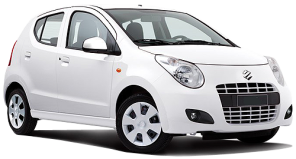
MiniSuzuki Alto or Similar
From
$43.47
/day
|
|
|||
CompactVolkswagen Golf or Similar
From
$65.01
/day
|

|
|||
IntermediateHyundai Accent or Similar
From
$59.62
/day
|

|
|||
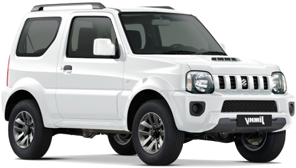
Economy SuvSuzuki Jimny or Similar
From
$65.55
/day
|
|
|||
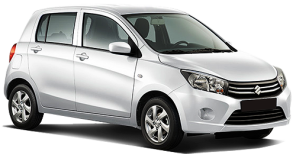
Economy EliteSuzuki Celerio or Similar
From
$46.16
/day
|
|
|||
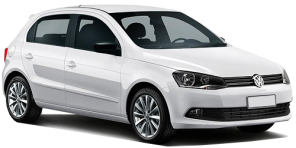
CompactVolkswagen Gol or Similar
From
$68.76
/day
|
|
|||
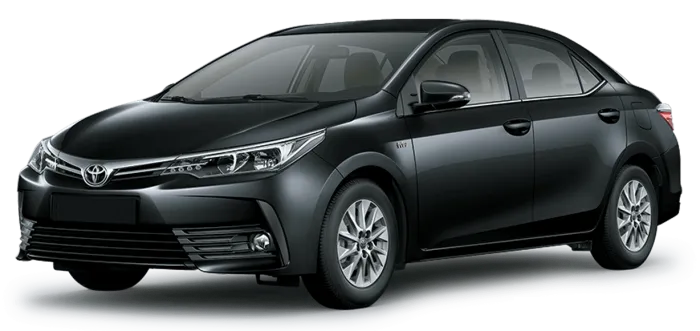
Compact EliteToyota Corolla or Similar
From
$74.08
/day
|

|
|||
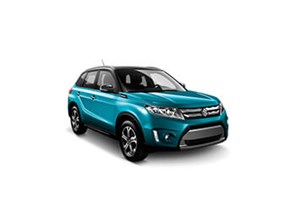
Intermediate Elite SuvSuzuki Grand Vitara or Similar
From
$75.78
/day
|
|
|||
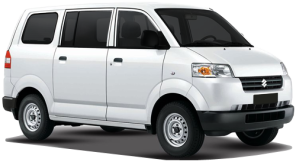
Premium VanSuzuki Turismo or Similar
From
$89.24
/day
|
|
|||
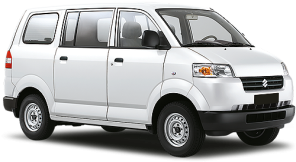
Premium VanSuzuki APV or Similar
From
$94.55
/day
|
|
|||
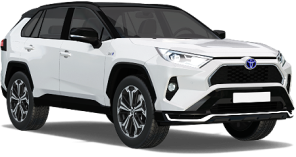
Standard Elite SuvToyota RAV4 or Similar
From
$98.39
/day
|
|
|||
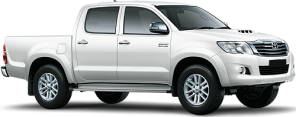
Special Regular Cab PickupToyota Hilux or Similar
From
$110.77
/day
|
|
|||
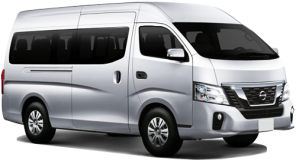
Oversized VanNissan Urvan or Similar
From
$121.01
/day
|
|
|||
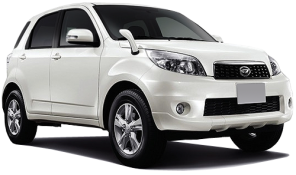
Full-size CrossoverToyota Rush or Similar
From
$121.01
/day
|
|
|||
Special VanHyundai H-1 or Similar
From
$126.64
/day
|

|
|||
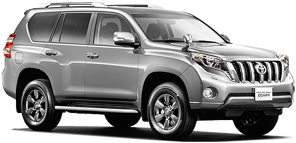
Full-sizeToyota Land Cruiser Prado or Similar
From
$129.62
/day
|
|
|||
Standard SuvHyundai Santa Fe or Similar
From
$140.39
/day
|

|
|||
Our Features
Discover a world of convenience, safety, and customization, paving the way for unforgettable adventures and seamless mobility solutions.
Flexible Filter Options
Refine your search results with powerful filters to quickly find the perfect rental car for your travel needs.
Instant Booking Confirmation
Get immediate confirmation for most rentals with real-time vehicle availability.
Easy Booking Management
Manage, modify, or cancel your booking easily through your confirmation link or account.
One-Way Rentals
Pick up your rental car in one city and drop it off in another, perfect for road trips and multi-city travel.
Multiple Currency Support
View prices and pay in various currencies for a convenient global booking experience.
Mobile Optimized Booking
Search and book rental cars easily from any smartphone or tablet with our mobile-friendly platform.
Santa Cruz, Bolivia Car Rental Facts
Essential information on the best deals, rental providers, and vehicle options in Santa Cruz, Bolivia.
Most Popular Agencies
Avis leads Trelew with 35% market share, serving visitors heading to the Valdes Peninsula and Punta Tombo penguin colonies.
Popular Car Types
SUVs dominate at 50% for navigating Patagonian gravel roads to wildlife reserves. Pickup trucks popular for rural exploration.
Average Rental Duration
Trelew rentals average 4-5 days, combining Valdes Peninsula whale watching (seasonal), Punta Tombo penguin colonies, and Welsh heritage sites in Gaiman. (Based on 2,100+ local pickups)
Most Popular Models
The Toyota Hilux leads for its durability on Patagonian roads. Ford Ranger favored for wildlife reserve access.
Average Daily Price
Trelew rates average $48/day. Whale season (June-December) sees higher demand with weekly rentals from $290.
How much does it cost to rent a car at Santa Cruz, Bolivia?
Averaging the lowest prices for the economy car category, the data below shows prices for monthly comparisons.
Cheapest Month Average
JunMost Expensive Month
JanYearly Average Price
Trelew Welsh heritage and paleontology. Summer peak for tourism. Book 2 months ahead.
Driving Laws & Information for Bolivia
Essential driving rules and requirements to know when renting a car
Driving Side
Right
Minimum Age
18 to drive
Blood Alcohol Limit
0.05% maximum
IDP Required?
Yes International Driving Permit
Speed Units
km/h
Seat Belt
Required
Toll Roads
No
Emergency
911 emergency number
Car Rental Santa Cruz, Bolivia Guide
Renting a car in Santa Cruz, Bolivia, is often the key that unlocks the full potential of this vibrant and sprawling region. While the city itself has a reliable and incredibly cheap public transport system of micro-buses and taxis, these options can be confusing for international travelers and time-consuming for reaching destinations outside the city center. A rental car provides the autonomy to navigate the city's vast layout at your own pace and, more importantly, to escape into the stunning landscapes of the surrounding department. From the agricultural heartlands to the wildlife-rich areas of the Beni, having your own vehicle transforms a trip to Santa Cruz from a simple city visit into a true Bolivian adventure.
The primary decision for most travelers is where to pick up their vehicle. The most convenient location is Viru Viru International Airport (VVI), about 20 minutes from the city center. This allows you to drive directly to your hotel upon arrival. However, this convenience comes with a premium; airport locations often include a surcharge added to the base rental rate. Alternatively, picking up a car from an agency in the city center, particularly around the main square (Plaza 24 de Septiembre) or along the Avenida San Martín, can save you money and the hassle of returning to the airport. The trade-off is the need to arrange transportation from the airport to the city upon arrival. Money-Saving Tip: If your flight arrives early in the day, consider taking a taxi (around $20-25 USD) to a city-center rental office. You'll likely save the airport surcharge and can immediately start exploring the city before beginning your road trip the next morning.
| Pickup Location | Pros & Cons |
|---|---|
| Viru Viru Int'l Airport (VVI) | Pro: Maximum convenience upon arrival. Con: Higher prices due to airport fees and surcharges. Pro: Wide selection of major international companies. |
| El Trompillo Airport (SRZ) | Pro: Closer to the city center, often lower surcharges than VVI. Con: Smaller selection of cars and rental desks. |
| Santa Cruz City Center | Pro: Most affordable option. Allows for city exploration before departure. Con: Requires transport from the airport to the city to pick up the car. |
Car Rentals Requirements in Santa Cruz, Bolivia
Before you can hit the road, you must meet the legal and company-specific requirements to rent a car in Bolivia. The process is generally straightforward, but being prepared with the correct documents is essential to avoid any delays or disappointments at the rental counter. Bolivian rental companies are diligent about documentation, and they operate under strict liability laws, so expect a thorough check.
The standard requirements include a valid passport, a valid driver's license from your country of origin, and a major credit card in the driver's name. The minimum age to rent a car is typically 25, though some companies may rent to drivers between 21-24 for an additional "young driver" fee. A valid International Driving Permit (IDP) is highly recommended, even if not strictly required by Bolivian law for short-term tourists with a valid license from their home country. Many rental agencies will ask for an IDP as a standard part of their process, as it provides a Spanish translation of your credentials. Having one simplifies interactions and is a crucial safeguard if you are stopped by the police.
| Requirement | Details |
|---|---|
| Minimum Age | Usually 25. Drivers 21-24 may be accepted with a surcharge. |
| Driver's License | Valid license from your country of origin. An IDP is strongly recommended. |
| International Permit | Highly recommended. Acts as an official Spanish translation and is often requested by rental companies. |
| Credit Card | Required in the main driver's name for the security deposit. Debit cards are rarely accepted for the hold. |
| Passport | Mandatory for identification and to verify your immigration status. |
| Insurance | Basic Third-Party Liability (SOAT) is mandatory and often included. Collision Damage Waiver (CDW) is optional but highly advised. |
Why Rent a Car in Santa Cruz, Bolivia
Santa Cruz is a city of immense scale and the gateway to some of Bolivia's most diverse ecosystems. While the city's core is walkable, the major attractions, restaurants, and commercial areas are spread across a vast urban area. Relying on taxis or buses for every trip can become tiresome and limit your spontaneity. Renting a car gives you the freedom to create your own itinerary, whether that's visiting a remote estancia, hunting for the best salteñas across town, or simply having the flexibility to stop at a roadside fruit stand on a whim.
Beyond the city limits, the real magic begins. The department of Santa Cruz is enormous, encompassing the rugged Chaco region, the lush Amazon basin, and the missionary circuit of Chiquitania. These destinations are poorly connected by public transport, which often involves infrequent buses and long waits in small towns. With a rental car, you can connect these dots seamlessly, turning a logistical nightmare into one of the most rewarding road-tripping experiences in South America. The sense of discovery as you drive through vast cattle ranches and approach the Jesuit missions is unparalleled.
- Unmatched Freedom: Explore remote villages and natural attractions not serviced by tour buses.
- Scenic Drives: Experience the dramatic transition from tropical lowlands to the foothills of the Andes.
- Family Convenience: Travel comfortably with children, car seats, and luggage without the hassle of public transport.
- Access to National Parks: Reach the entrances of parks like Amboró and Noel Kempff Mercado on your own schedule.
- Visit Jesuit Missions: Easily tour the chain of historic mission towns (Chiquitania) scattered across the department.
- Gastronomic Exploration: Drive to unique culinary spots, like traditional churrasquerías on the outskirts of the city.
Best Car Rental Companies in Santa Cruz, Bolivia
Travelers to Santa Cruz have a solid choice between well-known international brands and reliable local suppliers. The international companies offer the comfort of familiarity, loyalty programs, and often, newer fleets. Local companies can sometimes provide better rates and more personalized service, but it's crucial to inspect their vehicles and terms carefully. Regardless of where you book, always read the reviews focusing on the condition of the cars and the transparency of the final charges.
Major international brands with a strong presence at Viru Viru Airport and in the city include Hertz, Avis, and Budget. You'll also find Europcar and Localiza, a major South American player. For competitive pricing, it's wise to use a comparison website to get an overview, but always cross-check the total price, including all insurances and fees, with the terms and conditions. Booking directly with the rental company can sometimes unlock promotional codes or include additional drivers for free.
| Company | Price Level | Pros |
|---|---|---|
| Hertz | Medium / High | Widely available, reliable fleet, good for airport pickups. |
| Avis | Medium / High | Professional service, strong loyalty program options. |
| Budget | Medium | Often more competitive pricing than Hertz/Avis, good for value. |
| Localiza | Medium | Well-regarded South American chain, good local knowledge. |
| Europcar | Medium | Solid international option with a good presence in the city. |
| Local Agencies | Low / Medium | Potentially lower prices, more flexible negotiation, but research is key. |
Popular Car Rental Categories & Prices in Santa Cruz, Bolivia
The type of vehicle you rent in Santa Cruz should be dictated by your itinerary. For navigating the city streets and driving on the main highways to Cochabamba or the Chilean border, a compact or economy car is perfectly adequate and the most fuel-efficient choice. However, if your plans involve venturing onto the dirt roads leading to the missions or into the Chaco, a sturdy SUV or a pickup truck with high ground clearance is non-negotiable. The rainy season (December to March) can turn unpaved roads into muddy tracks, making a 4x4 essential for any off-highway exploration.
Popular models you'll commonly see in rental fleets include the Toyota Corolla and Suzuki Swift for sedans, and the Toyota Rav4, Suzuki Vitara, or Mitsubishi Montero Sport for SUVs. For larger groups, a Hyundai H-1 van is a common sight. Car rental prices in Santa Cruz are heavily influenced by demand. The high season, which includes the Bolivian winter school holidays (July) and major festivals like Carnival (February/March), sees prices spike. The low season (May-June and September-November) generally offers the best deals.
| Car Category | Average Daily Price (USD) |
|---|---|
| Small Cars (e.g., Suzuki Swift) | $35 - $55 |
| Medium Cars (e.g., Toyota Corolla) | $50 - $75 |
| SUVs (e.g., Suzuki Vitara) | $70 - $120 |
| Vans (e.g., Hyundai H-1) | $90 - $150 |
| Luxury/4x4 (e.g., Toyota Hilux) | $100 - $180+ |
| Pricing Factor | Details |
|---|---|
| Cheapest Month | May or September |
| Most Expensive Month | July or February (Carnival) |
| Average Rental Price | $60 - $80 per day for a standard car |
| A Good Deal | $40 per day for an economy car in low season |
| Cheapest Supplier | Often smaller local agencies or Budget |
| Cheapest Car Type | Economy/Compact cars (e.g., Suzuki Alto) |
Road Trips from Santa Cruz, Bolivia
Santa Cruz is the perfect starting point for several unforgettable road trips. The well-maintained highways and the breathtaking scenery make every journey an adventure. Here are some of the most popular routes:
- Santa Cruz to Samaipata: A 2-3 hour drive (approx. 75 miles/120 km) west on a good paved road (Route 7). The road climbs into the Andean foothills, offering stunning views. The highlight is El Fuerte de Samaipata, a UNESCO World Heritage site with pre-Inca carvings on a massive rock, and the charming town itself with its relaxed vibe.
- The Chiquitania Mission Circuit: A multi-day trip heading east on Route 4. Drive to San José de Chiquitos (4-5 hours), then continue to the beautifully restored Jesuit missions of Concepción, San Ignacio, and Santa Ana. The total loop can be 500+ miles (800+ km) of paved and good gravel roads, perfect for exploring Bolivia's colonial history.
- Santa Cruz to Lomas de Arena: A short half-day trip. Drive about 15 miles (25 km) south of the city. The road is paved but the last section is a well-traveled dirt track. You'll arrive at a stunning desert landscape of massive sand dunes right in the middle of the tropics—a surreal natural wonder.
- Santa Cruz to Buena Vista / Amboró National Park: Head west on Route 7 for about 56 miles (90 km) to the town of Buena Vista (approx. 1.5 hours). This is the gateway to the northern sector of Amboró National Park, a biodiversity hotspot. From here, you can drive to various lodges and trailheads to explore the cloud forest.
- Santa Cruz to Trinidad: For the truly adventurous, drive north on Route 9. This is a long journey (approx. 370 miles/600 km) that can take 10-12 hours, with long sections of paved road followed by significant gravel stretches. It's the route into the Bolivian Amazon, leading to the city of Trinidad and the pampas, famous for wildlife like pink river dolphins and capybaras.
Driving Rules in Santa Cruz, Bolivia
Driving in Bolivia requires alertness and adaptability. The rules of the road can feel more like guidelines, and drivers are often assertive. The most important thing is to drive defensively, be predictable, and remain calm. Understanding the local norms is just as important as knowing the official laws. In the city, be prepared for motorcycles weaving through traffic and frequent speed bumps, or "lomos de burro," which are often unmarked.
The official rules are straightforward. You drive on the right-hand side and overtake on the left. Seatbelts are mandatory for all passengers. Child seat laws exist, but enforcement is lax; however, for safety, it is highly recommended to bring or rent one. The legal blood alcohol limit is very low (effectively zero tolerance), and police checks for sobriety are common, especially at night. Road conditions vary dramatically: main highways are generally good, but secondary roads can quickly deteriorate, especially in the rain. While not legally required for all rentals, having a vehicle with good ground clearance is a practical necessity for many destinations.
| Rule | Detail |
|---|---|
| Driving Side | Right |
| Speed Limit (City) | 40-60 km/h (25-37 mph) |
| Speed Limit (Highway) | 80-100 km/h (50-62 mph) |
| Blood Alcohol Limit | 0.0% (Strictly enforced) |
| Seatbelts | Mandatory for all occupants |
| Child Seats | Required by law; bring your own to guarantee safety. |
Toll Roads in Santa Cruz, Bolivia
Toll roads in the Santa Cruz area are relatively few but are strategically placed on major routes. The most common tolls you'll encounter are the ones on the main highway leading out of the city towards Cochabamba (Route 7) and on the road to the airport. These are not expensive, typically costing between Bs. 5 and Bs. 15 (less than $2-3 USD). They are manned booths that accept cash in Bolivianos, so it's essential to always carry small bills and coins in the local currency. There is no electronic toll collection system like a "pass," so payment is always made in cash at the barrier. Factor in a few small stops and minimal costs when planning your journey out of the city.
Parking in Santa Cruz, Bolivia
Parking in Santa Cruz is generally easier and cheaper than in many other South American capitals. The city is built on a grid system, and you'll find ample street parking, especially in the residential and commercial zones outside of the very core. However, in the busy city center around the plaza, street parking is often limited to 30 minutes or 1 hour and is monitored by parking attendants (often informal) who expect a small tip of Bs. 2-5 for watching your car. For longer stops, the safest option is to use a secure parking garage, or "parqueo." These are plentiful, often located in the lobbies of office and apartment buildings, and charge a reasonable hourly or daily rate (around $1-2 USD per hour). Never leave valuables visible in your car, and always opt for a paid, attended lot overnight.
Tips for Car Rental in Santa Cruz, Bolivia
Arming yourself with local knowledge before you pick up the keys can save you money, stress, and ensure a smoother adventure. Here are some practical tips from the road:
- Book Early for the Best Deals: Especially if you are traveling during peak season (July, Carnival), secure your vehicle weeks or months in advance to get a better rate and ensure availability.
- Consider an SUV: Even if you think you'll stick to highways, Bolivia's roads can be unpredictable. An SUV provides peace of mind and comfort on the inevitable bumpy stretches.
- Inspect the Vehicle Thoroughly: Before driving off, check every scratch, dent, and mechanical feature. Take dated photos and videos of the entire car, and ensure any damage is noted on the rental contract. This is your best defense against disputes later.
- Understand Your Insurance: Do not skimp on insurance. Ensure you have robust coverage. Check if your credit card offers rental car insurance, but confirm its terms in Bolivia, as some cards exclude certain countries.
- Choose the Right Fuel Policy: The standard is "full-to-full." This is the fairest policy—you pay for the fuel you use. Avoid "pre-purchase" options where you pay for a full tank upfront, as you're unlikely to use every last drop.
- Carry Cash in Bolivianos: For tolls, parking attendants, and informal police checkpoints (though you should never pay a bribe), having small denominations of local currency is invaluable.
- Learn Basic Spanish Phrases: Knowing simple terms like "dónde está la gasolinera?" (where is the gas station?) or "tengo una reserva" (I have a reservation) will greatly improve your interactions.
Common Car Rental Mistakes Travelers Make
Even seasoned travelers can fall into traps when renting a car abroad. Being aware of these common pitfalls will help you navigate the process in Santa Cruz with confidence and avoid unnecessary costs or complications.
- Not Buying Enough Insurance: Assuming your personal policy covers everything. The deductible on the basic CDW can be huge. Paying extra for full coverage or zero excess can save you thousands in case of a minor accident.
- Skipping the Pre-Inspection: Failing to document existing damage is the number one cause of disputes. A small, pre-existing scratch could be blamed on you if you haven't flagged it.
- Ignoring the "No Go" Areas: Taking a 2WD sedan on a road that clearly requires a 4x4. This can lead to getting stuck, damaging the car, and voiding your insurance.
- Assuming All Roads Are Paved: Trusting a map app's suggested route without checking the road surface. Many shortcuts in Bolivia are unpaved and can be impassable in the rain.
- Forgetting to Check the Spare Tire: In a region with rough roads, a flat tire is a real possibility. Before you leave the lot, ensure the car has a spare tire and a jack, and that they are in working order.
- Losing the Rental Agreement: Misplacing the contract or the emergency assistance number. Keep a photo of the contract on your phone for easy access.
Real Travel Experience Renting a Car in Santa Cruz, Bolivia
Last July, I landed at Viru Viru with a vague plan to visit the Jesuit missions. I hadn't booked a car, naively thinking it would be easy. After a chaotic hour at the airport rental desks, the only car left was an expensive, large SUV. I took a taxi into the city instead. The next morning, I walked into a small agency near the plaza. After some friendly haggling in broken Spanish, I secured a sturdy Suzuki Vitara for half the airport price. Driving out of the chaotic city traffic felt terrifying at first, with motorcyclists appearing from nowhere, but as I hit the open road towards San José de Chiquitos, the stress melted away. The freedom of stopping at a tiny roadside stall for fresh cheese and stopping the car just to listen to the howler monkeys in the trees made every bit of the initial hassle worthwhile. It wasn't a luxury vehicle, but it was my ticket to an authentic Bolivia.
International Driving Permit for Travelers Visiting Santa Cruz, Bolivia
For travelers planning to drive in Bolivia, securing an International Driving Permit (IDP) before you leave home is a simple and inexpensive step that can prevent significant headaches. While Bolivian law technically accepts a valid driver's license from your country of origin for tourists for up to 90 days, the reality on the ground is different. Police officers at checkpoints almost always ask for one, and rental car companies frequently require it as part of their standard documentation checklist. The IDP is essentially an official translation of your license into Spanish, which is invaluable during any official interaction.
Obtaining an IDP is straightforward in most countries. In the U.S., you can get one at any AAA or AATA branch office. You'll need to be at least 18, present two passport-sized photos, your valid driver's license, and pay a small fee (around $20 USD). It's valid for one year from the date of issue. Remember, you must carry your original driver's license along with the IDP at all times when driving. The permit alone is not valid. Treat it as a necessary companion document that bridges the language gap and confirms your credentials to local authorities and rental agents, ensuring your journey through Santa Cruz and beyond is as smooth as possible.
Discover More Bolivia Car Rental Destinations
Other Car Rental Locations in Bolivia
Frequently Asked Questions about Car Rental in Santa Cruz
Santa Cruz, Bolivia Car Rental Reviews & Customer Ratings
Read verified customer reviews, ratings, and rental experiences from travelers who booked through Airport Rento.
Overall Rating
No reviews yet for this location. Be the first to share your experience!