Cheap Car Rental La Paz, Bolivia - Compare Deals & Book Instantly
Search and compare car rental prices from trusted global suppliers. Find the best deals instantly.
Why book with us?
-
Wide Fleet
Choose from economy cars, SUVs, luxury vehicles, and more.
-
Free Cancellation
Flexible booking options with free cancellation on most rentals.
-
24/7 Customer Support
Our expert team is available 24/7 to assist you with any questions or concerns.
Compare top international car rental brands and choose the best deal for your trip.








Car Rental Deals in La Paz
Choose from our wide range of vehicles available in La Paz.
MiniSuzuki Alto or Similar
From
$43.47
/day
|

|
|||
CompactVolkswagen Golf or Similar
From
$65.01
/day
|

|
|||
IntermediateHyundai Accent or Similar
From
$59.62
/day
|

|
|||
Economy SuvSuzuki Jimny or Similar
From
$65.55
/day
|

|
|||
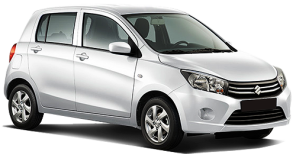
Economy EliteSuzuki Celerio or Similar
From
$46.16
/day
|
|
|||
CompactVolkswagen Gol or Similar
From
$68.76
/day
|

|
|||
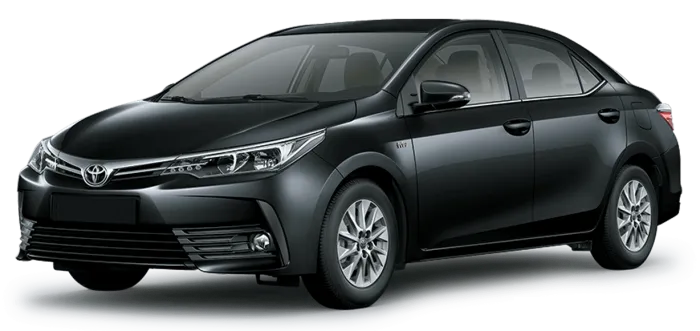
Compact EliteToyota Corolla or Similar
From
$74.08
/day
|

|
|||
Intermediate Elite SuvSuzuki Grand Vitara or Similar
From
$75.78
/day
|

|
|||
Premium VanSuzuki Turismo or Similar
From
$89.24
/day
|

|
|||
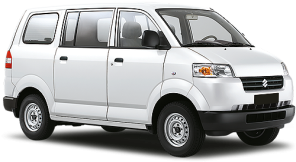
Premium VanSuzuki APV or Similar
From
$94.55
/day
|
|
|||
Standard Elite SuvToyota RAV4 or Similar
From
$98.39
/day
|

|
|||
Special Regular Cab PickupToyota Hilux or Similar
From
$110.77
/day
|

|
|||
Oversized VanNissan Urvan or Similar
From
$121.01
/day
|

|
|||
Full-size CrossoverToyota Rush or Similar
From
$121.01
/day
|

|
|||
Special VanHyundai H-1 or Similar
From
$126.64
/day
|

|
|||
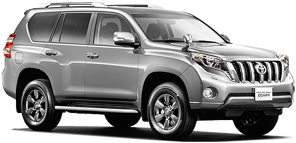
Full-sizeToyota Land Cruiser Prado or Similar
From
$129.62
/day
|
|
|||
Standard SuvHyundai Santa Fe or Similar
From
$140.39
/day
|

|
|||
Our Features
Discover a world of convenience, safety, and customization, paving the way for unforgettable adventures and seamless mobility solutions.
Advanced Search Filters
Easily filter rental cars by price, vehicle type, supplier, fuel policy, mileage options, and customer ratings.
One-Way Rentals
Pick up your rental car in one city and drop it off in another, perfect for road trips and multi-city travel.
Exclusive Online Discounts
Enjoy special online deals and seasonal discounts when booking your car rental through our platform.
Compare Car Rental Prices
Compare rental prices from hundreds of trusted suppliers worldwide to find the best deal for your trip.
Highly Rated Suppliers
We highlight top-rated suppliers based on verified customer reviews and service quality.
Easy Booking Management
Manage, modify, or cancel your booking easily through your confirmation link or account.
La Paz, Bolivia Car Rental Facts
Essential information on the best deals, rental providers, and vehicle options in La Paz, Bolivia.
Most Popular Agencies
Avis leads Trelew with 35% market share, serving visitors heading to the Valdes Peninsula and Punta Tombo penguin colonies.
Popular Car Types
SUVs dominate at 50% for navigating Patagonian gravel roads to wildlife reserves. Pickup trucks popular for rural exploration.
Average Rental Duration
Trelew rentals average 4-5 days, combining Valdes Peninsula whale watching (seasonal), Punta Tombo penguin colonies, and Welsh heritage sites in Gaiman. (Based on 2,100+ local pickups)
Most Popular Models
The Toyota Hilux leads for its durability on Patagonian roads. Ford Ranger favored for wildlife reserve access.
Average Daily Price
Trelew rates average $48/day. Whale season (June-December) sees higher demand with weekly rentals from $290.
How much does it cost to rent a car at La Paz, Bolivia?
Averaging the lowest prices for the economy car category, the data below shows prices for monthly comparisons.
Cheapest Month Average
JunMost Expensive Month
JanYearly Average Price
Trelew Welsh heritage and paleontology. Summer peak for tourism. Book 2 months ahead.
Driving Laws & Information for Bolivia
Essential driving rules and requirements to know when renting a car
Driving Side
Right
Minimum Age
18 to drive
Blood Alcohol Limit
0.05% maximum
IDP Required?
Yes International Driving Permit
Speed Units
km/h
Seat Belt
Required
Toll Roads
No
Emergency
911 emergency number
Car Rental La Paz, Bolivia Guide
Renting a car in La Paz offers intrepid travelers the ultimate key to unlocking the raw, breathtaking beauty of Bolivia's highlands. While the city's core is navigable by cable car (Mi Teleférico) and a dense network of minibuses, these options can be confusing for first-time visitors and don't easily facilitate exploration beyond the city limits. A rental car transforms your trip, granting you the autonomy to chase sunsets over the Andes, visit remote indigenous villages, and traverse the world-famous Yungas Road at your own pace.
The primary decision for pickup is between the airport and the city center. El Alto International Airport (LPB), perched on the rim of the Altiplano above La Paz, is a convenient starting point, especially if you plan to head directly out of the city. However, be aware that airport locations often incur a surcharge, which can add 10-15% to your base rental cost. Picking up from an agency in the city center, such as those in the Sopocachi or Calacoto neighborhoods, might save you this fee but requires arranging a taxi or ride-share to get there with your luggage. Major international brands like Hertz, Localiza, and Budget have a presence, alongside reliable local agencies like Óscar Rent a Car. For significant savings, consider booking a car for a multi-day rental from the city center and using a taxi for your initial airport transfer.
| Pickup Location | Pros & Cons |
|---|---|
| El Alto Int'l Airport (LPB) | Pros: Immediate access to your vehicle upon arrival, ideal for starting road trips. Cons: Higher rental rates due to airport concession fees, limited agency selection, and you begin your journey in the chaotic traffic of El Alto. |
| La Paz City Center (e.g., Sopocachi) | Pros: Often lower base prices, more agency options, and you can acclimate to the altitude before driving. Cons: Requires transport from the airport, and navigating one-way systems to leave the city can be tricky. |
Car Rentals Requirements in La Paz, Bolivia
Understanding the paperwork before you travel is crucial for a smooth rental experience in Bolivia. The requirements are strict, and failing to meet them at the rental counter can derail your plans. You must present a valid, full driver's license from your country of origin. For most nationalities, this is accepted for up to 90 days, but it is highly recommended to also obtain an International Driving Permit (IDP) as a formality and a universally recognized translation of your license.
The minimum age to rent a car in Bolivia is typically 25, though some agencies may rent to drivers between 21-24 for an additional "young driver" surcharge. A major credit card in the main driver's name is mandatory for the security deposit; debit cards are rarely accepted for this purpose. You will also need to present your passport. Basic third-party liability insurance (SOAT) is included by law, but this offers minimal coverage. Rental companies will strongly encourage you to purchase additional Collision Damage Waiver (CDW) and Theft Protection to reduce your financial liability in case of an accident or break-in.
| Requirement | Details |
|---|---|
| Minimum Age | 25 (Young driver surcharge 21-24) |
| Driver's License | Valid license from country of residence |
| International Driving Permit | Highly recommended, though not always mandatory |
| Credit Card | Required for the security deposit (in driver's name) |
| Passport | Mandatory for identification |
Why Rent a Car in La Paz, Bolivia
While the city of La Paz pulses with life and its famous red cable cars offer spectacular views, the true magic of the region lies beyond the city's bowl. A rental car is not just a convenience; it's the essential tool for a deep and personal exploration of the surrounding altiplano and cloud forests. It frees you from fixed tour schedules, allowing you to linger at a roadside market, wait for the perfect light on a mountain peak, or discover a hidden valley not mentioned in any guidebook.
For families or small groups, the cost-effectiveness and flexibility of a rental car become even more apparent. Hiring private transport for multiple days can be exorbitant, and joining group tours means compromising on itinerary. With your own vehicle, you can tailor the journey to your interests, whether that's mountain biking down the "World's Most Dangerous Road," visiting the pre-Incan ruins of Tiwanaku, or simply enjoying a picnic overlooking the otherworldly Valle de la Luna. The sense of adventure and independence is unparalleled.
- Unparalleled Freedom: Create your own itinerary, stop wherever you want, and travel at your own rhythm.
- Access Remote Areas: Explore beyond the tourist trail to villages, viewpoints, and natural wonders inaccessible by public transport.
- Scenic Drives: Experience the dramatic transition from the stark, high-altitude Altiplano to the lush, green Yungas valleys.
- Cost-Effective for Groups: Splitting the rental and fuel costs among 3-5 people often beats paying for multiple tours or private drivers.
- Convenience & Comfort: Travel with your gear, avoid crowded minibuses, and have a safe space at high altitudes to rest.
- Visit Tiwanaku: Drive directly to this ancient archaeological site, a UNESCO World Heritage candidate, on your own schedule.
Best Car Rental Companies in La Paz, Bolivia
Travelers to La Paz have a solid mix of familiar international brands and established local companies to choose from. The international giants offer the reassurance of global standards, loyalty programs, and reliable vehicles, but often at a premium price. Local companies, on the other hand, can provide more personalized service and competitive rates, and their staff often have intimate knowledge of local driving conditions and routes. It is always advisable to book in advance, especially during the peak tourist season from May to October.
While you can book directly, using a well-known comparison website allows you to scan the offerings of both international and local agencies side-by-side, ensuring you get the best balance of price, vehicle, and insurance coverage for your needs. Pay close attention to the included mileage and the specific excess (deductible) amounts for different insurance packages. Always read the latest online reviews for the specific rental location in La Paz to gauge customer service experiences.
| Company | Price Level | Pros |
|---|---|---|
| Hertz | High | Global reliability, well-maintained fleet, good for corporate travelers. |
| Localiza | Medium | Strong South American presence, competitive rates, modern vehicles. |
| Budget | Medium | Good value, convenient airport location, wide range of vehicles. |
| Óscar Rent a Car | Low-Medium | Popular local agency, flexible service, often lower prices, good local knowledge. |
| Ecoavia | Medium | Specializes in 4x4 vehicles ideal for tougher terrains, excellent for adventure travelers. |
Popular Car Rental Categories & Prices in La Paz, Bolivia
The type of vehicle you choose will significantly impact your experience. For navigating the steep, cobbled streets of the city center and cruising on the highway to Tiwanaku, a small, fuel-efficient economy car like a Toyota Agya or Suzuki Alto is perfect. However, for venturing into the Yungas or exploring the rough tracks of the Altiplano, a SUV or 4x4 (such as a Toyota Hilux or Suzuki Vitara) is not just a luxury but a necessity for ground clearance and safety. Larger groups or families will appreciate the space of a minivan.
Prices fluctuate dramatically with the seasons. The dry season (May-October) is the high tourist season, and prices for SUVs and 4x4s can spike by 30-50% due to demand. The wet season (November-March) offers lower prices, though some unpaved roads may become challenging or impassable. Prices also rise around national holidays like Carnival (February/March) and Independence Day (August 6th).
| Car Category | Average Daily Price (USD) |
|---|---|
| Small Cars (e.g., Toyota Agya) | $45 - $65 |
| Medium Cars (e.g., Toyota Corolla) | $60 - $85 |
| SUVs (e.g., Suzuki Vitara) | $80 - $120 |
| Vans (e.g., Kia Carnival) | $100 - $150 |
| Luxury/4x4 Trucks (e.g., Toyota Hilux) | $110 - $180+ |
| Metric | Details |
|---|---|
| Cheapest Month | February (during the wet season, excluding Carnival) |
| Most Expensive Month | July (peak of the dry season/Andean winter) |
| Average Price | $70 - $90 per day for a standard SUV |
| A Good Deal | $55 per day for a small car with full insurance |
| Cheapest Supplier | Often local agencies like Óscar Rent a Car |
| Cheapest Car Type | Economy/Small cars (manual transmission) |
Road Trips from La Paz, Bolivia
La Paz is the perfect launching pad for some of Bolivia's most iconic road trips. Each route offers a distinct landscape and cultural experience, from ancient ruins to adrenaline-pumping descents. Here are a few essential drives:
- La Paz to Tiwanaku & Lake Titicaca: A 2-3 hour drive (approx. 70 km) west on Route 2 leads to the awe-inspiring pre-Columbian ruins of Tiwanaku. Continue north to the town of Tiquina, where you take a short ferry across a strait of Lake Titicaca, and finally arrive at the lakeside town of Copacabana. Highlights: The Akapana pyramid, Gateway of the Sun, and the Basilica of Copacabana.
- The Coroico Road (Yungas Road): This is the famous 3-4 hour drive (approx. 80 km) from the high-altitude La Paz down to the warm, humid Yungas region. The "North Yungas Road" is now mostly paved, but still offers dramatic cliffside views. Your destination is the charming town of Coroico, a haven of cloud forests and coffee plantations. Highlights: Breathtaking changes in ecosystems, stunning viewpoints, and relaxing in Coroico's pools.
- La Paz to Uyuni Salt Flats (via Oruro): An epic multi-day journey (8-10 hours driving, approx. 550 km) south. The first leg is on the altiplano to Oruro, a mining town. From there, continue south to Uyuni, the gateway to the world's largest salt flat. This is a long drive on mostly straight, high-altitude roads. Highlights: The endless altiplano landscape, the Uyuni Salt Flat, and Train Cemetery.
- La Paz to Sorata: Head northeast for a 3-4 hour drive (approx. 110 km) to the "Pearl of the Andes." Nestled in a valley at the foot of the Illampu mountain, Sorata is a tranquil escape with a slower pace of life. The road is paved but winding as it descends from the altiplano. Highlights: Hiking around the valley, visiting the San Pedro cave system, and stunning mountain views.
Driving Rules in La Paz, Bolivia
Driving in Bolivia requires focus, patience, and an understanding of local customs. The rules of the road are often treated as guidelines, and defensive driving is essential. Be prepared for drivers, pedestrians, and stray animals to act unpredictably. Always carry your driver's license, IDP, passport, and rental documents with you, as police checkpoints are common, especially on roads leading out of the city.
In Bolivia, you drive on the right-hand side. Seatbelts are mandatory for all passengers, and children under 12 are not permitted in the front seat. Strict laws prohibit driving under the influence of alcohol, with a zero-tolerance policy. Road conditions vary dramatically; highways are generally paved, but secondary roads can be rough, unpaved gravel or dirt. Between November and March, many roads can become slippery or blocked by mudslides. While winter tire laws aren't strictly enforced in the city, if you're heading to higher mountain passes during the dry season (June-August), be prepared for icy patches.
| Rule | Limit / Details |
|---|---|
| Urban Speed Limit | 40 km/h (25 mph) |
| Rural Road Limit | 60-80 km/h (37-50 mph) unless otherwise signed |
| Highway Limit | 100 km/h (62 mph) |
| Blood Alcohol Limit | 0.0% (Zero Tolerance) |
| Child Seat Law | Required for young children; booster seats common. |
Toll Roads in La Paz, Bolivia
There are very few toll roads in and around La Paz itself. You will encounter the occasional small toll booth (peaje) on major highways leading out of the city, such as the road to Copacabana or towards the Yungas. These tolls are incredibly inexpensive, usually costing the equivalent of less than $1 USD. They are typically cash-only, so it's wise to keep a stash of small Boliviano coins and notes (Bs. 5 and Bs. 10) in the car. There are no complex electronic toll systems for standard rental cars to worry about. The main financial considerations for driving will be fuel and parking, not tolls.
Parking in La Paz, Bolivia
Parking in central La Paz can be a challenge. Street parking is plentiful but comes with its own set of rules. In many areas, you will encounter informal parking attendants ("cuidadores") who will watch your car for a small tip (Bs. 2-5). While not official, it is customary to pay them for the peace of mind. Always ensure you are not blocking a driveway or parked in a clearly marked restricted zone, as police do ticket and tow.
For longer stops or overnight parking, it is highly recommended to use a secure, paid parking garage (parqueo). These can be found throughout the city, particularly in the Sopocachi and central business districts. Rates are reasonable, typically around Bs. 10-15 per hour or a set fee for overnight. When staying at a hotel, always inquire if they offer secure off-street parking for guests, as this is the safest option for your vehicle.
Tips for Car Rental in La Paz, Bolivia
- Book Well in Advance: To secure the best rates and your preferred vehicle, especially a 4x4 during the dry season (May-October), book at least a few weeks ahead.
- Consider City Center Pickup: Avoid the airport surcharge by picking up your car from a downtown agency. A taxi to the city is cheap and saves you money.
- Inspect the Vehicle Thoroughly: Before driving off, do a complete video walk-around of the car with the agent, noting every scratch, dent, and mechanical issue. Make sure any damage is documented on your contract.
- Choose the Right Insurance: Don't skimp on insurance. The basic coverage is minimal. Opt for a full package that reduces your excess to zero for complete peace of mind against accidents and theft.
- Check the Fuel Policy: Most rentals are provided with a full tank and should be returned the same way. Confirm this and locate a reliable gas station (estación de servicio) near your drop-off point.
- Opt for a 4x4 if in Doubt: If your plans include any travel outside the main paved highways, an SUV or 4x4 with high ground clearance is a wise investment for safety and capability.
Common Car Rental Mistakes Travelers Make
- Not Reading the Fine Print: Failing to understand the insurance excess, mileage limits, or cross-border policies (if taking the car to Peru, for example) can lead to unexpected fees.
- Skipping the Pre-Inspection: Driving off without carefully documenting pre-existing damage is the number one cause of disputes over security deposits upon return.
- Ignoring Local Driving Advice: Assuming driving norms are the same as home. In La Paz, this means missing the cues of traffic police or the hierarchy of the road.
- Underestimating Altitude and Terrain: Attempting a steep, unpaved mountain pass in a small, underpowered city car can be dangerous and damaging to the vehicle.
- Forgetting Small Cash: Not carrying small Boliviano bills and coins for tolls, tips for parking attendants, and small purchases on the road.
- Leaving Valuables in the Car: Especially in plain sight. Always remove all luggage and valuables when parking, even in a guarded lot, to avoid break-ins.
Real Travel Experience Renting a Car in La Paz, Bolivia
"Picking up our rented Suzuki Vitara from a downtown agency felt daunting at first, but the agent was incredibly helpful, marking our route to Coroico on a physical map. The initial climb out of La Paz was a bit nerve-wracking with the sheer drops and heavy truck traffic, but the sense of accomplishment as we crested the pass and saw the clouds below us was immense. We stopped at a tiny roadside stall for fresh fruit, something impossible on a group tour. Getting lost on a side road near Coroico led us to a hidden waterfall and a family who invited us to try their freshly roasted coffee. Driving ourselves turned potential hassles into our most cherished memories of Bolivia."
International Driving Permit for Travelers Visiting La Paz, Bolivia
While Bolivian law officially requires a valid driver's license from your country of origin, obtaining an International Driving Permit (IDP) is a crucial and inexpensive safeguard for any visitor planning to drive. The IDP serves as an official translation of your license into Spanish, the national language of Bolivia. While the rental agency may not always ask for it, a traffic police officer at a roadside checkpoint certainly might. Not having one in such a situation could lead to a fine or complications.
Obtaining an IDP is straightforward and must be done in your home country before you travel. In the US, you can get it at an AAA or AATA branch. In the UK, it's available at the Post Office. You'll need to bring your valid driver's license, two passport-sized photos, and a small fee. The permit is typically valid for one year. It's a small investment that provides significant peace of mind, ensuring that your driving credentials are understood and respected by local authorities throughout your journey in La Paz and beyond.
Car Rental Locations in La Paz
Discover More Bolivia Car Rental Destinations
Other Car Rental Locations in Bolivia
Frequently Asked Questions about Car Rental in La Paz
La Paz, Bolivia Car Rental Reviews & Customer Ratings
Read verified customer reviews, ratings, and rental experiences from travelers who booked through Airport Rento.
Overall Rating
No reviews yet for this location. Be the first to share your experience!