Cheap Car Rental Sucre, Bolivia - Compare Deals & Book Instantly
Search and compare car rental prices from trusted global suppliers. Find the best deals instantly.
Why book with us?
-
Easy Booking
Book your car rental in minutes with a simple and secure process.
-
Wide Fleet
Choose from economy cars, SUVs, luxury vehicles, and more.
-
Free Cancellation
Flexible booking options with free cancellation on most rentals.
Compare top international car rental brands and choose the best deal for your trip.







Car Rental Deals in Sucre
Choose from our wide range of vehicles available in Sucre.
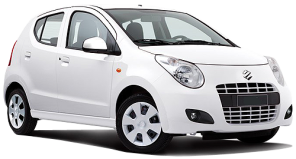
MiniSuzuki Alto or Similar
From
$43.47
/day
|
|
|||
CompactVolkswagen Golf or Similar
From
$65.01
/day
|

|
|||
IntermediateHyundai Accent or Similar
From
$59.62
/day
|

|
|||
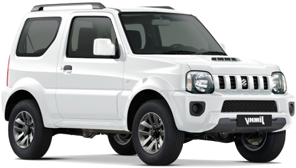
Economy SuvSuzuki Jimny or Similar
From
$65.55
/day
|
|
|||
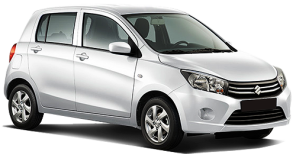
Economy EliteSuzuki Celerio or Similar
From
$46.16
/day
|
|
|||
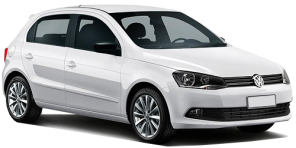
CompactVolkswagen Gol or Similar
From
$68.76
/day
|
|
|||
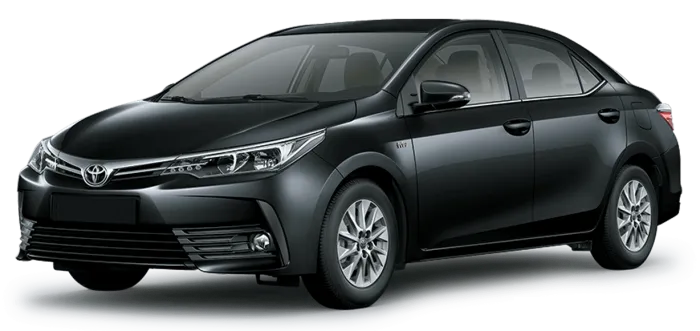
Compact EliteToyota Corolla or Similar
From
$74.08
/day
|

|
|||
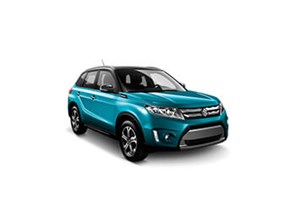
Intermediate Elite SuvSuzuki Grand Vitara or Similar
From
$75.78
/day
|
|
|||
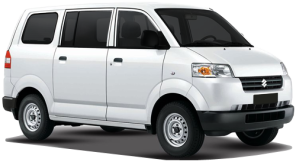
Premium VanSuzuki Turismo or Similar
From
$89.24
/day
|
|
|||
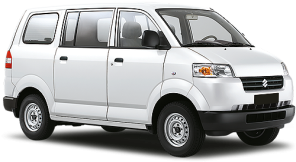
Premium VanSuzuki APV or Similar
From
$94.55
/day
|
|
|||
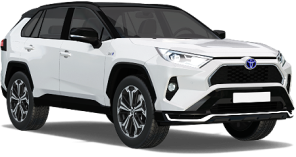
Standard Elite SuvToyota RAV4 or Similar
From
$98.39
/day
|
|
|||
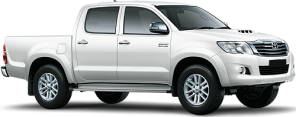
Special Regular Cab PickupToyota Hilux or Similar
From
$110.77
/day
|
|
|||
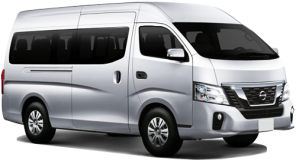
Oversized VanNissan Urvan or Similar
From
$121.01
/day
|
|
|||
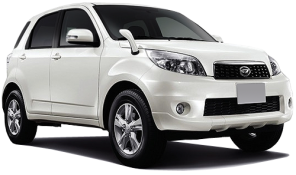
Full-size CrossoverToyota Rush or Similar
From
$121.01
/day
|
|
|||
Special VanHyundai H-1 or Similar
From
$126.64
/day
|

|
|||
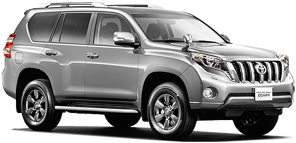
Full-sizeToyota Land Cruiser Prado or Similar
From
$129.62
/day
|
|
|||
Standard SuvHyundai Santa Fe or Similar
From
$140.39
/day
|

|
|||
Our Features
Discover a world of convenience, safety, and customization, paving the way for unforgettable adventures and seamless mobility solutions.
Transparent Comparison
Compare rental companies side-by-side with clear information about pricing, insurance, and included services.
City Center Locations
Access rental cars in downtown locations and popular tourist areas for easy travel during your stay.
Multi-Language Platform
Use our platform in multiple languages, making it easy for travelers from around the world to book rental cars.
Worldwide Locations
Search rental cars in thousands of locations across more than 180 countries and major travel destinations.
Secure Online Booking
Book with confidence using our encrypted booking system that protects your personal and payment information.
Additional Driver Options
Many suppliers allow you to add additional drivers so you can share driving responsibilities.
Sucre, Bolivia Car Rental Facts
Essential information on the best deals, rental providers, and vehicle options in Sucre, Bolivia.
Most Popular Agencies
Localiza serves Sucre, the constitutional capital of Bolivia, catering to tourists exploring the city's whitewashed colonial architecture and the nearby dinosaur footprints at Cal OrckO.
Popular Car Types
Compact cars dominate for navigating the city and the surrounding valleys. SUVs are recommended for trips to the Maragua Crater and the Indigenous communities.
Average Rental Duration
Rentals average 2-4 days, perfect for exploring the city's historic center, visiting the Tarabuco market, and seeing the dinosaur tracks. (Based on 1,300+ local pickups)
Most Popular Models
The Suzuki Swift is a popular compact for its agility. The Toyota Hilux is chosen for its ruggedness on trips to the countryside.
Average Daily Price
Sucre rates average $41/day. SUVs for off-road excursions average $55/day.
How much does it cost to rent a car at Sucre, Bolivia?
Averaging the lowest prices for the economy car category, the data below shows prices for monthly comparisons.
Cheapest Month Average
FebMost Expensive Month
JulYearly Average Price
Note: Sucre constitutional capital. Dry season (May-October) peak. Book 2 months ahead.
Car Rental Sucre, Bolivia Guide
Renting a car in Sucre, Bolivia's constitutional capital and a UNESCO World Heritage site, offers a unique level of freedom that public transport and taxis simply cannot match. While Sucre's charming historic center is wonderfully walkable, having your own vehicle unlocks the stunning landscapes and remote villages of the surrounding Chuquisaca department. Navigating the city's hilly terrain and venturing out to dinosaur footprints or indigenous markets becomes a seamless, personalized adventure. Most travelers pick up their rental cars at the Alcantarí International Airport (SRE), located about 30 kilometers (approx. 45 minutes) from the city center. This is convenient for those flying directly in, but it's essential to factor in the cost and time of the transfer to the city if you don't pick up the car immediately.
Picking up your rental in the city center is another popular option, offering immediate access without the airport surcharge. However, city center offices may have more limited hours and vehicle availability. The advantage of an airport pickup is having your car ready the moment you arrive, saving a separate trip to collect it later. The main disadvantage is the potential for higher fees and the immediate drive into a new city. Major pickup locations are found at SRE airport and at several agencies on or around Avenida Hernando Siles and in the central commercial district. A savvy money-saving tip for Sucre is to check prices for rentals lasting a full week, as the average daily rate often drops significantly compared to shorter, 2-3 day rentals.
| Pickup Location | Advantages |
|---|---|
| Alcantarí Airport (SRE) | Immediate access upon arrival; convenient for starting a road trip right away; often wider selection of vehicles available. |
| Sucre City Center | No airport surcharge; easy to access after settling into your accommodation; closer to the main hotels and plazas. |
Car Rentals Requirements in Sucre, Bolivia
Before you can hit the road in a 4x4 to explore the Maragua Crater, you'll need to ensure your paperwork is in order. The rental process in Bolivia is generally straightforward but requires specific documentation. You must present a valid driver's license from your country of residence, and it must have been held for at least one to two years, depending on the agency. Your valid passport is also mandatory for all renters. A major credit card in the main driver's name is almost universally required to place a substantial security deposit, which can range from $500 to $1,500 USD depending on the vehicle category. Debit cards are rarely accepted for the deposit.
Insurance is a critical component. Basic third-party liability insurance is typically included in the quoted price, but this offers minimal coverage. Most travelers opt for a Collision Damage Waiver (CDW) or a full insurance package to reduce their financial responsibility in case of damage or theft. The minimum age to rent a car in Sucre is usually 25, though some local agencies may rent to drivers aged 21-24 with a young driver surcharge. Regarding an International Driving Permit (IDP), while Bolivian law technically requires one alongside your national license, enforcement at rental counters in Sucre can be inconsistent. However, it is a crucial document to have, especially if you are stopped by the police during a road trip. It provides a standardized translation of your license and can prevent significant fines or complications.
| Requirement | Details |
|---|---|
| Minimum Age | Typically 25 years. Drivers 21-24 may be accepted with a surcharge. |
| Driver's License | Valid license from your country of residence, held for at least 1-2 years. |
| International Driving Permit (IDP) | Highly recommended and required by law, though not always checked by rental agencies. |
| Credit Card | Required in the main driver's name for a significant security deposit. |
| Passport | Mandatory for identification and the rental contract. |
Why Rent a Car in Sucre, Bolivia
Renting a car in Sucre transforms your visit from a simple city tour into an exploration of Bolivia's diverse heartland. While Sucre itself is a pedestrian-friendly city of whitewashed buildings and plazas, the real magic often lies just beyond the city limits. With your own vehicle, you are no longer bound by the schedules of unreliable buses or the limited range of taxis. You can chase the sunset over the Cordillera de los Frailes, stop spontaneously at a roadside market to buy fresh cheese and fruit, or spend as long as you like hiking among the dinosaur tracks at Cal Orck'o. This flexibility is invaluable for photographers, families, and anyone who prefers to travel at their own rhythm.
The convenience for families or small groups is another significant advantage. Lugging suitcases and children onto public transport for day trips can be exhausting. A rental car provides a private, comfortable space with room for snacks, extra layers for the changing highland weather, and all your gear. It often works out more economical than hiring private drivers for multiple excursions. From the moment you pick up your keys, the journey itself becomes a seamless part of the holiday, offering a sense of independence that is hard to replicate by other means.
- Unmatched Freedom: Create your own itinerary and explore remote villages and landscapes at your own pace.
- Access to Hidden Gems: Easily reach attractions like the Cretaceous Park (Cal Orck'o) and the stunning Maragua Crater.
- Scenic Drives: Experience the breathtaking beauty of the Andean valleys and mountains on roads less traveled.
- Family Convenience: Travel comfortably with children, luggage, and supplies without the hassle of public transport.
- Cost-Effective for Groups: Splitting the rental and fuel costs for multiple day trips can be cheaper than multiple taxi or tour bookings.
- Flexibility with Altitude: Stop and acclimatize to the altitude as needed on drives to higher elevation destinations.
Best Car Rental Companies in Sucre, Bolivia
Travelers to Sucur have a solid mix of familiar international brands and reputable local agencies to choose from. International companies like Hertz, Avis, and Budget have a presence, primarily at the airport and in the city, offering the reliability of global customer service standards and well-maintained fleets. You'll also find Europcar and Localiza, a major South American brand. These companies are excellent choices if you value consistency, easy online booking, and the ability to earn loyalty points. For potentially better rates and a more personalized touch, several reliable local suppliers operate in Sucre, often with more flexibility in negotiation.
While major aggregator sites are useful for getting a general price overview, it's often beneficial to compare their final quotes, including all fees, directly with the local offices. This can sometimes uncover a better deal or a more suitable vehicle for the unique roads around Sucre, where a high-clearance vehicle can be a significant advantage. When choosing, pay close attention to what's included in the "Pros" column – a slightly higher price from an international company might include better roadside assistance and a newer car, while a local company might offer a great price on a rugged SUV perfect for the backroads.
| Company | Price Level (Low/Medium/High) | Pros |
|---|---|---|
| Hertz / Avis | Medium/High | Reliable international standards, large fleets, good for premium cars, airport presence. |
| Budget | Medium | Competitive pricing, good selection of economy and intermediate cars, convenient locations. |
| Europcar | Medium | Strong European presence, often good for manual transmission cars, reputable service. |
| Localiza | Medium | Well-known South American brand, extensive network, often has competitive local rates. |
| Local Suppliers | Low/Medium | Potentially lower prices, more negotiation flexibility, deep knowledge of local roads. |
Popular Car Rental Categories & Prices in Sucre, Bolivia
The type of vehicle you choose for your Sucre adventure will significantly impact your experience. For navigating the cobblestone streets of the historic center and taking day trips to closer attractions like the Cal Orck'o dinosaur tracks, a small car is perfectly adequate and the most budget-friendly option. Economy cars like a Chevrolet Spark or a Suzuki Alto are popular for their fuel efficiency and ease of parking in the city's tighter spots. Compact cars, such as a Toyota Yaris or a Kia Rio, offer a bit more room for a small family or extra luggage without a huge jump in price.
However, if your plans include venturing out to the Maragua Crater, the Inkasmayo waterfalls, or any of the remote villages in the Andes, a vehicle with higher ground clearance is not just a luxury—it's a necessity. A compact SUV, like a Toyota Rav4 or a Honda CR-V, provides the perfect balance of off-road capability for unpaved tracks and comfort for highway driving. For larger groups or families, a 7-seater SUV or a minivan is the best choice. Luxury vehicles are available but less common, and are typically used for executive travel rather than rugged exploration. Keep in mind that most cars in Bolivia have manual transmissions; if you require an automatic, you must book well in advance, and it will come at a premium.
Rental prices in Sucre fluctuate with the seasons. The dry winter months (May to October) are considered the high tourist season, with pleasant days and clear skies, leading to peak rental demand and higher prices. The wetter summer months (November to March) see fewer tourists, and prices can drop as a result. Major holidays like Carnival (February/March) and New Year's also see a spike in demand and prices.
| Car Category | Average Daily Price (USD) |
|---|---|
| Small Cars (e.g., Chevrolet Spark) | $35 - $50 |
| Medium Cars (e.g., Toyota Yaris) | $45 - $65 |
| SUVs (e.g., Toyota Rav4) | $70 - $100 |
| Vans / 7-Seaters | $85 - $130 |
| Luxury Cars | $120+ |
| Pricing Factor | Details |
|---|---|
| Cheapest Month | February (rainy season, excluding Carnival week) |
| Most Expensive Month | July (peak dry season for travel) |
| Average Price (Economy Car) | $45 per day |
| A Good Deal | $35 per day for a weekly rental of an economy car in low season |
| Cheapest Supplier Type | Local, independent agencies (booked directly) |
| Cheapest Car Type | Economy or Compact (manual transmission) |
Road Trips from Sucre, Bolivia
- Sucre to The Maragua Crater (Cretácico Park Route): This is a classic day trip. Start in Sucre and head towards the dinosaur footprints. The journey to the village of Maragua involves a challenging but spectacular drive over rough, high-altitude roads. Driving time is approximately 2-3 hours each way, covering 60-70 km. Highlights include the massive dinosaur wall at Cal Orck'o, the otherworldly rock formations of El Molino, and the beautiful, remote village of Maragua itself.
- Sucre to Tarabuco: This is the most popular and easiest road trip from Sucre. Head east on Route 6 for about 65 km. The drive takes roughly 1.5 hours on a paved road through rolling hills. The highlight is the Sunday market in Tarabuco, one of Bolivia's most famous indigenous markets, where the local Yampara people sell vibrant textiles and crafts in their traditional dress.
- Sucre to Potosí: A journey through Bolivia's mining history. Take Route 5 west for approximately 155 km. The drive takes about 2.5 to 3 hours, crossing a high-altitude landscape. The highlight is the city of Potosí itself, a UNESCO World Heritage site, with its imposing Cerro Rico mountain and colonial silver mines.
- The Cordillera de los Frailes Circuit: For a multi-day adventure, this circuit loops through the stunning mountain landscapes east of Sucre. It's a rugged route of unpaved roads best done in a high-clearance 4x4. The drive can take 2-4 days, visiting traditional Quechua villages like Candelaria, Potolo, and Chaunaca, each with unique customs and stunning valley views.
Driving Rules in Sucre, Bolivia
Driving in Bolivia has its own unique character, and understanding the local rules is key to a safe trip. In Bolivia, vehicles drive on the right-hand side of the road. Speed limits are standard but often unmarked, especially in rural areas. In urban zones like Sucre, the limit is generally 40 km/h, on main roads it can be 60 km/h, and on highways it's usually 80 km/h, unless otherwise signed. The blood alcohol limit is strictly enforced at 0.0% for commercial drivers and 0.3 grams per liter for private drivers, so it's safest not to drink any alcohol if you plan to drive.
Seatbelts are mandatory for all passengers, and children under 12 are not permitted to sit in the front seat. The use of child car seats is required by law, but availability is scarce, so you must bring your own or arrange it specifically with the rental company well in advance. Road conditions vary dramatically. The main highways, like the one to Potosí, are generally well-paved, but secondary roads to places like Tarabuco or the Maragua Crater can be a mix of pavement and rough dirt/gravel. During the rainy season (December to March), many unpaved roads can become slippery and challenging. While winter tire laws aren't strictly enforced like in Europe, it's wise to ensure your rental has good all-weather tires, especially if heading into higher elevations where ice or snow is possible.
| Road Type | Speed Limit |
|---|---|
| Urban Zones (City) | 40 km/h (25 mph) |
| Main City Roads | 60 km/h (37 mph) |
| Highways (Rutas) | 80 km/h (50 mph) |
Toll Roads in Sucre, Bolivia
Driving around Sucre and the broader Bolivia is refreshingly inexpensive when it comes to tolls. There are no major toll roads within Sucre itself. The main highways, such as the one connecting Sucre to Potosí, may have a few small toll stations ("peajes"). These are typically very low-cost, often less than $1-2 USD (equivalent to a few Bolivianos). The fees are used for road maintenance. There are no complex electronic toll systems like passes or tags; all tolls are paid in cash at manual booths. It's always a good idea to keep a small supply of Boliviano coins and low-denomination notes in the car for these occasional stops. The process is straightforward—simply stop at the barrier, pay the attendant, and continue.
Parking in Sucre, Bolivia
Parking in Sucre's historic center can be a bit of a puzzle, but it's manageable with a little local knowledge. The beautiful main plaza, Plaza 25 de Mayo, and the surrounding narrow streets are generally pedestrian-friendly zones with restricted vehicle access. You'll find many of the city's streets have designated paid parking zones, often managed by informal "parking attendants" (franeleros) who will watch your car for a small tip (a few Bolivianos). While not official, this is a common practice. For more secure, longer-term parking, there are several public and private parking garages ("parqueos") located on streets just off the main arteries. These are reasonably priced, often costing a few dollars for several hours or overnight.
The biggest parking challenges arise during peak hours and on weekends when the city is bustling with both locals and tourists. Finding a free spot on the street can be time-consuming. A good strategy is to park your car in a secure garage for the day upon arriving in the center, then explore the city on foot. Outside the center, parking is generally much easier and often free. If you're staying in a hotel or hostel, always inquire if they offer private or secure street parking for guests, as this can save you both money and worry.
Tips for Car Rental in Sucre, Bolivia
- Book Well in Advance: Especially if you need an automatic transmission or a specific SUV model, book as early as possible to secure your vehicle, particularly during the dry season (May-October).
- Consider an SUV: For any trips outside the city, a vehicle with high ground clearance is highly recommended. The stunning scenery is often found on rough roads, and you'll be glad for the extra capability.
- Inspect Your Vehicle Thoroughly: Before driving off, do a full walk-around with the rental agent. Take photos and videos of any existing scratches, dents, or issues, and ensure they are noted on the rental contract.
- Understand Your Insurance: Know exactly what your insurance covers. The basic liability is often minimal. Assess your risk and comfort level before deciding whether to purchase the rental company's full CDW or rely on your personal travel insurance.
- Check the Fuel Policy: Most rentals in Sucre operate on a "full-to-full" basis. You pick it up full and return it full. This is almost always the fairest policy. Avoid "pre-purchase" fuel options as they are rarely cost-effective.
- Keep Cash Handy: You'll need small bills and coins for parking attendants, occasional tolls, and buying fuel at rural gas stations that may not accept cards.
- Ask About Road Conditions: Before heading out on a longer road trip, ask your rental agent or your hotel about the current condition of the roads you plan to take. They can provide invaluable, up-to-date local advice.
Common Car Rental Mistakes Travelers Make
- Skipping the International Driving Permit (IDP): While you might get the car without it, being stopped by Bolivian traffic police without an IDP can lead to a hefty on-the-spot fine or worse.
- Underestimating Driving Times: Roads in Bolivia can be slow due to topography, road conditions, and livestock. Don't rely on mapping apps' estimated times; always add a buffer.
- Not Checking for a Spare Tire: Before you leave the rental lot, ensure the vehicle has a spare tire and that the jack and tools are present and in good condition. Blowouts are not uncommon on rough roads.
- Assuming All Roads Are Paved: Many of the most beautiful destinations near Sucre require driving on gravel or dirt roads. Renting a low-clearance sedan for these trips is a common and regrettable mistake.
- Ignoring Local Parking Customs: Refusing to tip a "franelero" who has helped you park might result in your car being "watched over" a little too closely. A small tip is the norm and ensures good will.
- Forgetting Headlights During the Day: It is mandatory in Bolivia to drive with your headlights on at all times, even during the day. Failing to do so is an easy way to get pulled over.
Real Travel Experience Renting a Car in Sucre, Bolivia
"Picking up our rented Suzuki Vitara from a local agency just off the plaza felt like the start of a real adventure. We'd read that an International Driving Permit was essential, and our hunch proved right when a police checkpoint outside Tarabuco asked to see it alongside our UK licenses. The drive itself was incredible—leaving the paved road for the dirt track to the Maragua Crater was a bit nerve-wracking, but the Vitara's high clearance handled the rocky terrain and river crossings with ease. We spent a magical afternoon exploring the crater, completely on our own schedule, far from any tour groups. That evening, finding a 'parqueo' near our hotel in Sucre cost just a couple of dollars, and the car was safe overnight. It was the perfect balance of urban convenience and untamed exploration."
International Driving Permit for Travelers Visiting Sucre, Bolivia
For travelers planning to rent a car in Sucre, the International Driving Permit (IDP) is a document you should not overlook. Bolivian law mandates that all foreign drivers carry a valid IDP alongside their native driver's license. It is essentially a United Nations-regulated translation of your license, recognized by authorities in over 150 countries. While the rental car agency in Sucre may not always ask to see it (as they are focused on the rental contract), the Bolivian traffic police ("Transito") absolutely can and do request it during routine stops or at checkpoints. Not having it can result in a significant fine, which is often demanded on the spot, turning a dream road trip into a bureaucratic headache.
Obtaining an IDP is a straightforward process that must be done in your home country before you travel. In the United States, they are issued by the American Automobile Association (AAA) and the American Automobile Touring Alliance. In the UK, you can get one at any major Post Office. You'll typically need to be at least 18, present two passport-sized photos, your valid driver's license, and pay a small fee. The permit is generally valid for one year from the date of issue. It's a small investment of time and money that provides invaluable peace of mind, ensuring your Bolivian driving adventure remains focused on the stunning landscapes, not legal complications. Remember to keep both your home license and the IDP together whenever you are behind the wheel.