Cheap Car Rental Hamburg, Germany - Compare Deals & Book Instantly
Search and compare car rental prices from trusted global suppliers. Find the best deals instantly.
Why book with us?
-
Wide Fleet
Choose from economy cars, SUVs, luxury vehicles, and more.
-
Free Cancellation
Flexible booking options with free cancellation on most rentals.
-
24/7 Customer Support
Our expert team is available 24/7 to assist you with any questions or concerns.
Compare top international car rental brands and choose the best deal for your trip.








Car Rental Deals in Hamburg
Choose from our wide range of vehicles available in Hamburg.
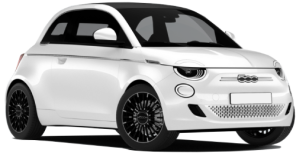
MiniFiat 500 or Similar
From
$16.29
/day
|
|
|||
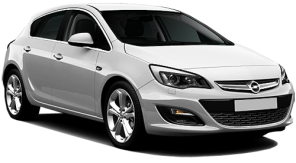
CompactOpel Astra or Similar
From
$17.96
/day
|
|
|||
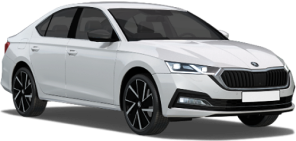
IntermediateSkoda Octavia or Similar
From
$18.39
/day
|
|
|||
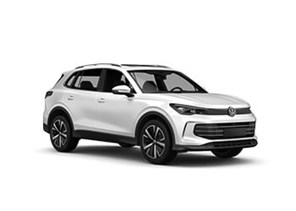
Full-size SuvVolkswagen Tiguan or Similar
From
$23.62
/day
|
|
|||
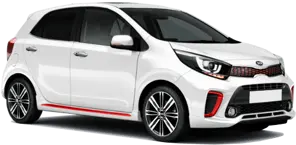
MiniKia Picanto or Similar
From
$16.40
/day
|
|
|||
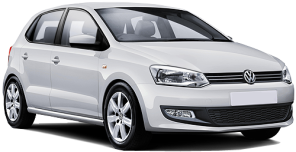
EconomyVolkswagen Polo or Similar
From
$16.90
/day
|
|
|||
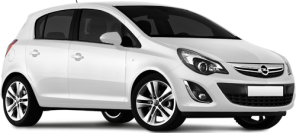
EconomyOpel Corsa or Similar
From
$16.90
/day
|
|
|||
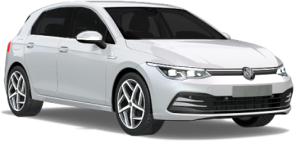
CompactVolkswagen Golf or Similar
From
$19.42
/day
|
|
|||
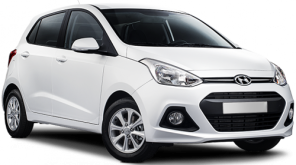
MiniHyundai i10 or Similar
From
$19.46
/day
|
|
|||
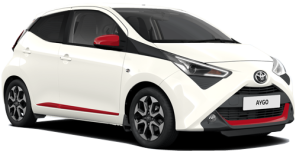
MiniToyota Aygo or Similar
From
$19.46
/day
|
|
|||
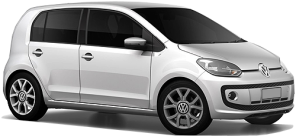
MiniVolkswagen Up or Similar
From
$19.46
/day
|
|
|||
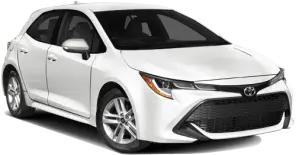
IntermediateToyota Corolla or Similar
From
$19.74
/day
|
|
|||
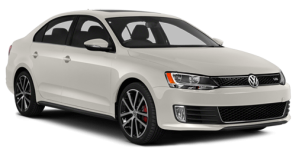
IntermediateVolkswagen Jetta or Similar
From
$20.44
/day
|
|
|||
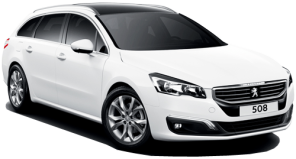
Standard Estate/wagonPeugeot 508 STW or Similar
From
$20.66
/day
|
|
|||
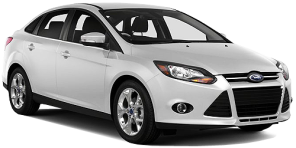
CompactFord Focus or Similar
From
$20.90
/day
|
|
|||
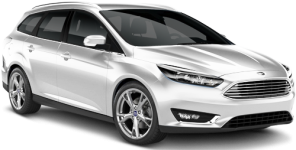
Compact Estate/wagonFord Focus STW or Similar
From
$21.17
/day
|
|
|||
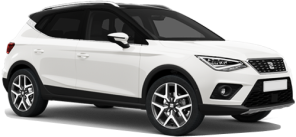
Compact CrossoverSEAT Arona or Similar
From
$21.42
/day
|
|
|||
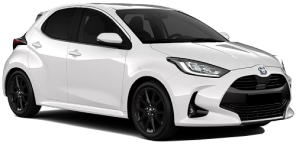
EconomyToyota Yaris or Similar
From
$21.44
/day
|
|
|||
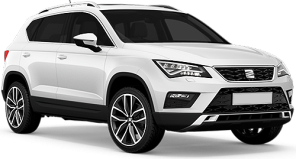
Full-sizeSEAT Ateca or Similar
From
$21.63
/day
|
|
|||
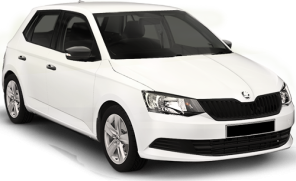
EconomySkoda Fabia or Similar
From
$21.76
/day
|
|
|||
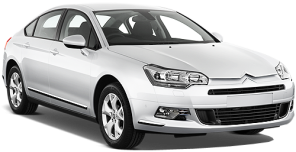
StandardCitroen C5 or Similar
From
$21.77
/day
|
|
|||
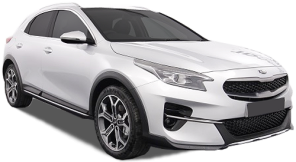
Compact CrossoverKia XCeed or Similar
From
$21.93
/day
|
|
|||
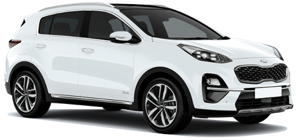
Full-sizeKia Sportage or Similar
From
$21.98
/day
|
|
|||
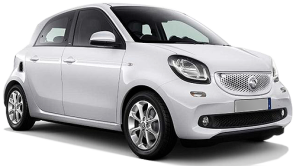
MiniSmart ForFour or Similar
From
$22.05
/day
|
|
|||
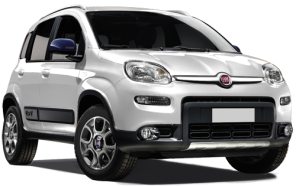
MiniFiat Panda or Similar
From
$22.05
/day
|
|
|||
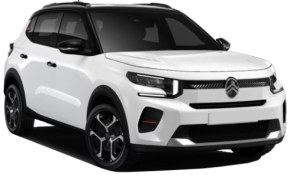
EconomyCitroen C3 or Similar
From
$22.06
/day
|
|
|||
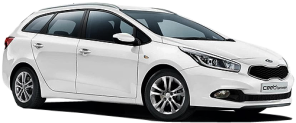
CompactKia Ceed or Similar
From
$22.62
/day
|
|
|||
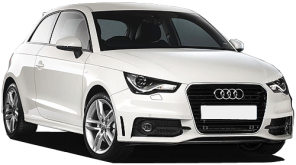
Economy EliteAudi A1 or Similar
From
$23.82
/day
|
|
|||
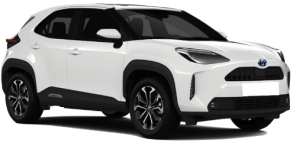
Economy CrossoverToyota Yaris Cross or Similar
From
$24.05
/day
|
|
|||
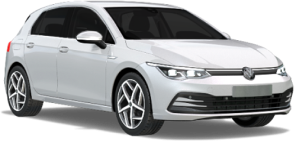
CompactVW Golf or Similar
From
$24.13
/day
|
|
|||
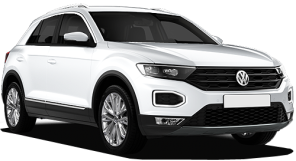
Compact SuvVolkswagen T-Roc or Similar
From
$24.98
/day
|
|
|||
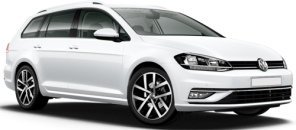
Compact Estate/wagonVolkswagen Golf STW or Similar
From
$25.49
/day
|
|
|||
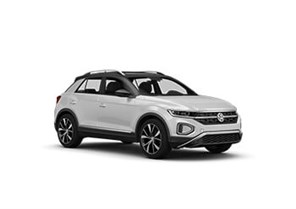
Compact SuvVW T-Roc or Similar
From
$25.65
/day
|
|
|||
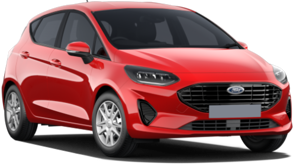
EconomyFord Fiesta or Similar
From
$25.98
/day
|
|
|||
Our Features
Discover a world of convenience, safety, and customization, paving the way for unforgettable adventures and seamless mobility solutions.
Clear Rental Policies
Access complete rental policies including driver age limits, fuel rules, and deposit conditions.
Wide Vehicle Selection
Choose from economy cars, sedans, SUVs, luxury vehicles, and vans to match your travel needs and budget.
Free Cancellation
Many bookings include free cancellation up to 48 hours before pickup, giving you flexibility when travel plans change.
Multi-Language Platform
Use our platform in multiple languages, making it easy for travelers from around the world to book rental cars.
Road Trip Friendly Options
Find rental cars with unlimited mileage and one-way rental options perfect for long road trips.
Fast Booking Process
Complete your car rental reservation in just a few simple steps with instant confirmation.
Hamburg, Germany Car Rental Facts
Essential information on the best deals, rental providers, and vehicle options in Hamburg, Germany.
Most Popular Agencies
Avis leads Trelew with 35% market share, serving visitors heading to the Valdes Peninsula and Punta Tombo penguin colonies.
Popular Car Types
SUVs dominate at 50% for navigating Patagonian gravel roads to wildlife reserves. Pickup trucks popular for rural exploration.
Average Rental Duration
Trelew rentals average 4-5 days, combining Valdes Peninsula whale watching (seasonal), Punta Tombo penguin colonies, and Welsh heritage sites in Gaiman. (Based on 2,100+ local pickups)
Most Popular Models
The Toyota Hilux leads for its durability on Patagonian roads. Ford Ranger favored for wildlife reserve access.
Average Daily Price
Trelew rates average $48/day. Whale season (June-December) sees higher demand with weekly rentals from $290.
How much does it cost to rent a car at Hamburg, Germany?
Averaging the lowest prices for the economy car category, the data below shows prices for monthly comparisons.
Cheapest Month Average
JunMost Expensive Month
JanYearly Average Price
Trelew Welsh heritage and paleontology. Summer peak for tourism. Book 2 months ahead.
Driving Laws & Information for Germany
Essential driving rules and requirements to know when renting a car
Driving Side
Right
Minimum Age
18 to drive
Blood Alcohol Limit
0.05% maximum
IDP Required?
Sometimes International Driving Permit
Speed Units
km/h
Seat Belt
Required
Toll Roads
No
Emergency
112 emergency number
Car Rental Hamburg, Germany Guide
Renting a car in Hamburg, Germany, is a straightforward process that offers a fantastic alternative to relying solely on public transit or taxis. For many travelers, having a rental vehicle transforms a city trip into a gateway for regional exploration. The city’s excellent infrastructure, from the modern Hamburg Airport (HAM) to well-connected city-center branches, makes picking up a vehicle simple. While Hamburg itself has an efficient network of U-Bahn (subway), S-Bahn (city rail), and buses, a rental car provides the ultimate freedom to explore at your own pace, especially if you’re traveling with family, carrying luggage, or planning to venture beyond the city limits.
When deciding where to pick up your rental, you’ll generally choose between Hamburg Airport (HAM) and one of the many city-center locations. The airport is incredibly convenient if you’re arriving by plane, with all major rental companies having desks in the arrivals area of Terminal 1 and Terminal 2. The main advantage is that you can be on the road within minutes of landing. However, be aware of a common airport surcharge—a fee that rental companies add to cover the cost of operating at the airport. This can sometimes add 10-15% to your total rental cost. City-center locations, often found near the Hauptbahnhof (main train station) or in districts like St. Georg, can sometimes offer lower base rates. The trade-off is navigating a busy urban area to collect your car, but it can be a smart money-saving move if you’re already in the city center.
| Pickup Location | Advantages | Disadvantages |
|---|---|---|
| Hamburg Airport (HAM) | Immediate access upon arrival, central rental counters, large vehicle selection. | Potential airport surcharge, often slightly higher base rates, busy pickup area. |
| City Center (e.g., Hauptbahnhof) | Often cheaper rates, convenient if staying in the city, more flexible drop-off options. | Navigating city traffic to collect the car, potentially smaller branch inventory. |
Car Rentals Requirements in Hamburg, Germany
Before you book, it’s crucial to understand the legal and administrative requirements for renting a car in Hamburg, Germany. The system is designed with safety and security in mind, so having the correct documentation will ensure a smooth pickup experience. The main pillars are your driver’s license, a valid passport, and a credit card in the renter’s name.
The minimum age to rent a car in Germany is typically 18, but most major rental companies in Hamburg impose a minimum age of 21. For drivers under 25, a “young driver surcharge” is almost always applied, which can significantly increase the daily rate. This fee covers the higher insurance risk associated with younger drivers. Your driver’s license from your home country is generally accepted for short-term stays, provided it is printed in the Latin alphabet. If your license is not in this format, or if you are a non-EU resident planning to stay longer than six months, you will need an International Driving Permit (IDP) alongside your home license. A credit card in the primary driver’s name is mandatory for the security deposit, which can range from $200 to over $1,000 depending on the vehicle category. Debit cards are rarely accepted for this purpose, especially for premium or luxury vehicles. Your passport is required for identification, and you must present it at the rental counter. Basic liability insurance is always included by law, but you will have the option to purchase additional coverage to reduce your excess (deductible) in case of damage.
| Requirement | Details |
|---|---|
| Minimum Age | 21 (young driver surcharge for under 25s) |
| Driver's License | Valid home license; IDP required if license not in Latin alphabet or for long stays. |
| Credit Card | Required in the main driver's name for security deposit. |
| Passport | Required for identification at pickup. |
| Insurance | Basic liability insurance is mandatory; CDW with excess reduction is recommended. |
Why Rent a Car in Hamburg, Germany
Choosing a rental car in Hamburg, Germany, unlocks a level of spontaneity and exploration that public transport can’t match. While the city’s public transit is excellent for getting between central neighborhoods, a car gives you the keys to the wider region. You can spontaneously decide to chase a sunset along the Elbe river, visit a hidden gem in the countryside, or simply not worry about taxi availability late at night. For families, the convenience of having child seats installed once and a car stocked with snacks and entertainment is a game-changer, turning travel time into a comfortable part of the vacation rather than a logistical hurdle.
Moreover, Hamburg is a fantastic starting point for some of Germany’s most scenic drives. The city’s location near the North Sea and the Baltic Sea, as well as the serene landscapes of Schleswig-Holstein, makes it ideal for a road trip. With a car, you’re not confined to the city’s popular tourist spots; you can explore quaint fishing villages, the UNESCO Wadden Sea, or the rolling hills of the Lüneburg Heath at your own pace. A rental car offers a private, secure space to store shopping finds, photography gear, and other personal items as you move from one location to another.
- Freedom to Explore: Create your own itinerary without relying on train or bus schedules.
- Scenic Drives: Easily access the North Sea coast, the Baltic Sea, and picturesque countryside routes.
- Family-Friendly Convenience: Travel with children’s car seats and luggage without the hassle of public transport.
- Comfort & Privacy: Enjoy a private space for you and your travel companions.
- Access to Hidden Gems: Reach smaller towns, local breweries, and natural parks off the beaten path.
- Cost-Effective for Groups: Splitting the rental cost among 3-4 people can be cheaper than buying individual train tickets for long distances.
Best Car Rental Companies in Hamburg, Germany
Travelers to Hamburg, Germany, can choose from a robust selection of both globally recognized rental brands and reputable local companies. The major international players like Hertz, Avis, Enterprise, Budget, Sixt, Alamo, and Europcar have a strong presence, particularly at the airport and main train station. These companies offer consistency in vehicle quality, customer service standards, and convenient one-way rental options across Europe. Sixt, a German company, is particularly popular and often has a wide selection of premium German vehicles like BMWs and Mercedes-Benz, which can be a fun part of the travel experience. Local agencies can sometimes offer more competitive rates, especially for longer rentals, though their pickup locations might be slightly less central.
When comparing companies, it’s wise to look beyond the headline price. Pay close attention to what is included in the rental, particularly the insurance excess amount, fuel policy, and any mileage restrictions. While the major brands offer reliability, sometimes a smaller agency will provide a more personalized service. The table below gives a general overview to help you start your comparison, but always check the specific terms of your rental.
| Company | Price Level (Low / Medium / High) | Pros |
|---|---|---|
| Sixt | Medium / High | Wide selection of premium German cars, numerous city-center locations. |
| Europcar | Medium | Extensive network, strong presence at airport and train station. |
| Hertz | Medium / High | Reliable service, good selection of SUVs and luxury vehicles. |
| Avis | Medium | Consistent quality, user-friendly app for booking and management. |
| Enterprise | Low / Medium | Competitive rates, often praised for customer service at city branches. |
| Budget | Low | Affordable rates, good option for economy and compact cars. |
| Alamo | Low / Medium | Transparent pricing, often preferred by leisure travelers. |
Popular Car Rental Categories & Prices in Hamburg, Germany
When selecting a vehicle in Hamburg, Germany, travelers typically gravitate towards categories that suit the local environment and their travel plans. Economy and compact cars are perennial favorites, especially for solo travelers or couples. Their small size is a significant advantage when navigating Hamburg’s narrower inner-city streets and, more importantly, when searching for parking in popular areas like the Schanzenviertel or near the Speicherstadt. For families or groups, SUVs and vans provide the necessary space for passengers and luggage, offering a comfortable ride for longer journeys. Luxury vehicles are also a popular choice in Hamburg, a city known for its prosperity, allowing travelers to experience driving a high-end German automobile on the country’s famous autobahns.
Prices in Hamburg, Germany, are subject to significant seasonal fluctuation. The high tourist season, which runs from late spring through early autumn (May to September), sees the highest demand and consequently the highest prices. This period also coincides with major events like the Hamburg Port Anniversary (Hafengeburtstag) in May and the Reeperbahn Festival in September, which can cause prices to spike dramatically. The low season, from November to February (excluding the Christmas holiday period), typically offers the most affordable rates. Booking well in advance, especially for travel during these peak events or the summer months, is the single most effective way to secure a good deal.
| Car Category | Average Daily Price (USD) - High Season | Average Daily Price (USD) - Low Season |
|---|---|---|
| Small Cars (e.g., VW Polo) | $45 - $65 | $25 - $40 |
| Medium Cars (e.g., VW Golf) | $60 - $85 | $35 - $55 |
| SUVs (e.g., VW Tiguan) | $80 - $120 | $50 - $75 |
| Vans (e.g., Ford S-Max) | $100 - $150 | $65 - $90 |
| Luxury Cars (e.g., BMW 3 Series) | $120 - $200+ | $80 - $130 |
| Metric | Value |
|---|---|
| Cheapest Month | February (after the holiday season) |
| Most Expensive Month | September (due to the Reeperbahn Festival and mild weather) |
| Average Price (Economy Car) | $45 per day |
| A Good Deal (Economy Car) | $25 - $35 per day |
| Cheapest Supplier | Often Budget or local agencies for base models |
| Cheapest Car Type | Manual transmission economy cars |
Road Trips from Hamburg, Germany
One of the greatest perks of renting a car in Hamburg, Germany, is the city’s prime location as a launchpad for unforgettable road trips. Within an hour or two, you can be in completely different worlds—from coastal breezes to medieval towns. Here are a few classic routes to consider.
- The Lüneburg Heath (Lüneburger Heide): Head south for about 1 hour (60 km) to this vast nature reserve. Highlights include the charming town of Lüneburg with its historic salt works and brick Gothic architecture, and the heathland itself, which explodes in a carpet of purple blooms from August to September. It’s a perfect day trip for hiking and cycling.
- The Baltic Sea Coast (Ostsee): Drive northeast for approximately 1.5 hours (120 km) to reach the resort town of Travemünde. From there, you can explore the classic seaside resorts along the Bay of Lübeck, such as Timmendorfer Strand. Highlights include long sandy beaches, fresh seafood, and the historic Holstentor gate in nearby Lübeck, a UNESCO World Heritage Site.
- The North Sea Coast & UNESCO Wadden Sea: Head west for about 1.5 to 2 hours (130 km) to the town of Cuxhaven, at the mouth of the Elbe river. This is the gateway to the Wadden Sea National Park, a unique UNESCO World Heritage Site. You can take a “mudflat hiking” tour (Wattwanderung) to walk on the seabed at low tide, explore the seaside resort of Sahlenburg, or take a ferry to the island of Neuwerk.
- Schleswig-Holstein & The Danish Border: Take a longer journey north for about 2 hours (170 km) to the city of Schleswig, home to the impressive Schleswig-Holstein State Museum and the Viking settlement of Haithabu (a UNESCO site). Continue to Flensburg near the Danish border for a taste of Scandinavian flair, famous for its rum tradition and scenic harbor.
Driving Rules in Hamburg, Germany
Driving in Hamburg, Germany, is a pleasure thanks to well-maintained roads and clear signage, but it’s essential to understand the local rules of the road. Germany has a strict but fair traffic system with significant fines for violations. Familiarizing yourself with these rules before you get behind the wheel will make your journey safer and more enjoyable.
Driving is on the right-hand side of the road. Speed limits are strictly enforced, often with automated cameras. In urban areas, the limit is generally 50 km/h (31 mph) unless otherwise posted. On rural roads (Landstraßen), the limit is 100 km/h (62 mph). On the autobahn, there is a recommended speed limit of 130 km/h (81 mph), but many sections have posted limits. The legal blood alcohol limit is 0.05% (0.5‰). For new drivers (under 21 or in their first two years of driving) and professional drivers, the limit is 0.0%. Seatbelts are mandatory for all occupants, and children under 12 years old and under 1.5 meters (4'11") must use an approved child seat appropriate for their age and weight. During winter, if conditions are wintry (snow, ice, slush), your vehicle must be equipped with winter tires. It is not a legal requirement to have them fitted by a specific date, but you must be able to drive safely in the conditions.
| Rule | Details |
|---|---|
| Driving Side | Right |
| Urban Speed Limit | 50 km/h (31 mph) |
| Rural Road Speed Limit | 100 km/h (62 mph) |
| Autobahn Speed Limit | Advisory 130 km/h (81 mph); posted limits common |
| Alcohol Limit | 0.05% BAC (0.0% for new/professional drivers) |
| Seatbelts | Mandatory for all passengers |
| Child Seats | Mandatory for children under 12 and under 1.5m |
| Winter Tires | Required when conditions demand (ice, snow, slush) |
Toll Roads in Hamburg, Germany
One of the many conveniences of driving in Hamburg, Germany, is that the city and the country’s entire network of federal highways (Autobahnen) are toll-free for passenger cars. You will not encounter any toll booths or vignette requirements for private vehicles on German roads. This makes budgeting for your road trip much simpler, as the only driving-related costs are fuel and parking. However, there is a notable exception for certain specific infrastructure projects like the Herrentunnel in Lübeck and the Warnowtunnel near Rostock, but these are not in the immediate Hamburg area. For a trip focused on Hamburg and its surrounding regions, you can enjoy the freedom of the road without worrying about toll costs.
The only potential tolls you might encounter are if you decide to take your rental car on a ferry, such as those connecting the mainland to islands in the North Sea. Additionally, certain special-use tunnels or private bridges may have a small fee, but these are the exception, not the rule. When planning trips to neighboring countries like Denmark or the Netherlands, you would then need to purchase a vignette or pay tolls, but within Germany, your journey is toll-free.
Parking in Hamburg, Germany
Parking in Hamburg, Germany, requires a bit of strategy, especially in the city center. Like any major European city, space is at a premium. Street parking is available but is almost exclusively paid in the central districts, such as Altstadt, Neustadt, St. Georg, and the Schanzenviertel. You’ll need to use a parking meter (Parkscheinautomat) to purchase a ticket, which you then display visibly on your dashboard. Parking fees are typically around $1.50 to $2.50 per hour, with a maximum parking time of one or two hours in many central zones. Free street parking is more likely to be found in the outer residential districts, but you’ll need to be patient and pay close attention to signage.
For a stress-free experience, especially if you are staying in the city for a few days, using one of the many Park & Ride (P+R) facilities on the outskirts is an excellent strategy. These multi-story garages are located near S-Bahn and U-Bahn stations, allowing you to park your car affordably (often for around $3-5 per day) and take public transport into the city center. In the city center, parking garages (Parkhäuser) are the most convenient option, albeit more expensive, with daily rates ranging from $20 to $35. Common garages are located near the main train station, the Speicherstadt, and the Jungfernstieg. One common challenge is navigating narrow streets in historic areas, so a smaller car can be a significant advantage when parking.
Tips for Car Rental in Hamburg, Germany
To ensure a smooth and cost-effective car rental experience in Hamburg, Germany, a little preparation goes a long way. These practical tips are drawn from the experiences of countless travelers and local knowledge.
- Book Early for Peak Periods: If your trip coincides with the summer months or major events like the Hafengeburtstag or Reeperbahn Festival, book your rental car several weeks in advance. Prices skyrocket and availability plummets during these times.
- Compare Airport vs. City Rates: Before booking, check the price difference between picking up at the airport and a city-center location. You can often save 10-20% by taking a short train or taxi ride from the airport to a city branch.
- Choose Your Insurance Wisely: Understand the excess (deductible) on the Collision Damage Waiver (CDW). Rental agents will offer to reduce this to zero for a daily fee. Consider your own travel insurance or credit card coverage before paying for this at the counter.
- Inspect the Car Thoroughly: Before driving off, walk around the vehicle with a rental agent or take a timestamped video. Note every scratch, dent, or chip. Ensure any pre-existing damage is marked on the rental agreement to avoid being charged for it upon return.
- Understand the Fuel Policy: The most common is “full-to-full,” where you receive the car with a full tank and must return it full. This is usually the fairest policy. Avoid the “pre-purchase” option where you pay for a full tank upfront and can return it empty; you almost always end up paying for fuel you don’t use.
- Rent During Cheaper Months: If your travel dates are flexible, consider visiting during the low season (November to February, excluding Christmas/New Year) to secure the lowest rental rates.
- Consider a Manual Transmission: Automatic cars are less common in Germany and often command a significant premium. If you are comfortable driving a manual, you can save a substantial amount on your rental.
Common Car Rental Mistakes Travelers Make
Even experienced travelers can fall into a few common traps when renting a car. Being aware of these pitfalls can save you both money and frustration during your trip to Hamburg, Germany.
- Not Reading the Fine Print: Failing to check the rental agreement for details on mileage limits, cross-border policies, and the specific terms of the insurance excess. This can lead to unexpected charges.
- Skipping the Pre-Rental Inspection: Not documenting existing damage. This can result in disputes and charges for damage you didn’t cause upon returning the vehicle.
- Ignoring the Young Driver Surcharge: Assuming the advertised price applies to all drivers. If you are under 25, the final price will be significantly higher due to this mandatory fee.
- Choosing the Wrong Fuel Policy: Opting for the “pre-paid” fuel option without realizing it’s often not a good deal. It’s almost always better to select the “full-to-full” policy.
- Forgetting to Return on Time: Not accounting for potential traffic or delays. Returning the car even an hour late can incur a full extra day’s rental charge.
- Assuming Your Credit Card Covers Everything: Not verifying your personal car rental insurance or credit card coverage before traveling, only to find out it doesn’t apply in Germany or has limitations.
Real Travel Experience Renting a Car in Hamburg, Germany
Sarah and Tom landed at Hamburg Airport on a crisp September morning, eager to explore beyond the city. They had pre-booked a Volkswagen Golf through a major agency, and after a quick walk to the rental counter, they were handed the keys. The process was smooth, though they were glad they’d taken a video of the car’s exterior before leaving the garage. Their first stop was the Miniatur Wunderland, but with the car, they felt no pressure to stick to a schedule. The next day, they drove north towards the Baltic Sea, stopping in Lübeck for a marzipan tasting and then continuing to a small inn in Travemünde they’d found online. The freedom to take a spontaneous detour to a signposted “Strand” (beach) was their favorite part. Returning the car was just as easy—they filled the tank at a gas station near the airport and dropped it off with no surprises, concluding that renting a car had made their trip feel like a true adventure rather than a rigid itinerary.
International Driving Permit for Travelers Visiting Hamburg, Germany
An International Driving Permit (IDP) acts as a standardized translation of your existing driver’s license and is often a requirement for travelers visiting Hamburg, Germany. You need an IDP if your home driver’s license is not printed in the Latin alphabet (for example, if it is in Arabic, Chinese, Cyrillic, or Japanese script). Additionally, while tourists with EU/EEA licenses can generally use them indefinitely, those with non-EU licenses may find that German authorities require an IDP after a six-month residency period. For short-term visitors, having an IDP is simply a wise precaution that can prevent issues at the rental counter or during a traffic stop.
Obtaining an IDP is a straightforward process that must be done in your home country before you travel, as they are not issued in Germany for foreigners. In the United States, for example, they are issued through authorized organizations like AAA or AATA. The permit is typically valid for one year from the date of issue. You must always carry it alongside your original, valid driver’s license. The IDP itself is not a standalone document; it is only valid in conjunction with your national license. Be sure to bring both documents when you go to pick up your rental car in Hamburg, Germany.
Car Rental Locations in Hamburg
Discover More Germany Car Rental Destinations
- Car Rental in Aachen
- Car Rental in Augsburg
- Car Rental in Bad Kreuznach
- Car Rental in Baden Baden
- Car Rental in Berlin
- Car Rental in Bielefeld
- Car Rental in Bochum
- Car Rental in Bonn
- Car Rental in Braunschweig
- Car Rental in Bremen
- Car Rental in Bremerhaven
- Car Rental in Chemnitz
- Car Rental in Cologne
- Car Rental in Darmstadt
- Car Rental in Dortmund
- Car Rental in Dresden
- Car Rental in Dusseldorf
- Car Rental in Erfurt
- Car Rental in Erlangen
- Car Rental in Essen
- Car Rental in Flensburg
- Car Rental in Frankfurt
- Car Rental in Frankfurt Oder
- Car Rental in Freiburg
- Car Rental in Friedrichshafen
- Car Rental in Fulda
- Car Rental in Giessen
- Car Rental in Hahn Lautzenhausen
- Car Rental in Halle
- Car Rental in Hannover
- Car Rental in Heidelberg
- Car Rental in Herne
- Car Rental in Kaiserslautern
- Car Rental in Karlsruhe
- Car Rental in Kiel
- Car Rental in Koblenz
- Car Rental in Konstanz
- Car Rental in Landshut
- Car Rental in Leipzig
- Car Rental in Lindau
- Car Rental in Lubeck
- Car Rental in Mainz
- Car Rental in Mannheim
- Car Rental in Memmingen
- Car Rental in Munich
- Car Rental in Munster
- Car Rental in Norderstedt
- Car Rental in Nurnberg
- Car Rental in Offenbach
- Car Rental in Paderborn
- Car Rental in Potsdam
- Car Rental in Ramstein
- Car Rental in Rastatt
- Car Rental in Regensburg
- Car Rental in Reutlingen
- Car Rental in Rostock
- Car Rental in Saarbrucken
- Car Rental in Singen
- Car Rental in Stuttgart
- Car Rental in Ulm
- Car Rental in Weeze
- Car Rental in Wiesbaden
- Car Rental in Worms
Other Car Rental Locations in Germany
- Car Rental at Aachen Downtown
- Car Rental at Augsburg Downtown
- Car Rental at Bad Kreuznach Downtown
- Car Rental at Baden Baden Airport (FKB)
- Car Rental at Baden Baden Downtown
- Car Rental at Berlin Brandenburg Airport (BER)
- Car Rental at Berlin Downtown
- Car Rental at Bielefeld Downtown
- Car Rental at Bochum Downtown
- Car Rental at Bonn Downtown
- Car Rental at Braunschweig Downtown
- Car Rental at Bremen Airport (BRE)
- Car Rental at Bremen Downtown
- Car Rental at Bremerhaven Downtown
- Car Rental at Chemnitz Downtown
- Car Rental at Cologne Bonn Airport (CGN)
- Car Rental at Cologne Downtown
- Car Rental at Darmstadt Downtown
- Car Rental at Dortmund Airport (DTM)
- Car Rental at Dortmund Downtown
- Car Rental at Dresden Airport (DRS)
- Car Rental at Dresden Downtown
- Car Rental at Dusseldorf Airport (DUS)
- Car Rental at Dusseldorf Downtown
- Car Rental at Erfurt Downtown
- Car Rental at Erlangen Downtown
- Car Rental at Essen Downtown
- Car Rental at Flensburg Downtown
- Car Rental at Frankfurt Airport (FRA)
- Car Rental at Frankfurt Downtown
Major Airports in Germany
Complete airport guides with car rental information, parking, and transportation options
- Baden Baden Airport Guide IATA: FKB
- Berlin Brandenburg Airport Guide IATA: BER
- Bremen Airport Guide IATA: BRE
- Cologne Bonn Airport Guide IATA: CGN
- Dortmund Airport Guide IATA: DTM
- Dresden Airport Guide IATA: DRS
- Dusseldorf Airport Guide IATA: DUS
- Frankfurt Airport Guide IATA: FRA
- Friedrichshafen Airport Guide IATA: FDH
- Frankfurt Hahn Airport Guide IATA: HHN
- Hamburg Airport Guide IATA: HAM
- Hannover Airport Guide IATA: HAJ
- Leipzig Halle Airport Guide IATA: LEJ
- Memmingen Airport Guide IATA: FMM
- Munich Airport Guide IATA: MUC
- Munster Airport Guide IATA: FMO
- Nuremberg Airport Guide IATA: NUE
- Paderborn Airport Guide IATA: PAD
- Stuttgart Airport Guide IATA: STR
- Weeze Airport Guide IATA: NRN
Frequently Asked Questions about Car Rental in Hamburg
Hamburg, Germany Car Rental Reviews & Customer Ratings
Read verified customer reviews, ratings, and rental experiences from travelers who booked through Airport Rento.
Overall Rating
No reviews yet for this location. Be the first to share your experience!