Car Rental Germany
Search and compare car rental prices from trusted global suppliers. Find the best deals instantly.







Car Rental Deals in Germany
Choose from our wide range of vehicles available in Germany.
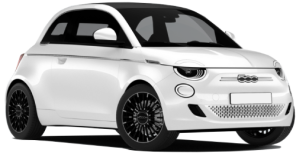
MiniFiat 500 or Similar
From
$16.29
/day
|
|
|||
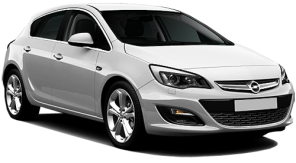
CompactOpel Astra or Similar
From
$17.96
/day
|
|
|||
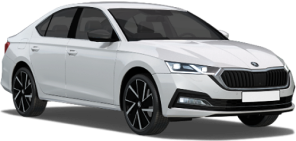
IntermediateSkoda Octavia or Similar
From
$18.39
/day
|
|
|||
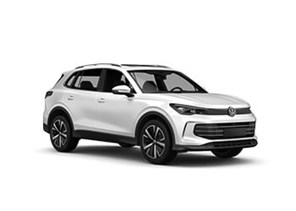
Full-size SuvVolkswagen Tiguan or Similar
From
$23.62
/day
|
|
|||
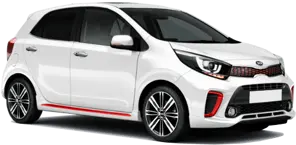
MiniKia Picanto or Similar
From
$16.40
/day
|
|
|||
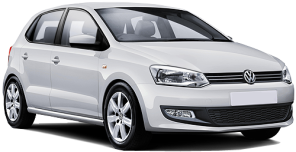
EconomyVolkswagen Polo or Similar
From
$16.90
/day
|
|
|||
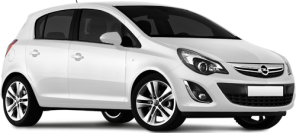
EconomyOpel Corsa or Similar
From
$16.90
/day
|
|
|||
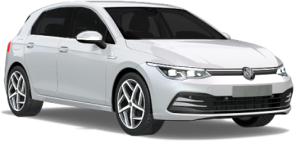
CompactVolkswagen Golf or Similar
From
$19.42
/day
|
|
|||
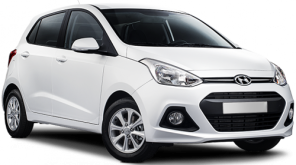
MiniHyundai i10 or Similar
From
$19.46
/day
|
|
|||
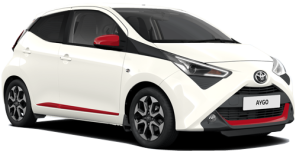
MiniToyota Aygo or Similar
From
$19.46
/day
|
|
|||
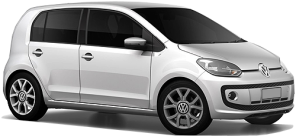
MiniVolkswagen Up or Similar
From
$19.46
/day
|
|
|||
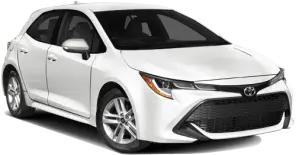
IntermediateToyota Corolla or Similar
From
$19.74
/day
|
|
|||
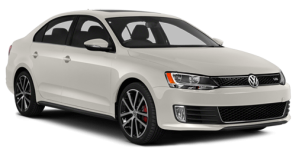
IntermediateVolkswagen Jetta or Similar
From
$20.44
/day
|
|
|||
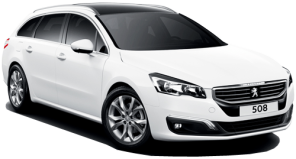
Standard Estate/wagonPeugeot 508 STW or Similar
From
$20.66
/day
|
|
|||
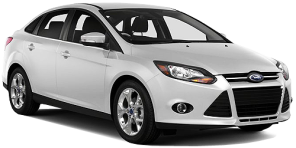
CompactFord Focus or Similar
From
$20.90
/day
|
|
|||
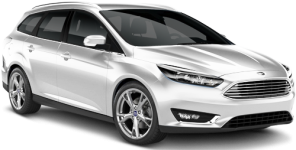
Compact Estate/wagonFord Focus STW or Similar
From
$21.17
/day
|
|
|||
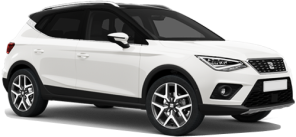
Compact CrossoverSEAT Arona or Similar
From
$21.42
/day
|
|
|||
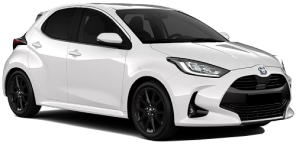
EconomyToyota Yaris or Similar
From
$21.44
/day
|
|
|||
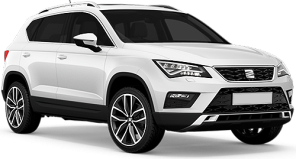
Full-sizeSEAT Ateca or Similar
From
$21.63
/day
|
|
|||
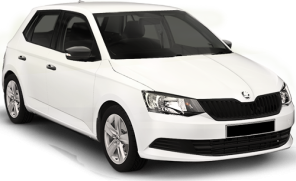
EconomySkoda Fabia or Similar
From
$21.76
/day
|
|
|||
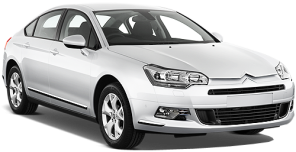
StandardCitroen C5 or Similar
From
$21.77
/day
|
|
|||
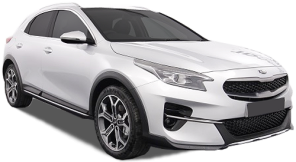
Compact CrossoverKia XCeed or Similar
From
$21.93
/day
|
|
|||
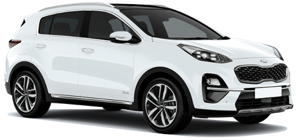
Full-sizeKia Sportage or Similar
From
$21.98
/day
|
|
|||
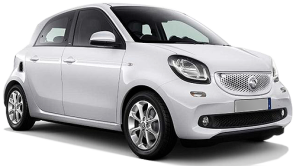
MiniSmart ForFour or Similar
From
$22.05
/day
|
|
|||
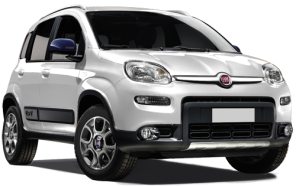
MiniFiat Panda or Similar
From
$22.05
/day
|
|
|||
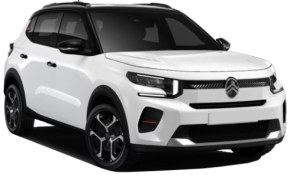
EconomyCitroen C3 or Similar
From
$22.06
/day
|
|
|||
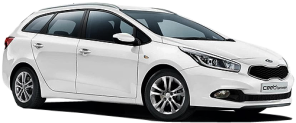
CompactKia Ceed or Similar
From
$22.62
/day
|
|
|||
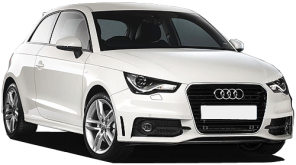
Economy EliteAudi A1 or Similar
From
$23.82
/day
|
|
|||
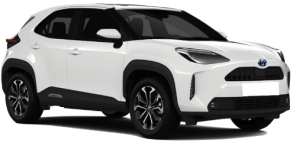
Economy CrossoverToyota Yaris Cross or Similar
From
$24.05
/day
|
|
|||
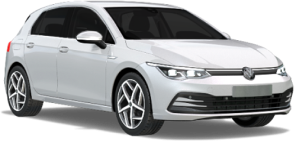
CompactVW Golf or Similar
From
$24.13
/day
|
|
|||
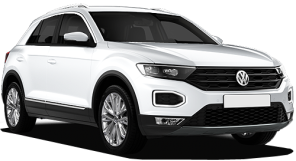
Compact SuvVolkswagen T-Roc or Similar
From
$24.98
/day
|
|
|||
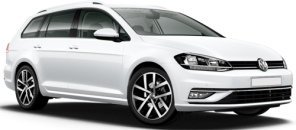
Compact Estate/wagonVolkswagen Golf STW or Similar
From
$25.49
/day
|
|
|||
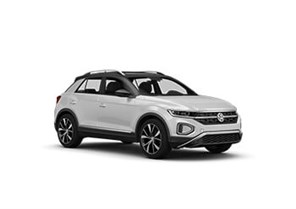
Compact SuvVW T-Roc or Similar
From
$25.65
/day
|
|
|||
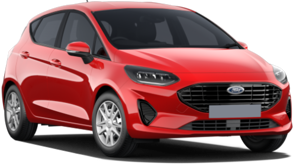
EconomyFord Fiesta or Similar
From
$25.98
/day
|
|
|||
Our Features
Discover a world of convenience, safety, and customization, paving the way for unforgettable adventures and seamless mobility solutions.
Worldwide Locations
Search rental cars in thousands of locations across more than 180 countries and major travel destinations.
Multi-Language Platform
Use our platform in multiple languages, making it easy for travelers from around the world to book rental cars.
Trusted Rental Partners
We partner with leading global and local car rental companies to ensure reliable vehicles and professional service.
One-Way Rentals
Pick up your rental car in one city and drop it off in another, perfect for road trips and multi-city travel.
Unlimited Mileage Options
Many suppliers offer unlimited mileage so you can explore freely without worrying about distance limits.
Customer Reviews
Read verified customer reviews and ratings to help you choose the best rental supplier for your trip.
Germany Car Rental Facts
Essential information about car rental companies, popular cars, rental duration, and prices at Germany.
Most Popular Agencies
Sixt holds the largest share in its home market of Germany at 26%, favored for its premium German fleet and unparalleled service at Frankfurt Airport (FRA) and Berlin Brandenburg Airport (BER).
Popular Car Types
Station wagons ("Kombi") are the German staple for family and business travel. Compacts are perfect for city driving. Luxury sedans from BMW, Mercedes, and Audi hold a significant 18% share, especially at airports.
Average Rental Duration
Rentals average 5 days, perfect for a business trip across the Autobahn or a leisure tour of the Romantic Road and Bavarian castles. (Based on 55,000+ local pickups)
Most Popular Models
The Volkswagen Passat Wagon is the quintessential German rental, loved for its Autobahn stability and immense trunk. The BMW 3 Series is the top choice in the premium segment for business travelers.
Average Daily Price
German daily rates average $64. Weekly rentals from $440 are standard for cross-country Autobahn adventures.
Driving Laws & Information for Germany
Essential driving rules and requirements to know when renting a car.
Driving Side
Right
Minimum Age
18 to drive
Blood Alcohol Limit
0.05% maximum
IDP Required?
Sometimes International Driving Permit
Speed Units
km/h
Seat Belt
Required
Toll Roads
No
Emergency
112 emergency number
Car Rental Germany Guide
Renting a car in Germany is an excellent way to experience the country's diverse landscapes, from the majestic Alps in the south to the historic coastal towns of the north. The process is generally straightforward and well-organized. For international travelers, the primary decision is where to pick up your vehicle. Most visitors choose between airport locations, which offer maximum convenience upon arrival, and city-center offices, which can sometimes provide better rates. Germany's major international airports, including Frankfurt (FRA), Munich (MUC), Berlin Brandenburg (BER), and Düsseldorf (DUS), host all the major rental companies at their dedicated rental centers, which are easily accessible from the terminal. The advantage here is seamless connectivity; you can be on the Autobahn within an hour of landing. However, this convenience often comes with premium pricing and additional airport surcharges or fees.
Alternatively, picking up a car from a city-center location can be a savvy money-saving move. Major tourist cities like Berlin, Hamburg, Munich, Cologne, and Stuttgart have numerous rental offices, often near main train stations (Hauptbahnhof) or in commercial districts. The disadvantage is that you'll need to navigate public transport from the airport to the city to collect your car, which can be cumbersome with heavy luggage. However, if you plan to spend a few days exploring a city before starting your road trip, this is a perfect strategy. You avoid paying for parking in the city and can pick up your car on the day you depart. A key money-saving tip is to compare the total price, including all taxes and fees, for airport versus city locations. Often, a city pickup can be significantly cheaper, even after factoring in the cost of a train ticket to get there.
| Pickup Location Type | Advantages | Disadvantages |
|---|---|---|
| Airport (e.g., FRA, MUC, BER) | Ultimate convenience upon arrival; huge selection of vehicles; extended hours; easy access to major highways. | Higher prices due to airport surcharges; busy counters with potential queues; premium for convenience. |
| City Center (e.g., Hauptbahnhof) | Often lower base rates; good for those spending time in the city first; can avoid airport fees. | Requires transport from airport; limited office hours (often close by 6 PM); may have smaller vehicle selection. |
Car Rental Requirements in Germany
Before you can hit the Autobahn, you must meet specific legal and company requirements. German rental agencies are thorough, so having the correct documentation is essential for a smooth pickup. The primary requirements include a valid full driver's license, a passport for identification, and a major credit card in the main driver's name. It's also crucial to understand the insurance landscape to ensure you are adequately covered. Rental contracts in Germany typically include basic liability insurance, but the level of coverage for the vehicle itself (collision damage) varies and is a key point to consider.
Regarding driver's licenses, licenses from EU countries are automatically accepted. For international travelers, a license printed in the Roman alphabet (like those from the UK, USA, Canada, Australia, and New Zealand) is generally accepted. However, if your license is not in German or English, or if it is from a non-EU country, it is highly recommended—and sometimes required by the rental company—to obtain an International Driving Permit (IDP) before you travel. The IDP serves as an official translation of your license and can prevent issues during a police traffic stop. The minimum age to rent a car in Germany is typically 18, but most major companies impose higher age limits, usually 21 or 25. Drivers under 25 often face a "young driver surcharge." A credit card is almost always mandatory for the security deposit, as debit cards are rarely accepted for this purpose.
| Requirement | Details & Important Notes |
|---|---|
| Minimum Age | 18 (but most companies require 21+; under-25s pay a daily young driver fee). |
| Driver's License | Valid license from your home country. Non-EU licenses often recommended to have an IDP. |
| Credit Card | Mandatory for the security deposit. Must be in the main driver's name. Debit cards are rarely accepted. |
| Passport | Required for identification by the rental company. |
| Insurance | Basic liability is mandatory. Collision damage waiver (CDW) is optional but highly recommended. |
Why Rent a Car in Germany
Renting a car unlocks a level of freedom and flexibility in Germany that is hard to achieve with public transport alone. While Germany's train network is excellent, a car allows you to venture off the beaten path, discover hidden castles perched on hillsides, and stop spontaneously at a picturesque village or a lake for a swim. For families, the convenience of having a car for luggage, snacks, and tired children after a long day of sightseeing is invaluable. It transforms travel from a logistical exercise into a seamless part of the adventure.
Moreover, Germany is a country made for driving. The world-famous Autobahn network, with its stretches of unrestricted speed, is a bucket-list experience for many motoring enthusiasts. Beyond the high-speed highways, the country is crisscrossed with stunning scenic routes. Imagine driving the Romantic Road through medieval towns, or winding through the Black Forest highlands with the scent of pine trees filling the air. Having a rental car turns these iconic routes into a personal journey, allowing you to set your own pace and truly immerse yourself in the German landscape and culture.
- Freedom to Explore: Go beyond city limits and discover charming villages, ancient castles, and natural wonders at your own pace.
- Autobahn Experience: Drive on stretches of highway with no speed limit, a unique thrill for drivers from around the world.
- Scenic Drives: Easily access famous routes like the Romantic Road, Castle Road, and the Black Forest High Road.
- Family Convenience: Travel comfortably with children, luggage, and stops whenever needed, without being tied to train schedules.
- Rural Access: Reach national parks, hiking trails, and remote areas that are difficult or time-consuming to reach by public transport.
- Cost-Effective for Groups: For families or groups of 3-4, renting a car can be cheaper than buying multiple train tickets for long-distance travel.
Best Car Rental Companies in Germany
Travelers to Germany are spoiled for choice when it comes to rental companies, with a healthy mix of global giants and trusted local providers. The international brands you know from home have a strong presence here, offering familiar service standards and large, modern fleets. These companies are ubiquitous at airports and major city centers, providing peace of mind and easy booking through their global websites and apps. Alongside them, reputable local German companies often provide competitive pricing and excellent service, particularly for those looking for a bargain or a specific type of vehicle.
Using a rental comparison platform, such as DiscoverCars, Rentalcars.com, or Kayak, is a highly effective strategy for finding the best deal. These platforms allow you to compare prices, terms, and vehicle availability from dozens of companies side-by-side. They often include smaller local agencies that might not appear in a direct brand search, potentially saving you a significant amount. When booking, always pay close attention to the included insurance, fuel policy, and mileage allowance (though unlimited mileage is standard in Germany) to ensure you're comparing like with like.
| Company | Price Level | Pros |
|---|---|---|
| Sixt | Medium / High | German-based, premium fleet, excellent service, great for luxury cars, vast network. |
| Europcar | Medium | Widely available, large selection of vans and trucks, good for long-term rentals. |
| Hertz | Medium | Global brand reliability, strong presence at airports, good loyalty program. |
| Avis | Medium | Professional service, large fleet, many locations in city centers and train stations. |
| Enterprise | Low / Medium | Competitive pricing, known for customer service, many neighborhood locations. |
| Budget | Low | As the name suggests, often offers lower rates, a solid economy choice. |
Popular Car Rental Categories & Prices in Germany
The type of vehicle you choose can significantly impact both your budget and your travel experience in Germany. For solo travelers or couples sticking to cities and well-paved roads, a small car is the most economical and practical choice. They are easy to park in narrow city streets and sip fuel efficiently. Families or groups of four will find a compact car or a midsize sedan offers a good balance of space and cost. For those planning to explore the Bavarian Alps, the Black Forest, or any region with rural roads, a compact SUV provides extra comfort, better visibility, and a bit more power for hilly terrain.
It's worth noting that manual transmission is still the standard in Germany, and automatics are less common and often more expensive to rent. If you require an automatic, be sure to book it well in advance to guarantee availability. Prices fluctuate dramatically based on demand. The summer months (June-August), Oktoberfest season in Munich (late September-early October), and Christmas market periods (late November-December) see the highest prices. Booking several months in advance is crucial during these peak times to secure a vehicle and a reasonable rate.
| Car Category | Typical Models | Average Daily Price (USD) |
|---|---|---|
| Small Cars (Economy) | VW Polo, Ford Fiesta, Opel Corsa | $35 - $60 |
| Medium Cars (Compact) | VW Golf, Opel Astra, Ford Focus | $50 - $85 |
| SUVs | VW Tiguan, Ford Kuga, BMW X1 | $80 - $150 |
| Family Vans | VW Touran, Ford S-Max, Renault Scenic | $90 - $170 |
| Luxury Cars | Mercedes C-Class, BMW 3 Series, Audi A4 | $120 - $250+ |
Car Rental Price Trends in Germany
Understanding the seasonal nature of car rental prices in Germany is key to getting the best value. The market is highly dynamic, with prices surging when demand peaks and dropping significantly during the quieter periods. The summer school holidays across Europe, particularly July and August, represent the highest demand, as families embark on vacations. This is followed closely by the festive season, including the Christmas markets in December and the weeks around New Year. Business travel also influences prices in major commercial hubs like Frankfurt and Stuttgart during the workweek.
Conversely, the off-season months, typically November (excluding the end of the month when Christmas markets start) and the period from January to March (excluding ski resort areas), offer the best opportunities for bargain hunters. During these times, rental companies are eager to keep their fleets moving, and you can often find rates that are 30-50% lower than the summer peak. Booking well in advance always secures better rates, but last-minute deals can occasionally be found during the low season.
| Trend Indicator | Details |
|---|---|
| Cheapest Month | November (before Christmas markets) or January/February (excluding ski areas). |
| Most Expensive Month | August (peak summer holidays) or late September (Oktoberfest). |
| Average Price (Weekly) | $350 - $600 for a compact car, varying greatly by season. |
| A Good Deal | A weekly rate under $300 for a small car in low season, booked in advance. |
| Cheapest Supplier Type | Local German agencies or using comparison sites to find smaller companies. |
| Cheapest Car Type | Economy cars with manual transmission. |
Road Trips in Germany
Germany is a paradise for road-trippers, with meticulously planned scenic routes that showcase the country's incredible diversity. Here are a few of the most famous drives you can undertake with your rental car.
- The Romantic Road (Romantische Straße): This classic route winds for approximately 350 km (220 miles) from Würzburg in the north to Füssen in the south, nestled in the Alps. Highlights include the medieval walled city of Rothenburg ob der Tauber, the stunning Harburg Castle, and the fairy-tale Neuschwanstein Castle at the journey's end. Plan for 3-5 days to savor it fully.
- The Black Forest High Road (Schwarzwaldhochstraße - B500): One of Germany's most scenic drives, this route runs for about 60 km (37 miles) between Baden-Baden and Freudenstadt. It winds along mountain ridges through dense pine forests, offering breathtaking viewpoints, hiking trails, and picturesque waterfalls. It's a drive that can be done in a day, but you'll want to stop constantly.
- The Castle Road (Burgenstraße): Stretching over 1,000 km from Mannheim to Prague in the Czech Republic, the German section is packed with history. This route connects over 70 castles, palaces, and fortresses. Key German highlights include Heidelberg Castle, the historic town of Nuremberg, and the magnificent Sanssouci Palace in Potsdam, near Berlin.
- The German Alpine Road (Deutsche Alpenstraße): Germany's oldest scenic holiday route, this 450 km (280 mile) drive runs from Lindau on Lake Constance to Berchtesgaden, passing through the breathtaking Bavarian Alps. Highlights include the Wieskirche pilgrimage church, the resort of Garmisch-Partenkirchen, and the pristine Königssee lake.
- The Rhine Valley (Bingen to Koblenz): This stretch of the Rhine River, a UNESCO World Heritage site, is best experienced by car, stopping at hilltop castles and charming wine villages. The drive takes you past the legendary Loreley rock and countless vineyards, with opportunities for castle tours and wine tastings.
Driving Rules in Germany
German traffic laws are taken seriously, and understanding the basic rules is vital for a safe and fine-free journey. The most famous aspect is the Autobahn, where advisory speed limits apply on many sections. However, strict rules apply everywhere else. The blood alcohol limit is 0.05%, but for drivers under 21 or those with less than two years of experience, it's zero. Using a mobile phone while driving is illegal unless you have a hands-free system. Seatbelts are mandatory for all passengers, and children under 12 or shorter than 150 cm (4'11") must use an approved child seat or booster seat.
Road conditions are generally excellent, but be aware of potential hazards. In winter (typically from October to Easter), cars must be fitted with winter tires if weather conditions (ice, snow, frost) are present; rental cars come equipped during these months. The "Rettungsgasse" (emergency lane) rule is crucial: when stuck in traffic on the Autobahn, you must create a clear path for emergency vehicles by moving to the left and right – the left lane moves left, all others move right. Overtaking on the right is strictly forbidden and heavily fined; always pass on the left.
| Road Type | Speed Limit (km/h) | Speed Limit (mph) |
|---|---|---|
| Autobahn (Motorway) | 130 (advisory) / No limit on many sections | 80 (advisory) / No limit |
| Highways (Bundesstraße) | 100 | 62 |
| Built-up Areas (Towns/Cities) | 50 | 31 |
| Residential/Play Streets | 20-30 (Walking pace) | 12-18 |
Toll Roads in Germany
One of the great financial perks of driving in Germany is that there are no tolls for passenger cars on the vast majority of the Autobahn network and federal highways. This makes long-distance driving by car significantly cheaper than in many neighboring European countries like France, Italy, or Austria. However, this only applies to cars and motorcycles. Trucks and buses are subject to a mandatory toll system (LKW-Maut).
The main exception to this rule is for tunnels and certain high alpine roads, as well as some long bridges. More significantly, many scenic routes through the Alps, particularly those leading to popular destinations, may be subject to tolls. The most notable example is the approach to the Zugspitze, Germany's highest peak. Additionally, if your road trip takes you into neighboring countries like Austria or Switzerland, you will need to purchase a vignette (a toll sticker) for their motorways. Your rental car company can advise if your planned route involves any tolled sections, but for pure German Autobahn driving, you can simply get in and go.
Parking in Germany
Parking in German cities requires attention to signage and payment systems. In city centers, parking is almost always regulated by paid parking zones (Parkraumbewirtschaftung). You'll need to find a parking meter or a ticket machine (Parkscheinautomat), pay for the desired duration, and display the ticket clearly on your dashboard. These machines often accept coins and sometimes EC cards, but credit cards are not always accepted, so keep euro coins handy. Parking garages (Parkhaus) are abundant and the most convenient option for long-term or overnight parking, though they can be pricey in major city centers, costing €20-30 ($22-33) per day.
Residential areas outside the immediate city center often have free parking, but may require a resident's permit. Be sure to read all signs carefully. A blue line on the curb indicates a parking zone, and you may need a parking disc (Parkscheibe), which you can get for free at gas stations or car rental desks, to show your arrival time for free, time-limited parking. Never park in spots reserved for disabled drivers or in front of fire hydrants and driveways, as fines and towing are common. In cities like Berlin and Munich, finding street parking can be a challenge, so heading straight for a "Parkhaus" is often the less stressful option.
Tips for Car Rental in Germany
Arming yourself with a few insider tips can make your car rental experience in Germany smoother, cheaper, and more enjoyable. These practical pointers will help you navigate the process like a pro.
- Book Early, Especially for Automatics: If you need an automatic transmission, book months in advance, as they are a small portion of the fleet. Early booking also secures the best rates, particularly for summer and Oktoberfest.
- Consider a City Pickup: Compare the total cost of picking up at the airport versus a downtown location. You can save significantly by taking a train into the city first.
- Understand the Insurance: Don't automatically accept the first insurance offered. Check what your travel insurance or credit card covers for car rentals. You may be able to decline the rental company's expensive Collision Damage Waiver (CDW) if you have alternative coverage.
- Choose the Right Fuel Policy: The standard "Full-to-Full" policy is usually the best. You pick up the car with a full tank and return it full, avoiding the rental company's high refueling charges.
- Inspect the Car Thoroughly: Before driving off, walk around the car with a rental agent and note any existing scratches or dents on the rental agreement. Take date-stamped photos and videos for your own records.
- Drive in the Right Lane on the Autobahn: The left lanes are for overtaking only. Even if you're going fast, someone will come up behind you faster. Move right as soon as it's safe.
- Know the Environmental Zones (Umweltzonen): Many German cities have low-emission zones. Your rental car will almost certainly have the required green badge (Feinstaubplakette) displayed, but it's worth checking to avoid a fine.
Common Car Rental Mistakes Travelers Make
Even seasoned travelers can fall into common traps when renting a car abroad. Being aware of these pitfalls can save you money and hassle during your German road trip.
- Skipping the Pre-Rental Inspection: Failing to thoroughly document the car's condition before leaving the lot is the number one mistake. This can lead to disputes and charges for pre-existing damage upon return.
- Ignoring Toll Requirements for Neighboring Countries: If your road trip crosses into Austria, Switzerland, or other neighbors, forgetting to buy a vignette can result in hefty on-the-spot fines.
- Assuming All Roads are Toll-Free: While German highways are free for cars, some scenic alpine roads and tunnels do charge tolls. Research your specific route.
- Forgetting a Physical Credit Card: Relying on a debit card or a virtual card on your phone for the deposit is a common error. A physical credit card in the driver's name is almost always a hard requirement.
- Underestimating City Driving and Parking: Navigating narrow medieval streets and finding (and paying for) parking in cities like Heidelberg or Rothenburg can be stressful. Consider parking on the outskirts and walking or using public transport.
- Returning the Car Late: Rental offices, especially those in city centers, often have strict opening hours. Returning the car even an hour after closing can result in being charged for an extra full day.
- Not Checking the Fuel Type: Putting diesel in a gasoline engine (or vice versa) is a costly and common mistake. Check the fuel cap and your rental agreement carefully before filling up.
Real Travel Experience Renting a Car in Germany
Last October, my partner and I landed at Munich Airport, jet-lagged but excited for a two-week Bavarian road trip. We'd booked a compact car through a comparison site months in advance, securing a rate that felt like a steal. After a short shuttle to the rental center, we were at the Sixt counter. The agent was efficient but firm, explaining the young driver surcharge for my partner (under 25) and confirming we had the necessary credit card. We politely declined their top-tier insurance, knowing our credit card offered primary coverage. We were given keys to a silver VW Golf with just 3,000 km on the clock—a perfect little car. After a thorough walk-around and a few photos, we programmed the first destination, the fairy-tale Neuschwanstein Castle, into our phones and merged onto the Autobahn. The feeling of freedom was immediate, and the sight of the Alps growing on the horizon through the Golf's windshield is a memory I'll cherish forever.
International Driving Permit for Travelers Visiting Germany
The requirement for an International Driving Permit (IDP) in Germany is a common point of confusion for international visitors. Technically, German law states that any non-EU driver's license is valid for up to six months. However, this validity is conditional on the license being printed in German or using the Roman alphabet. For travelers from countries like the USA, Canada, Australia, and New Zealand, whose licenses are already in the Roman alphabet, an IDP is not a strict legal requirement for driving. Many travelers rent and drive in Germany without one for years without issue.
So, why get one? An IDP serves as a certified translation of your license into ten languages, including German. While the rental company may not ask for it, German police have the right to request a translation. If you are stopped and your license is not in German, they could theoretically issue a small fine for not having a translation. More importantly, having an IDP can smooth over interactions with police and is a very inexpensive form of insurance. You must obtain an IDP in your home country before you travel; they cannot be issued in Germany. They are typically valid for one year and require a passport photo and a small fee from an authorized issuing body, such as an automobile association (like AAA or CAA in North America).
Popular Cities for Car Rental in Germany
Popular Locations for Car Rental in Germany
Major Airports in Germany
Complete airport guides with car rental information, parking, and transportation options
- Baden Baden Airport Guide IATA: FKB
- Berlin Brandenburg Airport Guide IATA: BER
- Bremen Airport Guide IATA: BRE
- Cologne Bonn Airport Guide IATA: CGN
- Dortmund Airport Guide IATA: DTM
- Dresden Airport Guide IATA: DRS
- Dusseldorf Airport Guide IATA: DUS
- Frankfurt Airport Guide IATA: FRA
- Friedrichshafen Airport Guide IATA: FDH
- Frankfurt Hahn Airport Guide IATA: HHN
- Hamburg Airport Guide IATA: HAM
- Hannover Airport Guide IATA: HAJ
- Leipzig Halle Airport Guide IATA: LEJ
- Memmingen Airport Guide IATA: FMM
- Munich Airport Guide IATA: MUC
- Munster Airport Guide IATA: FMO
- Nuremberg Airport Guide IATA: NUE
- Paderborn Airport Guide IATA: PAD
- Stuttgart Airport Guide IATA: STR
- Weeze Airport Guide IATA: NRN
Frequently Asked Questions about Car Rental in Germany
Germany Car Rental Reviews & Customer Ratings
Read verified customer reviews, ratings, and rental experiences from travelers who booked through Airport Rento.
Overall Rating
Clean car fast service
Verified"Hertz had a 2 hour wait. Came here, zero queue, cheaper rate. Logic wins."
Park Ji-hoon
Smooth pickup in Frankfurt
Verified"Landed in Frankfurt, grabbed the keys and was on the Autobahn in 20 minutes. Car was a brand new BMW, impeccable condition. Whole process felt very premium. Definitely booking again."
Deirdre Malone
Typical German efficiency
Verified"Nothing to complain about. Booked a diesel wagon, got a diesel wagon. Drove to the Alps, no mechanical issues. Price was exactly as quoted."
Bo Dahlberg
Decent whip for the price
Verified"Got an upgrade for free because they ran out of the compact class. Ended up with a Mercedes C-Class. Fuel economy was great. Only reason not 5 stars is the queue at Munich airport was a bit long."
Dave Johnson
Cheap and good
Verified"Took a car from Berlin to Prague and back. Cross-border fee was clearly stated, no surprises. The Toyota hybrid saved me a fortune on fuel. Highly recommended."
Nguyen Van Duc
Perfect for the Nürburgring
Verified"Rented a Porsche specifically for a lap around the Nordschleife. The staff knew exactly what I was planning and gave me tips on tire pressure. Unforgettable experience. Namaste."
Ravi Patel
Excelente Servicio
Verified"Alquilé un convertible para la Ruta Romántica. El coche estaba impecable y el depósito lleno. La devolución en Munich fue rapidísima. Muy recomendable."
Alejandro Fernandez
Does the job
Verified"Needed a van to move some boxes. They had a VW Transporter available immediately. No fuss, decent price for a 24h rental. Would use again for utility jobs."
Tom H.
Very efficient
Verified"Rented for a business trip in Berlin. The agent spoke perfect English, paperwork was digital and fast. Car had winter tires already mounted which was a relief in January."
Kohei Miyazaki
Beste verhuurder
Verified"Tweede keer dat we hier huren. Auto was spiksplinternieuw. Kinderzitje was al correct geïnstalleerd. Echt een aanrader voor gezinnen."
Pieter van den Berg
Good for new drivers
Verified"I was worried about renting as a young driver, but the young driver fee was much lower here than advertised at Europcar. Staff in Dresden was patient with my bad German."
Abdelouahab Radi
Fast and furious lol
Verified"Needed a car last minute for a meeting in Wolfsburg. Booked online in 2 mins, picked up 30 mins later. All docs ready. That's how it should be."
Ethan Williams
Great for autobahn cruising
Verified"Pickup in Stuttgart. Car was an Audi A6, smooth as butter at 200km/h. Only complaint is the waiting time at the desk, but the car made up for it."
James Smith
Alles gut
Verified"Unkompliziert und günstig. Besser als Sixt."
Felix Schwarz
Family trip success
Verified"We drove from Frankfurt to the Mosel valley. The SUV was spacious enough for 4 adults and wine cases. Brakes were a bit squeaky on the hills but nothing major. efcharistó!"
Maria Papadopoulos
Top Service in München
Verified"Alles super gelaufen. Wagen war sauber und vollgetankt. Die Dame am Schalter war sehr freundlich. Keine versteckten Kosten."
Andreas Müller
Autobahn beast mode
Verified"Rented the AMG GT. It was expensive but worth every euro. The sound of that V8 on the derestricted zone is therapy. Car was mint condition. Life goal unlocked. 🚗💨"
Arjun Kapoor
No nonsense
Verified"Just a good, solid rental. No hidden fees. Car smelled fresh. A/C was ice cold. 👍"
Mike P.
Solid choice in Düsseldorf
Verified"Booked a station wagon for a trade fair. Car was exactly as described, no funny business with insurance upselling. Deposit return was prompt within 3 business days."
Qaphela Khumalo
Decent car, slow return
Verified"Car was great for our trip around the Rhine Valley. However, the drop off in Frankfurt during rush hour was a bit chaotic. Took 20 mins just to find a parking spot for returns."
Yusuf Demir
G.O.A.T rental service
Verified"Visited Oktoberfest and needed a ride. These guys sorted me out quick. Drove a VW Tiguan, it was spacious and clean. The steering wheel was on the left side which was a bonus!"
Leo Messi
Good value for money
Verified"Rented a compact for city hopping. Price was significantly lower than the big international chains at the airport. Car had a few scratches but they were properly documented."
Semyon Nikitin
Easy as pie
Verified"Booked, picked up, drove to Legoland. Kids happy, me happy. Simple."
Bjorn Hansen
Road trip heaven
Verified"Drove from Munich to Neuschwanstein Castle. The navigation system was a lifesaver through those Bavarian villages. Car handled perfectly on the winding roads. Merci!"
Sophie Martin
Good rental joint
Verified"Rented for a trip from Munich to Split. The one-way rental international drop off was pricey, but the service was solid. Car was clean, cooling system worked perfectly in July heat."
Ivan Horvat
Awesome safari... wait, Autobahn
Verified"First time driving in Europe and I was nervous. The staff gave me a quick rundown on road signs. I went from 0 to 180km/h in what felt like seconds. The BMW was insane."
Nomfundo Ngema
Convenient location in Cologne
Verified"Right outside the train station. Very easy to find. The Chinese GPS option was a massive help for my parents who don't speak German or English. Will use again."
Tang Qian
Reliable for business
Verified"Regular business traveler here. Never had a breakdown. The mobile app check-in saves a ton of time at the counter. Just grab the keys from the locker."
Henrik Ibsen Jr.
Lepszy niż FlixBus
Verified"Wynająłem na weekend. Cena bardzo dobra, auto sprawne. Bezproblemowy odbiór w Berlinie."
Grzegorz Kowalski
Easy process
Verified"Simple pickup at Hamburg Hbf. The guy at the counter was super chill and didn't try to push extras. Car was a diesel manual, perfect for the drive up to Denmark."
Jan Novak
Very professional
Verified"Used the meet and greet service at Frankfurt Airport. Driver was waiting with a sign, car was parked 2 mins away. Despite the jet lag, it was the smoothest part of the trip."
Omar Al-Sayed
Truly unlimited kilometers
Verified"Drove over 2000km from Berlin down to the Black Forest and back. The unlimited mileage package is no joke. No extra charges at drop off. Italian drivers beware, the speed is addictive."
Paola Lombardi
Not the actor lol
Verified"Standard rental. Queue was short, car was a Skoda. It drove well on the highways around Leipzig. No complaints, honest pricing."
Chris Hemsworth
Smooth as German butter
Verified"Landed late at night, still got my car without issues. The night surcharge was minimal. Car was parked in the garage close to the exit. Perfect for my trip to the Alps."
Mishari Al-Anzi
Clean and reliable
Verified"We are a family of 5 and the minivan was spotless. Plenty of space for luggage. Driving to Europa-Park was a breeze. Recommended."
Chloe Dupont