Cheap Car Rental Honolulu Downtown, Honolulu - Compare Deals & Book Instantly
Search and compare car rental prices from trusted global suppliers. Find the best deals instantly.
Why book with us?
-
Wide Fleet
Choose from economy cars, SUVs, luxury vehicles, and more.
-
Free Cancellation
Flexible booking options with free cancellation on most rentals.
-
24/7 Customer Support
Our expert team is available 24/7 to assist you with any questions or concerns.
Compare top international car rental brands and choose the best deal for your trip.








Car Rental Deals in Honolulu Downtown
Choose from our wide range of vehicles available in Honolulu Downtown.
EconomyMitsubishi Mirage or Similar
From
$56.44
/day
|

|
|||
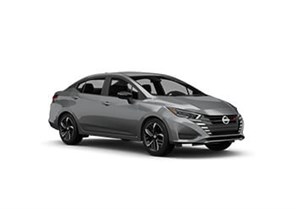
CompactCompact (Nissan Versa) or Similar
From
$41.14
/day
|
|
|||
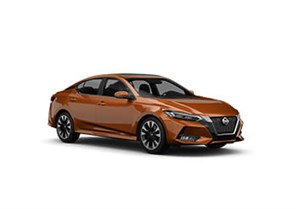
IntermediateIntermediate (NISSAN SENTRA) or Similar
From
$41.42
/day
|
|
|||
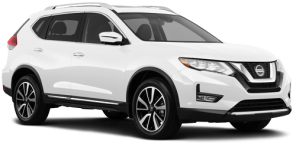
Intermediate SuvNissan Rogue or Similar
From
$53.89
/day
|
|
|||
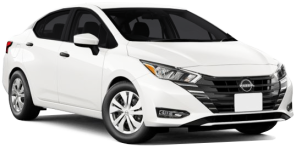
CompactNissan Versa or Similar
From
$41.14
/day
|
|
|||
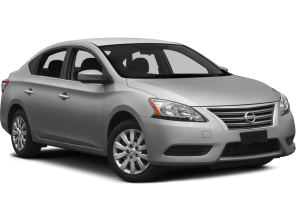
IntermediateNissan Sentra or Similar
From
$41.42
/day
|
|
|||
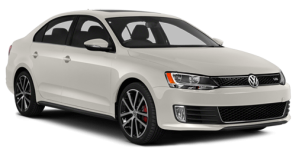
StandardVolkswagen Jetta or Similar
From
$45.01
/day
|
|
|||
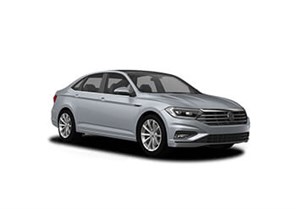
StandardStandard (Volkswagen Jetta) or Similar
From
$45.01
/day
|
|
|||
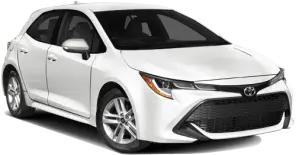
IntermediateToyota Corolla or Similar
From
$46.08
/day
|
|
|||
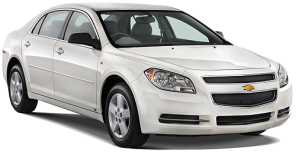
Full-sizeChevrolet Malibu or Similar
From
$46.87
/day
|
|
|||
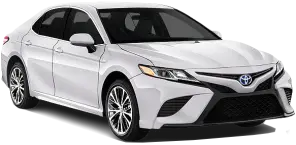
Full-sizeToyota Camry or Similar
From
$47.63
/day
|
|
|||
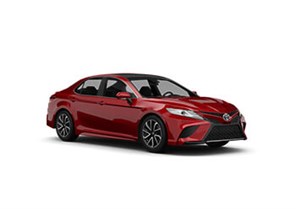
Full-sizeFullsize (TOYOTA CAMRY) or Similar
From
$47.63
/day
|
|
|||
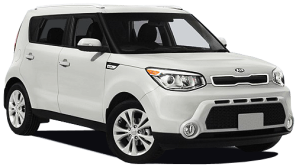
CompactKia Soul or Similar
From
$48.54
/day
|
|
|||
IntermediateHyundai Elantra or Similar
From
$48.93
/day
|

|
|||
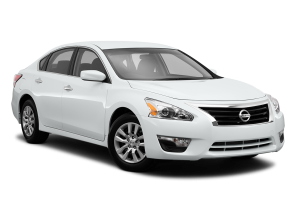
Full-sizeNissan Altima or Similar
From
$49.79
/day
|
|
|||
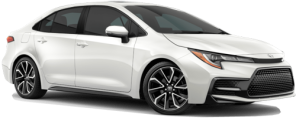
IntermediateToyota Corolla Sedan or Similar
From
$51.56
/day
|
|
|||
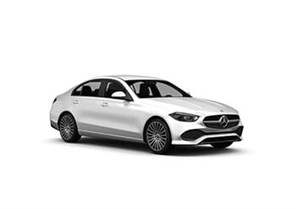
Full-size EliteFullsize Elite (MERCEDES-BENZ C-CLASS) or Similar
From
$57.41
/day
|
|
|||
Intermediate EliteBMW 2 Series or Similar
From
$57.46
/day
|

|
|||
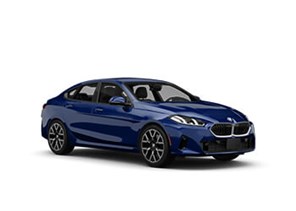
Intermediate EliteIntermediate Elite (BMW 2 SERIES) or Similar
From
$57.46
/day
|
|
|||
EconomyHyundai Venue or Similar
From
$57.59
/day
|

|
|||
CompactHyundai Accent or Similar
From
$57.81
/day
|

|
|||
CompactFord Focus or Similar
From
$57.88
/day
|

|
|||
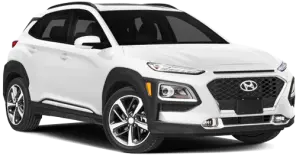
Compact SuvHyundai Kona or Similar
From
$59.65
/day
|
|
|||
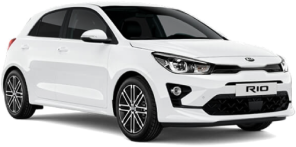
EconomyKia Rio or Similar
From
$60.23
/day
|
|
|||
StandardKia K5 or Similar
From
$60.34
/day
|

|
|||
Premium EliteBMW 5 Series or Similar
From
$60.52
/day
|

|
|||
Our Features
Discover a world of convenience, safety, and customization, paving the way for unforgettable adventures and seamless mobility solutions.
Optional Full Coverage
Protect your rental with optional full coverage insurance for additional peace of mind during your trip.
Compare Car Rental Prices
Compare rental prices from hundreds of trusted suppliers worldwide to find the best deal for your trip.
Vehicle Category Selection
Choose from economy, compact, standard, luxury, SUV, and van categories depending on your needs.
Transparent Pricing
All rental costs, taxes, insurance options, and fees are clearly displayed before booking.
Additional Driver Options
Many suppliers allow you to add additional drivers so you can share driving responsibilities.
Trusted Rental Partners
We partner with leading global and local car rental companies to ensure reliable vehicles and professional service.
Honolulu Downtown, Honolulu Car Rental Facts
Essential information on the best deals, rental providers, and vehicle options in Honolulu Downtown, Honolulu.
Most Popular Agencies
Hertz on Alakea Street leads downtown Honolulu rentals with 29% market share, serving the financial district, state government employees, and visitors.
Popular Car Types
Midsize sedans are the workhorses for business. Compacts are for local trips. Luxury vehicles are for executives and special occasions.
Average Rental Duration
Downtown Honolulu rentals average 2-4 days for business meetings, government work, and weekend getaways. (Based on 6,800+ local pickups)
Most Popular Models
The Toyota Camry is the default reliable sedan. The BMW 3 Series is a popular luxury choice for the business district.
Average Daily Price
Downtown Honolulu rates average $50/day. One-way rentals to the airport are convenient for business travelers.
How much does it cost to rent a car at Honolulu Downtown, Honolulu?
Averaging the lowest prices for the economy car category, the data below shows prices for monthly comparisons.
Cheapest Month Average
MayMost Expensive Month
DecYearly Average Price
Honolulu Downtown - Winter peak (December-February) for Waikiki tourism. Summer offers good rates. Pearl Harbor year-round. Book 2-3 months ahead.
Car Rental Honolulu Downtown, Hawaii Guide
Renting a car in Honolulu Downtown, Hawaii, is a gateway to experiencing Oahu on your own terms. While the historic district itself is wonderfully walkable, with its blend of royal palaces, bustling markets, and financial hubs, a car becomes essential the moment you want to venture beyond the city center. The process is straightforward, but the choice of where to pick up your vehicle can significantly impact your budget and the start of your vacation. Many international travelers find that the freedom of having a personal vehicle outweighs the convenience of taxis or the limitations of TheBus (Honolulu’s public transit system), especially when factoring in the cost of multiple rideshares for a family or the desire to explore hidden beaches at sunrise.
The primary decision for travelers is whether to pick up their rental at the Daniel K. Inouye International Airport (HNL) upon arrival or from a downtown location the next day. Airport rentals are undeniably convenient—you can collect your luggage, hop on a free shuttle to the rental car center, and be on your way. However, this convenience comes with a significant premium. Airport concession fees and customer facility charges (CFCs) can add a substantial daily surcharge to your base rate. A smart money-saving tip for savvy travelers is to book a car at an off-airport location in Honolulu Downtown, Hawaii. By taking a short, inexpensive ride-share or taxi from the airport to a downtown rental office, you can often save enough to cover a few days' worth of parking or a nice dinner. The main disadvantage of this approach is the extra step of traveling with luggage before you have your car. Below is a comparison of the main pickup zones.
| Pickup Location | Pros | Cons | Typical Additional Fees |
|---|---|---|---|
| Daniel K. Inouye International Airport (HNL) | Immediate access upon arrival; 24/7 shuttle service; largest vehicle selection | High airport concession fees; crowded rental center; longer wait times during peak hours | $10–$15 per day in CFCs and concession recovery fees |
| Honolulu Downtown, Hawaii (City Locations) | Lower base rates; fewer fees; often more personalized service; good for one-way rentals | Requires transport from airport to office; limited operating hours (usually 8 AM – 5 PM) | Standard state taxes only; no airport surcharges |
Car Rentals Requirements in Honolulu Downtown, Hawaii
Before you book, it is crucial to understand the legal and administrative requirements for renting a vehicle in Hawaii. The state follows U.S. federal regulations, but rental agencies in Honolulu Downtown, Hawaii, often have their own specific policies, particularly concerning age and payment methods. Being prepared with the correct documentation ensures a smooth pickup process, allowing you to get behind the wheel without unnecessary delays.
Most major rental companies require renters to be at least 21 years old. However, drivers under the age of 25 (typically 21–24) will almost always incur a "young driver surcharge," which can add $25–$35 per day to the rental cost. A valid driver’s license from your country of origin is required. If your license is not in English, you must supplement it with an International Driving Permit (IDP). A major credit card in the renter’s name is mandatory for the security deposit; debit cards are rarely accepted for downtown locations unless you are purchasing expensive additional insurance. You will also need your passport for identification as an international visitor. Basic insurance (liability) is usually included in the base rate by law, but Collision Damage Waiver (CDW) and Supplemental Liability Insurance (SLI) are optional, though highly recommended to avoid out-of-pocket costs for damage.
Regarding the International Driving Permit (IDP): While Hawaii state law does not strictly require an IDP for visitors with a valid license from their home country, rental agencies in Honolulu Downtown, Hawaii, often enforce it if your native license is in a language other than English (e.g., Japanese, Korean, Chinese, or German). The IDP serves as a standardized translation of your license. If you are stopped by police or involved in an incident, having an IDP can streamline communication significantly. You must obtain the IDP in your home country before traveling, as it is not available for issuance in Hawaii.
| Requirement | Details |
|---|---|
| Minimum Age | 21 years (25+ to avoid young driver fees) |
| Driver's License | Valid license from country of origin; must be in English or accompanied by IDP |
| Credit Card | Major credit card (Visa, MasterCard, Amex) in renter's name; debit cards rarely accepted |
| Passport | Required for identification for international travelers |
| Insurance | State-mandated liability coverage included; optional CDW/LDW recommended |
Why Rent a Car in Honolulu Downtown, Hawaii
Honolulu is a city where the urban core meets a vast, diverse island landscape. While downtown Honolulu is rich with history—home to Iolani Palace and the King Kamehameha statue—the true magic of Oahu lies in its circumference. Renting a car transforms your trip from a hotel-bound stay into an active exploration of the island’s microclimates. Without a car, you are largely tethered to the Waikiki tourist corridor, dependent on tour buses that operate on strict schedules or expensive ride-shares that can surge in price during rain or rush hour.
Having your own vehicle allows you to embrace the Hawaiian concept of "talk story"—the freedom to stop spontaneously. You can pull over at a roadside shrimp truck in Kahuku, chase a rainbow to a secluded windward beach, or drive up to the Tantalus lookout for a sunset that tour groups miss. For families, a car is a logistical necessity, providing space for beach gear, snacks, and tired keiki (children) without the stress of public transport timetables. It also enables you to stay in more affordable accommodations outside of Waikiki, often offsetting the rental cost entirely.
- Unmatched Flexibility: Depart at dawn for the North Shore to beat the crowds or stay late for a romantic dinner in Kailua without worrying about taxi availability.
- Scenic Drives: Access iconic routes like the Pali Highway (Route 61) with its lush, tunnel-like greenery or the coastal Kamehameha Highway.
- Cost-Effective for Groups: For families or groups of 3-4, a daily rental rate plus parking often costs less than multiple round-trip ride-shares to popular sites like Hanauma Bay or the Polynesian Cultural Center.
- Grocery and Gear Storage: Stop at local markets like Foodland or Don Quijote to stock up on poke and snacks, saving money on resort meals.
- Access to Remote Trails: Reach hiking trailheads for the Ehukai Pillbox (Sunset Pillbox) or the Makapu‘u Lighthouse trail, which are difficult to access via public transit.
- Emergency Preparedness: Having a car means you have a mobile base for sudden tropical showers or a place to store valuables while you swim.
Best Car Rental Companies in Honolulu Downtown, Hawaii
Travelers renting in Honolulu Downtown, Hawaii, will find a mix of the globally recognized brands and a few local agencies that often provide competitive rates and more flexible terms. The downtown area, particularly along Kapiolani Boulevard and near the civic center, hosts several major rental hubs. International giants like Hertz, Avis, and Enterprise dominate the market here, offering the reliability of nationwide service and large fleets. These are ideal if you need extended hours or specific vehicle categories like luxury convertibles or 12-passenger vans.
Local suppliers, such as Discount Hawaii Car Rental (which acts as a broker for major companies) or smaller independent lots, are also worth considering for budget-conscious travelers. These agencies often have lower overhead than their airport counterparts and may offer perks like free additional drivers or more lenient cancellation policies. Regardless of the brand, it is wise to join the company’s loyalty program (most are free) to expedite the pickup process, as downtown offices can get busy on weekday mornings when business travelers pick up vehicles. Below is a general comparison based on the downtown market.
| Company | Price Level (Downtown) | Pros |
|---|---|---|
| Hertz | Medium / High | Extensive fleet including prestige vehicles; excellent Gold Plus Rewards program for skipping the counter. |
| Avis | Medium | Strong corporate presence downtown; good for one-way rentals to the airport; reliable preferred service. |
| Enterprise | Low / Medium | Often the most competitive downtown rates; known for customer service and willingness to pick up renters. |
| Budget | Low | Frequently offers the best base rates for economy cars; ideal for budget travelers booking weeks in advance. |
| Sixt | Medium | Strong European presence; often has premium German vehicles (BMW, Mercedes) at competitive downtown rates. |
| Alamo | Medium | Simple pricing structure; popular with families for minivans and SUVs; usually located near the convention center area. |
Popular Car Rental Categories & Prices in Honolulu Downtown, Hawaii
The type of vehicle you choose in Honolulu Downtown, Hawaii, should align with your itinerary and group size. Economy and compact cars are the most popular choices for solo travelers and couples, primarily because they are easier to park in tight downtown garages and offer better fuel efficiency on the island. However, given Oahu’s occasional heavy rainfall and the appeal of accessing trails with unpaved parking lots, SUVs (especially Jeep Wranglers) are a cultural icon here. The Jeep Wrangler, often rented with the doors off, is the quintessential Hawaii experience, though it comes at a premium.
Rental prices in Honolulu are highly seasonal. The high tourist season, running from mid-December through April (whale season) and again during summer break (June–August), sees prices spike. During these periods, demand often outstrips supply, particularly for convertibles and SUVs. Conversely, the "low season" (mid-April to May and September to mid-December) offers the best deals, with prices sometimes dropping by 40% compared to peak holiday weeks like Christmas or Spring Break. It is also wise to avoid renting during major events like the Honolulu Marathon or the Festival of Pacific Arts, as local demand surges.
| Vehicle Category | Example Models | Average Daily Price (USD) |
|---|---|---|
| Small / Economy Cars | Nissan Versa, Toyota Yaris, Hyundai Accent | $45 – $75 |
| Medium / Standard Cars | Toyota Corolla, Honda Civic, Nissan Altima | $55 – $85 |
| SUVs / Crossovers | Jeep Wrangler, Toyota RAV4, Ford Bronco Sport | $85 – $150 |
| Vans / Family Vehicles | Chrysler Pacifica, Toyota Sienna, Ford Transit | $110 – $180 |
| Luxury / Convertibles | Ford Mustang Convertible, BMW 2 Series, Camaro SS | $120 – $250 |
| Pricing Factor | Insight |
|---|---|
| Cheapest Month | October or May (after Golden Week and before summer rush) |
| Most Expensive Month | December (especially around Christmas and New Year's Eve) |
| Average Price (All Types) | $70 – $95 per day |
| A Good Deal | Economy car for under $40/day or SUV under $70/day |
| Cheapest Supplier (Downtown) | Often Budget or Enterprise for standard categories |
| Cheapest Car Type | Economy or Compact (manual transmission availability is rare) |
Road Trips from Honolulu Downtown, Hawaii
Starting your journey from Honolulu Downtown, Hawaii, places you at a strategic crossroads. You are just minutes from the H-1 freeway, which acts as the main artery of the island. Whether you head west toward the leeward coast or east toward the windward side, each direction offers a distinct flavor of Hawaii. Here are some essential road trips to consider:
- The Southeast Loop (Hanauma Bay & Halona Blowhole): Drive east along Kalanianaole Highway (Route 72). Distance: 30 minutes to Hanauma Bay. Highlights: Snorkeling at Hanauma Bay Nature Preserve (reservations required), the dramatic Halona Blowhole, and the serene sands of Sandy Beach. Continue to Makapu‘u Point for a lighthouse hike with panoramic ocean views.
- The Windward Coast to Kailua: Take the Pali Highway (Route 61) through the Nu‘uanu Pali tunnels. Distance: 20 minutes to Kailua town. Highlights: The breathtaking lookout at Nu‘uanu Pali State Wayside (extremely windy!), followed by the calm, turquoise waters of Kailua Beach and Lanikai Beach. This is the perfect spot for kayaking to the Mokulua Islands.
- The North Shore Journey: Head west on the H-1 to H-2, merging onto Kamehameha Highway (Route 99/83). Distance: 60–90 minutes to Haleiwa town. Highlights: This is a full-day adventure. Stop at the Dole Plantation, then continue to famous surf breaks like Waimea Bay, Banzai Pipeline, and Sunset Beach. Enjoy food trucks in Haleiwa and watch for sea turtles at Laniakea Beach.
- The Leeward Coast (West Side): Drive west on the H-1 until it ends at Farrington Highway. Distance: 45 minutes to Ko Olina. Highlights: Explore the Kaena Point Trail (requires a high-clearance vehicle or hiking), relax in the man-made lagoons of Ko Olina, or visit the historic town of Wai‘anae for a less touristy vibe.
Driving Rules in Honolulu Downtown, Hawaii
Driving in Hawaii requires adherence to standard U.S. traffic laws, but with a few local nuances. In Honolulu Downtown, Hawaii, traffic moves on the right-hand side of the road. The most significant adjustment for international visitors from left-hand drive countries (like the UK, Australia, or Japan) is navigating the downtown grid, which features one-way streets—especially along Nimitz Highway, King Street, and Beretania Street. It is easy to miss a turn, so paying close attention to signage is key.
Speed limits are strictly enforced. On the H-1 freeway, the limit ranges from 45 to 55 mph, but in downtown areas, it is typically 25 to 30 mph. Honolulu has a high number of automated speed cameras and red-light cameras, particularly at busy intersections like Kapiolani Boulevard and Ward Avenue. Hawaii has a "zero tolerance" policy for drinking and driving; the legal blood alcohol concentration (BAC) limit is 0.08%, and penalties for tourists are severe. Seatbelts are mandatory for all occupants, and children under the age of 4 must be in a child safety seat. Children ages 4 to 7 must be in a booster seat. Rental agencies usually offer these for a daily fee, but it is cheaper to bring your own if traveling with small children. Road conditions are generally good on major highways, but potholes can appear after heavy rain. Off-roading is prohibited on rental cars, and driving on unpaved roads (like those leading to Kaena Point) voids most insurance policies.
| Area | Speed Limit (mph) | Notes |
|---|---|---|
| Downtown / Urban Streets | 25 – 30 | Strict enforcement; heavy pedestrian traffic in Chinatown and civic center. |
| H-1 Freeway (Urban) | 45 – 50 | Heavy congestion during rush hour (6:30–8:30 AM & 3:30–6:00 PM). |
| H-1 / H-2 (Outer Areas) | 55 | Generally flow of traffic is 60 mph; police often patrol. |
| Scenic Byways (Kalanianaole) | 35 – 45 | Narrow shoulders; pedestrians and cyclists share the road. |
Toll Roads in Honolulu Downtown, Hawaii
One of the few conveniences of driving on Oahu is the absence of toll roads. There are no pay-as-you-go toll booths or toll highways on the island. The H-3 freeway, a stunning engineering marvel that cuts through the Ko‘olau mountains, is free to use. However, travelers should be aware that the main route to the Kailua area via the Pali Highway (Route 61) and the Likelike Highway (Route 63) are also toll-free.
While there are no toll roads, visitors should be mindful of parking tolls and fees, which act as the primary cost for road usage in urban areas. If you drive to the North Shore during peak surf competition season (usually winter months), some private lots may charge "event parking" fees. Additionally, the Hanauma Bay parking lot fills up by 7:00 AM and charges a flat fee for non-residents, which is paid upon entry.
Parking in Honolulu Downtown, Hawaii
Parking is arguably the most challenging aspect of renting a car in Honolulu Downtown, Hawaii. The downtown district is a business hub, meaning street parking is scarce and strictly regulated during weekdays. Most on-street metered parking is limited to 1 to 3 hours and is enforced Monday through Saturday, typically from 6:00 AM to 6:00 PM. Rates are around $1.50 to $2.00 per hour. After 6:00 PM and on Sundays, many metered spots become free, though you must always check the signage to avoid a costly $35–$50 citation.
For longer stays, parking garages are the only reliable option. The municipal lots, such as the Alii Place Parking or the Marina Parking Garage, offer daily rates ranging from $15 to $25 for 24 hours. Many hotels in the downtown periphery charge overnight valet fees of $30 to $45 per night. A common mistake is assuming that downtown parking is as abundant as it is in suburban areas; during the weekday lunch rush, it can take 20 minutes to find a spot. If you are staying in Waikiki, many travelers leave their car parked at the hotel for the duration of their stay and walk, as Waikiki parking fees often exceed $50 per night.
Tips for Car Rental in Honolulu Downtown, Hawaii
To ensure your rental experience is as smooth as the Hawaiian trade winds, a bit of strategy goes a long way. Drawing from years of local insight, here are practical tips for navigating the car rental scene in Honolulu Downtown, Hawaii:
- Book Early, Especially for Specific Cars: If you have your heart set on a Jeep Wrangler or a minivan, book as soon as your flights are confirmed. Inventory for these specific categories in downtown locations is limited compared to the airport.
- Compare "Out-the-Door" Pricing: When comparing prices, look at the final total including taxes and fees. A downtown rate often looks similar to an airport rate until you add the airport’s $10–$15 daily facility charge.
- Use the "Downtown Shuffle" to Save: Pick up your car on your first full day rather than immediately upon landing. Take a taxi to your hotel, then walk or rideshare to a downtown branch (like the one on Kapiolani Blvd) to pick up the car. Return it at the airport on your departure day if the drop-off fee is waived.
- Inspect for Sand and Salt: Before you drive off the lot, inspect the car thoroughly. Take photos of any existing scratches or dings. Be aware that if you take the car to the beach, sand can get into the carpet and door panels—some agencies charge cleaning fees for excessive sand.
- Understand the "Jeep Tax": While Jeeps are fun, they are not fuel-efficient and have a higher rental rate. If you are primarily staying in downtown and Waikiki, an economy car is more practical and saves you money on gas and parking size.
- Check Fuel Policy: Most downtown rentals operate on a "full-to-full" policy. This is the best deal. Locate a gas station near the rental return—there are several on Nimitz Highway—to fill up before returning to avoid inflated refueling charges.
Common Car Rental Mistakes Travelers Make
Even seasoned travelers can stumble into traps when renting in a new destination. Avoiding these common pitfalls will save you money and stress during your visit to Honolulu Downtown, Hawaii.
- Assuming You Need a Car for the Entire Stay: Many travelers book a car for the duration of their trip but end up leaving it parked in Waikiki for days, paying $50+ per night in hotel parking. Instead, book a car for the specific days you plan to explore the island, and rely on walking or trolleys in Waikiki and downtown.
- Skipping the Walkaround: Failing to document pre-existing damage. When you return the car, you are liable for any damage not noted on the rental agreement. Always take a time-stamped video of the exterior and interior before leaving the lot.
- Declining Insurance Without Coverage: International travelers often assume their travel insurance or personal auto insurance covers rentals in the US. Many do not. Verify your coverage before declining the Collision Damage Waiver (CDW). If you are unsure, purchasing the rental company’s insurance provides peace of mind.
- Leaving Valuables in Sight: Rental cars are a target for theft, especially in tourist areas. Never leave luggage, passports, or electronics visible in the car, even for a few minutes. Use the trunk or take valuables with you.
- Driving During Rush Hour: Trying to cross town from downtown to Waikiki between 3:30 PM and 6:00 PM can turn a 10-minute drive into a 45-minute crawl. Plan your excursions to avoid these times to preserve your aloha spirit.
Real Travel Experience Renting a Car in Honolulu Downtown, Hawaii
Markus and Lena, a couple from Germany, arrived in Honolulu after a long flight and decided against the airport rental crowds. They took a shared van to their boutique hotel in the downtown district. The next morning, after a strong cup of Kona coffee, they walked six blocks to a downtown Enterprise office. The agent was unhurried, explaining that their German licenses required the IDP they had wisely secured in Berlin. They opted for a compact Nissan, which was half the price of the Jeep they had originally considered. With the car, they drove up the Pali Highway, stopping spontaneously at a lookout where the wind was so strong it nearly knocked them over. For the next four days, they used their car as a mobile locker for snorkel gear and towels, finding secret beach parking spots that the big tour buses couldn't access. Their biggest takeaway was that the hour they spent picking up the car downtown saved them nearly $200 in airport fees and allowed them to feel like locals navigating the city streets.
International Driving Permit for Travelers Visiting Honolulu Downtown, Hawaii
For international travelers, the International Driving Permit (IDP) serves as a vital companion to your national driver’s license. While the State of Hawaii does not mandate an IDP for a valid foreign license, the rental agencies operating in Honolulu Downtown, Hawaii, frequently require it if your license is not printed in English. This is a strict internal policy designed to ensure that the agent can verify the license details and for legal identification in the event of a traffic stop. Without an IDP, you risk being denied the vehicle at the counter, even if you have a valid license from your home country.
The IDP is not issued in Hawaii; it must be obtained in your country of residence prior to travel. It is essentially a translation of your existing license into multiple languages (including English) and is valid for one year from the date of issue. To obtain one, you typically need to apply through your local automobile association (such as the ADAC in Germany, the AA in the UK, or the AAA in the US, though non-US residents should apply in their home country). You will need to provide a completed application, two passport-sized photos, a copy of your valid domestic license, and a small fee. Carrying both your original license and the IDP whenever you drive is the safest practice to ensure compliance with both rental terms and local law enforcement.
Explore More Car Hire Locations Across Hawaii
- Car Rental at Cap Haitien Airport (CAP)
- Car Rental at Cap Haitien Downtown
- Car Rental at Hilo Airport (ITO)
- Car Rental at Hilo Downtown
- Car Rental at Honolulu Airport (HNL)
- Car Rental at Hoolehua Downtown
- Car Rental at Kahului Airport (OGG)
- Car Rental at Kahului Downtown
- Car Rental at Kailua Kona Downtown
- Car Rental at Kona Airport (KOA)
- Car Rental at Lahaina Airport (JHM)
- Car Rental at Lahaina Downtown
- Car Rental at Lanai Downtown
- Car Rental at Lihue Airport (LIH)
- Car Rental at Lihue Downtown
- Car Rental at Molokai Airport (MKK)
Major Airports in Hawaii
Complete airport guides with car rental information, parking, and transportation options