Cheap Car Rental Hawaii - Compare Deals & Book Instantly
Search and compare car rental prices from trusted global suppliers. Find the best deals instantly.
Why book with us?
-
Wide Fleet
Choose from economy cars, SUVs, luxury vehicles, and more.
-
Free Cancellation
Flexible booking options with free cancellation on most rentals.
-
24/7 Customer Support
Our expert team is available 24/7 to assist you with any questions or concerns.
Compare top international car rental brands and choose the best deal for your trip.








Car Rental Deals in Hawaii
Choose from our wide range of vehicles available in Hawaii.
EconomyMitsubishi Mirage or Similar
From
$56.44
/day
|

|
|||
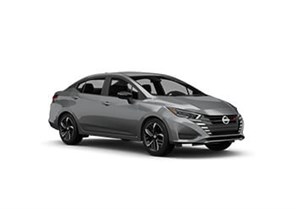
CompactCompact (Nissan Versa) or Similar
From
$41.14
/day
|
|
|||
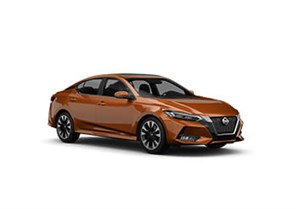
IntermediateIntermediate (NISSAN SENTRA) or Similar
From
$41.42
/day
|
|
|||
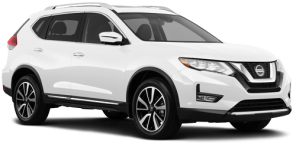
Intermediate SuvNissan Rogue or Similar
From
$53.89
/day
|
|
|||
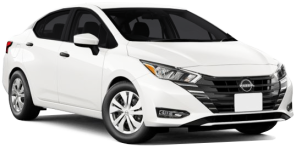
CompactNissan Versa or Similar
From
$41.14
/day
|
|
|||
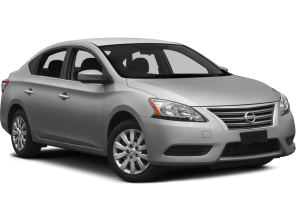
IntermediateNissan Sentra or Similar
From
$41.42
/day
|
|
|||
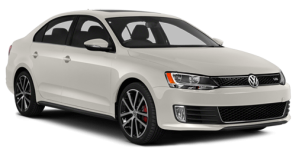
StandardVolkswagen Jetta or Similar
From
$45.01
/day
|
|
|||
StandardStandard (Volkswagen Jetta) or Similar
From
$45.01
/day
|

|
|||
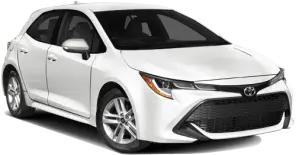
IntermediateToyota Corolla or Similar
From
$46.08
/day
|
|
|||
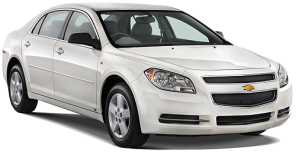
Full-sizeChevrolet Malibu or Similar
From
$46.87
/day
|
|
|||
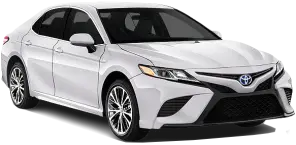
Full-sizeToyota Camry or Similar
From
$47.63
/day
|
|
|||
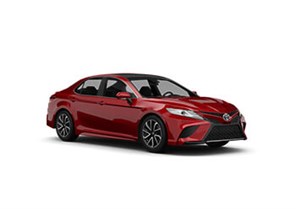
Full-sizeFullsize (TOYOTA CAMRY) or Similar
From
$47.63
/day
|
|
|||
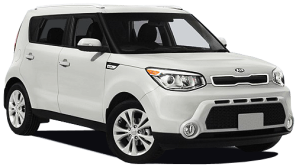
CompactKia Soul or Similar
From
$48.54
/day
|
|
|||
IntermediateHyundai Elantra or Similar
From
$48.93
/day
|

|
|||
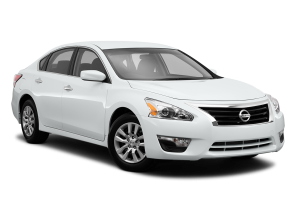
Full-sizeNissan Altima or Similar
From
$49.79
/day
|
|
|||
IntermediateToyota Corolla Sedan or Similar
From
$51.56
/day
|

|
|||
Full-size EliteFullsize Elite (MERCEDES-BENZ C-CLASS) or Similar
From
$57.41
/day
|

|
|||
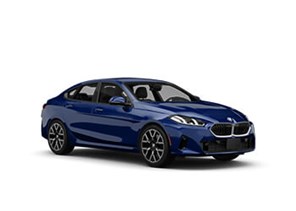
Intermediate EliteBMW 2 Series or Similar
From
$57.46
/day
|

|
|||
Intermediate EliteIntermediate Elite (BMW 2 SERIES) or Similar
From
$57.46
/day
|
|
|||
EconomyHyundai Venue or Similar
From
$57.59
/day
|

|
|||
CompactHyundai Accent or Similar
From
$57.81
/day
|

|
|||
CompactFord Focus or Similar
From
$57.88
/day
|

|
|||
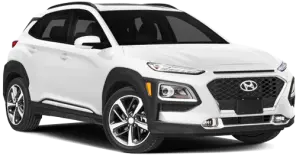
Compact SuvHyundai Kona or Similar
From
$59.65
/day
|
|
|||
EconomyKia Rio or Similar
From
$60.23
/day
|

|
|||
StandardKia K5 or Similar
From
$60.34
/day
|

|
|||
Premium EliteBMW 5 Series or Similar
From
$60.52
/day
|

|
|||
Our Features
Discover a world of convenience, safety, and customization, paving the way for unforgettable adventures and seamless mobility solutions.
Easy Booking Management
Manage, modify, or cancel your booking easily through your confirmation link or account.
Detailed Rental Information
View complete rental terms including fuel policy, mileage limits, deposit requirements, and insurance coverage.
Multiple Currency Support
View prices and pay in various currencies for a convenient global booking experience.
Booking Assistance
Our support team can help you choose the right car and complete your booking if needed.
Flexible Rental Options
Choose from short-term, long-term, or one-way rentals depending on your travel requirements.
Customer Support
Our support team is available to help with booking questions, modifications, or cancellations.
Hawaii Car Rental Facts
Essential information on the best deals, rental providers, and vehicle options in Hawaii.
Most Popular Agencies
Lion City Rentals leads with 28% share, catering to both tourists wanting to explore beyond the city and residents needing temporary vehicles.
Popular Car Types
Compact cars are favored for city maneuverability. Luxury vehicles serve business travelers and tourists wanting to arrive in style at Marina Bay.
Average Rental Duration
Short 3-day rentals reflect Singapore's compact size and excellent public transport, with cars used mainly for weekends in Malaysia or Sentosa trips. (Based on 14,200+ local searches)
Most Popular Models
The Toyota Corolla dominates the practical rental segment. The Mercedes C-Class is preferred for business clients and special occasions.
Average Daily Price
Singapore commands premium rates averaging $72/day, reflecting high vehicle costs. Weekend rentals from $135 offer value for Malaysia road trips.
How much does it cost to rent a car at Hawaii?
Averaging the lowest prices for the economy car category, the data below shows prices for monthly comparisons.
Cheapest Month Average
JanMost Expensive Month
SepYearly Average Price
F1 Grand Prix (September) causes extreme price spikes. Peak seasons (June-August, December) for tourism. Cars expensive - public transport efficient. ERP tolls apply. Book 2-3 months ahead for F1.
Driving Laws & Information for Hawaii
Essential driving rules and requirements to know when renting a car
Driving Side
Right
Minimum Age
16 to drive
Blood Alcohol Limit
0.08% maximum
IDP Required?
No International Driving Permit
Speed Units
mph
Seat Belt
Required
Toll Roads
No
Emergency
911 emergency number
Car Rental Hawaii Guide
Renting a car in Hawaii is often considered an essential part of the experience, transforming a good vacation into an unforgettable one. The islands are incredibly diverse, with landscapes ranging from lush rainforests and cascading waterfalls to volcanic deserts and stunning coastlines. While ride-sharing and tours are available, they can't compete with the freedom of having your own vehicle to explore at your own pace. You'll find rental offices at all major airports, including Honolulu (HNL) on Oahu, Kahului (OGG) on Maui, Lihue (LIH) on Kauai, and Kona (KOA) and Hilo (ITO) on the Big Island. Picking up your car directly at the airport is the most convenient option, allowing you to drive straight to your accommodation after your flight. However, this convenience comes at a cost, as airport locations often include surcharges and facility fees that can add a significant amount to your bill.
Alternatively, renting from a location in a nearby town or city can sometimes save you money. For instance, on Oahu, you might find slightly lower rates at an office in Waikiki compared to the airport. The trade-off is the logistical challenge of getting from the airport to that rental office, often requiring a taxi or ride-share, which can eat into your savings. A savvy money-saving tip is to compare the total price, including all fees and the cost of transportation to an off-airport location, before you decide. For many, the sheer convenience of an airport pickup, especially after a long flight, is worth the premium. It's also wise to book your rental car well in advance, as Hawaii's popularity means vehicles, particularly convertibles and Jeeps, can sell out quickly, especially during peak seasons.
| Pickup Location | Pros & Cons |
|---|---|
| Airport (e.g., HNL, OGG) | Pros: Ultimate convenience, easy access from baggage claim, large inventory of vehicles. Cons: Higher rates due to airport concession fees and surcharges, can be busy with long lines. |
| City/Town (e.g., Waikiki, Lahaina) | Pros: Potentially lower base rates, may avoid some airport-specific fees. Cons: Requires transportation to the rental office, limited vehicle availability, may have shorter operating hours. |
Car Rental Requirements in Hawaii
Before you can hit the road in paradise, you'll need to meet specific requirements, which are fairly standard across the United States. The absolute minimum age to rent a car in Hawaii is typically 21, but drivers under 25 will almost always incur a "young driver" surcharge, which can add a substantial daily fee to your rental. Some companies may even have a minimum age of 25 for certain vehicle categories, like luxury cars or convertibles. You will need a valid, full driver's license from your country of residence, and it must be physically presented at the rental counter. The name on your license must match the name on the credit card and reservation.
Payment is another critical area. A major credit card in the name of the primary driver is almost universally required. Debit cards are often not accepted at the counter for the final payment or for the required security deposit, and if they are, the rental company may perform a credit check and require additional forms of identification, which can be a lengthy and uncertain process. You will also need your passport for identification. Regarding insurance, rental companies in Hawaii offer several options. The most common are a Loss Damage Waiver (LDW) or Collision Damage Waiver (CDW), which limits your financial responsibility if the car is damaged or stolen, and Liability Insurance Supplement (LIS), which provides coverage for injury or damage you might cause to others. Many international travelers have coverage through their travel insurance, credit card, or home auto policy, so it's crucial to check your existing coverage before your trip to avoid paying for duplicate insurance.
An International Driving Permit (IDP) is not strictly required by Hawaii state law for visitors with a valid driver's license from their home country, provided the license is in English. However, having an IDP can be a helpful form of additional identification and is recommended by some authorities, especially if your license is not in English. It translates your license information into multiple languages and can be useful in situations where language barriers exist.
| Requirement | Details |
|---|---|
| Minimum Age | 21 years (with possible young driver surcharge for ages 21-24). 25+ for some vehicle classes. |
| Driver's License | Valid license from your country of residence. An IDP is recommended if your license is not in English. |
| Payment Method | Major credit card in the primary driver's name. Debit cards are generally not accepted. |
| Passport | Required for identification. |
| Insurance | LDW/CDW and Liability options are available. Check your existing policies for potential coverage. |
Why Rent a Car in Hawaii
Hawaii's beauty is defined by its diverse and often remote landscapes, making a rental car the ultimate key to unlocking its true magic. While resort towns offer plenty to see and do, the heart of Hawaii lies beyond their boundaries. Renting a car empowers you to trade structured tours for spontaneous discovery, allowing you to chase a hidden waterfall, stop at a roadside fruit stand, or linger at a breathtaking viewpoint for as long as you wish. For families, the convenience and cost-effectiveness of having your own vehicle, with space for beach gear, groceries, and tired children, is unparalleled. It transforms logistical challenges into seamless adventures, turning a simple vacation into a personal exploration of the islands' soul.
Imagine driving the winding road to Hana on Maui, with its countless curves and waterfalls, or exploring the otherworldly landscapes of Hawaii Volcanoes National Park on the Big Island. These are experiences best savored from the driver's seat of your own rental car. You are not bound by a tour bus schedule; you set the itinerary. From the dramatic Nā Pali Coast views on Kauai to the bustling streets of Honolulu, a car provides the flexibility to experience the full spectrum of what each island offers. It's the difference between seeing Hawaii and truly experiencing it.
- Ultimate Freedom & Flexibility: Explore at your own pace, stop spontaneously, and change your plans on a whim.
- Access Remote Areas: Reach hidden beaches, national parks, and scenic drives not serviced by tour buses or public transport.
- Convenience for Families and Groups: Easily transport everyone, along with beach chairs, coolers, and luggage.
- Cost-Effective for Long Trips: For longer stays, a rental car can be cheaper than relying on multiple tours and ride-shares.
- Experience Iconic Scenic Drives: Conquer famous routes like the Road to Hana or the drive to the summit of Haleakalā.
- Grocery and Supply Runs: Easily stock up on supplies and souvenirs without worrying about carrying them.
Best Car Rental Companies in Hawaii
When planning your Hawaiian road trip, you'll be met with a familiar array of choices. The major international brands have a strong presence across all the main islands, offering reliability, large fleets, and convenient airport locations. You'll find desks for companies like Hertz, Avis, Enterprise, Budget, Sixt, Alamo, and Thrifty at every major airport. These giants are a safe bet for a consistent rental experience, often with well-maintained, late-model vehicles. Their loyalty programs can also offer perks like expedited service for frequent renters.
Alongside these international names, you may also encounter smaller, local rental companies. These can sometimes offer more competitive rates, especially for longer rentals or for specific vehicle types, such as older models or Jeeps. However, their inventory might be smaller, and their airport locations may be off-site, requiring a shuttle. A highly effective strategy for finding the best deal is to use a reputable rental comparison platform. These websites aggregate rates from both international and local suppliers, allowing you to compare prices, terms, and vehicle options side-by-side. This ensures you get the best possible rate without having to visit dozens of individual websites. Just be sure to review the cancellation policy and any hidden fees before booking.
| Company | Price Level | Pros |
|---|---|---|
| Hertz | Medium/High | Extensive locations, large fleet, strong loyalty program, wide variety of vehicles including luxury and specialty cars. |
| Avis | Medium/High | Well-established, good customer service, premium vehicle options, convenient airport counters. |
| Enterprise | Medium | Known for excellent customer service, extensive network, good for longer-term rentals, many off-airport locations. |
| Budget | Low/Medium | Competitive pricing, good for cost-conscious travelers, large fleet, easy online booking. |
| Sixt | Medium/High | Modern, high-quality fleet including European and luxury models, premium service, growing presence in Hawaii. |
Popular Car Rental Categories & Prices in Hawaii
The type of car you choose can significantly shape your Hawaiian adventure. The most sought-after category is undoubtedly the convertible, offering the quintessential experience of cruising along coastal highways with the top down and the sun on your face. A close second is the Jeep Wrangler or a similar 4x4 SUV, which is practically synonymous with exploring Hawaii's rugged terrain, from the unpaved roads leading to secluded beaches on the Big Island to the winding mountain roads of Kauai. For most travelers, however, a standard economy or compact car is the most practical and budget-friendly choice. These cars are easy to park, fuel-efficient, and perfectly adequate for navigating the main paved roads and visiting popular attractions.
Families or larger groups will find minivans and full-size SUVs ideal for their space and comfort. These provide ample room for passengers, luggage, and all the gear for a day at the beach. On the other end of the spectrum, luxury sedans and SUVs are available for those seeking a more refined driving experience. Common models you'll see across the islands include the Ford Mustang convertible, Jeep Wrangler, Toyota Camry, and Chrysler Pacifica minivan. As with any destination, prices in Hawaii are highly seasonal. You can expect to pay a premium during peak travel times, such as the winter holidays (mid-December through early January) and the summer months (June through August). Conversely, traveling during the shoulder seasons, like spring (April to mid-June) and fall (September to mid-December), can yield significantly lower rental rates.
| Car Category | Average Daily Price (USD) |
|---|---|
| Small Cars (Economy/Compact) | $45 - $75 |
| Medium Cars (Standard/Midsize SUV) | $60 - $95 |
| SUVs (Jeep/Full-size SUV) | $85 - $150+ |
| Vans (Minivan) | $90 - $160+ |
| Luxury Cars & Convertibles | $100 - $250+ |
Car Rental Price Trends in Hawaii
Navigating the fluctuating car rental prices in Hawaii can be the key to a more affordable vacation. Demand is the primary driver of cost, and it peaks during school holidays and when mainland weather is at its worst. Prices can more than double from the low to high season, so strategic planning is essential. The cheapest months to rent a car are generally in the spring (late April through May) and fall (September through early December), excluding the Thanksgiving holiday. During these periods, you'll find the widest availability and the most competitive rates. Conversely, the most expensive periods are the Christmas and New Year's holidays and the core summer months of July and August.
Booking well in advance is the single most effective way to secure a good deal, especially if you are traveling during peak season. It's also wise to periodically re-check your reservation, as prices can sometimes drop, allowing you to cancel and rebook at a lower rate. Opting for an economy car or a smaller vehicle will always be cheaper than a Jeep or convertible. Finally, using a comparison website to check rates across Budget, Enterprise, and local suppliers will help you identify the cheapest supplier for your specific travel dates.
| Trend | Details |
|---|---|
| Cheapest Months | May, September, October (excluding holidays) |
| Most Expensive Months | December, January, July, August |
| Average Daily Price | $70 - $120 (across all categories and seasons) |
| A Good Deal | An economy car for under $40/day in low season |
| Cheapest Supplier | Often Budget, Thrifty, or local off-airport companies (check comparison sites) |
| Cheapest Car Type | Economy or Compact cars |
Road Trips in Hawaii
Each Hawaiian island offers its own legendary road trip, each with a unique character and unforgettable scenery. These drives are not just about getting from point A to point B; they are destinations in themselves. From winding coastal highways to journeys through volcanic landscapes, here are some of the most famous routes you can take.
- Road to Hana (Maui): This epic 64-mile journey from Kahului to the small town of Hana is a full-day adventure. With over 600 curves and dozens of one-lane bridges, the drive is about the journey, not the speed. Highlights include the lush, rainforest scenery, waterfalls like Wailua Falls, black sand beaches at Waiʻānapanapa State Park, and the Pools of ʻOheʻo (Seven Sacred Pools) in Kīpahulu. Allow a full day for the drive there and back.
- Driving the North Shore (Oahu): Starting from Honolulu, head north through the island's center to the legendary North Shore. The drive itself is short (about an hour from Waikiki), but the stops are plentiful. Experience world-famous surf beaches like Waimea Bay and Banzai Pipeline in winter, explore the charming town of Haleiwa with its food trucks and boutiques, and visit the Polynesian Cultural Center. Continue along the coast to the serene beauty of Kahuku and the macadamia nut farms.
- Hawaiʻi Belt Road (Big Island): This journey circles the entire island, offering an incredible diversity of climates and landscapes. A popular segment is the drive from Kona to Hilo via the northern route (Highway 19). You'll pass through rolling ranchlands in Waimea (Kamuela), see the stunning Waipiʻo Valley overlook, and traverse lush, rainforest-covered coastline before arriving in Hilo. The southern route (Highway 11) takes you past Hawaii Volcanoes National Park, where you can see Kīlauea's otherworldly crater, and through the Punaluʻu Black Sand Beach, famous for its honu (sea turtles).
- Waimea Canyon Drive (Kauai): Known as the "Grand Canyon of the Pacific," Waimea Canyon is a breathtaking 10-mile long, 3,000-foot deep gorge. The drive from Waimea town to the Kalalau Lookout along Highway 550 is a spectacular ascent through varying shades of red and green. The numerous lookouts provide jaw-dropping panoramic views of the canyon's intricate erosion patterns. At the end of the road, the Puʻu o Kila Lookout offers a stunning vista of the Nā Pali Coast, weather permitting.
Driving Rules in Hawaii
Driving in Hawaii is generally a relaxed experience, but it's crucial to familiarize yourself with the local rules to ensure a safe and legal trip. Like the rest of the United States, Hawaii drives on the right-hand side of the road. Speed limits are posted in miles per hour (mph) and are strictly enforced. On highways, limits typically range from 55 to 60 mph, while in towns and residential areas, they are 25 to 35 mph. Be particularly mindful of speed limits in construction zones and small towns, where fines are often doubled. The legal blood alcohol limit is 0.08%, and Hawaii has strict enforcement with severe penalties for driving under the influence.
Seatbelt use is mandatory for all occupants of a vehicle, and child safety seat laws are rigorously enforced. Children under the age of 4 must be in an approved child safety seat, and children ages 4 through 7 must ride in a booster seat unless they are 4'9" tall. Rental car companies can provide these seats for an additional fee, but it's often cheaper and more convenient to bring your own. Road conditions in Hawaii vary greatly. While main highways are well-maintained, many side roads, especially those leading to remote attractions, can be narrow, winding, and potholed. On the Big Island, a 4x4 vehicle is highly recommended if you plan to explore areas like the unpaved South Point or roads leading to remote volcano viewing areas. Winter tires are not a standard requirement in Hawaii due to its tropical climate, but if you are driving to the summit of a high-altitude volcano like Mauna Kea or Haleakalā, be prepared for icy roads and freezing temperatures, and chains may be required during winter storms. It's also important to note that it is illegal to use a handheld mobile device while driving.
| Road Type | Speed Limit (mph) |
|---|---|
| Highways/Freeways | 55 - 60 mph |
| Urban/Roads | 35 - 45 mph |
| Residential/School Zones | 25 mph (or as posted) |
Toll Roads in Hawaii
As of 2026, Hawaii has only one toll road, and it is located on the island of Oahu. This is the H-3 Freeway (Interstate H-3) and a portion of the H-1 Freeway that utilizes the H-3's toll gantries. The system is fully electronic, meaning there are no cash booths. Tolls are collected via the Hawaii Department of Transportation's Kalaianaʻole Toll program. To pay the toll, your rental car will likely be equipped with a transponder, or the rental company will automatically bill you for the tolls incurred plus an administrative fee. It is essential to ask your rental company about their specific toll policy at the counter. The toll amount for a standard two-axle vehicle is typically a few dollars. If you drive through a toll gantry without a valid method of payment, the rental car company will be fined, and this cost, along with a hefty administrative fee, will be passed on to you. It is best to avoid the H-3 if you want to bypass the toll, but it is a scenic and efficient route connecting Kaneohe to Pearl Harbor and Honolulu.
Parking in Hawaii
Parking in Hawaii can range from surprisingly easy to a significant daily challenge, depending entirely on your location. In resort areas like Waikiki on Oahu or Kaanapali on Maui, parking is at a premium. Most hotels and resorts charge a daily parking fee, which can be quite expensive, often ranging from $30 to $50 per night. Street parking in these areas is scarce, heavily metered, and subject to strict time limits. Public parking garages are available but can also be costly. A good strategy is to ask your hotel about parking options before you arrive and to consider using your car less while staying in a dense resort area, opting to walk or use ride-shares for short trips.
Outside of the main tourist hubs, parking becomes much more manageable. At state and national parks, like Hawaiʻi Volcanoes National Park or the Road to Hana trailheads, parking is generally plentiful and free, though it can fill up quickly during peak hours. In towns like Haleiwa on Oahu or Paia on Maui, you'll find a mix of free street parking (with time limits) and public lots. When parking in residential areas, always be mindful of local signs and ensure you are not blocking driveways or bus stops. A golden rule of parking in Hawaii is to never leave valuables visible in your car, as break-ins can occur, particularly in areas frequented by tourists.
Tips for Car Rental in Hawaii
A little planning goes a long way in ensuring a smooth and affordable car rental experience in Hawaii. Here are some practical tips to help you navigate the process like a pro.
- Book Early and Monitor Prices: Rental cars in Hawaii, especially convertibles and Jeeps, sell out months in advance. Book as soon as your travel dates are confirmed. Continue to check prices periodically, as you can often cancel and rebook for free if a better rate appears.
- Avoid Airport Surcharges if Possible: While convenient, airport locations add fees. If you're staying near a town with a rental office and can easily get there (e.g., via a cheap shuttle or hotel pickup), you might save a significant amount.
- Compare Total Prices, Not Just Base Rates: Use a comparison website to see the final price including all mandatory fees and taxes. This gives you a true apples-to-apples comparison between companies.
- Check Your Existing Insurance Coverage: Before you arrive, call your credit card company and auto insurance provider to see if you already have coverage for rental cars. This can save you from purchasing expensive duplicate insurance at the counter.
- Choose the Right Car for Your Itinerary: If you're staying on paved roads, a fuel-efficient compact car is perfect. If you plan to explore remote, unpaved areas on the Big Island, a 4x4 is a must. A convertible is pure joy for coastal cruising.
- Understand the Fuel Policy: The standard policy is "Full-to-Full," meaning you pick up the car with a full tank and return it full. This is almost always the most economical option. Avoid pre-paying for a full tank of gas, as you'll likely not use it all and won't be refunded for the excess.
- Inspect the Car Thoroughly Before You Drive Off: Take photos and videos of the entire car, noting any pre-existing dings, scratches, or damage. Have the rental agent note these on your contract to avoid being charged for them later.
Common Car Rental Mistakes Travelers Make
Even seasoned travelers can fall into common traps when renting a car. Being aware of these potential pitfalls can help you steer clear of unnecessary stress and expense during your Hawaiian vacation.
- Not Booking Far Enough in Advance: This is the biggest mistake. Waiting until the last minute, especially during peak seasons, often results in limited availability and exorbitant prices, or no car at all.
- Declining Insurance Without Knowing Your Coverage: Arriving at the counter unprepared and panicking into buying all the insurance offered can double your rental cost. Conversely, declining everything without checking your existing coverage could leave you financially vulnerable in an accident.
- Choosing the Wrong Vehicle Type: Booking a massive SUV for a week of navigating narrow Waikiki streets or a tiny compact car for exploring the back roads of the Big Island can lead to frustration and limited capability.
- Ignoring the Toll Policy: Driving through the H-3 toll gantry on Oahu without understanding how your rental company handles tolls can lead to unexpected and hefty administrative fees on your final bill.
- Skipping the Pre-Rental Inspection: Failing to document existing damage on the car before driving away makes you liable for it upon return, leading to disputes and charges for damage you didn't cause.
- Overlooking Parking Costs: Not factoring in expensive resort parking fees into your vacation budget can be an unpleasant surprise. Always ask your accommodation about parking costs before you book.
- Returning the Car Late: Rental car companies have tight grace periods. Returning the car even an hour late can result in an extra full day's charge or a hefty late fee.
Real Travel Experience Renting a Car in Hawaii
Last spring, we flew into Lihue on Kauai with a reservation for a Jeep Wrangler, having booked it three months in advance. The line at the rental counter was long, but once we got to the desk, the agent was incredibly friendly and efficient. We had already decided to decline the extra insurance because we knew our credit card provided primary coverage. We walked out to the lot, found our bright red Jeep, and after a thorough walk-around video with my phone, we were off. The first few days were pure magic—driving with the top down along the lush east coast, stopping at random fruit stands, and feeling the wind in our hair. The real test came on the third day when we took the rugged, unpaved road to Polihale Beach on the west side. The Jeep handled the deep sand and potholes with ease, a feat impossible in a standard sedan. On our last day, we filled the gas tank at a station a mile from the airport, returned the car, and were at our gate with time to spare. It was the key that unlocked the real Kauai for us.
International Driving Permit for Travelers Visiting Hawaii
For travelers visiting Hawaii, the rules regarding an International Driving Permit (IDP) are straightforward but important to understand. The State of Hawaii recognizes valid driver's licenses issued by your home country, provided the license is printed in English. If your license is in English, you are legally permitted to drive in Hawaii without an IDP. However, if your license is not in English, it is highly recommended and may be required by rental car companies to obtain an IDP before your trip. The IDP serves as an official translation of your license and can be invaluable in situations such as a traffic stop or a car accident, where communication barriers might exist.
Obtaining an IDP is a simple process that must be done in your home country before you depart for Hawaii. In most countries, they are issued by the national automobile association (such as the AAA in the United States or the CAA in Canada). You will typically need to present two passport-sized photos, a completed application form, a copy of your valid driver's license, and pay a small fee. The IDP is generally valid for one year from the date of issue. Remember, an IDP is not a standalone document and must always be accompanied by your original, valid driver's license. It's a small investment that provides peace of mind and ensures you are fully prepared for a trouble-free driving experience in the islands.
Popular Cities for Car Rental in Hawaii
Popular Locations for Car Rental in Hawaii
Major Airports in Hawaii
Complete airport guides with car rental information, parking, and transportation options
Frequently Asked Questions about Car Rental in Hawaii
Hawaii Car Rental Reviews & Customer Ratings
Read verified customer reviews, ratings, and rental experiences from travelers who booked through Airport Rento.
Overall Rating
Easy af
Verified"Straight up easiest rental I've done. Website is clear, no BS fees when you show up. Car was waiting for me in Maui. Drove that thing everywhere. 10/10."
Sarah Connor
Beat the H-1 traffic
Verified"Maneuvered through Honolulu like a champ. Car was small but zippy, easy to park at the hotels. Gas mileage was insane which saved a ton. Pickup in Waikiki was convenient."
Joseph Walker
good enough
Verified"Got what I paid for. Car was fine, AC blew cold which is all that matters. Drove it up to Mauna Kea no problems. Would rent again."
Jack Williams
Smooth ride on Oahu
Verified"Picked up a Jeep at HNL, process took like 10 mins tops. Drove up to North Shore no problems at all. Car was clean and almost new. Would use again next time I'm in Hawaii."
Janet King
Waikiki cruise machine
Verified"Got a Mustang convertible 🚗💨 Super fun driving around Diamond Head. Car was spotless and the check-in girl was really sweet and fast. Will use this company next time I visit the islands."
Kaito Yamamoto
Solid
Verified"Yep. Solid car. Solid price. No games."
Benjamin Davis
Excellent service in Maui
Verified"Rented a convertible for the Road to Hana. Car was in perfect condition. Staff at Kahului airport were very polite and explained everything clearly. Driving with the top down was unforgettable. Highly recommend."
Tadashi Hattori
Solid wheels for the island
Verified"Needed a pickup truck for some gear we had. They set me up with a clean Tacoma. No issues on the Hana Highway at all. Return was even easier than pickup, literally 2 mins."
Lochlan Moran
Günstig und gut
Verified"Super Preis-Leistungs-Verhältnis. Auto war etwas älteres Modell aber technisch einwandfrei. Klimaanlage hat super funktioniert, was auf Hawaii ja das Wichtigste ist. 👍"
Lucas Müller
Would rent again
Verified"Stupid easy to book. Car was clean and well maintained. Used it to get to Kualoa Ranch and around the windward side. Gas mileage on the Corolla was great. No complaints."
David Anderson
Easy booking, decent car
Verified"Booked last minute from Sweden before our trip. Everything was ready when we landed in Kona. A bit of a queue at the counter but nothing major. Car got us around the Big Island perfectly. AC was a lifesaver."
Thomas Bergström
マウイでオープンカー
Verified"ハレアカラのサンライズを見に行くために借りました。オープンカーは最高に気持ちよかったです。ただ、借りるときの説明が少し早口で聞き取りにくかった。でも車は完璧。"
Takumi Nishimura
Best price in HNL
Verified"Searched around quite a bit and AirportCarHub came out cheapest for a mid-size SUV. The car was ready and waiting. Only feedback is the shuttle van took a while to loop around. But car was great for the Mauna Kea observatory drive. Mahalo!"
Arjun Sharma
Grand spot for car hire
Verified"Sound bunch of lads at the desk. Sorted us out with a minivan for the family, 3 kids and all the luggage. Driving around Waikiki was tight but grand otherwise. Price was fair for what you get in Hawaii."
Rose Quinn
Perfect jeep for the trip
Verified"Renting a jeep was a must for the Big Island. AirportCarHub had the best price. Pickup was fast, drop off even faster. Only ding is they could have more staff at the booth during peak times. But still 5 stars for the overall value."
Emily Johnson
Good deal on the island
Verified"Got a sedan for a fair price compared to the other big brands charging double. The car had some minor scratches but mechanically sound. Shuttle driver was a cool dude, gave us some local food recommendations."
Robert Brown
Muito bom mesmo
Verified"Atendimento ótimo, carro limpo e novo. Fizemos a reserva online e retiramos em Honolulu. Processo super rápido. O preço foi o melhor que encontramos pesquisando. Valeu cada centavo."
André Teixeira
Bom demais!
Verified"Aluguei um SUV para explorar Kauai. Carro perfeito, cheiroso e novo. O atendimento foi rápido e o preço justo. A ilha é um paraíso e o carro ajudou muito. Recomendo muito!"
Carlos Oliveira
Good for road trips
Verified"Rented a minivan for the family trip to Hana. No issues with the car at all. The sliding doors were a lifesaver with the kids. Price was reasonable, especially for Hawaii standards. Recommended."
Oleg Volkov
Good car, slow pickup
Verified"The car itself was great and fuel efficient. However the line at the Honolulu airport location was crazy long, waited almost 45 mins. Staff was friendly though. Once we got the car everything was smooth sailing up to Waimea Bay."
Song Ting
Smooth Maui cruiser
Verified"Got a Wrangler for the backside road to Hana. Thing was a beast. Loved it. Drop off was literally handing the keys and walking away. That easy. Will look for them again on the mainland too."
Ethan Clark
ممتاز
Verified"خدمة ممتازة وسيارة نظيفة جدا. حجزت عبر الموقع وكان كل شيء جاهزا عند وصولي مطار هونولولو. أنصح به بشدة."
Fatima Al-Zahra
Easy rental experience
Verified"Everything was straightforward. Booked online, picked up at Kahului, drove to Hana, returned with no problems. The car had a little scratch on the bumper but they noted it beforehand so I wasn't worried. Good honest company."
Daniel Martin
친절하고 차도 좋아요
Verified"하와이 여행하면서 빌렸는데 차도 깨끗하고 직원분들도 정말 친절하셨어요. 와이키키에서 픽업했는데 위치도 찾기 쉬웠고 반납도 간편했습니다. 다음에도 이용할게요."
Park Min-Jun
Très bonne expérience
Verified"Service client au top à Honolulu. On a eu un petit surclassement gratuit car le modèle réservé n'était pas dispo. La voiture était impeccable pour notre road trip sur l'île. Un plaisir."
Marie Dubois
Not bad at all
Verified"Needed a car for a last minute meeting on Oahu. They had a sedan ready in 20 mins. Much cheaper than the Hertz counter next door. Car smelled a bit like smoke but it did the job."
William Taylor
Perfect island ride
Verified"The car was waiting for us at the airport. Quick paperwork, friendly staff. We drove around the whole island of Oahu. The GPS add-on was worth it. Very positive experience overall."
Lazaros Poulos
Buen servicio en Honolulu
Verified"Reservé un convertible para mi luna de miel. Excelente atención, el auto estaba en perfectas condiciones. El proceso de entrega fue un poco lento, pero nada grave. Recorrimos toda la costa norte, una experiencia inolvidable."
Javier Hernandez
Perfekt für Hawaii Urlaub
Verified"Wir haben den Mietwagen online gebucht und alles hat reibungslos funktioniert. Das Auto war neu und sauber. Der Mitarbeiter gab uns gute Tipps für die Fahrt zum Volcanoes National Park. Immer wieder gerne."
Klaus Schmidt
Vale la pena
Verified"Alquilé un SUV para moverme por Maui. La camioneta estaba impecable. El personal hablaba español lo cual ayudó mucho a mi esposa. Los precios son justos y el servicio rápido."
Oliver García
Top rental in Kona
Verified"Unkomplizierte Abwicklung. Der Wagen war fast neu und perfekt für die Erkundung der Insel. Fahrt zum Volcano National Park war ein Highlight. Nächstes Mal Hawaii wieder mit AirportCarHub."
Matteo Weber
Hassle free experience
Verified"Straightforward process. No hidden fees which I appreciated. The car was clean and the shuttle from the airport was quick. Used it to visit Pearl Harbor and the Polynesian Cultural Center. Good value."
Amit Patel
Tutto ok, macchina perfetta
Verified"Noleggiato a Oahu per una settimana. Macchina pulita e quasi nuova. Unica pecca la coda all'aeroporto, ma ne è valsa la pena per il risparmio rispetto ad altre compagnie. La prossima volta prenoto ancora qui."
Alessandro Rossi