Cheap Car Rental Honolulu, Hawaii - Compare Deals & Book Instantly
Search and compare car rental prices from trusted global suppliers. Find the best deals instantly.
Why book with us?
-
Wide Fleet
Choose from economy cars, SUVs, luxury vehicles, and more.
-
Free Cancellation
Flexible booking options with free cancellation on most rentals.
-
24/7 Customer Support
Our expert team is available 24/7 to assist you with any questions or concerns.
Compare top international car rental brands and choose the best deal for your trip.







Car Rental Deals in Honolulu
Choose from our wide range of vehicles available in Honolulu.
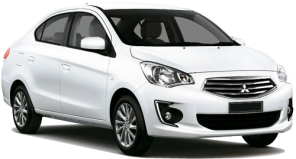
EconomyMitsubishi Mirage or Similar
From
$56.44
/day
|
|
|||
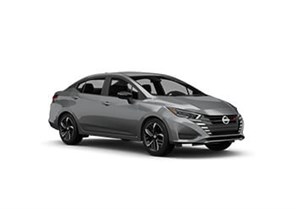
CompactCompact (Nissan Versa) or Similar
From
$41.14
/day
|
|
|||
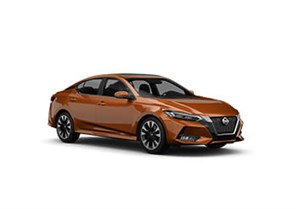
IntermediateIntermediate (NISSAN SENTRA) or Similar
From
$41.42
/day
|
|
|||
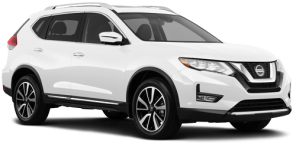
Intermediate SuvNissan Rogue or Similar
From
$53.89
/day
|
|
|||
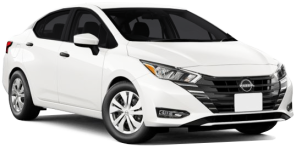
CompactNissan Versa or Similar
From
$41.14
/day
|
|
|||
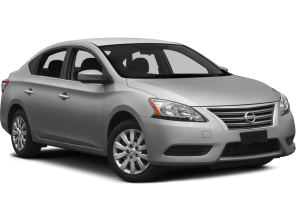
IntermediateNissan Sentra or Similar
From
$41.42
/day
|
|
|||
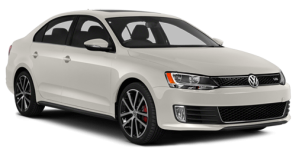
StandardVolkswagen Jetta or Similar
From
$45.01
/day
|
|
|||
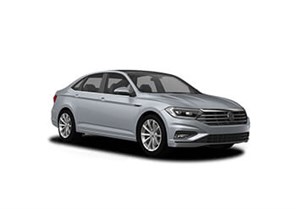
StandardStandard (Volkswagen Jetta) or Similar
From
$45.01
/day
|
|
|||
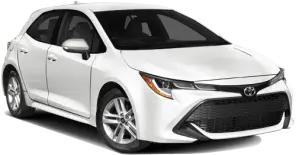
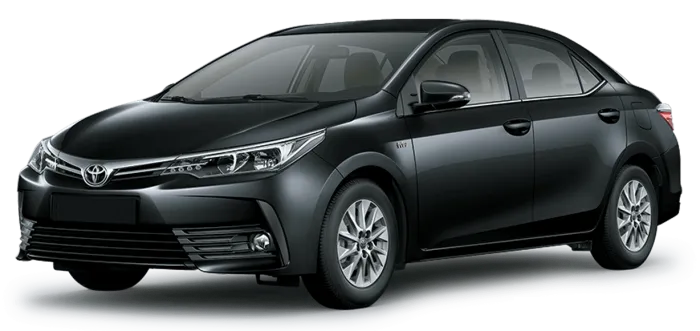
IntermediateToyota Corolla or Similar
From
$46.08
/day
|
|
|||
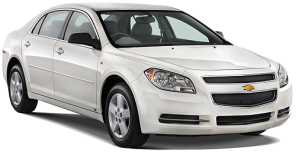
Full-sizeChevrolet Malibu or Similar
From
$46.87
/day
|
|
|||
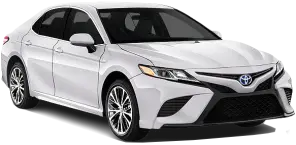
Full-sizeToyota Camry or Similar
From
$47.63
/day
|
|
|||
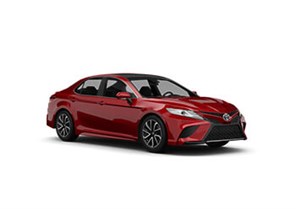
Full-sizeFullsize (TOYOTA CAMRY) or Similar
From
$47.63
/day
|
|
|||
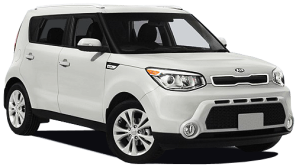
CompactKia Soul or Similar
From
$48.54
/day
|
|
|||
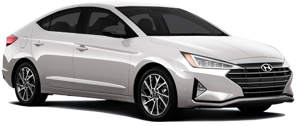
IntermediateHyundai Elantra or Similar
From
$48.93
/day
|
|
|||
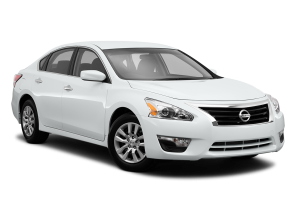
Full-sizeNissan Altima or Similar
From
$49.79
/day
|
|
|||
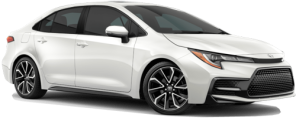
IntermediateToyota Corolla Sedan or Similar
From
$51.56
/day
|
|
|||
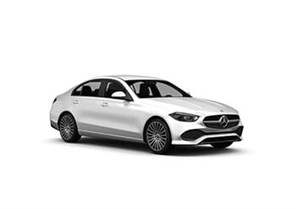
Full-size EliteFullsize Elite (MERCEDES-BENZ C-CLASS) or Similar
From
$57.41
/day
|
|
|||
Intermediate EliteBMW 2 Series or Similar
From
$57.46
/day
|

|
|||
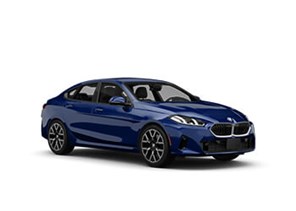
Intermediate EliteIntermediate Elite (BMW 2 SERIES) or Similar
From
$57.46
/day
|
|
|||
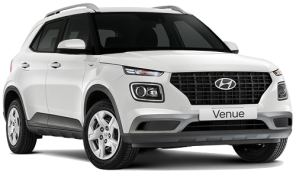
EconomyHyundai Venue or Similar
From
$57.59
/day
|
|
|||
CompactHyundai Accent or Similar
From
$57.81
/day
|

|
|||
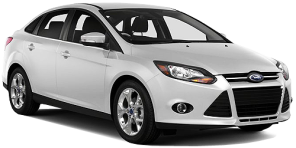
CompactFord Focus or Similar
From
$57.88
/day
|
|
|||
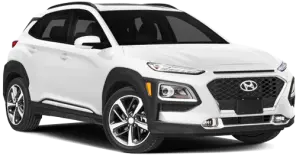
Compact SuvHyundai Kona or Similar
From
$59.65
/day
|
|
|||
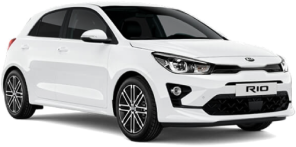
EconomyKia Rio or Similar
From
$60.23
/day
|
|
|||
StandardKia K5 or Similar
From
$60.34
/day
|

|
|||
Premium EliteBMW 5 Series or Similar
From
$60.52
/day
|

|
|||
Our Features
Discover a world of convenience, safety, and customization, paving the way for unforgettable adventures and seamless mobility solutions.
Unlimited Mileage Options
Many suppliers offer unlimited mileage so you can explore freely without worrying about distance limits.
Vehicle Category Selection
Choose from economy, compact, standard, luxury, SUV, and van categories depending on your needs.
Customer Support
Our support team is available to help with booking questions, modifications, or cancellations.
Interactive Location Maps
See rental locations on interactive maps to quickly choose the most convenient pickup point.
Verified Suppliers
All rental companies on our platform are carefully verified to ensure service quality and customer reliability.
Highly Rated Suppliers
We highlight top-rated suppliers based on verified customer reviews and service quality.
Honolulu, Hawaii Car Rental Facts
Essential information on the best deals, rental providers, and vehicle options in Honolulu, Hawaii.
Most Popular Agencies
Avis leads Trelew with 35% market share, serving visitors heading to the Valdes Peninsula and Punta Tombo penguin colonies.
Popular Car Types
SUVs dominate at 50% for navigating Patagonian gravel roads to wildlife reserves. Pickup trucks popular for rural exploration.
Average Rental Duration
Trelew rentals average 4-5 days, combining Valdes Peninsula whale watching (seasonal), Punta Tombo penguin colonies, and Welsh heritage sites in Gaiman. (Based on 2,100+ local pickups)
Most Popular Models
The Toyota Hilux leads for its durability on Patagonian roads. Ford Ranger favored for wildlife reserve access.
Average Daily Price
Trelew rates average $48/day. Whale season (June-December) sees higher demand with weekly rentals from $290.
How much does it cost to rent a car at Honolulu, Hawaii?
Averaging the lowest prices for the economy car category, the data below shows prices for monthly comparisons.
Cheapest Month Average
JunMost Expensive Month
JanYearly Average Price
Trelew Welsh heritage and paleontology. Summer peak for tourism. Book 2 months ahead.
Driving Laws & Information for Hawaii
Essential driving rules and requirements to know when renting a car
Driving Side
Right
Minimum Age
16 to drive
Blood Alcohol Limit
0.08% maximum
IDP Required?
No International Driving Permit
Speed Units
mph
Seat Belt
Required
Toll Roads
No
Emergency
911 emergency number
Car Rental Honolulu, Hawaii Guide
Renting a car in Honolulu is arguably the most liberating decision a traveler can make when visiting Oahu. While TheBus (Honolulu’s public transit system) is efficient and rideshares are plentiful in Waikiki, they limit your ability to chase the sunrise at the North Shore, hike the windward coast, or simply escape the tourist crowds at your own pace. A rental car transforms your trip from a packaged itinerary into a true Hawaiian adventure, offering the flexibility to explore beyond the iconic stretch of Waikiki Beach.
When deciding where to pick up your vehicle, you have two primary options: Daniel K. Inouye International Airport (HNL) or the various rental locations scattered throughout Waikiki and the city center. Airport pickup is the most convenient for travelers eager to hit the road immediately, allowing you to bypass the cost of a taxi or shuttle to your hotel. However, this convenience often comes with a significant financial caveat: airport concession fees. These fees, charged by the airport to rental companies, are passed on to the consumer and can add a substantial daily surcharge to your bill. Conversely, picking up a car in Waikiki from a neighborhood location typically eliminates these fees, but it requires getting from the airport to the rental office first, usually via a short and inexpensive shuttle or rideshare.
Money-Saving Tip: If your first few days in Honolulu involve jet lag and relaxing by the pool, consider renting a car only for the middle portion of your trip. Pick it up from a non-airport location in Waikiki for the days you plan to explore the island, and return it before you head to the airport to avoid the daily surcharge.
| Pickup Location | Convenience | Surcharges | Best For |
|---|---|---|---|
| Daniel K. Inouye Int’l Airport (HNL) | High (immediate access) | High (airport concession fees) | Travelers heading straight out of town or those with tight schedules |
| Waikiki/City Center Offices | Medium (requires transfer) | Low (no airport fees) | Budget-conscious travelers staying in Waikiki for the first few days |
Car Rentals Requirements in Honolulu, Hawaii
Understanding the legal and administrative requirements for renting a car in Hawaii is crucial to ensure a smooth pickup process. The requirements are standard for the United States, but international visitors must pay special attention to documentation. Generally, you must be at least 21 years of age to rent a car in Honolulu, though drivers under 25 (often referred to as “young renters”) will incur a daily "young driver surcharge" that can significantly increase the cost. Most major companies require a valid, non-expired driver’s license issued by your country of residence.
For U.S. and Canadian citizens, a standard driver’s license is sufficient. For all other international travelers, the rules are strict. You must present a valid driver’s license from your home country. If your license is not printed in English (using the Roman alphabet), you are legally required to also carry an International Driving Permit (IDP), which serves as a standardized translation of your license. Additionally, a major credit card (Visa, MasterCard, American Express, or Discover) in the renter’s name is mandatory for the deposit and final payment; debit cards are rarely accepted for vehicle rentals in Hawaii unless specific insurance policies are purchased.
A passport is required for all international renters for identification purposes. Regarding insurance, while it is not legally mandatory to purchase the rental company’s coverage, it is highly recommended. Your personal auto insurance (if you are from the U.S.) or travel credit card may provide coverage, but you should verify this before traveling. In Hawaii, state law mandates a minimum level of liability insurance, which the rental company typically provides a base level of, but supplemental liability insurance (SLI) and a collision damage waiver (CDW) are offered to protect you from financial responsibility in case of an accident.
| Requirement | Details |
|---|---|
| Minimum Age | 21 years (under 25 pays "young driver" surcharge) |
| Driver's License | Valid, non-expired. Non-English licenses require an International Driving Permit (IDP). |
| Payment | Credit card in renter's name (Visa, MC, Amex, Discover). Debit cards generally not accepted. |
| Insurance | State minimum liability included; Collision Damage Waiver (CDW) and Supplemental Liability Insurance (SLI) recommended. |
Why Rent a Car in Honolulu, Hawaii
While Honolulu is a vibrant city with plenty to offer within its urban core, the true magic of Oahu lies outside the confines of Waikiki. Relying on tours or taxis to see the island often leads to rushed schedules and missed opportunities. Having a rental car puts the island’s diverse landscapes—from the rugged red dirt of the North Shore to the lush, Jurassic Valley-esque scenery of the windward coast—within your complete control. It allows for spontaneous stops at fruit stands, hidden beaches, and roadside shave ice shacks that are inaccessible by bus or tour bus routes.
For families, the benefits are even more pronounced. Lugging beach gear, coolers, and tired keiki (children) onto public transport is a recipe for stress. A car provides a mobile home base where you can store snorkel gear, change out of wet clothes, and manage naps on the go. It also unlocks the ability to stay in vacation rentals outside of the Waikiki hotel zone, which often offer more space and value for money.
- Ultimate Flexibility: Leave when you want, stay as long as you want. Chase the sunset or beat the crowds to popular hiking trails like Diamond Head.
- Access to Remote Beaches: Drive to world-famous spots like the North Shore’s Pipeline, Lanikai Beach, or the secluded coves of the Wai’anae Coast.
- Scenic Drives: Experience the breathtaking H-3 Highway (one of the most scenic interstate highways in the U.S.) or the coastal Kamehameha Highway.
- Cost-Effective for Groups: For families or groups of 3+, the daily rental cost often rivals or beats the cumulative cost of multiple rideshares or tour excursions.
- Grocery & Gear Hauling: Stock up on local groceries, water, and snorkel gear at Costco or Walmart without worrying about carrying bags on a bus.
- Off-Peak Exploration: Visit popular attractions like the Dole Plantation or Kualoa Ranch on your own schedule, avoiding the rigid timing of shuttle services.
Best Car Rental Companies in Honolulu, Hawaii
Travelers arriving in Honolulu are met with a robust selection of rental agencies, ranging from massive global conglomerates to smaller local operators. The major international brands—Hertz, Avis, Enterprise, Budget, Thrifty, and Dollar—dominate the airport and Waikiki scenes. These companies offer the reliability of extensive fleets, 24/7 roadside assistance, and convenient return locations. Alamo and National are also strong contenders, particularly popular among families and business travelers due to their streamlined pick-up processes.
In recent years, Sixt has established a significant presence in Hawaii, offering a compelling blend of luxury vehicles and competitive pricing, often appealing to travelers looking for a premium experience without the premium price tag of traditional luxury brands. While international companies provide a consistent experience, there are also local agencies that specialize in specific niches, such as Jeeps, convertibles, or camper vans, which can be found in Waikiki. These local suppliers often have more flexible policies regarding after-hours returns or specific vehicle modifications, but it’s essential to check their reviews and insurance coverage carefully.
| Company | Price Level | Pros |
|---|---|---|
| Hertz | Medium/High | Large fleet, excellent loyalty program (Gold Plus Rewards), strong presence at HNL. |
| Avis | Medium/High | Reliable service, well-maintained fleet, convenient airport and Waikiki locations. |
| Enterprise | Medium | Excellent customer service, often slightly lower than premium brands, neighborhood locations. |
| Budget | Low/Medium | Consistently competitive pricing, good for travelers looking for value. |
| Sixt | Medium/High | High-end vehicles (BMW, Mercedes) at competitive rates, modern fleet. |
| Alamo | Low/Medium | Easy "pick your own" process, great for families, often best rates for minivans and SUVs. |
Popular Car Rental Categories & Prices in Honolulu, Hawaii
Choosing the right vehicle for your Honolulu adventure is a balance between budget, comfort, and practicality. While the iconic Jeep Wrangler is a ubiquitous sight on the island—and for good reason, offering the ability to go topless and navigate potential muddy paths—it is often one of the most expensive rental categories. Most travelers, however, find that a standard Economy or Compact car is perfectly adequate for navigating Honolulu’s traffic and the well-paved highways that ring the island. If you plan to venture into the back roads of the North Shore or carry a lot of surfboards or luggage, an SUV or a minivan is a worthwhile upgrade.
Pricing in Honolulu is highly seasonal, reflecting the ebb and flow of tourism. The high season, spanning from mid-December through March (spring break) and again during the summer months (June-August), sees the highest demand and subsequently the highest prices. During the shoulder seasons (April-May and September-October), rates can drop significantly. It’s also worth noting that major holidays like Thanksgiving and Christmas see a massive spike in demand, often requiring bookings months in advance to secure any vehicle at all. Typically, the cheapest time to rent is in the fall, particularly during September and early October, after the summer rush but before the holiday wave.
| Vehicle Category | Average Daily Price (USD) |
|---|---|
| Small Cars (Economy/Compact) | $35 – $70 |
| Medium Cars (Intermediate/Standard) | $45 – $90 |
| SUVs (Jeep Wrangler, RAV4, etc.) | $80 – $180 |
| Vans / Minivans | $90 – $200 |
| Luxury Cars / Convertibles | $120 – $250+ |
| Metric | Details |
|---|---|
| Cheapest Month | September – Early October |
| Most Expensive Month | December – March & June – August |
| Average Price (Intermediate Car) | $55 – $85 USD per day (depending on season) |
| A Good Deal (Intermediate Car) | $40 – $50 USD per day |
| Cheapest Supplier (Typical) | Budget, Alamo, or local agencies during off-peak |
| Cheapest Car Type | Economy (e.g., Nissan Versa, Toyota Yaris) |
Road Trips from Honolulu, Hawaii
Honolulu serves as the perfect launchpad for exploring the diverse landscapes of Oahu. With a full tank of gas and a sense of adventure, you can experience vastly different climates and cultures within a 90-minute drive. Here are some of the best routes to take.
- The North Shore Loop (Classic Circle Island)
Route: Honolulu > H-1 Freeway West > H-2 North > Kamehameha Highway (Route 83) > North Shore > Windward Coast > Pali Highway (Route 61) > Honolulu.
Distance/Time: Approximately 110 miles / 4–6 hours of driving (plus stops).
Highlights: The Dole Plantation, Waimea Valley and Falls, iconic surf breaks like Pipeline and Sunset Beach, historic Haleiwa Town for shave ice, and the stunning views of the Ko’olau mountains from the windward side. - Windward Coast & Kualoa Ranch
Route: Honolulu > H-3 Freeway (Scenic Route) > Kaneohe > Kamehameha Highway (Route 83) > Kualoa Regional Park.
Distance/Time: Approximately 25 miles / 45 minutes.
Highlights: Driving through the Tetsuo Harano Tunnels on the H-3 offers a breathtaking view of the Ko’olau cliffs. Stop at the Ho’omaluhia Botanical Garden for a stunning photo op, and visit Kualoa Ranch to see the "Jurassic Park" valley. - East Oahu Coastal Drive
Route: Honolulu > Diamond Head > Kahala > Kalanianaole Highway (Route 72) > Hanauma Bay > Halona Blowhole > Makapu’u Point.
Distance/Time: Approximately 20 miles / 1 hour (without stopping).
Highlights: This route is a visual feast of rugged coastline. Stop to snorkel at Hanauma Bay (reservations required), witness the power of the ocean at the Halona Blowhole, and hike the Makapu’u Lighthouse Trail for panoramic views of the eastern coastline and offshore islands. - Central Oahu & The Koolau Mountains
Route: Honolulu > H-1 West > H-2 North > Wahiawa > Kamehameha Highway (Route 99).
Distance/Time: 30 miles / 45–60 minutes.
Highlights: This inland route takes you through pineapple country. Visit the Dole Plantation, explore the historic town of Wahiawa, and hike the moderate trails at the Schofield Barracks area for a different perspective of the island’s central valley.
Driving Rules in Honolulu, Hawaii
Driving in Honolulu and the rest of Oahu is generally straightforward for visitors from the mainland US, as traffic laws follow US standards. The most important thing to remember is that Hawaii drives on the right-hand side of the road. However, there are unique local nuances, particularly regarding speed enforcement and pedestrian etiquette. "Jaywalking" is common in Waikiki, and drivers are expected to yield to pedestrians in crosswalks diligently.
Speed limits are strictly enforced, often using speed cameras in certain zones. Do not expect to drive fast; traffic congestion, particularly in and out of Honolulu during rush hours (roughly 6:30-9:00 AM and 3:30-6:30 PM), is a significant factor in travel times. The police are vigilant about distracted driving; using a handheld mobile device while driving is illegal. Regarding child safety, children under the age of 8 must be secured in a federally approved child safety seat.
| Rule | Details |
|---|---|
| Driving Side | Right side of the road |
| Speed Limits | Residential/School Zones: 25 mph; Urban/Highways: 35-55 mph; Freeways (H-1, H-2, H-3): 60 mph (max) |
| Alcohol Limit | Blood Alcohol Content (BAC) limit is 0.08% for drivers 21 and over. Zero tolerance for under 21. |
| Seatbelts | Mandatory for all passengers, both front and rear seats. |
| Child Seats | Children under 8 must be in an approved child safety seat or booster. |
| Mobile Phones | Handheld use is prohibited. Hands-free devices are permitted. |
Toll Roads in Honolulu, Hawaii
One of the unique conveniences of driving on Oahu is the absence of traditional toll roads. Unlike many mainland US states, there are no cash or electronic toll booths on the highways (H-1, H-2, H-3) or major thoroughfares in Honolulu. This simplifies budgeting for your road trips significantly, as there is no need to worry about renting a toll pass or carrying cash for tolls.
However, there is a notable exception regarding the H-3 Freeway. While it does not have a toll booth, it is a federally designated "scenic highway" with restrictions. There are no tolls to pay, but drivers should be aware of the strict enforcement of no stopping or parking on the highway to take photos, as it is a major traffic hazard. Overall, visitors can drive across the island with the peace of mind that the only road-related costs will be fuel and parking.
Parking in Honolulu, Hawaii
Parking is arguably the most challenging aspect of driving in Honolulu, particularly in the dense Waikiki tourist district. Street parking is scarce, heavily regulated, and expensive. Most streets in Waikiki are zoned for paid parking or require residential permits. You will find metered parking stalls along Kalakaua Avenue and side streets, with rates typically ranging from $1.00 to $1.50 per hour, with a maximum time limit of 2 to 4 hours. Enforcement is strict, and tickets are common.
For overnight parking, the easiest option is to use the hotel parking garages or private lots. Expect to pay a premium for this convenience; overnight valet or self-parking in Waikiki hotels typically ranges from $30 to $50 per night, with some luxury resorts charging even more. Outside of Waikiki, parking is generally easier. Shopping centers, like Ala Moana Center, offer free parking for a few hours, and many tourist attractions like Hanauma Bay or state parks have dedicated parking lots with a flat entry fee (usually $5–$10). When exploring residential areas or the North Shore, be respectful and never block driveways or park on private property.
Tips for Car Rental in Honolulu, Hawaii
Navigating the rental car landscape in Honolulu requires a bit of strategy to ensure you get the best vehicle at the best price. Following these practical tips can save you significant money and hassle during your trip.
- Book Early, Especially for Peak Season: Oahu is one of the most visited destinations in the world. If you are traveling during summer or winter break, book your car at least 2–3 months in advance. Rates only increase as inventory dwindles closer to the date.
- Check for "Young Renter" Fees: If you are between 21 and 24, factor in the daily surcharge (often $25–$35 per day) when comparing companies. Some agencies, like Hertz or Sixt, may waive this fee for certain memberships or corporate codes.
- Consider a Non-Airport Pickup: As mentioned, the airport surcharge can add 10-20% to your total bill. If you are staying in Waikiki for a few days, rent from a local office downtown to avoid these fees.
- Decide on the Jeep in Advance: Renting a Jeep Wrangler is a fun experience but comes with higher costs, lower fuel efficiency, and sometimes a "soft top" that is not secure for storing valuables. If you don't plan on serious off-roading (which is limited on Oahu), a standard SUV or sedan will save you money.
- Thoroughly Inspect the Vehicle: Take photos and video of the car (especially the rims and bumpers) before leaving the lot. Hawaii’s tight parking spaces and volcanic rock roads can lead to pre-existing scratches that you don't want to be charged for.
- Refuel Before Returning: The rental company’s fuel refill prices are exorbitant. Use the GasBuddy app to find a gas station near the airport (there is a Costco and several stations on Nimitz Highway) to fill up before dropping off the keys.
Common Car Rental Mistakes Travelers Make
Even seasoned travelers can fall into traps when renting a car in a destination as popular as Honolulu. Avoiding these common errors can prevent your dream vacation from starting with a frustrating (and expensive) surprise.
- Declining Insurance Without Checking Your Coverage: Many travelers assume their credit card covers rental cars in Hawaii, but some cards exclude the state or have complicated claim processes. Always verify coverage before you travel, or purchase the rental company’s Collision Damage Waiver (CDW) for peace of mind.
- Leaving Valuables in the Car: Rental cars, especially Jeeps and convertibles, are prime targets for break-ins, particularly in tourist-heavy areas like the North Shore or Hanauma Bay parking lots. Never leave bags, electronics, or valuables visible in the vehicle.
- Ignoring Rush Hour Traffic: The drive between Waikiki and the North Shore is a leisurely 45-60 minute drive during off-peak hours. However, during weekday rush hours (6:30-9:00 AM and 3:30-6:30 PM), that same drive can easily take 2+ hours. Plan your drives around these times to maximize your vacation.
- Not Reading the Fuel Policy: Always confirm the fuel policy. The "Full-to-Full" policy is the best deal—you pick it up with a full tank and return it full. Avoid "Pre-Purchase" policies where you pay for a full tank upfront, as you rarely get a refund for unused gas.
- Skipping the Walk-Around Inspection: Failing to document pre-existing damage at the pickup counter is a classic mistake. Walk around the car with the agent or take a timestamped video. If the agent marks a scratch on the form, double-check that it's noted correctly.
Real Travel Experience Renting a Car in Honolulu, Hawaii
Last spring, I arrived in Honolulu with a vague plan and a week of vacation time. I had booked a compact car from a rental office just outside the airport to avoid the fees, taking a quick shuttle from baggage claim. After a brief paperwork shuffle, I was handed the keys to a modest sedan. Instead of heading straight to Waikiki, I drove north. I found myself pulling over spontaneously at a roadside fruit stand for ice-cold coconut water, then again to hike the short trail to Ehukai Beach Park to watch the surfers tackle Banzai Pipeline. For three days, I used that car as a base, driving the narrow, winding roads of the North Shore, popping into Haleiwa for garlic shrimp trucks, and watching the sunset from a secluded beach I’d found on a map. When I finally rolled into my Waikiki hotel on the fourth day, I felt like I had already discovered the real Oahu, something I never would have experienced if I’d been reliant on tours or rideshares. The freedom of having that car—despite the eventual hassle of finding hotel parking—was worth every penny.
International Driving Permit for Travelers Visiting Honolulu, Hawaii
For international travelers visiting Honolulu, the International Driving Permit (IDP) serves as a vital companion to your home country’s driver’s license. An IDP is essentially a standardized translation of your existing license into multiple languages, including English. While a valid license from your home country is the primary legal document, Hawaii law explicitly requires that if your license is not printed in English, you must carry an IDP to operate a vehicle legally. This is not merely a rental car company policy; it is a state traffic law.
Travelers can obtain an IDP in their home country before departing for the United States. It must be issued by the same authority that issued your original license (such as a national automobile association like AAA in the US, or the equivalent in your country). The IDP is valid for one year from the date of issue and must be accompanied by your original driver’s license at all times. Attempting to rent a car with a non-English license and no IDP will almost certainly result in the rental agency refusing service, leaving you stranded at the counter. It’s a simple document to acquire beforehand that saves a massive headache upon arrival.
Car Rental Locations in Honolulu
Discover More Hawaii Car Rental Destinations
Other Car Rental Locations in Hawaii
- Car Rental at Cap Haitien Airport (CAP)
- Car Rental at Cap Haitien Downtown
- Car Rental at Hilo Airport (ITO)
- Car Rental at Hilo Downtown
- Car Rental at Hoolehua Downtown
- Car Rental at Molokai Airport (MKK)
- Car Rental at Kahului Airport (OGG)
- Car Rental at Kahului Downtown
- Car Rental at Kailua Kona Downtown
- Car Rental at Kona Airport (KOA)
- Car Rental at Lahaina Airport (JHM)
- Car Rental at Lahaina Downtown
- Car Rental at Lanai Downtown
- Car Rental at Lihue Airport (LIH)
- Car Rental at Lihue Downtown
Major Airports in Hawaii
Complete airport guides with car rental information, parking, and transportation options
Frequently Asked Questions about Car Rental in Honolulu
Honolulu, Hawaii Car Rental Reviews & Customer Ratings
Read verified customer reviews, ratings, and rental experiences from travelers who booked through Airport Rento.
Overall Rating
No reviews yet for this location. Be the first to share your experience!