Car Rental California
Search and compare car rental prices from trusted global suppliers. Find the best deals instantly.








Car Rental Deals in California
Choose from our wide range of vehicles available in California.
EconomyKia Rio or Similar
From
$33.11
/day
|

|
|||
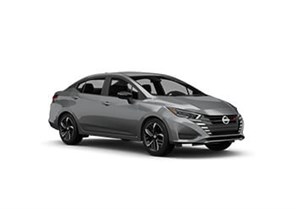
CompactCompact (Nissan Versa) or Similar
From
$31.13
/day
|
|
|||
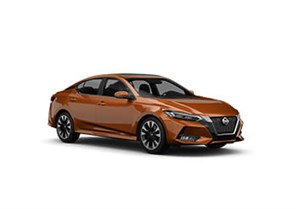
IntermediateIntermediate (NISSAN SENTRA) or Similar
From
$31.43
/day
|
|
|||
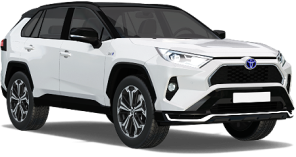
Intermediate SuvToyota RAV4 or Similar
From
$37.34
/day
|
|
|||
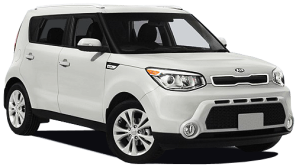
CompactKia Soul or Similar
From
$30.65
/day
|
|
|||
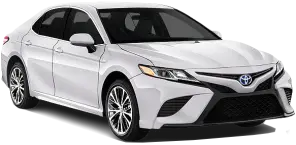
Full-sizeToyota Camry or Similar
From
$31.11
/day
|
|
|||
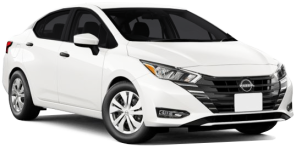
CompactNissan Versa or Similar
From
$31.12
/day
|
|
|||
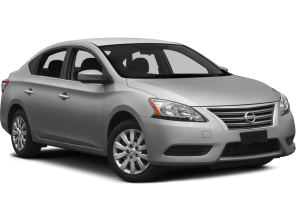
IntermediateNissan Sentra or Similar
From
$31.43
/day
|
|
|||
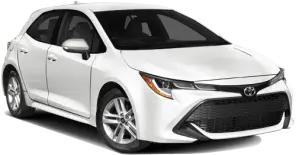
StandardToyota Corolla or Similar
From
$31.65
/day
|
|
|||
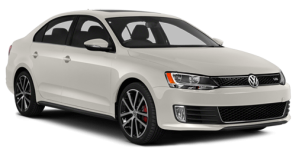
StandardVolkswagen Jetta or Similar
From
$34.01
/day
|
|
|||
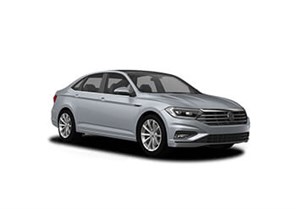
StandardStandard (Volkswagen Jetta) or Similar
From
$34.01
/day
|
|
|||
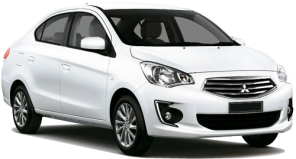
EconomyMitsubishi Mirage or Similar
From
$34.88
/day
|
|
|||
StandardKia K5 or Similar
From
$34.99
/day
|

|
|||
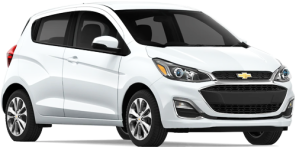
EconomyChevrolet Spark or Similar
From
$35.50
/day
|
|
|||
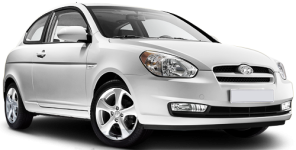
CompactHyundai Accent or Similar
From
$35.66
/day
|
|
|||
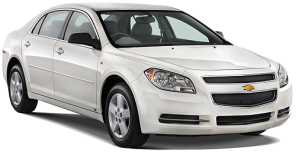
Full-sizeChevrolet Malibu or Similar
From
$36.17
/day
|
|
|||
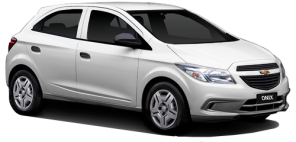
CompactChevrolet Onix or Similar
From
$36.23
/day
|
|
|||
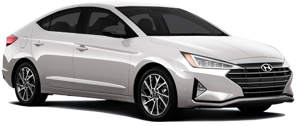
IntermediateHyundai Elantra or Similar
From
$37.11
/day
|
|
|||
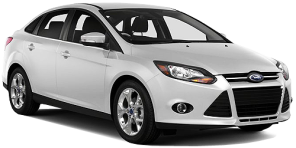
CompactFord Focus or Similar
From
$37.24
/day
|
|
|||
IntermediateMG 5 or Similar
From
$37.77
/day
|

|
|||
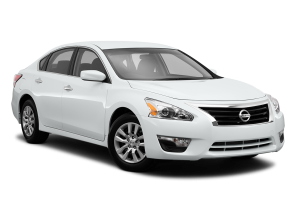
Full-sizeNissan Altima or Similar
From
$38.43
/day
|
|
|||
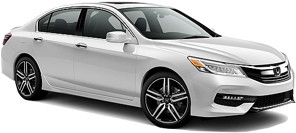
Full-sizeHonda Accord or Similar
From
$38.57
/day
|
|
|||
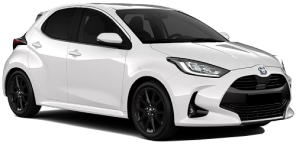
EconomyToyota Yaris or Similar
From
$38.83
/day
|
|
|||
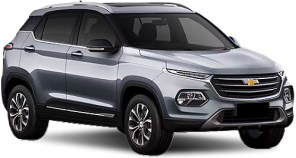
Compact SuvNissan Kicks or Similar
From
$39.11
/day
|
|
|||
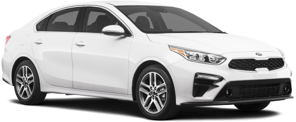
StandardKia Forte or Similar
From
$39.30
/day
|
|
|||
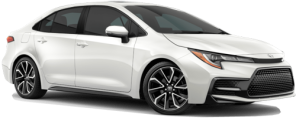
IntermediateToyota Corolla Sedan or Similar
From
$39.53
/day
|
|
|||
Our Features
Discover a world of convenience, safety, and customization, paving the way for unforgettable adventures and seamless mobility solutions.
Clear Rental Policies
Access complete rental policies including driver age limits, fuel rules, and deposit conditions.
One-Way Rentals
Pick up your rental car in one city and drop it off in another, perfect for road trips and multi-city travel.
Compare Car Rental Prices
Compare rental prices from hundreds of trusted suppliers worldwide to find the best deal for your trip.
Detailed Rental Information
View complete rental terms including fuel policy, mileage limits, deposit requirements, and insurance coverage.
Worldwide Locations
Search rental cars in thousands of locations across more than 180 countries and major travel destinations.
City Center Locations
Access rental cars in downtown locations and popular tourist areas for easy travel during your stay.
California Car Rental Facts
Essential information about car rental companies, popular cars, rental duration, and prices at California.
Most Popular Agencies
Enterprise dominates California with locations at every major airport from LAX to SFO. Trusted for family road trips and business travel along the coast.
Popular Car Types
SUVs dominate for Highway 1 road trips and mountain getaways. Convertibles surge for Pacific Coast Highway cruising from San Diego to Monterey.
Average Rental Duration
California averages 6-day rentals for San Francisco-LA-San Diego coastal routes. Extended 10-14 day trips common for Yosemite and national parks. Based on 125,000+ monthly searches.
Most Popular Models
Jeep Wrangler for Joshua Tree and Big Sur off-road adventures. Tesla Model 3 leads electric segment with Supercharger network access.
Average Daily Price
California averages $72/day with premium at LAX and SFO. Summer rates (June-August) peak at $95-120 for convertibles and SUVs.
Driving Laws & Information for California
Essential driving rules and requirements to know when renting a car.
Driving Side
Right
Minimum Age
16 to drive
Blood Alcohol Limit
0.08% maximum
IDP Required?
No International Driving Permit
Speed Units
mph
Seat Belt
Required
Toll Roads
Yes
Emergency
911 emergency number
Car Rental California Guide
Renting a car in California is often the key that unlocks the true Golden State experience. Given the state's vast size and sprawling metropolitan areas, having your own vehicle provides the freedom to connect iconic cities like Los Angeles and San Francisco with the breathtaking natural wonders of places like Yosemite, Big Sur, and the Mojave Desert. For most travelers, picking up a rental car directly upon arrival is the most seamless option. California’s major international airports—Los Angeles International Airport (LAX), San Francisco International Airport (SFO), San Diego International Airport (SAN), and Oakland International Airport (OAK)—feature extensive rental car centers. These facilities are often connected to the terminals by shuttle buses or, in some cases, direct walkways. While convenient, airport locations typically include additional fees and surcharges that can significantly increase the overall cost of your rental.
Alternatively, picking up a car from a city-center location can be a savvy money-saving strategy. In downtown San Francisco, Los Angeles, or San Diego, you'll find numerous rental offices that often have lower base rates and may allow you to avoid the hefty airport concession fees. The trade-off is the logistics of getting from the airport to the city center with your luggage, which might involve a train (like the BART in the Bay Area), a shuttle, or a ride-sharing service. This can be a worthwhile trade-off if you plan to spend a few days in the city before embarking on a road trip. A great money-saving tip is to price your rental both from the airport and from a nearby off-airport location; the savings can sometimes be enough to cover a night's accommodation or a memorable meal.
| Pickup Location | Key Details |
|---|---|
| Major Airports (e.g., LAX, SFO, SAN) | Most convenient for arrivals; extensive vehicle selection; open long hours; includes airport concession fees and surcharges. |
| City Centers (e.g., Downtown LA, Union Square SF) | Often lower base rates; fewer surcharges; may have limited hours; requires transport from the airport with luggage. |
| Neighborhood Offices | Can offer the best value; often locally operated; may have a more limited fleet and shorter operating hours; ideal for longer rentals. |
Car Rentals Requirements in California
Before you get behind the wheel in California, it's essential to ensure you meet all the legal and company-specific requirements. The rental process is generally straightforward for international travelers, but having the correct documentation ready will save time and prevent any last-minute issues at the counter. The rules are designed to verify your identity, driving eligibility, and financial responsibility for the vehicle.
The core requirements include a valid, full driver's license issued in your name. For international visitors, this is usually sufficient, but it's highly recommended to also carry an International Driving Permit (IDP). While California law accepts a valid license from your home country, rental companies sometimes prefer or request an IDP as it provides a standardized translation of your license. You must also present a valid passport and a major credit card in the driver's name. Debit cards are often accepted but come with stricter eligibility checks, a credit check, and a substantial hold placed on your account. The minimum age to rent a car in California is typically 21, but drivers under 25 will almost always incur a mandatory "young driver" surcharge. Finally, you must have valid auto insurance, which you can purchase from the rental company or through a third party.
| Requirement | Details for California |
|---|---|
| Minimum Age | 21 years old. Drivers under 25 pay a daily young driver fee. |
| Driver's License | Valid license from your country of residence. An International Driving Permit (IDP) is strongly recommended as a companion document. |
| Credit Card | A major credit card (Visa, Mastercard, Amex) in the primary driver's name is required for the deposit. |
| Passport | A valid passport is mandatory for all international travelers. |
| Insurance | Proof of insurance or willingness to purchase coverage from the rental agency (e.g., Collision Damage Waiver, Liability Insurance). |
Why Rent a Car in California
California is a state best experienced at your own pace, and a rental car is the ultimate tool for that kind of adventure. Public transportation can connect you within major city centers, but it falls short when you want to transition from the urban energy of Los Angeles to the serene, misty cliffs of the Northern California coast in the same day. Renting a car transforms your trip from a series of point-to-point transfers into a continuous, immersive journey. You have the power to stop at a quirky roadside diner, chase a perfect sunset viewpoint, or spend an extra hour hiking in a state park without being beholden to a train or bus schedule.
For families and groups, the value proposition is even stronger. The cost of multiple train, bus, or air tickets between cities can quickly exceed the price of a rental car, especially when split among several people. A car becomes a mobile base for all your gear—from surfboards and hiking boots to coolers filled with snacks for a beach day. It grants you access to the state's true treasures: the rugged, untamed coastline of the Lost Coast, the towering sequoias in the national parks, and the charming, wine-tasting rooms scattered far from city centers. The sense of freedom on California's open roads is a quintessential part of the American travel experience.
- Ultimate Flexibility: Create your own itinerary, change plans on a whim, and explore hidden gems off the tourist trail.
- Access to Nature: Reach national and state parks like Yosemite, Joshua Tree, and Redwood, which are impossible to visit without a car.
- Scenic Drives: Experience world-famous routes like Highway 1 and the Pacific Coast Highway at your own pace, stopping at every scenic overlook.
- Cost-Effective for Groups: Splitting the rental and gas costs among family or friends can be cheaper than multiple train or air tickets.
- Convenience & Storage: Easily transport luggage, sports equipment, and shopping purchases without the limitations of public transit.
- Explore Rural Areas: Venture into wine country (Napa, Sonoma), the Sierra Nevada foothills, and desert towns that lack robust public transport.
Best Car Rental Companies in California
Navigating the many car rental options in California can feel overwhelming, but understanding the landscape of providers helps you make an informed choice. You'll find a mix of well-known global brands and smaller, local agencies. The major international companies—such as Hertz, Avis, Enterprise, Budget, Sixt, Alamo, and Europcar—dominate the market, especially at airports. These companies offer the reliability of large fleets, numerous locations, and well-established customer service protocols. For travelers seeking a specific vehicle type or a premium experience, brands like Sixt often carry a more diverse selection of luxury and specialty cars.
Beyond the giants, local and regional rental companies can be a fantastic option for budget-conscious travelers or those looking for a specific type of vehicle, like a converted van for a camping trip. These agencies, often found just off the airport property or in city neighborhoods, may have lower overheads and can offer very competitive rates. However, their fleets might be smaller and their hours of operation more limited. Using a rental comparison platform (like Kayak, Expedia, or Priceline) is an excellent strategy to see a wide range of options side-by-side. These platforms allow you to filter by price, car type, and company, helping you spot the best deal from both international giants and local providers quickly.
| Company | Price Level | Pros |
|---|---|---|
| Hertz | Medium | Extensive locations, wide variety of vehicles, strong loyalty program. |
| Enterprise | Medium | Excellent customer service, neighborhood locations, large fleet. |
| Budget | Low-Medium | Competitive rates, good for budget-conscious travelers, convenient airport locations. |
| Sixt | Medium-High | Premium and luxury vehicle selection, modern fleet, popular in California. |
| Alamo | Low-Medium | Often good value for leisure travelers, included additional drivers, easy online check-in. |
| Avis | Medium | Reliable service, many locations, solid selection of cars and SUVs. |
Popular Car Rental Categories & Prices in California
Selecting the right type of vehicle is a crucial part of planning your California road trip. The "best" car depends entirely on your itinerary, the number of passengers, and your budget. For solo travelers or couples sticking to coastal highways, a fuel-efficient economy or compact car like a Toyota Corolla or Ford Focus is a perfect choice. These cars are easy to park in tight city spaces and will save you significantly on gas. If your plans include navigating the winding roads of San Francisco or squeezing into compact parking garages, a smaller car is your best friend.
For families or groups heading to the mountains or desert, an SUV or a 4x4 vehicle is the popular choice. Models like the Jeep Wrangler, Ford Explorer, or Toyota RAV4 offer more space for passengers and luggage, and provide a sense of security and capability on varied terrain. For larger groups, a minivan like a Chrysler Pacifica is the ultimate comfort vehicle, offering ample space for everyone and their gear. If you're celebrating a special occasion or just want to travel in style, California has a thriving market for luxury and sports car rentals, from convertibles like a Ford Mustang for cruising the coast to high-end models from BMW or Mercedes-Benz.
Car rental prices in California are highly dynamic and subject to seasonal fluctuations. The high tourist season, which generally runs from June through August, sees prices peak due to massive demand. You'll also encounter higher rates during holidays and major events. The low season, from late fall to early spring (excluding the holiday period), often offers significant discounts. Booking well in advance is the best strategy to secure a good deal, regardless of the season.
| Car Category | Average Daily Price (USD) |
|---|---|
| Small Cars (e.g., Ford Fiesta, Toyota Yaris) | $35 - $60 |
| Medium Cars (e.g., Toyota Corolla, Honda Civic) | $45 - $80 |
| SUVs (e.g., Jeep Wrangler, Ford Escape) | $70 - $150+ |
| Vans (e.g., Chrysler Pacifica) | $90 - $180+ |
| Luxury Cars (e.g., Convertibles, Mercedes-Benz) | $100 - $300+ |
Car Rental Price Trends in California
Understanding the ebb and flow of car rental prices in California can lead to substantial savings. The market is driven by classic supply and demand, with prices surging when school is out and the weather is warm, and dropping during the cooler, quieter months. By timing your rental strategically, you can potentially save hundreds of dollars on a week-long trip. Keeping an eye on these trends helps set realistic budget expectations and identify a genuinely good deal when you see one.
Generally, the cheapest time to rent a car is during the off-peak months, while the most expensive is during the peak summer travel period and around major holidays like Christmas and New Year's. "A good deal" is typically considered to be below the average price for that time of year. Smaller, independent agencies or off-airport locations of major brands are often the cheapest suppliers, while economy and compact cars consistently offer the lowest entry-level price point.
| Metric | Details |
|---|---|
| Cheapest Months | January, February (excluding holidays) |
| Most Expensive Months | June, July, August |
| Average Price (Weekly) | $450 - $700 for a standard SUV |
| A Good Deal (Weekly) | Under $350 for a standard SUV |
| Cheapest Supplier Type | Off-airport local agencies or comparison site deals |
| Cheapest Car Type | Economy or Compact cars |
Road Trips in California
California is synonymous with the great American road trip, offering an incredible variety of landscapes and experiences all within a day's drive. From the dramatic coastline to the arid desert and towering mountain forests, the state's highways are gateways to adventure. Here are a few of the most iconic routes that are perfect for exploring with a rental car.
- Pacific Coast Highway (Highway 1): Start in San Francisco and end in Los Angeles (or vice-versa). This approximately 450-mile journey along the rugged coast takes 2-3 days with stops. Major highlights include the Monterey Bay Aquarium, the breathtaking cliffs of Big Sur, the Danish village of Solvang, and the seaside charm of Santa Barbara. This drive is a non-negotiable classic for any California visitor.
- Los Angeles to San Diego: A shorter but vibrant coastal cruise covering about 120 miles, easily done in a day but better with an overnight stop. Highlights include the surf culture of Huntington Beach, the mission town of San Juan Capistrano, the upscale enclave of Laguna Beach, and the historic Gaslamp Quarter in San Diego.
- San Francisco to Yosemite National Park: Head east from the Bay Area into the Sierra Nevada mountains. The drive is roughly 170 miles and takes about 4 hours without stops, but plan for a full day. The highlight is, of course, the awe-inspiring granite cliffs, waterfalls, and giant sequoias of Yosemite. Be prepared for mountain driving and have chains on hand in winter.
- Desert Discovery: Las Vegas to Joshua Tree: A journey from the neon lights of Las Vegas into the otherworldly Mojave Desert. The drive to Joshua Tree National Park is about 160 miles. Highlights include exploring the quirky pioneers of the road in Amboy and Kelso, and hiking among the unique Joshua trees and massive boulders in the national park.
Driving Rules in California
Driving in California is generally straightforward, but it's essential to familiarize yourself with the state's specific laws to ensure a safe and legal trip. The rules of the road are strictly enforced by the California Highway Patrol (CHP). Here’s what you need to know:
In California, you drive on the right-hand side of the road. Speed limits are clearly posted and strictly enforced. They are typically 25 mph in school zones, 35 mph in business or residential districts, 55 mph on many two-lane highways, and 65 or 70 mph on rural freeways. The use of seatbelts is mandatory for all occupants of the vehicle, and children under 2 years old must be in a rear-facing car seat, while children under 8 must be secured in an appropriate car seat or booster seat in the back seat. California has a zero-tolerance policy for driving under the influence of alcohol or drugs, with a legal blood alcohol concentration (BAC) limit of 0.08%. For drivers under 21, the limit is 0.01%.
Road conditions vary widely. Major interstates and highways are generally in excellent condition, but roads in more remote areas or national parks can be winding and narrow. In winter months, tire chain requirements are common in mountainous regions like the Sierra Nevada (including roads to Lake Tahoe and Yosemite). Rental car companies usually provide chains upon request, and it is the driver's responsibility to carry them when conditions require. It's also illegal to pass a school bus when its red lights are flashing.
| Rule | Details |
|---|---|
| Driving Side | Right |
| Speed Limits | School Zones: 25 mph; Urban: 35 mph; Highways: 55 mph; Freeways: 65-70 mph |
| Alcohol Limit | 0.08% BAC for drivers 21+, 0.01% for drivers under 21 |
| Seatbelt Law | Mandatory for all vehicle occupants. |
| Child Seats | Required for children under 8 years old and under 4'9" tall. |
Toll Roads in California
While many of California's highways are free, there is a growing network of toll roads, particularly in and around major metropolitan areas like Los Angeles, Orange County, and the San Francisco Bay Area. The most common are express lanes, known as "FasTrak" lanes in Northern California and "Metro ExpressLanes" or "The Toll Roads" in Southern California. These are usually the left-most lanes on a freeway and offer a faster, less congested route for a fee. Renting a car without a transponder does not exempt you from paying these tolls; you are still responsible for them.
Most toll roads in California are now cashless, meaning there are no toll booths to pay with cash. Instead, cameras capture your license plate and the registered owner is sent an invoice. For rental cars, the process can be more complicated. The toll authority will send the invoice to the rental car company, who will then pay it and charge your credit card on file, often adding a hefty administrative fee ($10-$25 per transaction) on top of the toll amount. The best practice is to avoid toll roads altogether by using your GPS's "no tolls" setting. If you must use them, check with your rental company at the counter to see if they offer a transponder rental service for a flat daily or weekly fee, which can be more cost-effective if you plan to use toll roads frequently.
Parking in California
Parking is one of the most significant challenges of driving in California's major cities, and the experience varies dramatically between urban centers and rural areas. In downtown Los Angeles, San Francisco, and San Diego, street parking can be scarce, expensive, and regulated by confusing signage. Look carefully for painted curbs (red means no stopping, white means passenger loading, green means short-term paid parking, blue is for disabled parking) and read all posted signs, which detail time limits and hours of enforcement. Parking meters are common and accept credit cards, coins, or payment via mobile apps.
For longer-term parking or if you're staying in a hotel, utilizing parking garages and lots is often the most reliable, if not the cheapest, option. Rates can be high, especially in popular tourist districts—expect to pay $20-$50 for a full day. Many hotels in city centers charge a daily fee for parking, sometimes exceeding $60 in places like San Francisco. In contrast, parking is rarely an issue in California's national and state parks, though lots at popular trailheads can fill up early. In smaller towns and along the coast, you'll often find free street parking or inexpensive public lots, making a rental car even more appealing.
Tips for Car Rental in California
Renting a car in California can be a smooth process if you go in prepared. These practical tips, gleaned from years of travel experience, will help you avoid common pitfalls, save money, and ensure you get the right vehicle for your adventure.
- Book Early and Compare: Car rental prices are dynamic. Booking as far in advance as possible, especially for summer travel, locks in a better rate. Use comparison websites to see all your options at once, then consider booking directly with the company for potential loyalty benefits.
- Avoid Airport Surcharges: If your schedule allows, consider picking up your car from a location a few miles from the airport. You can often take a free hotel shuttle or a cheap ride-share to the office and save on the significant airport concession fees.
- Take a Walkaround Video: Before you drive off the lot, thoroughly inspect the car for any existing damage—scratches, dents, or interior issues. Take a time-stamped video on your phone showing the condition and ensure any damage is noted on your rental agreement to avoid disputes when you return the car.
- Understand Your Insurance: Check your personal auto insurance policy and credit card benefits *before* you travel. You may already have coverage for rental cars, allowing you to decline the often-expensive Collision Damage Waiver (CDW) offered at the counter.
- Choose the Right Car for the Terrain: If your plans include mountain driving or deserts, an SUV might be more comfortable and capable. If you're sticking to coastal highways and cities, a smaller, fuel-efficient car will be easier to park and cheaper to run.
- Know the Fuel Policy: The standard policy is "full-to-full." You pick up the car with a full tank and return it full. This is almost always the fairest option. Avoid pre-paying for a tank of gas, as you likely won't use it all and won't get a refund for the surplus.
Common Car Rental Mistakes Travelers Make
Even experienced travelers can fall into traps when renting a car. Being aware of these common mistakes can save you from unexpected fees, stress, and disruptions to your California dream vacation.
- Not Inspecting the Car Thoroughly: Failing to document pre-existing damage is a surefire way to get charged for it later. Always do a full walkaround with your phone's camera before accepting the vehicle.
- Skipping the Fine Print on Insurance: Declining coverage without confirming you have it elsewhere (through your own policy or credit card) is a major risk. Similarly, accepting every type of insurance at the counter without checking if you need it can double the cost of your rental.
- Ignoring Toll Road Policies: Assuming you can just drive through a toll lane and pay later is a mistake. The administrative fees from the rental company will far exceed the toll itself. Always select "avoid tolls" on your GPS.
- Forgetting About Additional Driver Fees: If you plan to share the driving with your partner or a friend, forgetting to add them as an authorized driver at the counter can void the insurance if they have an accident. This incurs a daily fee, so factor it into your budget.
- Returning the Car Late: Rental companies operate on tight schedules. Returning the car even an hour late can result in an extra day's charge or a hefty late fee. Always allow ample time to return the vehicle, especially when navigating city traffic to the airport.
- Choosing the Wrong Car for the Trip: Booking a massive SUV for a week in San Francisco will lead to parking nightmares and high fuel costs. Conversely, renting a tiny compact for a week-long trip with a family of four and their luggage will be deeply uncomfortable.
Real Travel Experience Renting a Car in California
Last spring, my partner and I flew into San Francisco, excited for a week-long road trip down the coast. Instead of renting at the hectic SFO rental center, we took the BART train to a Budget office in the city, a decision that saved us over $150 in airport fees. After a bit of a wait, we were handed the keys to a gleaming, red Ford Mustang convertible—our pre-booked "fun car." The first few hours were a white-knuckle lesson in navigating San Francisco's famous hills, but once we crossed the Golden Gate Bridge and hit Highway 1, all stress melted away. With the top down, we cruised through the art colony of Carmel-by-the-Sea, pulled over countless times to photograph the dramatic Big Sur coastline, and spent a night in a rustic cabin in San Simeon. The freedom of having our own car allowed us to chase a perfect sunset down a dusty side road and stop at a roadside fruit stand for the best strawberries of our lives. That red convertible wasn't just a car; it was the key to our most memorable Californian adventure.
International Driving Permit for Travelers Visiting California
For travelers visiting California from another country, the rules regarding an International Driving Permit (IDP) are a common source of confusion. Officially, the State of California recognizes a valid, unexpired driver's license issued by your home country as a legal permit to drive. You are not legally required to have an IDP to operate a vehicle in the state. However, the situation becomes slightly more nuanced at the rental car counter. While not a legal requirement for driving, rental car companies often view an IDP as a valuable and sometimes preferred document. It translates your license information into English, making it easier for their staff to process your paperwork quickly and accurately.
Given the potential to smooth the rental process and avoid any misunderstandings, obtaining an IDP before you leave home is a highly recommended precaution. You can typically get one through your national automobile association (like the AAA in the United States or the CAA in Canada). To apply, you'll usually need two passport-sized photos, a valid driver's license from your home country, and a small fee. The IDP is essentially a translation of your license and is valid for one year from the date of issue. It's important to remember that an IDP is not a stand-alone document; it must always be presented alongside your original, valid driver's license.
Popular Cities for Car Rental in California
Popular Locations for Car Rental in California
Major Airports in California
Complete airport guides with car rental information, parking, and transportation options
- Bakersfield Airport Guide IATA: BFL
- Burbank Airport Guide IATA: BUR
- Fresno Airport Guide IATA: FAT
- Long Beach Airport Guide IATA: LGB
- Los Angeles Airport Guide IATA: LAX
- McKinleyville Airport Guide IATA: ACV
- Monterey Airport Guide IATA: MRY
- Oakland Airport Guide IATA: OAK
- Ontario Airport Guide IATA: ONT
- Palm Springs Airport Guide IATA: PSP
- Sacramento Airport Guide IATA: SMF
- San Diego Airport Guide IATA: SAN
- San Francisco Airport Guide IATA: SFO
- Santa Ana Airport Guide IATA: SNA
- Santa Barbara Airport Guide IATA: SBA
- Santa Rosa Airport Guide IATA: STS
Frequently Asked Questions about Car Rental in California
California Car Rental Reviews & Customer Ratings
Read verified customer reviews, ratings, and rental experiences from travelers who booked through Airport Rento.
Overall Rating
Excellent car for LA
Verified"Very professional service. The car was clean and had a full tank. Driving through Hollywood hills was a dream. شكراً for the smooth experience."
Omar Al-Farsi
Yep. It works.
Verified"Got me from point A to B. No funny smells in the SUV, which is rare these days."
Ethan Williams
Piacevole sorpresa
Verified"Auto perfetta, chilometraggio illimitato incluso. Siamo andati da San Diego a San Francisco senza pensieri. Personale cortese al ritiro."
Giovanni Rossi
Great ride in California
Verified"รถสะอาดมากครับ พนักงานบริการดี คุ้มค่ากับราคา ขับรถจาก LA ไป San Diego สบายมากๆ"
Chaiwat Srisuk
Bonza car for the price
Verified"Picked up in LA, drove to Joshua Tree. The air con was an absolute lifesaver. Car was reliable as anything. Cheers, mates."
Matilda Hughes
Friendly staff, clean vehicle
Verified"The counter was easy to find at LAX. The Korean GPS option was a nice touch for my parents. The SUV was spotless inside. ⭐⭐⭐⭐⭐"
Min-jun Kim
Smooth LAX Pickup
Verified"Landed at LAX and the shuttle was quick. Car was clean and ready to go. Drove up the PCH to Malibu, absolutely stunning. Zero hassle with the paperwork."
Nancy Hernandez
Solid SUV for Tahoe
Verified"Needed a 4WD for the snow up in Lake Tahoe. The Explorer was practically brand new. Heated seats worked perfectly. No complaints."
Harry Brown
Affordable California travel
Verified"Best rate I found for a minivan. Picked up in San Jose, drove to Monterey and Carmel. The unlimited mileage saved us a ton of cash on that long drive."
Aarav Patel
Parfait pour la Californie
Verified"Super expérience! La voiture était spacieuse pour la famille et les bagages. On a visité la Death Valley sans souci mécanique. Climatisation au top."
Antoine Dupont
Harika bir deneyim
Verified"Los Angeles havaalanında araç teslim aldık. Araç tertemiz ve depo fulldü. Kaliforniya sahillerini gezmek için ideal bir seçim."
Mehmet Yilmaz
Easy SUV rental
Verified"Got a Jeep for the desert trip. It was dirty on the outside from the previous renter but mechanically perfect. The air pressure was even checked before I left. Lekker."
Johan Botha
Excelente servicio
Verified"Renté un auto en Los Ángeles para ir a Disneyland. El proceso fue muy rápido y el auto estaba en perfectas condiciones. Lo recomiendo totalmente."
Carlos Hernández
Good value for SF
Verified"Rented in San Fran for a trip to Napa. Price was better than the big names at the airport. The car was a little dusty on the outside but ran great."
William Chen
Perfeito para famílias
Verified"Alugamos uma minivan em San Diego. Espaço perfeito para 5 pessoas e malas. O assento infantil estava instalado corretamente. Recomendo."
Lwandle Mchunu
Top Wagen, günstiger Preis
Verified"Der Mietwagen am Flughafen von Los Angeles war in einem top Zustand. Bin damit bis nach Las Vegas gefahren. Preis-Leistung ist wirklich unschlagbar. Danke!"
Lukas Fischer
Very convenient for SF
Verified"カリフォルニアの旅行で利用しました。サンフランシスコのダウンタウンでピックアップしましたが、手続きはとてもスムーズでした。車も清潔でした。"
Takeshi Yamamoto
Epic Road Trip!
Verified"Booked a convertible for the classic Route 1 drive. Top down, sunshine, and no mechanical issues. The only reason it’s not 5 stars is the long line at the San Diego counter."
Benjamin Murphy
Buen viaje a California
Verified"Alquilé un coche para recorrer la costa. El coche gastaba poca gasolina y el aire acondicionado funcionaba de maravilla. La aplicación para abrir el coche es muy útil."
Ana García
Smooth ride through LA
Verified"Traffic in LA is no joke, but the car handled well. Booking process was fast and transparent. Will use AirportCarHub again for my next trip to the States."
Govind Tiwari
Fair dinkum good service
Verified"Quick shuttle from the airport terminal. The staff were pretty laid back but efficient. Price was exactly what was quoted online. Highly rate them."
Ruby Wilson
Bezproblemowy wynajem
Verified"Szybko, sprawnie i bez ukrytych opłat. Auto czekało gotowe na lotnisku w LA. Klimatyzacja działała bez zarzutu podczas upałów. Polecam."
Kacper Nowak
Zuverlässig und sauber
Verified"Ich bin sehr zufrieden. Das Auto war sauber und die Abholung in San Francisco hat schnell geklappt. Keine versteckten Kosten."
Hannah Wagner
Efficient and affordable
Verified"First time driving in the US. The steering wheel was on the left, which took some getting used to, but the team at the lot gave me a quick tour of the controls. Saved a lot booking here."
Nkosana Dlamini
Easy Cancellation, Great Service
Verified"I was nervous about booking because my flight times changed twice. The support guy, I think his name was Dave, was super chill and updated my reservation without the penalty fees. Saved my vacation to Yosemite."
Olivia Tremblay
Bra bil, snabb service
Verified"Snabb och enkel uthämtning i Los Angeles. Bilen var fin och fungerade perfekt för vår roadtrip genom Kalifornien. Kommer använda igen!"
Sofia Johansson
Très bon rapport qualité-prix
Verified"Réservation simple. La voiture n’était pas la dernière Mercedes mais elle roulait très bien. A/C indispensable pour Palm Springs!"
Camille Bernard
Good car, but long wait
Verified"The car was great. Brand new Toyota Camry. The check-in counter was understaffed though, waited almost an hour at SFO. Not ideal after a 14-hour flight from Beijing."
Zhang Wei
Prima autoverhuur in Californië
Verified"Goede prijs, vriendelijke medewerkers. De auto was een Nissan Altima, reed soepel. Geen verborgen kosten bij teruggave. Top!"
Adrianus Mulder
Лучшая цена на аренду
Verified"Искал машину в Калифорнии без завышенных депозитов. Здесь нашел лучший вариант. Полный бак при выдаче, вернул тоже полный. Без проблем."
Grigory Grigoriev
Fab, drive to Big Sur
Verified"Hired a little Fiat for a coastal trip. It was zippy and good on petrol. The pick-up near SFO was seamless. Will defo use again when we come back to the States."
Amelia Davies
God bil, bedre pris
Verified"Lejede en cabriolet til turen fra San Francisco til LA. Virkelig en god oplevelse. Kontoret var nemt at finde, og personalet var meget hjælpsomme."
Henrik Andersen
Great for USA road trips
Verified"Picked up the car in SFO, returned it in Vegas. The one-way fee was very reasonable compared to other sites. The car had a massive trunk for our shopping."
Emily Müller