Car Rental San Francisco, California
Search and compare car rental prices from trusted global suppliers. Find the best deals instantly.







Car Rental Deals in San Francisco
Choose from our wide range of vehicles available in San Francisco.
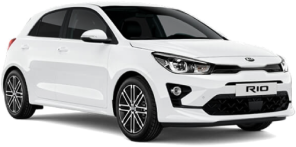
EconomyKia Rio or Similar
From
$33.11
/day
|
|
|||
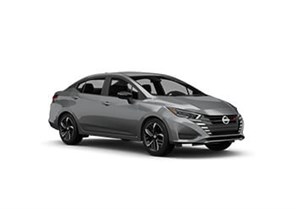
CompactCompact (Nissan Versa) or Similar
From
$31.13
/day
|
|
|||
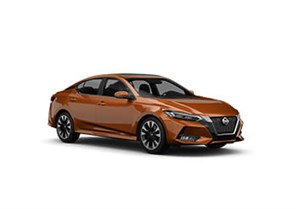
IntermediateIntermediate (NISSAN SENTRA) or Similar
From
$31.43
/day
|
|
|||
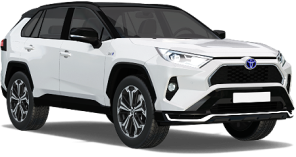
Intermediate SuvToyota RAV4 or Similar
From
$37.34
/day
|
|
|||
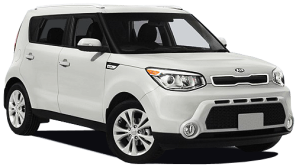
CompactKia Soul or Similar
From
$30.65
/day
|
|
|||
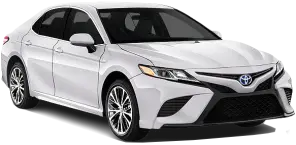
Full-sizeToyota Camry or Similar
From
$31.11
/day
|
|
|||
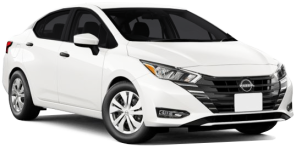
CompactNissan Versa or Similar
From
$31.12
/day
|
|
|||
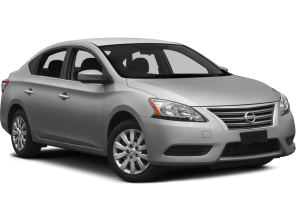
IntermediateNissan Sentra or Similar
From
$31.43
/day
|
|
|||
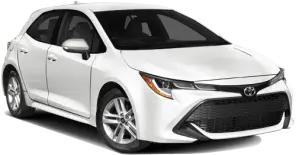
StandardToyota Corolla or Similar
From
$31.65
/day
|
|
|||
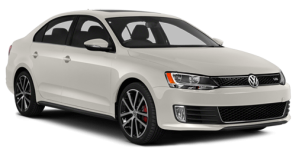
StandardVolkswagen Jetta or Similar
From
$34.01
/day
|
|
|||
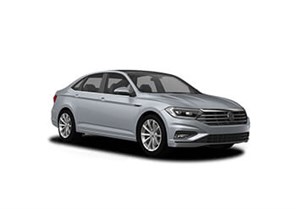
StandardStandard (Volkswagen Jetta) or Similar
From
$34.01
/day
|
|
|||
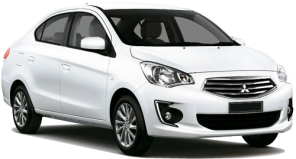
EconomyMitsubishi Mirage or Similar
From
$34.88
/day
|
|
|||
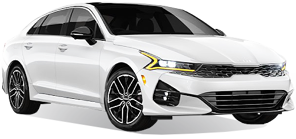
StandardKia K5 or Similar
From
$34.99
/day
|
|
|||
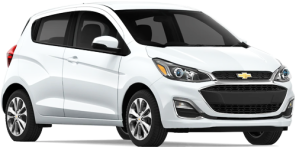
EconomyChevrolet Spark or Similar
From
$35.50
/day
|
|
|||
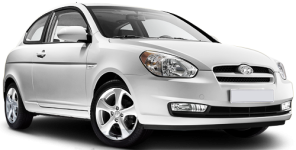
CompactHyundai Accent or Similar
From
$35.66
/day
|
|
|||
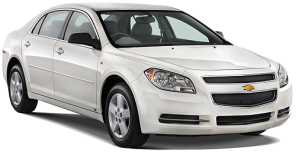
Full-sizeChevrolet Malibu or Similar
From
$36.17
/day
|
|
|||
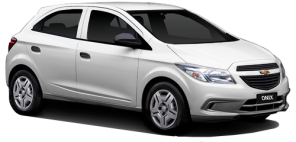
CompactChevrolet Onix or Similar
From
$36.23
/day
|
|
|||
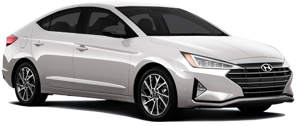
IntermediateHyundai Elantra or Similar
From
$37.11
/day
|
|
|||
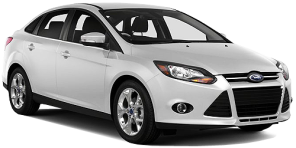
CompactFord Focus or Similar
From
$37.24
/day
|
|
|||
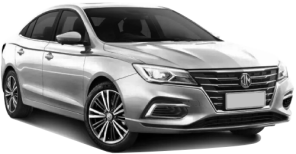
IntermediateMG 5 or Similar
From
$37.77
/day
|
|
|||
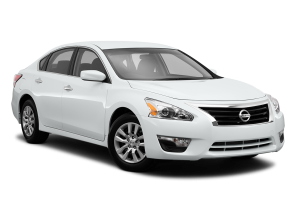
Full-sizeNissan Altima or Similar
From
$38.43
/day
|
|
|||
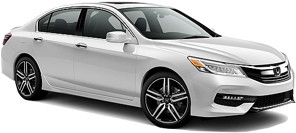
Full-sizeHonda Accord or Similar
From
$38.57
/day
|
|
|||
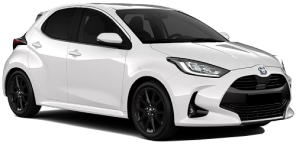
EconomyToyota Yaris or Similar
From
$38.83
/day
|
|
|||
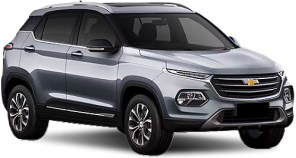
Compact SuvNissan Kicks or Similar
From
$39.11
/day
|
|
|||
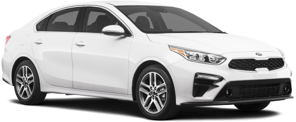
StandardKia Forte or Similar
From
$39.30
/day
|
|
|||
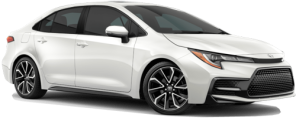
IntermediateToyota Corolla Sedan or Similar
From
$39.53
/day
|
|
|||
Our Features
Discover a world of convenience, safety, and customization, paving the way for unforgettable adventures and seamless mobility solutions.
Clear Rental Policies
Access complete rental policies including driver age limits, fuel rules, and deposit conditions.
Transparent Comparison
Compare rental companies side-by-side with clear information about pricing, insurance, and included services.
Instant Booking Confirmation
Get immediate confirmation for most rentals with real-time vehicle availability.
Thousands of Pickup Locations
Search from thousands of pickup locations including airports, train stations, and city centers worldwide.
Flexible Filter Options
Refine your search results with powerful filters to quickly find the perfect rental car for your travel needs.
Trusted Rental Partners
We partner with leading global and local car rental companies to ensure reliable vehicles and professional service.
San Francisco Car Rental Facts
Essential information about car rental companies, popular cars, rental duration, and prices at San Francisco.
Most Popular Agencies
Hertz, with a major hub at SFO and downtown locations, leads for business travelers and tourists planning iconic drives across the Golden Gate Bridge.
Popular Car Types
Compact cars are preferred for navigating the city's famous hills and tight parking. Premium sedans are popular with the tech crowd and executive travelers.
Average Rental Duration
Rentals average 3-5 days, combining city exploration of Fisherman's Wharf with road trips to Napa Valley, Muir Woods, and Monterey. (Based on 15,000+ local pickups)
Most Popular Models
The Toyota Corolla is the sensible choice for city driving efficiency. The Ford Explorer is a top pick for families exploring Northern California's national parks.
Average Daily Price
San Francisco rates average $62/day. Due to high demand, weekend rates often start at $55/day. Monthly rates from $1,400 are common for business assignments.
How Much Does It Cost to Rent a Car in San Francisco?
Compare average car rental prices by month and see how rental rates vary throughout the year in San Francisco.
Cheapest Month Average
JanMost Expensive Month
JulYearly Average Price
San Francisco summer peak for Golden Gate and Alcatraz. Tech conferences cause spikes. Book 2-3 months ahead.
Driving in San Francisco: Laws & Information
Essential driving rules and requirements to know when renting a car in San Francisco.
Driving Side
Right
Minimum Age
16 to drive
Blood Alcohol Limit
0.08% maximum
IDP Required?
No International Driving Permit
Speed Units
mph
Seat Belt
Required
Toll Roads
Yes
Emergency
911 emergency number
Car Rental San Francisco Guide
Renting a car in San Francisco offers visitors the ultimate flexibility to explore not only the city's famous hills and landmarks but also the breathtaking natural beauty of the surrounding Bay Area and Northern California. While San Francisco has public transportation options like Muni buses, historic cable cars, and the BART rail system, they can be time-consuming and limiting, especially if you plan to venture across the Golden Gate Bridge into Marin County, down the peninsula to Silicon Valley, or into the world-famous wine regions of Napa and Sonoma. Taxis and ride-shares are readily available but can become prohibitively expensive for longer day trips or for families moving around with luggage.
Travelers booking a rental car in San Francisco face a primary decision: pick up at San Francisco International Airport (SFO) or in the city center. Picking up at SFO is incredibly convenient, as the rental car center is just a short AirTrain ride from the terminals. However, airport locations often include steep concession fees and surcharges that can add 20-30% to your total bill. City locations, such as those on Mason Street or Fifth Street, often have lower base rates and fewer fees, but you'll need to factor in the cost of a taxi or ride-share to get there. Other major pickup points include Oakland International Airport (OAK), which can sometimes offer cheaper rates, though it's across the bay. A solid money-saving tip is to compare the total price (including all fees) for both SFO and downtown locations—the difference can easily fund a fantastic meal in North Beach.
| Pickup Location | Advantages | Disadvantages |
|---|---|---|
| San Francisco International Airport (SFO) | Most convenient upon arrival; huge selection of vehicles; easy access from terminals via AirTrain. | Highest fees and airport surcharges; can be chaotic and busy. |
| Downtown San Francisco | Often lower base rates and fewer surcharges; good if you're already staying in the city. | Requires transport from the airport; navigating city traffic immediately; parking is expensive. |
| Oakland International Airport (OAK) | Can be significantly cheaper than SFO; less crowded; easy freeway access to the city via the Bay Bridge. | Located across the bay; you'll need to factor in bridge toll ($6-$7) to enter San Francisco. |
Car Rental Requirements in San Francisco
Before you get behind the wheel, it's essential to understand the legal and logistical requirements for renting a car in California. The rules are generally straightforward, but being prepared with the correct documents will ensure a smooth pickup process. Rental companies in San Francisco are strict about documentation, so having everything in order is non-negotiable.
The minimum age to rent a car in San Francisco is typically 21, but drivers under 25 will almost always incur a "young renter fee," which can range from $20 to $35 per day. You'll need a valid, unexpired driver's license from your home country. If your license is not in English, it is highly recommended to obtain an International Driving Permit (IDP) to accompany it, as it provides a translation that local authorities and rental agents can easily understand. A major credit card in the main driver's name is mandatory; debit cards are often not accepted or come with stringent credit checks and large deposits. You will also need to present your passport for identification. Finally, you must have a valid insurance policy—this can be purchased through the rental company or covered by your personal car insurance or a premium credit card, but you must confirm coverage before declining the counter offer.
| Requirement | Details |
|---|---|
| Minimum Age | 21 years (under-25 surcharge applies) |
| Driver's License | Valid home country license; non-English licenses should be accompanied by an IDP. |
| Payment Method | Major credit card in the renter's name (debit cards are rarely accepted). |
| Identification | Valid passport. |
| Insurance | Proof of coverage or willingness to purchase at the counter. |
Why Rent a Car in San Francisco
While San Francisco is a walkable city in its core neighborhoods, its true magic lies in the diverse regions connected to it. A rental car transforms your trip from a simple city visit into a comprehensive Northern California adventure. Having your own vehicle means you aren't tethered to train schedules or limited by the service areas of tour buses. You can watch the fog roll in over the Golden Gate Bridge from a secluded overlook, then spontaneously decide to drive to a redwood forest or a coastal state park an hour later.
The freedom of the open road is palpable here. The drive across the Golden Gate Bridge into the Marin Headlands offers views that no photograph can replicate. From there, you can continue up the coast to the charming artist community of Sausalito or further north to the Muir Woods National Monument. For families, a car is indispensable for managing kids, car seats, and the inevitable beach gear or shopping bags. It turns logistical challenges into simple, enjoyable transitions between world-class attractions, from Alcatraz to the wine country.
- Unparalleled Freedom: Explore hidden coastal trails and quirky roadside diners at your own pace.
- Scenic Drives: Experience iconic routes like Highway 1, the 17-Mile Drive, and the roads through Napa Valley.
- Access to National Parks: Easily reach Point Reyes, Muir Woods, and Yosemite National Park (a longer but rewarding trip).
- Wine Country Access: Visit multiple wineries in Napa and Sonoma without relying on expensive tours.
- Family Convenience: Store snacks, strollers, and jackets in the trunk for easy access throughout the day.
- Cost-Effective for Groups: Splitting the cost of a rental and gas is often cheaper than buying multiple train or tour tickets for a family or group of friends.
Best Car Rental Companies in San Francisco
San Francisco's rental market is dominated by a mix of well-known international brands and a few local players. The major global companies have a significant presence at both the airport and downtown locations, ensuring a consistent level of service and vehicle quality. Choosing the right company often comes down to balancing price, vehicle availability, and specific needs like one-way rentals or specialized vehicles.
Hertz and Avis are ubiquitous, offering a wide range of vehicles from economy cars to premium models, and they are known for reliable service. Enterprise is a fantastic choice for those seeking neighborhood pickups and often has competitive rates, particularly for weekly rentals. Budget and Alamo are go-to options for price-conscious travelers, frequently offering some of the lowest base rates, though it's crucial to read the fine print on mileage and insurance. Sixt has been gaining a strong foothold in the US market, particularly at SFO, and is known for its fleet of stylish German and luxury vehicles. Europcar also serves the market, catering well to international clientele.
| Company | Price Level | Pros |
|---|---|---|
| Hertz | Medium/High | Extensive fleet, great for luxury cars, excellent Gold loyalty program. |
| Avis | Medium | Widespread locations, strong preference for business travelers, reliable vehicles. |
| Enterprise | Low/Medium | Excellent customer service, many neighborhood locations, good for longer rentals. |
| Budget | Low | Competitive prices, good for basic transportation, easy online booking. |
| Sixt | Medium/High | Premium European and American models, modern fleet, great for luxury seekers. |
| Alamo | Low | Simple pricing, often includes additional drivers, great for families. |
Popular Car Rental Categories & Prices in San Francisco
Selecting the right vehicle for your San Francisco adventure is a crucial decision, often influenced by your itinerary and group size. The city's infamous hills and narrow streets make maneuverability a key factor, while road trips demand comfort and cargo space. Most visitors opt for smaller vehicles for city driving, while SUVs are the top choice for those heading to the mountains or coast.
Economy cars like the Nissan Versa or Ford Fiesta are perfect for solo travelers or couples who plan to stay mostly within the city; their small size is a blessing on steep, crowded streets. Compact cars (like a Toyota Corolla) and mid-size sedans (like a Honda Accord) offer a good balance of comfort and fuel efficiency for trips down the peninsula. SUVs, such as the Ford Escape or Jeep Wrangler, are immensely popular for their versatility, handling everything from highway cruising to light off-roading on coastal fire roads. Minivans (like a Dodge Grand Caravan) are the unsung heroes for family trips, offering cavernous space for passengers and luggage. Luxury convertibles, like a Ford Mustang or a Chevrolet Camaro, are a top choice for cruising the Pacific Coast Highway with the top down.
Rental prices in San Francisco are highly dynamic. Summer (June-August) is the peak tourist season, driving prices up significantly, especially for convertibles and SUVs. Spring (April-May) and Fall (September-October) offer "shoulder season" benefits with pleasant weather and more moderate rates. Winter (November-March), excluding the holiday period between Christmas and New Year, is the low season where you can find the best deals, though you'll trade sunshine for potential rain. Major events like Fleet Week or large tech conferences can also cause short-term price spikes.
| Car Category | Average Daily Price (USD) |
|---|---|
| Small Cars (Economy/Compact) | $45 - $70 |
| Medium Cars (Standard/Mid-size) | $55 - $85 |
| SUVs (Crossover/Standard) | $75 - $130 |
| Vans (Minivan/Full-size) | $90 - $160 |
| Luxury Cars (Premium/Convertible) | $120 - $250+ |
| Metric | Details |
|---|---|
| Cheapest Month | January or February (excluding holidays) |
| Most Expensive Month | July |
| Average Price (All Types) | $85 per day |
| A Good Deal | Under $50 per day for an economy car |
| Cheapest Supplier | Often Budget or Alamo for base rates |
| Cheapest Car Type | Economy |
Road Trips from San Francisco
San Francisco is the perfect starting point for some of the most iconic road trips in the United States. With a tank of gas and a good playlist, you can be in completely different worlds within an hour or two. These drives are the reason many visitors decide to rent a car in the first place.
- Highway 1 to Monterey and Carmel: This is the quintessential California road trip. Starting in San Francisco, head south on Highway 1, hugging the rugged coastline. The drive to Monterey is about 120 miles and takes roughly 2.5 to 3 hours without stops, but you should budget a full day. Highlights include the surfing mecca of Santa Cruz, the stunning 17-Mile Drive in Pebble Beach, the world-class Monterey Bay Aquarium, and the fairytale village of Carmel-by-the-Sea.
- Napa and Sonoma Valley Wine Tasting: For wine lovers, this is paradise. Drive north across the Golden Gate Bridge and into the picturesque valleys. The distance to Napa is roughly 50 miles, taking about 1.5 hours. Spend your days touring famous wineries like Robert Mondavi or Castello di Amorosa, enjoying gourmet meals in Yountville, and perhaps taking a hot air balloon ride over the vineyards.
- Muir Woods and Sausalito: A perfect half-day or full-day trip. Cross the Golden Gate Bridge and take the winding road to Muir Woods National Monument, home to ancient coast redwoods (reservations required for parking). Afterward, descend into the charming bayside town of Sausalito for a seafood lunch and stunning views back at the San Francisco skyline. The total driving is under 30 miles, but parking can be a challenge in peak season.
- Lake Tahoe: For a longer escape, head east to the Sierra Nevada mountains. The drive to Lake Tahoe is about 200 miles and takes around 3.5 to 4 hours. In summer, you can enjoy hiking, boating, and swimming in the crystal-clear lake. In winter, it transforms into a world-class ski and snowboard destination with resorts like Palisades Tahoe and Heavenly.
Driving Rules in San Francisco
Driving in California is similar to most Western states, but there are specific local laws and conditions in San Francisco that every visitor must know. The city's unique topography and dense population create a driving environment unlike anywhere else in the country. Understanding the rules of the road is essential for safety and avoiding costly tickets.
In California, you drive on the right-hand side of the road. Speed limits are strictly enforced, often with cameras. On city streets, the limit is usually 25 mph, but in San Francisco, you'll often find it's impossible to go that fast due to traffic and hills. On highways, limits range from 55 mph to 65 mph, and 70 mph in some rural areas. The legal blood alcohol content (BAC) limit is 0.08%. California has some of the strictest DUI laws in the nation, so never drink and drive. Seatbelts are mandatory for all occupants, and children under 8 years old must be secured in a child safety seat in the back seat.
Be prepared for unique local conditions: "city" driving here means navigating one-way streets, cable car tracks, and the famous steep hills where you must curb your wheels (turn them toward the curb when parked facing downhill, and away from the curb when facing uphill) as a safety measure. Also, be aware of bicycle lanes and pedestrian right-of-way, which is absolute at marked and unmarked crosswalks. Winter tire laws are generally not applicable in the immediate Bay Area, but if you're heading to the Sierra Nevada mountains (like Lake Tahoe) in winter, chains or snow tires may be required by law.
| Rule | Details |
|---|---|
| Driving Side | Right |
| Speed Limit (City) | 25 mph (default, often lower in school zones) |
| Speed Limit (Highway) | 55-70 mph |
| Blood Alcohol Limit | 0.08% |
| Seatbelt Law | Mandatory for all passengers |
| Child Car Seats | Required for children under 8 and under 4'9" tall. |
Toll Roads in San Francisco
Toll roads in the immediate vicinity of San Francisco are limited primarily to the region's famous bridges. The most notable is the Golden Gate Bridge, which now uses all-electronic tolling. There are no longer cash lanes. If you cross the Golden Gate Bridge heading south into San Francisco, the toll is collected electronically via license plate images. Your rental car company will likely offer a toll payment service (often for a daily administrative fee plus the cost of the toll), or you can arrange payment online in advance through the FasTrak system. The Bay Bridge, which connects San Francisco to Oakland, also uses electronic tolling, but only for westbound traffic entering the city. Tolls typically range from $6 to $8. It is highly advisable to sign up for your rental company's electronic toll program to avoid administrative penalties, which can be substantial.
Parking in San Francisco
Parking in San Francisco is famously difficult and expensive, often cited as the biggest drawback to having a car in the city. Street parking is a competitive sport, especially in popular neighborhoods like the Mission, North Beach, and Fisherman's Wharf. Read all street signs carefully; they are dense with information about street sweeping times (which can result in a ticket if you're parked there), resident permit only zones, and time limits. The infamous San Francisco hills require you to curb your wheels as a legal requirement and safety precaution.
Your best bet is often to use public parking garages, which are plentiful but can cost $30 to $50 or more for a full day. Many hotels also charge a steep daily rate for parking, sometimes exceeding $70. A practical strategy is to use your rental car for day trips outside the city and then return it to a garage upon your return, relying on ride-shares or walking for neighborhood exploration. Apps like SpotHero can help you find and reserve garage spots in advance, often at a significant discount compared to drive-up rates.
Tips for Car Rental in San Francisco
Renting a car is a significant part of your travel budget and experience, so a few smart strategies can save you money and hassle. From the booking stage to the moment you drop off the keys, these tips will help you navigate the process like a pro.
- Book Early and Compare: Rental prices fluctuate constantly. Booking well in advance, especially for summer travel, locks in a rate and ensures availability. Compare total prices, including all fees, between airport and city locations.
- Avoid One-Way Fees: If possible, pick up and drop off at the same location. One-way rentals between different cities (like San Francisco to Los Angeles) can incur substantial drop-off charges.
- Understand Your Insurance: Before you travel, check if your personal auto insurance or credit card provides rental car coverage in the US. This can save you the $20-$30 per day for the rental company's collision damage waiver.
- Choose the Right Car for the Hills: If you're sticking to the city, a small car with good visibility and automatic transmission is your best friend. A large SUV can feel cumbersome on narrow streets.
- Inspect the Car Thoroughly: Before driving off, walk around the car and photograph any existing dents or scratches. Make sure the agent notes them on the contract to avoid being charged for pre-existing damage.
- Check the Fuel Policy: The "full-to-full" policy is almost always the most economical. Fill up the tank at a gas station near the return location to avoid the exorbitant per-gallon rates charged by the rental company.
- Plan Your Parking in Advance: Have a general idea of where you'll park, especially at your hotel. Factor that cost into your overall trip budget.
Common Car Rental Mistakes Travelers Make
Even seasoned travelers can fall into traps when renting a car. Being aware of these common pitfalls in San Francisco will help you avoid unnecessary expenses and frustration, ensuring your trip starts and ends on a high note.
- Ignoring the Toll Pass Fine Print: Many travelers decline the toll pass service, not realizing they'll still cross a toll bridge. They then get hit with a huge administrative fee from the rental company weeks later. Always ask how tolls are handled.
- Underestimating Parking Costs: Not budgeting for parking is a classic mistake. Assuming you'll find free street parking near popular attractions can lead to hours of circling and eventual expensive garage fees.
- Not Curbing Your Wheels: Forgetting to turn your wheels when parking on a hill isn't just a suggestion—it's the law. You can get a ticket for it, even if you're only parked for a few minutes.
- Leaving Valuables in the Car: "Smash-and-grab" thefts are a reality in San Francisco. Never leave luggage, electronics, or even shopping bags visible in your parked car. Store them in the trunk out of sight.
- Skipping the Rental Company's App: Many companies allow you to skip the counter line by checking in on their app. This can save a huge amount of time at busy airport locations.
- Forgetting to Check for Existing Damage: Driving off without noting pre-existing damage makes you liable for it upon return. Always do a thorough walk-around with your phone's camera.
Real Travel Experience Renting a Car in San Francisco
Last spring, my partner and I flew into SFO, and after grabbing our bags, we hopped on the AirTrain to the rental car center. We'd booked a compact SUV through a major company months in advance, and the pickup was surprisingly smooth. The first challenge was adjusting to the city streets, especially the hill on Lombard Street, but the car's automatic transmission made it manageable. We spent the first day exploring, and then on the second day, we packed a cooler and drove across the Golden Gate Bridge. The sheer joy of pulling over at a vista point to watch the sailboats, with the city skyline behind us, made every penny of the rental worth it. We continued up to Muir Woods (having secured our parking pass weeks earlier), and the drive through the towering redwoods in our little SUV felt like an adventure. Returning the car was just as easy; we filled the tank at a gas station five minutes from the airport and were at our gate with time to spare, already planning our next coastal road trip.
International Driving Permit for Travelers Visiting San Francisco
For international visitors, the rules regarding driver's licenses can be a point of confusion. California law requires that you carry a valid driver's license issued in your name from your country of residence. If your license is in English, using it alone is generally acceptable for renting a car and for interaction with law enforcement. However, if your license is not printed in English, it is strongly recommended that you obtain an International Driving Permit (IDP) before you travel. The IDP serves as an official translation of your license and, when presented alongside your original license, provides clarity and helps avoid potential issues with rental agents or police. You must obtain the IDP in your home country before departing for the US; it cannot be issued in California. It is typically valid for one year. Always carry both your physical home license and your IDP together.
Car Rental Locations in San Francisco
Discover More California Car Rental Destinations
- Car Rental in Anaheim
- Car Rental in Bakersfield
- Car Rental in Beverly Hills
- Car Rental in Bishop
- Car Rental in Burbank
- Car Rental in Burlingame
- Car Rental in Fresno
- Car Rental in Hollywood
- Car Rental in Livermore
- Car Rental in Long Beach
- Car Rental in Los Angeles
- Car Rental in Mammoth Lakes
- Car Rental in Mckinleyville
- Car Rental in Monterey
- Car Rental in Oakland
- Car Rental in Ontario
- Car Rental in Palm Springs
- Car Rental in Riverside
- Car Rental in Sacramento
- Car Rental in San Diego
- Car Rental in San Jose
- Car Rental in Santa Ana
- Car Rental in Santa Barbara
- Car Rental in Santa Clara
- Car Rental in Santa Monica
- Car Rental in Santa Rosa
- Car Rental in Visalia
Popular Car Hire Locations in California
Compare car rental prices from trusted suppliers at more pickup points across California.
- Car Rental at Anaheim Downtown
- Car Rental at Bakersfield Airport (BFL)
- Car Rental at Bakersfield Downtown
- Car Rental at Beverly Hills Downtown
- Car Rental at Bishop Downtown
- Car Rental at Burbank Airport (BUR)
- Car Rental at Burbank Downtown
- Car Rental at Burlingame Downtown
- Car Rental at Fresno Airport (FAT)
- Car Rental at Fresno Downtown
- Car Rental at Hollywood Downtown
- Car Rental at Livermore Downtown
- Car Rental at Long Beach Airport (LGB)
- Car Rental at Long Beach Downtown
- Car Rental at Los Angeles Airport (LAX)
- Car Rental at Los Angeles Downtown
- Car Rental at Mammoth Lakes Downtown
- Car Rental at McKinleyville Airport (ACV)
- Car Rental at Mckinleyville Downtown
- Car Rental at Monterey Airport (MRY)
- Car Rental at Monterey Downtown
- Car Rental at Oakland Airport (OAK)
- Car Rental at Oakland Downtown
- Car Rental at Ontario Airport (ONT)
- Car Rental at Ontario Downtown
- Car Rental at Palm Springs Airport (PSP)
- Car Rental at Palm Springs Downtown
- Car Rental at Riverside Downtown
- Car Rental at Sacramento Airport (SMF)
- Car Rental at Sacramento Downtown
Major Airports in California
Complete airport guides with car rental information, parking, and transportation options.
- Bakersfield Airport Guide IATA: BFL
- Burbank Airport Guide IATA: BUR
- Fresno Airport Guide IATA: FAT
- Long Beach Airport Guide IATA: LGB
- Los Angeles Airport Guide IATA: LAX
- McKinleyville Airport Guide IATA: ACV
- Monterey Airport Guide IATA: MRY
- Oakland Airport Guide IATA: OAK
- Ontario Airport Guide IATA: ONT
- Palm Springs Airport Guide IATA: PSP
- Sacramento Airport Guide IATA: SMF
- San Diego Airport Guide IATA: SAN
- San Francisco Airport Guide IATA: SFO
- Santa Ana Airport Guide IATA: SNA
- Santa Barbara Airport Guide IATA: SBA
- Santa Rosa Airport Guide IATA: STS
Frequently Asked Questions about Car Rental in San Francisco
San Francisco, California Car Rental Reviews & Customer Ratings
Read verified customer reviews, ratings, and rental experiences from travelers who booked through Airport Rento.
Overall Rating
No reviews yet for this location. Be the first to share your experience!