Ekonomi
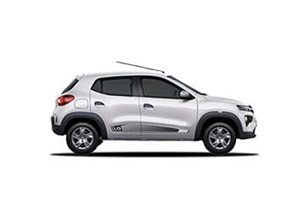
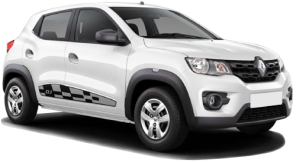
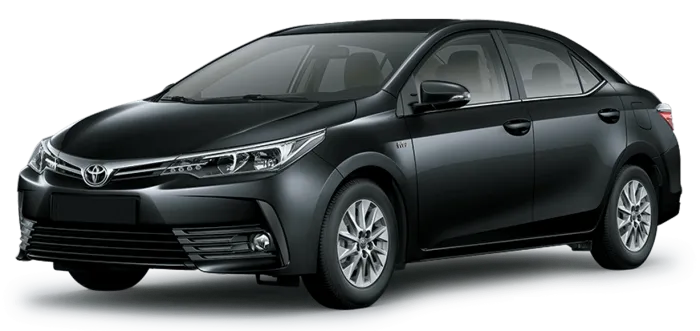
Renault Kwid Zen 1.0
veya benzeri
Başlangıç
$24.43/gün
Güvenilir küresel tedarikçilerden araç kiralama fiyatlarını karşılaştırın. En iyi fırsatları anında bulun.
Neuquen Otogarı için araç seçeneklerini keşfedin.
veya benzeri
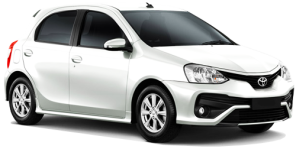
veya benzeri
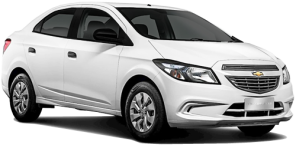
veya benzeri
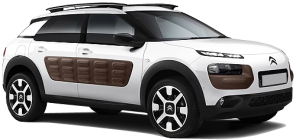
veya benzeri
veya benzeri
veya benzeri
veya benzeri
veya benzeri
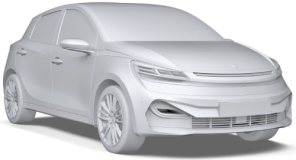
veya benzeri
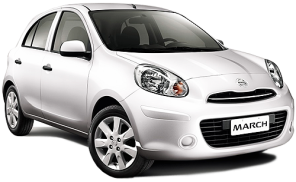
veya benzeri
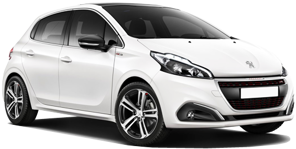
veya benzeri
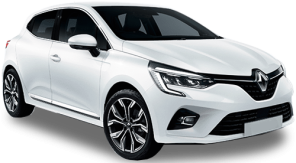
veya benzeri
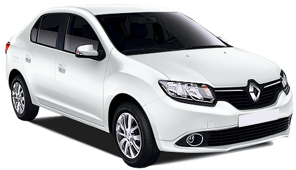
veya benzeri
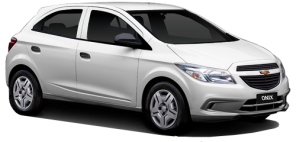
veya benzeri
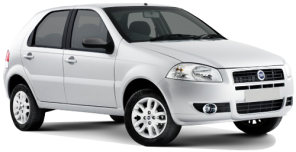
veya benzeri
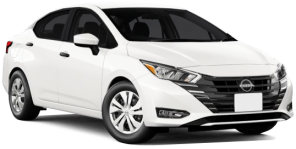
veya benzeri
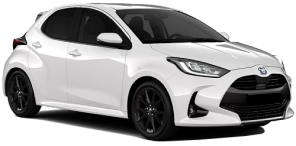
veya benzeri
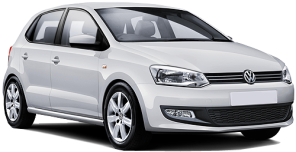
veya benzeri
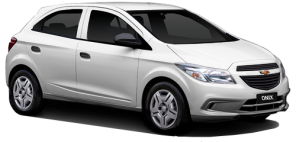
veya benzeri
veya benzeri
Gösterilen fiyatlar yaklaşık değerlerdir; rezervasyon tarihine, kiralama süresine ve araç sınıfına göre değişebilir. Güncel fiyat için rezervasyon seçeneklerini kontrol edin.
Unutulmaz maceralar ve kesintisiz mobilite çözümlerine zemin hazırlayan bir konfor, güvenlik ve kişiselleştirme dünyasını keşfedin.
Yakıt politikası, kilometre sınırları, depozito gereksinimleri ve sigorta kapsamı dahil olmak üzere eksiksiz kiralama koşullarını görüntüleyin.
Seyahatiniz sırasında ekstra gönül rahatlığı için isteğe bağlı tam kapsamlı sigorta ile kiralamanızı koruyun.
Destek ekibimiz rezervasyon soruları, değişiklikler veya iptaller konusunda yardımcı olmak için hazırdır.
Birçok rezervasyon, teslim almadan 48 saat öncesine kadar ücretsiz iptal imkanı sunarak seyahat planlarınız değiştiğinde size esneklik sağlar.
Rezervasyon onayınızı ve kiralama detaylarınızı doğrudan e-posta kutunuza anında alın.
Doğrulanmış müşteri yorumları ve hizmet kalitesine dayanarak en yüksek puanlı tedarikçileri vurguluyoruz.
Araç kiralarken bilmeniz gereken temel sürüş kuralları ve gereksinimler.
Sürüş kuralları, ehliyet gereksinimleri, hız sınırları ve yerel ipuçları hakkında bilgi edinin.
Renting a car at the Neuquen Bus Station is one of the smartest moves you can make as a traveler arriving in Patagonia's bustling energy hub. Unlike flying into the airport, stepping off a long-distance bus places you directly in the city's commercial heart, and having a rental car waiting means you bypass the scramble for taxis or the confusion of local bus routes with heavy backpacks. The bus station location offers a seamless transition from public transport to private exploration, allowing you to head straight to your hotel or begin your road trip without missing a beat.
Choosing between pickup locations requires a bit of strategy. The bus station rental offices are incredibly convenient for coach travelers, but they typically operate during standard business hours, so if your bus arrives late at night, you might need to wait until morning. The Presidente Peron International Airport, located about 8 kilometers west of the city center, is the other main option. Airport locations have longer hours and larger fleets, but they add an airport concession fee to your bill, sometimes increasing the total cost by 10 to 15 percent. City center rental offices scattered around Neuquen offer a middle ground, though reaching them from the bus station with luggage can be a minor hassle. For most bus travelers, the station itself strikes the perfect balance between convenience and cost.
Money-Saving Tip: Always check whether your rental includes unlimited mileage. Some budget rates at the bus station might come with daily kilometer caps, and exceeding those on long Patagonian drives can trigger expensive overage charges. Paying a little more upfront for unlimited mileage almost always saves money if you plan to explore beyond the city limits.
| Pickup Location | Advantages | Disadvantages |
|---|---|---|
| Neuquen Bus Station | Perfect for bus arrivals, central location, lower base rates, immediate access to city and roads | Limited counter hours, smaller vehicle selection, may close for lunch |
| Presidente Peron Airport (NQN) | Extended hours, large fleet, all major international brands, easy for flyers | Airport surcharges add cost, located outside city, requires taxi to reach city |
| Neuquen City Center | Competitive pricing, convenient for downtown hotel guests, good local service | Hard to reach from bus station with luggage, limited after-hours options |
Renting a car in Argentina involves specific paperwork, and being prepared saves you from last-minute disappointment at the counter. The minimum age to rent is generally 21, but drivers under 25 face a young driver surcharge that adds roughly ten to twenty dollars per day to the rental cost. Some agencies also impose a maximum age limit, often around 75, so older travelers should confirm policies when booking. You will need a valid full driver's license from your home country, and if that license is not in Spanish, carrying an International Driving Permit is strongly recommended as an official translation that local authorities recognize.
A major credit card in the renter's name is non-negotiable for the security deposit. Rental companies place a hold on your card ranging from six hundred dollars for small economy cars up to two thousand dollars or more for large SUVs and pickup trucks. Debit cards are rarely accepted for this deposit, though you can sometimes use one to pay the final balance at the end. Your passport is required for identification, and the rental agent will scan it along with your license. Basic third-party liability insurance is included in the advertised rate by law, but Collision Damage Waiver is optional and reduces your financial responsibility if the car is damaged. The deductible on CDW can be high, often over a thousand dollars, so many travelers purchase additional coverage for peace of mind.
| Requirement | Details |
|---|---|
| Minimum Age | 21 years with young driver surcharge for ages 21 through 24 |
| Driver's License | Valid home country license, International Driving Permit recommended for non-Spanish licenses |
| Credit Card | Required in renter's name for security deposit of six hundred to two thousand dollars |
| Passport | Mandatory for identity verification |
| Insurance | Third-party liability included, Collision Damage Waiver optional with deductible |
Neuquen serves as the unofficial capital of Patagonia's northern frontier, a city where the wide Rio Neuquen meets the Rio Limay and the landscape shifts from arid steppe to fertile valleys. While the city has taxis and a public bus system, these options tether you to fixed routes and schedules, limiting your ability to explore the surrounding region on your own terms. Picking up a rental car at the bus station transforms your trip from a passive journey into an active adventure, giving you the power to chase sunsets, linger at viewpoints, and discover places that don't appear on standard tour itineraries.
The real magic of this region lies beyond the city limits, in the lakes, mountains, and volcanic landscapes that draw travelers from around the world. With a rental car, you can drive west toward the Andes and spend a week hopping between national parks, or head south along Route 40 through dinosaur country and small ranching towns. Families especially benefit from the flexibility and cost savings, as four people sharing a rental car and fuel often spend less than buying individual bus tickets for long distances. The car becomes your mobile base camp, carrying picnic supplies, hiking gear, and all the souvenirs you collect along the way.
The rental landscape in Neuquen offers something for every traveler, from international giants with massive fleets to local operators who provide personalized service and insider knowledge. At the bus station itself, you will find desks from several well-known companies alongside smaller regional agencies that cater specifically to the overland travel crowd. Enterprise operates from the airport with extended hours, while companies like Hertz and Avis maintain a presence both at the airport and through affiliates in the city center. Local firms such as Los Andes Rent a Car and Cordoba Rent a Car often have better rates and more flexible policies, though their fleets may be smaller and bookings require direct communication rather than instant online reservations.
Choosing between international and local companies involves tradeoffs. The big names offer convenience, online booking, and consistent vehicles, but you pay a premium for that reliability. Local agencies sometimes provide older cars with higher mileage, yet they compensate with warmer service and a willingness to customize rental terms, such as delivering the car to your hotel or allowing one-way drop-offs in smaller towns. For travelers heading deep into the mountains, local companies often have better-equipped 4x4 vehicles and can advise on current road conditions that international desk agents might not know.
| Company | Price Level | Pros |
|---|---|---|
| Enterprise | Medium | Long airport hours, after-hours returns, large fleet, reliable for one-way rentals |
| Hertz | Medium to High | Global brand recognition, wide vehicle selection, strong presence at airport |
| Avis | Medium to High | Professional service, loyalty program benefits, good for business travelers |
| Local Agencies | Low to Medium | Personalized attention, lower rates, local knowledge, flexible policies |
Selecting the right vehicle category can make or break your Patagonian road trip. If your plans revolve around Neuquen city itself, nearby wineries, or the paved highways connecting major towns, a small economy car like a Chevrolet Spark or Renault Kwid offers excellent fuel economy and easy parking. These cars sip fuel and cost the least to rent, making them ideal for budget travelers focused on urban exploration. Compact cars such as the Toyota Etios or Chevrolet Onix provide a bit more space without a huge jump in price, suitable for couples with moderate luggage.
The moment your itinerary includes gravel roads, mountain passes, or remote national parks, an SUV or pickup truck becomes essential. Vehicles like the Ford EcoSport, Jeep Renegade, or Toyota Hilux handle rough terrain with higher ground clearance and often come with four-wheel drive for muddy or snowy conditions. These command higher daily rates but provide the capability and safety you need for backcountry driving. Minivans and seven-seater SUVs like the Chevrolet Spin or Ford Ranger double cab accommodate families or groups, spreading the cost across more people. Luxury options exist for those wanting premium comfort, but they are rare and expensive, usually booked far in advance.
Seasonal demand drives prices dramatically in this region. December through March, the austral summer, brings the highest rates as Argentine and international tourists flock to the lakes. July sees another spike during winter school holidays when families head for the snow. Shoulder months like April, May, September, and October offer the best combination of decent weather and lower prices, sometimes half the summer rate for the same vehicle. Booking at least four weeks ahead for peak season is essential, while last-minute deals occasionally appear in low season for those with flexible plans.
| Car Category | Example Models | Average Daily Price in USD |
|---|---|---|
| Small Cars | Chevrolet Spark, Renault Kwid, Fiat Mobi | 45 to 65 |
| Compact Cars | Toyota Etios, Chevrolet Onix, Ford Ka | 60 to 80 |
| SUVs | Ford EcoSport, Jeep Renegade, Chevrolet Tracker | 85 to 130 |
| Vans and Family Vehicles | Chevrolet Spin, Ford Ranger Double Cab, Renault Kangoo | 110 to 170 |
| Luxury and 4x4 Pickups | Toyota Hilux, Ford Ranger, Volkswagen Amarok | 140 to 240 |
| Metric | Details |
|---|---|
| Cheapest Month | May or June outside of holidays |
| Most Expensive Month | January or February during peak summer |
| Average Daily Price | Approximately 65 to 85 dollars for a compact car |
| A Good Deal | Economy car under 50 dollars per day with unlimited mileage |
| Cheapest Supplier Type | Local agencies often undercut international brands by 10 to 20 percent |
| Cheapest Car Type | Manual transmission economy cars, avoid automatics for savings |
Picking up your rental car at the bus station places you at the gateway to some of the most spectacular driving routes in the Americas. The roads radiating from Neuquen lead through volcanic landscapes, ancient forests, and along the shores of glacier-fed lakes, each turn revealing a new vista that begs for a photo stop. Here are four essential road trips that showcase the best of the region.
Understanding local driving rules keeps you safe and prevents unwanted encounters with traffic police. In Argentina, vehicles drive on the right side of the road, and the steering wheel is on the left, which feels natural for travelers from North America and most of Europe. Speed limits are posted on signs leaving towns and at the start of highways, but enforcement varies. In urban areas, stick to 40 kilometers per hour unless otherwise posted, and on open highways, 80 to 110 kilometers per hour is the norm unless signs indicate otherwise.
Seatbelts are mandatory for all occupants, and children under ten must ride in the back seat using appropriate child restraints. Argentine law sets a strict blood alcohol limit of 0.05 percent, which translates to about one drink for most adults, but the safest approach is zero alcohol while driving. Police set up random checkpoints, especially on weekends and holidays, where they check documents and perform breathalyzer tests. Fines for violations can be steep and payable on the spot, so always carry your passport, license, and rental papers in the car.
Road conditions vary widely. Major highways like Routes 22 and 151 are paved and well-maintained, but secondary roads, including large sections of Route 40, are gravel or dirt. These ripio roads require slower speeds and careful steering, as loose stones can cause skids. In the mountains, winter from June through September brings snow and ice, and tire chains are mandatory for many passes. Some high-altitude roads close entirely during storms, so check local forecasts and road reports before heading into the Andes between June and August.
| Road Type | Speed Limit in Kilometers per Hour | Speed Limit in Miles per Hour |
|---|---|---|
| City Streets | 30 to 60 | 18 to 37 |
| Rural Highways | 80 to 110 | 50 to 68 |
| Expressways | 100 to 130 | 62 to 80 |
Toll roads are not a major feature of driving around Neuquen city itself, but they appear on longer journeys to other provinces. When you travel west toward the Andes on Routes 7 or 40, you will encounter occasional toll booths where fees range from one to five dollars in local currency. These tolls fund road maintenance through mountainous terrain, and the booths are clearly marked with signs reading peaje ahead. Always carry a supply of small bills in Argentine pesos, as credit cards are rarely accepted at these rural booths. Some newer sections of highway use electronic toll collection, but rental cars rarely have the required transponder, so stick to cash lanes. If you accidentally go through an electronic lane without payment, note the booth number and contact the rental company immediately for instructions.
Finding parking in Neuquen requires a bit of local knowledge, especially in the downtown commercial district around Avenida Argentina and the bus station itself. Street parking in the city center is metered from Monday through Friday during business hours, and you pay at nearby kiosks or through a mobile app for a limited time. Display the receipt clearly on your dashboard to avoid tickets, as parking inspectors patrol regularly. After hours and on weekends, metered parking is usually free, but spaces fill quickly with diners and moviegoers.
For longer stays or peace of mind, private parking garages offer secure options at reasonable daily rates. Several garages operate near the bus station and along main avenues, charging around five to ten dollars per day. Hotels in Neuquen sometimes provide free or discounted parking for guests, so ask when booking. When parking on the street anywhere in Argentina, never leave valuables visible in the car. Lock everything in the trunk or take it with you, as smash-and-grab thefts occur even in busy areas. The new underground parking facility under construction will eventually add eight hundred spaces, easing congestion in the coming years, but for now, plan ahead and arrive early if you need a spot near popular attractions.
Renting a car in a foreign country always involves a learning curve, but these practical tips help you navigate the process smoothly and avoid common pitfalls. The key is preparation and asking the right questions before signing any paperwork.
Even experienced travelers fall into traps that turn a dream road trip into a headache. Learning from others mistakes keeps your adventure on track and your wallet intact. Here are the most common errors and how to avoid them.
My bus from Bariloche pulled into Neuquen just as the morning sun broke over the Rio Limay, painting the water in shades of gold and copper. I stumbled off with my backpack, tired but buzzing with anticipation, and walked the fifty meters to the rental counter tucked near the main exit. The agent, a friendly guy named Matias, had my paperwork ready and walked me out to a silver Ford EcoSport with surprisingly low mileage. Twenty minutes later, I was cruising across the Centenario Bridge, windows down, smelling the mix of river damp and Patagonian dust. I stopped at a roadside bakery for medialunas still warm from the oven and ate them overlooking the confluence of the Neuquen and Limay rivers, completely alone except for a few ducks. That moment, coffee in hand with my rental car parked a few feet away, was when the trip truly began, not as a passenger following a schedule, but as a driver writing my own route across the map.
An International Driving Permit serves as your official Spanish translation of your home driver's license, and carrying one in Argentina transforms a potential paperwork problem into a non-issue. While rental companies at the Neuquen Bus Station may not demand it, especially if your license uses the Latin alphabet, Argentine traffic police absolutely recognize and often require it during roadside checks. The permit is valid for one year from issue and must be obtained in your home country before departure, as Argentine authorities do not issue them to foreigners.
Applying for an IDP takes about fifteen minutes at authorized organizations like AAA in the United States, the CAA in Canada, or the RAC in the United Kingdom. Bring your valid driver's license, two passport-sized photographs, and a small fee, usually around twenty to thirty dollars. The permit itself is a small booklet with your photo and translations of your license information into multiple languages, including Spanish. Slip it into your passport holder alongside your real license and present both whenever asked. For less than the cost of a nice dinner, you gain peace of mind knowing you are fully legal to drive on every road from the bus station to the farthest Andean pass.
İşaretçiler yaklaşık havalimanı veya şehir merkezi konumlarını gösterir.
Araç kiralama, otopark ve kara ulaşımı için havalimanı rehberlerini keşfedin.
Farklı bir isim, şehir veya IATA kodu deneyin.
Airport Car Hub üzerinden rezervasyon yapan seyahat edenlerin doğrulanmış müşteri yorumlarını, puanlarını ve kiralama deneyimlerini okuyun.
Genel Puan
Bu konum için henüz yorum yok. Deneyiminizi ilk paylaşan siz olun!