Ekonomi
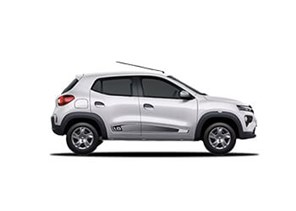
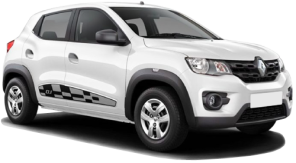
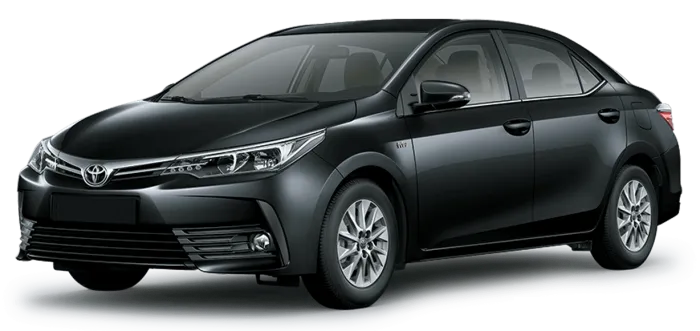
Renault Kwid Zen 1.0
veya benzeri
Başlangıç
$24.43/gün
Güvenilir küresel tedarikçilerden araç kiralama fiyatlarını karşılaştırın. En iyi fırsatları anında bulun.
Buenos Aires El Palomar için araç seçeneklerini keşfedin.
veya benzeri
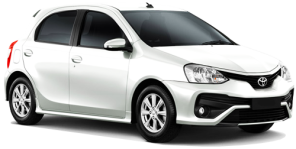
veya benzeri
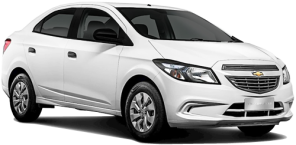
veya benzeri
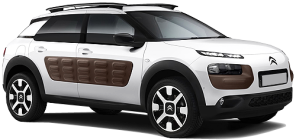
veya benzeri
veya benzeri
veya benzeri
veya benzeri
veya benzeri
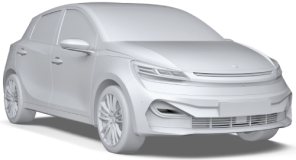
veya benzeri
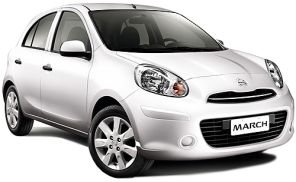
veya benzeri
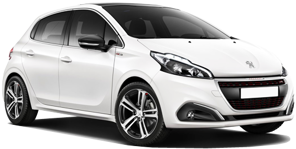
veya benzeri
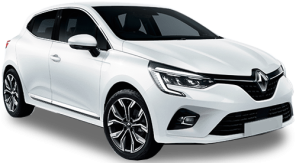
veya benzeri
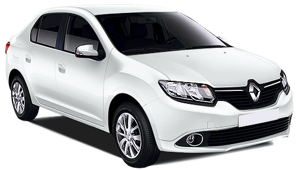
veya benzeri
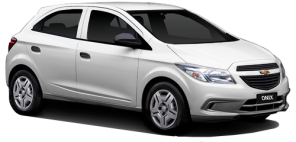
veya benzeri
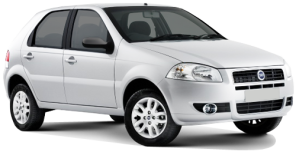
veya benzeri
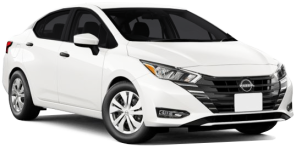
veya benzeri
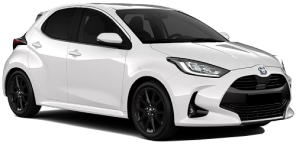
veya benzeri
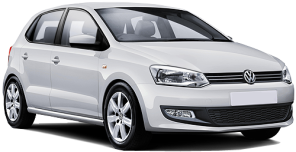
veya benzeri
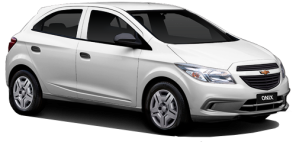
veya benzeri
veya benzeri
Gösterilen fiyatlar yaklaşık değerlerdir; rezervasyon tarihine, kiralama süresine ve araç sınıfına göre değişebilir. Güncel fiyat için rezervasyon seçeneklerini kontrol edin.
Unutulmaz maceralar ve kesintisiz mobilite çözümlerine zemin hazırlayan bir konfor, güvenlik ve kişiselleştirme dünyasını keşfedin.
Seyahatiniz sırasında kolay seyahat için şehir merkezlerinde ve popüler turistik bölgelerde kiralık araçlara erişin.
Birçok tedarikçi, sürüş sorumluluğunu paylaşabilmeniz için ek sürücü eklemenize izin verir.
Seyahatiniz için en iyi kiralama tedarikçisini seçmenize yardımcı olması açısından doğrulanmış müşteri yorumlarını ve puanlamalarını okuyun.
Mobil uyumlu platformumuzla herhangi bir akıllı telefon veya tabletten kolayca kiralık araç arayın ve rezervasyon yapın.
Platformumuzdaki tüm kiralama şirketleri, hizmet kalitesini ve müşteri güvenilirliğini sağlamak için dikkatle doğrulanmıştır.
Platformumuz üzerinden araç kiralarken özel online fırsatlar ve mevsimsel indirimlerin keyfini çıkarın.
Araç kiralarken bilmeniz gereken temel sürüş kuralları ve gereksinimler.
Sürüş kuralları, ehliyet gereksinimleri, hız sınırları ve yerel ipuçları hakkında bilgi edinin.
Renting a car in Buenos Aires El Palomar offers international travelers a unique blend of freedom and practicality for exploring Argentina's vibrant capital and the sprawling Buenos Aires Province. While the city’s downtown core, particularly areas like Microcentro and San Telmo, is notorious for narrow, one-way streets and aggressive traffic, having your own vehicle becomes invaluable the moment you plan to venture beyond the city limits. Many travelers opt for a rental car to bypass the limitations of public transport, especially when visiting the Tigre Delta, the estancias (ranches) in the Pampas, or the charming towns of San Antonio de Areco.
When flying into El Palomar, you have two primary pickup options: the airport itself or a rental office in the city center. El Palomar Airport (EPA) is a smaller, primarily domestic hub used by low-cost airlines, and its rental car facilities are compact and efficient. Picking up your car at the airport saves you the hassle and cost of a taxi transfer into Buenos Aires, especially if your itinerary immediately heads west or south. However, airport locations often include an "airport surcharge" or additional fees, which can add $15–$30 USD per day to your rental cost. Conversely, picking up in the city, from locations like Retiro or Puerto Madero, might offer lower base rates but requires you to navigate into the city first. A savvy money-saving tip is to compare the total cost (including all fees) for a one-day airport rental versus a multi-day city-center rental, as sometimes it's cheaper to take a cab into town and pick up the car there for longer trips.
| Location | Pros & Cons |
|---|---|
| El Palomar Airport (EPA) | Pros: Immediate access upon arrival, convenient for exiting the city quickly. Cons: Limited counter hours, often higher daily rates due to airport fees. |
| Downtown Buenos Aires (e.g., Retiro, Florida St.) | Pros: Potentially lower base rates, more locations and opening hours. Cons: Must take a taxi/Uber to get there, challenging to navigate out of the city center. |
| Palermo / Barrio Norte | Pros: Easier access to main highways (like the General Paz), more relaxed neighborhood to start your drive. Cons: Fewer rental desks than the airport or Retiro; you may need a cab to get there. |
Before you can hit the road, you must ensure you have the correct documentation. The rental process in Argentina is generally straightforward, but Argentine law and rental companies are strict about paperwork. Failure to provide the correct documents at the counter will result in being denied the vehicle, and you will likely forfeit your payment.
The golden rule is to bring the physical documents; digital copies on your phone are almost never accepted. The primary requirements include a valid passport, a credit card in the main driver's name, and a valid driver's license. For international travelers, the most common point of confusion revolves around the International Driving Permit (IDP). While not strictly required by Argentine national law if you have a license printed in Spanish, many rental agencies in Buenos Aires El Palomar will refuse to rent a car without one. It acts as an official translation of your license and provides a layer of legal security if you are stopped by traffic police, who may not read English or other foreign languages. It is highly recommended to obtain an IDP in your home country before traveling.
| Requirement | Details |
|---|---|
| Minimum Age | Typically 21 years old. Drivers under 25 usually pay a "young driver surcharge" of around $10–$20 USD per day. |
| Driver's License | Valid license from your country of residence held for at least 1-2 years. |
| International Driving Permit | Strongly recommended and often required by rental companies. Must be obtained before arriving in Argentina. |
| Credit Card | Required for a security deposit (typically $500–$1,500 USD). Debit cards are rarely accepted for the hold. |
| Passport | Physical passport with the entry stamp for Argentina (or Mercosur region). |
While Buenos Aires has an extensive subway (Subte) and bus network, these systems can be crowded, confusing for non-Spanish speakers, and time-consuming. Renting a car transforms your trip from being confined to the city's metro map to having the entire province at your fingertips. The real value of a rental car is realized when you want to escape the city's hustle and experience the diverse landscapes of the Pampas or the Paraná Delta on your own schedule.
Imagine spontaneously pulling over to photograph a herd of grazing cattle, or deciding to stay an extra hour at a traditional asado (barbecue) in the countryside without worrying about catching the last bus back to the city. For families, a car is indispensable for carrying sports equipment, groceries for a picnic, or simply managing children's schedules without the stress of public transport. It also provides a safe, private space, which is a comfort factor for many international visitors navigating a new country.
At Buenos Aires El Palomar Airport, you will find a mix of familiar global brands and reputable local agencies. The international giants offer consistency, loyalty program points, and often have newer fleets. Local companies can sometimes offer more competitive pricing and personalized service, though their English proficiency may be limited. It's a good idea to book your rental well in advance, especially during peak tourist seasons like the southern hemisphere summer (December-February) and during major holidays.
When comparing companies, look beyond the daily rate. Pay close attention to the included mileage, fuel policy, and insurance excess. Often, a seemingly cheap rental from a budget company becomes expensive once you add mandatory third-party insurance or pay for extra kilometers.
| Company | Price Level | Pros |
|---|---|---|
| Hertz | Medium/High | Excellent fleet condition, reliable Gold Plus Rewards service, wide range of vehicles. |
| Avis | Medium | Strong presence in Argentina, good for one-way rentals, preferred service for members. |
| Enterprise | Medium | Known for excellent customer service, flexible pick-up options in the city. |
| Budget | Low/Medium | Often has competitive base rates, good for economy and compact car rentals. |
| Local Suppliers (e.g., Alamo, Localiza) | Low | Can be significantly cheaper, sometimes offer more flexibility on mileage, but check reviews carefully. |
The type of vehicle you choose will largely depend on your itinerary. For navigating the tight streets of San Telmo or La Boca, a small, maneuverable car is a blessing. However, if you plan to head out onto the rutted dirt roads leading to estancias or explore the Atlantic Coast, a sturdier vehicle with higher ground clearance is advisable. Most travelers opt for a balance between city drivability and highway comfort.
Economy cars like a Fiat Cronos or Chevrolet Onix are the most common sight in the city and are incredibly fuel-efficient. For families or groups, a compact SUV like a Ford EcoSport or Renault Duster offers more space and a better view of the road. During the high season (December to March and July school holidays), prices can spike by 30-50%, and availability for popular categories like SUVs and automatic transmission vehicles (which are rare in Argentina) becomes very tight.
| Car Category | Low Season (May - August) | High Season (Dec - Feb) |
|---|---|---|
| Small/Economy Car | $35 - $50 | $60 - $85 |
| Medium/Compact Car | $45 - $65 | $75 - $100 |
| SUV | $70 - $100 | $120 - $180 |
| Van (7 seats) | $90 - $130 | $150 - $220 |
| Luxury/Premium Car | $120 - $200+ | $200 - $300+ |
| Factor | Insight |
|---|---|
| Cheapest Month | May or August (excluding holiday weekends). |
| Most Expensive Month | January or February (peak summer travel). |
| Average Price (Weekly) | $400 - $600 USD for an economy car. |
| A Good Deal | Anything under $40 USD/day for a small car in low season. |
| Cheapest Supplier | Often a local agent or Budget, but read the terms carefully. |
| Cheapest Car Type | Manual transmission economy cars are almost always the cheapest. |
El Palomar's location on the western edge of the city gives you a slight head start if you're heading west or south, bypassing some of the worst downtown traffic. Here are some classic drives that start from this area.
The Delta Escape: Buenos Aires to Tigre
Distance: Approx. 40 km (1 hour via Autopista Acceso Norte).
Highlights: Explore the Paraná Delta by taking a communal boat from the Tigre dock, visit the Puerto de Frutos market, and stroll along the riverside promenade. It's a completely different world from the city.
Pampas & Gaucho Culture: Buenos Aires to San Antonio de Areco
Distance: Approx. 113 km (1.5 hours via RN8).
Highlights: The heart of gaucho country. Visit silver smiths, enjoy an asado at a traditional estancia, and see the rich equestrian culture of the Argentine plains.
Los Cardones & Colonial History: Buenos Aires to Colonia del Sacramento, Uruguay
Distance: Approx. 270 km including ferry (3 hrs drive to Tigre + 1 hr ferry).
Highlights: Drive to the ferry terminal in Tigre, take your car across the Río de la Plata to Uruguay. Explore the UNESCO World Heritage site of Colonia del Sacramento with its cobblestone streets and Portuguese architecture.
The Atlantic Coast: Buenos Aires to Mar del Plata
Distance: Approx. 400 km (4.5-5 hours via RP2).
Highlights: Argentina's premier beach resort. Drive down for a weekend of seafood, casinos, and bustling beaches. It's a long drive but a very popular route for porteños (Buenos Aires locals).
Driving in Argentina follows the continental European pattern: you drive on the right-hand side of the road, and overtake on the left. While the rules are similar to those in the US and Europe, enforcement and local driving culture can be a shock. Porteño drivers are known for being assertive; lane markings are often treated as suggestions, and using your horn is common. Defensive driving is your best strategy.
Speed limits are strictly enforced in some areas, particularly on major highways, with radar traps and police checkpoints being common. Alcohol limits are low, and police often set up sobretos (breathalyzer checkpoints) on weekend nights. Seatbelts are mandatory for all occupants, and children under the age of 4 or under a certain height must be in approved child safety seats. If you are driving in the Andes region or far south during winter, winter tires or chains may be mandatory, but for trips from El Palomar focusing on the plains and coast, this is rarely an issue.
| Road Type | Speed Limit (km/h) |
|---|---|
| Urban Zones / City Streets | 40 - 60 km/h |
| Avenues within City | 60 - 70 km/h |
| Open Highways (Rutas) | 100 - 120 km/h |
| Dirt Roads (Camino Rural) | 60 - 80 km/h (depending on conditions) |
Most of the major highways (autopistas) and express routes around Buenos Aires are toll roads. The system is mostly electronic and manual. The main access routes, like the Autopista Acceso Oeste (which you might use from El Palomar) and Autopista Panamericana (Acceso Norte), have toll booths every 20-30 kilometers. You can pay with cash (Argentine Pesos) at the manual booths. However, many highways use a free-flow system called "TelePASE," where a sensor in your car reads a tag and you pay automatically. Rental cars rarely come with this tag, so you must stick to the lanes marked "Manual" or "Efectivo."
Typical toll costs are relatively low, usually between $0.50 and $2.00 USD per booth. It is essential to always have small denomination Argentine Peso bills on hand, as toll attendants often have limited change, and foreign credit cards are almost never accepted at the booths. Failing to pay a toll can result in a fine that may eventually be passed on to the rental company and then to you, often with an administrative fee.
Parking in the heart of Buenos Aires can be a stressful experience. Street parking is available but often limited to residents with permits in many neighborhoods (like Palermo Soho and Recoleta). Look for blue painted curbs, which indicate paid parking zones (estacionamiento medido). In these areas, you need to pay via a mobile app or by purchasing parking tickets at local kiosks, which can be tricky for visitors without a local phone plan or understanding of the system.
For safety and convenience, especially with a rental car loaded with luggage, it is highly recommended to use off-street parking garages (playas de estacionamiento). They are abundant in tourist areas and cost around $5–$10 USD per day. Many hotels offer secure valet parking or have an arrangement with a nearby garage. A common challenge is the tight turning radii in these garages, so if you have a large SUV, make sure you are comfortable with very tight maneuvers.
Renting a car can be one of the best decisions you make for your trip, provided you go in prepared. Here are some insider tips to ensure a smooth experience.
Even seasoned travelers can fall into traps when renting a car abroad. Avoiding these common pitfalls will save you money and stress.
Last spring, my partner and I landed at El Palomar with a plan to escape the city for a week. We'd booked a small SUV online, thinking it would be fine. At the Hertz desk, the agent asked if we had an IDP. We had read conflicting advice online and didn't get one, assuming our UK licenses would suffice. Our hearts sank, but the agent, after a moment, told us that while she could rent to us, we'd be taking a risk if the police stopped us. Relieved, we accepted a free upgrade to a slightly larger Renault Duster, which was a blessing once we hit the dirt roads near San Antonio de Areco. Driving through the endless, flat Pampas with the windows down, listening to Argentine rock, and stopping at a roadside parilla (grill) for the best choripán of our lives was pure magic. The freedom to pull over and watch a sunset over a sea of grass made every bit of the rental hassle worthwhile.
An International Driving Permit (IDP) is a translation of your domestic driver's license into Spanish (among other languages). It is not a standalone document and must be carried with your original license. In Argentina, while the legal requirement for tourists is technically a valid license from their country of origin, the practical reality is that many rental agencies, including those at Buenos Aires El Palomar, require an IDP to release the vehicle. Furthermore, if you are stopped by the police (Transito), having an IDP facilitates communication and shows you have taken steps to comply with local regulations, potentially avoiding a fine or bureaucratic delay.
You must obtain an IDP in your home country before you depart for Argentina. They cannot be obtained once you are in the country. In the US, they are issued by the American Automobile Association (AAA) and the American Automobile Touring Alliance; in the UK, by the Post Office or the AA. You typically need a completed application form, two passport-sized photos, a valid driver's license, and a small fee. The permit is usually valid for one year from the date of issue. It's a small investment of time and money (usually around $20-30 USD) that provides immense peace of mind and ensures your journey through Argentina starts smoothly.
İşaretçiler yaklaşık havalimanı veya şehir merkezi konumlarını gösterir.
Araç kiralama, otopark ve kara ulaşımı için havalimanı rehberlerini keşfedin.
Farklı bir isim, şehir veya IATA kodu deneyin.
Airport Rento üzerinden rezervasyon yapan seyahat edenlerin doğrulanmış müşteri yorumlarını, puanlarını ve kiralama deneyimlerini okuyun.
Genel Puan
Bu konum için henüz yorum yok. Deneyiminizi ilk paylaşan siz olun!