Ekonomi
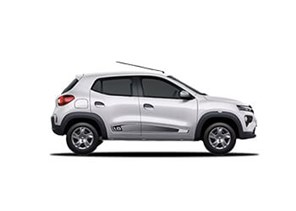
Renault Kwid Zen 1.0
veya benzeri
Başlangıç
$24.43/gün
Güvenilir küresel tedarikçilerden araç kiralama fiyatlarını karşılaştırın. En iyi fırsatları anında bulun.
Buenos Aires Havalimanı (EZE) için araç seçeneklerini keşfedin.
veya benzeri
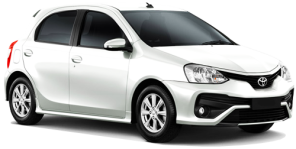
veya benzeri
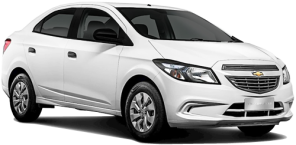
veya benzeri
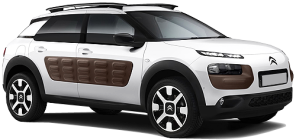
veya benzeri
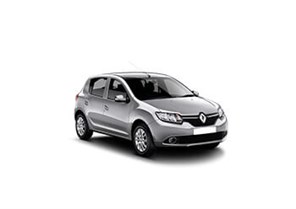
veya benzeri
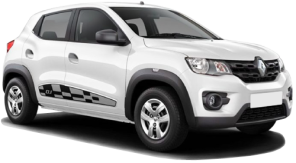
veya benzeri
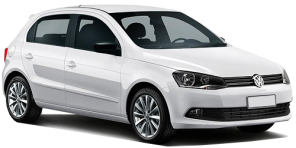
veya benzeri
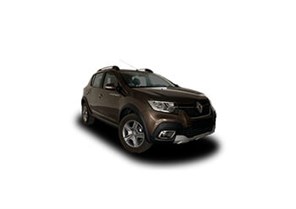
veya benzeri
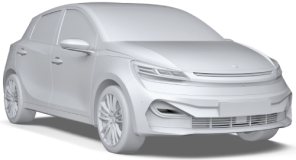
veya benzeri
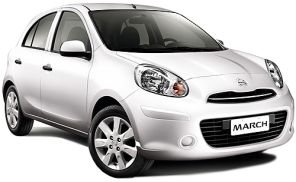
veya benzeri
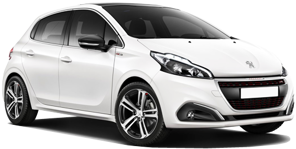
veya benzeri
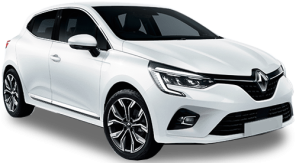
veya benzeri
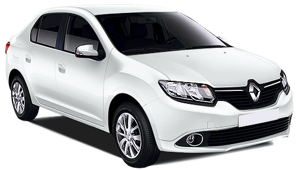
veya benzeri
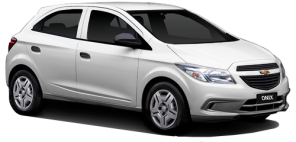
veya benzeri
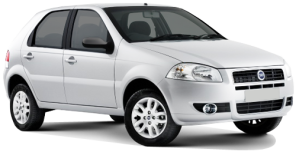
veya benzeri
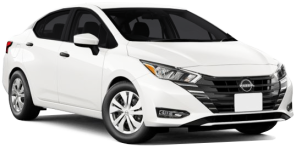
veya benzeri
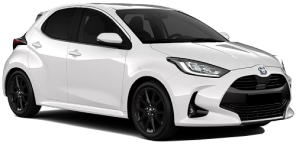
veya benzeri
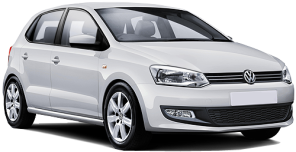
veya benzeri
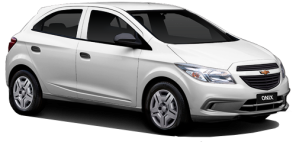
veya benzeri
veya benzeri
Gösterilen fiyatlar yaklaşık değerlerdir; rezervasyon tarihine, kiralama süresine ve araç sınıfına göre değişebilir. Güncel fiyat için rezervasyon seçeneklerini kontrol edin.
Unutulmaz maceralar ve kesintisiz mobilite çözümlerine zemin hazırlayan bir konfor, güvenlik ve kişiselleştirme dünyasını keşfedin.
En uygun teslim alma noktasını hızlıca seçmek için etkileşimli haritalar üzerinde kiralama lokasyonlarını görün.
Birçok tedarikçi, sürüş sorumluluğunu paylaşabilmeniz için ek sürücü eklemenize izin verir.
Araç kiralama rezervasyonunuzu anında onayla sadece birkaç basit adımda tamamlayın.
Onay bağlantınız veya hesabınız aracılığıyla rezervasyonunuzu kolayca yönetin, değiştirin veya iptal edin.
Rezervasyon sırasında başlıca kredi kartlarını ve desteklenen diğer ödeme yöntemlerini kullanarak güvenle ödeme yapın.
Gelişinizden hemen sonra kolay teslim alma için büyük uluslararası havalimanlarında mevcut kiralık araçları bulun.
Ekonomi araç kategorisi için en düşük fiyatların ortalaması alınarak aylık karşılaştırmalar aşağıda gösterilmiştir.
Araç kiralarken bilmeniz gereken temel sürüş kuralları ve gereksinimler.
Sürüş kuralları, ehliyet gereksinimleri, hız sınırları ve yerel ipuçları hakkında bilgi edinin.
For many international travelers, landing at Buenos Aires' primary long-haul hub, Ministro Pistarini International Airport (EZE), marks the beginning of an Argentine adventure. While Buenos Aires itself has a robust public transportation network, including buses and trains, and a plentiful supply of affordable taxis and remises (private car services), renting a car at Ezeiza offers a unique sense of freedom that other modes of transport simply cannot match. It allows you to bypass the hassle of coordinating luggage with multiple transfers and provides the autonomy to pivot your itinerary on a whim—a crucial advantage when exploring a country as vast and diverse as Argentina.
Picking up your rental car directly at Ezeiza is the most convenient option for travelers heading straight out of the capital, perhaps towards the lush landscapes of the Tigre Delta or embarking on a longer road trip to destinations like the Pampas or the Atlantic coast. However, this convenience comes with a price: airport locations often include an airport surcharge or concession fee, which can add a noticeable percentage to your total bill. Alternatively, you can find rental offices in downtown Buenos Aires (Microcentro or Palermo), which may offer lower base rates. The trade-off is the cost and effort of getting into the city with your luggage first. The major international brands—such as Hertz, Avis, Budget, and Localiza—all have well-marked counters in the Ezeiza arrivals hall, making the pickup process straightforward after you've cleared customs.
Money-Saving Tip: To secure the best vehicle and rate, especially during peak travel months (December to February and July), book your rental car well in advance. Upon arrival, politely decline the pre-purchase of a full tank of fuel if you plan to return the car with a full tank yourself—this can save you a significant amount as rental companies often charge a premium per liter.
| Pickup Location | Pros & Cons |
|---|---|
| Ezeiza International Airport (EZE) | Pros: Ultimate convenience upon arrival; immediate access to your vehicle for departing the city. Cons: Higher overall price due to airport taxes and surcharges; can be busy during international arrival waves. |
| Aeroparque Jorge Newbery (AEP) | Pros: Serves domestic and regional flights; often has competitive rates; good option if you're flying in from elsewhere in South America. Cons: Not the main international arrival point; you'll need transport from EZE to AEP if you connect. |
| Buenos Aires City Center | Pros: Potentially lower base rental rates; convenient if you're spending a few days in the city first. Cons: Requires a taxi or transfer into the city with luggage; navigating city traffic immediately can be daunting. |
Before you pick up the keys to your rental car in Buenos Aires, it's essential to ensure you have all the correct documentation. Argentine rental companies are generally strict about requirements, and failing to present the right paperwork will result in being denied the vehicle with no refund. The process is designed to be secure, so being prepared is your best strategy.
The primary requirements are a valid, full driver's license from your country of residence, a physical credit card in the main driver's name, and your passport. Most agencies will require a credit card for a substantial security deposit, which is held (not charged) until the car is returned undamaged. Debit cards are rarely accepted for this purpose. Regarding your driver's license, an International Driving Permit (IDP) is highly recommended, even if it's not legally mandatory for all nationalities. It translates your information into Spanish, which can be incredibly helpful during a police stop or an accident, and some local rental agencies may specifically request it. Basic insurance (typically third-party liability) is included by law, but you'll have the option to purchase additional coverage to reduce your excess/deductible.
| Requirement | Details |
|---|---|
| Minimum Age | Typically 21 years old. Drivers under 25 may incur a young driver surcharge. |
| Driver's License | Valid license from your country of residence held for at least 1-2 years. |
| International Driving Permit (IDP) | Strongly recommended, especially if your license is not in Spanish. Obtain before travel. |
| Credit Card | Required in the main driver's name for the security deposit. Debit cards are generally not accepted. |
| Passport | Required for identification and to verify your entry stamp into Argentina. |
| Insurance | Basic third-party liability is included. Collision Damage Waiver (CDW) and theft protection are optional but highly recommended to reduce excess. |
Renting a car upon arrival at Ezeiza opens up a world of possibilities that organized tours and public transport simply cannot replicate. Argentina is a country of staggering scale and scenic diversity, and having your own vehicle is the key to unlocking its more remote and authentic corners. While the center of Buenos Aires is walkable and serviced by subways, the real magic often lies beyond the city limits. A rental car allows you to design your own narrative, whether that's a spontaneous detour to a roadside parilla (steakhouse) or a sunrise drive through the pampas.
For families or small groups, the cost-effectiveness of a rental car becomes immediately apparent when compared to purchasing multiple bus or train tickets for intercity travel. The convenience of having a mobile hub for storing snacks, shopping finds, and extra layers of clothing cannot be overstated. Moreover, some of the most memorable experiences in the region—like visiting a working estancia (ranch) or exploring the charming towns of the Atlantic coast—are only truly accessible by car. It transforms you from a passive observer into an active participant in your journey.
Travelers arriving at Ezeiza will find a healthy mix of well-known international car rental giants and reputable local Argentine companies. The international brands offer the comfort of familiarity, consistent service standards, and global loyalty programs. You'll find desks for Hertz, Avis, and Budget prominently located in the arrivals area. Localiza, a major South American player, is also very strong in Argentina and often provides competitive rates and a fleet well-suited to local conditions. Choosing between them often comes down to price, the specific car model available, and the terms of the rental agreement.
Local companies, such as Vanguard or Alamo (which operates globally but has a strong local presence), can sometimes offer lower prices than the biggest international names. However, it's crucial to read the reviews and understand their insurance offerings and customer service reputation. Regardless of which company you lean towards, booking through an aggregator allows you to compare prices and inclusions side-by-side, giving you a clear overview of the market before you commit.
| Company | Price Level (Low/Medium/High) | Pros |
|---|---|---|
| Localiza | Medium | Excellent regional knowledge; large, modern fleet; strong presence throughout Argentina; competitive rates. |
| Hertz | High | Global reliability; extensive loyalty program; wide selection of vehicles; reliable customer service. |
| Avis | High | International standards; well-maintained cars; convenient airport location; good for business travelers. |
| Budget | Medium | Often more affordable than parent company Avis; good range of economy and standard vehicles. |
| Alamo | Medium | Popular with leisure travelers; often has good rates for longer rentals; straightforward booking process. |
| Enterprise | Medium | Known for customer service; solid fleet; competitive pricing, especially for weekly rentals. |
The type of vehicle you choose for your Argentine road trip can significantly impact your experience. For solo travelers or couples planning to explore Buenos Aires and perhaps take a few day trips into the countryside, a small car is the most practical and economical choice. An economy car, like a Chevrolet Onix or Fiat Mobi, is perfect for navigating the narrower streets of San Telmo or Palermo and sipping fuel efficiently on the highway. For families or groups of three to four, a compact or intermediate sedan, such as a Toyota Etios or Ford Focus, offers more comfort and trunk space for luggage.
If your itinerary includes venturing onto the famous Ruta 40 or exploring the rough terrain outside of the paved highways, an SUV is a wise investment. A vehicle like a Ford Ecosport or Jeep Renegade provides higher ground clearance and a greater sense of security on gravel roads. For larger groups or families, a 7-seater van or SUV, such as a Chevrolet Spin or Toyota SW4, is essential for keeping everyone comfortable. Rental prices in Buenos Aires are highly seasonal. During the peak Southern Hemisphere summer (December to February) and winter holidays (July), prices can surge by 30-50%. The lowest prices are typically found during the shoulder seasons (March-May and September-November).
| Car Category | Example Models | Average Daily Price (USD) |
|---|---|---|
| Small Cars (Economy/Compact) | Chevrolet Onix, Fiat Mobi, Toyota Etios | $35 - $55 |
| Medium Cars (Intermediate/Standard) | Ford Focus, Chevrolet Cruze, Nissan Versa | $50 - $75 |
| SUVs | Ford Ecosport, Jeep Renegade, Toyota Corolla Cross | $70 - $110 |
| Vans / Family Vehicles | Chevrolet Spin, Renault Kangoo, Toyota SW4 | $90 - $150 |
| Luxury Cars | Volkswagen Passat, Audi A3, Ford Mustang | $120 - $250+ |
| Pricing Factor | Details |
|---|---|
| Cheapest Month | May (late autumn) - Low demand after Easter. |
| Most Expensive Month | January (peak summer) & July (winter holidays) - High local and international travel. |
| Average Price (All Cats.) | $60 - $80 per day. |
| A Good Deal | Securing a compact car for under $40 USD per day with basic insurance included. |
| Cheapest Supplier (Typical) | Localiza or Budget often lead on price for advance bookings. |
| Cheapest Car Type | Economy or Compact cars with manual transmission. |
Picking up your car at Ezeiza puts you on the cusp of some fantastic Argentine road trips. The highway network radiating from Buenos Aires is generally well-maintained, making it easy to head in almost any direction. Here are a few classic routes to consider:
Adapting to local driving customs is key to a safe and stress-free experience in Argentina. The first thing to remember is that in Argentina, traffic drives on the right-hand side of the road, and the steering wheel is on the left side of the car. This will feel natural for travelers from North America and most of Europe. Speed limits are clearly posted but are often treated as suggestions, especially by local drivers. However, as a visitor, it's best to adhere to them to avoid fines, which can be issued on the spot.
The blood alcohol limit is very strict at 0.0% for drivers, and police frequently set up checkpoints, especially at night and on weekends. Seatbelts are mandatory for all occupants, and children under the age of 10 or under 150cm (4'11") must be seated in the rear and use an appropriate child restraint system. Road conditions vary dramatically: major highways like the autopistas are excellent, but secondary and rural roads can be narrow, poorly lit, and have potholes. During the Argentine winter (June-August), if you plan to drive to areas with snow (like the Andes, far from Buenos Aires), winter tires or chains are legally required. In and around Buenos Aires, be prepared for assertive driving, heavy traffic during rush hours, and the prevalence of one-way streets in the city center.
| Road Type | Speed Limit (Typical) |
|---|---|
| Urban Areas / City Streets | 40 - 60 km/h (25 - 37 mph) |
| Main City Avenues | 60 - 80 km/h (37 - 50 mph) |
| Rural Roads / Highways (Rutas) | 80 - 110 km/h (50 - 68 mph) |
| Expressways / Autopistas | 100 - 130 km/h (62 - 80 mph) |
Most of the major highways and expressways that you'll use to get in and out of Buenos Aires, as well as to travel between major cities, are toll roads (called "peajes"). The toll system is generally manual, with cash payments accepted at toll booths. As you approach a toll plaza, you'll see signs indicating different lanes—some for "TelePASE" (the electronic pass system) and others for "Efectivo" (cash) or "Manual." It's wise to keep a supply of small to medium denomination Argentine Peso bills in cash, as not all booths accept credit cards, and international cards may not work even if a card reader is present.
The cost of tolls is relatively low by international standards. For example, the journey from Ezeiza into the center of Buenos Aires might involve one or two tolls costing the equivalent of $1-2 USD each. On longer road trips, such as the drive to Mar del Plata on Ruta 2, you'll encounter several toll booths, with the total cost for the one-way trip being around $10-15 USD. The TelePASE system is convenient for locals but generally not a practical option for short-term visitors. Just ensure you have enough cash on hand to cover your planned route.
Parking in Buenos Aires presents two distinct faces: the relative ease of suburban and roadside parking versus the controlled chaos of the city center. In the residential neighborhoods of Palermo, Belgrano, or Recoleta, you can often find street parking, though it may require some patience. Be aware of colored curbs and signage indicating restricted zones. In many areas, parking is regulated by "parking meters" or pay-by-phone systems, which have become more common. For overnight parking, a secure garage (playa de estacionamiento) is always the safest bet, costing around $10-20 USD per day.
In the Microcentro (downtown financial district), San Telmo, and Puerto Madero, street parking is extremely scarce and often prohibitively expensive or restricted to residents. Your best strategy is to head directly to a public parking garage. Many hotels offer valet parking or have partnerships with nearby garages. When parking anywhere in Argentina, especially in a garage, it is customary to leave the keys with the attendant (el trapito), who will park and retrieve the car for you. Never leave any valuables visible in the car, as petty theft from vehicles can be an issue in busy tourist areas. When parked on the street, always use a steering wheel lock for added security.
Renting a car in a foreign country comes with nuances. These practical tips, gathered from local experience, will help ensure your rental experience is smooth and cost-effective.
Even the most seasoned travelers can fall into traps when renting a car abroad. Being aware of these common pitfalls can save you time, money, and frustration on your Argentine journey.
I'll never forget the hum of excitement mixed with jet lag as we cleared customs at Ezeiza and headed to the Localiza desk. We'd booked a small SUV online, dreaming of escaping the city. The agent was efficient, explaining the insurance options in rapid Spanish, which my high school learning just about covered. After a tense few minutes with the credit card hold going through, we were handed the keys to a white Ford Ecosport. Walking out into the humid Buenos Aires air, finding our car in the massive parking structure felt like a small victory. We clumsily adjusted the mirrors, programmed the hotel in Palermo into our phone, and nervously merged onto the autopista. The traffic was aggressive, a constant flow of honking taxis and speeding buses, but being inside our own little bubble made it feel like an adventure. That car became our sanctuary for the next week, taking us on a spontaneous day trip to a quiet estancia we spotted on a roadside sign, a freedom we never would have had relying on tours.
The question of an International Driving Permit (IDP) is one of the most common for travelers to Argentina. Technically, Argentine law requires a valid driver's license from your country of residence. However, the reality on the ground is that having an IDP, which translates your license into Spanish, is a highly recommended formality. While many rental agencies at Ezeiza may not explicitly demand it, it serves as a crucial tool for clear communication with law enforcement. If you are pulled over by the police (Transito), presenting an IDP alongside your national license can streamline the process significantly, as the officers can read your details without a language barrier.
Obtaining an IDP is a straightforward process that must be done in your home country before you travel; they are not available for purchase in Argentina. In the United States, they are issued by the American Automobile Association (AAA) and the American Automobile Touring Alliance. In the UK, you can get one at any major Post Office. You'll typically need to bring your valid driver's license, a passport-sized photo, and pay a small fee. The permit is valid for one year from the date of issue. For maximum peace of mind and to ensure you are fully compliant with local regulations, securing an IDP before your flight to Buenos Aires is a small but significant step in your travel preparation.
İşaretçiler yaklaşık havalimanı veya şehir merkezi konumlarını gösterir.
Araç kiralama, otopark ve kara ulaşımı için havalimanı rehberlerini keşfedin.
Farklı bir isim, şehir veya IATA kodu deneyin.
Airport Rento üzerinden rezervasyon yapan seyahat edenlerin doğrulanmış müşteri yorumlarını, puanlarını ve kiralama deneyimlerini okuyun.
Genel Puan
Bu konum için henüz yorum yok. Deneyiminizi ilk paylaşan siz olun!