Economy
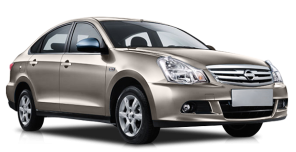
Nissan Almera
or Similar
From
$13.97/day
Compare car rental deals at Bangkok Suvarnabhumi Airport, Bangkok from trusted global suppliers. Find affordable prices and book your ideal car in minutes.








Explore our range of vehicles available in Bangkok Suvarnabhumi Airport (BKK).
or Similar
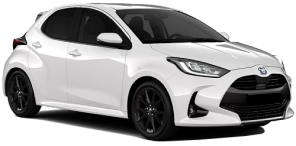
or Similar
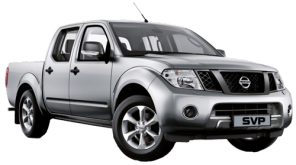
or Similar
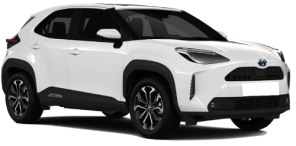
or Similar
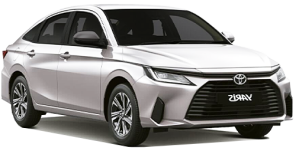
or Similar
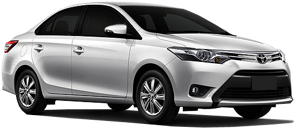
or Similar
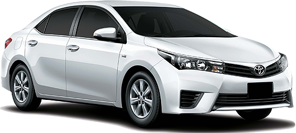
or Similar
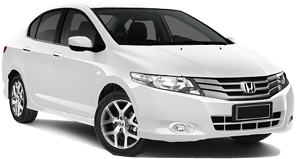
or Similar
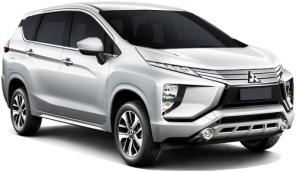
or Similar
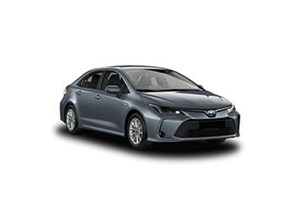
or Similar
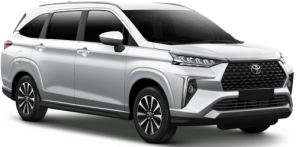
or Similar
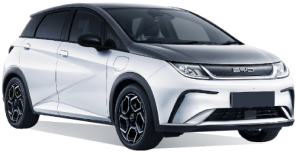
or Similar
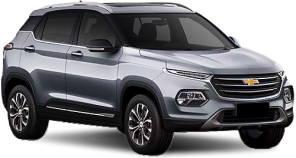
or Similar
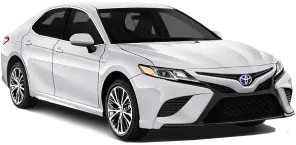
or Similar
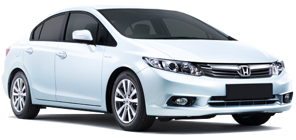
or Similar
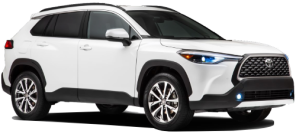
or Similar
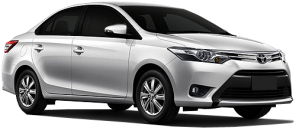
or Similar
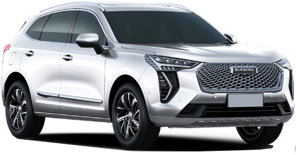
or Similar
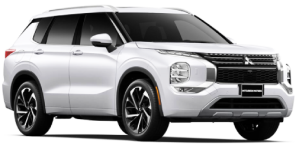
or Similar
Prices shown are approximate and may vary by booking dates, rental duration, and vehicle class. Check booking options for current pricing.
Discover a world of convenience, safety, and customization, paving the way for unforgettable adventures and seamless mobility solutions.
Get immediate confirmation for most rentals with real-time vehicle availability.
View complete rental terms including fuel policy, mileage limits, deposit requirements, and insurance coverage.
Choose from short-term, long-term, or one-way rentals depending on your travel requirements.
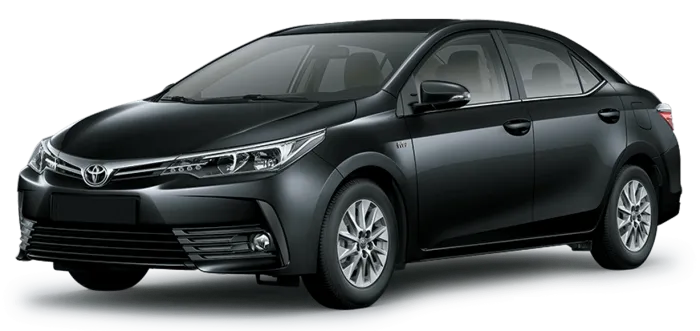
Many suppliers offer unlimited mileage so you can explore freely without worrying about distance limits.
Pay securely using major credit cards and other supported payment methods during booking.
Many bookings include free cancellation up to 48 hours before pickup, giving you flexibility when travel plans change.
Essential information about car rental companies, popular cars, rental duration, and prices at Bangkok Suvarnabhumi Airport (BKK).
Avis at BKK leads with 32% market share, serving international arrivals and connecting passengers at Thailand's primary gateway.
Midsize sedans lead for business travelers and families. Compacts are popular with tourists and solo travelers. SUVs are chosen for group travel and trips to upcountry destinations.
Suvarnabhumi rentals average 3-5 days for business in Bangkok's metro area, or as the beginning of a longer Thai road trip to Ayutthaya, Pattaya, or beyond. (Based on 7,200+ airport pickups)
The Toyota Corolla Altis is the benchmark midsize sedan. The Honda HR-V is a top compact SUV choice, offering versatility for both city and highway driving.
Suvarnabhumi Airport rates average $42/day. Luxury vehicles and large SUVs for groups can be pre-booked to ensure availability, especially during peak tourist seasons.
Compare average car rental prices by month and see how rental rates vary throughout the year at Bangkok Suvarnabhumi Airport.
Bangkok Suvarnabhumi Airport - Peak season (November-February) for tourism. Green season (May-October) offers lower rates. Songkran (April) increases demand. Business travel year-round. Thailand's main international gateway. Book 2 months ahead.
* Prices shown are approximate. Original prices are in USD and converted using real-time exchange rates.
Essential driving rules and requirements to know when renting a car.
Get detailed information on driving rules, licence requirements, speed limits and useful local tips.
Stepping out of the arrivals hall at Bangkok Suvarnabhumi Airport (BKK), Thailand, you are immediately greeted by the city’s famous humidity and the organized chaos of taxi queues. For many international travelers, the thought of navigating Bangkok’s legendary traffic can be daunting, which is why a growing number of visitors are opting for the freedom and control of a rental car. Renting directly at the airport offers the ultimate convenience: you can collect your luggage, walk to the dedicated rental center, and be on the highway heading to the beaches of Pattaya or the historic city of Ayutthaya within an hour of landing. It bypasses the often-lengthy wait for metered taxis and the complexity of navigating the public bus and Airport Rail Link system with heavy suitcases.
The primary decision for travelers is whether to pick up their vehicle at the airport or in the city center. Choosing the airport location is almost always the best choice for those landing in Bangkok, as it saves the cost and hassle of a taxi ride into the city just to collect a car. However, it is important to note that most rental companies at Bangkok Suvarnabhumi Airport (BKK), Thailand apply an "airport concession fee" or "location surcharge" to their rates. This is a premium for the convenience of on-site pickup. While this adds to the daily cost, the time saved and the ability to immediately begin your journey often outweigh the extra expense. The main rental counters are conveniently located in the arrivals hall on the first floor, making the process seamless after a long-haul flight.
Money-Saving Tip: While picking up at the airport is convenient, compare the total cost of an airport rental (including the surcharge) against a city-center pickup. If you plan to spend your first night in downtown Bangkok, it is often significantly cheaper to take a taxi or the Airport Rail Link to your hotel and pick up a rental car the next morning from a city branch, avoiding the airport premium.
| Pickup Location | Advantages | Disadvantages |
|---|---|---|
| Bangkok Suvarnabhumi Airport (BKK), Thailand | Immediate departure, no taxi cost to city, easy with luggage, major brands all present. | Higher daily rates due to airport surcharge, can be busy during peak arrival times. |
| Downtown Bangkok (e.g., Sukhumvit, Silom) | Lower base rates, more flexible return hours at some locations. | Additional cost and time to travel from airport to city, navigating city traffic to start trip. |
Understanding the legal requirements before you arrive is crucial to ensuring a smooth pickup at Bangkok Suvarnabhumi Airport (BKK), Thailand. Rental companies in Thailand are quite strict about documentation, and failing to meet these requirements is the number one reason travelers are denied a vehicle. The process is straightforward for those who come prepared, but it's essential to know the rules regarding age, licensing, and payment.
The minimum age to rent a car in Thailand is typically 21, although drivers under 25 may incur a "young driver surcharge." A valid driver's license from your home country is required. However, and this is critical, if your license is not in English or does not have a photo, you must also carry an International Driving Permit (IDP). Even if your home license is in English, many rental agents and local traffic police still prefer or require an IDP. You will also need your passport for identification, and a credit card in the primary driver's name is mandatory for the security deposit. Debit cards are almost never accepted for this purpose. Comprehensive insurance is usually included in the rental price, but you'll often have the option to reduce your excess (deductible) by purchasing additional coverage.
International Driving Permit (IDP) Note: An IDP is essentially a translation of your national license. You cannot get one in Thailand; you must apply for it in your home country before your trip (in the US, it's through AAA or AATA). Without it, you risk being unable to rent a car or, worse, facing legal issues if stopped by police.
| Requirement | Details |
|---|---|
| Minimum Age | 21 years (young driver fee applies for under 25) |
| Driver's License | Valid license from home country. Must be accompanied by an International Driving Permit (IDP) if not in English. |
| Credit Card | Required in the primary driver’s name for the security deposit (usually $300-$800 USD hold). |
| Passport | Original passport required for identification and immigration check. |
| Insurance | Basic CDW (Collision Damage Waiver) is standard; additional coverage to reduce excess is optional but recommended. |
While Bangkok itself is renowned for its public transport—the BTS Skytrain and MRT subway are excellent for navigating the city center—they serve only the metropolitan area. For travelers whose itineraries extend beyond the capital, a rental car transforms the experience from a series of guided tours to an independent adventure. Thailand is a country best explored at your own pace, and having a car allows you to stumble upon hidden gem restaurants, pull over for spontaneous photo opportunities of rice paddies, and set your own schedule.
Renting a car from Bangkok Suvarnabhumi Airport (BKK), Thailand is particularly advantageous for families or groups. The cost of hiring a private van or taking multiple taxis for a family of four quickly adds up over a week-long trip. With a rental car, you have the space for luggage, snacks, and the flexibility to make bathroom breaks without negotiating with a driver. Furthermore, Thailand’s highway network, especially the routes from Bangkok to popular coastal destinations, is modern, well-maintained, and signposted in both Thai and English, making navigation far less intimidating than many first-time visitors anticipate.
Travelers arriving at Bangkok Suvarnabhumi Airport (BKK), Thailand are greeted with a wide selection of car rental companies, ranging from globally recognized brands to reliable local providers. The major international players—Hertz, Avis, Budget, and Sixt—occupy prime counter space in the arrivals hall and offer the reassurance of standardized service, extensive fleets, and well-established return procedures across the country. For those seeking value or specific vehicle types, local Thai companies like Thai Rent a Car and Chic Car Rent are also highly reputable and often provide competitive rates and excellent customer service, sometimes with more flexible policies.
Choosing the right company often comes down to balancing price with convenience. The international chains tend to have the most robust roadside assistance networks and are ideal for one-way rentals between major cities. Local companies may offer slightly lower prices or better deals on long-term rentals. It is always wise to thoroughly inspect the vehicle for pre-existing damage with a company representative before driving off the lot, taking photos or video as a precaution. This is a universal best practice, but especially important in a busy airport rental environment where turnover is high.
| Company | Price Level | Pros |
|---|---|---|
| Hertz | Medium / High | Large fleet, extensive global network, reliable service, good for one-way rentals. |
| Avis | Medium / High | Professional staff, well-maintained vehicles, preferred by business travelers. |
| Budget | Low / Medium | Good value for money, convenient airport location, part of the Avis/Budget group. |
| Sixt | Medium | Wide selection of luxury and premium vehicles, modern fleet, efficient service. |
| Thai Rent a Car | Low / Medium | Strong local presence, competitive pricing, often has great promotional deals. |
| Chic Car Rent | Low | Excellent value, friendly staff, straightforward policies, popular with budget-conscious travelers. |
The type of vehicle you choose will heavily influence your experience navigating Thailand's diverse roads. The vast majority of travelers opt for compact or economy cars, which are perfectly suited for two people and offer excellent fuel efficiency—a significant benefit given fluctuating fuel prices. These smaller cars are also easier to maneuver in the tight city streets and crowded parking lots. For families or groups of friends, SUVs and multi-purpose vehicles (MPVs) like the Toyota Fortuner or Honda CR-V are the preferred choice, offering robust air conditioning, higher ground clearance for rural roads, and ample space for luggage.
Luxury vehicles and convertibles are available for those looking to travel in style, but they come with a significantly higher daily rate and a much larger security deposit. It is also worth noting that rental prices are not static. During the peak tourist season (November to February) and around major holidays like Songkran (Thai New Year in April), demand skyrockets, and prices can double. Conversely, the low season (May to October, the rainy season) offers the best deals, with prices often dropping by 30-40%. Booking well in advance, especially for SUVs and vans, is highly recommended during these peak periods to secure availability and a reasonable rate.
| Car Category | Average Daily Price (USD) |
|---|---|
| Small Cars (e.g., Toyota Yaris, Nissan March) | $25 - $45 |
| Medium Cars (e.g., Toyota Altis, Honda Civic) | $35 - $60 |
| SUVs (e.g., Toyota Fortuner, Honda CR-V) | $60 - $100 |
| Vans (e.g., Toyota Commuter) | $80 - $130 |
| Luxury Cars (e.g., BMW, Mercedes-Benz) | $120 - $250+ |
| Metric | Value |
|---|---|
| Cheapest Month | September (Rainy Season) |
| Most Expensive Month | December (Peak Tourist Season) |
| Average Price (Economy Car) | $35 per day |
| Good Deal (Economy Car) | $25 per day or less |
| Cheapest Supplier (Typical) | Thai Rent a Car or Chic Car Rent |
| Cheapest Car Type | Economy / Compact (Manual Transmission often cheaper than Auto) |
One of the greatest advantages of renting a car at the airport is the ability to immediately embark on a classic Thai road trip. With a vehicle waiting for you, the entire country opens up. Here are a few popular routes that showcase the diversity of Thailand’s landscapes and culture, all easily accessible from the airport.
Driving in Thailand requires a shift in mindset for those accustomed to Western road rules. The most critical fact to remember is that Thailand drives on the left-hand side of the road. For travelers from the US, Europe, or other left-driving countries, this will be your primary adjustment. The steering wheel is on the right side of the vehicle, and you will need to navigate roundabouts (traffic circles) in a clockwise direction. While this can feel disorienting initially, most travelers find they adapt within the first hour of driving.
Speed limits are generally posted in kilometers per hour, though adherence can be casual. In Bangkok, the speed limit is typically 60-80 km/h on city roads, increasing to 90-120 km/h on highways and motorways. It is important to be aware that traffic police frequently set up random checkpoints, especially on major highways and near tourist destinations. They will often wave down vehicles to check driver’s licenses and IDPs. Having your documents in order and driving respectfully is essential. Seatbelts are mandatory for front-seat passengers, and while not always strictly enforced for rear passengers, it is highly recommended for safety. Child seats are legally required but not widely available from rental companies; if you are traveling with an infant, you should specifically request one in advance or consider bringing a portable seat.
| Road Type | Speed Limit (km/h) |
|---|---|
| Urban / City Roads | 60 - 80 km/h |
| Major Highways / Motorways | 90 - 120 km/h |
| Rural / Provincial Roads | 80 - 90 km/h |
Thailand has an extensive network of toll roads (motorways and expressways), particularly around Bangkok and connecting to key destinations like the airport, Pattaya, and the eastern seaboard. Using these toll roads is highly recommended for the sake of time and sanity, as they bypass the notorious surface street traffic jams. The primary route from Bangkok Suvarnabhumi Airport (BKK), Thailand to downtown Bangkok uses the Bangkok Chonburi Motorway (Highway 7) and the Burapha Withi Expressway, both of which are tolled.
The toll system is straightforward. You will either pay at manned booths or at automatic "Easy Pass" gates. When you approach a toll plaza, look for the signs that say "Cash." Simply hand your toll fee to the attendant, and they will give you a receipt if needed. Typical costs range from 25 to 60 Thai Baht (approximately $0.70 to $1.70 USD) per toll gate. For longer trips, such as driving from the airport to Pattaya, you may encounter 2-3 toll gates, totaling around $4-6 USD for the entire journey. It is wise to keep a supply of small bills (20, 50, 100 Baht) and coins in your car for these fees, as credit cards are not accepted at most cash lanes.
Parking in Bangkok and its surrounding provinces requires a bit of local knowledge. In the city center, street parking is limited and comes with a set of colored curb rules that can be confusing. A red-and-white curb means no parking at any time, a yellow-and-white curb indicates limited parking (often for loading), and a blue curb is reserved for disabled parking. It is generally safest to avoid street parking in Bangkok unless you are certain of the local regulations, as illegal parking results in strict fines and your car can be wheel-clamped or towed.
The best solution for parking, especially in urban areas, is to use paid parking garages or shopping malls. Almost all large malls, hotels, and hospitals offer ample parking, often at a very reasonable hourly or daily rate (usually around $1-2 USD for the first few hours). When visiting popular tourist sites like the Grand Palace or Wat Pho, it is much easier to pay for a secure parking lot nearby than to search for elusive street parking. For travelers renting a car from the airport, returning it is simple: follow the signs to the rental car return area on the departure level or the designated return lanes in the main parking garage, which are clearly marked for each company.
After helping countless travelers navigate the rental process, these are the insider tips that can save you money and prevent headaches. The key is to be proactive from the moment you start your research to the moment you hand back the keys.
Learning from the missteps of others is the best way to ensure your own trip goes smoothly. Being aware of these common pitfalls can help you avoid unnecessary stress and expense during your travels in Thailand.
Sarah and her partner landed at Suvarnabhumi after a 14-hour flight from London, weary but excited. They had pre-booked a compact SUV online and were relieved to find the rental counters directly ahead in the arrivals hall. The check-in process was efficient, though the agent did ask to see their International Driving Permits, which they had thankfully secured from the UK Post Office before leaving. After a quick inspection of the car (they took photos of a small scuff on the rear bumper), they loaded their bags and programmed the GPS for their first stop: a floating market near Damnoen Saduak. Navigating out of the airport onto Highway 7 was daunting for the first ten minutes, the left-side driving feeling alien, but the clear signage and the confidence of having their own space quickly won them over. By the time they were cruising past the lush green rice fields towards their first adventure, they knew the rental car had been the right call, transforming their trip from a series of guided tours into a personal exploration of the Kingdom.
An International Driving Permit (IDP) is a crucial document for any traveler planning to rent a car at Bangkok Suvarnabhumi Airport (BKK), Thailand. While Thai law technically states that foreign drivers must carry both their valid national license and an IDP, enforcement can be variable but strictly applied by rental agencies. The IDP serves as a standardized translation of your home driver’s license into multiple languages, including Thai, making it easier for police and rental staff to verify your credentials. It is not a standalone license and is only valid when presented with your original national license.
You cannot obtain an IDP after arriving in Thailand; it must be secured in your home country before departure. In the United States, it is issued by the American Automobile Association (AAA) and the American Automobile Touring Alliance (AATA). The process typically requires two passport-sized photos, a completed application form, a copy of your valid driver’s license, and a small fee (around $20 USD). The permit is valid for one year from the date of issue. Carrying an IDP not only fulfills the legal requirement but also provides peace of mind, ensuring that a simple traffic stop for a document check doesn't turn into a frustrating or costly experience on your well-earned holiday.
Markers show approximate airport or town-centre areas, not confirmed rental desks.
Find airport guides for car rentals, parking, and ground transportation.
Try a different name, city, or IATA code.
Read verified customer reviews, ratings, and rental experiences from travelers who booked through Airport Car Hub.
Overall Rating
No reviews yet for this location. Be the first to share your experience!