Cheap Car Rental Thailand - Compare Deals & Book Instantly
Search and compare car rental prices from trusted global suppliers. Find the best deals instantly.
Why book with us?
-
Wide Fleet
Choose from economy cars, SUVs, luxury vehicles, and more.
-
Free Cancellation
Flexible booking options with free cancellation on most rentals.
-
24/7 Customer Support
Our expert team is available 24/7 to assist you with any questions or concerns.
Compare top international car rental brands and choose the best deal for your trip.








Car Rental Deals in Thailand
Choose from our wide range of vehicles available in Thailand.
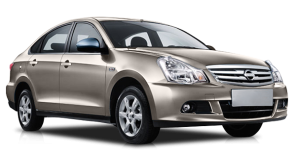
EconomyNissan Almera or Similar
From
$13.97
/day
|
|
|||
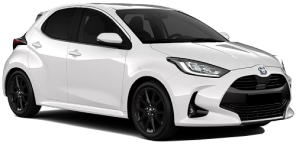
CompactToyota Yaris or Similar
From
$13.53
/day
|
|
|||
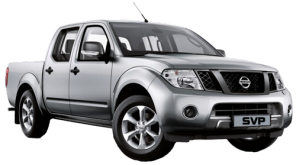
Standard Regular Cab PickupNissan Navara or Similar
From
$21.17
/day
|
|
|||
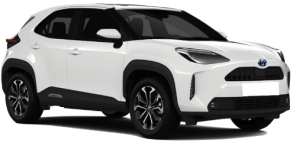
Compact SuvToyota Yaris Cross or Similar
From
$24.57
/day
|
|
|||
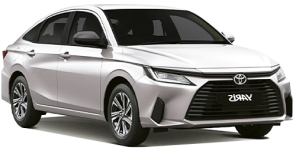
EconomyToyota Yaris Sedan or Similar
From
$14.61
/day
|
|
|||
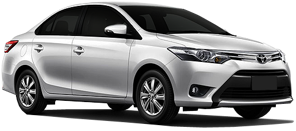
EconomyToyota Vios Sedan or Similar
From
$16.07
/day
|
|
|||
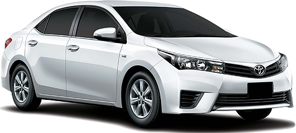
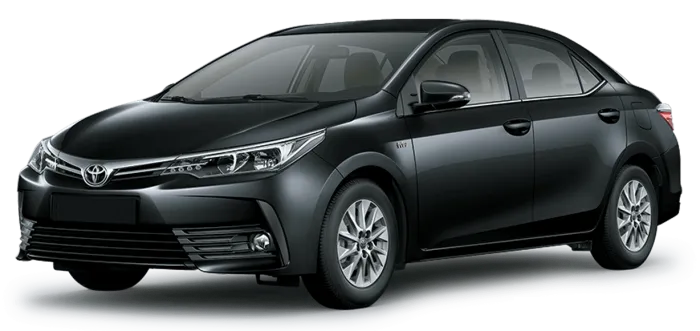
CompactToyota Corolla Altis or Similar
From
$16.80
/day
|
|
|||
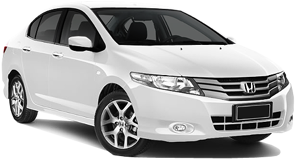
EconomyHonda City or Similar
From
$17.50
/day
|
|
|||
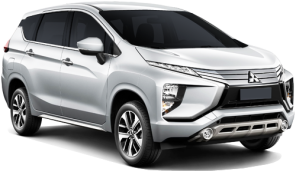
Standard VanMitsubishi Xpander or Similar
From
$19.73
/day
|
|
|||
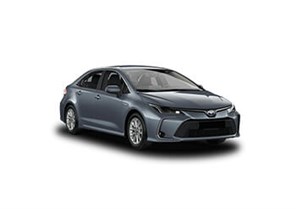
CompactToyota Altis or Similar
From
$21.63
/day
|
|
|||
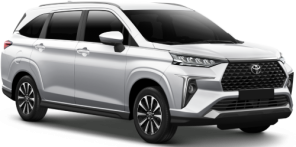
Mini VanToyota Veloz or Similar
From
$22.10
/day
|
|
|||
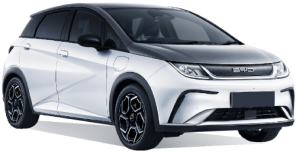
CompactBYD Dolphin or Similar
From
$22.48
/day
|
|
|||
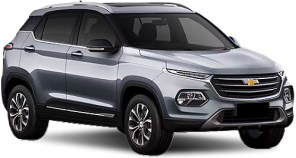
CompactNissan Kicks or Similar
From
$23.46
/day
|
|
|||
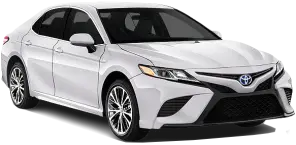
StandardToyota Camry or Similar
From
$23.95
/day
|
|
|||
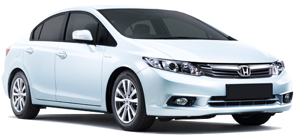
IntermediateHonda Civic or Similar
From
$24.12
/day
|
|
|||
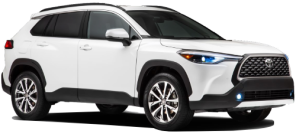
Compact CrossoverToyota Corolla Cross or Similar
From
$24.29
/day
|
|
|||
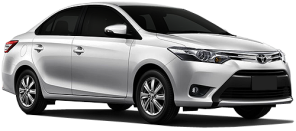
CompactToyota Vios or Similar
From
$24.56
/day
|
|
|||
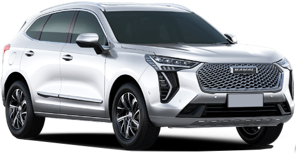
Mini SuvHaval Jolion or Similar
From
$24.87
/day
|
|
|||
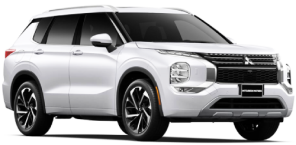
Standard SuvMitsubishi Outlander or Similar
From
$25.66
/day
|
|
|||
Our Features
Discover a world of convenience, safety, and customization, paving the way for unforgettable adventures and seamless mobility solutions.
Flexible Rental Dates
Easily modify pickup and drop-off dates during booking to match your travel schedule.
Optional Full Coverage
Protect your rental with optional full coverage insurance for additional peace of mind during your trip.
Fast Booking Process
Complete your car rental reservation in just a few simple steps with instant confirmation.
Highly Rated Suppliers
We highlight top-rated suppliers based on verified customer reviews and service quality.
Clear Rental Policies
Access complete rental policies including driver age limits, fuel rules, and deposit conditions.
Flexible Filter Options
Refine your search results with powerful filters to quickly find the perfect rental car for your travel needs.
Thailand Car Rental Facts
Essential information on the best deals, rental providers, and vehicle options in Thailand.
Most Popular Agencies
Lion City Rentals leads with 28% share, catering to both tourists wanting to explore beyond the city and residents needing temporary vehicles.
Popular Car Types
Compact cars are favored for city maneuverability. Luxury vehicles serve business travelers and tourists wanting to arrive in style at Marina Bay.
Average Rental Duration
Short 3-day rentals reflect Singapore's compact size and excellent public transport, with cars used mainly for weekends in Malaysia or Sentosa trips. (Based on 14,200+ local searches)
Most Popular Models
The Toyota Corolla dominates the practical rental segment. The Mercedes C-Class is preferred for business clients and special occasions.
Average Daily Price
Singapore commands premium rates averaging $72/day, reflecting high vehicle costs. Weekend rentals from $135 offer value for Malaysia road trips.
How much does it cost to rent a car at Thailand?
Averaging the lowest prices for the economy car category, the data below shows prices for monthly comparisons.
Cheapest Month Average
JanMost Expensive Month
SepYearly Average Price
F1 Grand Prix (September) causes extreme price spikes. Peak seasons (June-August, December) for tourism. Cars expensive - public transport efficient. ERP tolls apply. Book 2-3 months ahead for F1.
Driving Laws & Information for Thailand
Essential driving rules and requirements to know when renting a car
Driving Side
Left
Minimum Age
18 to drive
Blood Alcohol Limit
0.05% maximum
IDP Required?
Sometimes International Driving Permit
Speed Units
km/h
Seat Belt
Required
Toll Roads
Yes
Emergency
191 emergency number
Renting a Car in Thailand
Renting a car in Thailand opens up a world of possibilities that go far beyond the limitations of group tours and public transport. While trains, buses, and songthaews connect major cities and tourist hubs, they rarely reach the hidden waterfalls, remote hill tribe villages, or pristine beaches that define Thailand's true charm. With a rental vehicle, you gain the freedom to chase a sunset at an unnamed viewpoint, linger at a local market as long as you wish, or spontaneously detour to a temple discovered on a map. For those venturing into the mountainous regions of the north like Mae Hong Son or the national parks of Isaan, a sturdy 4x4 provides access to remote terrain that standard tours cannot cover. Whether you are planning a classic loop from Chiang Mai or a full exploration of the southern islands, having your own car transforms your Thai adventure.
Best Places to Pick Up a Rental Car in Thailand
You have two primary choices for collecting your rental car in Thailand: at the airport or in the city center. Airport locations offer unbeatable convenience, allowing you to collect your vehicle immediately after landing and drive directly to your accommodation. Suvarnabhumi Airport (BKK) in Bangkok, Don Mueang (DMK), Phuket International (HKT), and Chiang Mai International (CNX) all feature extensive rental desks. However, these airport offices typically add a surcharge of around 10-20% to your rental total. City center locations in areas like Sukhumvit in Bangkok, Old Town Phuket, or the Nimman district in Chiang Mai often have lower base rates and can be ideal if you plan to spend a few days exploring urban areas first before heading out.
Money-Saving Tip: Always compare the all-inclusive price for airport versus city pickups. Sometimes taking a cheap Airport Rail Link train or a Grab taxi into the city to collect your car can save you the equivalent of a fabulous Thai meal for two.
| Location | Pros | Cons |
|---|---|---|
| Airport (BKK, DMK, HKT, CNX) | Maximum convenience upon arrival; huge selection of international and local brands. | Airport surcharges apply; can be chaotic during peak arrival times. |
| City Center (Bangkok, Chiang Mai, Phuket Town, Pattaya) | Generally cheaper daily rates; more relaxed pickup experience. | Requires separate transport from airport; limited Sunday availability. |
Cheapest Month to Rent a Car in Thailand
Car rental prices in Thailand fluctuate dramatically with the tourist seasons and weather patterns. The cheapest period falls during the green season or low season, which runs from May to October. During these months, especially June through September, demand drops significantly as travelers worry about monsoon rains, leading to substantial discounts from rental companies. The most expensive time is the peak season from December to February, when cool, dry weather brings millions of visitors, and prices can double or even triple. The shoulder months of November and March offer moderate prices with improving or lingering good weather respectively.
| Metric | Details |
|---|---|
| Cheapest Month | September |
| Most Expensive Month | December |
| Average Daily Price (Low Season) | 800 - 1,200 THB ($22 - $35 USD) |
| A Good Deal | An automatic compact car for under 1,000 THB/day in high season. |
| Cheapest Supplier (often) | Local companies (e.g., Chic Car Rent, Thai Rent A Car, Budget (local franchise)). |
| Cheapest Car Type | Manual economy cars (e.g., Toyota Vios, Nissan Almera). |
Most Popular Month to Rent a Car in Thailand
December stands as the undisputed most popular month for car rentals in Thailand. This coincides with the peak of the cool, dry season when temperatures are most comfortable for exploring. European, American, and regional tourists flock to Thailand to escape winter, creating enormous demand for rental vehicles. The Christmas and New Year holiday period sees rental fleets fully booked weeks or even months in advance, particularly for popular models like SUVs and automatic transmissions. January and February follow closely behind as travelers continue to enjoy ideal weather conditions across the country.
Average Rental Length in Thailand
The typical rental duration for tourists in Thailand ranges from 5 to 10 days. This timeframe comfortably accommodates a classic northern loop from Chiang Mai through Mae Hong Son, or a southern exploration from Phuket to Krabi and beyond. Many visitors rent for 2-3 weeks when planning comprehensive trips combining multiple regions, such as flying into Chiang Mai, driving the north, and then continuing south. Shorter rentals of 2-4 days are common for specific explorations like the Chiang Rai temples or Khao Yai National Park day trips.
Car Rental Information for Thailand
Thailand boasts a mature and highly competitive car rental market with hundreds of locations nationwide. International airports in major cities and tourist destinations offer extensive rental services, while city centers provide additional flexibility. Both global brands and well-established local companies compete for customers.
| Fact | Detail |
|---|---|
| Approximate Rental Locations | 500+ across the country |
| Airport Availability | Excellent at all international and most domestic airports. |
| City Availability | Excellent in major cities; good in provincial centers. |
| Popular International Suppliers | Avis, Budget, Hertz, Europcar, Sixt |
| Popular Local Suppliers | Thai Rent A Car, Chic Car Rent, Drive Car Rental, ASAP Car Rental |
Most Popular Car Models in Thailand
Economy and compact cars dominate Thailand's rental fleets, prized for their excellent fuel efficiency and ease of maneuvering through chaotic city traffic. The Toyota Vios, Honda City, and Nissan Almera are ubiquitous choices for budget-conscious travelers and city explorers. However, given Thailand's diverse terrain and the popularity of northern mountain driving, SUVs and pickups (known locally as "pop-up" vehicles) are extremely popular. The Toyota Fortuner, Honda CR-V, and Isuzu D-Max provide the ground clearance and confidence needed for rougher rural roads and national park access. For truly remote areas, the Toyota Hilux Revo stands as the vehicle of choice for adventurous travelers.
Top Driving Routes in Thailand
Self-driving unlocks Thailand's most spectacular landscapes and cultural treasures. Here are the essential routes:
- The Mae Hong Son Loop (Chiang Mai to Mae Hong Son): This legendary northern circuit covers approximately 600 kilometers through mountains, forests, and hill tribe villages. The full loop takes 3-4 days with stops at Doi Inthanon (Thailand's highest peak), Pai's bohemian valley, and the misty temples of Mae Hong Son. The route features 1,864 curves, offering spectacular views and complete freedom to stop at roadside viewpoints, hot springs, and local cafes.
- The Andaman Coastal Drive (Phuket to Krabi via Khao Lak): This stunning southern route combines coastal scenery with access to world-famous beaches and islands. The drive from Phuket to Krabi takes about 3-4 hours via the scenic coastal roads, but plan multiple days to explore the Similan Islands, Khao Sok National Park's emerald lake, and the limestone karsts of Ao Nang. With your own vehicle, you can discover hidden beaches like Laem Son On that tour buses miss entirely.
- The Isaan Heritage Route (Khorat to Nong Khai): This cultural journey through Thailand's northeastern plateau connects ancient Khmer temples, national parks, and the mighty Mekong River. The drive from Nakhon Ratchasima (Khorat) to Nong Khai takes about 5 hours, but detours to Phimai Historical Park, Phanom Rung, and Khao Yai National Park transform this into a week-long adventure. Self-driving allows exploration of rural Isaan's authentic villages and food stalls far from tourist crowds.
- The Northern Cultural Circuit (Chiang Rai to Chiang Mai via Phayao): This alternative northern route bypasses the busy Pai road for a more relaxed journey through Thailand's cultural heartland. The 4-5 hour drive visits the White Temple (Wat Rong Khun), the ancient city of Phayao, and the stunning Doi Mae Salong tea plantations. With your own schedule, you can linger at hill tribe markets and stay in remote mountain homestays.
Driving Rules Tourists Must Know in Thailand
Understanding Thailand's driving regulations is essential for a safe and legal journey. The roads can be challenging for first-time visitors, so preparation is key.
- Driving Side: Drive on the LEFT side of the road. This is the most critical adjustment for visitors from right-side driving countries.
- Speed Limits: Enforced through police checkpoints and speed cameras, though locals often exceed them. Exercise caution regardless.
- Alcohol Limit: The legal Blood Alcohol Content (BAC) limit is 0.05%. Enforcement is strict, with frequent sobriety checkpoints, especially during holidays. The limit is effectively zero for inexperienced drivers.
- Child Seats: Thai law requires children under 135cm or 6 years to use appropriate child restraint systems. However, enforcement is inconsistent. Request seats when booking as availability can be limited.
- Road Conditions: Major highways (like Highway 1, 2, and 4) are generally excellent. Secondary roads vary significantly, with potholes, uneven surfaces, and occasional flooding during rainy season. Mountain roads in the north feature sharp curves and steep gradients requiring careful driving.
- Winter Tires: Not applicable in Thailand's tropical climate. Standard tires are suitable year-round, though hill fog can be an issue in northern mountains during cool season mornings.
- Additional Notes: Be aware of motorcycles weaving through traffic, stray dogs on rural roads, and sudden stops by songthaews. Use your horn sparingly and defensively.
| Area | Speed Limit (km/h) |
|---|---|
| Urban Areas (Cities/Towns) | 50-60 km/h |
| Rural Roads (Countryside) | 80-90 km/h |
| Highways (Major Routes) | 90-120 km/h |
Toll Roads and Vignette System in Thailand
Thailand does not use a vignette system. Instead, the country operates a network of tolled expressways and motorways, primarily in and around Bangkok and major cities. The Bangkok Tollway System includes the expressway network managed by BECL and the motorway system (Route 7 and 9) operated by the Department of Highways. Tolls are paid at both entry and exit booths, with rates ranging from 30 to 150 THB ($1-5 USD) depending on distance traveled. Cash is accepted at most booths, though some expressways use an Easy Pass electronic system. Most rental cars do not come with Easy Pass transponders, so keep small bills handy for toll payments. Outside the Bangkok metropolitan area, tolls are minimal or nonexistent on major intercity highways.
Popular Car Rental Companies in Thailand
Thailand's rental market features strong competition between international giants and well-established local operators, each offering distinct advantages.
| Company | Price Level | Pros |
|---|---|---|
| International (e.g., Avis, Budget, Hertz) | Medium/High | Consistent service standards, newer fleets, global loyalty points, 24/7 airport desks, strong English support. |
| Local Large (e.g., Thai Rent A Car, Chic Car Rent) | Low/Medium | Competitive pricing, extensive branch network, local knowledge, often include comprehensive insurance. |
| Local Independent (e.g., Drive, ASAP) | Low | Very competitive rates, flexible delivery options, personalized service, good for longer-term rentals. |
Parking in Thailand
Parking practices vary dramatically between Bangkok's urban jungle and the relaxed provincial towns and beach destinations.
- Street Parking: In Bangkok, street parking is limited and regulated by colored curbs: red and white means no parking, while black and white indicates paid parking zones with meters. In smaller cities and towns, street parking is more relaxed but always check for local signs. Never park in front of gates or driveway entrances.
- Paid Parking Lots: Bangkok features numerous commercial parking buildings, with rates averaging 20-40 THB per hour in central areas. Major shopping malls like Siam Paragon, CentralWorld, and EmQuartier offer validated parking for shoppers, often free for the first 2-4 hours.
- Secure Parking Options: Most hotels in Thailand provide guest parking, either complimentary or for a nominal daily fee. High-end hotels offer valet services. In tourist areas like Phuket and Pattaya, dedicated secure lots near beaches charge around 50-100 THB for all-day parking.
- City-Specific Challenges: Bangkok's Sukhumvit and Silom areas have severe parking shortages during weekdays. Use public transport to access these areas. In Chiang Mai, the Old City moat roads fill quickly; use designated lots near temples. For Phuket's Patong Beach, expect premium rates for beachfront parking and consider lots further inland with shuttle services.
- Beach Parking: Popular beaches like Patong, Kata, and Railay (via mainland lots) charge for parking during peak season. Early arrival (before 10 AM) secures the best spots. Always remove valuables and consider leaving nothing in sight.
Car Rental Prices in Thailand
Rental rates in Thailand vary significantly based on season, location, vehicle type, and booking lead time. The following estimates represent average daily rates for a one-week rental in 2026, excluding optional insurance upgrades purchased at the counter. Automatic transmission vehicles command a significant premium of 30-50% over manuals.
| Car Type | Typical Examples | Low Season (THB/day) | Peak Season (THB/day) |
|---|---|---|---|
| Small Cars (Economy) | Toyota Yaris, Suzuki Swift, Mitsubishi Mirage | 600 - 900 | 1,200 - 2,000 |
| Medium Cars (Compact) | Toyota Vios, Honda City, Nissan Almera | 800 - 1,200 | 1,500 - 2,500 |
| SUVs | Honda CR-V, Toyota Fortuner, Mazda CX-5 | 1,500 - 2,200 | 2,800 - 4,500+ |
| Pickup Trucks | Toyota Hilux Revo, Isuzu D-Max, Ford Ranger | 1,300 - 2,000 | 2,500 - 4,000+ |
| Vans/Minibuses | Toyota Commuter, Nissan NV | 1,800 - 2,500 | 3,000 - 5,000+ |
| Luxury Cars | Mercedes-Benz C-Class, BMW 3 Series | 3,000 - 5,000 | 6,000 - 10,000+ |
Money-Saving Tips for Renting a Car in Thailand
- Book Months Ahead for Peak Season: December and January rentals require booking 3-6 months in advance to secure availability and reasonable rates. Last-minute bookings during these months face limited choices and inflated prices.
- Compare Local Companies: International brands dominate search results, but local operators like Thai Rent A Car and Chic Car Rent frequently offer identical vehicles at 20-30% lower prices. Check their websites directly.
- Master Manual Transmission: If you can drive a stick shift confidently, manual cars cost significantly less and provide better fuel economy for long-distance driving. Automatics are in high demand and command premium rates.
- Check Credit Card Insurance Coverage: Many premium credit cards include rental car collision coverage in Thailand. Verify benefits before your trip and decline the rental company's Collision Damage Waiver if adequately covered, saving 200-400 THB daily.
- Pick Up Outside the Airport: Avoid airport surcharges by taking a taxi or rail link to a city branch. The savings often exceed the transport cost, especially for longer rentals.
- Book by the Week: Weekly rates typically offer substantial discounts compared to daily rates multiplied by seven. Even for 5-6 day rentals, compare the weekly package price.
- Inspect Thoroughly: Take photos and video of every existing scratch and dent before driving away. This protects against disputed damage claims, potentially saving thousands of baht in false charges.
Common Mistakes When Renting a Car in Thailand
- Skipping the Video Walkaround: Failing to document the car's condition with timestamped photos and video before departure. This evidence is your only protection against claims for pre-existing damage discovered after return.
- Assuming Automatic Availability: Booking a car without specifying "automatic transmission." Many advertised base prices are for manual cars. Arriving expecting an automatic can force an expensive upgrade or leave you without a vehicle.
- Ignoring Insurance Fine Print: Not understanding the deductible (excess) amount and what incidents are excluded. Some tourists discover too late that windscreen damage, undercarriage damage, or flood damage isn't covered by basic insurance.
- Driving Without an IDP: Relying solely on a non-English license despite Thai law requiring an International Driving Permit. Police checkpoints frequently target foreign drivers, and lacking proper documentation results in fines and delays.
- Overlooking One-Way Drop Fees: Planning a route from Chiang Mai to Phuket without checking one-way rental policies. Cross-region drops often incur substantial fees that can exceed the rental cost itself.
- Not Accounting for Bangkok Traffic: Scheduling airport returns during Bangkok's 4-7 PM rush hour. A 45-minute journey can stretch to 2+ hours, potentially causing missed international flights.
Traveler Experience in Thailand
Last November, David and his partner rented a Honda City from Thai Rent A Car at Chiang Mai Airport after booking online two months prior. They'd specifically requested an automatic and confirmed insurance details via email. After a thorough inspection and helpful route suggestions from the agent, they headed toward the mountains. The freedom of the Mae Hong Son loop exceeded expectations—they stopped at a roadside stall for fresh rambutan, discovered a waterfall completely by accident, and spent an extra night in Pai because the vibe was irresistible. Navigating the 1,864 curves required concentration, but the ability to pull over for photos of misty valleys made every moment worthwhile. They returned the car with no issues, already planning next year's southern Thailand road trip.
International Driving Permit (IDP) Requirements
Understanding International Driving Permit requirements for Thailand prevents complications at rental counters and police checkpoints. Thai law requires all foreign drivers to carry either a valid International Driving Permit or a license from their home country accompanied by a certified Thai translation. In practice, enforcement varies, but police checkpoints frequently target foreign drivers, especially in tourist areas like Phuket, Chiang Mai, and Pattaya. Driving without proper documentation can result in fines of 500-1,000 THB and potential impoundment of the vehicle.
You must obtain an IDP from your home country before departing for Thailand—it cannot be issued within Thailand. Contact your national automobile association: AAA in the United States, CAA in Canada, the Post Office or RAC in the United Kingdom, or equivalent organizations in other countries. The application requires a valid driver's license, passport-sized photographs, and a modest fee. The IDP is valid for one year from the date of issue and translates your license into multiple languages, including English, satisfying Thai legal requirements. Even if you hold an English-language license, carrying an IDP provides an extra layer of documentation that facilitates smoother interactions with authorities and rental companies alike.
Popular Cities for Car Rental in Thailand
Popular Locations for Car Rental in Thailand
Major Airports in Thailand
Complete airport guides with car rental information, parking, and transportation options
Frequently Asked Questions about Car Rental in Thailand
Thailand Car Rental Reviews & Customer Ratings
Read verified customer reviews, ratings, and rental experiences from travelers who booked through Airport Rento.
Overall Rating
Easy peasy lemon squeezy
Verified"Booked online 2 hours before landing. Car was ready. Key was handed over. Drove to the hotel. That simple. Love it when things just work. 🚗💨"
John Bishop
God bil til prisen
Verified"Lejede en bil i Bangkok lufthavn. Tjek ind var hurtigt og smidigt. Bilen kørte upåklageligt til Pattaya og tilbage. Depositum blev frigivet med det samme. God oplevelse."
Henrik Larsen
Smooth ride from Bangkok
Verified"Picked up a Toyota at the Suvarnabhumi desk. Process was fast, no hidden junk fees. Drove up to Chiang Mai, roads were great, car had zero issues. Will book again next trip."
James McAllister
Best deal in Bangkok
Verified"Compared 5 websites and this was the cheapest for a Vios. Car had some minor scratches but they noted everything on the sheet so zero disputes later. A/C was freezing cold. Drove to Pattaya, no mechanical issues."
Arjun Patel
Parfait pour Koh Samui
Verified"Réservation simple en ligne, confirmation immédiate. Petite voiture économique parfaite pour les routes étroites de l'île. La clim était indispensable. Récupération facile près du port."
Jean-Luc Dubois
Auto kao nov
Verified"Iznajmili smo auto za izlet do hramova u Ayutthayi. Osoblje na šalteru profesionalno, auto besprijekorno čist. Povrat je trajao doslovno minutu. Svaka preporuka!"
Vladimir Horvat
Stress free experience!
Verified"First time driving in Thailand and this made it easy. Pickup in Chiang Mai city center, drove the Samoeng Loop. Car was a small Suzuki, perfect for the mountain curves. Staff gave great coffee shop tips too!"
Emily Rosenthal
ดีมากครับ
Verified"รถสะอาดมากครับ พนักงานบริการดี ประทับใจมากครับ ครั้งหน้าจะใช้บริการอีก"
Arthit S.
Tutto ok in Thailandia
Verified"Noleggiato un'auto a Bangkok per andare ad Ayutthaya. Servizio clienti eccellente, mi hanno dato una mappa e consigli utili. Prezzo competitivo rispetto ad altri operatori locali. Veicolo impeccabile."
Marco Ricci
No bad at all
Verified"Needed a car for a visa run to Laos border. Basic sedan, clean, good AC. Price was the best I found online. The Nong Khai drive was long but the car didn't miss a beat. Sound."
Rory MacDonald
Grand job altogether
Verified"Picked up a Yaris at the Phuket airport. Girl at the counter was sound, sorted us out quick. Car was perfect for getting around Rawai and Kata. Would definitely use these lads again."
Brendan O'Reilly
Prima auto voor rondreis
Verified"Van Bangkok naar het noorden gereden. Auto was comfortabel en zuinig. Cruise control werkte perfect op de highways. Twee keer pechhulp nodig gehad vanwege een lekke band, waren snel ter plaatse."
Willem de Vries
Guter Service
Verified"Alles super gelaufen. Auto war in top Zustand, Abholung am Flughafen Phuket dauerte 10 Minuten. Bin nach Krabi gefahren, wunderschöne Route. Kann ich nur empfehlen."
Thomas Wagner
편리한 방콕 렌터카
Verified"수완나품 공항에서 픽업했습니다. 직원이 매우 친절했고 차량도 깨끗했습니다. 방콕 시내 운전이 힘들었지만 차 자체는 아주 좋았어요. 다음에도 이용하겠습니다."
Seo-joon Park
Easy and reliable
Verified"I was a bit nervous driving in Thailand but the car was automatic and easy to handle. Pickup in Krabi took minutes. They even included a phone holder for GPS. Driving to Ao Nang was a breeze."
Sarah van Dijk
Nice car for Kanchanaburi
Verified"Drove from Bangkok to Erawan Falls. The road is easy but having a reliable car matters. This company provided a clean Nissan with full insurance. Staff were polite and helpful with directions."
Chihiro Yamamoto
Very professional team
Verified"Rented a car for a business trip to Rayong. The vehicle was immaculate, a new Toyota Camry with full leather. Driver's license check was quick. Return process at BKK was efficient. Will use for corporate travel."
Fatima Al-Hassan
Fiyat performans harika
Verified"Bangkok havalimanından aldım, 10 gün kullandım. Kliması çok iyiydi, yakıt tüketimi düşüktü. Sigorta kapsamı genişti. Tayland'da araba kiralamak için en uygun seçenek."
Mehmet Yilmaz
Decent wheels, decent price
Verified"Got a Honda City for exploring around Pattaya. AC was ice cold which you absolutely need down there. Only nitpick is the queue at the counter took a bit long but the car itself was mint."
Oliver Smithson
Top Fahrzeug für Koh Chang
Verified"Haben uns einen SUV gemietet für die Fahrt nach Koh Chang inklusive Fähre. Der Wagen hatte genug Platz für 4 Personen und Gepäck. Klimaanlage war perfekt. Abwicklung total unkompliziert."
Hanspeter Müller
Wszystko zgodnie z opisem
Verified"Auto czyste i sprawne, klima działała idealnie. Podróż z Bangkoku do Kanchanaburi minęła bez problemów. Procedura odbioru trochę długa ale w granicach normy. Polecam."
Piotr Kowalski
Muy recomendable
Verified"La camioneta que alquilé en Phuket estaba como nueva. Conduje hasta el Templo Blanco en Chiang Rai sin problemas. El seguro a todo riesgo me dio mucha tranquilidad en las carreteras tailandesas."
Carlos Mendez
Valeu a pena
Verified"Alugamos uma caminhonete para rodar por Phuket e Phang Nga. O carro aguentou bem as subidas. Ar condicionado forte. Devolução foi rápida, vistoria sem burocracia. Preço justo pela qualidade."
Pedro Silva
Great service in Phuket
Verified"Being from South Africa, I'm used to driving on the left. Rented a Hilux to explore the island. The diesel engine was surprisingly quiet. Drop off at the airport was seamless. No waiting around."
Sibusiso Dlamini
Fair dinkum good service
Verified"Booked a 4x4 for the northern trails near Pai. The pickup was clean and handled the dirt roads with ease. Staff in Chiang Mai were legends, even let me drop it off an hour late with no penalty. Highly rate them."
Liam Gallagher Jr.
Bra biluthyrning i Thailand
Verified"Hyrt bil för resa från Hua Hin till Bangkok. Bilen var fräsch och hade gått få mil. Personalen pratade bra engelska. Enda minus var att deponeringen var ganska hög, men pengarna kom tillbaka snabbt."
Anders Johansson
Αξιοπιστο και οικονομικο
Verified"Ενοικιασα ενα αυτοκινητο για 5 μερες στην Μπανγκοκ. Καθαρο, με πληρες ρεζερβουαρ, και η επιστροφη ηταν εξισου ευκολη. Η οδηγηση στην Ταϊλανδη ηταν μια μοναδικη εμπειρια."
Nikos Papadopoulos
Bon rapport qualité prix
Verified"Service correct pour le prix payé. La voiture était propre mais les pneus un peu usés. Cela dit, aucun souci sur la route de Hua Hin. Personnel sympathique parlant anglais."
Ahmed Benali
Solid rental in Thailand
Verified"Used them twice now. Once in Chiang Mai, once in Phuket. Consistent quality both times. Cars are 1-2 years old max. Shuttle to the airport rental lot was quick. No funny business with the damage waiver."
Tomas Garcia
Хороший автомобиль
Verified"Арендовал машину в Паттайе, всё прошло отлично. Автомобиль чистый, полный бак, быстрая проверка документов. Ездил в Бангкок и обратно, проблем не возникло. Рекомендую."
Dmitri Volkov
Good enough 👍
Verified"Car was fine. AC was cold. Price was right. Don't expect luxury but it gets the job done. Drove BKK to Hua Hin, zero drama. 4 stars."
Rafael Gomez Jr.
实惠可靠
Verified"在普吉岛租了一辆小型SUV,价格比酒店推荐的要便宜很多。车况良好,交车时油表是满的。唯一的小问题是车内有一点烟味。总体来说物超所值,会向朋友推荐。"
Chen Wei
Good for Isan road trip
Verified"Used this service to rent a Fortuner for a trip to Udon Thani. Navigation system was in English which helped. Pickup at Don Mueang was smooth. Car was clean and fuel efficient for an SUV."
Kenji Tanaka
Ok bil, lidt bureaukrati
Verified"Bilen var fin og ny. Men afhentning i Phuket tog over 45 minutter fordi der var kø. Ikke optimalt når man har børn med. Men selve kørslen var uproblematisk. Man får hvad man betaler for."
Kim Andersen