Cheap Car Rental Kilimanjaro, Tanzania - Compare Deals & Book Instantly

Search and compare car rental prices from trusted global suppliers. Find the best deals instantly.

Why book with us?

  • Wide Fleet

    Choose from economy cars, SUVs, luxury vehicles, and more.

  • Free Cancellation

    Flexible booking options with free cancellation on most rentals.

  • 24/7 Customer Support

    Our expert team is available 24/7 to assist you with any questions or concerns.

Available Car Categories

Car Rental Deals in Kilimanjaro

Choose from our wide range of vehicles available in Kilimanjaro.

Mini

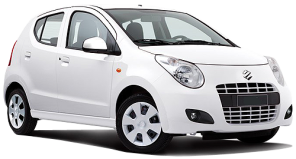
Suzuki Alto or Similar

From $16.51 /day
Suzuki Alto car rental in Kilimanjaro

Compact

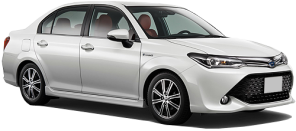
Toyota Axio or Similar

From $17.69 /day
Toyota Axio car rental in Kilimanjaro

Intermediate

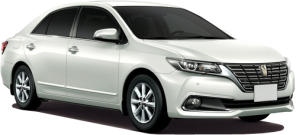
Toyota Premio or Similar

From $18.29 /day
Toyota Premio car rental in Kilimanjaro

Intermediate Suv

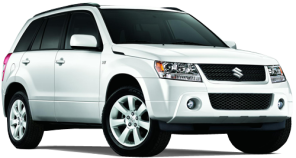
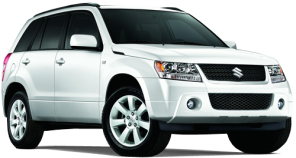
Suzuki Grand Escudo or Similar

From $19.52 /day
Suzuki Grand Escudo car rental in Kilimanjaro

Economy

Toyota Belta or Similar

From $16.83 /day
Toyota Belta car rental in Kilimanjaro

Economy

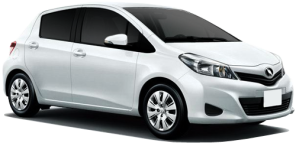
Toyota Vitz or Similar

From $17.14 /day
Toyota Vitz car rental in Kilimanjaro

Compact Estate/wagon

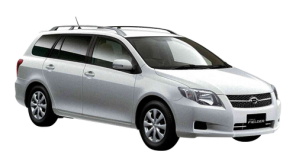
Toyota Fielder or Similar

From $18.20 /day
Toyota Fielder car rental in Kilimanjaro

Standard

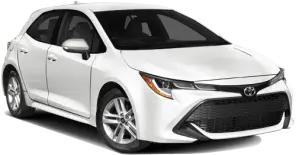
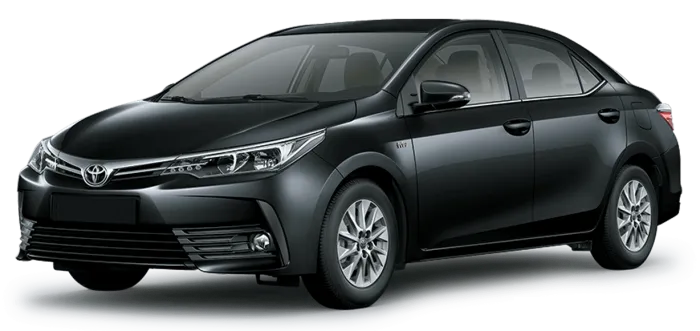
Toyota Corolla or Similar

From $18.57 /day
Toyota Corolla car rental in Kilimanjaro

Compact Elite

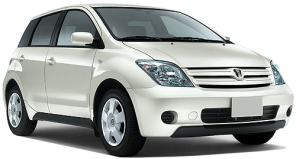
Toyota Ist or Similar

From $18.85 /day
Toyota Ist car rental in Kilimanjaro

Mini

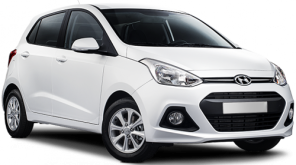
Hyundai i10 or Similar

From $19.05 /day
Hyundai i10 car rental in Kilimanjaro

Mini

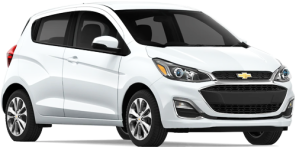
Chevrolet Spark or Similar

From $19.47 /day
Chevrolet Spark car rental in Kilimanjaro

Mini

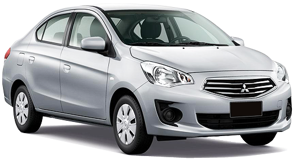
Mitsubishi Attrage or Similar

From $19.47 /day
Mitsubishi Attrage car rental in Kilimanjaro

Compact Elite

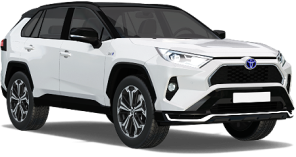
Toyota RAV4 or Similar

From $19.52 /day
Toyota RAV4 car rental in Kilimanjaro

Economy

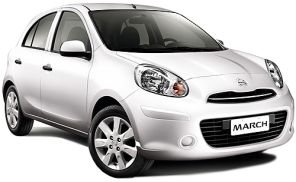
Nissan March or Similar

From $19.56 /day
Nissan March car rental in Kilimanjaro

Compact

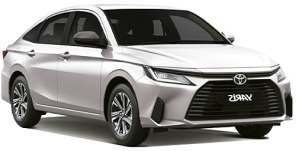
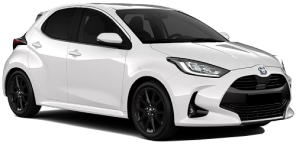
Toyota Yaris or Similar

From $19.64 /day
Toyota Yaris car rental in Kilimanjaro

Mini Suv

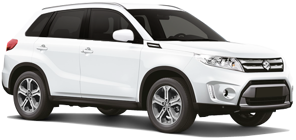
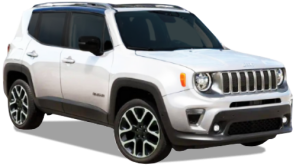
Suzuki Vitara or Similar

From $20.32 /day
Suzuki Vitara car rental in Kilimanjaro

Standard Crossover

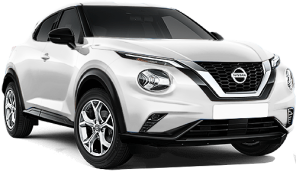
Nissan Juke or Similar

From $20.65 /day
Nissan Juke car rental in Kilimanjaro

Mini

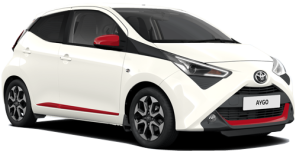
Toyota Aygo or Similar

From $21.16 /day
Toyota Aygo car rental in Kilimanjaro

Economy Suv

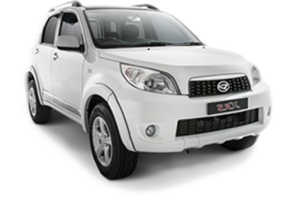
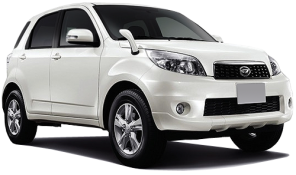
Daihatsu Bego or Similar

From $22.00 /day
Daihatsu Bego car rental in Kilimanjaro

Intermediate

Suzuki Escudo or Similar

From $22.66 /day
Suzuki Escudo car rental in Kilimanjaro

Compact Suv

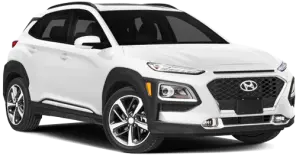
Hyundai Kona or Similar

From $23.32 /day
Hyundai Kona car rental in Kilimanjaro

Economy

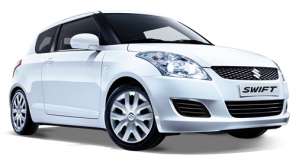
Suzuki Swift or Similar

From $23.60 /day
Suzuki Swift car rental in Kilimanjaro

Intermediate Suv

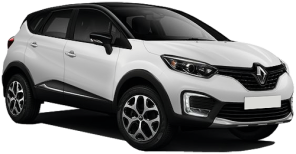
Renault Captur or Similar

From $23.76 /day
Renault Captur car rental in Kilimanjaro

Compact Suv

Toyota Rush or Similar

From $24.01 /day
Toyota Rush car rental in Kilimanjaro

Mini

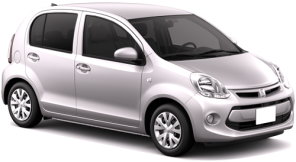
Toyota Passo or Similar

From $24.73 /day
Toyota Passo car rental in Kilimanjaro

Economy

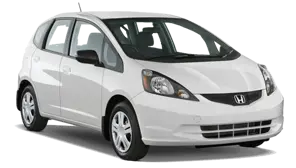
Honda Fit or Similar

From $25.16 /day
Honda Fit car rental in Kilimanjaro

Economy

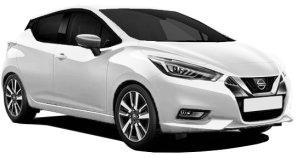
Nissan Micra or Similar

From $25.16 /day
Nissan Micra car rental in Kilimanjaro

Compact

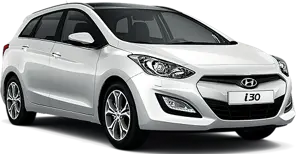
Hyundai i30 or Similar

From $25.16 /day
Hyundai i30 car rental in Kilimanjaro

Compact

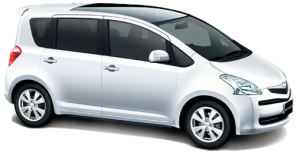
Toyota Ractis or Similar

From $25.30 /day
Toyota Ractis car rental in Kilimanjaro

Compact Crossover

Chevrolet Trax or Similar

From $26.92 /day
Chevrolet Trax car rental in Kilimanjaro

Standard Van

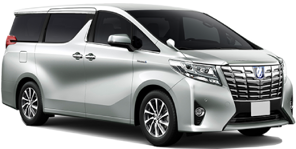
Toyota Alphard or Similar

From $30.98 /day
Toyota Alphard car rental in Kilimanjaro
The above prices are only approximate and were last updated at 21:42 on 09/06/26. Prices may vary based on the booking dates, length of rental, and car class.
Why Choose Us

Our Features

Discover a world of convenience, safety, and customization, paving the way for unforgettable adventures and seamless mobility solutions.

Customer Reviews

Read verified customer reviews and ratings to help you choose the best rental supplier for your trip.

Road Trip Friendly Options

Find rental cars with unlimited mileage and one-way rental options perfect for long road trips.

Verified Suppliers

All rental companies on our platform are carefully verified to ensure service quality and customer reliability.

Car Rental Service

Exclusive Online Discounts

Enjoy special online deals and seasonal discounts when booking your car rental through our platform.

Supplier Rating System

Every rental supplier is rated by customers so you can choose trusted providers.

Mobile Optimized Booking

Search and book rental cars easily from any smartphone or tablet with our mobile-friendly platform.

Rental Guide

Kilimanjaro, Tanzania Car Rental Facts

Essential information on the best deals, rental providers, and vehicle options in Kilimanjaro, Tanzania.

Most Popular Agencies

Local Agencies (50%), Avis (20%)

Specialized local tour operators and agencies dominate the rental market around Kilimanjaro, offering safari vehicles and 4x4s for expeditions. International chains like Avis have a presence at Kilimanjaro International Airport (JRO) for travelers needing a vehicle for self-drive safaris (though this is less common).

Popular Car Types

4x4 SUV (80%), Minibus (15%)

A specialized 4x4 SUV, such as a Toyota Land Cruiser with a pop-up roof, is absolutely essential for game viewing in national parks like Arusha, Tarangire, and Ngorongoro Crater. Minibuses are also used for group transfers and some safaris.

Average Rental Duration

7 Days

Rentals from Kilimanjaro are long, averaging 6-8 days, timed perfectly for a classic Northern Tanzania safari circuit, including Tarangire, Lake Manyara, Ngorongoro, and a visit to the Maasai villages. (Based on 2,000+ local pickups)

Most Popular Models

Toyota Land Cruiser 4x4, Toyota Hilux 4x4

The Toyota Land Cruiser 4x4 with a pop-up roof is the gold standard for Tanzania safaris. The Toyota Hilux 4x4 is also a popular choice, especially for overlanding and more adventurous expeditions.

Average Daily Price

$210/day

Safari-grade 4x4s command a premium, averaging $210/day. This typically includes a driver-guide, vehicle, and often park fees. Weekly safari packages are the norm and cost accordingly.

How much does it cost to rent a car at Kilimanjaro, Tanzania?

Averaging the lowest prices for the economy car category, the data below shows prices for monthly comparisons.

Cheapest Month Average

Apr
Price: $52

Most Expensive Month

Jan
Price: $114

Yearly Average Price

Price: $75

Kilimanjaro climbing seasons (January-March, June-October) peak. Rainy season offers lower rates. Book 3-4 months ahead for climbs.


Car Rental Kilimanjaro, Tanzania Guide

Renting a car in Kilimanjaro, Tanzania opens up a world of freedom that guided tours and cramped public minibuses simply cannot match. The main pickup points are Kilimanjaro International Airport (JRO), located conveniently between Arusha and Moshi, and various city center offices in Moshi and Arusha. While airport pickup is incredibly convenient for those landing from international flights, these locations often add an airport surcharge of 10-20% to your daily rate, plus a delivery fee if you’re returning the car to a different spot. City center pickups are generally cheaper and give you a chance to adjust to the local pace before getting behind the wheel.

Many seasoned travelers choose a rental car over taxis or dala-dalas (local shared minibuses) because of the sheer unpredictability of public transport schedules outside major towns. Having your own 4x4 means you can stop spontaneously for that perfect Mount Kilimanjaro view or detour to a local coffee plantation without negotiation. A money-saving tip: always book your rental from a location just outside the airport perimeter. Some local agencies will pick you up for free and drive you 1 km to their off-site office, saving you that hefty airport concession fee. Below is a quick comparison of pickup locations to help you decide.

Pickup Location Convenience Average Daily Price (USD) Airport Surcharge
Kilimanjaro International Airport (JRO) Very High (direct from arrivals) $65 - $120 Yes (15-20% extra)
Moshi City Center Medium (need taxi from airport) $50 - $95 No
Arusha City Center Medium (1-hour drive from JRO) $55 - $100 No

Car Rentals Requirements in Kilimanjaro, Tanzania

Before you get excited about hitting the road, you need to understand the legal paperwork. The minimum age to rent a car in Kilimanjaro, Tanzania is typically 23 years old, though some local suppliers may allow drivers from 21 with an additional young driver surcharge of around $15 per day. You must present a valid, full driver’s license from your home country. If your license is not in English, you absolutely need a certified translation or an International Driving Permit (IDP). A major credit card in the driver’s name is mandatory for the deposit hold (usually $500–$1,000 USD). Debit cards are rarely accepted unless you purchase full waiver insurance.

Your passport is required for identity verification, and you must have valid third-party liability insurance at minimum. Most rentals include basic collision damage waiver (CDW) but with a high excess (deductible) of $1,000–$1,500. An International Driving Permit (IDP) is required if your home license is in a non-Roman alphabet (e.g., Arabic, Chinese, Japanese, Russian). Even if your license is in English, an IDP (costing about $20-30 from your local automobile association) can smooth over conversations with traffic police, who may not be familiar with foreign licenses.

Requirement Details
Minimum Age 23 years (21-22 with surcharge)
Driver's License Full license from home country + English translation if needed
International Driving Permit Required for non-Roman alphabet licenses; recommended for all
Credit Card Visa/Mastercard in driver's name for deposit
Passport Original passport for identity check

Why Rent a Car in Kilimanjaro, Tanzania

Imagine waking up in Moshi, grabbing a roadside chapati, and driving yourself to the quiet shores of Lake Chala before the tour buses arrive. That is the reality of renting your own wheels. Public transport (dala-dalas) is famously slow, often waiting to fill every seat before departing, and taxis between towns can cost you $50-80 per one-way trip. A rental car gives you climate-controlled freedom to explore the southern foothills of the mountain, visit remote waterfalls, or simply shop for Tanzanite in Arusha without a driver hovering over you. For families or small groups, the math works out cheaper than hiring a private driver for multiple days.

The roads around Kilimanjaro, Tanzania range from freshly paved highways to rugged, volcanic rock trails. A rental SUV allows you to tackle both. You can drive the scenic T2 highway from Moshi to Arusha with breathtaking views of the mountain on a clear morning, or detour into the rural villages near Machame route. For photographers, sunrise at the Moshi- Himo road is a memory you cannot schedule with a taxi. The convenience of having a trunk full of supplies, cold drinks, and spare jackets while exploring the high-altitude landscape is priceless.

  • Freedom to chase clear skies: Mount Kilimanjaro’s peak is often cloud-covered by 10 AM; drive yourself to the best viewpoints early.
  • Access remote hot springs: Places like Chemka Hot Springs (Kikuletwa) are hard to reach without your own 4x4.
  • Save on multi-stop days: Visit a coffee farm, a market, and a waterfall in one day without multiple taxi fares.
  • Go at your own pace: Stop for roadside maize, chat with locals, or change plans instantly.
  • Family convenience: Carry snacks, car seats, and luggage without fighting for space on a minibus.
  • Photography flexibility: Wait that extra hour for golden light without worrying about your driver’s schedule.

Best Car Rental Companies in Kilimanjaro, Tanzania

Travelers in Kilimanjaro, Tanzania have a solid mix of global giants and agile local firms. International chains like Hertz and Avis operate desks at Kilimanjaro International Airport, offering predictable service, modern fleets, and higher prices. They are excellent if you want a seamless, no-surprises pickup at 2 AM. Local suppliers such as Greenroads, Mundi, or Jairos Car Rental often provide better rates, more flexible delivery options, and staff who know every pothole on the road to Marangu. The trade-off is that local companies may have older vehicles and less standardized insurance processes.

When choosing, look for companies that explicitly include unlimited mileage and 24/7 roadside assistance. Many visitors assume all cars have air conditioning – they do not in the budget category, and you will want it in the humid lowlands. Always read recent Google Maps or TripAdvisor reviews specifically about the Moshi or Arusha branches, as service quality can vary dramatically by location. Below is a snapshot of typical options, but always verify current fleets.

Company Price Level (Low / Medium / High) Pros
Hertz High Reliable airport desk, new SUVs, global loyalty points
Avis High Well-maintained fleet, clear insurance terms
Greenroads (Local) Medium Excellent local knowledge, free delivery in Moshi
Jairos Car Rental Low-Medium Very negotiable weekly rates, older but sturdy 4x4s
Mundi (Local) Medium Specializes in overlanding vehicles, includes roof tents

Popular Car Rental Categories & Prices in Kilimanjaro, Tanzania

The roads around Kilimanjaro, Tanzania demand a bit of thought when choosing your vehicle. Economy cars like the Suzuki Alto or Toyota Vitz are perfect for zipping around Moshi town or Arusha, but they will struggle on the unpaved roads leading to Materuni Waterfall or the Rongai route trailhead. Compact cars like the Toyota Corolla or Honda Fit are the local favorite – cheap on fuel and okay for main highways. However, the undisputed king here is the SUV. Toyota RAV4, Nissan X-Trail, or the legendary Land Cruiser (often 70-series) are what you want if you plan any safari, crater visit, or remote village exploration.

Vans like the Toyota Hiace are great for groups of 6-8 people or if you have a mountain of luggage after a trek. Luxury vehicles are rare and usually confined to airport chauffeur services; renting a BMW or Mercedes sedan is not practical given the road conditions. Seasonal price changes are dramatic. High tourist season (June to October and December to February) sees prices double. Low season (March to May, the long rains) can offer discounts up to 40%. Holiday demand around Christmas and New Year’s is peak – book three months ahead.

Car Category Average Daily Price (USD) – Low Season Average Daily Price (USD) – High Season
Small Car (e.g., Suzuki Alto) $35 $65
Medium Car (e.g., Toyota Corolla) $50 $85
SUV (e.g., Toyota RAV4) $75 $130
Van (e.g., Toyota Hiace) $90 $160
Luxury / Land Cruiser $120 $220
Metric Value
Cheapest Month April (rainy season)
Most Expensive Month August (peak safari + Kilimanjaro climb season)
Average Price (all categories) $75 per day
A Good Deal Under $50/day for an SUV on a weekly rental in low season
Cheapest Supplier Type Local agencies in Moshi city center
Cheapest Car Type 2WD manual transmission small car

Road Trips from Kilimanjaro, Tanzania

Having your own rental car transforms Kilimanjaro, Tanzania from a single destination into a launchpad for incredible East African road trips. The following routes are best done in a reliable SUV, especially during rainy months.

  • Moshi to Arusha via T2 Highway: Approximately 90 km (1.5 hours without stops). Highlights include the endless views of Mount Kilimanjaro on your left, passing through the town of Usa River, and visiting the Arusha Declaration Museum. Stop at the Machame route gate for photos.
  • Kilimanjaro to Lake Manyara: 150 km (about 3 hours). Drive west past Arusha, descend the Rift Valley escarpment, and arrive at the ground-water forest of Lake Manyara National Park. Famous for tree-climbing lions and flamingos.
  • Moshi to Tanga (Coastal Route): 330 km (5-6 hours). A true adventure through the Pare and Usambara mountains, down to the Indian Ocean. Drive through vast sisal plantations and small markets. Stop at the Amani Nature Reserve.
  • Kilimanjaro to Ngorongoro Crater: 220 km (4 hours one way). This is an overnight trip. You’ll drive through Karatu town, then ascend to the crater rim. The road is paved until the last 20 km, which is rough dirt.
  • Moshi to Lake Jipe: 80 km (2 hours on mixed roads). A hidden gem on the Kenya border, excellent for bird watching and views of Kilimanjaro reflecting in the water. Very few tourists make this drive.

Driving Rules in Kilimanjaro, Tanzania

Driving here is not like home, but it is manageable with patience. Tanzania drives on the left side of the road. Speed limits are strictly enforced in towns and on main highways, though you will see many locals driving faster. Police checkpoints are common, especially on the Moshi-Arusha highway. Always have your license, IDP, and rental agreement on the passenger seat. The legal blood alcohol limit is very low at 0.05%, and police frequently use breathalyzers at random roadblocks. Seatbelts are mandatory for all occupants. Child seats are legally required for children under 5 years, but rental availability is very low – bring your own if traveling with toddlers.

Road conditions vary wildly. The A23 highway from Moshi to Himo is excellent tarmac. But side roads to waterfalls, hot springs, or remote trailheads become rocky, muddy, and rutted. A standard car can do the main roads, but a 4x4 is strongly advised for anything off the tarmac. There are no winter tire laws because snow does not occur at these elevations except on the mountain peak itself. However, during the rainy seasons (March-May and November-December), some roads become impassable without high clearance.

Rule Limit / Detail
Driving Side Left
Speed limit (Town) 50 km/h (31 mph)
Speed limit (Highway) 80 km/h (50 mph) – often signed lower
Speed limit (Rural unpaved) 40 km/h (25 mph) – recommended
Blood Alcohol Limit 0.05% (strict enforcement)
Seatbelt Mandatory for all passengers

Toll Roads in Kilimanjaro, Tanzania

Good news for your budget: there are currently no toll roads in the Kilimanjaro, Tanzania region or anywhere in the country. The main highways, including the busy A23 and the Arusha-Moshi highway, are funded by general taxation and international grants. You will not encounter any toll booths. However, do be prepared for occasional “road maintenance fees” asked by local village councils if you drive through extremely rural areas – this is rare but can happen for a dollar or two. The absence of tolls makes long-distance road trips even more economical compared to renting with a driver. Just spend that saved money on extra fuel or a nice lodge.

Parking in Kilimanjaro, Tanzania

Parking is generally easy and cheap compared to Europe or North America, but you need to know the system. In downtown Moshi and Arusha, street parking is controlled by municipal wardens wearing orange vests. They will approach you and ask for a small fee – usually 500 to 1,000 Tanzanian Shillings (about $0.20 to $0.40 USD) per hour. Always get a receipt. Do not leave valuables visible, as break-ins do occur in busy markets. Most hotels, lodges, and restaurants in the Kilimanjaro, Tanzania area offer free guarded parking. Look for signs saying “Parking ya Wateja” (customer parking).

Major attractions like the Kilimanjaro National Park gate have large, safe parking lots with a small fee (around $2 for the day). The biggest challenge is parking at the chaotic Arusha Central Market – it is best to use a designated lot a few blocks away and walk. For supermarkets like Shopper’s Supermarket in Moshi, there is free private parking. Never leave your car overnight on a random street; always use hotel or paid secure parking. Many rental contracts explicitly void theft coverage if you park overnight on an unguarded street.

Tips for Car Rental in Kilimanjaro, Tanzania

After a decade of writing about African travel, these are the insider tips I share with friends heading to the Kilimanjaro region. A little preparation saves you hundreds of dollars and a lot of frustration.

  • Book early for dry season: June-August and December-February are peak. Rental fleets are small. Book at least 2-3 months in advance for a 4x4.
  • Avoid airport pickup if possible: Take a taxi to a city center office in Moshi (20 minutes from JRO) and save 15-20% in surcharges.
  • Compare super cover insurance: The standard excess is $1,000+. Pay an extra $10-15/day to reduce that to zero – one pothole can destroy a tire.
  • Rent during April or May: These are the long rains. Prices drop by 40%, and you still get sunny mornings. Roads are muddy but manageable with 4x4.
  • Check fuel policy religiously: Most local rentals use “full-to-full” (return full). International chains sometimes use “full-to-empty” (you prepay for a tank you may not use). Avoid that.
  • Take a video walkaround: Before driving off, film every scratch, dent, and dusty interior. Get the agent to sign off on your phone video.
  • Ask about spare tires: Make sure there is a functional spare, a jack, and a wrench. Many rental cars in Tanzania have bald spares.

Common Car Rental Mistakes Travelers Make

I have seen travelers cry at the rental counter because of simple oversights. Do not let these be you. The roads here are an adventure, but your rental contract is a legal document.

  • Assuming a small car can do all roads: A Toyota Vitz will not make it to Chemka Hot Springs after rain. Rent a 4x4 if you plan to leave tarmac.
  • Skipping the International Driving Permit: Even if not strictly required, traffic police can detain you for an hour “negotiating” without one. It costs $20 at home.
  • Not checking the return time: Many local agencies charge a full extra day if you are 1 hour late. Grace periods are not standard.
  • Paying by cash without a receipt: Always get a stamped receipt. Cash payments “off the books” leave you with no proof if they claim you didn’t return the car.
  • Ignoring the tire condition: Walk around and check tread depth. Bald tires on wet red mud roads = no traction.
  • Forgetting a paper map: Phone signal dies completely in rural areas and on the lower slopes of the mountain. Download offline Google Maps and bring a physical road map of Tanzania.

Real Travel Experience Renting a Car in Kilimanjaro, Tanzania

Last October, my friend Lena and her partner landed at JRO at midnight, exhausted but determined to avoid tour prices. They had pre-booked a Toyota RAV4 from a local Moshi agency. The agent met them at arrivals with a sign, drove them 5 minutes to their off-site lot, and handed over a dusty but mechanically sound SUV. They paid $75/day including zero excess insurance. For the next 10 days, they drove themselves from Materuni Waterfall (where the road was so rough they had to use low-range 4x4) to the remote hot springs of Kikuletwa, and even all the way to Lake Natron. The freedom meant they could wait for perfect sunset light without a driver rushing them. The only snag: a flat tire on a rocky road near West Kilimanjaro. They called the 24/7 number, and a mechanic arrived within 90 minutes with a spare. They tipped him $10 and were back on the road. That experience beat any crowded tour bus.

International Driving Permit for Travelers Visiting Kilimanjaro, Tanzania

The International Driving Permit (IDP) acts as a standardized translation of your home license. For Kilimanjaro, Tanzania, you legally need an IDP if your original driver’s license is not in English. But here is the practical truth: even if your license is in English (say, from the UK, USA, or Australia), having an IDP makes interactions with traffic police incredibly smooth. Police in rural areas may not be familiar with a German or Korean license, but they all recognize the grey IDP booklet. You cannot obtain an IDP in Tanzania; you must get it in your home country before traveling. In the US, it is available only from AAA or AATA for about $20 plus passport photos. It is valid for one year from the date of issue. Bring it together with your physical home license – the IDP alone is not valid. Rental companies in Kilimanjaro, Tanzania rarely ask for it, but police at roadblocks do. Save yourself the hassle and get one before you fly.

Have Questions?

Frequently Asked Questions about Car Rental in Kilimanjaro

To rent a car in Kilimanjaro, you need a valid driver's license held for at least two years. Foreign tourists must present their domestic license alongside an International Driving Permit (IDP). You also need a valid passport for identification and a credit card in the main driver's name for the security deposit. The minimum rental age is typically 23 years, though drivers under 25 may incur a young driver surcharge. Debit cards are sometimes accepted but may require additional verification. We recommend having both physical and digital copies of all documents, especially if you plan on encountering police checkpoints around the Kilimanjaro region.

The standard minimum age to rent a vehicle in the Kilimanjaro area is 23 years old. However, drivers between the ages of 23 and 24 are usually subject to a young driver surcharge, which typically ranges from $10 to $25 per day depending on the vehicle category. This fee is paid locally and is in addition to the standard rental cost. Certain specialty vehicles, such as luxury SUVs or 4x4 Land Cruisers necessary for safari drives, often require the driver to be at least 25 years old with no exceptions. There is generally no maximum age limit, provided the driver holds a valid license and full insurance coverage.

The security deposit required depends entirely on the vehicle category you choose. For compact economy cars suitable for town driving, the hold on your credit card is typically between $500 and $800. For a robust 4x4 Safari Land Cruiser or Toyota Hilux necessary for exploring national parks, the deposit can range from $1,500 up to $2,500. This amount is not a charge but a temporary authorization held on the credit card provided at pick-up. The funds are fully released within 10 to 15 banking days after the vehicle is returned undamaged and with the agreed fuel level.

While the main paved roads connecting Moshi town to Arusha are generally in decent condition, a 4x4 is absolutely mandatory if you plan to visit any national parks, conservancies, or the rural coffee plantations on the slopes of Kilimanjaro. Even the access roads to some popular trailhead starting points, like the Marangu or Machame gates, are unpaved and can become severely muddy and impassable for 2WD cars during the rainy seasons. We strongly recommend booking a high-clearance 4x4 to ensure your safety and mobility, particularly if your itinerary includes game drives or off-the-beaten-path cultural visits.

Yes, you can drive to the Serengeti, but you must explicitly inform us at the time of booking so we can provide a suitably equipped off-road vehicle with the necessary insurance coverage. Cross-border travel into national parks with a rental car is permitted, but only with our prior written consent. Standard city rentals do not qualify; you will need a fully prepared safari Land Cruiser with a pop-up roof, heavy-duty suspension, and two spare tires. We also strongly recommend renting a GPS device or satellite phone, as roadside assistance is extremely limited inside the remote areas of the Serengeti National Park.

Our standard fuel policy around Kilimanjaro operates on a 'full-to-full' basis, which is the most transparent for you. You will receive the vehicle with a full tank of petrol or diesel, and you are expected to return it full. If the tank is not full upon drop-off, we will refuel it and charge you for the missing liters at a premium rate slightly above the local pump price, plus a refueling service fee. We recommend the Total or Oryx petrol stations along the Moshi-Arusha highway for a reliable top-up just before you return the car.

We offer a variety of packages tailored to your journey. Many of our 2WD sedan rentals for local use in Moshi and Arusha include unlimited kilometers, allowing you to drive freely around town without worrying about the odometer. However, heavy-duty 4x4 rentals often come with a daily mileage cap, usually ranging from 150 to 200 kilometers, to account for the extreme wear and tear of safari driving. If you exceed this limit, an excess kilometer charge of $0.40 to $0.80 per kilometer will apply. We also offer specific 'unlimited safari miles' tariff plans for extended bush trips.

All our vehicles in Tanzania come with mandatory Third Party Liability insurance, which covers damage to other people's property or injury. The rental rate also includes Collision Damage Waiver (CDW) and Theft Protection, but these almost always carry a high standard excess fee. This means you are still financially responsible for the first $1,500 to $3,000 of any damage to the rental car. To reduce your liability to zero, we strongly recommend purchasing our Super Cover or Super Insurance package, which eliminates the excess and often covers the windows, tires, and undercarriage—essential protection for gravel roads.

Absolutely. If you plan on sharing the long driving hours between Moshi and the Ngorongoro Crater, you can add up to three additional drivers to your contract. Each additional driver must be present at the pick-up desk to present their original driving license and International Driving Permit (if applicable). There is a daily surcharge of approximately $5 to $10 per additional driver. Please ensure they are listed on the rental agreement; otherwise, all insurance coverage becomes void if an unregistered driver is involved in an accident.

If you experience a mechanical breakdown, your safety is our priority. You should pull over in a safe location immediately and call our 24/7 roadside assistance number, which is printed on your contract. In the Moshi and airport area, a mobile mechanic or replacement vehicle can usually reach you within one to two hours. If you are in a remote area or on safari, wait times can be longer due to terrain. Do not attempt off-road repairs yourself. If the breakdown is mechanical in nature and not caused by driver error, we will arrange a replacement vehicle for you at no extra charge.

Driving in Tanzania is generally safe, but it requires constant attention and a defensive driving mindset. The main roads around Kilimanjaro are paved but you must be cautious of speed bumps in urban areas, wandering livestock, and occasional police checkpoints. We never recommend driving at night outside of Moshi or Arusha town centers due to poor street lighting and the risk of encountering unlit vehicles. All our cars are equipped with a reflective safety kit and warning triangle. Keep your doors locked and never leave valuables visible when parking in public markets.

Yes, one-way rentals are possible, but because of the significant distance—over 500 kilometers—this service is subject to a substantial one-way drop-off fee. The logistics fee for relocating the vehicle back from Dar es Salaam to the Kilimanjaro base can range from $350 to $700 depending on the vehicle type. This must be pre-booked at least 48 hours in advance. We also offer one-way drop-offs to Mwanza or Arusha town centers. Due to border regulations, dropping off a Tanzanian-registered rental car in Nairobi, Kenya is strictly not permitted.

Our rental desk is conveniently situated in the main arrivals hall of Kilimanjaro International Airport (JRO), just a short walk past the baggage claim area. After clearing customs and collecting your luggage, walk straight into the public waiting area and you will see our branded desk immediately to your left. For those arriving late at night, we offer a 'Meet and Greet' service. A uniformed agent holding a sign with your name will wait for you in the arrivals terminal to expedite the paperwork and escort you directly to your vehicle parked in the nearby secured parking area.

Kilimanjaro International Airport is a modern facility that accommodates travelers with designated policies. Smoking is strictly prohibited inside the terminal buildings, but there are clearly marked designated smoking areas located outside the departures and arrivals exits. You are welcome to use these vape-friendly zones before collecting your luggage. The airport also features a comfortable premium lounge offering refreshments and Wi-Fi; access can be purchased for about $20 per person, which is perfect for relaxing if your rental pickup is scheduled a bit later than your flight's arrival.

The waiting time at Kilimanjaro Airport varies by season but is typically quite efficient. Immigration processing usually takes between 20 to 40 minutes depending on the number of arriving flights. Baggage claim adds another 15 minutes. By the time you walk to our rental desk in the arrivals hall, you should generally be picking up your car keys within 45 to 60 minutes of the plane's touchdown. The security wait time for departing flights is similar; we recommend dropping your car off two hours before your domestic flight and three hours before international connections.

Yes, we provide a straightforward after-hours return service. Since Moshi and the surrounding areas are generally quiet destinations, our desk might not always be staffed 24/7. If you have a very early morning departure, you can park the vehicle in the secure designated rental car area of the public parking lot and drop the completed contract and keys into our secure drop box. The parking area is well-lit. You are responsible for the vehicle's condition until our staff inspects it the following morning, so we strongly advise taking time-stamped photos of the car from all angles before you walk away.

While child restraint laws in Tanzania are not enforced with the same strictness as in Europe or North America, we prioritize your child's safety above all else. We strongly recommend booking a child seat or booster seat for infants and toddlers, especially when driving on uneven rural roads. We offer a limited supply of infant capsules (0-12 months), toddler seats (1-4 years), and boosters (4-8 years) at a rate of $10 per day, capped at a maximum of $50 per rental. Please book these well in advance to guarantee availability for your family safari.

We offer flexible cancellation terms to give you peace of mind. If you cancel your booking more than 48 hours before the scheduled pick-up time, we provide a full refund with no questions asked. Cancellations made within 24 to 48 hours of pickup incur a small administration fee of $25. If you cancel within 24 hours or fail to show up at the agreed time without notice, we charge a fee equivalent to two full days of rental. During peak safari season, we ask for at least 72 hours' notice for changes to major Land Cruiser bookings.

For the car rental itself, we accept all major credit cards including Visa and Mastercard. While you may pay the anticipated rental charges using a debit card, this is only permitted if you also present proof of confirmed return travel and accommodation in Tanzania. However, the security deposit is a mandatory credit card transaction; we cannot accept cash deposits for vehicle excess coverage. American Express is accepted but may not work for the deposit hold function on local banking terminals, so it is always safest to bring a Visa or Mastercard for the deposit.

Yes, but the Kilimanjaro Airport Duty Free shop is primarily designed for departing passengers. Upon departure, you can purchase spirits, perfumes, and Tanzanian souvenirs like Kilimanjaro coffee and Tanzanite jewelry without taxes. For arriving passengers, there is a small walk-through Duty Free store just before the immigration counters where you can purchase a limited selection of liquor and tobacco. However, many travelers find the Duty Free arrival selection quite small, and we often recommend visitors wait to shop at the specialty stores in Moshi for a wider variety.

You can rent a portable GPS device with offline Tanzania maps for $8 per day. Since street names in rural Kilimanjaro are rare, we advise against relying on standard phone navigation that needs data. Instead, navigate using landmarks and fixed coordinates. The phrase 'T-junction near the petrol station' is often more useful than a street name. Install an offline map app like Maps.me or Organic Maps before traveling. When exploring coffee villages or Chagga cultural sites, do not enter 'shortcut' dirt roads unless your vehicle is a 4x4, as grade changes can be severe.

For travelers needing the official address for correspondence, invoicing, or visa application forms related to hiring a vehicle at the airport, the operational address falls under Kilimanjaro International Airport. The postal code for the area is typically registered as 255. However, note that formal Tanzanian postal codes are a five-digit system; for the Hai District near the airport boundary, code 25509 is often used. For navigation, however, a ZIP or postal code is not functional; you must use the GPS coordinates: Latitude -3.4294, Longitude 37.0745 to locate the airport entrance.

Speed limits are posted in kilometers per hour. In built-up areas around Moshi, the maximum is 50 km/h. On open highways between towns, the limit is 80 to 100 km/h. Speed traps using mobile radar units are common on the Moshi-Arusha road; fines must be paid to the traffic police directly. Seatbelt use is mandatory for all passengers. Driving while using a mobile phone without a hands-free kit carries an on-the-spot fine. Tanzania observes left-hand driving, which is essential to remember when approaching roundabouts.

First, ensure everyone is safe. Do not move the vehicle unless it entirely blocks traffic. Immediately call the local police to file a report; in Tanzania, an insurance claim is impossible without an official police abstract. Call our 24-hour emergency hotline provided in your glove box immediately—we will dispatch assistance. Do not admit liability or sign any documents from third parties except for the police report. Keep your car doors locked if a crowd gathers and wait patiently inside for our company representative and police to arrive.

Most lodges and hotels in the Moshi and Arusha regions offer complimentary secure parking within the hotel grounds, often guarded by a night watchman. Street parking in Moshi town center during the day is limited but generally free. However, avoid leaving anything attractive on the seats as petty theft can occur. Official parking areas near landmarks like the Clock Tower are paid spots; a parking attendant will issue you a ticket for a small fee of around $0.50 to $1.00. Always park in designated, fenced lots at night rather than on dark residential streets.

Yes, self-drive safaris are a growing trend for adventurous travelers. We offer a specific fleet of self-drive 4x4 Land Cruisers that are fully equipped for the bush, featuring extended-range fuel tanks, a pop-up photographic roof, two spare tires, and a comprehensive toolkit. You will receive a basic safety briefing covering river crossing and sand driving basics. However, only experienced off-road drivers should rent these unguided. If you are not comfortable navigating the Serengeti plains or the Ngorongoro Crater descent, we recommend adding one of our professional local safari drivers instead.

When you arrive at the airport, our fleet is parked in the main public parking area, just a two-minute walk from the terminal building door. This area is paved, tarmacked, and well-secured by airport security personnel with 24-hour patrols. There is no shuttle bus needed—your agent will walk you to your vehicle and assist with luggage. For short-term parking fees, they are nominal, typically around $1 for an hour. When returning a vehicle, you will park in this same designated area adjacent to our rental bay to end the contract.

The weekly rental cost varies significantly by model and season. A small economy hatchback like a Toyota Passo typically starts around $35 per day, costing roughly $210 for a week. A family sedan like a Toyota Corolla is around $55 per day ($385 per week). For safaris, a rugged 4x4 Toyota Hilux starts at $90 per day ($630 per week), while a full Safari Land Cruiser V8 usually costs $150 to $250 per day, averaging $1,400 weekly. Prices increase during the high season from June to October; early booking always secures the best rate.

From Kilimanjaro Airport, the loop to Arusha, Tarangire, Ngorongoro, and back is wonderful. For a shorter drive, head east toward Lake Chala, a stunning crater lake with crystal-clear water, which is only an hour away on a bumpy but passable road suitable for SUVs. The drive to the Materuni Waterfalls on the slopes of Kilimanjaro is also popular, though the last few kilometers require high clearance. Avoid the 'shortcut' gravel roads on Google Maps between Arusha and Moshi during the evening, as they are extremely dusty and poorly signposted.

We do not allow standard rental vehicles to cross international land borders under any circumstances. Taking a Tanzanian-registered vehicle into Kenya creates massive import and insurance liability issues. If your trip itinerary includes both Tanzania and Kenya, we recommend renting separate vehicles in each country or joining an organized shuttle transfer across the Namanga border post. Impounded vehicles resulting from unauthorized cross-border travel are the financial responsibility of the renter, and these recovery costs can exceed $5,000.

The majority of vehicles in Tanzania come with manual transmission, especially among the durable 4x4 safari range. However, we understand many tourists prefer automatic cars. We do stock a limited fleet of automatic Toyota Harrier SUVs and newer model Land Cruisers with automatic gearboxes. These are in high demand and tend to be priced about 20% to 30% higher than their manual equivalents. If you cannot drive a stick shift, it is absolutely crucial to book your automatic vehicle at least four weeks in advance.