Mini
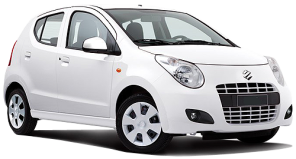
Suzuki Alto
or Similar
From
$16.51/day
Compare car rental deals at Tanzania from trusted global suppliers. Find affordable prices and book your ideal car in minutes.








Explore our range of vehicles available in Tanzania.
or Similar
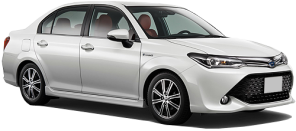
or Similar
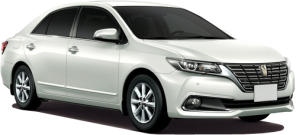
or Similar
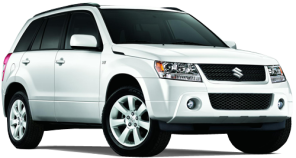
or Similar
or Similar
or Similar
or Similar
or Similar
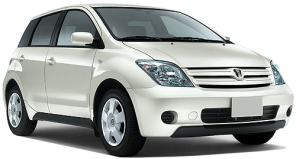
or Similar
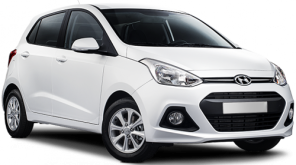
or Similar
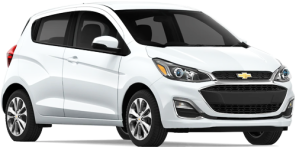
or Similar
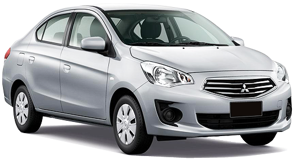
or Similar
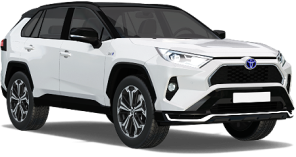
or Similar
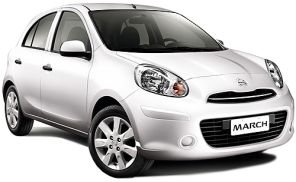
or Similar
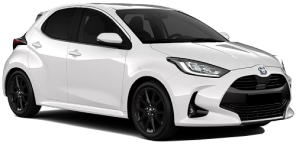
or Similar
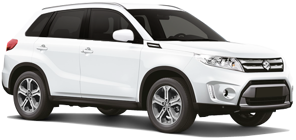
or Similar
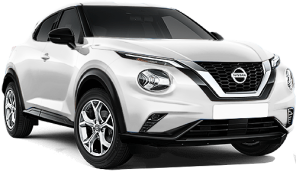
or Similar
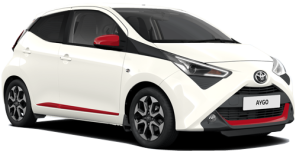
or Similar
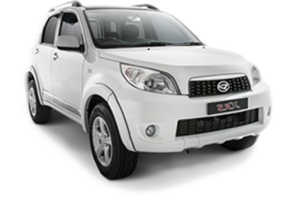
or Similar
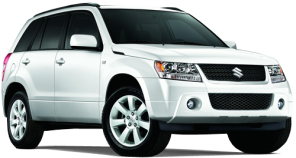
or Similar
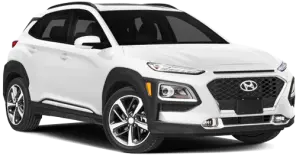
or Similar
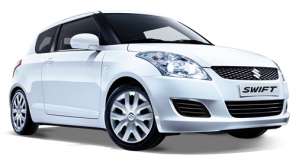
or Similar
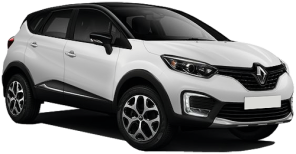
or Similar
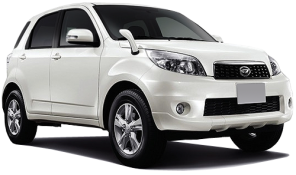
or Similar
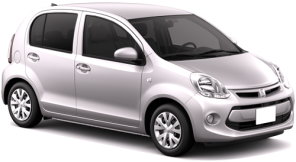
or Similar
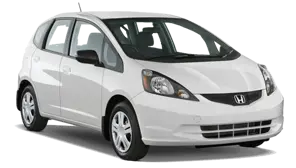
or Similar
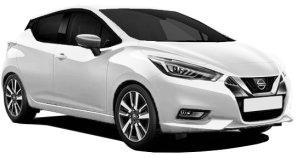
or Similar
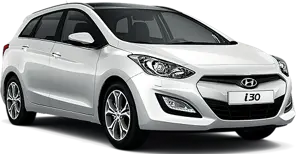
or Similar
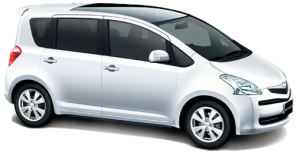
or Similar
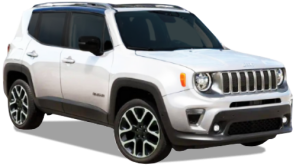
or Similar
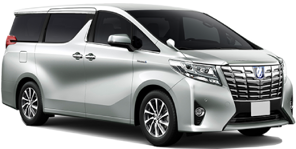
or Similar
Prices shown are approximate and may vary by booking dates, rental duration, and vehicle class. Check booking options for current pricing.
Discover a world of convenience, safety, and customization, paving the way for unforgettable adventures and seamless mobility solutions.
Pick up your rental car in one city and drop it off in another, perfect for road trips and multi-city travel.
Receive instant booking confirmation and rental details directly in your email inbox.
All rental companies on our platform are carefully verified to ensure service quality and customer reliability.
Complete your car rental reservation in just a few simple steps with instant confirmation.
Access rental cars in downtown locations and popular tourist areas for easy travel during your stay.
Many suppliers offer unlimited mileage so you can explore freely without worrying about distance limits.
Essential information about car rental companies, popular cars, rental duration, and prices at Tanzania.
Road Trip Tanzania leads the market with 27% share, specializing in 4x4 safari vehicles for Serengeti migrations, Ngorongoro crater descents, and Kilimanjaro approaches.
4x4 vehicles dominate for safari travel. Land Cruiser-specific rentals are essential for remote northern circuits. Safari vans serve budget-conscious groups.
Average 7-day rentals match classic northern circuit safaris including multiple parks and crater visits. (Based on 4,500+ local searches)
The Toyota Land Cruiser is the undisputed king of Tanzanian safaris. Land Rover Defenders offer classic safari style for premium tours.
Tanzania commands premium rates averaging $115/day for 4x4 safari vehicles. Weekly packages from $750 offer the best value for witnessing the Great Migration.
Compare average car rental prices by month and see how rental rates vary throughout the year in Tanzania.
Peak safari season (June-October) in Serengeti and Ngorongoro. Green season (March-May) offers lower rates. Great Migration (July-September) highest prices. 4x4 essential. Book 3-4 months ahead.
* Prices shown are approximate. Original prices are in USD and converted using real-time exchange rates.
Essential driving rules and requirements to know when renting a car.
Get detailed information on driving rules, licence requirements, speed limits and useful local tips.

Renting a car in Tanzania is the ultimate way to unlock the raw, untamed beauty of East Africa. From the legendary savannahs of the Serengeti to the snow-capped peak of Kilimanjaro and the pristine beaches of Zanzibar, Tanzania offers an unparalleled diversity of landscapes. While public transport exists, it cannot take you to the remote national parks, hidden hot springs, or the quiet villages off the beaten path where the true spirit of the country lies. With your own vehicle, you gain the freedom to chase wildlife migrations, stop for sunrise over the Ngorongoro Crater, and craft an itinerary that is uniquely yours. A rental car transforms a standard tour into a personal safari adventure.
Most international travelers arrive at Kilimanjaro International Airport, the gateway to the northern safari circuit, or Julius Nyerere International Airport in Dar es Salaam, the country's largest city and commercial hub. Picking up your car at the airport is the most seamless option, allowing you to start your journey immediately. Airport locations typically have the widest selection of 4x4 vehicles, which are essential for most itineraries. While city center locations in Arusha or Dar es Salaam might offer slightly lower rates, you'll need to factor in the cost and logistics of a taxi or ride-hailing service to get there. A smart money-saving tip is to book your rental car well in advance, as demand for 4x4s is incredibly high and last-minute bookings can lead to limited availability and higher prices.
| Pickup Location | Advantages | Disadvantages | Money-Saving Tip |
|---|---|---|---|
| Kilimanjaro Int'l Airport (JRO) | Ideal for starting northern safari circuit (Arusha, Serengeti, Ngorongoro). Immediate access upon arrival. Counters of major companies present. | Limited vehicle selection compared to city agencies. Higher demand means booking far in advance is essential. Airport concession fees may apply. | Compare prices with reputable local agencies in Arusha that offer airport delivery; sometimes their all-inclusive packages are better value. |
| Julius Nyerere Int'l Airport (DAR) | Largest airport, great for starting a trip on the coast, the Southern Circuit, or combining safari with beach. All major brands present. | Navigating Dar es Salaam's intense traffic can be challenging for new arrivals. Airport surcharges apply. | Spend your first night in a hotel near the airport or city center and collect your car the next morning after you've acclimated and studied the routes. |
| Arusha City Center | The "Safari Capital" with the highest concentration of rental companies. Widest choice of 4x4s and experienced local operators. Often lower base rates. | Requires a transfer from JRO airport (approximately 1-hour drive) which you'll need to arrange separately. Limited weekend hours at some agencies. | Use a shared shuttle from the airport to Arusha for a few dollars, spend a night in town, then collect your car the next morning with a full tank and supplies. |
| Zanzibar (Stone Town / Abeid Amani Karume Int'l Airport) | Perfect for exploring the spice island's beaches and historic towns. Local agencies available. Convenient if flying directly to Zanzibar. | Very limited selection, primarily small cars. 4x4s are not needed here. Cars cannot be taken between the mainland and Zanzibar. | Rent only for the days you are on the island. Use walking and taxis in Stone Town to save on rental days, as parking can be difficult. |
Car rental prices in Tanzania fluctuate dramatically with the seasons, driven almost entirely by wildlife migration patterns and tourist demand. Understanding these cycles is crucial for budget planning. The high seasons command premium pricing, while the green seasons offer excellent value for travelers who don't mind occasional rain.
| Pricing Factor | Details |
|---|---|
| Cheapest Months | April and May (long rainy season) |
| Most Expensive Months | July to October (peak dry season, wildebeest migration river crossings) |
| Average Price (per day) | 4x4 Safari vehicle (Toyota Land Cruiser): $150-300 depending on age and season. Small car (Suzuki Swift) for cities: $50-80. |
| A Good Deal | Under $120 per day for a reliable 4x4 with a pop-up roof during the rainy season. |
| Cheapest Supplier | Reputable local operators in Arusha often provide better value than large international chains. |
| Cheapest Car Type | 2WD small cars for city use only (not suitable for national parks). |
Rental car demand, particularly for rugged 4x4 safari vehicles, peaks during the dry seasons. The peak period runs from late June through October, coinciding with the Great Wildebeest Migration river crossings in the northern Serengeti. December through February is also a very high season, driven by the calving season in the southern Serengeti, Christmas holidays, and pleasant weather on the coast and Zanzibar. During these months, vehicles, especially the popular Toyota Land Cruisers, are booked months in advance. The green seasons (November-December and March-May) see lower demand and better rates, though roads can be muddier, and some areas may be inaccessible. Major holidays like Christmas, New Year, and Easter cause significant localized spikes in demand and prices.
Rental durations in Tanzania are highly dependent on the traveler's itinerary. For a classic northern safari circuit (Tarangire, Lake Manyara, Ngorongoro Crater, and Serengeti), a rental of 7 to 10 days is typical. Travelers combining a safari with a few days on the coast or Zanzibar might rent for a full 10 to 14 days on the mainland before flying to the island. Those focusing solely on climbing Kilimanjaro or Mount Meru may not need a car at all, or may rent for just a few days before and after their trek. For a more relaxed trip incorporating the lesser-visited southern circuit (Ruaha, Nyerere), a rental of two weeks or more is recommended to cover the greater distances.
Tanzania has a growing number of rental locations, with the highest concentration in Arusha, the safari hub, followed by Dar es Salaam. International chains like Avis, Hertz, and Europcar have counters at the major airports and in city centers. However, the market is dominated by specialized local safari operators who rent out their 4x4 fleets. Availability of standard 2WD cars is generally good, but the specialized 4x4 safari vehicles with pop-up roofs are a limited commodity and must be booked very early for the peak seasons. In Zanzibar, rental agencies are smaller and primarily offer compact cars and scooters, which are sufficient for the island's small size.
| Quick Facts | Details |
|---|---|
| Number of Rental Locations | Concentrated in Arusha and Dar es Salaam; smaller presence in Moshi, Zanzibar, and Mwanza. |
| Major Airport Presence | Kilimanjaro (JRO) and Julius Nyerere (DAR) are primary hubs. |
| International Suppliers | Avis, Hertz, Europcar, Sixt (mainly in major cities). |
| Popular Local Suppliers | Numerous safari operators offering 4x4 rentals; specialized local rental agencies. |
| General Availability | Good for 2WD cars; Limited and highly seasonal for 4x4 safari vehicles. |
Choosing the right vehicle is the most critical decision for your Tanzanian trip. For any travel involving national parks, a 4x4 vehicle is mandatory, not optional. The roads inside parks are rough, sandy, or muddy, and a 2WD car will quickly get stuck. The gold standard is a Toyota Land Cruiser or Land Rover Defender, often equipped with a pop-up roof for wildlife viewing. These vehicles are built for the terrain and offer high ground clearance. For travelers not visiting parks, such as those on a business trip or exploring the coastal areas only, a 2WD car like a Suzuki Swift, Toyota Corolla, or RAV4 is a budget-friendly option. Larger groups or families exploring without venturing into rough terrain may opt for a minivan.
Driving in Tanzania requires alertness and adaptation to local conditions. Vehicles drive on the left side of the road, a legacy of British rule. Speed limits are posted but not always strictly adhered to by locals; they are generally 50 km/h in towns and 80 km/h on highways. The legal blood alcohol limit is 0.08 percent, but it is highly advisable not to drink and drive. Road conditions vary enormously: highways between major cities are generally tarmacked, but secondary and rural roads can be rough, potholed, and unpaved. Be prepared for the unexpected, including pedestrians, cyclists, livestock, and wildlife on the roads. Seatbelts are mandatory for front-seat passengers. There are no specific winter tire laws, but good tire tread is essential, especially during the rainy season.
| Road Type | Speed Limit (km/h) | Speed Limit (mph) |
|---|---|---|
| Urban Areas / Towns | 50 km/h | 31 mph |
| Rural / Intercity Highways | 80 km/h | 50 mph |
| School Zones (when indicated) | 30 km/h | 19 mph |
| Within National Parks | 40-50 km/h (game viewing speed) | 25-31 mph |
Tanzania has no system of highway tolls like those found in Europe or North America. All roads are free to use. However, there are entry fees for national parks and conservation areas, which are paid per person and per vehicle at the gates. These fees are not included in your car rental and can be a significant part of your budget. For example, the Ngorongoro Conservation Area has a fee for the vehicle itself. Payment for these park fees is typically in cash (US dollars or Tanzanian Shillings) or by card at major gates. The absence of road tolls makes fuel your primary ongoing travel expense.
The Tanzanian car rental market offers two distinct paths. International companies provide familiarity, reliable fleets (often newer 4x4s), and 24/7 roadside assistance, making them a safe choice for peace of mind. However, they are often significantly more expensive. Local suppliers, particularly those operating out of Arusha, offer a wider range of vehicles, including older models that are still perfectly capable. They are much more competitively priced and can offer invaluable local knowledge. The key is to choose a reputable local operator with good reviews. For standard 2WD cars in cities, local agencies are often the most economical and efficient choice.
| Company | Price Level | Pros |
|---|---|---|
| International (Avis, Hertz) | High | Consistent fleet quality, 24/7 roadside assistance, global loyalty programs, easy airport pickup. |
| Large Local Safari Operators | Medium | Well-maintained 4x4s, expert local knowledge, often include essential safari gear, competitive rates. |
| Small Local Rental Agencies | Low to Medium | Most affordable for 2WD vehicles, flexible negotiation, good for shorter trips in and around cities. |
Parking in Tanzania's cities, particularly Dar es Salaam, is a challenge that requires patience and vigilance. In the city center, on-street parking is controlled by official parking attendants or "parking boys." They will issue you a ticket, for which you pay a small fee. It is important to use official attendants and get a receipt to avoid issues. Many hotels, malls, and restaurants offer guarded, fenced-in parking lots for a small fee, which is highly recommended for safety. In Arusha, parking is slightly easier, but the same principles apply. Never leave valuables visible inside the car, and always lock it. In Stone Town, Zanzibar, driving is extremely difficult with narrow alleys; it's best to park in a designated lot outside the historic core.
Daily rental rates in Tanzania are highly variable. The following averages provide a general guideline. Prices for 4x4s often include unlimited mileage, crucial for safaris. Renting a 4x4 for a longer period of 2 weeks or more will often come with a discounted weekly rate. Always confirm what insurance is included, as basic liability is standard, but a collision damage waiver is an essential extra.
| Vehicle Category | Low Season (USD per day) | High Season (USD per day) |
|---|---|---|
| Small Cars (Suzuki Swift, Toyota Vitz) | $40 to 55 | $65 to 85 |
| Medium SUVs (Toyota RAV4, Hyundai Tucson) | $70 to 100 | $120 to 180 |
| 4x4 Safari Vehicle (Toyota Land Cruiser) | $150 to 220 | $250 to 350+ |
| Minivans (Toyota Hiace) | $80 to 130 | $150 to 220 |
David and Lisa from the UK picked up their well-worn but robust Toyota Land Cruiser at Kilimanjaro Airport. They had booked it six months prior with a reputable local operator in Arusha. After a nervous first few minutes driving on the left, they headed to their lodge in Arusha. Over the next ten days, the Cruiser became their sanctuary, taking them through the dusty plains of Tarangire, down into the Ngorongoro Crater, and across the endless Serengeti. They learned to navigate around wildebeest crossings, to stop for a family of elephants blocking the road, and to always fill up with fuel at the last station before the park gates. The pop-up roof was their favorite feature, used for game drives and for watching the most spectacular sunset of their lives over the savannah. By the time they returned the vehicle, it was coated in a fine layer of red dust, but it hadn't missed a beat, delivering an adventure they would never forget.
International visitors driving in Tanzania must obtain an International Driving Permit before their arrival. A valid driving license from your home country is not sufficient on its own. The IDP serves as an official translation of your license and is a legal requirement for foreigners driving in Tanzania. You cannot obtain an IDP once you are in the country; it must be secured from your home country's automobile association before you depart.
Travelers can apply for an IDP through their national automobile association, such as the AAA in the United States or the RAC in the UK. The process typically involves filling out an application form, providing two passport-sized photographs, and presenting a valid driver's license. The fee is usually around twenty to thirty dollars. The IDP is valid for one year from the date of issue. When driving in Tanzania, you must carry both your original national license and the International Driving Permit with you at all times. Rental car companies will require to see both documents before handing over the keys. Additionally, police checkpoints are common, especially near national parks and borders, and officers will ask to see your IDP along with your passport and vehicle documents.
Markers show approximate airport or town-centre areas, not confirmed rental desks.
Find airport guides for car rentals, parking, and ground transportation.
Try a different name, city, or IATA code.
Read verified customer reviews, ratings, and rental experiences from travelers who booked through Airport Rento.
Overall Rating
"Simple pickup, good aircon, tank was full. Dropped it back off at JRO with zero issues. Cheap and cheerful."
Charlie Evans
"El tráfico en Dar es un caos, pero el coche pequeño que alquilé fue genial para esquivar boda-bodas. El aire acondicionado funcionaba al máximo. Muy buena relación calidad-precio."
Juan Carlos Lopez
"The crater roads are no joke. Rented a Land Cruiser and it ate up the terrain. Pickup in Arusha was efficient. The child seat I requested was already installed and secure."
Liam Smith
"Car was ready on time. Price was fixed as quoted online. The pickup spot at the airport was a bit hard to find, but otherwise okay."
David Dvorak
"Car was clean. Tires had good tread. Only giving 4 stars because the wiper fluid was empty and it was dusty season. Quick fix at a petrol station though."
Ava Chen
"Afgehaald op Zanzibar airport. Alles was duidelijk. De auto was een oudje maar reed prima. Geen airco problemen gehad in de hitte."
Ben Van der Berg
"Booked a RAV4 for Serengeti drive. Car was clean and handled the dirt roads surprisingly well. The check-in lady was a bit slow, took ages to find my reservation, but once sorted it was fine. Would use again."
Aidan Connolly
"Car had a weird rattle on the passenger side. Drove fine though. Didn't break down in the middle of nowhere so I'm happy."
Sara Johansson
"I had a flat tire near Bagamoyo. Called their 24/7 line and a mechanic was with me in 45 minutes. No extra charge because I took the full cover. Life saver."
Simon Petrovic
"Picked up a Land Cruiser at KIA right on time. The AC was icy cold which you definitely need driving to Moshi. Paperwork took maybe 10 mins. No hidden fees, just solid service."
Susan Miller
"Alles super gelaufen. Wagen war fast neu, Rückgabe in Arusha problemlos. Der Typ am Schalter war sehr freundlich und hat uns Tipps für die Strecke nach Ngorongoro gegeben."
Yannis Christodoulou
"Auto pulita, aria condizionata potente. Unica pecca: i sedili posteriori erano un po' macchiati. Per il resto, servizio rapido e cordiale."
Renato Piras
"Rented a compact for a week in Stone Town. Actually got upgraded for free because they were out of economy. A/C was essential. The car smelled a bit like cigarettes but it faded."
Charlotte Williams
"Drove an SUV from Jozi up through the border post. The car was permitted for cross-border. This was a major relief. No issues at the gate."
Nomsa Dlamini
"家族4人で利用。トヨタのアルファードを借りました。空港からホテルまでの送迎も手配してくれて助かった。少し値段は高めだけど安心感がある。"
Yuto Watanabe
"It was a car. It drove. The tires were a bit bald for my liking on gravel, but we survived. Staff was friendly but rushed."
Barbara Kowalski
"차량은 매우 깨끗했고 담당자는 친절했습니다. 다만 보험 약관이 좀 복잡해서 영어로 설명을 더 듣고 싶었습니다. 전반적으로는 만족합니다."
Choi Seo-jun
"Vi hyrde en Land Cruiser med popup-tak. Perfekt skick. Enda minus var att upphämtningen tog lite tid, det var kö på kontoret."
Ella Andersson
"We took a Land Cruiser down to Selous. The car was kitted out with a fridge and two spare tires. Exactly what we ordered. The agent even helped us load luggage. Legend."
Jacob Miller
"My first time driving in Africa. The team at AirportCarHub made it super easy. They gave me a local SIM card suggestion and a paper map just in case. Highly recommend for solo female travelers."
Madhav Shastri
"Booked online from Japan. Everything was ready in Dar es Salaam. The GPS was a lifesaver getting out of the city. Car was spotless."
Junya Watanabe
"As a Kenyan, I visit TZ often. This is my go-to rental spot now. Consistent quality, no surprise charges. Keep up the good work."
James Mwangi
"Брал внедорожник для поездки в Микуми. Двигатель работал как часы. Вернул машину с опозданием на час, доплату не взяли. Спасибо."
Artem Yakovlev
"Drove from Dar to Dodoma and back. No mechanical issues at all. The cooling system in the car was excellent given the 35°C heat."
Ramadan Mohamed
"Got the keys and went. Easy peasy."
Finn O'Sullivan
"Booked a sedan for meetings in Dar. Car was modern, clean, and well-presented. Driver was optional but I drove myself. Got a bit lost in Kariakoo market area lol."
Ryu Sato
"Prise en charge à l'aéroport sans attente. La voiture diesel était un monstre, parfaite pour les pistes. Propreté intérieure impeccable. Je referai appel à eux."
Antoine Martin
"Arazi aracı kiraladık. Çok temizdi ve bakımlıydı. Kigali'den geldik, sınır geçişi için gerekli evraklar hazırdı. Teşekkürler."
Mustafa Aydin
"Got a Hilux at JRO. It had a few scratches already which they noted on the form. No deposit issues upon return. Drove it hard up to Lake Natron. Performed flawlessly."
Kai Brown
"Aluguei um Suzuki por 5 dias. Foi mais barato que as locadoras grandes do aeroporto. O carro não é novo, mas está mecanicamente perfeito. Fiz estrada de terra sem problemas."
Vitor Ferreira
"The 4x4 was in great condition and handled the mud near Lake Manyara. The only issue was waiting 30 mins at the office because the system was down. Manual paperwork took forever."
Patel Rajesh
"Loué un 4x4 pour 10 jours. Kilimètres illimités inclus, ce qui est rare. On a fait Serengeti, Tarangire, Manyara. Zéro panne. Juste le bruit du moteur un peu fort sur l'autoroute. Je recommande."
Rose Dubois
"Ich habe viel verglichen. AirportCarHub war 20% günstiger als die großen Ketten. Der Toyota sah nicht perfekt aus, aber die Technik war top. Volle Punktzahl."
Thomas Krause