Economy
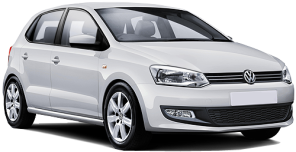
Volkswagen Polo
or Similar
From
$26.82/day
Compare car rental deals at Namibia from trusted global suppliers. Find affordable prices and book your ideal car in minutes.






Explore our range of vehicles available in Namibia.
or Similar
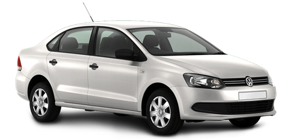
or Similar
or Similar
or Similar
or Similar
or Similar
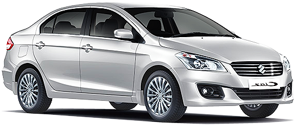
or Similar
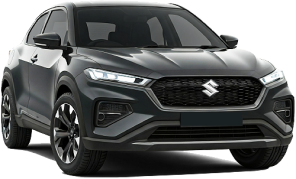
or Similar
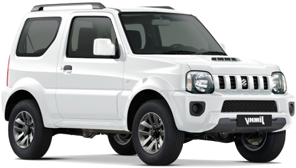
or Similar
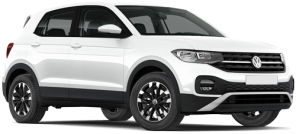
or Similar
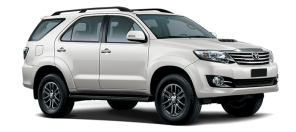
or Similar
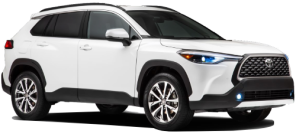
or Similar
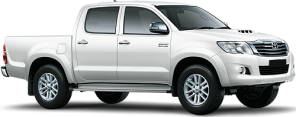
or Similar
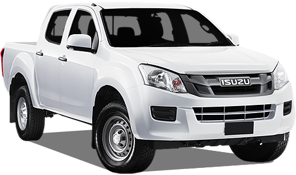
or Similar
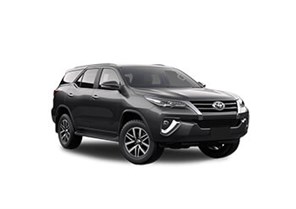
or Similar
Prices shown are approximate and may vary by booking dates, rental duration, and vehicle class. Check booking options for current pricing.
Discover a world of convenience, safety, and customization, paving the way for unforgettable adventures and seamless mobility solutions.
Pay securely using major credit cards and other supported payment methods during booking.
Find rental cars available at major international airports for convenient pickup immediately after your arrival.
View prices and pay in various currencies for a convenient global booking experience.
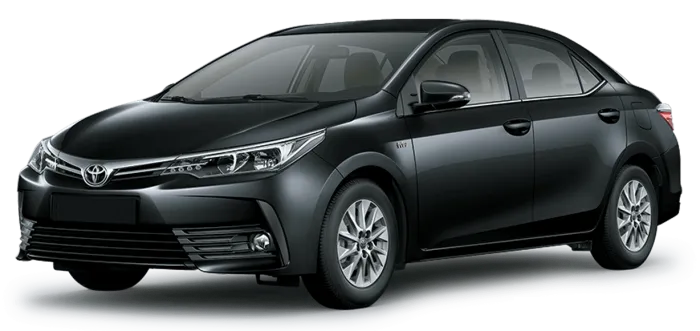
Pick up your rental car in one city and drop it off in another, perfect for road trips and multi-city travel.
Choose from short-term, long-term, or one-way rentals depending on your travel requirements.
Many bookings include free cancellation up to 48 hours before pickup, giving you flexibility when travel plans change.
Essential information about car rental companies, popular cars, rental duration, and prices at Namibia.
Avis leads Windhoek with 32% market share, serving safari travelers to Etosha, Sossusvlei dune climbers, and Skeleton Coast adventurers.
4x4 vehicles essential for gravel roads and desert driving. Camper vans popular for self-drive safaris. Pickups preferred for wildlife photography expeditions.
Rentals average 12 days for northern circuit including Etosha, Damaraland, and Skeleton Coast. Based on 15,000+ local pickups.
Toyota Hilux 4x4 dominates for unstoppable reliability on Namibian gravel. Land Cruiser preferred for extended safaris to remote Kaokoveld.
Namibia rates average $95/day for 4x4 vehicles. Weekly camper rentals from $620 offer best value for self-drive safari adventures.
Compare average car rental prices by month and see how rental rates vary throughout the year in Namibia.
Dry season (May-October) peak for wildlife in Etosha and Sossusvlei. Green season (November-April) offers lower rates. 4x4 essential for gravel roads. Limited rental fleet requires booking 3-4 months ahead for peak.
* Prices shown are approximate. Original prices are in USD and converted using real-time exchange rates.
Essential driving rules and requirements to know when renting a car.
Get detailed information on driving rules, licence requirements, speed limits and useful local tips.
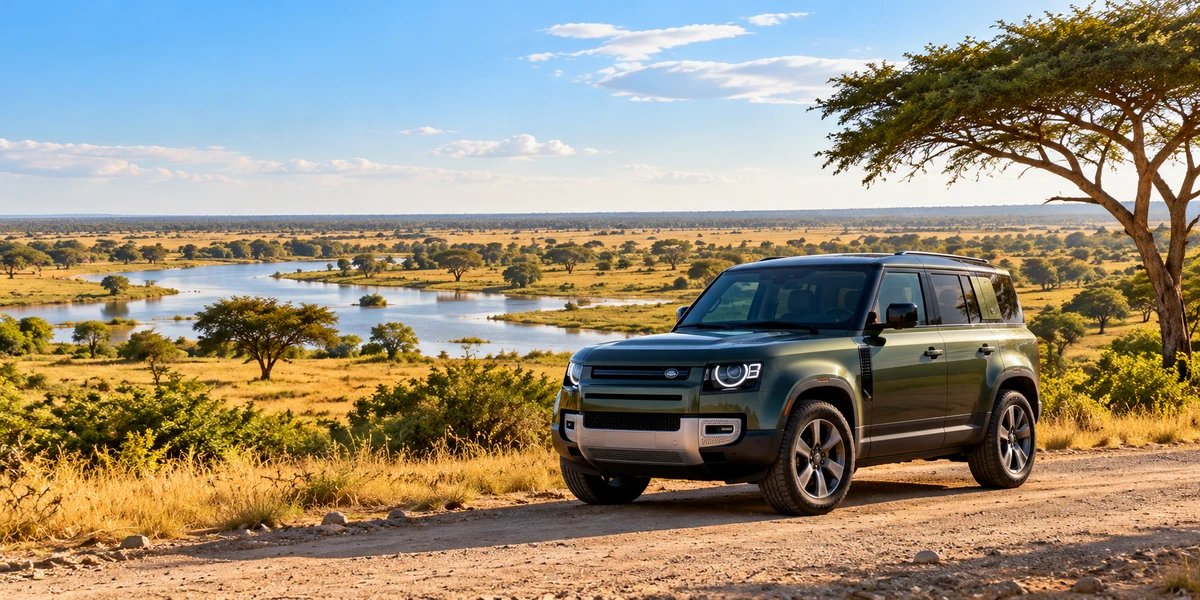
Namibia, a land of stark beauty, endless horizons, and unforgettable adventures, is a country best experienced on the open road. For the independent traveler, renting a car isn't just a convenience; it's the key that unlocks the raw, untamed heart of this magnificent landscape. From the wildlife-rich plains of Etosha to the otherworldly dunes of Sossusvlei, a self-drive safari offers the ultimate freedom to explore at your own pace. However, driving in Namibia is different from many other destinations, with unique road conditions and logistics that require preparation. This comprehensive guide provides everything international travelers need to know for a smooth and safe car rental experience in 2026.
Your journey typically begins after you land, and choosing where to pick up your rental car is your first decision. For most international visitors, picking up directly at the airport upon arrival is the most convenient option, allowing you to drive straight out and begin your adventure. However, picking up from a city center location can sometimes offer savings, provided you have a convenient way to reach the office.
Airport locations, while convenient, often include an additional airport surcharge or concession fee, which can add a noticeable percentage to your total bill. On the other hand, city center offices might have lower overheads and more competitive base rates. The key is to weigh the convenience against the potential cost savings, especially if you're planning to spend a day or two in the capital, Windhoek, before starting your road trip. Here’s a quick comparison to help you decide:
| Pickup Location | Advantages | Disadvantages | Money-Saving Tip |
|---|---|---|---|
| Hosea Kutako International Airport (WDH) | Immediate access upon arrival; vast selection of vehicles; easy start to your road trip. | Includes an airport surcharge; can be busier and more chaotic during peak hours. | Compare the total price including all fees. Sometimes, the convenience is worth the small extra cost. |
| Windhoek City Center | Potentially lower base rates; a good option if you're spending a day in the capital first. | Requires a taxi or shuttle from the airport; limited vehicle availability compared to the airport. | If your flight arrives early, the savings might outweigh the cost and hassle of a transfer to the city. |
| Walvis Bay Airport (WVB) | Ideal for starting a coastal itinerary; convenient for exploring the coast and Namib Desert. | Smaller selection of vehicles than Windhoek; fewer international companies present. | Perfect for one-way rentals if you plan to fly into Walvis Bay and out of Windhoek, or vice versa. |
Car rental prices in Namibia fluctuate significantly throughout the year, driven almost entirely by tourism demand. The country's climate, with its dry winters and hot summers, dictates when most visitors arrive. Understanding these seasonal shifts is crucial for budgeting and can save you a significant amount of money. The peak season, coinciding with the best wildlife viewing and pleasant weather, sees prices soar, while the greener summer months offer incredible value.
During the dry season (May to October), the demand for 4x4 vehicles is at its highest as travelers flock to see wildlife congregating around waterholes in Etosha National Park. This is when you'll encounter the highest prices and should book well in advance. Conversely, the low season (November to April) offers lower rates, though you should be prepared for higher temperatures and possible rains, especially in the north. The table below provides a general overview of pricing trends based on available data.
| Pricing Factor | Details |
|---|---|
| Cheapest Month | June is typically the most affordable month for car rentals, just before the peak season fully kicks in. |
| Most Expensive Month | August is often the peak of the peak season, with prices reaching their highest point due to ideal travel conditions. |
| Average Daily Price | For an economy car, you can expect to pay an average of around $40-$60 per day, but this varies wildly by season. |
| A Good Deal | Securing a rental for under $50 per day for a small SUV or under $30 for an economy car during the low season. |
| Cheapest Supplier | Local suppliers often have more competitive rates, especially for longer rentals, but always compare coverage and terms. |
| Cheapest Car Type | Economy cars like a Toyota Vitz or small hatchbacks are the most budget-friendly option. |
The rhythm of car rental demand in Namibia is closely tied to the country's tourism patterns. The highest demand aligns perfectly with the dry winter months from July to October. During this period, the weather is generally sunny and mild, and wildlife viewing in Etosha National Park is at its best as animals are drawn to permanent water sources. This is also when European and other international travelers take their summer holidays, further fueling demand. The period around major holidays, such as Christmas and New Year, also sees a spike in rental bookings, though the weather at this time is hot and rainy in some areas. Planning your trip during the shoulder months of April, May, or November can be a sweet spot, offering a balance of decent weather and lower prices.
A self-drive trip in Namibia is rarely a short affair; the vast distances mean that travelers typically rent a car for a substantial period. The most common rental duration for a comprehensive tour that includes highlights like Sossusvlei, Swakopmund, and Etosha National Park is between 10 and 14 days. This allows for a relaxed pace, minimizing long driving days and maximizing time for game drives and exploration. Shorter trips of 5 to 7 days are possible for those focusing on a specific region, such as the central coast or the area around Windhoek, but a two-week itinerary is the sweet spot for experiencing the country's diversity without feeling rushed.
Namibia has a well-developed network of rental locations, ensuring you can find a vehicle in all major entry points and towns. The primary hub is, of course, Windhoek's Hosea Kutako International Airport, which hosts counters for all the major international brands and numerous local specialists. You'll also find rental offices in key cities like Swakopmund, Walvis Bay, and at the airport in Ondangwa, which serves the north. There are over 20 different car rental companies operating across the country, from global giants to trusted local providers. While availability is generally good, booking a 4x4 during the peak season is essential, as these vehicles are in very high demand and can be booked out months in advance.
| Quick Fact | Details |
|---|---|
| Number of Rental Locations | Over 40 locations nationwide, with the highest concentration in Windhoek and at major airports. |
| Primary Pickup Points | Hosea Kutako International Airport (WDH), Windhoek City, Walvis Bay Airport (WVB), Swakopmund. |
| Popular Suppliers | International: Avis, Budget, Europcar, Hertz. Local: Namibia2Go, Bushlore, Kalahari Car Hire. |
| General Availability | Good in main cities and towns; 4x4 vehicles require advance booking, especially in peak season. |
Selecting the correct vehicle is perhaps the most critical decision you'll make when planning your Namibian road trip. The choice largely depends on your planned itinerary. If you're sticking to the main paved roads between cities like Windhoek, Swakopmund, and Lüderitz, a standard 2WD sedan or small SUV will suffice. However, to truly experience Namibia's highlights, which often involve driving on well-maintained but challenging gravel roads, a high-clearance vehicle is highly recommended.
Namibia is home to some of the world's most iconic road trips. Here are a few classic routes that showcase the country's stunning diversity:
Familiarizing yourself with local driving laws is vital for a safe and legal trip. Namibia has well-defined rules, and adherence is expected.
In Namibia, you drive on the left side of the road. This is the most important rule for travelers from right-side driving countries. Speed limits are strictly enforced, often with cameras and police checks. The limit is 60 km/h in towns and built-up areas, 100 km/h on most paved roads outside urban areas, and 80 km/h on gravel roads, though you'll often need to drive slower depending on the condition. It is illegal to drink and drive, with a strict blood alcohol limit of 0.05%. Child seat rules require that children under three years must be in a child seat, and children under 14 are not permitted in the front seat. Wearing seatbelts is mandatory for all occupants. During the rainy season, be aware of potential floodwaters on roads, and while not always a law, rental companies strongly advise against driving at night due to the risk of wildlife on the roads.
| Road Type | Speed Limit |
|---|---|
| Urban Areas (Towns/Cities) | 60 km/h |
| Paved Roads (District Roads) | 100 km/h |
| Paved Roads (National Roads/B1) | 120 km/h |
| Gravel Roads | 80 km/h (often less safe due to corrugations) |
One of the pleasant surprises for drivers in Namibia is that there are currently no toll roads in the country. This means you can travel freely across the nation's road network without having to worry about toll fees or electronic toll collection systems. Your driving costs will primarily consist of fuel, which is paid for at full-service stations (attendants will pump the fuel for you). While no tolls exist now, it's always worth checking with your rental company for any updates on road infrastructure projects, though none are currently planned for the near future.
You'll have a robust choice between well-known international brands and specialized local operators when renting a car in Namibia. International companies like Avis, Budget, Europcar, and Hertz have a strong presence, particularly at airports. They offer familiar booking processes, loyalty programs, and a wide range of vehicles. However, for a true Namibian self-drive experience, local companies are often the better choice. Specialists like Namibia2Go, Bushlore, and Kalahari Car Hire focus almost exclusively on 4x4 vehicles and self-drive safaris. They often include comprehensive equipment like camping gear, satellite phones, and detailed road briefing, which can be invaluable. Their vehicles are typically better prepared for the harsh gravel roads, with features like extra spare tires and long-range fuel tanks.
| Company | Price Level | Pros |
|---|---|---|
| Avis / Budget / Europcar / Hertz | Medium / High | Global recognition, reliable, wide range of cars, airport convenience, can earn loyalty points. |
| Namibia2Go | Medium | Excellent 4x4s with rooftop tents, part of Gondwana (lodges), great for self-drive packages, thorough briefing. |
| Bushlore | Medium | Specializes in fully equipped 4x4s and campervans, family-run, excellent support, focus on overlanding. |
| Kalahari Car Hire | Low / Medium | Competitive rates, good selection of 4x4s, flexible options, well-regarded local service. |
Parking in Namibia's main cities, particularly Windhoek and Swakopmund, is generally manageable but requires awareness. In the city centers, you'll find a mix of free parking (often with time limits), paid parking zones managed by municipality parking meters, and secure parking garages. The paid parking zones are common in the central business district and require you to display a ticket purchased from a machine. It's crucial to observe all parking signs to avoid fines or clamping. In Windhoek, be mindful of your belongings and never leave valuables visible in your car, as opportunistic theft can occur. Many shopping malls and hotels offer secure, private parking, which is the safest option for overnight parking.
Rental prices in Namibia can vary greatly, but having a general idea of costs will help with your budget. The figures below are estimated daily averages and can fluctuate based on season, booking window, and rental duration. Generally, longer rentals command a lower daily rate. Always check for unlimited mileage, as it's a standard offering for most 4x4 rentals but might not be for smaller cars.
| Car Category | Estimated Daily Price Range (USD) |
|---|---|
| Small Cars (Economy/Compact) | $30 - $60 |
| Medium Cars (Intermediate/Standard) | $50 - $80 |
| SUVs / 4x4 | $70 - $150+ |
| Vans / People Carriers | $80 - $130+ |
| Luxury Cars | $120 - $250+ |
To ensure a smooth and cost-free experience, here are some essential tips from seasoned travelers:
Even the most prepared travelers can make mistakes. Here are a few common pitfalls to avoid:
Sarah, a photographer from Canada, landed at Hosea Kutako International Airport with a detailed itinerary and a booking for a Toyota Hilux. After a thorough briefing from the local rental agent—who showed her how to change a tire and stressed the dangers of driving at dusk—she hit the road. The first few hours on the paved B1 were easy, but as she turned onto the gravel road leading to Sossusvlei, the real adventure began. The corrugations shook the car, and the vast, empty landscape was mesmerizing. She heeded the advice to slow down to 80 km/h, which made the ride manageable. Arriving at the Sesriem gate just as it opened, she was rewarded with the sight of Deadvlei's ancient trees against the towering dunes without another soul in sight. Later, near Etosha, she experienced a sudden, sharp puncture. Calmly, she remembered the agent's tutorial, swapped the tire for the spare, and was back on her way within an hour, feeling a huge sense of accomplishment. For Sarah, the drive wasn't just a means to an end; it was the heart of her Namibian experience.
To rent a car in Namibia, you are legally required to hold a valid driver's license. If your license is printed in English, it is generally accepted by rental companies and traffic authorities. However, if your license is in any other language, you must obtain an International Driving Permit (IDP) before you travel. An IDP is a translation of your domestic license and is recognized internationally. You can obtain one from your home country's automobile association (such as the AAA in the US or the AA in the UK) before your trip. You'll need a valid driver's license, passport-sized photos, and a small fee. The IDP is valid for one year from the date of issue and must be accompanied by your original driver's license. While some rental companies may not always ask for it if your license is in English, it's a highly recommended and inexpensive form of insurance that can prevent issues during police checks. It's also a requirement by Namibian law if your license is not in English.
Picking up your rental car will be a straightforward process if you arrive prepared with all the necessary documentation. Rental companies in Namibia are professional and thorough, so having everything in order is essential.
You will need to present a valid, full driver's license (and an International Driving Permit (IDP) if your license is not in English). You must also have your valid passport. A major credit card in the main driver's name is almost always required to secure the vehicle and for the security deposit. Debit cards are often not accepted for this purpose. Finally, have your printed rental voucher, if you booked online. It's also wise to bring your travel insurance details, which may include car rental excess coverage. Having these documents ready will ensure a quick and hassle-free pickup.
Markers show approximate airport or town-centre areas, not confirmed rental desks.
Find airport guides for car rentals, parking, and ground transportation.
Try a different name, city, or IATA code.
Read verified customer reviews, ratings, and rental experiences from travelers who booked through Airport Rento.
Overall Rating
"First time in Namibia. AirportCarHub made the car rental part easy. Got a 4x4 with rooftop tent. Perfect for camping in Etosha. No issues with the vehicle whatsoever."
Ravi de Silva
"Bokade en Toyota Hilux. Mycket prisvärt. Smidig uthämtning i Windhoek. Varning för gravel roads bara - ta full försäkring!"
Lars Johansson
"윈드후크 공항에서 픽업. 직원이 친절하게 도로 상황 설명해줌. 차량 상태 좋았고, 에어컨 빵빵. 2주 동안 나미비아 전역 여행하는데 문제 없었습니다."
Choi Min-ho
"Honestly the best quote I got for a Namibian rental. Car was a bit older than expected but mechanically sound. Completed our 3000km loop with zero breakdowns. Can't complain."
Kevin Naidoo
"Landed at Hosea Kutako, grabbed the keys and was on the road in 20 minutes. No paperwork nonsense, car was clean and had decent AC. Drove up to Etosha and the gravel roads were no problem. Solid experience."
James Mitchell
"I enjoyed a smooth rental with no complications. The car was clean, the paperwork was handled efficiently, and the return process was equally easy."
Ryan Rosalie Brown-Johansson
"No hidden fees which I was paranoid about tbh. Deposit returned in 5 days. Car was basic but reliable. Did the job for our trip from Windhoek to Lüderitz. Would recommend."
Liam Thompson
"Am închiriat o mașină 4x4 pentru o săptămână. Preț foarte bun comparativ cu alte companii. Mașina a fost perfectă pentru drumurile din Namibia. Voi reveni."
Alex Popescu
"Rented a Hilux double cab. Very strong car for rough terrain. Aircon worked perfectly which is important in Namibia heat. Only small issue was waiting 30 min at pickup but staff apologized."
Yuki Tanaka
"As a South African I cross into Namibia often. AirportCarHub gives consistent quality. Picked up in Windhoek, went all the way up to the Caprivi strip. 4x4 coped beautifully with the mud. Cheaper than renting back home honestly."
Pieter van der Merwe
"Used them twice now for Namibian trips. Consistent quality. This time took a Land Cruiser to Kaokoland. No other rental company wanted to insure us for that area. AirportCarHub came through."
George Kapiniaris
"Très bon service. Nous avons eu un problème de pneu crevé vers Spitzkoppe et l'assistance téléphonique nous a très bien guidés. Voiture confortable et propre."
Fatima Zahra
"Fortuner was clean and well maintained. Drove to Sandwich Harbour with guide but used our own vehicle. No problems in deep sand. Proper 4x4 not a soft-roader which is what you need."
Mark Wilson
"Nem booking online, hurtig afhentning. Bilen var ren og mekanisk i orden. Kørte til Sossusvlei og Swakopmund. Intet at klage over."
David Olsen
"Rented for our family of 5. Car seat was provided for the toddler as requested. Spacious Fortuner, comfy for long drives. Pickup and return super easy. Thanks team."
Sarah Williams
"Beste Wahl für Selbstfahrer in Namibia. Wichtige Tipps zu Strecken bekommen, Fahrzeug top gewartet. Sind bis Epupa Falls hoch, kein Platten nix."
Sebastian Müller
"Aluguei uma 4x4 para viajar com a família até Etosha. O carro estava em perfeitas condições, o staff foi super atencioso explicando tudo sobre as estradas na Namíbia. Recomendo muito!"
Carlos Ferreira
"Wszystko zgodnie z rezerwacją. Samochód sprawny, klimatyzacja działała idealnie. Przejechaliśmy Namibię w 12 dni bez awarii. Polecam."
Piotr Kowalski
"Wir haben das Auto in Windhoek abgeholt und sind direkt los nach Swakopmund. Alles problemlos, sehr freundliches Personal. Kilometer unbegrenzt war genau was wir brauchten für die langen Strecken."
Thomas Bergmann
"Hämtade bilen på flygplatsen, smidigt och enkelt. Hade bokat en SUV men fick en uppgradering utan extra kostnad. Körde genom Namiböknen, helt fantastiskt. Bilen var i toppskick."
Henrik Larsson
"Location parfaite. On a pris un 4x4 Toyota, quasiment neuf. Aucun souci mécanique en 10 jours même sur les pistes difficiles vers le canyon. Service client réactif par WhatsApp."
Antoine Dubois
"Flew in from Sydney via Jo'burg, picked up a Prado. Thing was immaculate. Drove up through Kalahari then across to the coast. Zero mechanicals, zero stress. Booking process online was dead simple too."
Ben Johnson
"Levantámos o carro no aeroporto. Correu tudo bem. O carro era robusto, ótimo para as estradas de gravilha na Namíbia. A devolução foi rápida e sem problemas."
Rui Santos
"Arrived late at night, staff waited for us. Hassle-free paperwork. Car had full tank and spare tyres checked. Drove to Etosha next morning. Amazing experience overall. شكرا"
Ahmed Al-Farsi
"Booked from India before our Namibia trip. The online booking was straightforward, got confirmation immediately. Car was waiting at the airport. Only minor gripe is the tyre pressure was a bit low but we fixed that at the first petrol station."
Arjun Patel
"在温得和克机场取车非常方便。丰田Fortuner车况很好,空调制冷效果不错。从首都一路开到斯瓦科普蒙德,沙漠公路驾驶体验很棒。价格合理透明。"
Wei Zhang
"Compared like 8 different sites and AirportCarHub was the cheapest for a 4x4 in Namibia. Was slightly worried it was too good to be true but nope, legit service. The Fortuner handled Sossusvlei like a beast. Will use again next trip."
Oliver Wright
"Good experience. Picked up in Windhoek, drove to Swakopmund via the Gamsberg pass. Stunning drive. Car handled gravel well. Only thing - wish the spare tyre was a full size not a marie biscuit."
Nicholas Becker
"Alquilamos una camioneta 4x4 por 10 días. El proceso fue rápido, los precios justos y el vehículo estaba casi nuevo. Recorrimos Etosha y Damaraland sin inconvenientes. ¡Gracias!"
Juan Carlos Mendoza
"Namibya'da araba kiralamak için harika bir firma. Fiyatlar uygun, araç temiz ve bakımlıydı. İade işlemi çok hızlıydı. Tavsiye ederim."
Mustafa Demir
"Всё отлично. Машина была чистая, полный бак. Проехали почти 3000 км по Намибии без каких-либо проблем. Оформление быстрое, персонал говорит по-английски."
Dmitri Volkov
"Rented a 4x4 to access remote areas for photography. Vehicle was sturdy. No issues on deep sand tracks near Sandwich Harbour. Highly recommended for serious overlanding."
Hiroshi Watanabe
"Auto perfetta per la Namibia. Abbiamo preso una Toyota Hilux nuova. Siamo andati da Windhoek fino alle dune di Sossusvlei e poi verso la Skeleton Coast. Nessun problema, consigliato."
Giovanni Rossi
"Rented for 2 weeks. Did Windhoek > Kalahari > Fish River > Luderitz > Swakop > Etosha. Roughly 4000km. The Hilux didn't miss a beat. Tyres were good quality. Would use again definitely."
Michael O'Brien